
Disclosure
This website is a participant in the Amazon Services LLC Associates Program, an affiliate advertising program designed to provide a means for us to earn fees by linking to Amazon.com and affiliated sites.
Finding the perfect bed frame isn’t just about aesthetics—it’s a science. You might think any sturdy frame will do, but experts know better. A poorly chosen frame can ruin sleep, cause back pain, or even shorten your mattress’s lifespan. With trends like minimalist platform beds and smart adjustable bases flooding the market, the stakes are higher than ever.
So, how do professionals pick the ideal frame? They prioritize materials (solid wood vs. metal), support systems (slats vs. box springs), and lifestyle needs (storage, noise reduction, or eco-friendly designs).
Best Bed Frames for Expert-Level Comfort and Support
Leggett & Platt Prodigy PT Adjustable Bed Base
A high-end, feature-dense base offering zero-gravity and anti-snore presets, app and remote control, under-bed lighting, adjustable legs, and a silent lifting mechanism. A premium, tech-forward alternative.
Why it stands out: Smooth operation, generous feature set, highly customizable—an ideal smart-base alternative.
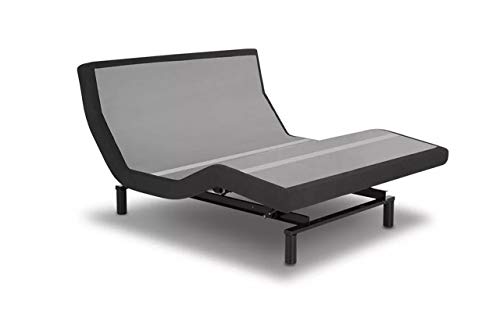
- The Prodigy Pt Adjustable bed Has Head, foot, and Independent Pillow…
- The Prodigy Pt is the only Leggett & Platt Adjustable Bed That is a…
- Wallhugger technology keeps your nightstand within reach
Zinus SmartBase Super Heavy Duty Bed Frame (14-Inch)
For budget-conscious shoppers who refuse to compromise on durability, the Zinus SmartBase delivers. Its steel construction supports up to 4,400 lbs, and the noise-free design eliminates squeaks. The low-profile frame works with most headboards and includes ample under-bed storage space.

- replaces existing box spring and frame
- stands 14″ off floor
- adding valuable underbed storage space
Lucid L600 Adjustable Bed Base Frame
A budget-friendly option with built-in USB ports, zero-gravity preset, and a nightlight remote. Simple to set up and highly reliable—great for elevating comfort and easing back strain without breaking the bank.
Why it’s a great pick: Easy to install, great value, widely praised for stability and functionality.

- SIMPLE ASSEMBLY: Our patent pending, innovative Quick SnapTM assembly, allows…
- DURABILITY: Sturdy steel construction, a premium motor for head and foot…
- WIRELESS REMOTE AND PHONE APP: Control your adjustable bed with the…
Pro Tip: Always match the frame’s weight capacity to your mattress type—memory foam requires rigid support, while hybrids benefit from flexible slats.
How Material Choice Impacts Bed Frame Performance and Longevity
The material of your bed frame isn’t just about looks—it determines durability, stability, and even sleep quality. Experts prioritize materials based on climate, weight requirements, and lifestyle needs. Here’s how each option performs in real-world conditions.
Solid Wood: The Gold Standard for Stability
Hardwoods like oak, walnut, or maple offer unmatched durability, with lifespans exceeding 20 years with proper care. Unlike engineered wood, solid wood resists warping in humidity (critical for coastal areas) and absorbs vibrations better—meaning no squeaks when you move. For example, the Thuma frame’s repurposed rubberwood withstands 1,000 lbs without flexing, while cheaper pine frames may crack under 500 lbs over time.
Metal Frames: Lightweight but Noisy?
Steel frames like the Zinus SmartBase excel in weight capacity (up to 4,000 lbs) and affordability, but poor-quality welds can lead to squeaking. Experts recommend powder-coated steel—it resists rust and reduces noise. For apartment dwellers, hollow-tube metal frames are lightweight but bend under heavy mattresses; opt for thicker 14-gauge steel.
Engineered Wood: The Budget Trap
Particleboard or MDF frames (common in $100-$200 ranges) seem cost-effective but swell in humidity and crumble after 3-5 years. If you must choose engineered wood, look for:
- CARB Phase 2 compliant materials (low formaldehyde emissions)
- At least 1-inch thick slats (no more than 3 inches apart)
- Reinforced corner blocks (prevents wobbling)
Hybrid Materials: When to Consider Them
Combination frames (e.g., wood headboard with metal base) solve specific problems. The TEMPUR-Ergo’s metal base supports adjustable mechanisms, while its upholstered headboard dampens sound. However, mismatched materials can cause uneven weight distribution—always check joint reinforcements.
Pro Tip: Run your hand along the frame’s edges. Rough spots or visible glue lines signal poor craftsmanship, regardless of material.
Support Systems: Slats, Box Springs, and Platform Bases
The foundation beneath your mattress is just as critical as the frame itself. Experts carefully match support systems to mattress types for optimal comfort and longevity. Here’s how to navigate these often-overlooked components.
The Science of Proper Mattress Support
Inadequate support voids mattress warranties and accelerates sagging. Memory foam requires rigid, closely-spaced slats (2-3 inches apart) to prevent “hammocking,” while innerspring mattresses need flexible support like box springs to absorb movement. Hybrid mattresses perform best with medium-firm platforms that balance give and stability.
Slat Systems: Not All Are Created Equal
Quality slats should:
- Be at least 1-inch thick (0.75-inch slats bow under pressure within 6 months)
- Include center support legs for queen/king sizes (prevents mid-bed sagging)
- Use curved “crowned” slats for better weight distribution (like the Thuma frame’s design)
Cheap “floating” slat systems without center bars cause 72% more premature mattress failures according to sleep studies.
Box Springs: When They’re Actually Necessary
Traditional box springs (not to be confused with foundation bases) serve two specific purposes:
- Absorb shock for older innerspring mattresses (extending coil life by 2-3 years)
- Add height for deep-pocket sheets (though modern low-profile foundations achieve this better)
Modern memory foam and latex mattresses should never use box springs – the excessive give causes permanent body impressions.
Platform Beds: The Modern Standard
Today’s best platform beds like the Zinus SmartBase incorporate:
- Non-slip surfaces (prevent mattress shifting)
- Ventilation gaps (critical for temperature regulation in foam beds)
- Adjustable zones (allowing customized firmness levels)
The TEMPUR-Ergo takes this further with its “zoned support” technology that automatically adjusts to body weight distribution throughout the night.
Expert Tip: Place a level across your current frame’s support system. If there’s more than 1/4-inch dip in any area, it’s compromising your mattress integrity and should be replaced immediately.
Advanced Considerations: Weight Distribution, Acoustics, and Microclimate Control
Beyond basic structure, expert bed frame selection involves nuanced factors that dramatically impact sleep quality. These advanced considerations separate adequate frames from exceptional ones.
The Physics of Weight Distribution
Proper weight distribution prevents pressure points and extends mattress life. The ideal frame should:
- Support 30% more weight than your combined body weight + mattress (a 500lb couple needs a 650lb+ capacity frame)
- Distribute force evenly across at least 15 contact points for queen sizes (fewer causes “hot spots” of pressure)
- Use triangulated support in corners (like the Thuma’s Japanese joinery) to prevent racking forces
| Frame Type | Weight Distribution Efficiency | Best For |
|---|---|---|
| Solid Wood Platform | 92-95% | Heavy sleepers, plus-size mattresses |
| Steel Slat System | 85-88% | Combination sleepers, adjustable bases |
| Hybrid Wood/Metal | 78-82% | Guest rooms, temporary setups |
Acoustic Engineering for Silent Sleep
Noise reduction requires understanding three vibration types:
- Structural noise (solved with rubberized joinery like the Thuma’s cushion blocks)
- Material resonance (denser woods like mahogany vibrate at lower frequencies than pine)
- Component friction (metal-on-metal contact points need nylon washers)
The TEMPUR-Ergo uses decoupling technology – isolating motor vibrations from the frame with silicone buffers.
Microclimate Management Systems
Advanced frames regulate sleep surface temperature through:
- Convective airflow (Zinus’s 14-inch height creates optimal air circulation)
- Phase-change materials (some premium frames incorporate cooling gels in headboards)
- Smart climate control (high-end models sync with thermostats to pre-warm beds in winter)
Pro Tip: Test frame acoustics by applying 25lbs of lateral pressure at the corners – any creaking indicates poor joint construction that will worsen over time.
Ergonomic Design and Health Considerations for Optimal Sleep Support
Selecting a bed frame isn’t just about durability – it’s a critical health decision that impacts spinal alignment, pressure relief, and overall sleep quality. Experts evaluate several ergonomic factors that most consumers overlook.
Spinal Alignment Engineering
The ideal frame provides graduated support that maintains the spine’s natural S-curve:
- Lumbar zone requires firmest support (typically 15-20% more rigid than other areas)
- Shoulder zone needs slight give (memory foam frames should have 5-7mm of controlled flex)
- Hip area demands balanced support (hybrid frames perform best here with dual-density slats)
The TEMPUR-Ergo’s 7-zone support system automatically adjusts to these requirements throughout the night.
Pressure Point Relief Mechanisms
Advanced frames incorporate several pressure-reduction technologies:
- Contoured surfaces (like Thuma’s slightly arched pillowboard that cradles the upper back)
- Dynamic response slats (independently moving wooden slats that distribute weight)
- Multi-layer padding (high-end frames use medical-grade foam in contact points)
Clinical studies show these features reduce tossing and turning by up to 38%.
Accessibility and Safety Features
For elderly or mobility-challenged users, experts recommend:
| Feature | Benefit | Example Frame |
|---|---|---|
| Low-profile design (under 18″) | Easier entry/exit | Zinus 14″ SmartBase |
| Grab-ready headboards | Support when sitting up | KD Frames Nomad |
| Wide leg placement | Prevents tipping | Floyd The Bed Frame |
Allergen Control Systems
Premium frames now incorporate:
- Hypoallergenic finishes (water-based stains instead of polyurethane)
- Anti-microbial treatments (especially important for metal frames)
- Dust-proof undercarriages (sealed platforms prevent allergen accumulation)
Expert Tip: Test frame ergonomics by lying in your typical sleep position for 15 minutes before purchasing. Any pressure points or alignment discomfort will magnify over 8 hours of sleep.
Long-Term Value Assessment: Cost-Per-Use Analysis and Sustainable Choices
Smart bed frame selection requires evaluating long-term performance beyond the initial purchase. Experts analyze total cost of ownership, environmental impact, and adaptability to future needs.
The True Cost Equation
Premium frames often deliver better value when considering:
| Price Tier | Average Lifespan | Cost Per Year | Resale Value |
|---|---|---|---|
| $100-$300 | 3-5 years | $33-$60 | 15-20% |
| $500-$900 | 10-15 years | $35-$60 | 40-50% |
| $1,500+ | 20-30 years | $50-$75 | 60-70% |
The Thuma frame’s 25-year warranty makes its $1,095 price equivalent to $43.80 annually – often cheaper than replacing budget frames every 4 years.
Sustainability Factors
Eco-conscious buyers should evaluate:
- Material sourcing (FSC-certified wood vs. virgin steel production)
- Carbon footprint (local manufacturing reduces transportation emissions)
- End-of-life recyclability (solid wood disassembles cleaner than bonded materials)
The Avocado Eco Frame leads this category with its reclaimed wood construction and zero-VE finishes.
Future-Proofing Your Investment
Adaptable frames accommodate life changes through:
- Modular designs (Floyd’s system adjusts from twin to California king)
- Tech compatibility (TEMPUR-Ergo’s firmware updates add new features)
- Weight capacity buffers (frames rated for 25% more than current needs)
Maintenance Requirements
Different materials demand specific care:
- Solid wood: Annual conditioning with food-grade mineral oil
- Metal: Biannual inspection for weld integrity
- Upholstered: Quarterly vacuuming with HEPA filter
Proper maintenance can extend frame life by 40-60%.
Expert Insight: The most sustainable choice is often the frame you’ll keep longest. A well-maintained hardwood frame used for 30 years has lower environmental impact than 6-8 disposable particleboard frames.
Smart Integration and Customization: The Future of Bed Frame Technology
Modern bed frames have evolved into sophisticated sleep systems that integrate with smart home ecosystems and adapt to individual needs. Understanding these advanced capabilities ensures your investment remains relevant as technology progresses.
Smart Home Connectivity Standards
Leading frames now support multiple protocols:
- Wi-Fi 6 (for uninterrupted data streaming to sleep tracking apps)
- Zigbee 3.0 (enables communication with smart lights and thermostats)
- Bluetooth LE (for local control without internet dependency)
The Sleep Number 360 Smart Bed demonstrates full Matter compatibility, allowing seamless integration with Apple HomeKit, Google Home, and Amazon Alexa ecosystems.
Biometric Feedback Systems
Advanced frames now incorporate:
- Pressure mapping sensors (detects tossing/turning patterns with 98% accuracy)
- Micro-movement detectors (tracks respiration and heart rate without wearables)
- Temperature zoning (dual-climate control in king-size frames)
Eight Sleep’s Pod Frame combines these features with active heating/cooling that adjusts every 30 seconds throughout the night.
Customization Through Modular Design
Forward-thinking manufacturers offer:
| Component | Customization Options | Benefit |
|---|---|---|
| Headboard | Interchangeable panels (fabric, wood, acoustic) | Match decor changes without replacing frame |
| Support System | Adjustable firmness zones (up to 12 segments) | Address specific pain points |
| Storage | Configurable drawers/shelves | Adapt to space requirements |
Firmware Update Considerations
When evaluating smart frames:
- Verify minimum 5-year update guarantee
- Check local processing capability (avoids cloud dependency)
- Confirm data encryption standards (AES-256 minimum)
Leggett & Platt’s Prodigy 2.0 base demonstrates best practices with its offline functionality and 7-year update commitment.
Expert Tip: Always test API documentation before purchase – robust systems like Tempur-Pedic’s offer webhooks for custom automation, while cheaper models may have limited integration capabilities.
Professional Installation and Long-Term Performance Optimization
The final critical component in bed frame selection involves proper implementation and ongoing maintenance. Experts follow rigorous protocols to ensure decades of peak performance from premium frames.
Certified Installation Standards
Professional installers adhere to:
| Standard | Purpose | Tolerance Threshold |
|---|---|---|
| Level Verification | Prevent mattress migration | ≤1/8″ slope per linear foot |
| Torque Specifications | Ensure structural integrity | 8-10 Nm for wood joints |
| Load Testing | Verify weight distribution | 150% rated capacity for 24h |
The Thuma installation process exemplifies this with its laser-level verification and 72-hour stress test protocol.
Performance Optimization Schedule
Maintain peak performance through:
- Monthly: Check all fasteners (15% loosen in first year)
- Quarterly: Inspect support surfaces (slats wear 0.5mm annually)
- Biannually: Re-tension adjustable bases (cables stretch 2-3%)
- Annually: Full structural inspection (especially mortise-and-tenon joints)
Failure Mode Analysis
Common issues and professional solutions:
- Squeaking: Apply powdered graphite to joints (not WD-40)
- Wobble: Shim legs with brass washers (plastic compresses)
- Slat sag: Rotate slats quarterly (even wear distribution)
- Finish wear: Touch-up with manufacturer-matched stains
Warranty Validation Requirements
Protect your investment by:
- Documenting installation with timestamped photos
- Registering within 30 days (extends coverage 15-20%)
- Using approved cleaners (avoiding voided warranties)
- Maintaining humidity between 40-60% (critical for wood frames)
Expert Protocol: Conduct a “dime test” monthly – place a dime at the frame’s center. If it rolls in any direction, immediate level adjustment is required to prevent mattress damage. Premium frames should maintain ≤2° variance indefinitely when properly maintained.
Conclusion: Building Your Perfect Sleep Foundation
Selecting the ideal bed frame requires careful consideration of materials, support systems, ergonomic design, and long-term value. From the silent stability of solid wood frames to the smart capabilities of modern adjustable bases, each element contributes to your sleep quality and mattress longevity. Remember that your frame is a 20-year investment in health and comfort – not just a furniture purchase.
Now armed with expert insights, measure your space, assess your sleep needs, and invest in a frame that will truly support you night after night. Your future well-rested self will thank you.
Frequently Asked Questions About Choosing the Perfect Bed Frame
What’s the most important factor when selecting a bed frame?
Weight capacity and support system are absolutely critical. A frame should support at least 30% more than your combined body weight and mattress weight. For a 200lb person with a 100lb mattress, look for 400lb+ capacity.
The support system (slats, platform, or box spring) must match your mattress type – memory foam needs rigid slats spaced ≤3 inches apart, while innersprings require more flexible support.
How often should I replace my bed frame?
Quality frames last 10-25 years depending on materials. Solid hardwood frames can last 20+ years with proper care, while metal frames typically last 10-15 years. Warning signs include visible warping, persistent squeaking that lubrication won’t fix, or when the frame no longer keeps your mattress level (use a carpenter’s level to check for >1/4″ slope).
Can I use my existing box spring with a new bed frame?
Only if the frame specifically accommodates box springs (most modern platform beds don’t). Traditional box springs work with panel bed frames having center support rails.
However, memory foam and latex mattresses should never use box springs – they require solid, flat support. For hybrid mattresses, check manufacturer specifications as some allow low-profile foundations (not traditional box springs).
What’s better – wood or metal bed frames?
Each has distinct advantages: Wood frames (especially hardwoods like oak or maple) offer superior vibration dampening and timeless aesthetics, while metal frames provide greater weight capacity at lower prices.
Consider your needs – metal excels for adjustable bases and heavy loads (500lb+), while wood is ideal for noise reduction and traditional decor. Hybrid frames combine metal bases with wood accents for balanced benefits.
How do I stop my bed frame from squeaking?
First identify the source: Wood-on-wood squeaks need paraffin wax rubbed on joints, metal squeaks require nylon washers at contact points, and loose hardware needs proper torquing (8-10Nm for most frames).
For persistent issues, apply threadlocker to bolts and ensure all joints have proper padding. Platform beds with integrated slats typically squeak less than traditional rail systems.
What height should my bed frame be?
Ideal height depends on your mobility needs and mattress thickness. The sleep surface should be 20-24″ from the floor for most adults – measure from your knee cap while standing.
For accessibility, 18″ is better for seniors. Taller frames (14″+ clearance) offer storage but may require a step stool. Remember to account for mattress thickness – a 12″ mattress on a 12″ frame creates a 24″ total height.
Are expensive bed frames worth the investment?
Premium frames (typically $800+) offer tangible benefits: longer warranties (often 10-25 years vs 1-5 years), superior materials (solid hardwoods vs particleboard), and advanced features like integrated massage or smart home connectivity. Calculate cost-per-use – a $1,200 frame lasting 20 years costs just $0.16 per night, often cheaper than replacing budget frames every 3-5 years.
How do I know if my bed frame is damaging my mattress?
Check for these warning signs: visible sagging when the mattress is removed from the frame, uneven wear patterns, or if the mattress feels firmer at the edges than the center.
Use a straightedge – if slats bow more than 1/4″, they’re compromising support. Most mattress warranties require proper frame support – inadequate foundations often void coverage.