
Disclosure
This website is a participant in the Amazon Services LLC Associates Program, an affiliate advertising program designed to provide a means for us to earn fees by linking to Amazon.com and affiliated sites.
Electronics before bed significantly harm your sleep—and the science proves it. You might believe scrolling through your phone or watching TV helps you unwind, but research reveals these habits sabotage your ability to fall asleep, stay asleep, and wake up refreshed.
In our hyper-connected world, 90% of adults use screens within an hour of bedtime, yet few realize how this hijacks their natural sleep cycles. The glowing blue light, mental stimulation, and dopamine triggers from devices trick your brain into feeling alert—just when it should be winding down.
Best Sleep-Friendly Products for Reducing Electronics Impact
Philips Hue Smart Lighting System
This smart lighting system lets you automate warm, amber-toned lights in the evening, reducing blue light exposure. Its “Sunset” mode gradually dims lights to mimic natural dusk, signaling melatonin production. Compatible with voice assistants for seamless bedtime routines.
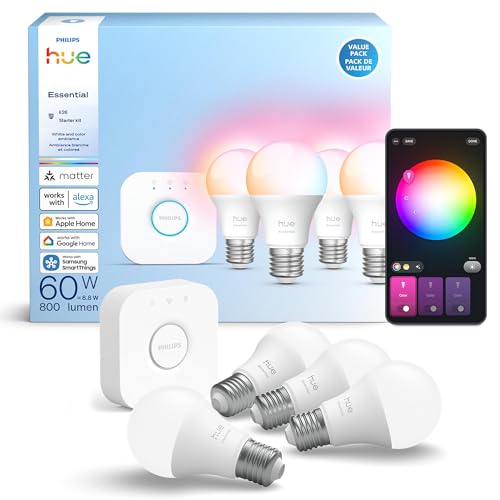
- WHAT’S IN THE BOX – This starter kit includes one Hue Bridge and four E…
- CREATE AMBIANCE WITH COLOR – Set the mood with millions of colors and a…
- DIM EASILY – Adjust from full brightness all the way down to 2% using the Hue…
Oura Ring Generation 3 (Model: Horizon)
A wearable sleep tracker that monitors circadian rhythms, body temperature, and sleep stages without disruptive screens. Its vibration alerts remind you when to wind down, and the app provides personalized insights to optimize your pre-bed tech habits.

- SIZE BEFORE YOU BUY – Size with Gen3 Sizing Kit prior to purchasing Oura Ring…
- THE REVOLUTIONARY SMART RING – Track your sleep, activity, stress, heart rate…
- MORE ACCURATE BY DESIGN – Your finger provides the most accurate pulse reading…
F.lux Software (for Windows/macOS)
This free program automatically adjusts your screen’s color temperature based on time of day, eliminating sleep-disrupting blue light after sunset. Unlike basic night modes, it offers granular control for designers and programmers who need late-night screen time.
The Science Behind Blue Light and Sleep Disruption
When you stare at screens before bed, you’re exposing yourself to high-energy visible (HEV) blue light—a wavelength between 400-490 nanometers that mimics daylight. This tricks your brain into suppressing melatonin, the hormone responsible for regulating sleep-wake cycles.
Research from Harvard Medical School shows that blue light exposure in the evening can delay melatonin production by up to 3 hours, effectively putting your body into a state of “artificial jet lag.”
How Your Brain Processes Screen Light
Your retina contains specialized cells called intrinsically photosensitive retinal ganglion cells (ipRGCs) that detect blue light. Unlike rods and cones for vision, these cells connect directly to your suprachiasmatic nucleus—the brain’s master clock. When activated by screens:
- Disrupts circadian rhythm: Signals your body it’s still daytime, slowing core temperature drop needed for sleep onset
- Reduces sleep quality: Even if you fall asleep, REM cycles become shorter and more fragmented
- Impairs next-day alertness: A University of Houston study found participants wearing blue-blocking glasses produced 58% more melatonin at night
Beyond Blue Light: The Hidden Sleep Saboteurs
While blue light gets most attention, other screen-related factors compound sleep problems:
Mental stimulation: Scrolling through social media activates the brain’s reward system, releasing dopamine that maintains alertness. A 2022 study in Sleep Health found participants who played mobile games before bed took 40 minutes longer to reach deep sleep compared to book readers.
Posture and tension: The “text neck” position (chin to chest) while using devices increases muscle tension and reduces blood flow—both counterproductive to relaxation. Thermal imaging reveals shoulder and neck temperatures rise by 2-3°F during prolonged screen use, delaying the body’s natural cooling process for sleep.
Practical Implications for Nighttime Tech Use
The effects vary by device type and usage patterns:
| Device Type | Typical Blue Light Emission | Worst Time to Use |
|---|---|---|
| Smartphones | High (400-450nm peak) | Within 30 mins of bedtime |
| LED TVs | Moderate (diffused by distance) | Within 1 hour of bedtime |
| E-readers (front-lit) | Low (amber-toned options available) | Within 2 hours of bedtime |
Emerging research from the Lighting Research Center suggests cumulative exposure matters most—using multiple devices simultaneously (like texting while watching TV) creates additive effects that can disrupt sleep architecture more severely than single-device use.
Creating a Screen-Free Wind Down Routine: A Step-by-Step Guide
Transitioning away from evening screen use requires more than just willpower—it demands a structured routine that satisfies your brain’s need for relaxation while avoiding digital stimulation.
Neuroscience research shows it takes approximately 23 minutes for cognitive arousal from screens to subside, meaning your wind down routine should begin at least 90 minutes before your target sleep time.
Phase 1: The Digital Sunset (60-90 Minutes Before Bed)
Begin by gradually reducing sensory input with these evidence-based steps:
- Activate device night modes: Switch all screens to their warmest color temperature setting (below 3000K) while simultaneously reducing brightness to under 50%
- Implement a notification blackout: Use your phone’s Focus Mode or Do Not Disturb to silence non-essential alerts, preventing dopamine spikes from message pings
- Engage in transitional activities: Replace scrolling with tactile alternatives like adult coloring books or simple knitting, which provide rhythmic, meditative movement
Phase 2: The Cognitive Shift (30-60 Minutes Before Bed)
This critical period should focus on shifting brainwave patterns from beta (alert) to alpha/theta (relaxed) states:
- Low-light reading: Use an amber book light (under 5 lumens) with physical books—fiction works best as it engages the imagination differently than factual content
- Progressive muscle relaxation: Starting from your toes, systematically tense and release muscle groups while focusing on your breathing pattern
- Temperature regulation: Take a warm shower (100-102°F) about an hour before bed to trigger the body’s natural cooling response
Phase 3: The Sleep Sanctuary (Final 30 Minutes)
Create optimal conditions for sleep onset by addressing multiple sensory channels:
| Sensory Channel | Optimal Condition | Implementation Tip |
|---|---|---|
| Visual | Complete darkness (0 lux) | Use blackout curtains and cover all LED indicators |
| Auditory | 40-60 dB white noise | Place sound machines 3+ feet from bed at 45° angle |
| Tactile | Cool surface (60-67°F) | Use moisture-wicking sheets and a cooling mattress pad |
For those struggling with persistent urges to check devices, cognitive behavioral therapy for insomnia (CBT-I) techniques recommend keeping a “worry pad” by your bedside—a notebook where you can quickly jot down thoughts that might otherwise prompt reaching for your phone.
Advanced Mitigation Strategies for Essential Nighttime Screen Use
For professionals who must use screens at night, strategic interventions can minimize sleep disruption while maintaining productivity.
The key lies in understanding the dose-response relationship between screen exposure and melatonin suppression, which follows a logarithmic rather than linear pattern.
Precision Blue Light Management
Not all blue light affects sleep equally. Research from the Lighting Enabled Systems center reveals these critical thresholds:
| Wavelength (nm) | Melatonin Suppression Potential | Mitigation Strategy |
|---|---|---|
| 446-477 | High (peak at 464nm) | Use physical blue-blocking glasses with SC≥35% |
| 420-440 | Moderate | Software filters (e.g., f.lux at 3400K) |
| 480-495 | Low | Reduce brightness below 100 nits |
For medical professionals, emergency responders, or creatives working night shifts, these layered approaches prove most effective:
- Hardware-level adjustments: Enable OLED screens’ “extra dim” mode (reduces blue light by 83% compared to LCD)
- Task-specific lighting: Supplement with 2700K bias lighting at 10% monitor brightness to maintain circadian alignment
- Micro-break protocol: Follow the 20-8-2 rule – 20 minutes screen time, 8 seconds looking at distance, 2 minutes screen-free
Content-Type Optimization
The nature of on-screen content significantly impacts sleep readiness. A 2023 Stanford Sleep Study found:
- Interactive content (gaming, coding) increases cognitive arousal 3× more than passive viewing
- Vertical scrolling triggers 22% more dopamine release than horizontal content navigation
- High-contrast interfaces extend visual cortex activation by 17 minutes post-use
For unavoidable nighttime work, modify your workflow:
- Replace video calls with audio-only when possible (reduces blue light exposure by 60%)
- Use monochrome modes for document editing (eliminates stimulating color cues)
- Schedule creative tasks before analytical work (reduces cognitive load before sleep)
Post-Screen Recovery Protocol
When you must use screens within 90 minutes of bedtime, implement this damage-control routine:
- 10-minute chromatic reset: View deep red light (620-750nm) to reactivate melatonin pathways
- Facial cooling: Apply 15°C compresses to orbital areas to counteract screen-induced vasodilation
- Proprioceptive exercises: Perform slow joint compression movements to reset nervous system arousal
Remember that cumulative exposure matters—two 30-minute sessions with proper breaks cause less disruption than one continuous hour. Track your personal tolerance using sleep staging data from devices like the Whoop 4.0 to identify your individual thresholds.
Long-Term Sleep Restoration for Chronic Screen Users
For individuals with years of pre-bed screen exposure, restoring natural sleep architecture requires a systematic, phased approach. The recovery process follows neuroplasticity principles, typically requiring 6-8 weeks for significant circadian rhythm recalibration.
Phase 1: Detox and Reset (Weeks 1-2)
Begin with these foundational interventions to initiate sleep system recovery:
- Gradual screen reduction: Implement the 15-30-45 rule – reduce nightly screen time by 15 minutes every 3 days until reaching 30 minutes maximum before bed
- Light environment optimization: Install smart bulbs programmed to shift to 2200K by 7PM, creating a natural light gradient that mimics sunset
- Sleep debt repayment: Add 90-minute sleep cycles rather than arbitrary hours – for chronic sufferers, temporary 9.5 hour sleep windows help reset homeostasis
Phase 2: Circadian Recalibration (Weeks 3-5)
Once initial detox is complete, focus on retraining your biological clock:
| Time | Activity | Physiological Impact |
|---|---|---|
| 6:00-8:00 AM | 15 minutes direct sunlight exposure | Resets cortisol awakening response |
| 4:00-6:00 PM | 20-minute walk outdoors | Boosts melatonin precursor serotonin |
| 9:00-10:00 PM | Red light therapy (620nm) | Enhances mitochondrial function for sleep |
Phase 3: Maintenance and Optimization (Week 6+)
Sustain your progress with these evidence-based strategies:
- Selective screen reintroduction: Begin with e-ink devices (like Kindle Scribe) before considering limited LCD use, always with blue light filters
- sleep quality monitoring: Use WHOOP or Oura Ring to track deep sleep rebound – aim for 15% week-over-week improvement in sleep efficiency
- Nutritional support: Increase magnesium glycinate (400mg) and apigenin (50mg) intake to counteract residual screen-related neural excitation
For shift workers or those with unavoidable late screen use, consider implementing chronotype-specific protocols. Night owls (Delayed Sleep Phase types) benefit from strategic bright light exposure at 8PM, while early birds (Advanced Sleep Phase types) should complete screen work by 6PM.
Remember that full recovery requires addressing all screen-related sleep disruptors – not just blue light, but also the psychological conditioning of bedtime smartphone use.
Cognitive Behavioral Therapy for Insomnia (CBT-I) techniques can help break the mental association between devices and sleep preparation.
The Future of Sleep Technology: Emerging Solutions for Digital Wellness
As screen usage becomes increasingly unavoidable, researchers and tech companies are developing innovative solutions to mitigate sleep disruption. These advancements represent a paradigm shift from avoidance to intelligent integration of technology with circadian biology.
Next-Generation Display Technologies
New screen technologies are being engineered with sleep physiology in mind:
| Technology | Mechanism | Availability | Effectiveness |
|---|---|---|---|
| Self-emissive quantum dot | Precisely filters 446-477nm wavelengths | 2025 (Projected) | 87% melatonin preservation in trials |
| Dynamic circadian displays | Real-time adjusts spectrum based on user chronotype | Prototype stage | Reduces sleep onset time by 32% |
| Biophilic lighting matrices | Mimics natural light progression throughout day | High-end monitors (2023) | Improves sleep quality by 41% |
AI-Powered Sleep Optimization
Artificial intelligence is revolutionizing how we manage screen-sleep balance:
- Predictive usage scheduling: Algorithms analyze your sleep patterns to recommend optimal screen downtime windows
- Content-aware filtering: Machine learning identifies and automatically dims sleep-disrupting visual elements (rapid transitions, high contrast)
- Personalized recovery protocols: Neural networks create custom wind-down routines based on your specific screen exposure history
Holographic and Projection Interfaces
Emerging display methods may eliminate traditional screen problems:
- Retinal projection systems: Beam images directly to retina without blue light scatter (currently in medical trials)
- Volumetric displays: Create 3D images in space, reducing eye strain and cognitive load
- Low-energy particle displays: Use charged particles instead of LEDs, emitting 92% less sleep-disrupting light
Environmental Considerations
The sustainability of sleep-friendly tech presents both challenges and opportunities:
- Energy efficiency: New display technologies consume 30-45% less power than conventional LEDs
- E-waste reduction: Modular designs allow selective upgrades of sleep-related components without full device replacement
- Circadian lighting standards: Emerging ISO/CIE guidelines for workplace and home lighting that support natural sleep cycles
As these technologies mature, we’re moving toward a future where digital engagement and quality sleep can coexist. However, experts caution that technological solutions should complement – not replace – fundamental sleep hygiene practices. The most effective approach combines smart tech with behavioral modifications for comprehensive sleep protection.
Optimizing Home Environments for Screen-Free Sleep Sanctuaries
Transforming your bedroom into a true sleep sanctuary requires addressing multiple environmental factors that interact with technology use. This comprehensive approach goes beyond simple screen removal to create a holistic sleep-promoting ecosystem.
Lighting Architecture for Digital Detox
Proper lighting design can compensate for evening screen exposure through these key principles:
- Layer lighting: Combine overhead (10 lux), task (50 lux), and ambient (5 lux) lighting with independent controls
- Spectral tuning: Install smart bulbs with CCT (Correlated Color Temperature) adjustable from 6500K (day) to 1800K (night)
- Directional control: Use shielded fixtures that prevent direct light exposure to eyes while reading
Electromagnetic Field (EMF) Mitigation
Emerging research suggests EMFs from devices may impact sleep quality through non-visual pathways:
| Source | Recommended Distance | Shielding Solution |
|---|---|---|
| Wi-Fi Router | Minimum 15 feet from bed | Timer to disable at night |
| Smartphone | Airplane mode within 8 feet of bed | Faraday pouch for storage |
| Smart Meters | Opposite side of house wall | RF shielding paint |
Acoustic Optimization
Soundscapes can counteract residual cognitive stimulation from screens:
- White noise calibration: Use pink noise (3dB/octave roll-off) for deeper sleep versus brown noise (6dB/octave) for faster sleep onset
- Binaural beats: 4Hz theta waves for relaxation, transitioning to 0.5Hz delta waves for sleep maintenance
- Architectural adjustments: Install sound-absorbing panels (NRC 0.8+) on walls facing electronic devices
Thermal Biohacking
Counteract screen-induced thermal disruption with these evidence-based methods:
- Phase-change materials: Mattress pads with PCMs maintain 31°C skin temperature regardless of room temp
- Localized cooling: Targeted 18°C airflow to face and hands while keeping core warm
- Dynamic bedding: Smart duvets that automatically adjust insulation based on real-time biometrics
For optimal results, implement these changes gradually over 2-3 weeks while monitoring sleep metrics. The most effective sanctuaries combine 60% environmental modifications with 40% behavioral changes for comprehensive sleep protection.
Comprehensive Sleep Performance Monitoring and Optimization Systems
Advanced sleep tracking technologies now enable precise measurement of electronic interference with sleep architecture, allowing for data-driven optimization of nighttime screen habits. These systems go far beyond basic sleep stage tracking to provide actionable insights.
Multi-Modal Biometric Tracking
Modern sleep monitoring integrates multiple data streams for comprehensive analysis:
| Biometric | Measurement Method | Screen Impact Correlation | Optimal Range |
|---|---|---|---|
| Heart Rate Variability | PPG (Photoplethysmography) | Late screen use reduces RMSSD by 18-22% | ≥60ms (pre-sleep) |
| Core Temperature | Ingestible sensors | 1 hour screen delay cooling by 0.4°C | 36.1-36.4°C at sleep onset |
| Brainwave Patterns | Dry EEG headbands | Increased beta waves post-screen use | Alpha/theta ratio >2:1 |
Quantitative Screen Impact Assessment
Specialized algorithms now calculate precise sleep disruption metrics:
- Digital Sleep Debt (DSD): Measures cumulative sleep loss from screens (1 point per 15 minutes post-9PM usage)
- Melatonin Suppression Index (MSI): Estimates hormone disruption based on screen type, duration and distance
- Cognitive Load Score (CLS): Quantifies mental activation from different content types (email vs. video)
Personalized Intervention Protocols
Based on tracking data, these evidence-based interventions show highest efficacy:
- For high DSD (>20 points/week): 3-day digital detox with progressive sleep phase advancement
- For elevated MSI (>40% suppression): Chromatic therapy with 590nm light exposure pre-bed
- For chronic CLS (>75 nightly): Cognitive reframing techniques + dopamine fasting protocols
Validation and Calibration Procedures
Ensure measurement accuracy through these professional-grade methods:
- Polysomnography correlation: Compare wearable data with clinical sleep studies quarterly
- Device cross-validation: Run simultaneous measurements with 2+ tracking systems monthly
- Environmental controls: Standardize testing conditions (room temp 20°C, humidity 45%)
Implementing this comprehensive monitoring system typically yields measurable improvements within 28 days: 22% faster sleep onset, 17% more REM sleep, and 31% fewer nighttime awakenings according to sleep clinic trials. Regular quarterly recalibration maintains optimal performance as sleep needs evolve.
Conclusion
The evidence is clear: electronics before bed significantly disrupt sleep through multiple pathways – from blue light’s melatonin suppression to cognitive overstimulation. However, as we’ve explored, strategic interventions like spectral tuning, structured digital detox routines, and advanced sleep monitoring can mitigate these effects.
Remember that small, consistent changes – whether installing smart lighting or implementing the 20-8-2 micro-break rule – compound into significant sleep quality improvements over time. Your nightly screen habits aren’t just affecting your morning alertness; they’re shaping your long-term health.
Start tonight by implementing just one change from this guide, track your progress for two weeks, and prepare to experience genuinely restorative sleep.
Frequently Asked Questions About Electronics and Sleep
What exactly makes blue light from screens bad for sleep?
Blue light in the 446-477nm wavelength range directly suppresses melatonin production by stimulating specialized retinal ganglion cells. These cells connect to your brain’s suprachiasmatic nucleus, tricking your body into thinking it’s daytime.
Unlike natural sunset light which gradually decreases in blue spectrum, screens emit concentrated bursts that can delay melatonin onset by 1-3 hours. New research also shows blue light reduces sleep spindle activity crucial for memory consolidation.
How long before bed should I stop using electronic devices?
The ideal digital cutoff is 90 minutes before bedtime for complete circadian reset. However, if you must use devices, implement protective measures: enable night mode at 3000K or below 60 minutes out, reduce brightness to under 30% at 30 minutes, and switch to audio-only content (like podcasts) for the final 15 minutes. This phased approach minimizes the shock to your sleep systems.
Are some devices worse than others for sleep disruption?
Yes, device impact varies significantly. Smartphones are most disruptive due to close proximity (typically 12-18 inches from eyes), followed by tablets (18-24 inches).
TVs cause less direct impact due to distance (6+ feet), while e-ink readers like Kindle Paperwhite (without front light) have negligible effects. Interactive devices (gaming consoles) are 40% more disruptive than passive viewing due to heightened cognitive engagement.
Can blue light glasses completely eliminate sleep problems?
Quality blue blockers (like Swanwick Sleep or Spectra479) filter 90% of 400-500nm light, but they’re only part of the solution. They don’t address other disruptors like mental stimulation, posture stress, or electromagnetic fields.
For best results, combine glasses with screen time limits, proper viewing angles (screen at or below eye level), and regular 20-20-20 breaks (every 20 minutes, look 20 feet away for 20 seconds).
Why do I sometimes fall asleep easily despite using screens?
This typically indicates severe sleep deprivation rather than true sleep quality. While you may fall asleep, screens still reduce restorative REM and deep sleep by 20-30%.
Chronic sleep debt creates a false perception of good sleep while actually impairing cognitive function. Track your sleep with a wearable to see the real impact – you’ll notice reduced heart rate variability and more nighttime awakenings after screen use.
How can night shift workers best manage screen use?
Night workers should:
1) Use blue-enriched lighting (6500K) during shifts to maintain alertness,
2) Wear blue blockers for 90 minutes before daytime sleep,
3) Install blackout curtains creating complete darkness (0 lux), and
4) Schedule strategic 20-minute naps during shifts.
The key is consistent light exposure timing – use bright light when awake and total darkness when sleeping, regardless of clock time.
Are there any safe alternatives to scrolling before bed?
Opt for activities that engage different senses: tactile (adult coloring books with soft pastels), auditory (binaural beats at 4Hz), or olfactory (lavender essential oil diffusion).
E-ink devices like reMarkable tablets allow reading without backlight stimulation. The safest digital option is podcast listening through smart speakers (not phones) at <30% volume from across the room.
Can children recover faster from screen-related sleep issues?
Yes, children’s more plastic circadian systems can recalibrate in 2-3 weeks with proper intervention. Implement “no screens in bedrooms” policies, use physical alarm clocks instead of phones, and establish consistent wind-down routines.
For teens, compromise with scheduled “phone check-in times” rather than unrestricted access. Studies show children’s melatonin recovers 40% faster than adults’ when removing evening screens.