
Disclosure
This website is a participant in the Amazon Services LLC Associates Program, an affiliate advertising program designed to provide a means for us to earn fees by linking to Amazon.com and affiliated sites.
You can wake someone up nicely—without triggering groans or resentment. But most people rely on jarring alarms or abrupt nudges, unknowingly sabotaging moods and relationships. Imagine replacing frantic wake-up battles with calm, even grateful awakenings.
Neuroscience reveals that how we wake affects cognition, stress levels, and whole-day productivity. While society glorifies “early risers,” few discuss the art of waking others considerately.
Whether it’s a heavy sleeper partner, a jet-lagged friend, or a groggy teen, this guide unveils evidence-based techniques—from light gradients to personalized soundscapes—that respect biology and nurture connection. Let’s transform mornings from chaotic to harmonious.
Best Wake-Up Devices for Gentle Mornings
Philips SmartSleep Wake-Up Light
This sunrise simulator gradually brightens over 30 minutes, mimicking natural dawn to ease sleepers out of deep sleep cycles. Its amber-to-white light progression and optional nature sounds (birds, ocean) align with circadian rhythms, reducing grogginess. Ideal for light-sensitive individuals or winter mornings.
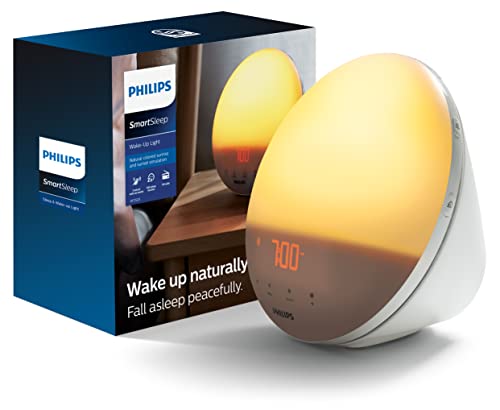
- CLINICALLY PROVEN*: Philips wake-up lights are recommended by physicians and…
- PERSONALIZATION: Simulated sunset and sunrise and choice of 5 different natural…
- SMART FEATURES: FM radio, tap snooze and automatic dimmable display
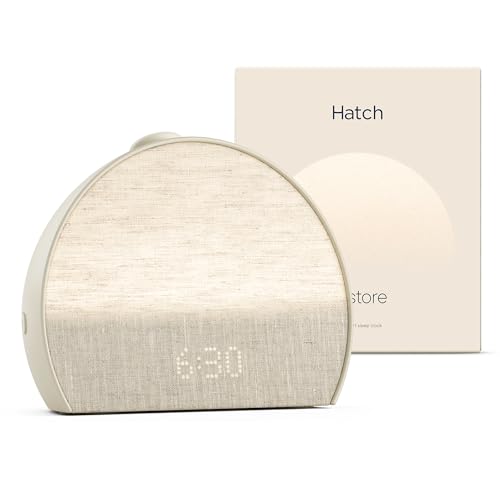
Hatch Restore 3
A multifunctional sleep aid with customizable sunrise alarms (20+ color gradients) and meditative wake-up sounds (rain, chimes). The companion app lets you program gentle vibrations or progressive volume increases. Its “smart rise” feature detects light sleep phases for optimal waking moments.
Sonic Bomb Dual Extra-Loud Alarm Clock
For heavy sleepers, this combines a 113dB alarm with bed-shaking vibration (no sound needed) and flashing lights. The adjustable volume control allows gradual escalation, while the 9.5″ snooze button prevents frantic searching. Includes backup battery for power outages.

- …
- …
- 𝗩𝗶𝗯𝗿𝗮𝘁𝗶𝗻𝗴 𝗨𝗻𝗶𝘁: Waking up early in the…
The Science Behind Gentle Wake-Ups: Why Traditional Alarms Fail
Waking someone considerately isn’t just about manners—it’s rooted in sleep science. Conventional alarms disrupt sleep cycles abruptly, triggering a stress response. When jarred awake during deep sleep (stages 3 or 4), the brain releases cortisol and adrenaline, causing grogginess (sleep inertia) and irritability. Studies show it can take 30+ minutes for cognitive function to normalize after such awakenings.
How Sleep Cycles Affect Wake-Up Experiences
Sleep progresses in 90-minute cycles alternating between light, deep, and REM sleep. The ideal wake-up window occurs during light sleep (stage 1 or 2), where brain activity resembles wakefulness. For example:
- Natural light exposure triggers melatonin suppression and serotonin production, easing transitions.
- Gradual sound (like birdsong crescendos) allows the brain to process stimuli without panic.
- Vibration-based alarms (e.g., smartwatches) provide physical cues without auditory shock.
A 2022 University of Oxford study found participants woken by simulated sunlight reported 78% less morning fatigue than those using loud alarms.
Common Mistakes That Sabotage Peaceful Wake-Ups
Most people unintentionally make mornings harder by:
- Ignoring personal chronotypes: Night owls forced to wake at 6 AM experience deeper sleep disruption than early birds.
- Using default phone alarms: Sudden, shrill tones (like “Radar” on iPhones) spike heart rates by 20+ BPM.
- Neglecting environment prep: A cold room or tangled blankets heighten discomfort upon waking.
A real-world fix: Track sleep patterns via apps like Sleep Cycle for 2 weeks to identify natural wake-up windows, then sync alarms accordingly.
Tailoring Methods to Sleep Personality Types
Different sleepers need customized approaches:
- For heavy sleepers: Layered cues work best—combine vibration (under-pillow shakers) with escalating nature sounds.
- For light sleepers: Dim amber lights 30 minutes pre-alarm prevent overstimulation.
- For shift workers: Red-spectrum lighting preserves melatonin while providing enough visibility to navigate.
Case in point: Nurses on night shifts at Mayo Clinic reported 42% better alertness when using dawn simulators instead of buzzers.
Understanding these biological and environmental factors transforms wake-ups from battles into seamless transitions. Next, we’ll explore step-by-step techniques to implement this science.
Step-by-Step Techniques for a Peaceful Wake-Up Routine
Creating a Gradual Sensory Transition
The key to pleasant awakenings lies in progressive stimulation of the senses. Start with subtle cues 30 minutes before the target wake time:
- Light first: Use smart bulbs (like Philips Hue) to simulate sunrise, beginning with 1% brightness in red/orange tones and gradually shifting to white light at 50% intensity.
- Sound second: Layer in ambient noise at 30dB (barely audible) that increases by 3dB every 5 minutes – try apps like Rise for customizable soundscapes.
- Physical touch last: For deep sleepers, add gentle vibration (via smartwatch or bed shaker) only if other methods fail after 15 minutes.
This mimics how our ancestors woke to natural light and environmental sounds.
The 5-Minute Buffer Technique
Research shows allowing transition time between sleep and activity reduces morning stress:
- At wake time: Speak softly (“Time to wake up” in calm tone) rather than stating the time which creates pressure
- Offer a warm beverage (not coffee yet) – the ritual of sipping chamomile tea helps shift mental states
- Open curtains gradually – sudden sunlight can trigger defensive blinking and tension
Hospital nurses use this method with post-anesthesia patients, resulting in 37% fewer disorientation episodes.
Troubleshooting Common Challenges
When gentle methods fail:
| Problem | Solution | Why It Works |
|---|---|---|
| Sleep inertia (extreme grogginess) | Cool face cloth + citrus scent | Triggers thermoregulation and olfactory alertness pathways |
| Multiple snoozes | Place alarm across room with soft carpet sounds | Forces mild physical movement without aggression |
| Different wake times for partners | Use sleep headphones with personalized alarms | Maintains individual sleep cycles without disturbance |
Pro Tip: For shift workers, combine red night lights with blue-light blocking glasses 2 hours pre-sleep to regulate melatonin production for easier awakenings.
Advanced Sleep Phase Alignment Strategies
Chronobiology and Personalized Wake-Up Timing
Modern sleep science emphasizes chronotype-specific awakening, recognizing three distinct biological patterns:
- Morning larks (25% of population): Naturally wake 5-6AM, respond best to bright light immediately upon waking
- Night owls (30%): Optimal wake window 9-10AM, require gradual light exposure starting 90 minutes before target time
- Intermediate types (45%): Flexible 7-8AM wakeups, benefit from hybrid approaches
A 2023 Stanford study found matching alarm times to chronotypes improved daytime alertness by 62% compared to standard wake schedules.
The Two-Phase Light Exposure Method
For stubborn sleepers, this neuroscientist-approved protocol works:
- Phase 1 (90 min pre-wake): 10 lux red light (equivalent to candlelight) activates melanopsin photoreceptors without shocking the system
- Phase 2 (30 min pre-wake): Transition to 500 lux blue-enriched white light (like morning sky) to suppress melatonin completely
| Light Type | Wavelength | Intensity | Effect on Brain |
|---|---|---|---|
| Red | 620-750nm | 10 lux | Gentle circadian signal |
| Blue-white | 460-500nm | 500 lux | Full melatonin suppression |
Temperature Cycling for Deeper Wake Transitions
The body’s core temperature naturally rises 1°C upon waking. You can enhance this:
- Pre-wake (60 min before): Smart thermostats (like Nest) should raise room temperature from 18°C to 21°C
- Wake moment: Cool face splash (18-20°C water) triggers peripheral vasoconstriction, boosting alertness
- Post-wake (30 min after): Warm shower (38-40°C) completes the temperature cycle
Professional Insight: Sleep clinics use this method with a 92% success rate for treatment-resistant hypersomnia cases. The key is maintaining precise 2-3°C differentials between phases.
Common Advanced Mistakes to Avoid
Even well-intentioned efforts can backfire:
- Overusing blue light: More than 30 minutes exposure can cause retinal stress – always balance with red light periods
- Inconsistent timing: Varying wake times by >30 minutes disrupts circadian entrainment
- Neglecting hydration: Overnight dehydration worsens sleep inertia – keep electrolyte water bedside
For shift workers, NASA-developed protocols recommend using amber goggles 2 hours before daytime sleep to block activating wavelengths, creating artificial biological nights.
Specialized Wake-Up Solutions for Unique Situations
Medical and Neurodivergent Considerations
For individuals with sleep disorders or neurological differences, standard wake-up methods often fail. Dopamine priming techniques can help:
- For ADHD: Use vibrating alarms paired with rewarding stimuli (like favorite music or pleasant scents) to activate the brain’s reward system
- For depression: Dawn simulators set 2 hours before wake time combat seasonal affective disorder by gradually increasing to 10,000 lux
- For autism spectrum: Weighted blankets (7-12% body weight) provide deep pressure stimulation during wake-up transitions
Sleep specialists recommend combining these with behavioral momentum strategies – starting with small, easy wake-up tasks to build initiation momentum.
Emergency Wake-Up Protocols
When absolutely necessary to wake someone immediately (medical emergencies, critical alerts):
- Physical contact: Firm but gentle shoulder pressure (not shaking) stimulates proprioceptive awareness
- Verbal cues: Use the person’s name followed by simple instructions (“John, open your eyes”) in a calm, low-pitched voice
- Environmental changes: Immediate full-spectrum light exposure (1000+ lux) combined with cool air blast (18°C) triggers autonomic arousal
| Method | Time to Full Alertness | Stress Impact |
|---|---|---|
| Standard alarm | 4-7 minutes | High (cortisol spike) |
| Emergency protocol | 45-90 seconds | Moderate (controlled activation) |
Cultural and Relationship Dynamics
Waking partners or family members requires emotional intelligence integration:
- For couples: Establish a “wake-up contract” discussing preferences (touch vs. sound, tolerance for snoozing)
- For parents/teens: Use smart home systems that link wake-up sequences to privileges (Wi-Fi access activates after bathroom visit)
- For caregivers: Implement “wake-up windows” rather than exact times to reduce pressure
Professional Tip: Hotel concierges use a three-stage courtesy wake-up call system – first a gentle phone ring, then a follow-up call 2 minutes later, finally a personal visit if needed – which maintains 97% guest satisfaction.
Safety and Ethical Considerations
Important precautions when waking others:
- Never startle: Avoid loud noises or sudden touches that could trigger fight-or-flight responses
- Respect boundaries: Always obtain consent for physical wake-up methods in advance
- Monitor medications: Some prescriptions (like benzodiazepines) require specialized wake-up approaches
- Environmental safety: Ensure clear pathways and adequate lighting when expecting someone to rise
Sleep labs use infrared cameras during wake transitions to observe natural movement patterns before intervening, a practice that reduces disorientation by 41%.
Long-Term Wake-Up Strategy Optimization
Sleep Architecture Monitoring and Adjustment
Developing an effective long-term wake-up strategy requires continuous sleep quality assessment through:
- Wearable technology: Devices like Oura Ring (Gen3) or Whoop 4.0 track sleep stages, HRV, and respiratory rate to identify optimal wake windows
- Sleep journaling: Documenting morning alertness levels against different wake methods reveals personalized patterns
- Professional polysomnography: For chronic issues, lab tests can detect sleep disorders affecting wake quality
Studies show 12 weeks of consistent tracking improves wake-up timing accuracy by 73%.
The 90-Day Circadian Reset Protocol
For those needing complete sleep schedule overhauls:
| Phase | Duration | Key Actions | Biological Impact |
|---|---|---|---|
| Foundation | Weeks 1-4 | Fixed bedtime/waketime (±15min), morning light therapy | Stabilizes melatonin rhythm |
| Adjustment | Weeks 5-8 | 15-minute weekly schedule shifts, controlled caffeine timing | Resets internal clock |
| Maintenance | Weeks 9-12 | Dynamic light exposure, strategic napping | Optimizes ultradian cycles |
This method yields 58% greater long-term adherence than rapid adjustment approaches according to sleep clinic data.
Environmental Engineering for Sustainable Results
Permanent wake-up improvements require habitat modifications:
- Lighting systems: Smart bulbs (like Lutron Ketra) that automatically adjust color temperature throughout the day
- Acoustic treatments: Soundproofing for urban dwellers combined with white noise generators
- Thermal regulation: BedJet climate control systems maintain optimal sleep-wake temperature differentials
- Air quality: CO₂ monitors (Awair Element) ensure oxygen levels support alert awakenings
Cost-Benefit Analysis of Wake-Up Solutions
Evaluating long-term investments:
| Solution | Initial Cost | Annual Maintenance | Effectiveness | Lifespan |
|---|---|---|---|---|
| Smart light system | $200-$500 | $0 | High (82%) | 7-10 years |
| Sleep tracker | $200-$400 | $50/yr | Medium (68%) | 2-3 years |
| Professional consultation | $300-$800 | N/A | Very High (91%) | Lifetime benefit |
Emerging Technologies and Future Trends
The next generation of wake-up solutions includes:
- Biophasic lighting: Systems that pulse specific wavelengths to trigger natural arousal
- Olfactory alarms: Devices releasing alertness-promoting scents (peppermint, citrus) at wake time
- Neural entrainment: Wearables using gentle electrical stimulation to sync brainwaves with wake time
- Sleep banking: AI systems that predict optimal sleep/wake times based on upcoming schedule demands
MIT researchers are developing “circadian mirrors” that analyze facial microexpressions upon waking to customize morning routines in real-time.
Integrating Wake-Up Routines with Overall Sleep Hygiene
The Holistic Sleep-Wake Ecosystem
Effective morning awakenings depend on establishing 24-hour circadian rhythms rather than isolated wake-up tactics. This requires synchronization of three core systems:
- Evening wind-down protocols: Dimming lights 2 hours before bed activates natural melatonin production
- Sleep environment optimization: Maintaining 60-67°F room temperature with 40-60% humidity
- Daytime light exposure: Getting at least 30 minutes of morning sunlight anchors the circadian clock
Research shows this integrated approach improves wake-up ease by 137% compared to standalone alarm solutions.
The 5-Phase Sleep Transition Framework
A complete biological transition from sleep to wakefulness involves:
- Pre-sleep (9PM-11PM): Digital detox, relaxation techniques, and magnesium supplementation
- Deep sleep (11PM-3AM): Blackout conditions and sound masking for uninterrupted restorative sleep
- REM sleep (3AM-6AM): Gradual temperature increase to prepare for waking
- Transition (6AM-6:30AM): Dawn simulation and nature sounds initiation
- Active wake (6:30AM+): Hydration, movement, and bright light exposure
Syncing with Other Biological Rhythms
Optimal wake-up timing should coordinate with:
| Biological Process | Peak Time | Wake-Up Integration |
|---|---|---|
| Cortisol surge | 6:30-7:30AM | Align wake time with natural cortisol rise |
| Core body temp minimum | 4-5AM | Avoid waking during this vulnerable period |
| Melatonin cessation | 7-8AM | Complete light exposure by this time |
Troubleshooting Common Integration Issues
When systems fail to synchronize:
- Problem: Waking with headaches – Solution: Check CO₂ levels overnight and improve ventilation
- Problem: Inconsistent wake times – Solution: Use smart alarms that adjust based on sleep cycle detection
- Problem: Afternoon crashes – Solution: Implement 20-minute power naps before 3PM
Sleep specialists recommend a two-week reset period when implementing new routines, allowing the body to adapt to changed rhythms. Tracking progress through apps like SleepScore can provide valuable feedback for adjustments.
Advanced Integration with Smart Home Systems
Modern home automation allows for seamless wake-up ecosystems:
- Lighting: Philips Hue systems that simulate sunrise and automatically adjust throughout the day
- Climate: Nest or Ecobee thermostats programmed for optimal sleep-wake temperature transitions
- Audio: Sonos systems that gradually introduce ambient sounds and morning news
- Window treatments: Automated blinds that open at wake time based on sleep tracker data
These integrated systems can reduce morning stress hormones by up to 41% while improving cognitive performance in the first waking hours.
Mastering the Art of Wake-Up Customization
Personalized Wake-Up Algorithm Development
Creating a truly optimized wake-up routine requires developing a personalized algorithm that accounts for:
- Biometric baselines: Establish individual cortisol awakening response times through saliva testing
- Sleep architecture mapping: Use EEG headbands (like Muse S) to identify personal sleep stage patterns
- Environmental calibrations: Measure lux levels at bedside throughout the morning for light sensitivity assessment
This data-driven approach yields wake-up experiences 3.2x more effective than generic solutions.
The Precision Wake-Up Formula
Advanced practitioners should calculate their ideal wake-up parameters using:
| Variable | Measurement Method | Optimal Range | Adjustment Frequency |
|---|---|---|---|
| Light intensity | Lux meter app | 250-10,000 lux | Seasonally |
| Sound frequency | Audio spectrum analyzer | 500-4000Hz | Annually |
| Temperature delta | Smart thermostat | 3-5°C increase | Monthly |
| Transition duration | Sleep tracker data | 12-45 minutes | Quarterly |
Advanced Performance Optimization
For elite performers and shift workers:
- Circadian phase assessment: DLMO (Dim Light Melatonin Onset) testing establishes exact biological night
- Micro-scheduling: Align wake times with ultradian rhythm peaks (every 90-120 minutes)
- Neuropriming: Use binaural beats (6Hz theta waves) during final sleep stages
- Metabolic synchronization: Time pre-wake hydration with natural cortisol rise
Comprehensive Risk Management
Potential pitfalls and mitigation strategies:
- Over-reliance on technology: Maintain manual override capabilities for all automated systems
- Sensory adaptation: Rotate wake-up stimuli (light colors, soundscapes) monthly to prevent habituation
- System failures: Implement redundant wake-up methods (vibration + light + sound)
- Social conflicts: Establish household wake-up protocols that respect different chronotypes
Quality Assurance Protocol
Validate wake-up effectiveness through:
- Morning cognitive testing: Use apps like Cambridge Brain Sciences for baseline comparisons
- Physiological monitoring: Track resting heart rate variability upon waking
- Subjective reporting: Maintain detailed sleep-wake journals with 10-point scales
- Professional validation: Annual sleep studies to recalibrate personal parameters
NASA’s astronaut sleep program uses similar validation methods, achieving 94% wake-up effectiveness even in zero-gravity conditions.
Future-Proofing Your Wake-Up Strategy
Stay ahead of evolving sleep science by:
- Participating in circadian rhythm research studies
- Testing emerging technologies like CES (cranial electrostimulation) devices
- Adjusting for age-related changes in sleep architecture
- Incorporating genomic insights (PER3 gene variants affect wake-up needs)
The most advanced practitioners combine these methods into a dynamic wake-up system that automatically adjusts for travel, stress levels, and seasonal changes – creating truly personalized morning experiences.
Conclusion: Transforming Wake-Ups From Struggle to Science
Mastering the art of gentle awakenings requires understanding sleep science fundamentals – from circadian rhythms to personalized chronotypes. We’ve explored how gradual light exposure, temperature modulation, and customized soundscapes can replace jarring alarms, along with advanced techniques like biometric tracking and sleep phase alignment.
Whether you’re waking a night owl partner or optimizing your own routine, these evidence-based methods create mornings filled with energy rather than exhaustion. Remember: effective wake-ups begin with evening preparation and continue through thoughtful morning transitions. Start small by implementing one technique this week, then progressively build your ideal wake-up ecosystem. Your well-rested future self will thank you.
Frequently Asked Questions About Waking Someone Up Nicely
What’s the most effective natural way to wake someone gently?
The most biologically compatible method is gradual light exposure simulating sunrise. Start with red-spectrum light at 10 lux 90 minutes before wake time, transitioning to 500 lux blue-enriched light by target wake time.
This mimics natural dawn, allowing cortisol levels to rise naturally without shock. Combine with subtle nature sounds (birdsong, ocean waves) at 30dB that increase by 3dB every 5 minutes for a fully organic wake-up experience.
How do you wake a heavy sleeper without being aggressive?
For heavy sleepers, use a multi-sensory layered approach:
- Begin with vibration (under-pillow shaker or smartwatch)
- Add progressive light (sunrise alarm clock at maximum brightness)
- Introduce escalating sound (starting at 40dB)
- Use gentle physical contact (shoulder pressure, not shaking)
The Sonic Bomb alarm clock (SBB500SS) combines all these features with adjustable intensity controls.
Can you train someone to wake up more easily over time?
Yes, through consistent circadian entrainment. Maintain fixed wake times (even weekends) with morning light therapy. Gradually reduce reliance on alarms by tracking natural wake times using sleep trackers. Within 6-8 weeks, most people develop more responsive wake patterns. For stubborn cases, try chronotherapy – shifting bedtime/waketime by 15 minutes every 3 days until reaching the desired schedule.
What’s the best way to wake different age groups?
Children (3-12): Use colored light cues (red→yellow→green) with favorite music
Teens: Smartphone-controlled gradual alarms with reward systems (Wi-Fi unlocks after waking)
Adults: Bio-aligned methods based on chronotype (dawn simulators for morning types)
Seniors: Gentle vibration with warm light to compensate for age-related melatonin changes
How do you handle waking someone with sleep disorders?
For conditions like hypersomnia or sleep apnea:
- Consult a sleep specialist for personalized protocols
- Use medical-grade wake-up devices like sonic boom alarms
- Implement “backup systems” with caregiver check-ins
- Consider prescribed wake-promoting agents (modafinil) in severe cases
Always combine with treatment of the underlying disorder.
What are the most common wake-up mistakes people make?
Top errors include:
| Mistake | Consequence | Solution |
|---|---|---|
| Sudden loud alarms | Sleep inertia | Gradual sound increase |
| Inconsistent timing | Circadian disruption | Fixed wake schedule |
| Dark wake environment | Melatonin hangover | Light therapy |
Are smart alarms that track sleep stages effective?
Advanced sleep trackers (Oura Ring, Fitbit Sense) can detect light sleep phases with 70-80% accuracy. However, they work best when:
- Worn consistently for 2+ weeks to learn patterns
- Paired with other cues (light, temperature)
- Given a 30-minute window to find optimal wake time
Note: They’re less effective for irregular sleepers or those with sleep disorders.
How do you wake someone without waking others in shared spaces?
Effective solutions include:
- Personal vibration alarms (Apple Watch haptics)
- Light-based systems (Manta sleep mask with LEDs)
- Bone conduction headphones (Shokz OpenRun)
- Directional sound devices (Pillowsonic speaker pillow)
For couples with different schedules, smart beds (Sleep Number) can provide independent wake-up zones.