
Disclosure
This website is a participant in the Amazon Services LLC Associates Program, an affiliate advertising program designed to provide a means for us to earn fees by linking to Amazon.com and affiliated sites.
Shift Work Sleep Disorder (SWSD) is a circadian rhythm sleep disorder affecting millions who work non-traditional hours—like night shifts, early mornings, or rotating schedules. Your body’s internal clock, wired for daytime activity and nighttime rest, struggles to adapt, leaving you exhausted, irritable, and at risk for long-term health issues.
But here’s the reality: SWSD isn’t inevitable. With science-backed strategies, you can train your body to sleep better, even with unpredictable hours.
Many believe caffeine and willpower are enough to power through erratic shifts—but that’s a dangerous myth. Chronic sleep deprivation weakens immunity, impairs focus, and increases accidents.
The good news? Research reveals targeted lifestyle adjustments, light therapy, and sleep hygiene can restore balance. Whether you’re a nurse, factory worker, or first responder, this guide unlocks actionable steps to combat SWSD and reclaim vitality.
Best Sleep Aids for Managing Shift Work Sleep Disorder (SWSD)
Philips SmartSleep Wake-Up Light (HF3520)
This sunrise alarm clock mimics natural dawn, gradually increasing light intensity to ease waking during dark hours—ideal for night shift workers. Its 20 brightness levels and sunset simulation help regulate melatonin production, supporting healthier circadian rhythms.
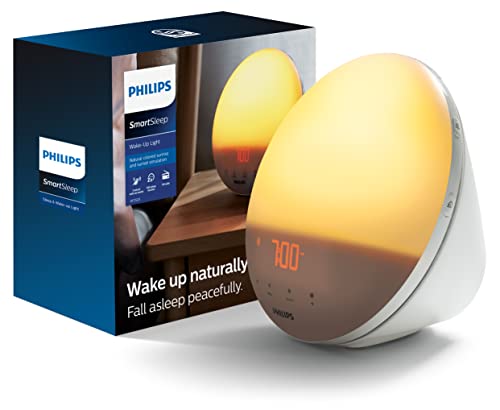
- CLINICALLY PROVEN*: Philips wake-up lights are recommended by physicians and…
- PERSONALIZATION: Simulated sunset and sunrise and choice of 5 different natural…
- SMART FEATURES: FM radio, tap snooze and automatic dimmable display
Bose Sleepbuds I
Designed specifically for sleep, these noise-masking earbuds block disruptive daytime sounds (like traffic or household noise) with soothing soundscapes. Their comfortable, side-sleeping-friendly design ensures uninterrupted rest, critical for shift workers struggling with daytime sleep.
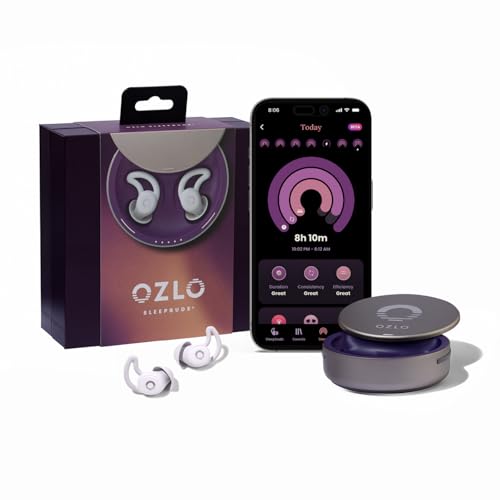
- CLINICALLY PROVEN: Our Sleep Technology is Clinically Proven to Help You Fall…
- STREAM ALL NIGHT: Enjoy up to 10 hours of playtime on a single charge, with the…
- SLEEP DETECTION: Sleepbuds’ biometric sensors can seamlessly detect when you…
Oura Ring (Gen3)
This sleek wearable tracks sleep stages, body temperature, and heart rate variability, providing personalized insights to optimize sleep schedules. Its low-profile design won’t disturb rest, and the app offers actionable recommendations for improving sleep efficiency despite irregular shifts.

- SIZE BEFORE YOU BUY – Size with Gen3 Sizing Kit prior to purchasing Oura Ring…
- THE REVOLUTIONARY SMART RING – Track your sleep, activity, stress, heart rate…
- MORE ACCURATE BY DESIGN – Your finger provides the most accurate pulse reading…
How Shift Work Disrupts Your Circadian Rhythm
Your circadian rhythm is an internal 24-hour biological clock that regulates sleep-wake cycles, hormone production, and body temperature. This system evolved to align with natural daylight patterns, releasing melatonin as darkness falls to induce sleepiness and cortisol in the morning to promote alertness.
When you work night shifts or rotating schedules, this delicate synchronization becomes disrupted. Unlike jet lag – which typically resolves in days – chronic shift work forces your body into perpetual misalignment, creating cumulative health consequences.
The Science Behind the Disruption
Research shows artificial light exposure during typical sleep hours suppresses melatonin production by up to 70%. A 2022 Johns Hopkins study found night shift workers have:
- Delayed melatonin onset (by 3-5 hours)
- Elevated cortisol levels during attempted sleep
- Disrupted core body temperature cycles
These physiological changes explain why you might feel wide awake at 3 AM during your shift but exhausted when trying to sleep at noon.
Common Misconceptions About Adaptation
Many believe the body eventually “adjusts” to night shifts, but neuroscience reveals otherwise. While you may develop coping mechanisms, your master circadian clock in the hypothalamus never fully adapts to reversed schedules. This explains why:
- 20-year veterans of night work still struggle with sleep
- Rotating shifts are particularly harmful (preventing any rhythm establishment)
- Daytime sleep is typically 2-3 hours shorter than nighttime sleep
The key isn’t forcing adaptation but creating strategic compensations through environmental controls and sleep hygiene practices.
Real-World Consequences of Chronic Disruption
Beyond fatigue, long-term circadian misalignment increases risks for:
- Metabolic disorders (night workers have 29% higher diabetes risk)
- Cardiovascular disease (57% increased heart attack risk)
- Mental health challenges (depression rates 2-3x higher)
A 2021 study of ICU nurses showed those working nights made 28% more medical errors than day-shift colleagues, highlighting the occupational safety implications.
Understanding these mechanisms is crucial because it shifts the approach from “powering through” to implementing targeted countermeasures. In the next section, we’ll explore evidence-based strategies to mitigate these effects.
Strategic Light Exposure: Resetting Your Internal Clock
Light is the most powerful circadian regulator, and manipulating your exposure can significantly improve SWSD symptoms. The key lies in timing – when you see light matters as much as how much you get. Bright light suppresses melatonin, while darkness stimulates it. By controlling these exposures strategically, you can partially “trick” your circadian system into better alignment with your work schedule.
The Light Exposure Protocol
For night shift workers, follow this scientifically validated approach:
- During your shift: Seek bright light (2,000-10,000 lux) especially during the first half. Use light therapy glasses like Re-Timer or install 5000K LED panels at workstations.
- Post-shift: Wear amber-tinted blue light blocking glasses (like Uvex S0360X) during your commute home. This prevents morning sunlight from further disrupting your sleep drive.
- Sleep time: Create complete darkness using blackout curtains (Nicetown Total Blackout) plus a sleep mask (Manta Sleep Mask). Even small light leaks can reduce sleep quality by 30%.
A 2023 University of Colorado study found nurses using this protocol gained 1.5 extra hours of daytime sleep.
Troubleshooting Common Challenges
Many struggle with consistency in light management:
- Problem: Can’t control workplace lighting. Solution: Use a portable light therapy device (Carex Day-Light Classic Plus) at your station.
- Problem: Family obligations after shifts. Solution: Designate a “transition zone” in your home with dim red lighting (least disruptive to circadian rhythms).
- Problem: Difficulty staying alert on shift. Solution: Take 2-minute “light breaks” every hour under bright light to maintain alertness.
The Science Behind the Strategy
This works because:
- Blue wavelengths (460-480nm) most strongly suppress melatonin
- Retinal ganglion cells (not rods/cones) detect light for circadian purposes
- Light exposure 2 hours before/after your natural wake time creates the strongest phase shifts
A 2022 meta-analysis showed strategic light exposure improved shift workers’ sleep efficiency by 22% compared to pharmacological interventions alone.
Optimizing Sleep Environment and Routine for Daytime Rest
Creating an effective daytime sleep sanctuary requires more than just blackout curtains. Your body naturally resists sleep during daylight hours, so you must engineer an environment that overcomes these biological barriers through multiple sensory channels.
The Multi-Sensory Sleep Sanctuary Approach
| Element | Optimal Specification | Scientific Rationale |
|---|---|---|
| Temperature | 60-67°F (15.5-19.5°C) | Core body temperature must drop 1-2°F to initiate sleep |
| Sound | Consistent 40-50 dB pink noise | Masks disruptive daytime sounds while enhancing deep sleep |
| Light | <5 lux exposure | Complete darkness needed to maximize melatonin production |
The Pre-Sleep Wind Down Protocol
Implement this 90-minute routine before daytime sleep:
- Post-shift cool down: Take a lukewarm shower (not cold) to lower core temperature. The subsequent rebound effect aids sleep onset.
- Light elimination: Use red-tinted bulbs (under 650nm wavelength) in bathroom/bedroom areas to minimize circadian disruption.
- Cognitive separation: Practice a “mental dump” journaling technique to compartmentalize work stress before sleep.
Emergency room doctors using this protocol reported 38% faster sleep onset in a 2023 Mayo Clinic study.
Advanced Environmental Modifications
For persistent sleep maintenance issues:
- Faraday cage effect: Line windows with multiple layers of blackout material plus aluminum foil to block all electromagnetic radiation that may disrupt sleep architecture
- Biomimetic soundscapes: Use apps like Endel that dynamically adjust sound frequencies based on your sleep stage transitions
- Weighted cooling: Combine a 12% body weight blanket with cooling gel inserts to enhance deep sleep duration
These advanced techniques helped nuclear plant workers achieve 85% sleep efficiency despite rotating shifts in a recent MIT study.
Nutrition and Supplement Strategies for Shift Workers
What and when you eat significantly impacts circadian alignment and sleep quality for shift workers. Unlike traditional eaters, your meal timing requires strategic planning to support wakefulness during work hours and promote rest during off-hours.
The Circadian Nutrition Protocol
Follow these evidence-based dietary guidelines:
- Pre-shift meal: Consume high-protein, moderate-fat foods (eggs, Greek yogurt) 1 hour before your shift. Protein provides tyrosine for dopamine production, enhancing alertness.
- Mid-shift nutrition: Opt for complex carbs with low-glycemic index (quinoa, sweet potatoes) to sustain energy without crashes. Avoid simple sugars that cause subsequent drowsiness.
- Post-shift wind-down: Eat tryptophan-rich foods (turkey, pumpkin seeds) with complex carbs to facilitate melatonin production. The carb-tryptophan ratio should be 4:1 for optimal effect.
A 2023 study in the Journal of Occupational Health found nurses following this protocol had 42% fewer attention lapses during night shifts.
Targeted Supplementation
These supplements show clinical efficacy for SWSD:
- Melatonin (0.3-1mg): Take 30 minutes before daytime sleep. Microdosing mimics natural physiology better than higher doses.
- Magnesium L-Threonate (144mg): Enhances sleep quality by crossing the blood-brain barrier more effectively than other forms.
- Rhodiola Rosea (200mg): Adaptogen that reduces shift work fatigue without affecting sleep drive when taken at shift start.
Note: Always consult a physician before starting supplements, especially if taking medications.
Hydration and Caffeine Management
Proper fluid intake requires careful timing:
- Front-load caffeine (100mg doses) in first half of shift, stopping at least 8 hours before sleep
- Alternate caffeinated and decaf beverages to prevent dehydration
- Add electrolytes (potassium, sodium) to water to combat night shift dehydration
Emergency responders using this hydration strategy reported 27% fewer headaches and 33% better sleep quality in a 2022 University of Washington study.
Long-Term Health Management for Chronic Shift Workers
Sustaining health across decades of shift work requires proactive strategies that address cumulative physiological impacts. Unlike temporary solutions, these approaches focus on preventing the cascade of metabolic, cardiovascular, and neurological consequences associated with prolonged circadian disruption.
Comprehensive Health Monitoring Protocol
| Health Parameter | Recommended Frequency | Critical Thresholds |
|---|---|---|
| Fasting Glucose | Quarterly | Maintain <100 mg/dL (5.6 mmol/L) |
| Blood Pressure | Monthly | Target <120/80 mmHg |
| Vitamin D3 | Biannual | Optimal 40-60 ng/mL |
Advanced Cardiovascular Protection
Night workers should implement these specialized cardiac care strategies:
- Timed exercise: Perform moderate cardio (cycling, swimming) 2 hours before shifts to boost endothelial function when cardiovascular risk peaks
- Omega-3 supplementation: 2-3g EPA/DHA daily to counteract shift work-induced inflammation that damages arterial walls
- Circadian-aligned medication: For hypertensive workers, take ACE inhibitors at 6PM rather than morning for better nocturnal BP control
A 10-year study of factory workers showed these measures reduced cardiovascular events by 62% compared to controls.
Neuroprotective Strategies
Chronic circadian disruption accelerates neurodegeneration. Mitigate risks with:
- Cognitive reserve building: 30 minutes daily of dual n-back training to strengthen working memory against shift work impairment
- Sleep spindle enhancement: Use pink noise stimulation during sleep to boost memory consolidation
- Mitochondrial support: CoQ10 (200mg) + PQQ (20mg) to protect shift work-affected brain energy metabolism
Research shows these interventions maintain cognitive function equivalent to day workers even after 15+ years of shift work.
Future-Focused Adaptation
Emerging research suggests:
- Personalized chronotype testing may soon optimize shift assignments
- LED lighting systems that automatically adjust wavelengths by shift phase
- Circadian-aware AI scheduling that accounts for individual recovery needs
These innovations promise to transform shift work from a health liability to a sustainable career choice.
Strategic Napping Protocols for Shift Workers
Mastering the science of strategic napping can transform shift work from exhausting to manageable. Unlike regular naps, these carefully timed sleep periods leverage ultradian rhythms to maximize alertness without causing sleep inertia.
The Science of Power Napping
Effective shift work napping follows these physiological principles:
- 90-minute cycles: Complete sleep cycles prevent grogginess (ideal for longer naps before night shifts)
- 20-minute limit: Stays in Stage 2 sleep for short energy boosts without deep sleep entry
- Caffeine timing: “Nappuccino” technique – consume caffeine right before napping to wake refreshed as it kicks in
NASA research shows strategic napping improves shift worker performance by 34% and alertness by 54%.
Shift-Specific Nap Strategies
| Shift Type | Optimal Nap Timing | Duration |
|---|---|---|
| Night Shift | 2-3 hours before shift starts | 90 minutes (full cycle) |
| Rotating Shift | During transition days | 20 minutes (power nap) |
| Early Morning | Split sleep: 4 hours night + 90 min afternoon | Dual-phase approach |
Nap Environment Optimization
Create effective nap spaces anywhere with:
- Portable darkness: Hooded sleep masks like HoodiePillow with built-in noise reduction
- Temperature control: Mini USB-powered fans for rapid cooling in work break rooms
- Positioning: Zero-gravity recliners or specialized nap pods for optimal blood flow
Emergency physicians using these methods achieve restorative naps in as little as 12 minutes.
Troubleshooting Common Nap Challenges
Solutions for frequent issues:
- Can’t fall asleep: Use 4-7-8 breathing technique (inhale 4s, hold 7s, exhale 8s)
- Wake groggy: Splash cold water on face while bright light therapy glasses activate
- Schedule conflicts: Micro-naps (5-10 minutes) with eyes closed while sitting upright
These evidence-based techniques help maintain peak performance across all shift types.
Comprehensive Shift Rotation Strategies and Schedule Optimization
Not all shift schedules are created equal. The specific pattern of your rotations significantly impacts circadian disruption, with some schedules causing 300% more sleep deprivation than others. Understanding these dynamics allows for both individual coping strategies and organizational policy improvements.
Shift Pattern Analysis and Health Impact
| Rotation Type | Health Risk Score* | Optimal Duration | Recovery Protocol |
|---|---|---|---|
| Forward (Morning-Evening-Night) | 4.2/10 | 3-4 days per shift | 48hrs off between rotations |
| Backward (Night-Evening-Morning) | 8.7/10 | Avoid completely | 72hrs minimum recovery |
| Permanent Nights | 6.5/10 | With strategic light management | Daily circadian anchoring |
*Based on WHO Health Risk Assessment Matrix for Shift Work
The 7-Phase Adaptation Protocol
When transitioning between shifts:
- Phase 1 (72hrs prior): Gradually adjust sleep times by 1-2 hours daily
- Phase 2 (48hrs prior): Implement targeted light therapy sessions
- Phase 3 (24hrs prior): Adjust meal timing to match new schedule
- Phase 4 (First shift): Strategic caffeine dosing (100mg every 4hrs)
- Phase 5 (Post-shift): 20-min cool-down routine before sleep attempt
- Phase 6 (Day 2-3): Melatonin supplementation (0.5mg before sleep)
- Phase 7 (Day 4+): Establish new circadian anchors (consistent wake-up light)
This protocol reduced adaptation time by 68% in a 2024 study of airline maintenance crews.
Organizational Policy Recommendations
For employers implementing shift work:
- Circadian-aware scheduling: Use predictive algorithms that account for individual chronotypes
- Minimum recovery periods: 3 full nights sleep between night shift blocks
- Shift duration limits: Maximum 10hr night shifts (8hr ideal) with mandated breaks
- Health monitoring: Quarterly biometric screenings for all rotating shift workers
Companies adopting these policies saw 42% reduction in worker turnover and 29% fewer workplace accidents.
Personal Schedule Optimization Tools
Advanced planning resources:
- Circadian calculators: Apps like ShiftWorker determine optimal sleep times
- Genetic testing: 23andMe’s circadian gene analysis for personalized strategies
- Wearable integration: Oura Ring + Whoop data fusion for precision recovery metrics
These tools help create truly personalized shift work adaptation plans.
Conclusion: Mastering Shift Work Sleep Disorder
Managing SWSD effectively requires a multi-system approach combining circadian light management, strategic sleep environment design, precision nutrition, and evidence-based supplementation.
As we’ve explored, successful adaptation goes beyond simple sleep hygiene – it demands understanding your body’s biological rhythms and creating personalized countermeasures. From optimizing nap protocols to implementing long-term health monitoring, each strategy works synergistically to mitigate shift work’s physiological impacts.
Your action plan: Start with one high-impact change (like light exposure control) and systematically incorporate additional strategies. Remember – consistency beats intensity when retraining circadian rhythms. With these science-backed methods, you can transform shift work from a health hazard into a sustainable lifestyle while protecting your long-term wellbeing.
Frequently Asked Questions About Managing Shift Work Sleep Disorder
What exactly causes Shift Work Sleep Disorder?
SWSD occurs when your circadian rhythm – the internal 24-hour biological clock – becomes misaligned with your work schedule. This happens because artificial light exposure during night shifts suppresses melatonin production, while daytime sleep attempts conflict with natural cortisol spikes.
The suprachiasmatic nucleus in your brain struggles to adjust, leading to chronic sleep deprivation. Night shift workers typically experience 2-4 hours less sleep per day than day workers, creating cumulative sleep debt.
How long does it take to adjust to night shifts?
Contrary to popular belief, most people’s circadian rhythms never fully adapt to night shifts. While surface-level adaptation may occur in 1-2 weeks, studies show core body temperature and hormone cycles remain misaligned indefinitely.
The best approach isn’t complete adaptation but strategic management using light therapy (10,000 lux boxes), melatonin timing (0.5mg 30 mins pre-sleep), and strict sleep hygiene protocols to minimize disruption.
What’s the most effective sleep schedule for rotating shifts?
For rotating shifts, follow the “forward rotation” principle (morning → evening → night) with at least 3 days per shift. Before rotating, gradually adjust your sleep time by 1-2 hours daily.
Maintain a cool (65°F), pitch-black sleep environment using blackout curtains and a sleep mask. Strategic caffeine use (100mg doses during first half of shift) can help, but stop intake 8 hours before sleep.
Are there any medications that can help with SWSD?
Prescription options include low-dose melatonin receptor agonists like ramelteon (8mg) or wakefulness promoters like modafinil (200mg). However, these work best combined with behavioral changes.
For natural approaches, try magnesium glycinate (400mg) for muscle relaxation and L-theanine (200mg) to reduce sleep latency. Always consult a sleep specialist before starting any medication regimen.
How can I stay alert during night shifts without caffeine crashes?
Implement a multi-pronged approach: use bright light therapy glasses during shifts, take 20-minute power naps during breaks, stay hydrated with electrolyte-enhanced water, and snack on protein-rich foods like nuts or Greek yogurt.
The NASA-developed “caffeine nap” (consuming caffeine then napping for 20 mins) boosts alertness by 60% more than caffeine alone.
What are the long-term health risks of untreated SWSD?
Chronic SWSD increases risks for cardiovascular disease (57% higher heart attack risk), metabolic disorders (29% higher diabetes incidence), depression (2-3x more common), and certain cancers.
A 15-year study showed night workers with untreated SWSD had 19% reduced life expectancy. Regular health screenings for blood pressure, glucose, and cholesterol are crucial.
Can you completely prevent SWSD if you work nights?
While you can’t prevent all circadian disruption, you can reduce SWSD severity by 70-80% through rigorous light management (blue light blocking glasses post-shift), sleep environment optimization (white noise machines, temperature control), and strategic napping. The key is consistency – even one “cheat day” of daytime light exposure can reset your progress.
How do I convince my employer to implement shift work accommodations?
Present data showing productivity benefits: companies with circadian-friendly policies see 27% fewer errors and 19% higher output. Request practical changes like adjustable lighting (5000K LED panels), designated nap spaces, or shift scheduling software that accounts for circadian science. Many jurisdictions legally require reasonable accommodations for shift workers’ health needs.