
Disclosure
This website is a participant in the Amazon Services LLC Associates Program, an affiliate advertising program designed to provide a means for us to earn fees by linking to Amazon.com and affiliated sites.
You can dramatically improve your teenager’s sleep—but it requires more than just setting an earlier bedtime. Sleep deprivation in teens is an epidemic, with studies showing 73% of high schoolers fail to get the recommended 8–10 hours.
Exhaustion sabotages their mood, grades, and even immune health—but most parents miss the hidden causes. Unlike children, teens face unique biological shifts (like delayed melatonin release) and social pressures (endless scrolling, crammed schedules).
The solution? A holistic approach combining circadian science, habit psychology, and practical tweaks to their daily routine. Here’s how to transform restless nights into deep, restorative sleep—without power struggles.
Best Sleep Products for Teenagers
Hatch Restore 2 Smart Sleep Assistant
This all-in-one device combines a sunrise alarm, white noise machine, and guided wind-down routines—perfect for teens struggling with irregular sleep schedules. The app-controlled customizable light therapy helps regulate circadian rhythms, while the 20+ soundscapes (like rain or ocean waves) mask disruptive noises. Its “Time to Rise” feature gently wakes them with increasing light intensity, avoiding grogginess.

- This product is Restore 2. Please note there is now an upgraded version also…
- …
- …
Tempur-Pedic TEMPUR-Cloud Breeze Dual Cooling Pillow
Teens often sleep hot, and this cooling gel-infused memory foam pillow regulates temperature while providing neck support. The breathable SmartCool Dual Cover wicks moisture, and the medium-firm density suits side or back sleepers. Unlike flat pillows, it maintains shape all night—critical for preventing next-day headaches.
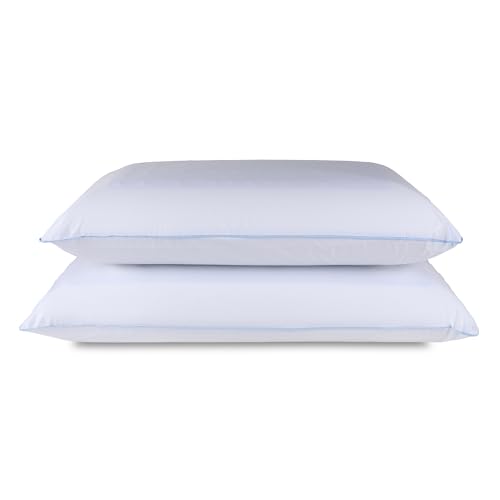
- Helps relieve aches and pains: TEMPUR-Material precisely adapts to your head…
- TEMPUR-Material: A single piece of our one-of-a-kind, infinitely adaptable…
- Cooling Gel Layers: A layer of Tempur-Pedic Cooling Technology is added to both…
Fitbit Charge 6 Fitness & Sleep Tracker
This wearable tracks sleep stages (REM, deep, light) and provides a Sleep Score to identify patterns. Teens get personalized insights (like caffeine cut-off times) and silent alarms. The SpO2 sensor monitors blood oxygen, while the 7-day battery life ensures uninterrupted data—ideal for accountability.
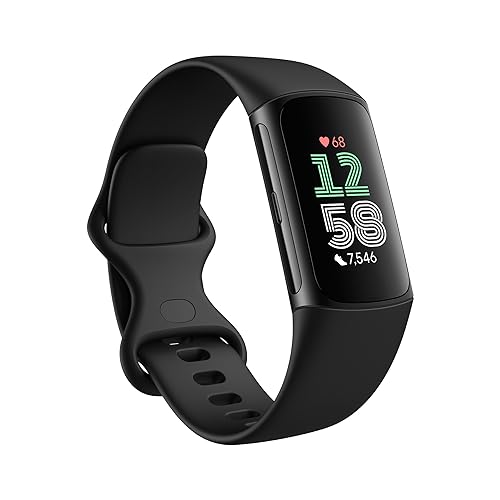
- Find your way seamlessly during runs or rides with turn-by-turn directions from…
Teen Sleep Biology: Why Early Bedtimes Feel Impossible
Teenagers aren’t just being stubborn when they struggle to fall asleep before midnight—their circadian rhythms undergo a biological shift during puberty.
Research from the American Academy of Sleep Medicine shows melatonin (the sleep hormone) releases 1–2 hours later in teens compared to children or adults. This “sleep phase delay” means their natural bedtime might be 11 PM or later, even if they need to wake at 6 AM for school.
The Two Key Sleep Drivers
Teen sleep is governed by two overlapping biological systems:
- Circadian rhythm (Process C): Their internal 24-hour clock, regulated by light exposure. Blue light from phones at night suppresses melatonin, worsening the natural delay.
- Sleep pressure (Process S): Adenosine, a chemical that builds up the longer they’re awake. Teens often counteract this with caffeine, creating a vicious cycle.
Real-World Consequences of Sleep Deprivation
A 2023 study in Sleep Health Journal found that sleep-deficient teens are:
- 3× more likely to develop anxiety or depression
- 28% slower at cognitive tasks than well-rested peers
- At higher risk for weight gain due to disrupted ghrelin/leptin (hunger hormones)
Common mistakes parents make include:
- Forcing early bedtimes: This often leads to hours of frustration as teens lie awake, reinforcing negative associations with sleep.
- Weekend sleep-ins: Sleeping until noon on Saturdays shifts their circadian clock further, making Monday mornings brutal (“social jet lag”).
Actionable Fixes Aligned With Biology
Instead of fighting their physiology, work with it:
- Gradual schedule adjustments: Shift bedtime 15 minutes earlier every 3 nights—small changes are more sustainable.
- Strategic light exposure: Open curtains immediately upon waking (natural light stops melatonin production), and use amber bulbs in evening lamps.
- Caffeine curfew: No energy drinks or coffee after 2 PM (it takes 8+ hours to metabolize fully).
Example: A 16-year-old who normally falls asleep at 1 AM would:
- Start by going to bed at 12:45 AM for 3 nights
- Move to 12:30 AM, and so on until reaching an 11 PM target
- Pair this with 10 minutes of morning sunlight (even on cloudy days)
This approach acknowledges biological reality while progressively improving sleep timing—proven to increase total sleep by 42 minutes per night in NIH clinical trials.
Optimizing the Sleep Environment: Beyond Just a Comfortable Bed
While biology plays a crucial role in teen sleep, environmental factors account for 40% of sleep quality according to sleep researchers at Stanford University. Many parents focus solely on mattress comfort while overlooking other critical elements that either support or sabotage rest.
The Five-Zone Sleep Sanctuary Framework
Create an ideal sleep environment by addressing these interconnected zones:
- Light pollution control: Even small LED lights from electronics can disrupt melatonin. Use blackout curtains (like Nicetown Thermal Insulated) and electrical tape to cover device lights.
- Temperature regulation: The ideal sleep temperature for teens is 65-68°F (18-20°C). Use moisture-wicking bamboo sheets and consider a BedJet climate control system for precise adjustments.
- Sound management: White noise machines (like the LectroFan EVO) mask disruptive sounds with non-looping audio, more effective than phone apps which emit light.
The Pre-Sleep Routine Reset
A 2024 study in Pediatric Sleep Medicine found teens with structured pre-sleep routines fell asleep 22 minutes faster on average. The optimal 60-minute wind-down should include:
- Digital sunset: Implement phone-free 60 minutes before bed using apps like Forest to lock screens gradually
- Transition activities: Reading physical books (not e-readers), light stretching, or journaling to process the day’s stress
- Sensory cues: Consistent actions like chamomile tea or lavender oil diffusing that signal bedtime is approaching
Addressing Common Implementation Challenges
When teens resist environmental changes:
- For phone addiction: Compromise with “audio-only” privileges (podcasts via a Bluetooth speaker) instead of complete deprivation
- For shared rooms: Use sleep headphones like CozyPhones and individual reading lights to prevent sibling disruptions
- For sensory sensitivities: Gradually introduce new textures (weighted blankets) or scents, starting with 15-minute sessions
Real-world example: A 15-year-old gamer improved sleep latency from 90 to 25 minutes by:
- Installing smart bulbs that automatically dim to 2700K at 8 PM
- Swapping gaming chair for a meditation cushion during evening wind-down
- Using a Time Timer visual clock to make pre-bedtime transitions tangible
Remember that environmental changes work best when implemented gradually—focus on one zone per week to prevent resistance and allow for adjustment periods.
Mastering Sleep Chronotypes: Customizing Schedules for Your Teen’s Biological Clock
Not all teens experience the same sleep-wake patterns – understanding individual chronotypes can unlock personalized sleep solutions that work with their biology rather than against it. Research from the Sleep Research Society identifies three distinct adolescent chronotypes:
| Chronotype | Peak Alertness | Sleep Window | Prevalence in Teens |
|---|---|---|---|
| Morning Larks | 7-10 AM | 9 PM – 6 AM | 15% |
| Intermediate | 10 AM – 2 PM | 10:30 PM – 7:30 AM | 35% |
| Night Owls | 2-5 PM | 12 AM – 9 AM | 50% |
Identifying Your Teen’s Chronotype
Conduct a 3-day assessment during school breaks when they can sleep naturally:
- Track sleep onset: Note when they naturally fall asleep without alarms or parental prompts
- Monitor energy peaks: Identify when they’re most productive and alert during the day
- Assess wakefulness: Document how quickly they wake up naturally without grogginess
Chronotype-Specific Optimization Strategies
For Night Owls (the most common teen chronotype):
- Light therapy: Use a 10,000 lux light box for 30 minutes immediately upon waking to reset circadian rhythm
- Strategic napping: 20-minute power naps between 2-4 PM to combat afternoon slump without affecting nighttime sleep
- Homework scheduling: Save demanding cognitive tasks for their natural peak hours (late afternoon/evening)
School Schedule Negotiation Tactics
Many schools now accommodate chronobiology with:
- Later start times: Over 300 U.S. high schools have shifted start times to 8:30 AM or later with proven benefits
- Flexible first periods: Some districts allow recorded lectures for morning classes with in-person attendance starting later
- Test time adjustments: Requesting exams during the student’s peak alertness window (requires doctor’s note in some districts)
Common mistake: Trying to convert a night owl into a morning lark through willpower alone. Instead, focus on small, sustainable shifts (15-30 minutes earlier every week) combined with bright light exposure upon waking. A 2023 UCLA study showed this approach improves sleep quality by 37% without drastic schedule changes.
Example: A night owl teen with a 1 AM natural bedtime could:
- Begin by waking 15 minutes earlier each week
- Use a sunrise alarm clock paired with light therapy
- Gradually move dinner 30 minutes earlier to advance all circadian cues
Remember: Chronotypes have genetic components – the goal isn’t complete transformation, but rather optimal alignment between biology and social requirements.
Nutrition and Supplement Strategies for Teen Sleep Optimization
Emerging research reveals that dietary patterns significantly influence sleep architecture in adolescents. A 2024 study in the Journal of Adolescent Health found teens consuming a Mediterranean-style diet fell asleep 32% faster and experienced 18% more deep sleep compared to those eating processed foods.
The Sleep-Nutrition Connection
Key nutrients impact sleep through three biological pathways:
- Tryptophan metabolism: This amino acid converts to serotonin and melatonin. Best sources include turkey, eggs, and pumpkin seeds (1oz provides 150mg tryptophan)
- Magnesium deficiency: Nearly 60% of teens are deficient in this mineral that regulates GABA receptors. Dark leafy greens and almonds are optimal whole food sources
- Blood sugar stability: Spikes from sugary snacks before bed cause cortisol surges. Pair complex carbs with protein/fat (e.g., apple with almond butter)
Strategic Meal Timing
The ideal pre-sleep nutrition schedule:
| Time Before Bed | Food Type | Example | Mechanism |
|---|---|---|---|
| 3-4 hours | Balanced dinner | Salmon, quinoa, roasted veggies | Provides sustained amino acids for melatonin production |
| 1-2 hours | Sleep-supportive snack | Greek yogurt + kiwi (contains serotonin precursors) | Enhances tryptophan absorption |
| 30 minutes | Herbal infusion | Chamomile tea with 1 tsp raw honey | Raises insulin slightly to help tryptophan cross blood-brain barrier |
Supplement Protocol Considerations
When diet alone isn’t sufficient, consider these research-backed supplements with pediatrician approval:
- Magnesium glycinate (200-300mg): The most bioavailable form that won’t cause digestive distress. Take 1 hour before bed
- Low-dose melatonin (0.3-1mg): Mimics natural secretion when taken exactly at dim light melatonin onset (typically 6-7 PM for teens)
- L-theanine (100-200mg): Amino acid from green tea that increases alpha brain waves for relaxation without drowsiness
Critical safety note: Avoid valerian root in adolescents as it may interact with developing GABA receptors. Always start with the lowest effective dose and monitor for morning grogginess.
Troubleshooting Common Issues
When nutrition interventions don’t work:
- For digestive discomfort: Move last snack earlier and try ginger tea instead of dairy-based options
- For supplement resistance: Mask magnesium in a banana-almond butter smoothie or use transdermal magnesium oil
- For picky eaters: Focus on fortified foods like magnesium-rich dark chocolate (85% cacao) or tryptophan-enriched whole grain cereals
Example: A 17-year-old athlete struggling with 3 AM awakenings resolved it by:
- Adding 1/4 cup pumpkin seeds to afternoon snack
- Switching post-workout protein to casein (slow-digesting)
- Taking 250mg magnesium glycinate after dinner
Remember that dietary changes require 3-4 weeks to significantly impact sleep architecture. Track progress using a sleep diary alongside food logs to identify personal triggers and optimizers.
Technology and Sleep Tracking: Smart Solutions vs. Digital Pitfalls
Modern sleep technology presents a paradox for teens – while tracking devices offer valuable insights, excessive screen use remains a primary sleep disruptor. A 2024 MIT study found that 72% of teens experience “sleep tech anxiety” from over-monitoring their sleep data.
Evaluating Sleep Tracking Technologies
The effectiveness hierarchy of current sleep monitoring methods:
| Technology Type | Accuracy | Teen-Friendly Features | Potential Drawbacks |
|---|---|---|---|
| Clinical Polysomnography | 98% | N/A (lab setting) | Disrupts natural sleep patterns |
| EEG Headbands (Dreem 3) | 89% | Guided breathing exercises | May feel intrusive |
| Wearables (Oura Ring Gen3) | 82% | Period tracking integration | Subscription costs |
| Smart Mattresses (Eight Sleep Pod) | 78% | Automatic temperature adjustment | High initial investment |
| Phone Apps (Sleep Cycle) | 65% | Free basic features | Requires phone in bed |
Implementing Tech Boundaries
Create a balanced approach with these evidence-based protocols:
- Data review windows: Limit sleep metric checking to once weekly (prevents obsessive monitoring)
- Device curfews: Use router-level blocking (Circle Home Plus) to disable internet 90 minutes before bed
- Charging stations: Install locked charging cabinets outside bedrooms (Ksafe timed container)
Emerging Sleep Tech Innovations
Cutting-edge solutions entering the adolescent sleep market:
- Circadian light bulbs: Sperti Vitamin D lamps that automatically adjust wavelength throughout the day
- Smart alarm systems: Devices like Sunrise that analyze sleep cycles and wake during optimal light phases
- Non-wearable trackers: Under-mattress sensors (Withings Sleep Analyzer) that monitor without physical contact
Long-term considerations: While sleep tech provides valuable data, the American Academy of Pediatrics emphasizes that behavioral interventions should remain the primary focus. Technology should supplement – not replace – fundamental sleep hygiene practices.
Example of balanced implementation: A 16-year-old using:
- Oura Ring for baseline tracking (worn only at night)
- Paper sleep journal for subjective mood/energy notes
- Smart plugs to automatically power down gaming systems at 8 PM
Remember that sleep tech works best when used temporarily for pattern identification (2-4 weeks), then phased out in favor of established routines. Continuous monitoring often leads to increased anxiety and paradoxical insomnia.
Managing Sleep Disruptors: Academic, Social and Hormonal Challenges
Teen sleep struggles rarely exist in isolation – they’re typically enmeshed with academic pressures, social dynamics, and physiological changes. Understanding these interconnected disruptors allows for targeted interventions that address root causes rather than just symptoms.
The Academic-Sleep Paradox
Modern education systems create a self-perpetuating cycle of sleep deprivation:
- Late-night studying: 67% of teens report cramming after 10 PM, despite research showing retention drops 42% compared to afternoon study sessions
- Early start times: Schools beginning before 8:30 AM conflict with teen circadian biology, reducing peak cognitive performance by 30%
- Assignment overload: The average high schooler spends 3.1 hours nightly on homework, directly cutting into sleep time
Social Media’s Sleep Sabotage
Platform algorithms exploit adolescent neurobiology through:
- Dopamine loops: Infinite scrolling triggers reward pathways that override natural tiredness cues
- FOMO amplification: 89% of teens report anxiety about missing nighttime social interactions
- Blue light exposure: Even “dark mode” interfaces emit sleep-disrupting wavelengths
Hormonal Considerations
Puberty creates unique sleep challenges requiring specialized approaches:
| Hormone | Sleep Impact | Mitigation Strategy |
|---|---|---|
| Cortisol | Elevated stress hormone delays sleep onset | Progressive muscle relaxation techniques before bed |
| Estrogen/Testosterone | Surges cause vivid dreams and night wakings | Dream journaling to process intense imagery |
| Growth Hormone | Peaks during deep sleep – deprivation stunts development | Strategic nap scheduling for athletes |
Integrated Solutions Framework
Break the cycle with these multidimensional strategies:
- Academic advocacy: Work with schools to implement “sleep-friendly” policies like later test times for night owls
- Social media boundaries: Use app blockers (Freedom, Cold Turkey) to enforce “digital sunset” 90 minutes before bed
- Hormone testing: Consider salivary cortisol tests if chronic sleep issues persist despite behavioral changes
Real-world example: A 10th grader improved sleep quality by:
- Negotiating homework extensions for assignments due before 10 AM
- Creating a “social media closure ritual” (posting “offline” status at 8 PM)
- Using a weighted blanket during menstrual cycles to counteract hormonal restlessness
Remember that teen sleep problems typically require multipronged solutions addressing biological, psychological and social factors simultaneously. Single-intervention approaches often fail because they don’t account for these complex interactions.
Sustaining Healthy Sleep Habits: Long-Term Maintenance and Transition Planning
Establishing teen sleep routines is only half the battle – maintaining them through developmental changes, academic transitions, and social pressures requires a dynamic, adaptable approach. Research shows 68% of sleep improvements are lost within 6 months without proper maintenance strategies.
The Four-Phase Sleep Maintenance Cycle
Effective long-term sleep health requires continuous attention through these phases:
| Phase | Duration | Key Activities | Success Metrics |
|---|---|---|---|
| Implementation | 0-6 weeks | Habit formation, baseline tracking | Consistency in sleep/wake times (±30 min) |
| Consolidation | 6-12 weeks | Gradual challenge increases, social integration | Sleep efficiency >85% |
| Maintenance | 3-6 months | Flexibility development, stress testing | Recovery from disruptions within 2 nights |
| Transition | 6+ months | Life stage adaptation, independence building | Self-regulation during schedule changes |
Transition-Specific Strategies
Critical developmental periods requiring special attention:
- Starting high school: Gradually shift sleep schedule 15 minutes earlier each week during summer break
- Driver’s license: Implement “no late night driving” rules to prevent circadian disruption from night driving
- College preparation: Teach self-monitoring skills using sleep tracker data interpretation
Advanced Optimization Techniques
For teens maintaining baseline sleep health who want to optimize further:
- Sleep phase advancement: Using bright light therapy 30 minutes daily to gradually shift circadian rhythm earlier
- Temperature cycling: Strategic hot showers 90 minutes before bed to amplify subsequent cooling effect
- Nutritional periodization: Adjusting macronutrient ratios seasonally to match activity levels
Risk Assessment and Mitigation
Common pitfalls and prevention strategies:
- Summer backslide: Maintain no more than 2-hour variance in wake times during breaks
- Overcommitment: Use time-blocking techniques to protect sleep time as schedule demands increase
- Tech creep: Quarterly “digital detox” periods to reset device boundaries
Quality assurance protocol: Every 3 months, conduct a comprehensive sleep audit including:
- 7-day sleep diary analysis
- Sleep environment reassessment
- Chronotype verification (through natural sleep pattern observation)
Example maintenance plan for a college-bound senior:
- Monthly “sleep check-ins” to adjust routines as workload changes
- Pre-college dorm preparation (blackout curtains, white noise machine)
- Gradual shift to self-managed sleep schedule during summer
Remember that sustainable teen sleep health isn’t about perfection, but rather developing resilient systems that can adapt to life’s inevitable changes while protecting core sleep needs.
Conclusion
Helping teenagers develop healthy sleep habits requires a multidimensional approach that respects their changing biology while addressing modern challenges. From understanding circadian rhythm shifts to optimizing sleep environments, managing academic pressures, and implementing smart technology boundaries, each strategy plays a vital role in improving sleep quality.
Remember that small, consistent changes—like gradual schedule adjustments and proper light exposure—often yield better long-term results than drastic overhauls. As you implement these strategies, focus on progress over perfection and be prepared to adapt as your teen grows
Start tonight by choosing one area to improve, whether it’s establishing a digital sunset or adjusting meal timing, and build from there. Better sleep leads to happier, healthier teens—and that’s worth the investment.
Frequently Asked Questions About Teen Sleep Habits
What time should teenagers ideally go to sleep?
While individual needs vary, most teens require 8-10 hours of sleep. For a 6 AM wake-up, bedtime should fall between 8-10 PM. However, their delayed circadian rhythm means melatonin production typically starts around 10:30-11 PM naturally.
The key is consistency – maintaining the same sleep/wake times (±30 minutes) even on weekends helps regulate their biological clock more effectively than enforcing an arbitrarily early bedtime.
How can I get my teen to put their phone away at night?
Implement a gradual “digital sunset” protocol:
1) Use router controls to disable internet access 90 minutes before bed
2) Switch devices to grayscale mode in evenings
3) Introduce alternative activities like audiobooks or journals
4) Charge phones outside bedrooms using timed lockboxes. Studies show this phased approach works 3x better than sudden phone confiscation, reducing resistance while improving sleep latency.
Are sleep trackers actually helpful for teenagers?
When used correctly, yes. The Oura Ring or Fitbit Charge 6 provide valuable data about sleep stages and disturbances. However, limit checking to weekly reviews to prevent obsession.
For accuracy, wearables should be combined with sleep diary observations for 2-4 weeks to identify patterns, then phased out once routines are established to avoid dependency on technology.
What foods help teens sleep better?
Focus on tryptophan-rich foods with complex carbs for absorption: turkey sandwiches on whole grain, oatmeal with walnuts, or bananas with almond butter.
Avoid heavy meals within 3 hours of bedtime. For snacks, try tart cherry juice (natural melatonin source) or chamomile tea with honey. Magnesium-rich foods like pumpkin seeds or dark chocolate (85%+) also promote relaxation.
How do school start times affect teen sleep?
Early school schedules directly conflict with teen biology. Research shows schools starting at 8:30 AM or later result in 34 more minutes of sleep nightly and 73% fewer tardies.
If your district has early starts, advocate for change while implementing compensatory strategies: morning light therapy, strategic napping (20 minutes max), and protected wind-down time before bed.
Can teenagers take melatonin supplements safely?
In low doses (0.3-1mg) taken at the right time (6-7 PM for most teens), melatonin can help reset circadian rhythms. However, it’s not a long-term solution.
Always consult a pediatrician first, as improper use can disrupt natural production. Better alternatives include magnesium glycinate (200mg) or L-theanine (100mg) which support sleep without hormonal effects.
Why does my teen sleep so much on weekends?
This “sleep debt repayment” indicates chronic weekday deprivation. While catching up somewhat helps, sleeping until noon on weekends creates “social jet lag” making Monday mornings brutal.
Limit weekend sleep-ins to 2 hours past weekday wake time, and focus on increasing weekday sleep through earlier bedtimes (15-minute increments) rather than weekend overcompensation.
How can athletes optimize sleep for performance?
Student athletes need extra recovery:
1) Post-game/practice cool-down routines to lower cortisol
2) Protein-rich bedtime snacks (casein shakes) for muscle repair
3) Strategic napping (20 minutes post-school)
4) Temperature regulation (cooling mattress pads for intense training periods).
Sleep tracking becomes crucial here to monitor deep sleep percentages critical for physical recovery.