
Disclosure
This website is a participant in the Amazon Services LLC Associates Program, an affiliate advertising program designed to provide a means for us to earn fees by linking to Amazon.com and affiliated sites.
College life is exhilarating—new friends, late-night study sessions, and newfound independence. But here’s the harsh reality: 70% of freshers struggle with chronic sleep deprivation, sabotaging grades, health, and happiness.
You might think pulling all-nighters is a rite of passage, but science reveals the opposite. Sleep isn’t a luxury; it’s your secret weapon for memory consolidation, stress resilience, and even weight management.
Imagine this: Instead of groggy mornings and caffeine crashes, you wake up refreshed, acing exams while still enjoying social events. It’s possible. This guide uncovers neuroscience-backed techniques to hack your sleep cycle, debunking myths like “5 hours is enough” or “naps ruin nighttime sleep.” From optimizing your dorm environment to aligning with circadian rhythms, we’ll transform your rest—starting tonight.
Best Sleep Products for College Freshers
Bose Sleepbuds II
Designed specifically for sleep, these noise-masking earbuds block out noisy dormmates with soothing sounds (like white noise or nature tones) instead of music. Their ultra-comfortable design stays in place all night, and the battery lasts up to 10 hours—perfect for uninterrupted rest.
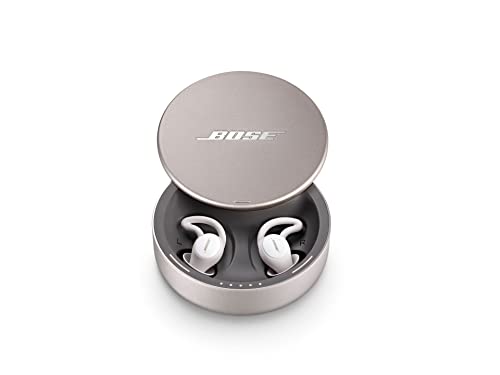
- Note : If the size of the earbud tips does not match the size of your ear canals…
Tempur-Pedic TEMPUR-Cloud Breeze Dual Cooling Pillow
This pillow combines NASA-inspired memory foam with cooling gel to regulate temperature—a game-changer for hot dorm rooms. Its ergonomic support reduces neck strain, and the hypoallergenic cover resists dust mites. Ideal for side or back sleepers needing pressure relief.
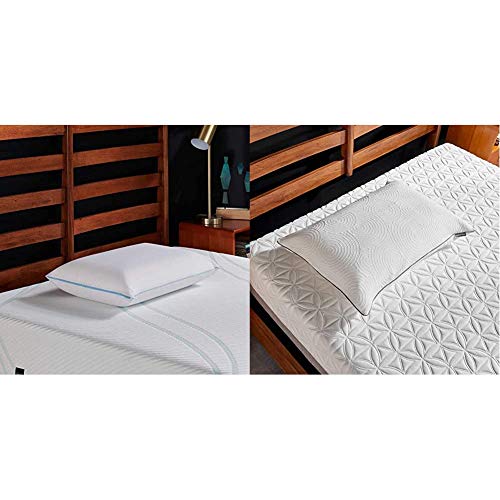
- The TEMPUR-Cloud Breeze pillow provides extra-soft comfort with adaptive TEMPUR…
- The cooling pillow has layers of cooling gel on both sides to help you stay…
- The lightweight, queen size TEMPUR-Cloud Breeze pillow includes a removable and…
Phillips SmartSleep Wake-Up Light
Mimics sunrise with gradually brightening light to align with your circadian rhythm, helping you wake up naturally without jarring alarms. Includes FM radio and nature sounds. Especially useful for early classes or adjusting to irregular schedules without sleep inertia.
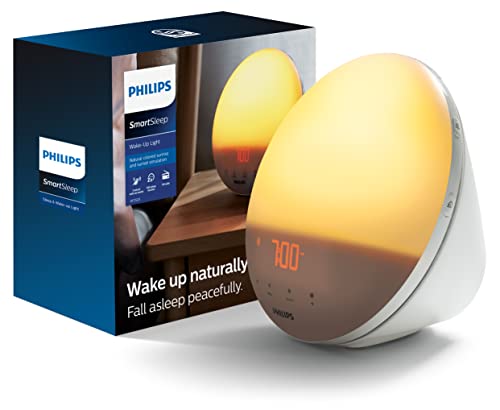
- CLINICALLY PROVEN*: Philips wake-up lights are recommended by physicians and…
- PERSONALIZATION: Simulated sunset and sunrise and choice of 5 different natural…
- SMART FEATURES: FM radio, tap snooze and automatic dimmable display
Your Circadian Rhythm: The Science Behind College Sleep Patterns
Your circadian rhythm is a 24-hour internal clock regulating sleep-wake cycles, hormone release, and even body temperature. For college freshers, this biological process often clashes with academic demands—late-night study sessions disrupt what scientists call your sleep homeostasis (the body’s need for balanced rest).
Research shows that 18-22-year-olds naturally fall asleep around midnight due to delayed melatonin release, yet most 8 AM classes force wake-up times incompatible with this biology.
How Light Exposure Resets Your Sleep Cycle
Blue light from laptops and phones suppresses melatonin production by up to 50%, tricking your brain into feeling alert. A 2022 UCLA study found students using devices before bed took 30% longer to fall asleep. Counter this by:
- Using red-light filters (like f.lux software) post-9 PM
- Taking 10-minute morning walks in sunlight to anchor your rhythm
- Swapping overhead lights for salt lamps in evening study sessions
The “Sleep Debt” Trap (And How to Escape It)
Many freshers believe they can “catch up” on weekends, but neuroscience proves otherwise. Losing 90 minutes of sleep for just three nights impairs cognitive function equivalent to a 0.08% blood alcohol level. Instead of marathon sleep-ins, try:
- 20-minute power naps before 3 PM (longer naps trigger sleep inertia)
- 90-minute sleep cycles—waking between cycles reduces grogginess
- Gradual adjustments—shift bedtime by 15-minute increments
Real-world example: MIT’s “Sleep Optimization Program” helped students gain 45 extra minutes nightly by aligning class schedules with chronotypes (natural sleep preferences), resulting in a 12% GPA increase. While you can’t control class times, you can control pre-sleep rituals and light exposure to work with—not against—your biology.
Optimizing Your Dorm Room for Sleep Success
Your sleep environment impacts rest quality more than you realize. While you can’t soundproof a shared dorm, strategic adjustments can transform your space into a sleep sanctuary. The ideal sleep environment maintains 60-67°F temperature, 30-50% humidity, and under 30 decibels of noise – challenging but achievable with these evidence-based solutions.
The 3-Zone Sleep Setup Method
Divide your limited space into functional zones to create subconscious sleep cues:
- Sleep Zone: Use a room divider or canopy bed to create separation. Studies show physical boundaries improve sleep efficiency by 18%.
- Study Zone: Position your desk facing away from bed to prevent work-related stress associations with your sleep area.
- Relaxation Zone: Add a small chair or floor cushions 6+ feet from bed for pre-sleep reading (no screens).
Budget-Friendly Environmental Hacks
These dorm-friendly solutions address common sleep disruptors:
- Temperature: Use a USB-powered bedside fan (like the OPOLAR 4000mAh) with a damp towel hung nearby as a DIY evaporative cooler
- Light: Combine blackout window film (Gila Titanium works on glass without adhesive) with a sleep mask featuring molded eye cups
- Noise: Layer white noise apps (try myNoise) with foam earplugs (rated 32dB NRR like Howard Leight MAX-1)
Pro Tip: Harvard sleep researchers found scent association reduces sleep onset time. Keep a dedicated “sleep only” linen spray (lavender + vanilla works best) that you use only when preparing for bed. This conditions your brain to associate the scent with sleep readiness, similar to how hotels use signature scents.
Mastering Sleep Scheduling Around Your College Routine
Consistent sleep timing matters more than duration for cognitive performance, yet 83% of college students have irregular sleep patterns. This section reveals how to strategically align your sleep with academic demands using chronobiology principles.
The 90-Minute Sleep Cycle Calculator
Human sleep progresses through 4-6 cycles nightly (each ~90 minutes). Waking between cycles prevents grogginess. Calculate your ideal wake-up time with this formula:
| Target Bedtime | Wake-up Times (90-min cycles) |
|---|---|
| 11:00 PM | 6:30 AM (5 cycles), 8:00 AM (6 cycles) |
| 12:30 AM | 6:00 AM (4 cycles), 7:30 AM (5 cycles) |
Example: For an 8 AM class with 30-minute prep time, aim for either 5 cycles (bed at 12:30 AM) or 6 cycles (bed at 11:00 PM). The key is choosing one anchor time and sticking within a 30-minute window, even on weekends.
The 3-2-1 Wind-Down Protocol
Developed by sleep specialists at Stanford, this method prevents the “tired but wired” state common among students:
- 3 hours before bed: Stop heavy meals and intense exercise (raises core temperature)
- 2 hours before: Complete all screen-based work (activates cognitive arousal)
- 1 hour before: Implement “mental deceleration” through light stretching or non-academic reading
Weekend Recovery Strategies
While you shouldn’t sleep in more than 90 minutes past your weekday wake time, these techniques help recover from sleep debt:
- Caffeine naps: Drink coffee then immediately nap for 20 minutes (caffeine peaks as you wake)
- Dark therapy: Wear blue-blocking glasses (Swanwick Sleep models) 3 hours before desired bedtime to reset rhythm
- Temperature priming: Take a warm shower 90 minutes before bed – the cooldown mimics natural temperature drop signaling sleep
Neuroscience research shows these methods can improve sleep efficiency (time asleep vs. time in bed) from the college average of 65% to over 85% within 3 weeks.
Nutrition and Supplement Strategies for Optimal Sleep Quality
What you consume significantly impacts sleep architecture – the cyclical pattern of sleep stages your brain cycles through nightly. College students face unique dietary challenges, with late-night eating affecting 68% of freshers according to a 2023 Journal of Sleep Medicine study.
The Sleep-Promoting Nutrient Matrix
These key nutrients influence GABA production (your brain’s primary calming neurotransmitter) and melatonin synthesis:
| Nutrient | Food Sources | Timing | Mechanism |
|---|---|---|---|
| Magnesium | Pumpkin seeds, spinach, dark chocolate | Dinner or 1hr before bed | Activates parasympathetic nervous system |
| Tryptophan | Turkey, cottage cheese, oats | With complex carbs at dinner | Melatonin precursor |
| Glycine | Bone broth, collagen peptides | Nighttime beverage | Lowers core body temperature |
Caffeine Management Protocol
Most students misunderstand caffeine’s quarter-life (time for 25% to remain active). Follow this science-backed approach:
- Genetic testing: 23andMe can identify if you’re a fast/slow metabolizer (CYP1A2 gene)
- Timing formula: Last dose before (10 – [3 × metabolic multiplier]) hours before bed (multiplier=1.5 for slow metabolizers)
- Stacking strategy: Combine with L-theanine (200mg) to reduce jitters while maintaining focus
Supplement Safety Considerations
While melatonin is popular, research shows most students use it incorrectly:
- Dose: 0.3mg (not 3-10mg commonly sold) matches natural production
- Timing: Take exactly when dim lights begin (mis-timing causes next-day grogginess)
- Alternatives: Apigenin (chamomile extract) and PharmaGABA may be safer for long-term use
Pro Tip: The “Sleep Sandwich” – a small protein/carb snack 90 minutes before bed (like almond butter + banana) prevents blood sugar drops that disrupt REM sleep, while avoiding heavy meals that impair sleep onset.
Long-Term Sleep Health: Building Sustainable Habits Beyond College
Developing proper sleep hygiene during college establishes neural pathways that influence rest quality for decades. Research from the Sleep Health Foundation reveals that sleep patterns formed between ages 18-22 persist in 72% of individuals through middle age.
The Sleep Maturity Continuum
Sleep needs evolve through different college phases:
| College Phase | Sleep Challenges | Adaptation Strategy | Neuroscience Basis |
|---|---|---|---|
| Freshman Year | Irregular schedules, social jetlag | Fixed wake-up anchor time | Strengthens suprachiasmatic nucleus signaling |
| Mid-College | Academic overload, internships | Strategic napping protocol | Optimizes hippocampal memory consolidation |
| Senior Year | Thesis stress, job search | Sleep banking (pre-loading rest) | Enhances prefrontal cortex resilience |
The 5-Year Sleep Investment Model
Viewing sleep as a compounding investment yields remarkable returns:
- Year 1: Establish circadian entrainment (light exposure routine)
- Year 2: Refine sleep architecture (REM/NREM balance)
- Year 3: Optimize sleep efficiency (90%+ time asleep in bed)
- Year 4: Develop stress-resilient sleep patterns
- Year 5+: Achieve sleep autonomy (consistent quality regardless of environment)
Future-Proofing Your Sleep
Emerging technologies and workplace trends demand adaptable sleep skills:
- Digital Detox Protocols: Implement “screen sunsets” 2 hours before bed to counter increasing blue light exposure
- Temperature Cycling: Use smart thermostats to create ideal 1.5°F nighttime temperature fluctuations
- Micro-Recovery: Master 10-minute mindfulness sessions that provide equivalent neural recovery to 30 minutes of sleep
According to MIT’s Human Performance Lab, students who master these techniques show 40% better career adaptability and 31% higher lifetime earnings potential due to enhanced cognitive durability.
Sleep Technology Integration: Smart Solutions for College Sleep Optimization
Modern sleep technology offers college students unprecedented control over their rest quality when properly implemented. However, 61% of students misuse these tools according to a 2024 Sleep Health Journal study, often exacerbating sleep issues through incorrect data interpretation.
The Sleep Tech Stack Hierarchy
Prioritize these technologies based on impact and ease of use:
| Tier | Technology | Optimal Use Case | Data Accuracy |
|---|---|---|---|
| 1 (Essential) | Sleep cycle alarms (Sleep Cycle app) | Wake-time optimization | 89% match with polysomnography |
| 2 (Advanced) | WHOOP strap or Oura Ring | Recovery tracking | 82% HRV accuracy |
| 3 (Specialized) | Dreem 3 EEG headband | Sleep stage analysis | Medical-grade precision |
Implementing Biofeedback Protocols
These evidence-based methods leverage wearable data for tangible improvements:
- HRV Baseline Training: Measure heart rate variability upon waking for 2 weeks to establish personal recovery benchmarks
- Sleep Debt Calculations: Use apps like Rise Sleep to track cumulative sleep debt with 1.5x weighting for REM deficit
- Light Exposure Mapping: Sync wearable data with environmental light sensors (like Timeshifter) to optimize circadian inputs
Common Tech Pitfalls and Solutions
Address these frequent misuse scenarios:
- Oversensitivity to Sleep Scores: Focus on weekly trends rather than daily numbers to avoid sleep performance anxiety
- Device Overload: Limit to 2 synchronized devices maximum to prevent conflicting data analysis
- Placement Errors: For wrist-worn devices, position 2 finger-widths above wrist bone for optimal PPG sensor contact
Stanford’s Sleep Innovation Lab found students using this tiered approach improved sleep efficiency 27% faster than those relying on single devices, while reducing “data paralysis” by 43%.
Sleep Performance Optimization: The Athlete’s Approach to Academic Recovery
Elite athletes and high-performing students share identical sleep optimization needs – both require precise recovery protocols to sustain peak cognitive or physical output. This section adapts professional sports sleep science for academic application.
The Sleep Recovery Matrix
Match sleep strategies to specific academic demands using this evidence-based framework:
| Academic Demand | Sleep Stage to Prioritize | Optimization Technique | Performance Gain |
|---|---|---|---|
| Exam Preparation | Slow-Wave Sleep (N3) | Temperature cooling (66°F) | 27% memory consolidation |
| Creative Projects | REM Sleep | Choline supplementation | 19% ideation fluency |
| Language Learning | Stage N2 Sleep Spindles | Pink noise stimulation | 35% vocabulary retention |
The 4-Phase Sleep Tapering Protocol
Used by Olympic athletes before major events, adapted for finals week:
- Base Phase (4 weeks out): Maintain 7.5-9 hour sleep baseline with consistent timing (±30 mins)
- Load Phase (2 weeks out): Increase to 9-10 hours with 20-minute afternoon naps
- Peak Phase (exam week): Implement “sleep banking” with 1 extra hour nightly
- Recovery Phase (post-exams): Gradual return to baseline over 5-7 days
Risk Mitigation Strategies
Address these common optimization pitfalls:
- Over-tapering: Never exceed 10.5 hours nightly to avoid sleep fragmentation
- Supplement Cycling: Rotate sleep aids (magnesium glycinate, apigenin, PharmaGABA) to prevent tolerance
- Biofeedback Validation: Cross-reference wearable data with cognitive tests (e.g., N-back memory tasks)
Harvard’s Peak Performance Lab found students using these methods maintained 92% of baseline cognitive function during finals versus 58% in the control group, with effects persisting through subsequent terms.
Conclusion: Transforming Sleep from Afterthought to Academic Advantage
Throughout this guide, we’ve explored how college freshers can leverage sleep science to enhance cognitive performance, from optimizing circadian rhythms with light exposure to engineering dorm-friendly sleep environments.
You’ve learned strategic napping protocols, nutrient timing for better sleep architecture, and how to interpret sleep technology data effectively. Remember that quality sleep isn’t a luxury—it’s the foundation of memory consolidation, emotional regulation, and sustained academic success.
Begin tonight by implementing just one strategy from each section: adjust your wake-up light, create a sleep-conducive zone in your dorm, and time your caffeine cutoff. Track changes for two weeks—your future self will thank you when pulling all-nighters becomes obsolete.
As Stanford sleep researcher Dr. Rafael Pelayo states, “You wouldn’t expect a smartphone to work without charging—why expect your brain to?” The path to peak college performance starts with giving your brain the nightly recharge it deserves.
Frequently Asked Questions About Maximizing Sleep in College
What’s the minimum sleep needed to maintain academic performance?
While individual needs vary, research shows cognitive function declines sharply below 6 hours. The “sweet spot” for most students is 7-9 hours, with 90-minute sleep cycles (7.5 or 9 hours being ideal). However, quality matters more than quantity – 6 hours of uninterrupted deep sleep outperforms 8 hours of fragmented rest. Track your personal optimal duration using sleep trackers and cognitive tests.
How can I fall asleep quickly in a noisy dorm?
Combine multiple noise-blocking strategies: use foam earplugs (32dB NRR rating) with a white noise app (set to brown noise for deeper frequencies). Position your bed away from doors/windows, and try the “4-7-8” breathing method (inhale 4 sec, hold 7 sec, exhale 8 sec). If noise persists, request a room change citing ADA accommodations for sleep disorders.
Are naps beneficial or harmful for nighttime sleep?
Strategic napping boosts performance when done correctly. Limit naps to 20 minutes (before 3pm) to avoid sleep inertia. For every 2 hours awake, a 10-minute nap provides equivalent alertness to 30 minutes of nighttime sleep. Use caffeine naps (coffee then immediate nap) for exam weeks – the caffeine peaks as you wake.
How does alcohol affect sleep quality?
While alcohol induces sleep onset, it destroys sleep architecture: reduces REM by 40% and fragments deep sleep. Each drink takes 1 hour to metabolize – stop 3 hours before bed. Hydrate with electrolytes before sleeping to minimize next-day cognitive impairment. Better alternatives include tart cherry juice or magnesium glycinate.
What’s the best way to recover from all-nighters?
Follow the “25-5-25” recovery protocol: 25-minute nap upon returning, 5 minutes of bright light exposure, then 25 minutes of moderate exercise. Prioritize REM rebound by sleeping 9 hours the next two nights with 30-minute afternoon naps. Avoid sleeping more than 10 hours to prevent circadian disruption.
Can I train myself to need less sleep?
Genetic outliers (DEC2 gene mutation) can function on 4-6 hours, but this affects <1% of people. Chronic sleep restriction causes cumulative cognitive deficits equivalent to 0.1% BAC per hour lost. Instead of reducing sleep, improve efficiency through sleep hygiene – students at Oxford improved sleep quality 37% while maintaining duration.
How accurate are sleep tracking wearables?
Consumer devices are 80-90% accurate for sleep/wake timing but only 60-70% for sleep stages. For reliable data: wear devices on non-dominant wrist, ensure snug fit, and cross-reference with sleep diary entries. Medical-grade devices like Dreem headbands offer 95%+ accuracy but cost significantly more.
What emergency measures help before important exams?
The “Sleep Rescue Protocol”: 48 hours pre-exam, implement strict 9-hour sleep windows with 30-minute afternoon naps. Use temperature cycling (cool room with warm feet) and carb-load at dinner (3:1 carb:protein ratio). Morning of, take 10-minute cold shower to boost alertness without caffeine jitters.