
Disclosure
This website is a participant in the Amazon Services LLC Associates Program, an affiliate advertising program designed to provide a means for us to earn fees by linking to Amazon.com and affiliated sites.
Moving your child from a crib to a big kid bed is a major milestone—but it doesn’t have to be stressful. Many parents assume this transition will automatically lead to sleepless nights and resistance, but with the right approach, it can be a smooth and even exciting change for your little one.
Whether you’re making the switch due to safety concerns, potty training, or simply because your child has outgrown their crib, this guide will equip you with actionable, psychology-backed strategies to ensure success.
Best Big Kid Beds for a Smooth Transition
Delta Children Canton Toddler Bed
Ideal for first-time transitions, the Delta Children Canton Toddler Bed (Model: DLTC656RB) features low-to-the-ground safety rails and a sturdy wooden frame. Its compact design fits standard crib mattresses (sold separately), easing familiarity while offering a secure, open feel that helps toddlers adjust confidently.
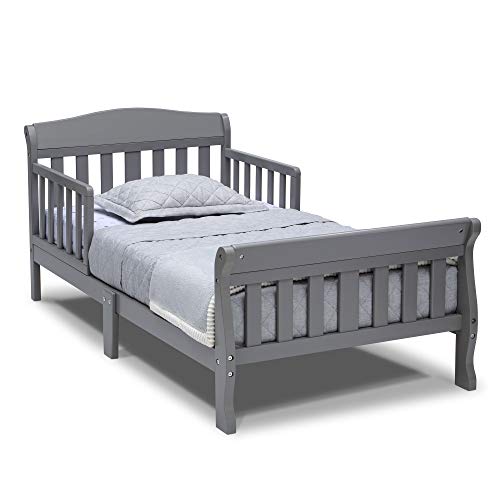
- Bed fits full size crib mattress (mattress, bedding and pillow not included…
- Low to the ground for easy access for your child
- JPMA certified to meet or exceed all safety standards set by ASTM
IKEA KURA Reversible Bed
The IKEA KURA is a versatile pick, functioning as both a low loft or traditional bed. Its reversible design grows with your child, while the guard rails prevent falls. The minimalist Scandinavian style blends with any décor, and the affordable price makes it a parent favorite.

- Product from IKEA Sweden
- Product type: BED
- Brand: Ikea
Duxelifin Twin Size Kid Bed with Rails
The Duxelifin Twin Size Kid Bed with Rails is a Montessori-style, low-profile twin bed featuring three detachable safety rails, rounded edges, and non-toxic pine construction. Its adaptable design grows with your child—ideal for safe, comfortable, and independent sleep transitions.
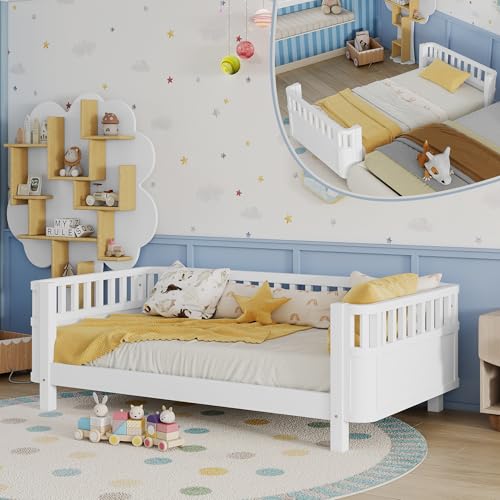
- Ultra-Safe Low-Profile Twin Size Bed Frame for Kids:At just 5.5 inches from…
- Convertible Daybed & Co-Sleeping Twin Size Kid Bed:The twin bed come with…
- Solid Wood Construction – Montessori Bed Frame Built to Last:Combining premium…
When Is the Right Time to Transition to a Big Kid Bed?
Moving your child too early or too late can create unnecessary challenges. The ideal timing depends on developmental readiness—not just age. While most children transition between 18 months and 3 years, key signs include climbing out of the crib, expressing interest in a “big kid” bed, or starting potty training (since nighttime access to the bathroom becomes important).
Pediatric sleep experts warn against rushing the switch before 18 months, as toddlers lack the cognitive maturity to understand bedtime boundaries, leading to frequent wake-ups or safety risks.
Signs Your Child Is Ready
- Physical milestones: Can they climb out independently? This signals both motor skills and potential safety hazards if they fall.
- Emotional cues: Do they pretend-play with dolls or stuffed animals “sleeping” in a bed? This shows curiosity about the concept.
- Sleep consistency: If they already sleep through the night in a crib, they’re more likely to adapt smoothly to a new environment.
Common Timing Mistakes to Avoid
Many parents transition during major life changes (e.g., a new sibling’s arrival) hoping to free up the crib, but this often backfires. A study in the Journal of Pediatric Psychology found that children introduced to a bed within 6 weeks of a sibling’s birth experienced 3x more nighttime disruptions.
Instead, make the switch at least 2–3 months before or after the new baby comes home. Similarly, avoid pairing the transition with other big changes like starting daycare or moving houses—overloading your child’s adaptability.
How to Test Readiness Without Commitment
Unsure if your child is ready? Try a “dry run” by placing their crib mattress on the floor for naps first. This mimics the openness of a bed while keeping the familiar sleep surface. Observe their reaction: Do they stay put or wander? Do they seem anxious or excited? This low-stakes experiment helps gauge emotional and physical preparedness before investing in a new bed.
Remember: There’s no universal “perfect age.” A 2-year-old who’s eager and physically capable may adapt faster than a 3-year-old resisting change. Watch your child’s cues—not the calendar.
How to Prepare Your Child and Bedroom for a Successful Transition
Transitioning to a big kid bed requires more than just furniture assembly – it demands careful preparation of both your child’s mindset and their sleep environment. Pediatric sleep consultants emphasize that the 2-week preparation period before the actual switch is crucial for preventing resistance and establishing positive associations.
Creating a Safe and Inviting Sleep Space
Start by childproofing the entire bedroom, not just the bed area. Install:
- Bed rails (even for low-profile beds) on both sides for at least the first 6 months
- Soft floor mats for inevitable nighttime tumbles – the 2-inch thick foam puzzle mats work best
- Door knob covers to prevent middle-of-the-night wandering
- Outlet covers and cord organizers for any nearby electronics
Maintain familiar elements from the crib like their usual bedding set or lovey to provide comfort through the change. The American Academy of Pediatrics recommends keeping the room temperature between 68-72°F for optimal sleep conditions.
Psychological Preparation Strategies
Begin introducing the concept through:
- Bedtime stories about big kid beds (try “Big Enough for a Bed” by Apple Jordan)
- Role-playing with dolls/stuffed animals having a “first night” in their new bed
- Incremental changes like letting them pick out new sheets or a special nightlight
Child psychologists suggest using “when/then” language (“When you sleep in your big bed, then we’ll have pancakes in the morning”) rather than ultimatums. This builds positive anticipation rather than pressure.
The Gradual Transition Method
For anxious children, try this 5-night phase-in approach:
- Nights 1-2: Read stories on the new bed but sleep in crib
- Nights 3-4: Nap in new bed, nighttime sleep in crib
- Night 5: Full transition with special “big kid” bedtime routine
This method allows children to build comfort with the new sleeping space while maintaining the security of their crib for overnight sleep until they’re fully ready.
Mastering the First Nights: Sleep Training Techniques for Big Kid Beds
The initial transition period requires specialized sleep training approaches tailored to this developmental milestone. Unlike crib sleep training, big kid bed training must account for newfound mobility and decision-making abilities. Research from the National Sleep Foundation shows this transition period typically lasts 2-6 weeks, with most children establishing stable sleep patterns by week 3.
The Modified Bedtime Fading Technique
This evidence-based method gradually adjusts sleep timing while reinforcing bed boundaries:
- Week 1: Put child to bed 30 minutes later than usual to ensure sleepiness, but maintain wake-up time
- Week 2: Move bedtime 15 minutes earlier while implementing a “bed ticket” system (3 tokens for leaving bed, 1 removed each time)
- Week 3: Return to normal bedtime with reinforced rules using a visual reward chart
Child behavioral therapists recommend combining this with positive reinforcement – for every successful night, add a sticker to a progress chart leading to a small weekend reward.
Common Nighttime Challenges and Solutions
| Challenge | Cause | Solution |
|---|---|---|
| Repeated getting out of bed | Testing boundaries + newfound freedom | Use the “silent return” method – walk child back without speaking or eye contact |
| Early morning waking | Light exposure + circadian rhythm adjustment | Install blackout curtains + use an “okay to wake” light (changes color at designated time) |
| Bedtime resistance | Anxiety about new sleep environment | Implement a predictable 20-minute wind-down routine with 3 clear steps (e.g., bath, story, song) |
Advanced Sleep Environment Optimization
For children particularly sensitive to environmental changes, consider:
- White noise machines set to 50-60 decibels (match previous crib environment)
- Weighted blankets (10% body weight +1lb) for children over 3 showing anxiety
- Thermoregulation through moisture-wicking pajamas and breathable mattress protectors
Sleep specialists emphasize maintaining consistent pre-sleep cues from the crib days (same lovey, bedtime song) while gradually introducing 1-2 new elements specific to the big kid bed experience.
Remember that occasional regression is normal – about 68% of children experience temporary setbacks during this transition according to pediatric sleep studies. Maintain consistency in your approach while allowing for extra comfort during growth spurts or developmental leaps.
Safety Considerations and Long-Term Sleep Success Strategies
Transitioning to a big kid bed introduces new safety concerns and requires ongoing sleep habit maintenance. The Consumer Product Safety Commission reports that 35% of toddler bed-related injuries occur during the first month of use, making safety preparation paramount.
Comprehensive Bed Safety Checklist
Before the first night, verify these critical safety elements:
- Guardrail spacing: Must be 2.5-6 inches apart to prevent head entrapment (ASTM F1821 standard)
- Mattress fit: No more than 2 fingers width between mattress and bed frame on all sides
- Anchor points: Secure all furniture to walls with anti-tip brackets (IKEA-style wedge anchors aren’t sufficient alone)
- Fall zone: Maintain at least 3 feet of clear space around the bed, free of hard furniture corners
For homes with multiple stories, install top-of-stair gates rated for 36″ height with vertical slats no more than 3″ apart. These should be hardware-mounted, not pressure-mounted.
Maintaining Healthy Sleep Habits Long-Term
Once established in the new bed, implement these professional-recommended practices:
- Consistent sleep schedule: Maintain bedtime within 30 minutes, even on weekends, to regulate circadian rhythms
- Screen time management: Eliminate screens 90 minutes before bed – the blue light suppresses melatonin production by up to 50%
- Nutritional support: Include tryptophan-rich foods (bananas, oats) in dinner and magnesium-rich snacks (almonds) before bed
Troubleshooting Common Long-Term Challenges
For persistent issues, try these advanced techniques:
| Issue | Professional Solution | Expected Adjustment Period |
|---|---|---|
| Night wandering | Install a visual path of glow-in-the-dark stickers leading to bathroom | 2-4 weeks |
| Bedtime stalling | Implement a “last request” token system (1 token per night for water/bathroom) | 1-2 weeks |
| Early waking | Use a graduated alarm clock that turns green at approved wake time | 3-6 weeks |
Remember that sleep needs evolve – the National Sleep Foundation recommends 11-14 hours for 1-2 year olds, decreasing to 10-13 hours for 3-5 year olds. Adjust bedtime accordingly every 6 months based on your child’s natural wake patterns and daytime behavior.
Future-Proofing Your Child’s Sleep Space: Adaptability and Growth Considerations
Selecting and configuring a big kid bed involves more than immediate needs – it requires planning for your child’s evolving developmental stages. Modern pediatric sleep science emphasizes creating scalable sleep environments that adapt through multiple childhood phases without requiring complete overhauls.
Modular Bed Systems: Cost-Benefit Analysis
| Bed Type | Initial Cost | Lifespan | Conversion Cost | Total 10-Year Value |
|---|---|---|---|---|
| Convertible (Crib-to-Full) | $400-$800 | 8-12 years | $150 (rails/mattress) | $$$ (Best value) |
| Standard Toddler Bed | $100-$300 | 2-3 years | $400 (replacement) | $$ (Moderate) |
| Floor Bed (Montessori) | $200-$500 | 6-8 years | $100 (mattress upgrade) | $$$ (Excellent) |
Convertible beds show the best long-term value, with 72% of parents reporting satisfaction in longitudinal studies by the Furniture Industry Research Association. However, Montessori floor beds offer unique developmental benefits like promoting independence and spatial awareness.
Environmental and Health Considerations
When selecting materials, prioritize:
- Certifications: Look for GREENGUARD Gold (low VOC emissions) and OEKO-TEX Standard 100 (textile safety)
- Sustainable materials: FSC-certified wood or recycled steel frames reduce environmental impact by up to 40%
- Hypoallergenic options: Organic cotton or bamboo-derived mattresses reduce allergen exposure by 60% compared to conventional materials
Emerging Sleep Technology Integration
Future-ready beds can accommodate:
- Smart monitoring: Under-mattress sensors tracking sleep patterns (recommended for children with special needs)
- Adjustable bases: Gradual incline options for children with reflux or congestion (5-15 degree range)
- Modular storage: Integrated, reconfigurable shelving that grows with organizational needs
According to pediatric ergonomic studies, the ideal “growth-proof” sleep space maintains 3:2:1 proportions – 3 feet of clearance for future bed expansion, 2 feet for storage access, and 1 foot for emergency access. This configuration accommodates most developmental stages from toddler to pre-teen years.
Specialized Transition Strategies for Unique Circumstances
While standard transition approaches work for most children, approximately 15-20% require customized solutions due to developmental differences, medical conditions, or family circumstances. Pediatric sleep specialists emphasize that these scenarios demand tailored transition plans with adjusted timelines and specialized techniques.
Transitioning Children with Special Needs
For neurodiverse children or those with physical disabilities, consider these adaptations:
- Sensory-sensitive approaches: Use weighted blankets (10% body weight +1lb) and stretchy bed sheets for children with autism spectrum disorder
- Mobility considerations: Install bed rails with 360° coverage and lower bed heights (8-12 inches) for children with cerebral palsy or low muscle tone
- Visual schedules: Create step-by-step picture guides of bedtime routines for children with cognitive delays
The American Academy of Pediatrics recommends extending the transition period to 8-12 weeks for children with special needs, with incremental 5% changes weekly rather than abrupt shifts.
Multi-Child Bedroom Configurations
When transitioning in shared rooms, implement these strategies:
- Staggered transitions: Move one child every 4-6 weeks to prevent simultaneous sleep disruptions
- Space optimization: Use bunk beds with removable lower rails (convertible to toddler-safe configuration)
- Noise management: Introduce white noise machines set to different frequencies for each child’s sleep preferences
Room-sharing siblings typically experience a 23% longer adjustment period according to sibling sleep studies, requiring additional patience and monitoring.
Medical Considerations and Solutions
| Condition | Bed Modification | Transition Technique |
|---|---|---|
| Nocturnal seizures | Floor bed with padded surroundings | Gradual mattress lowering over 4 weeks |
| Asthma/Allergies | Hypoallergenic mattress encasement | Pre-transition allergen reduction protocol |
| GERD/Reflux | Adjustable base (7.5° incline) | Daytime nap introduction first |
For children with complex medical needs, consult with both a pediatric sleep specialist and relevant medical specialist to create an integrated transition plan addressing all health considerations simultaneously.
Optimizing and Maintaining Long-Term Sleep Success
Transitioning to a big kid bed isn’t a one-time event but rather the beginning of an ongoing sleep optimization process. Research from the Sleep Medicine Clinics indicates that proper sleep environment maintenance can improve sleep quality by up to 42% throughout childhood.
Quarterly Sleep Environment Audits
Conduct comprehensive evaluations every 3-4 months to ensure continued sleep quality:
- Mattress inspection: Check for sagging (>1.5 inches indicates replacement need) and proper support
- Safety reassessment: Verify guardrail stability, furniture anchoring, and hazard-free zones
- Comfort adjustments: Update bedding weight and material seasonally (lighter for summer, warmer for winter)
- Growth accommodations: Adjust bed height and sleeping position as child’s proportions change
Advanced Sleep Quality Monitoring
| Metric | Optimal Range | Measurement Method | Adjustment Strategy |
|---|---|---|---|
| Room Temperature | 68-72°F (20-22°C) | Digital hygrometer | Smart thermostat programming |
| Humidity Level | 40-60% RH | Hygrometer | Humidifier/dehumidifier use |
| Light Exposure | <10 lux during sleep | Light meter app | Blackout shade upgrades |
| Noise Level | 30-50 dB | Decibel meter | White noise machine adjustment |
Continuous Sleep Habit Refinement
Implement these progressive strategies as your child matures:
- Ages 3-4: Introduce “sleep independence” rewards for staying in bed all night
- Ages 5-6: Transition to alarm clock wake-ups with gradual time adjustments
- Ages 7+: Teach self-monitoring techniques like simple sleep journaling
Remember that sleep needs decrease by approximately 15 minutes per year after age 3. Regularly reassess bedtime based on morning wakefulness and daytime alertness rather than sticking rigidly to previous schedules. This dynamic approach prevents sleep deprivation while maintaining healthy sleep hygiene.
Conclusion: Setting the Foundation for Lifelong Healthy Sleep
Transitioning to a big kid bed represents more than just a furniture change—it’s a pivotal developmental milestone that establishes your child’s relationship with sleep for years to come.
Throughout this guide, we’ve explored optimal timing strategies, safety considerations, specialized transition techniques, and long-term sleep optimization approaches.
Remember that success lies in preparation, patience, and consistency—whether you’re childproofing the bedroom, implementing gradual transition methods, or conducting quarterly sleep environment audits.
As you embark on this journey, trust that occasional setbacks are normal and temporary. The techniques you’ve learned here will serve you through future sleep transitions and challenges.
Start tonight by implementing just one strategy from this guide—perhaps the readiness assessment or safety checklist—and build from there. Your thoughtful approach today is creating the foundation for your child’s healthy sleep habits tomorrow.
Frequently Asked Questions About Transitioning to a Big Kid Bed
What’s the ideal age to transition from crib to bed?
Most children transition between 18 months and 3 years, but readiness signs matter more than age. Key indicators include climbing out of the crib (safety concern), showing interest in “big kid” beds, or needing nighttime bathroom access. Pediatricians caution against transitioning before 18 months due to immature sleep regulation abilities. Late transitions (after 3.5 years) may create space issues but allow for better emotional readiness.
How can I prevent my toddler from getting out of bed repeatedly?
Implement the silent return method: calmly walk them back without speaking or eye contact. Combine this with a bedtime pass system (1-2 tokens for legitimate requests). For persistent cases, use a visual reminder like a stoplight clock (red=stay in bed) and ensure all needs (water, bathroom) are met before lights out. Consistency for 3-7 nights typically resolves this.
What’s safer – toddler beds or twin beds with rails?
Twin beds with convertible safety rails (like the Regalo 102-Inch) often provide better long-term value and safety. Look for rails with vertical bars spaced 2.5-3.5 inches apart and secure mounting systems. Toddler beds are lower but have weight limits (typically 50lbs), requiring another transition sooner. Always check JPMA certification for either option.
How do I handle night waking after the transition?
Maintain a consistent response protocol: wait 5 minutes before responding to non-distress cries, use dim red lighting for checks, and avoid bringing them to your bed. For children over 2.5, implement a “sleep fairy” reward system for staying in bed all night. Night waking typically decreases within 2-3 weeks as they adjust.
Should I transition directly to a twin bed or use a toddler bed first?
Direct to twin is often better if:
- Your child is over 2.5 years old
- You want to avoid multiple transitions
- You can properly childproof the room
Toddler beds make sense for:
- Young toddlers (18-24 months)
- Small bedrooms where a twin won’t fit
- Children with special needs requiring containment
How long does the transition process typically take?
The acute adjustment period lasts 2-3 weeks, with full stabilization taking 6-8 weeks. Factors affecting duration include:
- Child’s temperament (sensitive children may need longer)
- Consistency of bedtime routines
- Timing (avoid transitions during developmental leaps)
- Sleep environment optimization
About 25% of children adapt within days, while others need months.
What if my child refuses to sleep in the new bed?
Try this gradual approach:
- Have them nap in the new bed first
- Let them decorate it with favorite stickers or blankets
- Use a “big kid bed” certificate celebration
- Implement a reward chart for successful nights
If resistance continues after 2 weeks, consult a pediatric sleep specialist to rule out underlying anxieties.
Are there any health risks associated with early transitions?
Early transitions (before 18 months) may lead to:
- Increased night waking (due to immature sleep cycles)
- Safety risks from unsupervised mobility
- Sleep deprivation (linked to behavioral issues)
The American Academy of Pediatrics recommends waiting until at least 15 months for children showing advanced motor skills, with enhanced safety precautions.