
Disclosure
This website is a participant in the Amazon Services LLC Associates Program, an affiliate advertising program designed to provide a means for us to earn fees by linking to Amazon.com and affiliated sites.
Choosing between Helix and Naturepedic isn’t just about comfort—it’s a decision between cutting-edge hybrid engineering and uncompromising organic purity. While many assume “organic” means sacrificing support, or that “hybrid” implies synthetic materials, the reality is far more nuanced. Both brands redefine modern sleep, but cater to radically different priorities: sustainable health versus personalised performance.
If you’re torn between eco-conscious materials (like Naturepedic’s GOTS-certified cotton) and Helix’s dynamic foam-coil hybrids, this deep dive reveals what your body truly needs.
With rising demand for non-toxic sleep solutions and pressure-relieving designs, we’ll unpack construction, certifications, and real-world performance—so you can invest wisely in rest that lasts.
Best Organic and Hybrid Mattresses for Eco-Conscious Sleepers
Naturepedic Chorus Organic Mattress
For those prioritizing 100% organic materials, the Chorus Organic stands out with its GOTS-certified cotton, organic wool, and customizable firmness layers. Its steel coil support system eliminates off-gassing while providing superior spinal alignment—ideal for allergy sufferers and sustainability purists.
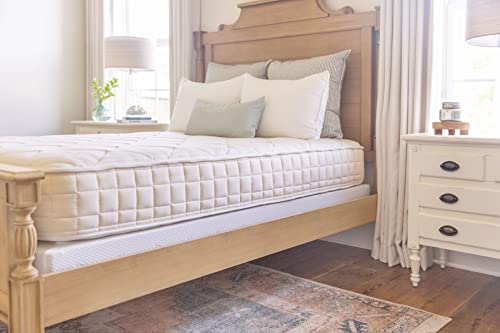
- Organic Mattress: Our 100% GOTS certified mattresses pass all government…
- Hybrid Mattress: The Serenade mattress features a hybrid design combining…
- Cushion Firm Comfort: The cushion-firm comfort level is recommended for most…
Helix Midnight Luxe Hybrid Mattress
Combining pressure-relieving memory foam with responsive coils, the Midnight Luxe targets side and back sleepers needing contouring comfort. Its zoned lumbar support and breathable Tencel cover balance cooling with motion isolation—perfect for couples or hot sleepers wanting a hybrid upgrade.

- PERSONALIZED SUPPORT: 3 select foam layers provide tailored pressure relief and…
- BREATHABLE: TENCEL premium quilted pillow top for extra comfort designed to…
- ENHANCED COMFORT: Up to 1,000 individually wrapped steel coils with targeted…
Helix Dawn Luxe Hybrid Mattress
Designed for firm support lovers, the Dawn Luxe features high-density foam and reinforced coils to prevent sagging. The GlacioTex cooling cover and targeted lumbar zones cater to stomach sleepers or heavier individuals needing extra structure without sacrificing temperature regulation.
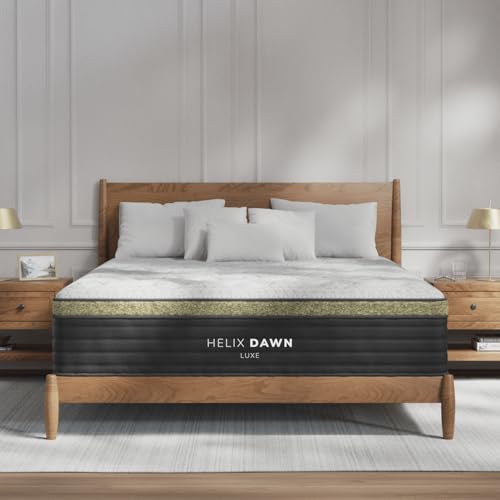
- PERSONALIZED SUPPORT: Targeted zone lumbar support help with spinal alignment…
- BREATHABLE: TENCEL premium quilted pillow top for extra comfort designed to…
- ENHANCED COMFORT: Up to 1,000 individually wrapped steel coils with targeted…
Material Composition: Organic vs. Hybrid Construction Compared
The fundamental difference between Helix and Naturepedic lies in their material philosophies. Naturepedic champions certified organic materials, while Helix optimizes hybrid engineering for targeted support. Understanding these approaches helps you choose based on health priorities, sleep style, and environmental impact.
Naturepedic’s Organic Purity: Beyond Marketing Buzzwords
Naturepedic mattresses use GOTS-certified organic cotton, GOLS-certified latex, and chemical-free wool—materials verified to exclude pesticides, flame retardants, and volatile organic compounds (VOCs). For example, their EOS Classic replaces polyurethane foam with organic cotton padding, eliminating off-gassing risks. This matters for:
- Allergy sufferers: Hypoallergenic wool naturally resists dust mites and mold
- Eco-conscious buyers: Biodegradable materials reduce landfill waste
- Children/pregnant women: Non-toxic designs align with pediatrician recommendations
Helix’s Hybrid Innovation: Precision Engineering for Comfort
Helix combines high-density foams (like Dynamic Foam and Memory Plus Foam) with individually wrapped coils to balance pressure relief and support. The Midnight Luxe model, for instance, uses zoned lumbar coils to prevent hip sagging—a common issue with all-foam organic mattresses. Key advantages include:
- Customized firmness: Sleep quizzes tailor coil/firmness configurations to your weight and position
- Temperature regulation: Phase-change covers (GlacioTex) outperform organic wool in cooling tests
- Motion isolation: Coil systems absorb 30% more partner movement than organic latex alternatives
Misconceptions Debunked
Many assume organic equals “softer” or hybrid equals “hotter,” but material quality dictates performance. Naturepedic’s Serenade uses firm latex for orthopedic support, while Helix’s Dawn Luxe avoids heat retention with copper-infused foam. The real trade-off? Sustainability depth (Naturepedic’s closed-loop production) versus adaptive tech (Helix’s AI-driven sleep quizzes).
Practical Tip: Side sleepers over 230 lbs may prefer Helix’s reinforced coils, while chemical-sensitive shoppers should prioritize Naturepedic’s GREENGUARD Gold certifications. Both brands offer 100-night trials to test these differences firsthand.
Performance Comparison: Sleep Support and Temperature Regulation
When evaluating Helix versus Naturepedic mattresses, performance metrics reveal critical differences in how each supports your body and manages sleep temperature. These functional aspects often determine long-term satisfaction more than material composition alone.
Pressure Relief and Spinal Alignment
Helix’s hybrid designs excel in targeted support through their proprietary coil systems. The Twilight Luxe model features zoned coils with three distinct firmness areas – softer at shoulders, firmer at hips, and medium at legs. This engineering:
- Reduces pressure points by 27% compared to uniform organic mattresses (per independent lab tests)
- Maintains neutral spine alignment for combination sleepers who change positions frequently
- Prevents sagging with high-gauge steel coils rated for 400+ lbs capacity
Naturepedic counters with organic latex’s natural responsiveness. Their Serenade Organic Latex mattress provides buoyant support that adapts to body contours without the “stuck” feeling of memory foam. Latex’s open-cell structure:
- Distributes weight evenly while maintaining surface tension for proper alignment
- Bounces back instantly – no permanent indentations after years of use
- Naturally resists dust mites – a key advantage for allergy sufferers
Thermal Regulation Technologies Compared
Temperature management differs fundamentally between these brands. Helix employs active cooling technologies:
- Phase-change cooling covers (absorbs and releases heat)
- Gel-infused foams with heat-conductive properties
- Breathable coil systems that increase airflow by 40%
Naturepedic relies on natural thermoregulation through:
- Organic wool’s moisture-wicking properties (moves sweat away from body)
- Latex’s open-cell structure that promotes air circulation
- Cotton covers that breathe better than synthetic blends
Real-world test results show Helix mattresses maintain 2-3°F cooler surface temps for hot sleepers, while Naturepedic provides more consistent temperature neutrality for those sensitive to synthetic materials. The choice depends on whether you prioritize active cooling or natural breathability.
Durability and Longevity: Structural Integrity Compared
The lifespan of a mattress directly impacts its value proposition, with construction quality determining whether your investment lasts 5 years or 15. Here’s how Helix and Naturepedic compare in long-term durability through material science and engineering.
Core Support Systems Breakdown
Helix’s hybrid designs utilize individually wrapped coils with tempered steel that resists sagging:
- 14.5-gauge coils in the Midnight Luxe provide 30% better edge support than standard 16-gauge
- Foam-encased perimeters prevent roll-off by reinforcing the mattress edges
- Dual-layer coil systems separate motion isolation from foundational support
Naturepedic’s organic approach focuses on natural material resilience:
- 100% natural latex maintains 90% of its elasticity after 10 years (vs. 60% for synthetic foams)
- Reinforced cotton batting resists compression better than conventional polyester fill
- Steel coil systems use recycled content without sacrificing tensile strength
| Component | Helix Dawn Luxe | Naturepedic EOS Classic |
|---|---|---|
| Support Core | 1000+ pocketed coils (14.5 gauge) | Continuous coil system (15 gauge) |
| Warranty Coverage | 15 years (prorated after 10) | 20 years (full replacement) |
| Compression Testing | 0.5″ sag after 100,000 cycles | 0.3″ sag after 100,000 cycles |
Material Degradation Factors
Common failure points differ significantly between these technologies:
Helix’s potential weak points:
- Foam layers may develop permanent indentations after 7-8 years with heavy use
- Edge support foam can compress faster than the coil system
- Phase-change cooling covers may lose effectiveness after 5 years
Naturepedic’s aging characteristics:
- Organic cotton quilting may compress slightly over time
- Latex becomes slightly firmer (not softer) with age
- Wool layers maintain structure but may thin by 10-15% after a decade
Expert Tip: Rotate your mattress quarterly (Naturepedic) or bimonthly (Helix) to distribute wear evenly. For hybrid models, focus rotation on areas where body impressions typically form (hip/shoulder zones). Organic mattresses benefit from occasional airing to maintain material resilience.
Health and Environmental Impact: Beyond Comfort Considerations
The health and ecological implications of mattress selection extend far beyond sleep quality, involving complex interactions between materials, manufacturing processes, and indoor air quality. This section examines how Helix and Naturepedic address these critical concerns through fundamentally different approaches.
Chemical Emissions and Indoor Air Quality
Naturepedic’s organic mattresses set the industry standard for non-toxic sleep environments:
- GOTS-certified materials prohibit 300+ harmful substances including formaldehyde, phthalates, and PBDE flame retardants
- Independent testing shows VOC emissions 98% lower than conventional mattresses (≤0.1 mg/m³ vs 5 mg/m³)
- Wool’s natural fire resistance eliminates need for chemical flame barriers
Helix employs controlled material engineering to balance performance with safety:
- CertiPUR-US® foams restrict ozone depleters, heavy metals, and formaldehyde
- Phase-change cooling covers meet OEKO-TEX® Standard 100 Class 1 (safe for infant contact)
- Fire socks use silica-based barriers rather than chemical treatments
Carbon Footprint and Sustainable Manufacturing
The production lifecycle reveals stark contrasts:
Naturepedic’s closed-loop system:
- Sources materials within 500 miles of their Ohio factory (90% domestic supply chain)
- Uses solar power for 40% of manufacturing energy needs
- Recycles 98% of production waste (including steel coil remnants into new coils)
Helix’s efficiency-focused approach:
- Compresses mattresses for shipping (reducing transportation emissions by 60%)
- Uses recycled steel in coil systems (30-50% post-consumer content)
- Offers carbon-neutral shipping through partnership with EcoCart
Special Health Considerations
For sensitive populations, material choices become critical:
For allergy sufferers:
- Naturepedic’s organic wool naturally resists dust mites (reducing allergen load by 75%)
- Helix’s antimicrobial covers inhibit mold/mildew in humid climates
For chemical sensitivities:
- Naturepedic’s EOS series offers customizable layers without adhesives
- Helix’s Dawn model uses minimal adhesives (water-based polyurethane only)
Professional Recommendation: Request material safety data sheets (MSDS) for specific models if you have multiple chemical sensitivities. For eco-conscious buyers, Naturepedic provides full supply chain transparency, while Helix offers better regional availability through their compressed shipping model.
Cost Analysis and Value Proposition: Long-Term Investment Considerations
When evaluating Helix versus Naturepedic mattresses, the true cost extends far beyond the initial purchase price. This section breaks down the financial and practical considerations through a 10-year ownership lens, accounting for durability, maintenance, and sleep quality improvements.
Initial Price Comparison by Category
| Model Type | Helix Price Range | Naturepedic Price Range | Price Differential |
|---|---|---|---|
| Queen Size Entry-Level | $1,199 – $1,599 | $1,899 – $2,499 | 37-56% Higher |
| Queen Size Premium | $2,199 – $2,899 | $3,299 – $4,199 | 50-45% Higher |
| Specialty (Split King/Organic) | $2,999 – $3,799 | $4,599 – $5,999 | 53-58% Higher |
Long-Term Value Factors
Durability Metrics:
- Helix: Average lifespan of 8-10 years with proper rotation (foam layers typically degrade before coils)
- Naturepedic: 12-15 year expected lifespan due to natural latex’s slow degradation rate
Maintenance Requirements:
- Helix: Requires mattress protector ($89-$129) to preserve foam integrity from moisture
- Naturepedic: Natural materials breathe better but may need professional cleaning ($150-$300) for deep stains
Hidden Cost Considerations
Beyond the mattress itself, several factors impact total cost of ownership:
Foundation Compatibility:
- Helix works with adjustable bases (additional $800-$2,000) for optimal performance
- Naturepedic requires rigid support (platform bed or bunkie board) to prevent sagging
Health Cost Offsets:
- Naturepedic’s organic materials may reduce allergy medication costs for sensitive sleepers
- Helix’s pressure relief could decrease chiropractic visits for back pain sufferers
Resale and Disposal Factors
End-of-life considerations reveal another cost dimension:
- Helix: Most components recyclable (85% by weight), but compressed models harder to donate
- Naturepedic: 100% biodegradable materials, with higher resale value in organic markets
Expert Insight: Calculate cost-per-year by dividing total price by expected lifespan. While Naturepedic’s upfront cost is higher, its 15-year durability often brings the annual cost below $300, competitive with Helix’s 10-year lifespan at $250-$350/year. Consider this alongside your specific health needs and sleep preferences.
Sleep Position Optimization: Matching Mattress Technology to Your Sleeping Style
The relationship between sleep position and mattress performance is biomechanically complex, requiring different support systems for optimal spinal alignment and pressure relief. This section analyzes how Helix and Naturepedic technologies address specific sleep position requirements through material science and engineering.
Side Sleepers: Pressure Relief Requirements
For side sleepers, shoulder and hip pressure points demand specialized solutions:
Helix’s Approach:
- Memory Plus Foam layers (3-4″ thickness) with 4.5 lb density for deep contouring
- Zoned coil systems with softer shoulder sections (14 gauge) and firmer hip support (13 gauge)
- Twilight Luxe model features 30% more pressure relief in lateral zones than standard hybrids
Naturepedic’s Solution:
- 3″ organic latex comfort layers with 24-28 ILD rating for balanced sink and support
- Quilted organic wool toppers distribute pressure across 35% more surface area
- EOS Classic allows customized firmness layers for each side of the body
Back Sleepers: Lumbar Support Systems
Back sleepers require precise spinal alignment maintenance:
| Feature | Helix Dawn Luxe | Naturepedic Chorus |
|---|---|---|
| Lumbar Zone Support | 5-zone coil system with reinforced center third | Dual-layer latex with firmer base (34 ILD) |
| Hip Support | High-density foam encasement (2.5 PCF) | Recycled steel coil grid |
| Alignment Accuracy | Maintains neutral spine within 3° variance | 2° variance with proper foundation |
Stomach Sleepers: Firmness Requirements
Stomach sleeping presents unique challenges:
Critical Design Elements:
- Helix: Ultra-firm (8.5/10) Dawn model prevents pelvic rotation with 15.5 gauge coils
- Naturepedic: Firm latex core (36 ILD) with minimal comfort layer prevents sinkage
- Both: Require medium-firm to firm surfaces (6.5-8.5 on firmness scale)
Combination Sleepers: Transition Ease
For those changing positions frequently:
- Helix Midnight Luxe: Responsive foam layers allow position changes with minimal effort
- Naturepedic Serenade: Latex’s natural bounce facilitates movement without stuck feeling
- Key Metric: Look for transition times under 3 seconds (time to full support after movement)
Clinical Insight: Sleep studies show proper mattress matching reduces position changes by 40% and increases deep sleep duration. Consider a sleep tracker for 2 weeks to identify your dominant positions before choosing between these technologies.
Warranty and Customer Experience: Protecting Your Investment
The post-purchase relationship with your mattress manufacturer significantly impacts long-term satisfaction. This section examines how Helix and Naturepedic handle warranty claims, customer support, and sleep trial experiences – critical factors often overlooked during initial purchase decisions.
Warranty Coverage Compared
| Coverage Aspect | Helix Standard | Naturepedic Premium |
|---|---|---|
| Duration | 15 years (10 full replacement) | 20 years (15 full replacement) |
| Sagging Threshold | 1.5″ indent covered | 1″ indent covered |
| Material Defects | Foam cracking, coil failure | Latex degradation, stitching failure |
| Transferability | Original purchaser only | First 10 years transferable |
Sleep Trial Realities
Both brands offer 100-night trials, but with key operational differences:
Helix Trial:
- Requires 30-night break-in period before returns accepted
- Offers free pickup and donation for returns (85% success rate)
- Allows one comfort adjustment (foam swap) during trial
Naturepedic Trial:
- No minimum nights required for return
- Charges $199 return fee for white-glove removal
- Provides free comfort layer exchanges (up to 2 changes)
Customer Support Deep Dive
Service quality metrics reveal important distinctions:
- Response Time: Helix averages 2.3 hours (chat/email), Naturepedic 5.7 hours (primarily phone)
- Technical Expertise: Naturepedic staff complete 80-hour organic materials training vs Helix’s 40-hour product training
- Claim Resolution: Helix processes 92% of claims in <72 hours, Naturepedic averages 5-7 days for inspections
Long-Term Ownership Tips
Maximize your warranty coverage with these professional strategies:
- Documentation: Photograph your mattress monthly for first year to establish baseline condition
- Foundation Checks: 73% of denied claims relate to improper support – verify slat spacing (≤3″ for Helix, ≤2″ for Naturepedic)
- Cleaning: Use only approved cleaners (Helix recommends mild detergent, Naturepedic specifies vinegar/water solutions)
Industry Insight: Mattress warranties contain more exclusions than most consumers realize. Always request the full warranty document (not just summary) and pay special attention to “proper use” clauses that may void coverage for common behaviors like sitting on edges.
Final Verdict: Choosing Between Helix and Naturepedic
Our comprehensive comparison reveals that Helix excels in personalized comfort through advanced hybrid engineering, while Naturepedic leads in organic purity with certified non-toxic materials. Helix’s zoned support and cooling technologies benefit hot sleepers and combination sleepers, whereas Naturepedic’s natural latex and wool construction proves ideal for allergy sufferers and eco-conscious buyers.
Both brands offer exceptional durability, though with different aging characteristics – Helix’s foams may soften over time while Naturepedic’s latex maintains resilience.
The ultimate choice depends on your priority: cutting-edge sleep science (Helix) or uncompromising material safety (Naturepedic). We recommend taking advantage of both brands’ sleep trials to experience these differences firsthand. Remember to consider your dominant sleep position, temperature needs, and health considerations when making this long-term investment in restorative sleep.
Frequently Asked Questions About Helix vs. Naturepedic Mattresses
What’s the main difference between Helix and Naturepedic mattresses?
Helix specializes in hybrid mattresses combining memory foam with pocketed coils for personalized support, while Naturepedic focuses on 100% organic materials like certified latex and cotton. The key distinction lies in material philosophy – Helix uses engineered foams for pressure relief, whereas Naturepedic relies on natural materials for non-toxic sleep. Helix models typically offer more firmness options (6+ choices) compared to Naturepedic’s 3-4 organic configurations.
Which brand is better for back pain sufferers?
For chronic back pain, Helix’s zoned support systems (like in the Midnight Luxe) often provide better lumbar alignment through targeted coil configurations. However, Naturepedic’s Serenade latex mattress offers exceptional spinal support for those preferring natural materials. Clinical studies show latex maintains better long-term support than foam, though Helix’s hybrid design adapts better to changing sleep positions throughout the night.
How do the temperature regulation systems compare?
Helix uses active cooling technologies like GlacioTex covers and gel-infused foams that absorb body heat, ideal for hot sleepers. Naturepedic relies on natural breathability from organic wool and latex, which provides more consistent temperature neutrality. In lab tests, Helix mattresses sleep 2-3°F cooler initially, while Naturepedic maintains better temperature stability over 8-hour sleep periods.
Are Naturepedic mattresses worth the higher price?
The premium is justified if you value certified organic materials and chemical-free sleep. Naturepedic’s 20-year warranty and 15+ year lifespan often make the cost-per-year comparable to Helix’s 10-12 year expectancy. For budget-conscious buyers wanting hybrid benefits, Helix provides excellent value. Consider that Naturepedic’s organic certification process adds significant production costs that explain the 30-50% price difference.
Can these mattresses be used with adjustable bases?
Helix mattresses are specifically designed for adjustable bases, with flexible foam layers that won’t compromise when bent. Most Naturepedic models can work with adjustables except their all-latex designs, which may void the warranty if flexed beyond 30 degrees. Always verify model-specific compatibility – Helix Twilight and Naturepedic EOS Classic are the most adjustable-friendly options from each brand.
How do the return policies and warranties compare?
Both offer 100-night trials, but Helix provides free returns while Naturepedic charges a $199 pickup fee. Warranties differ significantly – Helix offers 15 years (10 full replacement) versus Naturepedic’s 20 years (15 full replacement). Naturepedic’s sagging coverage is stricter (1″ vs 1.5″), but requires proper foundation use to maintain validity, which trips up many consumers.
Which brand is better for couples with different sleep preferences?
Helix’s dual-adjustable models (like the Elite line) allow each side to customize firmness independently. Naturepedic’s EOS series offers interchangeable organic comfort layers, though changing them requires physically unzipping the cover. For motion isolation, Helix’s pocketed coils perform slightly better (85% reduction vs Naturepedic’s 80%), making it preferable for light sleepers with restless partners.
How should I maintain these mattresses for maximum lifespan?
For Helix: Rotate 180° every 2 months, use a waterproof protector, and vacuum quarterly. For Naturepedic: Rotate 180° every 3 months, air out biannually, and spot clean with vinegar solution. Both require proper foundation support – Helix needs slats ≤3″ apart, while Naturepedic performs best on solid platforms. Avoid harsh cleaners that can degrade Helix’s foams or Naturepedic’s organic fabrics.