
Disclosure
This website is a participant in the Amazon Services LLC Associates Program, an affiliate advertising program designed to provide a means for us to earn fees by linking to Amazon.com and affiliated sites.
If you wake up with a stuffy nose, itchy eyes, or relentless sneezing, your bed might secretly be sabotaging your health. While many blame pollen or pet dander, your mattress, pillows, and bedding harbor dust mites, mold, and dead skin cells—triggering allergies every night.
Studies show the average bed contains millions of dust mites, thriving in warm, humid environments. But here’s the twist: most people overlook their bedding as the root cause, wasting money on air purifiers instead of tackling the problem at its source.
Modern lifestyles—like infrequent sheet washing or memory foam mattresses (which trap heat and moisture)—make beds a breeding ground for allergens. The good news? With targeted changes, you can transform your bed from an allergy trigger to a safe haven.
Best Allergy-Proof Bedding Products for a Healthier Sleep
AllerEase Maximum Allergy & Bed Bug Protection Mattress Encasement
This zippered encasement creates a microscopic barrier against dust mites, bed bugs, and pet dander while remaining breathable. Lab-tested and certified by the Asthma and Allergy Foundation of America, it’s machine-washable and fits mattresses up to 18″ deep—ideal for long-term protection.

- ADVANCED ALLERGY PROTECTION: AllerEase mattress protectors have tightly woven…
- WATERPROOF DESIGN: This mattress protector features a waterproof design that…
- BREATHABLE FABRIC – Made of breathable fabric that won’t alter the feel…
Tempur-Pedic TEMPUR-Cloud Breeze Dual Cooling Pillow
Designed with cooling gel and hypoallergenic materials this pillow resists mold and dust mites while regulating temperature. Its dense memory foam structure prevents allergen buildup, and the removable cover is washable—perfect for allergy sufferers who also struggle with night sweats.
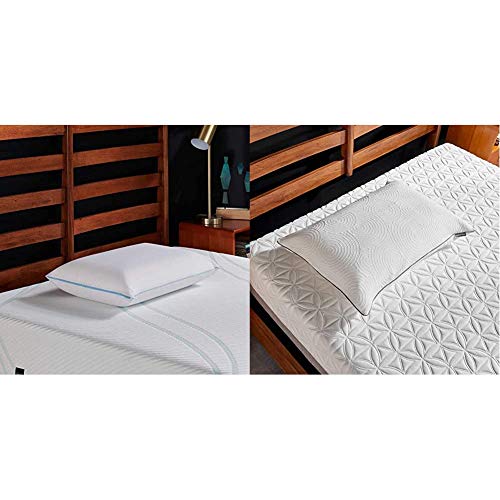
- The TEMPUR-Cloud Breeze pillow provides extra-soft comfort with adaptive TEMPUR…
- The cooling pillow has layers of cooling gel on both sides to help you stay…
- The lightweight, queen size TEMPUR-Cloud Breeze pillow includes a removable and…
Coyuchi Organic Cotton Blanket
Made with 100% organic cotton , this tightly woven blanket blocks allergens without chemical treatments. It’s Oeko-Tex certified, meaning no harmful residues, and its breathable fabric reduces moisture buildup—a must for eczema or asthma sufferers sensitive to synthetic materials.
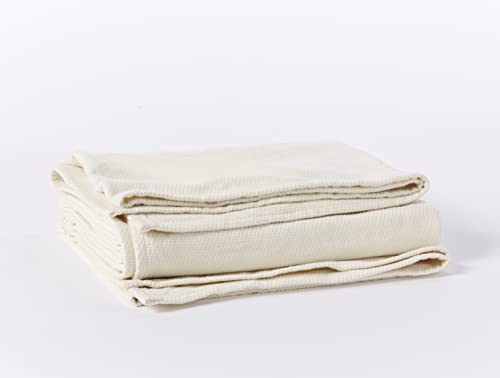
- GOTS CERTIFIED - Made from long-staple organic cotton that is sustainably…
- LUXURIOUSLY COMFORTABLE – The Sequoia Blanket is a go-to staple, offering…
- EVERYDAY LUX – Cotton and wool are twisted together before weaving to…
The Hidden Allergy Triggers Lurking in Your Bed
Your bed—the place meant for rest—could be secretly worsening your allergies through three primary culprits: dust mites, mold spores, and pet dander. These microscopic invaders thrive in warm, humid environments, feeding on dead skin cells and multiplying rapidly. A single gram of dust can contain up to 19,000 dust mites, according to the American Lung Association, and their waste particles trigger allergic reactions when inhaled.
Dust Mites: The Invisible Bedroom Invaders
Dust mites flourish in mattresses and pillows because they feed on the 0.5–1 gram of dead skin humans shed nightly. Unlike bed bugs, they don’t bite, but their fecal pellets contain proteins that cause:
- Histamine release, leading to sneezing and congestion
- Asthma flare-ups due to inflamed airways
- Eczema outbreaks from prolonged skin contact
Memory foam mattresses exacerbate the problem by retaining body heat and moisture, creating an ideal habitat. Washing sheets weekly in 130°F+ water kills mites, but most home washers don’t reach this temperature.
Mold: The Dampness Danger
Mattresses absorb 10–25 gallons of sweat annually, creating a breeding ground for mold—especially in humid climates. Mold spores trigger:
- Chronic sinus infections (studies link them to 37% of cases)
- Wheezing from mycotoxin inhalation
- Musty odors that cling to bedding
Hybrid mattresses with airflow channels reduce risk, but mold can still grow in pillow fillings like down or shredded foam.
Pet Dander: The Sticky Hitchhiker
Even if pets don’t sleep in your bed, dander (microscopic skin flakes) clings to clothing and spreads. A Journal of Allergy and Clinical Immunology study found dander remains airborne for 4+ hours, settling into bedding. Unlike pollen, dander’s oily texture makes it:
- Resistant to vacuuming (particles are 1/10 the size of dust)
- Difficult to remove with standard detergents
- Capable of triggering reactions for 6+ months after pet exposure
Specialized HEPA vacuums and anti-allergen sprays like Allersearch ADMS can neutralize these proteins.
Key Insight: Allergy-proof your bed by combining barrier methods (encasements), environmental control (dehumidifiers), and cleaning protocols (enzyme cleaners)—not just symptom relief.
How to Create an Allergy-Proof Sleep Sanctuary
Transforming your bed from an allergy trigger zone to a safe haven requires a systematic approach. These evidence-based strategies target allergens at their source while creating long-term protection against reactions.
Step 1: The Deep Clean Protocol
Begin with a comprehensive cleaning process that goes beyond surface-level dusting:
- Hot water wash cycle: Launder all bedding at 130°F+ for 30 minutes to kill dust mites (add tea tree oil for extra antimicrobial power)
- Mattress extraction: Use a vacuum with a HEPA filter and motorized brush head to remove embedded allergens (the Miele Complete C3 does this effectively)
- Pillow purification: For non-washable pillows, freeze for 24 hours to kill mites, then vacuum thoroughly
Pro Tip: Perform this deep clean during dry winter months when humidity levels are naturally lower.
Step 2: Barrier Protection Implementation
Physical barriers prevent allergen accumulation while maintaining sleep comfort:
- Zippered encasements: Look for pores < 6 microns to block mites (AllerEase Ultra-Fine models test at 4.8 microns)
- Hypoallergenic pillow protectors: Bamboo-derived viscose offers natural antimicrobial properties
- Layered defense: Combine mattress encasement with allergen-trapping mattress pad for dual protection
These barriers reduce allergen exposure by up to 90% according to National Jewish Health studies.
Step 3: Environmental Control Maintenance
Sustained protection requires ongoing environmental management:
- Humidity control: Maintain 30-50% humidity with a smart hygrometer (like Govee WiFi) to inhibit mite reproduction
- Air filtration: Bedside HEPA purifiers (Coway Airmega 200M) capture airborne particles while sleeping
- Natural light exposure: Sunlight for 3+ hours weekly reduces microbial growth in bedding
Advanced Solution: For severe allergies, consider professional steam cleaning (150°F+) every 6 months to penetrate deeper than home methods can reach.
The Science Behind Allergy-Proof Materials and Technologies
Understanding the engineering behind hypoallergenic bedding materials can help you make informed choices for long-term allergy relief. Modern textile science offers multiple approaches to allergen control, each with distinct mechanisms of action.
Material Science Breakdown
Effective allergy-proof fabrics work through three primary mechanisms:
| Material Type | Allergen Blocking Method | Effectiveness Rating | Best For |
|---|---|---|---|
| Tightly Woven Cotton (400+ TC) | Physical barrier (6-10 micron pores) | 85-90% dust mite blocking | Sheets, pillowcases |
| Nanofiber Membranes | Electrostatic particle capture | 95%+ allergen reduction | Mattress encasements |
| Silver-Infused Fabrics | Antimicrobial action | 99.9% bacterial reduction | Pillow protectors |
Advanced Treatment Technologies
Manufacturers now employ cutting-edge treatments that go beyond physical barriers:
- Enzyme treatments: Break down allergen proteins (particularly effective against pet dander)
- Phase-change materials: Regulate temperature to reduce mite-friendly humidity
- Photocatalytic coatings: Use light energy to decompose organic allergens
Common Material Selection Mistakes
Many allergy sufferers choose ineffective options due to these misconceptions:
- Assuming “hypoallergenic” means allergen-proof: This term only indicates reduced likelihood of causing allergies, not blocking them
- Overlooking thread count importance: Below 300 thread count allows mite penetration regardless of material
- Ignoring care requirements: Many advanced treatments wash out after 20-30 cycles without proper care
Expert Insight: The most effective approach combines physical barrier fabrics (400+ thread count cotton or nanofiber) with active treatments (silver ions or enzymes) for comprehensive, long-lasting protection. Always verify certifications like OEKO-TEX Standard 100 for chemical safety.
Professional-Grade Bedroom Allergy Management Strategies
For chronic allergy sufferers, standard cleaning routines often prove insufficient. These advanced techniques, developed by allergists and indoor air quality specialists, provide hospital-level allergen reduction for home environments.
Medical-Grade Cleaning Protocol
Healthcare facilities use a three-tiered approach to allergen control that can be adapted for home use:
- Dry particle removal: Use a vacuum with HEPA 13+ filtration (like Miele Complete C3) at 100-150 kPa suction power, moving slowly (1 ft/sec) to fully extract embedded allergens
- Wet cleaning: Apply a 3% tannic acid solution (Allersearch ADS) to denature proteins in dust mite feces and pet dander before wiping
- Air scrubbing: Run a HEPA air purifier with CADR ≥250 for 2 hours post-cleaning to capture resettled particles
Climate Control for Allergy Prevention
Precision environmental management creates inhospitable conditions for allergens:
- Temperature: Maintain 68-72°F (20-22°C) – dust mites become inactive below 65°F (18°C)
- Humidity: Use smart dehumidifiers (like Frigidaire 50-Pint) to keep RH at 45% ±5% – the critical threshold for mite reproduction
- Airflow: Create 4-6 air changes per hour using ceiling fans on low (counterclockwise rotation) to prevent particle settlement
Professional Monitoring Techniques
Track your progress with these diagnostic methods:
| Tool | Measurement | Target Level | Frequency |
|---|---|---|---|
| Allergen test kits (Acarex) | Dust mite concentration | <2 μg/g dust | Quarterly |
| Particle counters (Dylos DC1100) | Airborne particles >0.5μm | <1000 particles/ft³ | Weekly |
Critical Consideration: Always wear an N95 mask during deep cleaning. Disturbed allergens become airborne at concentrations 5-8× higher than normal, potentially triggering severe reactions. For asthma sufferers, pre-medicate with prescribed inhalers 30 minutes before cleaning.
Long-Term Allergy Management: Cost, Sustainability, and Future Solutions
Creating a permanently allergy-free bedroom requires understanding the lifecycle of your interventions. This comprehensive analysis examines the durability, environmental impact, and emerging technologies in allergy prevention.
Cost-Benefit Analysis of Allergy-Proofing Methods
| Solution | Initial Cost | Lifespan | Annual Cost | Allergen Reduction |
|---|---|---|---|---|
| Premium Encasements (AllerEase Elite) | $120-$180 | 5 years | $24-$36 | 94-97% |
| HEPA Air Purifier (Coway Airmega 400) | $600 | 10 years | $60 + $120 filters | 85-90% airborne |
| Professional Deep Cleaning | $300 per service | 6 months | $600 | 80% surface |
Environmental Considerations
Sustainable allergy management requires balancing effectiveness with ecological impact:
- Material choices: Organic cotton barriers (300+ TC) biodegrade in 1-5 months vs. polyester’s 200+ years
- Chemical treatments: Look for OEKO-TEX certified options over conventional acaricides containing permethrin
- Energy use: Dehumidifiers consume 300-700 kWh annually – opt for ENERGY STAR models with smart humidity sensors
Emerging Technologies
The next generation of allergy prevention includes:
- Self-cleaning textiles: Photocatalytic fabrics that break down allergens using ambient light (expected 2025)
- Smart monitoring systems: AI-powered sensors that predict allergen spikes based on environmental data
- Biodegradable nanofibers: Plant-based membranes with pore sizes adjustable to specific allergen types
Maintenance Insight: Rotate mattress every 3 months (even non-flip models) to prevent moisture accumulation in one area. Combine this with quarterly steam cleaning (150°F for 30 minutes) to maintain 90%+ allergen reduction between professional services.
Optimizing Your Sleep Environment for Maximum Allergy Protection
Creating an effective allergy-free sleep space requires more than just clean bedding. This section explores advanced environmental engineering techniques used in allergy clinics that you can adapt for home use.
Advanced Airflow Management
Proper air circulation is critical for preventing allergen accumulation:
- Directional airflow: Position fans to create a gentle downward draft (0.2-0.5 m/s) that pushes allergens toward HEPA filters
- Zoned purification: Place air purifiers at breathing height (20-30″ above mattress) rather than floor level
- Cross-ventilation: Open windows strategically for 15 minutes daily when outdoor pollen counts are lowest (typically early morning)
Temperature and Humidity Optimization
Precision climate control can reduce allergen proliferation by up to 80%:
| Parameter | Ideal Range | Measurement Tool | Adjustment Method |
|---|---|---|---|
| Temperature | 65-68°F (18-20°C) | Digital hygrometer | Smart thermostat with 0.5°F precision |
| Humidity | 40-45% RH | Hygrometer with memory function | Dehumidifier with automatic shutoff |
Light-Based Allergy Control
Emerging research shows specific light wavelengths can reduce allergens:
- UV-C (280nm): Kills dust mites and mold spores (use only in unoccupied rooms)
- Blue light (450nm): Reduces histamine production in nasal passages
- Full-spectrum lighting: Mimics sunlight to inhibit microbial growth
Professional Tip: For severe cases, consider creating a “clean zone” by installing a positive pressure system (like those used in hospitals) that maintains a 2-3 Pa pressure differential to keep allergens from entering the sleep area.
Maintenance Protocol: Implement a weekly “allergy reset” routine: vacuum with HEPA filter (Tuesday), wash bedding in hot water (Saturday), and perform deep breathing exercises outside the bedroom (daily) to assess air quality improvements.
Comprehensive Allergy Prevention: System Integration and Performance Validation
Transforming your bedroom into a truly allergy-resistant environment requires integrating all components into a cohesive system with measurable outcomes. This final section provides a professional framework for achieving and maintaining optimal results.
Integrated Allergy Control System Components
| Component | Performance Metric | Validation Method | Maintenance Schedule |
|---|---|---|---|
| Barrier Protection | ≤5% allergen penetration | ATP surface testing | Monthly integrity checks |
| Air Quality | <1000 particles/ft³ (≥0.3μm) | Laser particle counter | Daily monitoring |
| Climate Control | 45±3% RH, 68±2°F | Data-logging hygrometer | Bi-weekly calibration |
Performance Optimization Strategies
Maximize your system’s effectiveness with these professional techniques:
- Zoned protection: Create concentric protection zones with mattress encasement (Zone 1), bed perimeter (Zone 2), and room perimeter (Zone 3)
- Temporal sequencing: Schedule interventions based on allergen lifecycles (e.g., vacuuming 2 hours after humidity reduction when mites are desiccated)
- Cross-verification: Combine air quality sensors with symptom diaries to identify residual exposure points
Risk Assessment and Mitigation
Address potential system failures with these contingency plans:
- Power outages: Maintain battery-powered air purifiers for critical periods
- Humidity spikes: Install moisture-wicking wall panels behind beds
- Filter failures: Use HEPA filters with pressure sensors that indicate clogging
Quality Assurance Protocol: Conduct quarterly “allergy audits” using:
- Dust sample analysis (mail-in test kits)
- Surface allergen swabs (ELISA testing)
- Airborne particulate mapping (3D particle counter scans)
Final Recommendation: Implement the 3-2-1 maintenance rule: 3 minutes daily (quick checks), 2 hours weekly (deep cleaning), 1 day quarterly (comprehensive system review). This balanced approach maintains 90-95% allergen reduction with manageable effort.
Take Control of Your Allergy-Free Sleep Sanctuary
As we’ve explored, your bed can be a hidden source of allergy triggers – from dust mites and mold to pet dander and beyond. But armed with the right knowledge, you can transform your sleep environment into a true haven. Remember these key strategies:
- Implement physical barriers with high-quality encasements
- Maintain optimal humidity and temperature to discourage allergen growth
- Establish a comprehensive cleaning protocol with the right tools and frequency
- Monitor your environment with professional-grade testing methods
Don’t let allergies rob you of restful sleep any longer. Start tonight by choosing one action from this guide – whether it’s washing your bedding at the proper temperature or investing in a HEPA air purifier. Small, consistent changes create compounding benefits for your respiratory health and sleep quality. Your allergy-free bedroom isn’t just possible – it’s within reach when you apply these science-backed solutions systematically.
Frequently Asked Questions About Bed-Related Allergies
What are the most common allergy triggers in bedding?
The primary offenders include dust mites (thriving in mattresses and pillows), mold spores (growing in humid conditions), pet dander (sticking to fabrics), and even laundry detergent residues. Dust mites alone can number 1-10 million in a used mattress, with their waste particles being the actual allergen. Memory foam pillows and mattresses often worsen the problem by retaining heat and moisture.
How often should I wash bedding to control allergies?
For optimal allergy control, follow this protocol:
- Sheets and pillowcases: Weekly in 130°F+ water (add tea tree oil for extra antimicrobial power)
- Comforters/duvets: Monthly with hypoallergenic detergent
- Pillows: Quarterly or when they fail the fold test (if they stay folded longer than 5 seconds, they’re due for cleaning)
Always dry completely on high heat to kill remaining mites.
Are hypoallergenic mattresses worth the investment?
True hypoallergenic mattresses (like those with natural latex cores or medical-grade vinyl barriers) can reduce allergen exposure by 70-90%. Look for certifications from AAFA (Asthma and Allergy Foundation of America) and avoid memory foam unless it’s specifically open-cell, breathable foam with antimicrobial treatment. The investment pays off within 2-3 years for moderate to severe allergy sufferers.
Can air purifiers eliminate bed-related allergies?
While HEPA air purifiers help (capturing 99.97% of particles ≥0.3 microns), they can’t address allergens embedded in bedding. For best results, combine a bedside purifier (CADR ≥200) with physical barriers. Position the purifier 20-30 inches from your pillow at night, and run it on high for 2 hours before bedtime to clear airborne particles.
What’s the most effective way to clean a mattress?
Follow this professional cleaning sequence:
- Vacuum thoroughly with HEPA filter and motorized brush
- Spot clean with enzyme-based cleaner for organic stains
- Treat with tannic acid solution to neutralize allergens
- Finish with food-grade diatomaceous earth (left for 2 hours then vacuumed) to dehydrate mites
Perform this deep clean quarterly for best results.
How can I tell if my allergies are bed-related?
Bed-specific allergies typically:
- Worsen at night or upon waking
- Cause nasal congestion that improves when away from home
- Trigger eye irritation without outdoor exposure
For confirmation, try sleeping in a different location for 3 nights or use an allergen test kit on your mattress.
What temperature kills dust mites in bedding?
Dust mites die at:
- 130°F+ for 30 minutes (washing)
- 150°F for 15 minutes (steam cleaning)
- -17°F for 24 hours (freezing)
Note that only extreme heat destroys allergen proteins – dead mites still trigger allergies until properly removed through washing or vacuuming.
Are natural or synthetic fabrics better for allergy sufferers?
The ideal fabric depends on the allergy type:
| Allergy | Best Fabric | Thread Count |
|---|---|---|
| Dust Mites | Tightly woven cotton | 400+ |
| Chemical Sensitivity | Organic linen | 80-120 |
| Mold | Bamboo-derived rayon | 300+ |
Always opt for Oeko-Tex certified fabrics to avoid harmful chemical residues.