
Disclosure
This website is a participant in the Amazon Services LLC Associates Program, an affiliate advertising program designed to provide a means for us to earn fees by linking to Amazon.com and affiliated sites.
Is your bedroom feeling stale, cluttered, or uninspiring as the new year begins? You’re not alone. Many people start the year with a desire for change but struggle to know where to begin. A bedroom should be a sanctuary—a place of rest, relaxation, and rejuvenation—but too often, it becomes a dumping ground for laundry, unfinished projects, and stress.
You might think a full renovation is the only solution, but small, intentional changes can make a dramatic difference. From decluttering strategies to budget-friendly decor swaps, this guide will reveal how to transform your bedroom into a fresh, inviting space that aligns with your goals for the year ahead.
Best Bedroom Refresh Products for a New Year Makeover
Cozy Earth Bamboo Sheet Set
These luxury bamboo-viscose sheets are ultra-soft, breathable, and temperature-regulating—creating a hotel-like feel and helping you sleep cool and comfy through the night
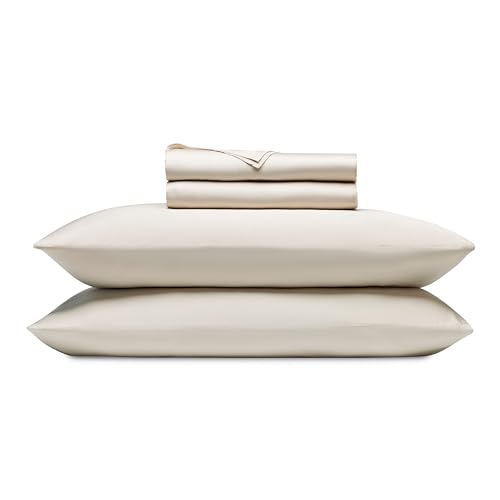
- ULTRA-SOFT & BREATHABLE FABRIC: Made from 100% viscose from bamboo, these luxury…
- EASY COVERAGE: Each king bed sheet set includes 1 flat sheet, 1 fitted sheet…
- CARE INSTRUCTIONS: Our soft bed sheets are easy to care for. Machine wash cold…
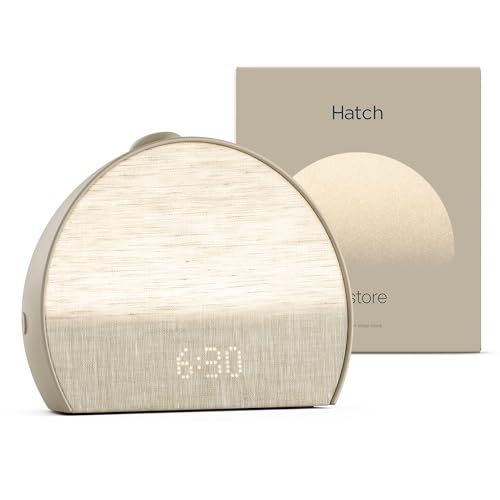
Hatch Restore 3 Smart Wake & Sleep Device
Combining a gentle sunrise alarm, bedtime red light, and ambient soundscapes, this smart device helps you ease into restful sleep and greet the morning more naturally and refreshed.
Bedsure Oatmeal Throw Blanket
A cozy yet lightweight layering piece with a charming waffle texture. It instantly adds warmth, dimension, and style to your bed or lounge space—perfect for a seasonal refresh.

- Timeless Classic: Featuring multiple classic striped and boxed patterns and…
- Soft and Lightweight: This boho throw blanket has been brushed in manufacturing…
- Giftable: Gift coziness with this Bedsure woven blanket. Surprise your loved…
Declutter Your Space for a More Peaceful Bedroom
Before adding new decor or furniture, start by clearing out unnecessary items that drain your space’s energy. Clutter isn’t just physical—it creates mental noise, making relaxation harder. Begin with a systematic approach:
The Four-Box Method for Effective Decluttering
Grab four boxes or bins and label them: Keep, Donate, Trash, and Relocate. Work through one area at a time (nightstand, closet, under the bed) and categorize every item. Be ruthless—if you haven’t used it in a year, it likely doesn’t belong in your sanctuary.
- Keep: Essentials like quality bedding, favorite books, or meaningful decor.
- Donate: Gently used clothes, duplicate items, or unused gifts.
- Trash: Broken items, expired products (like old skincare), or worn-out linens.
- Relocate: Items that belong elsewhere (dishes, paperwork, gym gear).
Optimize Storage with Smart Solutions
Once you’ve pared down, organize what’s left. Use vertical space with:
- Under-bed storage: Slim bins for off-season clothing or extra bedding (e.g., IKEA SKUBB boxes).
- Floating shelves: Display books or plants without crowding surfaces.
- Multi-functional furniture: Ottomans with storage or headboards with built-in shelves.
Address Emotional Clutter
Some items are hard to discard because of sentimental attachments. For these, ask: Does this align with my vision for a restful space? Keep one memory box—not scattered keepsakes—and digitize photos or tickets to save space.
Pro Tip: Decluttering isn’t a one-time task. Set a monthly “10-minute reset” to maintain clarity. Notice how a streamlined room instantly feels airier and more inviting—the perfect foundation for your refresh.
Transform Your Bedroom’s Ambiance with Strategic Lighting
Lighting dramatically impacts your bedroom’s mood and functionality, yet it’s often overlooked in redesigns. The right lighting scheme can make your space feel larger, cozier, and more luxurious – all without structural changes. Here’s how to master bedroom lighting like an interior designer.
Layer Your Lighting for Maximum Versatility
Professional designers use three lighting layers to create depth and flexibility:
- Ambient lighting: Your primary light source (like a ceiling fixture or track lighting). Choose dimmable options to adjust intensity throughout the day.
- Task lighting: Focused light for specific activities (bedside lamps for reading, vanity lights for grooming).
- Accent lighting: Decorative elements like LED strip lights under beds or wall sconces to highlight architectural features.
Choose the Right Color Temperature
Not all white light is equal. Measured in Kelvins (K), temperature affects mood and functionality:
- 2700-3000K: Warm white (ideal for relaxation before bed)
- 3500-4100K: Neutral white (good for dressing areas)
- 5000K+: Cool white (too harsh for bedrooms)
Pro Tip: Install smart bulbs (like Philips Hue) to adjust color temperature automatically – warmer at night, cooler in morning.
Strategic Placement for Visual Impact
Where you place lights matters as much as what you choose:
- Mount bedside lamps at shoulder height when sitting in bed (about 24-28″ above mattress)
- Use upward-facing floor lamps in corners to make ceilings appear higher
- Place wall sconces 60-70″ from floor for balanced illumination
Remember: Lighting should complement your room’s purpose. A reading nook needs different lighting than a dressing area. Test placements with temporary fixtures before making permanent installations.
Optimize Your Sleep Environment with Science-Backed Bedding Choices
Your bedding directly impacts sleep quality more than you might realize. The right materials and construction can regulate temperature, reduce allergens, and improve comfort. Let’s examine the science behind optimal bedding selections.
The Temperature Regulation Equation
Your body temperature naturally drops during sleep, and bedding that disrupts this process can cause wakefulness. Consider these thermal properties:
| Material | Breathability | Moisture Wicking | Best For |
|---|---|---|---|
| 100% Cotton (400+ thread count) | High | Moderate | Most sleepers, year-round use |
| Bamboo Lyocell | Very High | Excellent | Hot sleepers, humid climates |
| Linen | Extreme | Excellent | Summer months, temperature-sensitive sleepers |
| Flannel | Low | Poor | Cold climates only |
Pillow Science: Support vs. Comfort
Your pillow should maintain proper spinal alignment while accommodating sleep position:
- Side Sleepers: Need firmer, higher loft (4-6″) to fill space between head and mattress
- Back Sleepers: Medium loft (3-4″) with slight contour for neck support
- Stomach Sleepers: Very soft, low profile (2-3″) to prevent neck strain
Memory foam adapts well but retains heat. Latex offers cooling but less contour. Down alternatives provide softness without allergens.
Mattress Protection Without Sacrificing Comfort
A quality mattress protector should be:
- Waterproof (look for TPU backing rather than vinyl)
- Breathable (minimum 250 CFM airflow rating)
- Noise-free (test crinkle factor before purchasing)
Pro Tip: Rotate and flip your mattress every 3 months to prevent body impressions and extend lifespan. Use this opportunity to deep clean your bed frame and check for dust accumulation.
Create a Personalized Color Scheme That Enhances Relaxation
Color psychology plays a crucial role in bedroom design, with different hues affecting mood, sleep quality, and perceived space. Understanding these effects helps create a harmonious environment tailored to your needs.
The Science of Color in Sleep Environments
Research from the Sleep Foundation reveals that:
- Blue tones (especially soft blues) lower heart rate and blood pressure, making them ideal for sleep spaces
- Green hues promote balance and tranquility, mimicking natural environments
- Warm neutrals (beige, taupe) create cozy atmospheres without overstimulation
- Deep purples can stimulate creativity but may disrupt sleep if too vibrant
Building Your Color Palette
Follow this professional designer formula for balanced color schemes:
- Dominant color (60%): Choose a calming base for walls and large furniture
- Secondary color (30%): Select a complementary shade for bedding and curtains
- Accent color (10%): Add pops of personality with decorative pillows or art
Advanced Color Matching Techniques
For sophisticated coordination:
- Use a color wheel to identify analogous (adjacent) or complementary (opposite) schemes
- Sample paint colors at different times of day – lighting changes perception dramatically
- Consider LRV (Light Reflectance Value) – aim for 50-70 for walls in bedrooms
Common Color Mistakes to Avoid
Steer clear of these frequent pitfalls:
- Overusing high-saturation colors that cause visual fatigue
- Ignoring undertones (cool vs warm) which create clashing effects
- Forgetting about existing fixed elements (flooring, built-ins) when selecting new colors
Pro Tip: Test colors with large swatches (at least 2’x2′) on multiple walls before committing. Observe how they look under both natural and artificial lighting conditions.
Implementing Sustainable and Healthy Bedroom Design Practices
Creating an eco-conscious bedroom benefits both your health and the environment. Modern sustainable design combines material science, indoor air quality management, and responsible consumption principles for long-term wellbeing.
Material Selection for Health and Sustainability
Choose materials based on their lifecycle impact and health properties:
| Material Type | VOC Emissions | Durability | Recyclability | Cost Premium |
|---|---|---|---|---|
| Certified Organic Cotton | None | 7-10 years | Fully biodegradable | 20-30% |
| Natural Latex Mattress | Low (GOTS certified) | 10-15 years | 85% biodegradable | 40-50% |
| Bamboo Flooring | None (water-based finishes) | 25+ years | Recyclable | 15-20% |
| Low-VOC Paint | <50g/L | 5-7 years | Water-soluble | 10-15% |
Air Quality Optimization Strategies
Bedrooms accumulate airborne pollutants from multiple sources. Implement these solutions:
- Active ventilation: Install an ERV (Energy Recovery Ventilator) for continuous fresh air without heat loss
- Passive purification: Use NASA-recommended plants like snake plants or peace lilies (1 per 100 sq ft)
- Surface treatment: Apply photocatalytic paint that breaks down VOCs when exposed to light
Future-Proof Design Considerations
Anticipate evolving needs and standards:
- Incorporate universal design principles for accessibility (36″ clearance paths, lever handles)
- Pre-wire for smart home integration (lighting, climate, air quality monitoring)
- Choose modular furniture systems that adapt to life changes
Pro Tip: Look for Cradle to Cradle Certified® products that meet rigorous sustainability standards across five categories: material health, product circularity, clean air and climate protection, water and soil stewardship, and social fairness.
Mastering the Psychology of Spatial Layout for Optimal Rest
The arrangement of your bedroom furniture impacts more than just aesthetics – it directly affects your subconscious perception of safety, relaxation, and sleep quality. Understanding environmental psychology principles can transform your space into a true sanctuary.
The Science of Bed Placement
Research from environmental psychologists reveals optimal bed positioning follows these principles:
- Command Position: Place your bed diagonally opposite the door with clear visibility of the entrance (creates subconscious security)
- Solid Wall Support: Position the headboard against a solid wall (enhances feelings of stability)
- Breathing Room: Maintain at least 24″ clearance on three sides (promotes energy flow and accessibility)
- Window Considerations: Avoid direct alignment with windows (prevents sleep-disrupting drafts and light)
Furniture Scaling and Proportion
Properly scaled furniture creates visual harmony:
- Measure First: Your bed should occupy no more than 40% of the room’s total floor area
- Clear Pathways: Maintain minimum 36″ walkways (meets ADA standards for comfort)
- Visual Weight: Balance heavy pieces (like dressers) across from the bed to prevent “visual sinking”
Advanced Flow Optimization
Professional designers use these techniques for ideal circulation:
- Create a “sleep zone” free from work-related items (minimum 3′ separation from desks)
- Use area rugs to define spaces without physical barriers (8-12″ border around furniture groupings)
- Implement the “golden ratio” (1:1.618) for nightstand-to-bed proportions
Troubleshooting Common Layout Mistakes
Solutions for frequent spatial challenges:
- Small Rooms: Use floating shelves instead of nightstands to save floor space
- Awkward Angles: Place a room divider behind the bed to create a false wall
- Low Ceilings: Use vertical stripes in decor to draw the eye upward
Pro Tip: Before moving furniture, create a scaled floor plan using graph paper or digital tools like Roomstyler. Test multiple configurations while considering both daytime functionality and nighttime tranquility needs.
Implementing a Comprehensive Bedroom Maintenance System
Maintaining your revitalized bedroom requires a systematic approach that preserves both aesthetics and functionality. This professional-grade maintenance protocol ensures your space remains sanctuary-like throughout the year.
Seasonal Deep Cleaning Protocol
Follow this quarterly maintenance schedule for optimal bedroom hygiene:
| Area | Spring/Summer Tasks | Fall/Winter Tasks | Special Equipment |
|---|---|---|---|
| Mattress | Steam clean (120°F+ to kill dust mites), sun exposure | Rotate 180°, vacuum with HEPA filter | Handheld steamer, UV sanitizer |
| Window Treatments | Professional dry cleaning for heavy drapes | Vacuum with upholstery attachment | Microfiber dust wands |
| Air Quality | HVAC vent cleaning, replace filters | Humidity adjustment (40-50%) | Hygrometer, air purifier |
Material-Specific Preservation Techniques
Different surfaces require specialized care:
- Wood Furniture: Use pH-neutral cleaners; apply conditioner every 6 months
- Upholstery: Immediate stain treatment with 3:1 water:vinegar solution
- Metals: Apply carnauba wax to prevent oxidation on fixtures
- Electronics: Compressed air for device cleaning every 3 months
Performance Optimization Strategies
Maximize your bedroom’s functionality with these pro techniques:
- Conduct annual “sleep audits” by tracking sleep quality metrics
- Implement a 6-month textile rotation (seasonal bedding swaps)
- Refresh wall colors every 3-5 years to maintain psychological impact
Risk Assessment and Mitigation
Prevent common bedroom hazards:
- Test smoke/CO detectors monthly (replace every 10 years)
- Inspect electrical cords biannually for wear
- Secure heavy furniture to walls (especially in earthquake zones)
- Maintain clear emergency egress paths
Pro Tip: Create a digital maintenance log with photo documentation to track wear patterns and schedule future updates. Include purchase dates, warranty information, and cleaning codes for all major items.
Conclusion: Transform Your Bedroom Into a Renewed Sanctuary
From strategic decluttering to scientifically-backed lighting solutions, sustainable material choices to psychology-driven layouts, you now possess a complete blueprint for bedroom transformation.
Each element we’ve explored—whether optimizing your color scheme, selecting the perfect bedding, or implementing a maintenance system—works synergistically to create a space that nurtures rest and rejuvenation. Remember, your bedroom should evolve with your needs, so revisit these principles periodically.
This week, choose one area to implement immediately—whether it’s rearranging your furniture using command position principles or upgrading to temperature-regulating sheets. Small, intentional changes create compounding benefits for your sleep quality and daily wellbeing.
Your perfect bedroom sanctuary awaits—start building it today.
Frequently Asked Questions About Bedroom Refresh Projects
What’s the most important element to focus on when refreshing a bedroom?
The sleep surface itself deserves primary attention. Invest in a quality mattress that properly supports your sleep position (medium-firm for back sleepers, softer for side sleepers) before decorating.
Pair it with breathable, natural fiber bedding – look for 100% organic cotton with a 300-400 thread count for optimal comfort and durability. This foundation impacts sleep quality more than any aesthetic element.
How can I make a small bedroom appear larger without remodeling?
Several optical illusion techniques work wonders: use low-profile furniture (under 30″ tall), install floor-to-ceiling curtains, choose a monochromatic color scheme with subtle texture variations, and position mirrors to reflect natural light. For example, placing a large mirror opposite a window can double the perceived space. Avoid oversized furniture pieces that dominate the room’s footprint.
What’s the ideal lighting setup for a bedroom?
Create a three-layer system: ambient lighting (dimmable overhead fixtures), task lighting (bedside lamps with 2700K bulbs for reading), and accent lighting (LED strips under furniture). Install separate switches for each layer. Smart bulbs like Philips Hue allow you to program lighting scenes – warmer tones in evening, cooler in morning – that align with circadian rhythms.
How often should bedroom linens be replaced?
High-quality sheets typically last 2-3 years with weekly use and proper care (wash in cold water, line dry when possible). Pillows should be replaced every 1-2 years as they accumulate dust mites and lose support. Mattress lifespan varies: 7-10 years for memory foam, 10-15 for latex. Rotate mattresses quarterly and use protectors to extend longevity.
What’s the best way to incorporate storage in a small bedroom?
Maximize vertical space with these solutions: install floating shelves above bed level, use under-bed storage bins (minimum 9″ height), opt for a bed frame with built-in drawers, and replace bulky dressers with a modular closet system. For example, the IKEA PAX system offers customizable configurations that can store 50% more than standard dressers in the same footprint.
How can I reduce noise disturbances in my bedroom?
Implement a multi-pronged approach: install heavy blackout curtains (they dampen sound), place thick area rugs over hard flooring, use a white noise machine (optimal at 60-67 dB), and apply acoustic panels to shared walls. For extreme cases, consider laminated glass window inserts that reduce noise by 50-70% compared to standard windows.
What temperature should I maintain for optimal sleep?
The National Sleep Foundation recommends 60-67°F (15.5-19.5°C) for most adults. Use smart thermostats to gradually lower temperature at bedtime. If you can’t control room temperature, focus on bedding: moisture-wicking pajamas, breathable mattress pads, and layered blankets allow easy adjustment. Bamboo or Tencel sheets provide superior temperature regulation.
How can I make my bedroom more eco-friendly?
Start with these sustainable swaps: choose GOTS-certified organic bedding, opt for a natural latex or organic cotton mattress, use low-VOC paint, install energy-efficient LED lighting, and select furniture with FSC-certified wood. Even small changes matter – switching to a wool dryer ball instead of dryer sheets reduces chemical exposure and static.