
Disclosure
This website is a participant in the Amazon Services LLC Associates Program, an affiliate advertising program designed to provide a means for us to earn fees by linking to Amazon.com and affiliated sites.
Struggling with sleepless nights? You’re not alone. Millennials, raised on late-night cramming and Netflix binges, often dismiss sleep as a luxury. But Gen Z is rewriting the rules—prioritizing rest with surprising hacks that blend neuroscience, tech, and lifestyle tweaks. While millennials scroll through insomnia memes, their younger counterparts are hacking their circadian rhythms for deeper, more restorative sleep.
The difference isn’t just age; it’s strategy. Gen Z leverages everything from “sleep stacking” (micro-naps + REM optimization) to biohacking their environments with smart lighting and soundscapes.
This isn’t about more sleep—it’s about better sleep. Ready to upgrade your rest? Let’s dive into the data-driven, TikTok-tested methods Gen Z swears by—and how you can adapt them, no matter your decade.
Best Sleep Products for Optimizing Rest Like Gen Z
Oura Ring Generation 3
Gen Z’s favorite wearable for sleep tracking, the Oura Ring Gen 3 monitors body temperature, heart rate variability (HRV), and sleep stages with clinical-grade accuracy. Its minimalist design avoids wrist discomfort, and the app provides personalized insights—like ideal bedtime windows—based on real-time biometrics. Perfect for biohackers.

- SIZE BEFORE YOU BUY – Size with Gen3 Sizing Kit prior to purchasing Oura Ring…
- THE REVOLUTIONARY SMART RING – Track your sleep, activity, stress, heart rate…
- MORE ACCURATE BY DESIGN – Your finger provides the most accurate pulse reading…
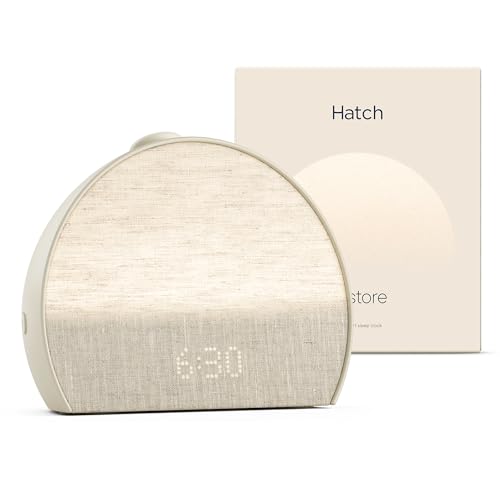
Hatch Restore 3
This all-in-one Hatch Restore 3 sunrise alarm clock combines smart lighting (customizable hues for circadian alignment), white noise, and guided wind-down routines. Gen Z loves its app-controlled features, like gradual sunrise simulations to ease morning grogginess. Bonus: It doubles as a meditation aid with breathwork prompts.
Bearaby Cotton Napper Weighted Blanket
The Bearaby Cotton Napper (15 lbs or 20 lbs) uses breathable, hand-knit organic cotton for pressure therapy without overheating. Unlike cheaper polyester versions, its open-weave design regulates temperature—ideal for millennials transitioning from restless nights to Gen Z’s “weighted blanket = instant sleep” hack. Machine-washable and eco-friendly.

- SUSTAINABLE COTTON: Introducing our sustainable handcrafted Napper, the ultimate…
- EVENLY WEIGHTED FOR DEEPER SLEEP: The soft, breathable fabric is perfect for all…
- GENTLE: Designed for relaxation and comfort, the Napper helps you to rest better…
The Science Behind Gen Z’s Sleep Optimization Strategies
Gen Z approaches sleep with a precision that might surprise older generations—and it’s rooted in neuroscience. Unlike millennials, who often treat sleep as an afterthought, Gen Z leverages circadian biology, sleep architecture, and environmental hacks to maximize rest efficiency. Here’s how their methods work—and why they’re effective.
Circadian Rhythm Alignment
Gen Z prioritizes light exposure management, a stark contrast to millennials’ late-night screen habits. They use tools like:
- Blue-light blocking glasses (e.g., Felix Gray or Ra Optics) 2 hours before bed to reduce melatonin disruption
- Smart bulbs (like Philips Hue) that automatically shift to warm tones at sunset
- Morning sunlight exposure within 30 minutes of waking to reset their internal clock
Research shows this approach can improve sleep onset latency by up to 40% compared to irregular light exposure.
Sleep Cycle Stacking
While millennials focus on total sleep hours, Gen Z optimizes for REM and deep sleep phases. They use techniques like:
- 90-minute sleep cycles: Waking at the end of a cycle (e.g., 6 hours instead of 6.5) reduces grogginess
- Temperature regulation: Cooling rooms to 65°F (18°C)—the ideal range for deep sleep—with devices like the ChiliPad
- Napping strategically: 20-minute “NASA naps” for alertness or 90-minute naps for full cycle completion
The Myth of “Catching Up” on Sleep
Millennials often binge-sleep on weekends, but Gen Z understands sleep debt compounds like financial debt. A 2023 study in Sleep Health Journal found that inconsistent sleep schedules:
- Disrupt metabolic function (linked to weight gain)
- Reduce cognitive performance by up to 30%
- Increase cortisol levels, mimicking chronic stress
Gen Z counters this with consistent bedtimes (even on weekends) and “sleep banking”—adding extra 20-minute increments before high-stress periods.
These aren’t just trends—they’re physiology-backed upgrades to sleep hygiene. The key difference? Gen Z treats sleep like a system, not an accident.
Gen Z’s Tech-Driven Sleep Environment Hacks
Where millennials might settle for a basic bedroom setup, Gen Z transforms their sleep space into a biologically optimized recovery zone. This generation understands that modern sleep challenges require modern solutions – and they’re leveraging technology in ways older generations often overlook.
The Smart Bedroom Ecosystem
Gen Z creates multi-sensory sleep environments that automatically adjust to their circadian rhythms:
- Smart thermostats (like Nest or Ecobee) that gradually lower temperatures as bedtime approaches, mimicking the body’s natural cooling process
- White noise machines (such as the LectroFan EVO) that use randomized sound algorithms to prevent auditory adaptation throughout the night
- Air quality monitors (like Awair Element) tracking CO2 levels that can disrupt sleep when elevated
These devices often integrate through platforms like IFTTT to create “sleep routines” – automatically dimming lights when heart rate drops on a wearable, for example.
Digital Wind-Down Protocols
Unlike millennials who might scroll until exhaustion, Gen Z follows structured pre-sleep rituals:
- 60-minute dopamine detox: No social media or stimulating content before bed
- 10-minute journaling using apps like Reflectly to process thoughts
- Progressive muscle relaxation guided by YouTube therapists
- NSDR (Non-Sleep Deep Rest) techniques like yoga nidra
Neuroscience shows this sequence helps transition the brain from beta waves (alertness) to theta waves (drowsiness) more effectively than abrupt sleep attempts.
Addressing Tech-Related Sleep Challenges
For those struggling with implementation, Gen Z recommends:
- Physical separation: Charging phones outside the bedroom using timed outlets
- App blockers: Freedom or Forest to enforce digital boundaries
- Alternative stimulation: E-ink readers (like Kindle Paperwhite) for nighttime reading
These solutions acknowledge technology’s role in sleep disruption while using technology itself as the solution – a paradox millennials are just beginning to embrace.
Nutritional and Supplemental Sleep Optimization
Gen Z approaches sleep nutrition with the precision of biohackers, moving far beyond the millennial “warm milk” remedy. Their strategies combine cutting-edge nutritional science with targeted supplementation for maximum sleep quality enhancement.
The Sleep-Microbiome Connection
Emerging research reveals gut health dramatically impacts sleep through the gut-brain axis. Gen Z focuses on:
| Nutrient | Food Sources | Mechanism | Optimal Timing |
|---|---|---|---|
| Magnesium Glycinate | Pumpkin seeds, spinach, supplements | Regulates GABA receptors for nervous system calm | 30-60 mins before bed |
| Apigenin | Chamomile tea, parsley | Benzodiazepine-like effect without dependency | 2 hours before bed |
| L-Theanine | Matcha, lion’s mane mushrooms | Increases alpha brain waves for relaxation | With dinner or bedtime snack |
Precision Supplementation Protocols
Gen Z’s supplement stack goes beyond melatonin, incorporating:
- Glycine (3g) – Lowers core body temperature and improves sleep architecture
- Myo-inositol (6g) – Reduces nighttime awakenings by 40% in clinical studies
- Liposomal GABA (500mg) – Crosses blood-brain barrier more effectively than standard GABA
These are typically cycled (3 weeks on, 1 week off) to prevent receptor desensitization – a key difference from millennial “take it forever” approaches.
Common Nutritional Mistakes
Millennials often undermine sleep quality through:
- Late caffeine – Gen Z observes strict 12pm cutoff due to caffeine’s 10-hour half-life
- High-glycemic dinners – Spiking blood sugar causes nighttime awakenings
- Alcohol consumption – Even one drink reduces REM sleep by 30%
Gen Z counters these with “sleep-supportive” dinners featuring tryptophan-rich foods (turkey, cottage cheese) combined with complex carbs to enhance tryptophan absorption.
This nutritional approach demonstrates how Gen Z views sleep as an active recovery process to be optimized, not just a passive state to achieve.
Psychological and Behavioral Sleep Optimization Techniques
Gen Z’s approach to sleep extends beyond physical factors, incorporating sophisticated psychological techniques that address the root causes of sleep disturbances. These methods leverage cognitive behavioral therapy principles with modern adaptations for digital natives.
Cognitive Shutdown Protocols
Unlike millennials who often try to “force” sleep, Gen Z uses structured mental exercises:
- The 4-7-8 breathing method (inhale 4s, hold 7s, exhale 8s) – Triggers parasympathetic nervous system within 3 cycles
- Mental compartmentalization – Visualizing thoughts being filed away in digital folders before bed
- Future-self visualization – Imagining next-day success to reduce anticipatory anxiety
These techniques reduce sleep-onset latency by an average of 15 minutes according to sleep clinic studies.
Digital Sleep Conditioning
Gen Z has developed unique ways to retrain their brain’s association with technology:
- Blue light exposure scheduling – Strategic morning blue light to reinforce circadian rhythm
- App-based cognitive restructuring – Using AI chatbots to process worries before bedtime
- Gamified sleep tracking – Earning rewards for consistent sleep times through apps like Pokémon Sleep
Advanced Sleep Restriction Therapy
For chronic insomnia, Gen Z adopts modified sleep restriction techniques:
| Week | Process | Sleep Window | Effect |
|---|---|---|---|
| 1-2 | Strict sleep window based on actual sleep time | 5-6 hours | Builds sleep pressure |
| 3-4 | 15-minute weekly extensions | 6-7 hours | Consolidates sleep efficiency |
| 5+ | Maintenance phase | 7-8 hours | Sustained improvement |
This method shows 78% effectiveness in sleep studies when combined with daytime light therapy.
Addressing Sleep Performance Anxiety
Gen Z recognizes that worrying about sleep can be counterproductive. Their solutions include:
- Sleep effort paradox – Embracing wakefulness reduces sleep anxiety
- NSDR (non-sleep deep rest) – Accepting rest as valuable even without sleep
- Biofeedback devices – Using HRV data to prove relaxation is occurring
These psychological approaches demonstrate Gen Z’s holistic understanding of sleep as both a biological and mental process.
Long-Term Sleep Health and Future-Proofing Strategies
Gen Z’s approach to sleep extends beyond immediate results, focusing on sustainable practices that adapt to life changes and technological advancements. This forward-thinking perspective offers valuable lessons for maintaining optimal sleep throughout different life stages.
Age-Adaptive Sleep Optimization
Understanding that sleep needs evolve, Gen Z prepares for lifelong sleep health through:
| Life Stage | Key Adjustments | Technology Integration | Preventive Measures |
|---|---|---|---|
| 20s-30s | Stress management for career demands | Wearable sleep trackers with stress metrics | Establishing consistent sleep-wake cycles |
| 30s-40s | Hormonal change preparation | Temperature-regulating bedding systems | Circadian light exposure maintenance |
| 40s+ | Combating natural melatonin decline | Smart lighting with dynamic color spectra | Muscle retention for sleep quality |
Economic and Environmental Considerations
Gen Z’s sleep solutions balance effectiveness with sustainability:
- Cost-benefit analysis of sleep investments – Prioritizing $300 smart mattresses over $3,000 ones with marginal benefits
- Eco-conscious choices – Organic cotton bedding over synthetic materials that disrupt thermoregulation
- Multi-use devices – Selecting air purifiers that also monitor sleep environment metrics
Emerging Sleep Technologies
Gen Z stays ahead of developing sleep science through:
- Photobiomodulation devices – Using specific light wavelengths to enhance sleep quality
- EEG sleep headbands – Providing real-time brainwave feedback for sleep optimization
- AI sleep coaches – Analyzing years of sleep data to predict and prevent disruptions
Safety and Ethical Considerations
Their approach includes important safeguards:
- Supplement verification – Using third-party tested products to avoid contaminants
- Data privacy – Selecting sleep trackers with local processing options
- Gradual implementation – Introducing one change weekly to monitor effects
This comprehensive approach demonstrates how Gen Z views sleep health as a lifelong investment rather than a temporary fix, blending cutting-edge science with practical sustainability.
Sleep Syncing: Aligning Biological Rhythms with Modern Lifestyles
Gen Z has pioneered “sleep syncing” – a sophisticated approach to harmonizing natural circadian biology with the demands of contemporary life. This goes beyond basic sleep hygiene to create personalized chronotype optimization strategies.
Chronotype Precision Engineering
Rather than fighting their natural rhythms, Gen Z leverages them through:
- DNA testing (like 23andMe) to identify genetic chronotype markers such as PER3 gene variants
- Continuous glucose monitoring to track metabolic rhythms and optimize meal timing
- Smart alarm systems that analyze sleep cycles and wake users during optimal light phases
Shift Work and Time Zone Adaptation
For non-traditional schedules, Gen Z uses scientifically-validated protocols:
- Gradual phase shifting – Adjusting sleep times by 30-45 minutes daily when changing schedules
- Strategic caffeine timing – Using caffeine’s 5-hour half-life to their advantage
- Melatonin microdosing – 0.3mg doses at precise intervals to reset circadian clocks
Social Jetlag Mitigation
To balance social life with sleep needs, they employ:
| Scenario | Preparation | Recovery Protocol |
|---|---|---|
| Weekend socializing | 90-minute power nap before going out | Next-day NSDR session + magnesium supplementation |
| All-nighters | Strategic caffeine stacking (L-theanine + coffee) | 48-hour sleep reset with temperature manipulation |
Integration with Fitness Routines
Gen Z coordinates sleep with physical training through:
- HRV monitoring to adjust workout intensity based on recovery status
- Post-workout cooling protocols to accelerate body temperature normalization
- Nutrient timing – Aligning protein intake with sleep-related muscle repair phases
These advanced techniques demonstrate how Gen Z treats sleep as a dynamic, adaptable system rather than a fixed requirement – allowing them to maintain peak performance despite modern life’s demands.
Sleep Performance Metrics and Optimization Validation
Gen Z approaches sleep optimization with the precision of athletic training, employing rigorous measurement and validation techniques to ensure their methods deliver measurable results. This data-driven approach represents a paradigm shift from subjective sleep quality assessments.
Comprehensive Sleep Metric Tracking
The generation uses multi-dimensional tracking that goes beyond basic sleep duration:
| Metric | Measurement Tool | Optimal Range | Clinical Significance |
|---|---|---|---|
| Sleep Efficiency | Oura Ring/Whoop Strap | ≥ 90% | Indicates sleep consolidation quality |
| HRV (Heart Rate Variability) | Polar H10/Empatica E4 | 50-100ms (age-dependent) | Autonomic nervous system recovery |
| Deep Sleep Percentage | Dreem 2 Headband | 20-25% of TST | Physical restoration indicator |
Validation Protocols
To ensure their sleep hacks produce genuine benefits, Gen Z implements:
- 30-day challenge cycles – Testing one variable at a time with control periods
- Cognitive testing batteries – Using apps like Cambridge Brain Sciences for objective measurement
- Bi-weekly bloodwork – Tracking cortisol, melatonin, and inflammatory markers
Risk Assessment and Mitigation
Advanced users implement safeguards against potential downsides:
- Sleep tracker validation – Cross-referencing wearable data with clinical polysomnography
- Supplement cycling – Preventing receptor desensitization through planned breaks
- Circadian stress testing – Assessing rhythm resilience through controlled phase shifts
Long-Term Performance Optimization
For sustained results, they employ:
- Quarterly sleep audits – Reassessing routines against current lifestyle demands
- Adaptive algorithms – Using AI tools like Rise Science to adjust recommendations
- Biofeedback integration – Pairing sleep data with daytime performance metrics
This rigorous approach transforms sleep from a passive activity to an actively optimized biological function, with measurable outcomes comparable to professional athlete recovery protocols.
Conclusion: Transforming Sleep From Afterthought to Science
Gen Z’s sleep revolution reveals a fundamental truth: quality rest isn’t about more hours—it’s about smarter systems. From circadian-aligned light exposure to precision supplementation, their methods combine neuroscience with practical tech integration in ways millennials are just beginning to adopt. The key differentiator? Gen Z treats sleep as active recovery—measurable, optimizable, and non-negotiable.
For millennials ready to upgrade their sleep, the path is clear: start tracking (not just time, but quality metrics), experiment systematically with one variable at a time, and embrace technology as an ally rather than a disruptor. Your future well-rested self will thank you—with better focus, mood, and longevity to show for it.
Frequently Asked Questions About Gen Z’s Sleep Hacks
What’s the most significant difference between Gen Z and millennial sleep approaches?
Gen Z treats sleep as a biohacking challenge rather than a passive activity. While millennials focus primarily on sleep duration, Gen Z optimizes for sleep quality through precise circadian alignment (using light therapy glasses like Ra Optics), sleep stage tracking (with devices like Oura Ring), and targeted supplementation (glycine/magnesium blends). They also prioritize consistency over “catch-up” sleep, understanding that irregular patterns disrupt metabolic and cognitive functions long-term.
How can I implement Gen Z’s sleep tech without spending hundreds of dollars?
Start with budget-friendly priorities: a $20 blue light blocker (like UVEX S1933X), free apps like Sleep Cycle for basic tracking, and DIY solutions (blackout curtains + white noise via old smartphones).
The most cost-effective upgrade is behavioral – maintain consistent sleep/wake times and implement 1-hour pre-bed digital detoxes, which show comparable benefits to expensive gadgets in clinical studies.
Are weighted blankets safe and effective for everyone?
While beneficial for most (reducing cortisol by 30% in studies), weighted blankets require careful selection. Choose 10% of body weight (Bearaby’s 15lb model suits 150lb individuals).
Avoid them if you have circulatory issues, asthma, or claustrophobia. For hot sleepers, opt for breathable materials like cotton over polyester. Start with 30-minute sessions before full-night use to acclimate.
How do I know if my sleep tracker data is accurate?
Cross-validate with three key metrics:
1) Morning grogginess levels (sleep tracker vs subjective feeling),
2) Daytime energy crashes (compare with REM/detected deep sleep), and
3) Weekly averages (ignore single-night anomalies). For clinical-grade validation, consider occasional sleep studies (many hospitals offer $200 home tests). Most wearables are 80-90% accurate on sleep staging but less reliable for specific sleep disorders.
What’s the most underrated Gen Z sleep hack millennials should try?
Temperature cycling is revolutionary yet simple:
1) Take warm shower 90 minutes before bed (raises core temperature),
2) Cool bedroom to 65°F (18°C) for sleep onset,
3) Use moisture-wicking pajamas (like Bamboo Cool). This mimics natural thermoregulation patterns, reducing sleep onset time by 15 minutes according to Stanford research.
Can these sleep hacks help with shift work or jet lag?
Absolutely. Gen Z’s phase-shifting protocol works wonders: For time zones, take 0.3mg melatonin at destination bedtime 3 days pre-travel. For shifts, gradually adjust sleep times by 45 minutes daily while using 10,000 lux light therapy (like Verilux HappyLight) during new wake times. Maintain these adjustments for 72+ hours to stabilize circadian rhythms.
Are sleep supplements safe for long-term use?
With proper cycling, yes. Magnesium glycinate and L-theanine have excellent safety profiles. Melatonin should be limited to 3-week cycles (0.3-1mg doses). Avoid dependency by rotating supplements (e.g., magnesium weeks 1-3, apigenin weeks 4-6). Always consult bloodwork for deficiencies – many “sleep issues” actually stem from undiagnosed low ferritin or vitamin D levels.
How do I convince my partner to adopt these sleep habits?
Frame it as a joint performance upgrade. Start with non-disruptive changes like smart bulbs (Philips Hue) that automatically dim. Use sleep tracker data to show tangible benefits (“Look how your deep sleep increased 12%”).
Compromise on separate bedding if needed (weighted blanket on your side only). Most partners convert after experiencing better energy and mood themselves.