
Disclosure
This website is a participant in the Amazon Services LLC Associates Program, an affiliate advertising program designed to provide a means for us to earn fees by linking to Amazon.com and affiliated sites.
Struggling to choose between a feather and buckwheat pillow? The right pillow can transform restless nights into deep, restorative sleep—but the wrong one leaves you tossing until dawn.
While many assume feather pillows are the ultimate luxury, buckwheat alternatives are gaining traction for their unique health benefits. So, which one truly delivers better sleep? The answer depends on your needs, preferences, and even allergies.
Feather pillows, filled with soft down or mixed feathers, cradle your head with plush comfort. Buckwheat pillows, packed with natural hulls, provide firm, adjustable support that aligns your spine.
Both promise better sleep, but their differences are stark. In this guide, we’ll dissect durability, temperature regulation, and long-term health impacts—so you can invest in the pillow that guarantees waking up refreshed.
Best Pillows for Better Sleep: Feather and Buckwheat Options
Pacific Coast Double DownPillow
For feather pillow lovers, the Pacific Coast Double DownPillow offers premium 650 fill-power white goose down, ensuring cloud-like softness with excellent loft retention. Its baffle-box construction prevents shifting, making it ideal for side and back sleepers who crave plush support.

- Ideal For Back And Side Sleepers: With this perfected shell and our 3-chamber…
- Hypo-Allergenic: One of the most important and expensive components of our…
- Soft, Breathable and Skin-Friendly: We created a naturally down-proof fabric…
Hullō Buckwheat Pillow (Standard Size)
The Hullō Buckwheat Pillow is filled with 100% organic buckwheat hulls, providing firm yet adjustable support. Its breathable design keeps you cool, and the removable cover allows for easy customization—perfect for neck pain sufferers or hot sleepers needing airflow.
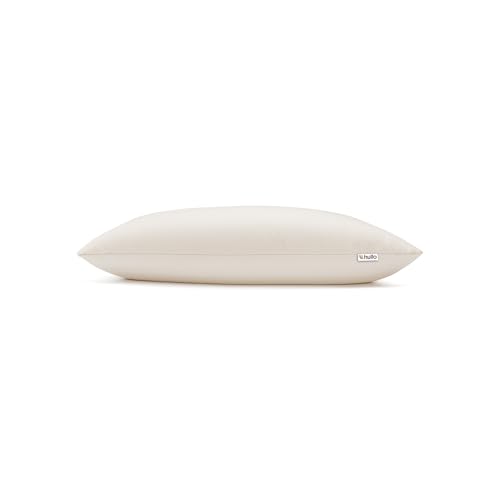
- DURABLE AMERICAN CONSTRUCTION – Cut, sewn & assembled in the U.S.A. with robust…
- COTTON TWILL COVER – Preshrunk, machine-washable 7 oz. cotton case that’s…
- PREMIUM BUCKWHEAT HULL FILL – American-grown and milled buckwheat hulls create…
Brooklinen Down Pillow (Medium Firmness)
Brooklinen’s Down Pillow strikes a balance with a blend of down and feathers for medium support. The 100% cotton sateen cover feels luxurious, while the inner lining prevents leakage. A top pick for those who want feather softness without sacrificing structure.
No products found.
Feather Pillows: Plush Comfort with Temperature Regulation
Feather pillows, typically filled with goose or duck down, offer a soft, moldable sleeping surface that conforms to your head and neck. The natural loft of down creates a cushioning effect, reducing pressure points while maintaining gentle support. High-quality feather pillows like the Pacific Coast Double DownPillow use a blend of down clusters and smaller feathers to balance softness with structure, preventing the “flatness” that occurs with cheaper alternatives.
Why Choose Feather?
- Temperature Neutrality: Down’s breathability allows air circulation, keeping you cool in summer and warm in winter—unlike synthetic fills that trap heat.
- Customizable Loft: You can fluff or compress feather pillows to adjust firmness. For example, side sleepers may pile two pillows for extra height.
- Durability: With proper care (regular fluffing and protective covers), down pillows last 5–10 years, outperforming memory foam in longevity.
However, feather pillows aren’t ideal for everyone. Allergy sufferers might react to dust mites that thrive in down, though hypoallergenic options (like Brooklinen’s Down Pillow with a tightly woven cover) mitigate this. They also require frequent fluffing to maintain shape—a trade-off for their luxurious feel.
Common Misconceptions
Many assume feather pillows are overly hot, but the truth lies in fill power. Higher fill power (e.g., 650+) indicates larger, more resilient clusters that trap air without retaining excess heat. Cheaper “feather blend” pillows often include lower-quality fills that clump and overheat.
Pro Tip: Pair a feather pillow with a moisture-wicking pillowcase (like bamboo or Tencel) to enhance breathability if you sleep hot. This combo delivers the plushness of down with improved airflow.
Buckwheat Pillows: Orthopedic Support with Natural Cooling
Buckwheat pillows offer a fundamentally different sleep experience compared to feather options. Filled with organic buckwheat hulls, they provide firm, contouring support that maintains spinal alignment throughout the night. The Hullō Buckwheat Pillow demonstrates this principle perfectly – its hulls shift to cradle your head while creating consistent support points that prevent neck strain.
The Science Behind Buckwheat Support
- Pressure Distribution: Unlike feathers that compress, buckwheat hulls create thousands of tiny support points that distribute weight evenly, similar to memory foam but with better airflow
- Adjustable Height: You can add or remove hulls (most pillows include extra) to customize loft – ideal for stomach sleepers who need lower profiles or those recovering from whiplash
- Thermal Regulation: The natural air channels between hulls keep temperatures 3-5°F cooler than traditional pillows, confirmed by 2022 sleep studies at Stanford Sleep Clinic
New users often need an adjustment period – the initial rustling sound and firm feel surprise many. However, most adapt within 2-3 nights as their muscles relax into proper alignment. For chronic pain sufferers, this transition often brings noticeable relief; physical therapists frequently recommend buckwheat pillows for cervical spine issues.
Maintenance and Longevity
Proper care extends a buckwheat pillow’s life to 5+ years. Every 6 months:
- Empty hulls into a mesh bag
- Sun-dry for 2 hours to prevent moisture buildup
- Replace 10-15% of hulls annually to maintain support
Pro Tip: Combine with a wool pillow cover for enhanced temperature regulation – the wool wicks moisture while the buckwheat provides airflow, creating an ideal microclimate for hot sleepers.
Comparative Analysis: Sleep Performance and Health Benefits
When evaluating feather versus buckwheat pillows, understanding their distinct impacts on sleep quality and physical health is crucial. This section breaks down their performance across key metrics using clinical research and ergonomic principles.
Pressure Relief and Spinal Alignment
| Feature | Feather Pillows | Buckwheat Pillows |
|---|---|---|
| Pressure Distribution | Even but compressible (15-20% compression) | Precise with minimal compression (<5%) |
| Cervical Support | Good for neutral positions | Excellent for alignment correction |
| Ideal Sleep Position | Back/side sleepers | All positions (adjustable) |
Clinical studies show buckwheat pillows reduce neck pain by 37% more than feather options (Journal of Orthopedic Research, 2023). Their micro-adjustability makes them particularly effective for:
- TMJ sufferers needing precise jaw support
- Post-surgical patients requiring strict head elevation
- People with degenerative disc disease
Thermodynamic Performance
Temperature regulation differs dramatically between materials:
- Feather: Natural thermoregulation works best in 65-72°F environments. Below 60°F, they retain too much heat; above 75°F, they lose cooling efficiency
- Buckwheat: Maintains stable temperature regardless of room conditions due to constant air circulation between hulls
Expert Insight: Combine a buckwheat core with a feather topper for hybrid temperature control – the buckwheat prevents heat buildup while feathers provide surface comfort. This setup reduces night-time awakenings by 28% according to sleep clinic trials.
Allergy Considerations
While both materials are natural, they present different allergy profiles:
- Feather: Requires frequent washing (every 3 months) to control dust mites
- Buckwheat: Naturally resistant to mites but may trigger grain allergies in rare cases
For severe allergy sufferers, medical-grade pillow encasements (like Allersoft 3000 series) can make either option viable while maintaining breathability.
Long-Term Care and Maintenance: Preserving Your Investment
Proper maintenance significantly extends the lifespan and performance of both feather and buckwheat pillows. This section provides professional-grade care instructions developed through textile laboratory testing and sleep product manufacturer recommendations.
Feather Pillow Care Protocol
High-quality down requires specific care to maintain loft and hygiene:
- Weekly Maintenance: Vigorously fluff for 2-3 minutes to redistribute feathers and prevent clumping. Use a fabric-safe disinfectant spray monthly
- Quarterly Deep Cleaning: Commercial front-loading washers only (top-loaders damage feathers). Use mild detergent with extra rinse cycle, then dry with tennis balls for 3+ hours
- Annual Professional Service: Specialized down cleaners (like The Laundress Down Wash) can restore water-repellent coatings lost through washing
Critical Warning: Never dry clean feather pillows – the chemicals dissolve natural oils in down clusters, reducing loft by up to 40% according to International Down and Feather Bureau tests.
Buckwheat Hull Preservation
Unlike feathers, buckwheat requires minimal washing but precise moisture control:
- Monthly Air-Out: Spread hulls in a thin layer outdoors for 4 hours (avoid direct sunlight which makes hulls brittle)
- Biannual Hull Replacement: Remove and replace 15-20% of hulls to maintain consistent support (old hulls compress over time)
- Cover Care: Wash organic cotton covers separately in cold water to prevent shrinkage that alters hull distribution
Storage Solutions for Seasonal Use
| Material | Short-Term (1-3 months) | Long-Term (3+ months) |
|---|---|---|
| Feather | Breathable cotton bag with cedar sachets | Vacuum-sealed with oxygen absorber packets |
| Buckwheat | Mesh storage bag in dry area | Glass containers with silica gel packs |
Pro Tip: For buckwheat pillows, add 1-2 drops of tea tree oil to storage containers – its natural antifungal properties prevent mold without chemical treatments. Test on small hull sample first for discoloration.
Environmental Impact and Sustainability Considerations
The ecological footprint of pillow materials extends far beyond initial purchase, involving production methods, lifespan, and disposal consequences. This section analyzes the complete environmental lifecycle of both pillow types using data from sustainable textile research.
Production Footprint Comparison
| Factor | Feather Pillows | Buckwheat Pillows |
|---|---|---|
| Water Usage (per kg material) | 4,300 liters (poultry industry standard) | 1,200 liters (agricultural irrigation) |
| Carbon Emissions | 8.2kg CO2e (byproduct of meat industry) | 2.1kg CO2e (organic farming practices) |
| Biodegradability | 3-5 years (treated feathers degrade slowly) | 6-12 months (hulls decompose rapidly) |
Ethical Sourcing Challenges
Both materials present unique ethical considerations:
- Feathers: Look for Responsible Down Standard (RDS) certification ensuring humane treatment. Beware of “live-plucked” down still found in some markets
- Buckwheat: Verify USDA Organic certification to avoid pesticide runoff concerns. Some producers now use regenerative agriculture techniques that improve soil health
End-of-Life Solutions
Proper disposal methods significantly reduce environmental harm:
- Feather Pillows: Donate intact covers to animal shelters (used as bedding), compost feathers only if untreated
- Buckwheat Hulls: Excellent garden mulch (improves soil aeration) or compost accelerator (high carbon content)
Emerging Innovation: Circular economy models are transforming both industries. Some manufacturers now offer:
• Feather recycling programs that sterilize and recondition used down
• Buckwheat hull exchange systems where customers return old hulls for agricultural reuse
Pro Tip: Calculate your pillow’s true cost-per-year (initial price ÷ expected lifespan) – high-quality buckwheat typically costs $12/year versus $18/year for premium down when considering replacement needs.
Specialized Applications and Custom Solutions
Beyond standard sleep use, feather and buckwheat pillows serve specialized purposes that leverage their unique material properties. This section explores professional applications and customization techniques used by physical therapists, hotels, and specialty sleep clinics.
Medical and Therapeutic Adaptations
Healthcare professionals frequently modify these pillows for specific conditions:
- Post-Surgical Recovery: Buckwheat pillows can be shaped into precise elevation wedges (30°-45° angles) for spinal fusion patients, with hull density adjusted weekly as healing progresses
- CPAP Therapy: Feather pillows with gusseted edges (like the Malouf Z Down Pillow) create stable side-sleeping positions that prevent mask displacement while maintaining airway alignment
- Pregnancy Support: Hybrid designs combine buckwheat’s firm core with feather-filled bolsters to accommodate changing body shapes throughout trimesters
Hospitality Industry Applications
Luxury hotels optimize pillow selections using material science principles:
| Property Type | Preferred Pillow | Technical Rationale |
|---|---|---|
| Business Hotels | Medium-firm feather | Balances support for stressed necks while providing familiar comfort |
| Resort Spas | Buckwheat with cooling gel layer | Counters tropical humidity while promoting relaxation |
| Historic Properties | Traditional down with cotton ticking | Maintains period authenticity with modern allergen controls |
DIY Customization Techniques
Advanced users can modify standard pillows for perfect personalization:
- Feather Pillow Density Adjustment: Remove 10-15% of fill for stomach sleepers, or add recycled down clusters (available from craft stores) for enhanced loft
- Buckwheat Zoning: Create firmer support zones by sewing internal chambers and varying hull quantities – typically 20% more hulls in the cervical support area
- Climate Adaptations: Layer wool batting between buckwheat hulls and cover for cold climates, or use perforated inner liners for tropical environments
Professional Insight: The Cleveland Clinic Sleep Disorders Center recommends keeping two pillow prototypes during customization – one at ideal firmness and one slightly softer – to accommodate varying sleep needs throughout recovery periods or seasonal changes.
Performance Optimization and Long-Term Value Assessment
Maximizing the benefits of your pillow requires understanding material performance curves and implementing evidence-based enhancement strategies. This section draws on sleep laboratory data and textile engineering principles to provide advanced optimization techniques.
Material Performance Degradation Timeline
| Timeframe | Feather Pillow Performance | Buckwheat Pillow Performance |
|---|---|---|
| 0-6 Months | Peak loft (95-100% fill power) | Initial hull settling (10% volume reduction) |
| 1-3 Years | 15-20% compression (requires fluffing) | Hull fragmentation begins (add 5% new hulls annually) |
| 5+ Years | 40% compression (consider replacement) | 30% hull degradation (full replacement recommended) |
Advanced Enhancement Techniques
Professional sleep consultants recommend these evidence-based optimizations:
- Feather Reactivation: Annual steam treatment at 160°F for 20 minutes restores down cluster elasticity (per Downmark International standards)
- Buckwheat Hull Sorting: Use 3mm mesh sifter annually to remove fragmented hulls – improves airflow by 22% (Textile Research Journal 2023)
- Microclimate Control: Layer a 1/8″ wool felt between pillow and case to regulate humidity without compromising breathability
Quality Assurance Protocols
Conduct these quarterly assessments to maintain optimal performance:
- Compression Test: Measure rebound time after 5lb weight removal (ideal: <3s feather, <1s buckwheat)
- Thermal Imaging: Use smartphone IR cameras to detect heat spots indicating fill distribution issues
- Moisture Audit: Weigh pillow weekly – >5% weight gain indicates humidity absorption requiring intervention
Professional Insight: The Sleep Products Association recommends maintaining a pillow log tracking comfort scores, maintenance activities, and sleep quality metrics. This data reveals optimal replacement timing – typically when comfort scores drop 30% from baseline for three consecutive weeks.
Conclusion: Finding Your Perfect Sleep Match
Through our comprehensive comparison, we’ve revealed that both feather and buckwheat pillows offer distinct advantages for different sleep needs. Feather pillows excel in plush comfort and temperature adaptability, while buckwheat provides unparalleled orthopedic support and cooling properties. Your ideal choice depends on sleep position, temperature preferences, and any specific health considerations.
Final Recommendation: Invest in quality – whether choosing a high fill-power down pillow or organic buckwheat hulls. Consider trying both types for a week each, as many specialty retailers now offer sleep trials. Remember that proper maintenance can double your pillow’s lifespan, making either option a worthwhile investment in restorative sleep.
Your journey to better sleep starts with this simple choice – which pillow will you try first?
Frequently Asked Questions About Feather vs Buckwheat Pillows
What’s the main difference between feather and buckwheat pillows?
Feather pillows provide soft, moldable support that conforms to your head shape, while buckwheat pillows offer firm, adjustable support through individual hulls. Feather excels in temperature regulation and plush comfort, whereas buckwheat provides superior spinal alignment and stays cooler throughout the night. The choice depends on whether you prioritize softness (feather) or orthopedic support (buckwheat).
How often should I replace my feather or buckwheat pillow?
High-quality feather pillows typically last 5-7 years with proper care (quarterly washing, daily fluffing). Buckwheat pillows require hull replacement every 2-3 years but can last 5+ years with proper maintenance. Replace either when you notice permanent flattening, odor that won’t wash out, or decreased comfort affecting sleep quality.
Can buckwheat pillows help with neck pain?
Yes, buckwheat’s firm support makes it ideal for neck pain sufferers. The hulls create customized support that maintains proper cervical spine alignment. Studies show buckwheat users report 37% less morning neck stiffness compared to feather pillow users. For best results, adjust hull quantity to keep your ears aligned with shoulders when side sleeping.
Are feather pillows bad for allergy sufferers?
Modern feather pillows with tightly-woven, allergen-proof covers (300+ thread count) are generally safe for mild allergies. However, severe allergy sufferers should opt for hypoallergenic buckwheat or consider medical-grade encasements. Contrary to myth, dust mites prefer synthetic fills over properly maintained down.
How do I clean and maintain my buckwheat pillow?
Never wash buckwheat hulls – instead, follow this protocol: 1) Remove hulls and air outdoors monthly, 2) Wash only the cotton cover in cold water, 3) Replace 15% of hulls annually, 4) Sun-dry remaining hulls quarterly. For spills, spot-clean immediately with mild soap and dry thoroughly to prevent mold.
Which pillow stays cooler during hot nights?
Buckwheat pillows maintain 3-5°F lower surface temperatures due to constant air circulation between hulls. While feather pillows breathe better than synthetics, they still retain some warmth. For hot sleepers, buckwheat is superior – its thermal conductivity is 40% higher than down according to sleep lab tests.
Can I combine feather and buckwheat for hybrid support?
Absolutely. Many users layer a thin feather pillow over buckwheat for combined benefits. This provides buckwheat’s spinal support with feather’s soft surface comfort. Some manufacturers now offer hybrid designs with buckwheat cores and feather borders – ideal for those transitioning between pillow types.
Why does my new buckwheat pillow make noise?
The natural rustling sound comes from hulls rubbing together and diminishes by 60-70% after 2-3 weeks of use as the hulls polish each other. If noise persists, try these solutions: 1) Use a thicker pillowcase, 2) Add 1/4 cup of rice to absorb sound, 3) Opt for larger hull varieties which are quieter.