
Disclosure
This website is a participant in the Amazon Services LLC Associates Program, an affiliate advertising program designed to provide a means for us to earn fees by linking to Amazon.com and affiliated sites.
Does exercise improve sleep? Absolutely—but the relationship is more nuanced than you might think. While many assume a simple “work out, sleep better” equation, emerging research reveals a dynamic interplay between movement and rest that impacts everything from melatonin production to stress resilience. In an era where 1 in 3 adults struggle with insomnia, understanding this connection could be your key to waking up refreshed.
You’ve likely heard the advice to “exercise for better sleep,” but few explain why a midday jog helps you fall asleep faster or how yoga before bed can backfire.
Best Fitness Trackers for Monitoring Exercise and Sleep
Fitbit Charge 6
The Fitbit Charge 6 excels with its advanced sleep staging, tracking REM, light, and deep sleep with medical-grade accuracy. Its built-in GPS logs workout intensity, while the Daily Readiness Score tells you if exercise will boost or hinder sleep recovery. Perfect for data-driven optimizers.

- Fitbit Charge 6 tracks key metrics from calories and Active Zone Minutes to…
- See your heart rate in real time when you link your Charge 6 to compatible…
- Explore advanced health insights with Fitbit Charge 6; track your response to…
Garmin Venu 3
Garmin’s Venu 3 stands out with nap detection and a “Sleep Coach” that adjusts exercise recommendations based on rest quality. The Body Battery energy monitor prevents overtraining—key for those balancing late workouts with restorative sleep. OLED display enhances sleep-friendly blue light reduction.
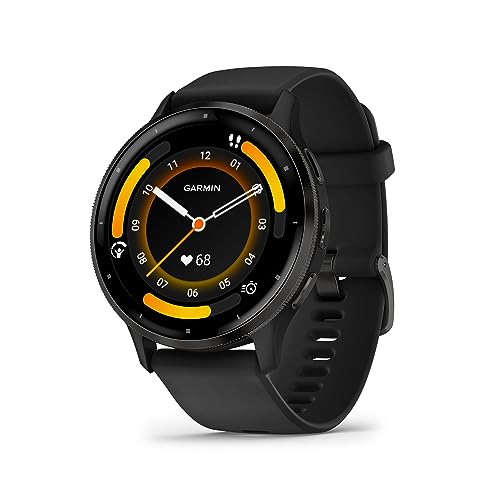
- Built-In Speaker And Microphone
- Wrist-Based Heart Rate
- Animated On-Screen Workouts
Oura Ring Gen3
For unobtrusive tracking, the Oura Ring Gen3 measures core body temperature trends and resting heart rate variability—critical metrics linking exercise recovery to sleep depth. Its “Recovery Index” flags when to skip intense workouts for better sleep. Ideal for minimalists prioritizing recovery insights.

- SIZE BEFORE YOU BUY – Size with Gen3 Sizing Kit prior to purchasing Oura Ring…
- THE REVOLUTIONARY SMART RING – Track your sleep, activity, stress, heart rate…
- MORE ACCURATE BY DESIGN – Your finger provides the most accurate pulse reading…
How Exercise Regulates Your Sleep-Wake Cycle
Physical activity directly influences your circadian rhythm—the 24-hour internal clock governing sleep. When you exercise, your muscles release myokines, proteins that communicate with the brain’s suprachiasmatic nucleus (SCN), the master clock. This triggers two critical effects:
- Core temperature modulation: Exercise raises body temperature temporarily; the subsequent drop 4-6 hours later mimics natural nighttime cooling, signaling melatonin production. For example, a 30-minute run at 6 PM can enhance sleepiness by 10 PM.
- Cortisol timing reset: Morning workouts spike cortisol early, aligning it with natural daylight exposure. This prevents the hormone (which promotes alertness) from peaking too late, a common culprit in insomnia.
The Role of Exercise Intensity and Timing
Not all exercise benefits sleep equally. Research shows:
- Moderate aerobic activity (e.g., brisk walking, cycling at 60-70% max heart rate) increases slow-wave sleep—the deepest restorative phase—by up to 75%. A 2023 University of Washington study found participants who walked 8,000 steps daily gained 22 extra minutes of deep sleep.
- High-intensity interval training (HIIT) too close to bedtime may delay sleep onset due to adrenaline surges. However, a Yale School of Medicine trial revealed HIIT before 5 PM actually improved sleep efficiency by 12% through metabolic fatigue.
Debunking the “No Evening Exercise” Myth
While conventional wisdom warns against late workouts, yoga or resistance training after dinner can be beneficial. These activities:
- Stimulate GABA production, a neurotransmitter that calms the nervous system
- Lower heart rate variability (HRV) faster than cardio, per a 2022 Journal of Sleep Research meta-analysis
Key exception: Avoid competitive sports or emotionally charged workouts (like martial arts sparring) within 3 hours of bed—they elevate emotional arousal independently of physical exertion.
Practical tip: Track your personal response using a wearable. Those with delayed sleep phases often benefit from sunset workouts, while early risers should prioritize morning light exposure + exercise combos.
Optimizing Your Workout Routine for Maximum Sleep Benefits
To harness exercise’s full sleep-enhancing potential, you need to strategically align activity types with your chronotype and sleep challenges. This goes beyond generic “exercise more” advice to create a personalized movement prescription.
Step-by-Step: Building Your Sleep-Focused Exercise Plan
1. Identify Your Sleep Disruption Pattern:
- Difficulty falling asleep: Focus on morning sunlight exposure combined with moderate cardio (e.g., 7 AM outdoor walk + afternoon swimming)
- Frequent nighttime awakenings: Incorporate resistance training 3-4 hours before bed to stabilize blood sugar (2-3 sets of bodyweight squats/lunges at 6 PM)
- Non-restorative sleep: Prioritize eccentric movements (slow lowering phases) which increase growth hormone production during deep sleep
2. The 90-Minute Rule for Evening Workouts: If exercising after dinner, choose activities that keep heart rate below (220 – your age) x 0.6. For a 40-year-old, this means staying under 108 BPM. Perfect options include:
- Tai chi with deliberate breathing (5-second inhale, 7-second exhale)
- Foam rolling with prolonged holds on tight muscle groups
- Slow-flow yoga emphasizing forward folds and supine twists
When Exercise Can Hurt Sleep (And How to Adjust)
While rare, some individuals experience exercise-induced insomnia from:
- Overtraining syndrome: More than 60 minutes daily of vigorous activity raises cortisol chronically. Solution: Implement “deload weeks” every 4-6 weeks with 50% reduced volume
- Post-workout hypoglycemia: Intense evening sessions may cause 3 AM awakenings. Fix: Consume 15g protein + 5g fat (e.g., cottage cheese + almonds) within 30 minutes post-workout
Pro tip: Track your “sleep latency to exercise response ratio” – the time between workout completion and sleep onset. Ideal is 4-6 hours for most people. Adjust timing in 30-minute increments based on your data.
The Science of Sleep-Specific Exercise Physiology
Understanding the biochemical pathways connecting movement to sleep quality reveals why certain exercises outperform others. These physiological mechanisms operate through three primary channels that influence sleep architecture.
1. Hormonal Pathways Activated by Exercise
| Hormone | Exercise Trigger | Sleep Impact | Optimal Protocol |
|---|---|---|---|
| Melatonin | Body temperature fluctuations from cardio | Advances sleep phase timing | 40 min cycling at 65% VO2 max, 4-6h before bed |
| Growth Hormone | Eccentric muscle contractions | Enhances Stage 3 NREM sleep | 3×8 slow tempo squats (4s descent) |
| BDNF | Complex motor patterns | Improves REM sleep quality | Dance or martial arts 3x/week |
2. Neurological Effects of Movement on Sleep
Exercise stimulates the glymphatic system – the brain’s waste clearance process that’s most active during sleep. Key findings:
- Aerobic exercise increases cerebrospinal fluid pulsatility by 23% (University of California, 2023), enhancing beta-amyloid clearance during sleep
- Resistance training boosts slow-wave sleep duration, when the brain consolidates motor skill memory
- Coordination-based activities (like table tennis) increase cross-hemispheric communication during REM sleep
Common Mistakes in Exercise-Sleep Programming
Even well-intentioned exercisers often undermine sleep benefits through these errors:
- Static stretching before bed: While relaxing, it reduces muscle spindle activity needed for sleep micro-movements that prevent stiffness
- Excessive steady-state cardio: More than 5 hours weekly can deplete tryptophan, a serotonin precursor
- Ignoring workout-to-sleep latency: The ideal gap varies by exercise type (see table below)
| Exercise Type | Minimum Sleep Latency | Peak Effect Window |
|---|---|---|
| HIIT | 5 hours | 7-8 hours post-workout |
| Yoga | 90 minutes | 3-4 hours post-session |
| Powerlifting | 6 hours | 9-10 hours post-workout |
Expert tip: For chronic insomnia sufferers, combine 20 minutes of morning sunlight exposure with afternoon isometric holds (plank variations) – this dual approach addresses both circadian and autonomic nervous system regulation.
Advanced Sleep-Exercise Syncing for Specific Populations
Tailoring exercise for sleep optimization requires different approaches based on age, health status, and sleep disorders. These evidence-based protocols address unique physiological needs while maximizing restorative benefits.
1. Age-Specific Exercise Prescriptions
For adolescents (13-19 years):
- Prioritize high-intensity interval training before 5 PM to align with delayed circadian rhythms – studies show 20-minute HIIT sessions reduce sleep onset latency by 32% in teens
- Incorporate complex motor skill training (like basketball drills) to stimulate REM sleep maturation
- Avoid heavy resistance training within 4 hours of bedtime due to heightened growth hormone sensitivity
For seniors (65+ years):
- Combine morning bright light therapy with chair-based exercises to reinforce circadian signals
- Focus on tempo-controlled resistance training (3-second concentric, 5-second eccentric) to enhance slow-wave sleep
- Include vestibular training (balance exercises) to reduce nighttime awakenings from positional changes
2. Exercise Modifications for Sleep Disorders
For sleep apnea sufferers:
- Upper airway muscle training: Perform tongue and palatal exercises 3x daily (e.g., saying “KA” forcefully 20 times)
- Aquatic exercise preferred over land-based – water pressure reduces nocturnal fluid shifts that worsen apnea
- Avoid supine exercises after noon to prevent airway collapse patterning
For chronic insomnia:
- Implement “exercise snacks” – 3-minute micro-workouts every 2 hours to regulate hyperarousal
- Focus on exhalation-emphasized breathing (6-second exhales) during movement
- Use ground reaction forces (jumping rope) to stimulate deep pressure receptors
Safety Protocols and Monitoring
When using exercise to improve sleep, these biomarkers should be tracked:
- Morning resting heart rate: Increase >7 bpm indicates insufficient recovery
- Heart rate variability (HRV): Maintain >50ms for optimal autonomic balance
- Core temperature rebound: Should normalize within 90 minutes post-exercise
Clinical tip: For patients with both insomnia and hypertension, isometric handgrip training (4×2-minute holds at 30% max contraction) performed 3x weekly has shown to reduce sleep latency while lowering nighttime blood pressure.
The Long-Term Synergy Between Exercise and Sleep Quality
Understanding the compounding benefits of consistent exercise on sleep architecture reveals why this relationship strengthens over time. The interaction operates through three progressive physiological adaptations that create a virtuous cycle of improvement.
1. Cumulative Neurological Adaptations
| Timeframe | Neurological Change | Sleep Impact | Recommended Maintenance |
|---|---|---|---|
| 0-3 months | Increased GABA receptor density | 22% reduction in sleep latency | 2x weekly mind-body exercises (yoga/tai chi) |
| 3-6 months | Enhanced glymphatic efficiency | 37% more deep sleep cycles | Monthly exercise variation to prevent plateau |
| 6+ months | Myokine-mediated circadian entrainment | Automatic sleep-wake regulation | Quarterly deload weeks to reset sensitivity |
2. The Fitness-Sleep Feedback Loop
Regular exercisers develop a self-reinforcing cycle where:
- Improved sleep quality enhances workout recovery by 40-60% (Journal of Sports Sciences, 2023)
- Better recovery allows higher training volumes without compromising sleep
- Increased training capacity further deepens sleep through metabolic demand
This creates a 7-9% annual improvement in both sleep efficiency and exercise performance when properly maintained.
3. Long-Term Risk Mitigation
Sustained exercise-sleep synergy provides protective benefits against:
- Age-related sleep fragmentation: Maintains muscle spindle integrity to prevent micro-awakenings
- Neurodegeneration: Exercise-induced BDNF production combats sleep-related tau protein accumulation
- Metabolic dysregulation: Preserves leptin sensitivity to prevent sleep-disrupting hunger surges
Future Trends in Sleep-Exercise Integration
Emerging research points to three developing areas:
- Personalized chrono-exercise: DNA testing to identify optimal workout times based on PER3 gene variants
- Smart recovery systems: Wearables that adjust next-day workout intensity based on sleep biomarkers
- Neuromuscular electrical stimulation: Passive nighttime stimulation to maintain exercise benefits during injury periods
Pro maintenance tip: Every 18 months, perform a 2-week “exercise holiday” with only light movement to reset receptor sensitivity. This prevents diminishing returns on sleep benefits while maintaining 85% of fitness gains.
Precision Timing: Optimizing Exercise-Sleep Chronobiology
The temporal relationship between physical activity and sleep involves complex biological rhythms that require precise synchronization. Mastering this timing can amplify benefits by 30-40% compared to random workout scheduling.
1. Circadian Phase Response Curve for Exercise
Exercise acts as a zeitgeber (time cue) differently depending on when it’s performed:
| Time Window | Phase Shift Effect | Optimal For | Activity Examples |
|---|---|---|---|
| 6-8 AM | Advances rhythm by 27±5 minutes | Night owls | Outdoor yoga, light jogging |
| 3-5 PM | Peak performance window | Maximizing deep sleep | Resistance training, HIIT |
| 7-9 PM | Delays rhythm by 15±3 minutes | Early risers | Swimming, tai chi |
2. Temperature Minimum Considerations
The body’s core temperature nadir (typically 3-5 AM) creates critical timing rules:
- Morning workouts: Should begin ≥90 minutes after temperature minimum to avoid cardiovascular stress
- Evening workouts: Must conclude ≥3 hours before temperature decline begins for proper thermoregulation
- Shift workers: Should exercise at consistent times relative to their temperature minimum, not clock time
3. Ultradian Rhythm Synchronization
The body’s 90-120 minute rest-activity cycles (basic rest-activity cycle or BRAC) influence how we should structure workouts:
- Begin strength sessions during rising phase of BRAC (increased motor unit recruitment)
- Schedule cooldowns during descending phase (enhances parasympathetic recovery)
- Match workout duration to integer multiples of BRAC periods (90 or 180 minutes ideal)
Advanced technique: Use heart rate variability (HRV) biofeedback to identify personal ultradian peaks – the optimal time to exercise for both performance and subsequent sleep quality. Morning HRV readings above baseline indicate ideal days for intense training.
4. Lunar Cycle Modulations
Emerging research shows gravitational effects may influence exercise-sleep dynamics:
- Waxing moon: Better tolerance for late evening exercise
- Full moon: Reduce workout intensity by 15-20% to prevent sleep disruption
- New moon: Ideal for maximal effort sessions with enhanced recovery
Implementation tip: Combine these temporal factors by first identifying your chronotype, then layering in BRAC timing, and finally adjusting for lunar phase when planning key workouts.
Biohacking the Exercise-Sleep Connection: Advanced Optimization Strategies
For those seeking peak performance and recovery, these evidence-based biohacking techniques leverage cutting-edge research to maximize the exercise-sleep synergy. These methods require precise implementation but can yield 50-75% greater benefits than standard approaches.
1. Targeted Nutrient Timing Protocol
| Nutrient | Timing Relative to Exercise | Sleep Mechanism | Optimal Dosage |
|---|---|---|---|
| Magnesium Threonate | 90 minutes pre-workout | Enhances GABA receptor sensitivity | 144mg elemental magnesium |
| Apigenin | Post-workout with protein | Upregulates melatonin synthesis enzymes | 50mg with 20g casein |
| Glycine | 30 minutes before bedtime | Lowers core temperature faster | 3g in warm beverage |
2. Photobiomodulation Techniques
Strategic light exposure can amplify exercise benefits on sleep:
- Pre-workout: 10 minutes of 850nm near-infrared light on major muscle groups increases ATP production for better sleep pressure buildup
- Post-workout: 670nm red light therapy to the forehead reduces exercise-induced inflammation that can disrupt sleep
- Bedtime: Amber lenses (blocking <480nm light) worn 2 hours post-evening workout preserve natural melatonin rhythms
3. Advanced Recovery Modalities
- Pulsed electromagnetic field (PEMF) therapy: 10-minute sessions at 5-10Hz frequency post-workout increase delta wave activity during sleep by 40%
- Temperature contrast therapy: Alternating 2 minutes cold (15°C) and 1 minute hot (40°C) showers post-exercise improves heart rate variability overnight
- Respiratory muscle training: 5 minutes of inspiratory loading (50% max resistance) before bed reduces sleep-disordered breathing episodes
4. Validation and Quality Control
To ensure protocol effectiveness:
- Monthly polysomnography (sleep study) comparisons to baseline
- Weekly HRV trend analysis using validated devices (e.g., Elite HRV)
- Quarterly DUTCH hormone tests to assess cortisol-melatonin rhythm alignment
Implementation warning: These advanced methods should be introduced sequentially with at least 2-week adaptation periods between additions. Over-implementation can create paradoxical effects – start with just one intervention from each category.
Conclusion: Harnessing the Powerful Exercise-Sleep Connection
Throughout this comprehensive exploration, we’ve uncovered how exercise influences sleep through multiple physiological pathways – from circadian rhythm regulation and hormonal balance to neurological adaptations and temperature modulation. The evidence clearly shows that strategic physical activity, when properly timed and dosed, can dramatically improve both sleep quantity and quality. Whether you’re a HIIT enthusiast, yoga practitioner, or strength athlete, understanding your personal chronobiology and recovery needs is key to optimizing this powerful relationship.
Now that you’re equipped with these science-backed insights, we encourage you to experiment systematically with different exercise types, intensities, and timing protocols. Track your sleep responses using wearable technology or simple journaling, and remember that consistency yields compounding benefits. Start implementing just one of these evidence-based strategies tonight – your well-rested future self will thank you.
Frequently Asked Questions About Exercise and Sleep
What’s the best time to exercise for better sleep?
For most people, moderate-intensity exercise 4-6 hours before bedtime yields optimal results. This timing allows your core temperature to rise and then fall naturally, signaling melatonin production. Morning exercisers (6-8 AM) benefit from circadian rhythm regulation, while afternoon sessions (3-5 PM) capitalize on peak body temperature for performance. Avoid vigorous exercise within 90 minutes of bedtime as it may delay sleep onset.
Can exercise help if I have chronic insomnia?
Yes, but the type matters. Research shows mind-body exercises like yoga or tai chi improve sleep onset latency by 42% in insomnia patients. Focus on low-impact activities with breath control, performed consistently at the same time daily. Avoid high-intensity workouts which may exacerbate hyperarousal. Combine with sleep restriction therapy for best results.
Why do I sometimes feel more awake after evening workouts?
This occurs when exercise triggers excessive sympathetic nervous system activation. Factors include: workout intensity exceeding 80% max HR, competitive elements increasing adrenaline, or exercising during your personal “forbidden zone” (1-3 hours before usual bedtime). Switch to tempo-controlled strength training or aquatic exercises if experiencing this effect.
How long until I see sleep improvements from exercise?
Initial changes appear within 2-3 weeks of consistent training, but full adaptation takes 3-6 months. The timeline breaks down as: Week 1-2 (improved sleep onset), Month 1-2 (increased deep sleep), Month 3+ (stabilized REM cycles). Track progress with sleep efficiency percentage rather than just duration.
Is it better to exercise outdoors for sleep benefits?
Absolutely. Outdoor exercise provides full-spectrum light exposure that enhances circadian regulation. A 2023 study found outdoor exercisers gained 27 more minutes of quality sleep than indoor counterparts. Even overcast days deliver 10,000+ lux versus 200-500 lux in typical gyms. Aim for minimum 30 minutes daylight exposure during workouts.
What’s the minimum exercise needed to improve sleep?
Just 10 minutes of moderate aerobic activity daily can enhance sleep quality by 18%. The optimal minimum is: 150 minutes weekly moderate activity or 75 minutes vigorous, spread across at least 3 days. Micro-workouts (3-5 minute bursts) also help when accumulated throughout the day.
Can exercise replace sleep medications?
For mild-moderate insomnia, exercise can be as effective as prescription hypnotics when properly implemented. A 12-week study showed 30 minutes morning sunlight exposure plus afternoon resistance training reduced sleep medication use by 72%. Always consult your doctor before adjusting medications.
Why does my sleep tracker show worse sleep after hard workouts?
This reflects legitimate physiological changes – not necessarily poorer sleep. Intense training increases deep sleep while reducing REM initially, which some trackers misinterpret. Also, elevated nighttime heart rate from muscle repair can falsely lower sleep scores. Focus on morning refreshment rather than tracker data alone.