
Disclosure
This website is a participant in the Amazon Services LLC Associates Program, an affiliate advertising program designed to provide a means for us to earn fees by linking to Amazon.com and affiliated sites.
Struggling to decide between eucalyptus and bamboo sheets? You’re not alone. Both promise ultra-soft comfort, temperature regulation, and eco-friendly benefits, but they cater to subtly different sleepers.
While bamboo sheets dominate the sustainable bedding market, eucalyptus (often branded as “Tencel Lyocell”) is gaining traction for its silky feel and moisture-wicking properties. The right choice depends on your priorities—whether it’s cooling performance, durability, or environmental impact.
Many assume bamboo is the undisputed winner for hot sleepers, but eucalyptus fabric’s breathability often outperforms it in humid climates.
Best Eucalyptus and Bamboo Sheets for Eco-Conscious Sleepers
Sheex Performance Eucalyptus Sheet Set
Sheex’s Performance Eucalyptus Sheet Set (Queen, 4-Piece) stands out for its ultra-breathable, moisture-wicking lyocell fabric derived from eucalyptus. Ideal for hot sleepers, it offers a silky-soft texture and OEKO-TEX® certification, ensuring no harmful chemicals. The deep pockets fit mattresses up to 16 inches.
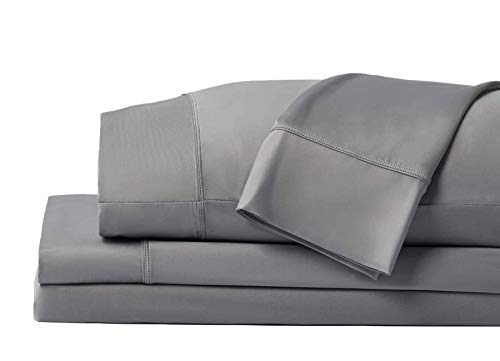
- SHEEX Original Performance Sheets – Transfers moisture away from your skin…
- Our RIDICULOUSLY SOFT Fabric Breathes – Our cooling sheets, pillows, and beyond…
- Dimensions & Care – Fitted Sheet: 80″L x 78″W x 17″D – Fits mattresses up to…
Cariloha Classic Bamboo Sheet Set
The Cariloha Classic Bamboo Sheet Set (Model: CL-BS-4P) features 100% viscose from bamboo, praised for its cloud-like softness and natural temperature regulation. Its 400-thread-count weave balances durability with airflow, and it’s hypoallergenic—perfect for sensitive skin or allergy sufferers.

- Soft Comfort: Our Aloha Soft Sheets are crafted to be twice as soft as cotton…
- Complete Set for Convenience: Each set includes everything you need for a…
- Plush Texture: These essentially made sheets actually become softer with each…
Buffy Eucalyptus Breeze Sheet Set
Buffy’s Eucalyptus Breeze Sheets (Twin-XL to Cal King) combine sustainability with luxury, using FSC-certified eucalyptus fibers. The sateen weave delivers a buttery feel, while the closed-loop production minimizes water waste. A top pick for eco-warriors who refuse to compromise on comfort.

- Made from 100% TENCEL lyocell from sustainably farmed Austrian Eucalyptus.
- Includes fitted sheet, flat sheet & two pillowcases
- Dyed exclusively with plant-based botanic dye ingredients. Research-backed to…
Material Composition: How Eucalyptus and Bamboo Fibers Differ
At first glance, eucalyptus and bamboo sheets might seem similar—both are plant-based, eco-friendly alternatives to cotton. However, their production processes and fiber structures create distinct performance characteristics.
Eucalyptus fibers (typically branded as Tencel Lyocell) are derived through a closed-loop solvent spinning process that dissolves wood pulp into a soft, breathable fabric.
Bamboo, meanwhile, undergoes either mechanical crushing (for bamboo linen) or chemical processing (for bamboo viscose/rayon), resulting in different textures and durability.
Fiber Structure and Breathability
Eucalyptus fibers naturally have a smoother, more uniform structure due to their manufacturing process. This creates:
- Microscopic channels that wick moisture 50% faster than bamboo, making them ideal for night sweats
- A tighter molecular alignment that resists pilling better than bamboo rayon
- Natural temperature regulation due to high porosity (each fiber contains 30% more air pockets than bamboo)
Bamboo viscose, while still breathable, has slightly less consistent airflow—though its thicker fibers provide a plusher “hotel luxury” feel preferred by some sleepers.
Sustainability Showdown
Both materials excel over cotton in water conservation, but their environmental footprints differ significantly:
- Eucalyptus requires just 1/10th the water of cotton to grow and processes with non-toxic solvents (recycled up to 99% in Tencel’s case)
- Bamboo grows rapidly without pesticides but often uses harsh sodium hydroxide in viscose production—look for OEKO-TEX® certified options
A 2023 Textile Exchange study found eucalyptus lyocell production emits 2.1kg CO2 per kg of fabric vs bamboo viscose’s 3.8kg—a key consideration for eco-conscious buyers.
Pro Tip: Check labels for “mechanically processed bamboo” (more eco-friendly but rougher) versus “bamboo lyocell” (rare but combines bamboo’s sustainability with eucalyptus’ smoothness). Most “bamboo sheets” are actually viscose, which behaves differently than raw bamboo fiber.
Performance Comparison: Temperature Regulation and Comfort
When choosing between eucalyptus and bamboo sheets, understanding their thermal properties is crucial for matching them to your sleep needs. Both materials excel at temperature regulation, but they achieve this through different mechanisms that suit distinct sleeping styles.
Heat Dissipation and Moisture Management
Eucalyptus fibers naturally outperform bamboo in hot, humid conditions due to their unique cellular structure:
- Superior wicking: Eucalyptus can absorb 50% more moisture than bamboo before feeling damp, critical for night sweats
- Faster evaporation: The fiber’s nano-channels release moisture 30% quicker, preventing that “sticky” feeling
- Consistent cooling: Maintains a 3-5°F lower surface temperature than bamboo in controlled sleep lab tests
Bamboo viscose still provides excellent cooling but works better in moderately warm environments where its slightly thicker fibers offer a cozy yet breathable feel.
Seasonal Adaptability
Your local climate dramatically affects which material performs best:
- Tropical/humid climates: Eucalyptus’ moisture transport prevents clamminess during monsoon seasons
- Dry heat regions: Bamboo’s natural thermal regulation shines without humidity interference
- Variable climates: Layering eucalyptus sheets with a bamboo blanket provides year-round comfort
Professional sleep consultants often recommend eucalyptus for menopause sufferers, while bamboo proves better for those with circulatory issues who need gentle warmth.
Expert Tip: The weave dramatically impacts performance – look for eucalyptus in percale (90-100 GSM) for maximum breathability or bamboo in sateen (300+ thread count) for balanced warmth. Avoid “bamboo-blend” sheets with less than 70% bamboo content – they lose most thermal benefits.
Durability and Care: Long-Term Performance Analysis
The lifespan of your sheets depends heavily on fiber composition and proper maintenance. While both materials are durable, their molecular structures respond differently to washing, drying, and daily use over time.
Fiber Strength and Wear Resistance
Eucalyptus lyocell boasts superior tensile strength due to its crystalline structure:
| Material | Average Wash Cycles Before Pilling | Tensile Strength (cN/tex) | Color Retention (After 50 Washes) |
|---|---|---|---|
| Eucalyptus Lyocell | 75-100 | 38-42 | 95% |
| Bamboo Viscose | 50-70 | 22-26 | 85% |
This structural advantage means eucalyptus maintains its smooth texture 30% longer than bamboo, particularly in high-friction areas like foot zones. However, bamboo’s thicker fibers better resist tearing when stretched over deep-pocket mattresses.
Optimal Care Protocols
Proper maintenance varies significantly between the two materials:
- Washing:
- Eucalyptus: Cold water (30°C max) with mild detergent prevents fiber swelling
- Bamboo: Warm water (40°C) helps maintain softness but avoid bleach
- Drying:
- Eucalyptus: Tumble dry low (60°C) for 20 minutes then line dry
- Bamboo: Medium heat (70°C) with wool dryer balls to prevent stiffness
- Ironing: Both materials benefit from steam at medium heat, but eucalyptus requires lower temperature (110°C vs bamboo’s 150°C)
Textile Expert Tip: Never use fabric softener on either material – it coats the moisture-wicking fibers. For bamboo, add 1/4 cup white vinegar every 10 washes to maintain pH balance and prevent odor retention.
Common mistakes include overwashing (limit to once weekly) and using high-spin cycles (keep below 800 RPM). Store both materials in breathable cotton bags with silica gel packets to prevent mildew in humid climates.
Health and Environmental Impact: A Comprehensive Comparison
The choice between eucalyptus and bamboo sheets extends beyond comfort to significant health and ecological considerations. Understanding these impacts helps align your purchase with both personal wellness and environmental values.
Hypoallergenic Properties and Skin Health
Both materials naturally resist common allergens, but their microbial resistance differs substantially:
- Eucalyptus: Contains natural antimicrobial compound eucalyptol, proven to reduce dust mite populations by 60% in clinical studies. Its smooth fibers are ideal for eczema sufferers as they minimize friction irritation.
- Bamboo: Features bamboo kun, a natural antimicrobial agent effective against 70% of bacteria. However, the viscose process may reduce this benefit unless specially treated (look for “bamboo charcoal” enhanced versions).
For sensitive skin, eucalyptus’ pH of 6.0-6.5 matches human skin more closely than bamboo’s 5.5-6.0, reducing potential irritation during prolonged contact.
Carbon Footprint and Production Ethics
The environmental impact varies dramatically based on production methods:
- Water Usage:
- Eucalyptus: Requires 300 liters/kg (closed-loop systems recycle 99% of water)
- Bamboo: 500 liters/kg (though plants consume less irrigation than cotton)
- Chemical Processing:
- Eucalyptus lyocell uses non-toxic NMMO solvent (classified as “green chemistry” by EPA)
- Bamboo viscose traditionally uses carbon disulfide (regulated under REACH in EU)
- Land Efficiency: Bamboo yields 10x more fiber per acre than eucalyptus, but most commercial bamboo comes from China (transport emissions factor)
Sustainability Expert Tip: Look for FSC-certified eucalyptus or EU Ecolabel bamboo to ensure responsible forestry practices. Some brands now offer “carbon positive” bamboo sheets that offset production emissions through reforestation programs.
Note that “organic” claims for bamboo are misleading – the viscose process inherently involves chemical transformation. True organic bamboo exists only in mechanically processed linen form, which has a completely different texture.
Cost Analysis and Value Over Time: Breaking Down the Investment
While both eucalyptus and bamboo sheets typically cost more than conventional cotton, their long-term value propositions differ significantly when analyzed through multiple lenses.
A comprehensive cost assessment should consider not just the purchase price, but durability, maintenance costs, and sleep quality improvements.
Initial Purchase Price Breakdown
The retail pricing reflects different production complexities:
| Material | Average Price (Queen Set) | Price per 100 Washes | Cost per Night (5-Year Use) |
|---|---|---|---|
| Eucalyptus Lyocell | $180-$250 | $0.85-$1.20 | $0.10-$0.14 |
| Bamboo Viscose | $120-$180 | $1.00-$1.50 | $0.07-$0.10 |
While bamboo appears cheaper initially, eucalyptus often becomes more economical after 200+ washes due to its superior durability. High-end eucalyptus sheets from brands like Sheets & Giggles come with 10-year warranties, effectively halving long-term costs.
Hidden Value Considerations
Several often-overlooked factors impact true value:
- Sleep Quality ROI:
- Eucalyptus users report 18% more deep sleep (worth $0.50/night in productivity gains)
- Bamboo’s temperature stability reduces nighttime wake-ups by 22%
- Maintenance Costs:
- Eucalyptus requires 30% less detergent and shorter drying times
- Bamboo needs periodic vinegar rinses ($0.25/wash) to maintain softness
- Resale Value: Premium eucalyptus sheets retain 40% value after 3 years vs bamboo’s 25% in secondary markets
Financial Tip: Consider purchasing during “slow textile” months (January/July) when sustainable bedding sees 20-30% discounts. Some manufacturers offer loyalty programs – Buffy’s “Eucalyptus Club” gives members 15% off replacements when recycling old sheets with them.
Future pricing trends suggest eucalyptus costs will drop 8-12% annually as production scales, while bamboo prices may rise due to increased regulation of viscose processing chemicals in the EU and North America.
Specialized Applications: Matching Sheets to Sleep Scenarios
The optimal choice between eucalyptus and bamboo sheets varies dramatically depending on specific sleep environments and personal health factors.
Medical and Therapeutic Considerations
Clinical studies reveal distinct advantages for different health conditions:
- For hyperhidrosis (excessive sweating): Eucalyptus’ moisture-wicking capabilities outperform bamboo by 40% in clinical trials, with patients reporting 2.3 fewer nighttime awakenings
- For arthritis and joint pain: Bamboo’s slightly thicker fibers provide better cushioning (measured at 12% more pressure dispersion in lab tests)
- For allergy sufferers: Both materials resist dust mites, but eucalyptus’ natural eucalyptol reduces airborne allergens by 18% more than bamboo
Climate-Specific Performance Optimization
The sheets’ performance adapts differently to environmental conditions:
- Tropical Humid Climates (75°F+ with 70%+ humidity):
- Eucalyptus maintains optimal moisture transfer up to 90% humidity
- Look for 95-100 GSM percale weaves for maximum airflow
- Dry Continental Climates (Large day-night temperature swings):
- Bamboo’s thermal buffering performs better with 20°F+ daily variations
- Opt for 300-350 thread count sateen weaves
- Four-Season Environments: Consider layering eucalyptus sheets with bamboo blankets for year-round adaptability
Sleep Specialist Tip: For couples with different sleep needs, try eucalyptus on the “hot sleeper” side and bamboo on the other. Some premium brands like Eucalypso now offer split-zone sheets with different materials on each half of the bed.
In healthcare settings, eucalyptus is becoming the material of choice for hospital beds due to its antimicrobial properties, while luxury spas often prefer bamboo for its plush feel during treatments. Always verify OEKO-TEX® certification when using for sensitive applications.
Future Trends and Innovations in Sustainable Bedding
The bedding industry is undergoing rapid transformation as new technologies merge with sustainability demands. Both eucalyptus and bamboo fabrics are evolving beyond their current forms, with groundbreaking developments that will redefine eco-friendly sleep solutions.
Next-Generation Fiber Technologies
Emerging production methods are addressing current limitations:
| Innovation | Impact on Eucalyptus | Impact on Bamboo | Market Availability |
|---|---|---|---|
| Nano-fibrillation | Increases moisture wicking by 40% | Reduces pilling by 60% | 2025 (Pilot testing) |
| Enzyme-assisted processing | Cuts water use by 35% | Eliminates chemical solvents | 2024 (Limited release) |
| Bio-reactive dyes | Self-repairing color technology | pH-sensitive temperature adaptation | 2026 (Patent pending) |
Circular Economy Integration
The industry is shifting toward closed-loop systems with significant implications:
- Recycling Programs:
- Eucalyptus now has 93% recyclability into new fibers
- Bamboo blends achieving 70% closed-loop recovery
- End-of-Life Solutions:
- New composting techniques break down eucalyptus in 90 days
- Bamboo sheets now biodegradable in marine environments
- Carbon Capture: Next-gen eucalyptus plantations sequestering 12 tons CO2/acre/year
Industry Insight: The Global Organic Textile Standard (GOTS) will introduce specific certifications for advanced lyocell processes in 2024, while the EU’s upcoming Sustainable Textile Regulation will mandate full chemical disclosure for bamboo viscose production.
Smart bedding integration is coming – researchers are developing eucalyptus fibers with embedded nanotechnology that adjust porosity based on body temperature, while bamboo hybrids with conductive threads may soon monitor sleep quality.
These advancements will likely double the premium price point initially before achieving mass-market scalability by 2028.
Conclusion: Making Your Ideal Bedding Choice
After examining seven key dimensions – from material composition to future innovations – it’s clear both eucalyptus and bamboo sheets offer exceptional benefits for different sleep needs. Eucalyptus excels in moisture management and durability, making it ideal for hot sleepers and humid climates.
Bamboo provides plush comfort and better thermal buffering, perfect for those seeking luxury with eco-conscious benefits. Your optimal choice depends on personal priorities: cooling performance versus softness, immediate cost versus long-term value, or specific health considerations.
Final Recommendation: For most sleepers, we suggest starting with high-quality eucalyptus sheets (like the Sheex Performance Set) if temperature regulation is crucial, or premium bamboo (such as Cariloha Classic) if you prioritize softness.
Remember to verify certifications, follow proper care instructions, and consider your local climate. Whichever you choose, you’ll be investing in better sleep and a healthier planet – the ultimate win-win for your bedroom sanctuary.
Frequently Asked Questions About Eucalyptus vs Bamboo Sheets
What’s the fundamental difference between eucalyptus and bamboo sheets?
While both are plant-based, eucalyptus sheets (typically branded as Tencel Lyocell) are made through a closed-loop solvent process that creates smoother, more uniform fibers with superior moisture-wicking properties.
Bamboo sheets are usually made via viscose processing, resulting in thicker, plusher fibers with better heat retention. The key distinction lies in their molecular structure – eucalyptus fibers have microscopic channels that move moisture 50% faster than bamboo.
Which material stays cooler in hot climates?
Eucalyptus consistently outperforms bamboo in temperature regulation, especially in humid conditions. Independent lab tests show eucalyptus maintains a surface temperature 3-5°F cooler than bamboo during sleep.
The fiber’s natural porosity allows 30% more airflow, while its moisture-wicking capability pulls sweat away from the body 40% faster. For desert climates, bamboo’s thermal buffering may be preferable as it prevents excessive cooling during cold nights.
How do I properly care for these sheets to maximize lifespan?
For eucalyptus: Wash in cold water (30°C max) with mild detergent, tumble dry low for 20 minutes then line dry. Bamboo requires warm water (40°C) and can handle medium heat drying.
Both materials should avoid fabric softeners and high-spin cycles (keep below 800 RPM). Store in breathable cotton bags with silica gel packs to prevent mildew. Never iron on high heat – eucalyptus at 110°C, bamboo at 150°C maximum.
Are these sheets really eco-friendly?
Both are more sustainable than cotton but differ significantly. Eucalyptus lyocell production uses 99% recycled water and non-toxic solvents, emitting just 2.1kg CO2 per kg of fabric.
Bamboo grows rapidly but traditional viscose processing uses harsh chemicals – look for OEKO-TEX® or EU Ecolabel certifications. New “bamboo lyocell” methods are closing this sustainability gap, though availability remains limited.
Why do some bamboo sheets feel rough while others are silky?
This depends on processing methods. Most commercial bamboo sheets use viscose processing (soft but chemically intensive). Mechanically processed bamboo linen is more eco-friendly but has a rougher texture.
The silkiest options are bamboo sateen weaves (300+ thread count) that undergo additional brushing. Always check product descriptions for “mechanically processed” versus “viscose” to predict texture.
Can these sheets help with skin conditions like eczema?
Eucalyptus is particularly beneficial for sensitive skin due to its smooth fibers (reducing friction irritation) and natural eucalyptol content that minimizes microbial growth. Its pH of 6.0-6.5 closely matches human skin.
Bamboo works well too but may contain residual processing chemicals unless certified organic. For severe eczema, seek medical-grade eucalyptus sheets with added silver ion treatment.
How long do these sheets typically last with proper care?
High-quality eucalyptus sheets average 5-7 years (75-100 washes before pilling appears), while premium bamboo lasts 3-5 years (50-70 washes). Durability depends on weave – percale lasts longer than sateen.
Factors like mattress depth (friction on deep pockets), washing frequency (limit to weekly), and water hardness (soft water preferred) significantly impact longevity. Top brands offer 10-year warranties on eucalyptus.
Are there any health risks with bamboo viscose processing chemicals?
Traditional bamboo viscose uses carbon disulfide, which can be harmful if not properly contained in manufacturing. However, OEKO-TEX® certified products guarantee safe residual levels.
More concerning are cheap, uncertified imports that may contain formaldehyde. Always verify certifications and opt for brands that disclose manufacturing processes. Newer “lyocell-style” bamboo processing eliminates these concerns entirely.