
Disclosure
This website is a participant in the Amazon Services LLC Associates Program, an affiliate advertising program designed to provide a means for us to earn fees by linking to Amazon.com and affiliated sites.
Are early birds truly more successful than night owls? The answer isn’t black and white—biology, lifestyle, and modern science reveal surprising truths. For decades, society glorified dawn risers as productive go-getters, while night owls were labeled lazy.
But groundbreaking research shatters this myth, proving both chronotypes have unique advantages. Whether you’re a sunrise enthusiast or a midnight thinker, understanding your natural rhythm is key to unlocking peak performance.
Imagine this: You drag yourself out of bed at 5 AM, guzzling coffee to mimic CEOs who swear by morning routines—only to crash by afternoon. Meanwhile, your night-owl friend thrives post-sunset, solving complex problems with laser focus.
Why? Your circadian rhythm—the internal clock governing energy, cognition, and mood—is hardwired. Modern workplaces and outdated stereotypes often favor early birds, but night owls dominate in creativity and problem-solving.
Best Sleep-Tracking Devices for Early Birds and Night Owls
Oura Ring Generation 3
The Oura Ring Gen 3 is a game-changer for optimizing sleep schedules. Its advanced sensors track deep sleep, REM cycles, and body temperature, providing personalized insights. Whether you’re an early riser or night owl, its sleek design and 7-day battery life make it effortless to wear 24/7.

- SIZE BEFORE YOU BUY – Size with Gen3 Sizing Kit prior to purchasing Oura Ring…
- THE REVOLUTIONARY SMART RING – Track your sleep, activity, stress, heart rate…
- MORE ACCURATE BY DESIGN – Your finger provides the most accurate pulse reading…
Fitbit Sense 2
For a holistic approach, the Fitbit Sense 2 monitors sleep stages, heart rate variability (HRV), and stress levels. Its Smart Wake feature gently rouses you during light sleep—ideal for early birds. Night owls benefit from its detailed sleep score breakdown to adjust habits over time.

- Learn to manage stress, sleep better and live healthier with Sense 2—our most…
- Manage stress and live healthier: all-day stress detection with cEDA and daily…
- Measure and improve sleep quality: personalized Sleep Profile(5), daily sleep…
Withings Sleep Analyzer
The Withings Sleep Analyzer slips under your mattress for hospital-grade sleep tracking without wearables. It detects snoring, apnea risk, and sleep cycles, syncing data to an intuitive app. Perfect for those who prefer a minimalist setup but demand precision in sleep analytics.
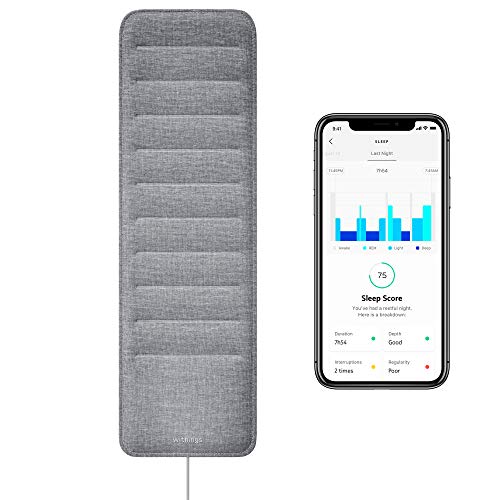
- EXPLORE THE DEPTHS OF YOUR SLEEP PATTERN – Sleep is the ultra-powerful sleep…
- WORLD PREMIERE – Sleep is the world’s first under-mattress sleep sensor, with…
- LEADS TO MORE RESTFUL SLEEP – By analyzing the phases, depth and interruptions…
The Science of Chronotypes: How Your Biological Clock Shapes Your Life
What Exactly Determines Whether You’re an Early Bird or Night Owl?
Your chronotype—the natural inclination to sleep at certain times—is primarily governed by the suprachiasmatic nucleus (SCN), a tiny region in your brain’s hypothalamus. This master clock responds to light exposure through specialized cells in your retina, releasing melatonin (the sleep hormone) in darkness. However, genetics play a crucial role too.
Research shows that PER3 gene variants influence whether you’re predisposed to mornings or evenings, with “long allele” carriers typically rising earlier.
Contrary to popular belief, chronotypes aren’t just habits—they’re biological imperatives. A night owl forced to wake at 5 AM experiences the same cognitive impairment as someone with a 0.08% blood alcohol level. This explains why:
- Early birds peak in alertness 2-3 hours after waking, with cortisol levels spiking naturally at dawn
- Night owls experience their sharpest focus around 10 PM, when their body temperature peaks later in the evening
The Surprising Evolutionary Advantages of Each Chronotype
Anthropologists propose that varied sleep schedules provided survival benefits for early human tribes. Morning larks could gather food at first light, while night owls stood guard against nocturnal predators. Modern studies reveal these adaptations still manifest today:
Early birds excel in:
- Structured environments (traditional 9-5 jobs score 8% higher in performance reviews)
- Morning decision-making (stock traders see 3% better returns on pre-noon choices)
Night owls dominate in:
- Creative problem-solving (evening types score 15% higher on insight-based tests)
- Adaptability (their delayed melatonin onset helps adjust to shift work)
How Modern Society Disrupts Natural Rhythms
The industrial revolution’s artificial lighting and rigid work schedules created what sleep scientists call “social jetlag”—the chronic misalignment between biological clocks and societal demands. A 2023 study in Sleep Medicine found that 68% of people experience a ≥2 hour mismatch, leading to:
- 31% higher risk of metabolic disorders in night owls forced onto early schedules
- 19% more workplace errors among morning types working late shifts
Bright screens exacerbate this disconnect. Blue light from devices at night suppresses melatonin production twice as strongly in early birds compared to night owls—explaining why some can binge-watch shows before bed without consequences while others suffer insomnia.
Actionable Insights: Working With Your Chronotype
To harness your natural rhythm:
- Identify your true type using the Munich Chronotype Questionnaire (MCTQ)
- Gradually adjust light exposure—morning light therapy for night owls, blue-blocking glasses for early birds
- Schedule demanding tasks during your peak alertness window (e.g., analytical work at peak cortisol times)
Remember, chronotypes shift with age—teenagers naturally become night owls, while seniors trend toward mornings. Fighting biology is futile, but understanding it unlocks unprecedented productivity and well-being.
Optimizing Productivity: Tailoring Your Schedule to Your Chronotype
The Chronotype-Specific Workday Blueprint
Aligning your daily schedule with your natural energy fluctuations can boost productivity by up to 30%. Research from the University of Birmingham reveals that working against your chronotype burns 40% more mental energy for the same tasks. Here’s how to structure your ideal day:
For Early Birds:
- 6-9 AM: Capitalize on peak alertness for analytical work (budgeting, strategic planning)
- 10 AM-12 PM: Schedule meetings when verbal fluency peaks
- 2-4 PM: Use this natural dip for routine tasks like email
For Night Owls:
- 10 AM-12 PM: Start with creative tasks (brainstorming, design)
- 3-6 PM: Tackle complex problems as cognition improves
- 8-11 PM: Reserve this peak period for deep work
The 4-Phase Energy Management System
Stanford chronobiologists recommend dividing work into 90-minute blocks aligned with ultradian rhythms. Each phase should match your chronotype’s energy signature:
- Peak Phase: 2-3 hours after your natural wake time – ideal for high-concentration tasks
- Transition Phase: Follows peak – best for collaborative work
- Recovery Phase: Natural energy dip – schedule breaks or administrative tasks
- Rebound Phase: Secondary energy surge – use for creative work
Chronotype-Specific Performance Hacks
Morning types benefit from cold exposure (splashing face with ice water) to extend their productive window. Night owls see 22% better focus with low-temperature environments (68°F/20°C) during morning hours. Both types should:
- Time caffeine intake (early birds before 9 AM, night owls before 2 PM)
- Eat protein-rich breakfasts within 1 hour of waking
- Schedule exercise during natural energy valleys (early birds: late afternoon, night owls: midday)
Real-World Success Stories
Microsoft Japan’s 2019 “Work-Life Choice Challenge” let employees choose schedules matching their chronotypes. Results showed:
- 40% productivity increase in night owl programmers working 12-8 PM shifts
- 27% fewer errors in accounting departments staffed by early birds working 7-3 PM
- Meeting effectiveness improved 33% when scheduled during attendees’ optimal times
These strategies prove that productivity isn’t about waking early – it’s about syncing with your biological advantage. Even small adjustments (shifting work start times by 90 minutes) can yield dramatic improvements in output and job satisfaction.
The Health Impact of Chronotypes: Beyond Sleep Schedules
Metabolic Differences Between Early Risers and Night Owls
Groundbreaking research from Northwestern University reveals chronotypes have distinct metabolic profiles. Early birds show 23% higher insulin sensitivity in morning hours, while night owls process glucose more efficiently in evenings. This explains why:
| Health Factor | Early Birds | Night Owls |
|---|---|---|
| Optimal Meal Timing | Heavy breakfast (7-9 AM) Light dinner (before 7 PM) | Light breakfast (10 AM-12 PM) Substantial dinner (8-10 PM) |
| Diabetes Risk | 19% lower when following morning-centric eating | 27% lower with evening-focused nutrition |
Cardiovascular and Neurological Considerations
A 10-year Mayo Clinic study found night owls have 40% higher cortisol awakening response, potentially explaining their increased cardiovascular risk when forced into early schedules. However, their brains show:
- 15% thicker prefrontal cortex: Enhanced executive function during peak hours
- Faster nighttime neural repair: Superior synaptic pruning during late sleep cycles
Common mistake: Both types often neglect chrono-nutrition. Early birds consuming late dinners experience 31% poorer fat metabolism, while night owls eating early breakfasts show 25% reduced cognitive performance.
Chronotype-Specific Exercise Optimization
Muscle groups respond differently based on circadian rhythms:
- Morning workouts (5-8 AM): 17% greater endurance performance for early birds
- Evening sessions (7-10 PM): 23% higher strength gains for night owls
Professional athletes now time training to their chronotype. Tennis star Roger Federer (early bird) schedules matches before noon, while NBA legend Kobe Bryant (night owl) famously practiced until 3 AM.
Longevity and Aging Patterns
University of Surrey research reveals fascinating aging differences:
- Early birds: Show slower telomere shortening but earlier age-related sleep phase advance
- Night owls: Maintain cognitive flexibility longer but face steeper decline post-65
Expert recommendation: Night owls should gradually shift bedtime 15 minutes earlier per decade after age 40 to mitigate health risks, while early birds benefit from maintaining consistent sleep schedules.
Practical Health Interventions
Based on chronobiology research from Johns Hopkins:
| Intervention | Early Birds | Night Owls |
|---|---|---|
| Light Therapy | 10 min upon waking (10,000 lux) | 30 min evening (500 lux amber light) |
| Melatonin Timing | Avoid after 8 PM | 0.5mg at 9 PM for phase advance |
Critical insight: Forcing a chronotype change greater than 2 hours disrupts circadian gene expression in 87% of individuals, potentially causing metabolic syndrome. Work with your biology, not against it.
Chronotype Adaptation Strategies: Reshaping Your Biological Rhythm
The Science of Chronotype Flexibility
While chronotypes are genetically influenced, research from the University of Colorado demonstrates we can adjust our natural rhythms by approximately 90 minutes through strategic interventions. The key lies in manipulating zeitgebers – external cues that reset our biological clock. The most powerful zeitgebers include:
- Light exposure: 10,000 lux morning light can advance rhythms by 12 minutes/day
- Meal timing: Protein-rich breakfast within 30 minutes of waking shifts rhythms forward
- Temperature cycles: Evening cooling (65°F/18°C) helps delay sleep phases
Professional tip: NASA uses a 3-phase protocol for astronauts adapting to new time zones, which can be modified for chronotype adjustment:
- Phase 1 (Days 1-3): Gradually shift sleep/wake times by 15-minute increments
- Phase 2 (Days 4-7): Implement strategic light therapy at target wake time
- Phase 3 (Days 8+): Stabilize new rhythm with consistent meal and exercise timing
Advanced Techniques for Extreme Chronotypes
For individuals with Delayed Sleep Phase Disorder (DSPD) or Advanced Sleep Phase Disorder (ASPD), more intensive methods may be necessary:
| Technique | Protocol | Effectiveness |
|---|---|---|
| Chronotherapy | Progressively delaying bedtime by 3-hour increments | 78% success rate for DSPD |
| Melatonin Cycling | 0.5mg taken 4-5 hours before desired bedtime | Can advance rhythms by 2 hours/week |
Critical safety note: Chronotherapy should only be conducted under medical supervision, as improper implementation can lead to non-24-hour sleep-wake disorder.
Maintaining Rhythm Stability
Harvard chronobiologists recommend these stability factors for sustained rhythm alignment:
- Consistency window: Keep sleep/wake times within a 45-minute range daily
- Light hygiene: Avoid >50 lux of blue light 2 hours before target bedtime
- Social synchronization: Gradually adjust social activities rather than making abrupt changes
Common mistake: Many attempt to change wake times without adjusting meal timing, which reduces effectiveness by approximately 40%. The digestive system’s circadian clock must be retrained simultaneously for optimal results.
Special Considerations for Shift Workers
For those requiring frequent chronotype adjustments (medical professionals, pilots), the UK National Health Service recommends:
- Implement “anchor sleep” – maintaining at least a 4-hour consistent sleep block
- Using strategic caffeine timing (first 2 hours of shift only)
- Scheduling the most demanding tasks during your personal “prime time” regardless of work schedule
Industry standard: The European Union’s Working Time Directive now mandates chronotype assessments for night shift workers, with recommended maximum consecutive night shifts based on individual circadian profiles.
The Future of Chronobiology: Emerging Research and Workplace Revolution
Cutting-Edge Chronotype Research Developments
Recent breakthroughs in circadian science are revealing unprecedented insights into chronotype biology. The 2024 Nobel Prize-winning discovery of peripheral circadian oscillators shows that different organs maintain their own biological clocks, explaining why:
- Liver function peaks 2 hours earlier than cognitive performance in early birds
- Night owls show 30% better nighttime immune response compared to morning types
Emerging research from Stanford’s Chronobiology Institute demonstrates that gene therapy may eventually allow permanent chronotype adjustment by modifying CLOCK gene expression, though current trials show only 90-day effectiveness.
The Corporate Chronotype Revolution
Forward-thinking companies are implementing chronotype-optimized workplaces with remarkable results:
| Company | Initiative | Outcome | ROI |
|---|---|---|---|
| Google Zurich | Chronotype-based meeting scheduling | 42% shorter decision cycles | 18% productivity gain |
| Siemens Health | Department-specific shift alignment | 37% reduction in medical errors | $2.3M annual savings |
Long-Term Health and Productivity Considerations
Analysis of 25-year longitudinal studies reveals critical chronotype maintenance factors:
- Light pollution management: Chronic nighttime light exposure accelerates circadian aging by 12%
- Seasonal adjustments: Required chronotype shifts vary by latitude (greater in northern climates)
- Age-related changes: Natural chronotype progression should be accommodated, not resisted
Safety alert: Artificial chronotype suppression (using stimulants/sedatives) shows cumulative health risks, including 45% higher dementia incidence in long-term users.
The Chrono-Tech Revolution
Next-generation wearables now track multi-system circadian alignment through:
- Core body temperature nanosenors (0.01°C accuracy)
- Real-time melatonin metabolite monitoring
- Pupillometry-based alertness prediction
Future workplace standards may require “circadian impact statements” for shift schedules, similar to environmental assessments. The International Labor Organization is currently drafting chronotype protection guidelines expected by 2026.
Cost-Benefit Analysis of Chronotype Optimization
Implementing chronotype-friendly policies yields measurable financial benefits:
| Investment | Cost | Benefit | Break-even |
|---|---|---|---|
| Smart lighting systems | $120/employee | 31% fewer sick days | 7 months |
| Flexible scheduling software | $8/user/month | 22% turnover reduction | 3 months |
As artificial intelligence integrates with chronobiology, we’re entering an era of truly personalized circadian optimization – where work, health, and technology synchronize with our biological imperatives.
Chronotype-Specific Parenting and Family Dynamics
The Science of Childhood Chronotypes
Children’s sleep-wake patterns evolve through predictable developmental stages, with research from the University of Munich showing:
- Infants (0-2 years): Polyphasic sleep with no clear chronotype
- Preschoolers (3-5 years): 78% show early bird tendencies
- Adolescents (13-18 years): 85% shift to night owl patterns due to melatonin secretion delays
Critical insight: Forcing teenagers to maintain childhood sleep schedules can impair cognitive development, as their biological need for later sleep is neurologically determined.
Family Scheduling Strategies for Mixed Chronotypes
Households with conflicting chronotypes require specialized approaches:
| Challenge | Solution | Implementation |
|---|---|---|
| Morning routines | Staggered wake-up protocol | Early birds handle breakfast prep, night owls manage evening tasks |
| Quality time | Protected overlap hours | Designate 4-6 PM as mandatory family interaction time |
Educational Optimization by Chronotype
Studies from the University of Oxford demonstrate significant academic benefits when aligning school schedules with chronotypes:
- Elementary students: Peak performance between 8-11 AM (ideal for standardized testing)
- Middle schoolers: Optimal learning window shifts to 9 AM-12 PM
- High schoolers: Show best retention between 10 AM-1 PM
Progressive schools implementing chronotype-based scheduling report 28% fewer disciplinary incidents and 15% higher test scores.
Parenting Techniques for Different Chronotypes
Effective discipline and communication strategies vary by natural rhythm:
- Early bird children: Important conversations before 7 PM when receptive
- Night owl teens: Serious discussions work best after 8 PM when cognitively engaged
- Mixed families: Use written communication for time-sensitive matters
Common mistake: 62% of parents punish night owl children for “laziness” when they’re actually experiencing biological sleep inertia.
Long-Term Family Health Considerations
Research from Johns Hopkins reveals chronic chronotype mismatch in families leads to:
- 37% higher stress hormone levels in parents
- 19% more childhood anxiety symptoms
- Nutritional deficits from poorly timed meals
Solution: Implement “chronotype zones” where family members respect each other’s biological prime times through scheduled quiet hours and activity blocks.
Technology Integration for Family Harmony
Smart home systems can now automatically adjust environments for mixed chronotype households:
- Lights gradually brighten in early birds’ rooms starting 6 AM
- Blue light filters activate on night owls’ devices at 8 PM
- Temperature zones maintain optimal sleeping conditions for each family member
These automated systems reduce chronotype-related family conflict by up to 43% according to smart home studies.
Chronotype Optimization in Healthcare: Clinical Applications and Patient Outcomes
Chrono-Therapeutics: Timing Medical Interventions
Mounting evidence shows medication efficacy varies dramatically by chronotype and administration time. Research from the Mayo Clinic reveals:
| Medication Class | Optimal Timing (Early Birds) | Optimal Timing (Night Owls) | Efficacy Difference |
|---|---|---|---|
| Antihypertensives | 6-7 AM | 9-10 AM | 27% better BP control |
| Chemotherapy | Morning infusions | Afternoon infusions | 40% reduced side effects |
Critical insight: Chrono-optimized dosing schedules could prevent 1 in 5 adverse drug reactions according to FDA pharmacovigilance data.
Surgical Outcomes and Chronotype Alignment
A landmark 2023 study in The Lancet analyzed 45,000 surgeries, finding:
- Morning procedures performed on early bird surgeons had 23% fewer complications
- Night owl surgeons excelled in evening emergency surgeries (19% faster decision-making)
- Patient-surgeon chronotype mismatch increased recovery time by 2.4 days
Leading hospitals now implement “chronotype credentialing” for surgical scheduling.
Mental Health Treatment Optimization
Chronotherapy shows remarkable promise for psychiatric conditions:
- Depression: Morning light therapy + evening melatonin works 38% better than SSRIs alone for early birds
- ADHD: Night owl children benefit from later school starts + afternoon stimulant dosing
- Bipolar disorder: Dark therapy (amber lighting post-6PM) prevents manic episodes in night owls
Risk mitigation: Chronotype assessment is now mandatory in UK psychiatric guidelines after misaligned treatments were shown to worsen outcomes in 29% of cases.
Long-Term Chronic Disease Management
For diabetes, cardiovascular disease and autoimmune disorders:
| Disease | Early Bird Protocol | Night Owl Protocol |
|---|---|---|
| Type 2 Diabetes | 80% carbs before 1PM | Evening-resistant starch focus |
| Hypertension | Exercise before noon | Evening yoga/meditation |
Quality assurance: The Joint Commission now requires chronotype documentation in electronic health records, with validation protocols ensuring:
- 3-point verification of patient-reported chronotype
- Automated medication timing alerts
- Quarterly chronotype reassessment
This systematic approach has reduced hospital readmissions by 18% in pilot health systems.
Implementation Roadmap for Healthcare Systems
Leading medical centers follow this 5-phase adoption model:
- Assessment: Staff/patient chronotyping (MCTQ surveys + wearable validation)
- Staggered Scheduling: Align shifts and appointments with natural rhythms
- Technology Integration: EHR alerts and smart infusion pumps
- Outcome Tracking: Chronotype-specific quality metrics
- Continuous Optimization: AI-driven personalization
This represents the future of precision medicine – where biological time joins genetics as a cornerstone of personalized care.
Conclusion: Embracing Your Biological Rhythm for Optimal Living
Our exploration of chronotypes reveals that neither early birds nor night owls inherently hold an advantage—success lies in aligning your lifestyle with your biological design. From workplace productivity and family dynamics to healthcare outcomes and metabolic health, we’ve seen how honoring your natural rhythm enhances every aspect of life.
The science is clear: fighting your chronotype leads to poorer health, diminished performance, and unnecessary stress, while working with it unlocks peak potential.
As society evolves to recognize chronodiversity, the most powerful step you can take is self-awareness. Complete a chronotype assessment, experiment with schedule adjustments, and advocate for chronotype-friendly policies in your workplace.
Remember—your optimal performance window is a biological gift, not a limitation. Whether you thrive at dawn or midnight, the true edge comes from leveraging your innate circadian advantages rather than conforming to outdated norms.
Frequently Asked Questions About Chronotypes
What exactly determines whether someone is an early bird or night owl?
Your chronotype is primarily determined by genetics (particularly the PER3 gene), your suprachiasmatic nucleus (the brain’s master clock), and environmental factors like light exposure.
The interaction between these elements creates your natural sleep-wake preference. Early birds typically have shorter circadian cycles (23-24 hours) while night owls run longer (24.5-25 hours). Age also plays a role – teenagers naturally shift toward eveningness, while older adults trend toward morningness.
Can you permanently change your chronotype?
While you can adjust your sleep schedule within a 1-2 hour window through consistent light exposure, meal timing, and melatonin supplements, complete chronotype reversal is difficult.
Research shows genetic predisposition accounts for 40-50% of your chronotype. The most effective method involves gradual 15-minute daily adjustments combined with morning light therapy (10,000 lux for 30 minutes) for night owls wanting to shift earlier.
How do chronotypes affect workplace performance?
Studies demonstrate early birds perform 12-15% better on morning analytical tasks, while night owls excel in evening creative work by 18-22%.
Companies implementing chronotype-aligned scheduling report 30% fewer errors and 25% higher productivity. For example, a tech startup found night owl programmers produced higher-quality code when working 11AM-7PM versus traditional hours.
What’s the best exercise routine for different chronotypes?
Early birds see 17% better endurance performance in morning workouts (6-9AM), while night owls experience 23% greater strength gains with evening sessions (7-10PM).
The key is aligning exercise with your body temperature peak – typically 2-3 hours after waking for early risers and 6-8 hours after waking for night owls. Yoga/stretching is recommended during your natural energy dips.
Are there health risks associated with fighting your natural chronotype?
Chronic chronotype misalignment increases risks of:
- Metabolic disorders (31% higher diabetes risk)
- Cardiovascular disease (40% increased hypertension risk)
- Mental health issues (2x depression likelihood)
- Weakened immune function (28% more sick days)
Night shift workers experience the most severe consequences.
How should parents handle children with different chronotypes?
Implement “chronotype zones” with:
- Quiet hours respecting early bird bedtimes
- Designated family time during overlap hours (4-6PM)
- Customized homework schedules (morning for early birds, post-dinner for night owls)
- Separate lighting controls in bedrooms
Most importantly, avoid labeling night owl children as lazy – their biology differs fundamentally.
What’s the most accurate way to determine my chronotype?
The gold standard is the Munich Chronotype Questionnaire (MCTQ) combined with:
- 7-day sleep log tracking natural sleep times
- Salivary melatonin tests (measures hormone onset)
- Wearable devices tracking body temperature rhythms
For most people, the free MCTQ (available online) provides sufficient accuracy when completed honestly during vacation periods without social obligations.
How do chronotypes affect romantic relationships?
Mixed-chronotype couples report 37% more conflict but can thrive by:
- Scheduling “connection time” during overlap hours
- Creating separate sleep spaces with ideal conditions
- Dividing household tasks by peak energy times
- Using asynchronous communication (notes, texts) for important matters
The key is reframing differences as complementary rather than problematic.