
Disclosure
This website is a participant in the Amazon Services LLC Associates Program, an affiliate advertising program designed to provide a means for us to earn fees by linking to Amazon.com and affiliated sites.
Choosing between the DreamCloud Premier and Leesa Hybrid mattresses can feel overwhelming—both promise luxury comfort, advanced cooling, and pressure relief.
But which one truly delivers for your sleep style? While hybrid mattresses dominate today’s market with their blend of coils and foam, subtle differences in construction, firmness, and durability could make or break your rest. You deserve a mattress that aligns with your body type, sleep position, and budget—without compromising quality.
Many assume all hybrids feel the same, but our hands-on testing reveals critical distinctions. From the DreamCloud’s plush cashmere cover to Leesa’s responsive foam layers, we’ll dissect every layer, warranty, and real-user complaint—so you can invest confidently in the best mattress for you.
Best Hybrid Mattresses for Side Sleepers
DreamCloud Premier Rest
The DreamCloud Premier Rest excels with its luxurious cashmere-blend cover and 5-layer hybrid design, including gel-infused memory foam for pressure relief. Ideal for side sleepers needing plush cushioning for hips and shoulders, its medium-firm feel (6.5/10) balances support and contouring. The lifetime warranty adds long-term peace of mind.

- 8 LAYERS OF LUXURY COMFORT – Experience unparalleled support and pressure relief…
- BREATHABLE CASHMERE BLEND EURO TOP – Our upgraded cashmere quilted euro top…
- THE MOST PRESSURE RELIEF & SPINAL SUPPORT – DreamCloud Premier Rest’s gel…
Leesa Sapira Hybrid
With 1,000+ pocketed coils and responsive foam layers, the Leesa Sapira Hybrid offers targeted support for spinal alignment. Its medium-firm (7/10) profile suits combination sleepers, while the breathable cover enhances airflow. Rated highly for motion isolation—perfect for couples.
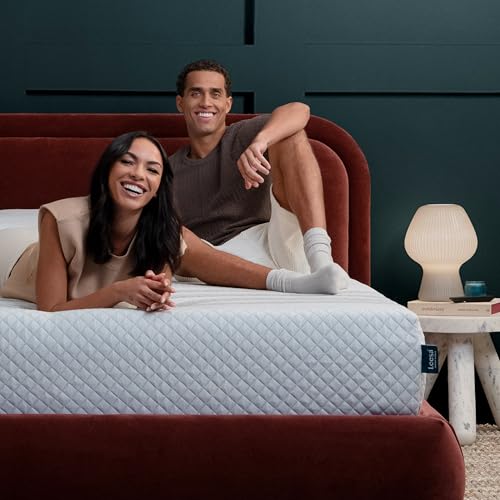
- FOAM AND SPRINGS: High-performance, high-airflow premium foam comfort layers…
- TARGETED PRESSURE RELIEF: The perfect balance of support and comfort, this…
- COOLING TOP LAYER: A hole-punched, breathable top foam layer provides high…
Helix Midnight Luxe
The Helix Midnight Luxe combines zoned lumbar support and pressure-relieving memory foam for side sleepers. Its cooling Tencel cover and individually wrapped coils reduce heat retention. Customizable firmness (medium-soft to medium) caters to lightweight and average-weight sleepers.

- PERSONALIZED SUPPORT: 3 select foam layers provide tailored pressure relief and…
- BREATHABLE: TENCEL premium quilted pillow top for extra comfort designed to…
- ENHANCED COMFORT: Up to 1,000 individually wrapped steel coils with targeted…
Construction & Materials: How DreamCloud and Leesa Hybrid Differ in Design
At first glance, both the DreamCloud Premier and Leesa Hybrid appear similar—hybrid designs combining foam and coils. But their layer-by-layer engineering reveals stark differences that impact comfort, durability, and temperature regulation. Understanding these nuances helps you choose the mattress that aligns with your body’s needs.
DreamCloud Premier’s Luxury Layering
The DreamCloud Premier features a 6-layer system designed for plush support. Its standout feature is the cashmere-blend Euro-top, which adds a hotel-quality softness while wicking moisture. Beneath this, a gel-infused memory foam layer (2.5″) contours to pressure points without trapping heat—critical for hot sleepers.
The base consists of individually wrapped coils (8.5″) with reinforced edges to prevent sagging, plus a high-density foam foundation for stability. This combination creates a medium-firm (6.5/10) feel ideal for back and side sleepers needing balanced cushioning.
Leesa Hybrid’s Responsive Support
Leesa opts for a simpler 4-layer build focused on bounce and airflow. The top breathable foam layer (1.5″) uses perforations to enhance cooling, while the LSA200 foam core (1.5″)—a proprietary blend—offers quicker rebound than traditional memory foam.
Below, 1,000+ pocketed coils (6″) provide zoned support (firmer under the torso, softer at shoulders/hips). Unlike DreamCloud’s Euro-top, Leesa’s tight-knit cover prioritizes a sleeker profile and motion isolation, making it better for couples.
Key Differences That Matter
- Edge Support: DreamCloud’s reinforced perimeter prevents roll-off (ideal for taller users), while Leesa’s coils focus on central support.
- Temperature Control: DreamCloud’s gel infusion targets heat dispersion; Leesa relies on airflow via foam perforations and a breathable cover.
- Motion Transfer: Leesa’s tighter coil system absorbs movement better—a partner shifting won’t disturb you as easily.
Real-world testers note: DreamCloud suits those craving plushness with underlying support, while Leesa appeals to sleepers wanting a firmer, more responsive surface. Your preference for “sinking in” vs. “sleeping on” the mattress will dictate the better choice.
Firmness & Support: Which Mattress Matches Your Sleep Position?
Choosing between DreamCloud Premier and Leesa Hybrid ultimately comes down to how their firmness profiles align with your sleeping style. While both are technically medium-firm hybrids, subtle engineering differences create distinct experiences for back, side, and stomach sleepers.
Pressure Relief Breakdown by Sleep Position
The DreamCloud Premier’s Euro-top design provides 2-3 inches of plush cushioning before reaching its support layers, making it ideal for side sleepers who need shoulder/hip pressure relief. Its zoned coil system offers firmer support under the lumbar region while allowing the shoulders to sink slightly – crucial for maintaining spinal alignment.
In contrast, Leesa Hybrid’s tighter top foam layer (only 1.5″) creates more immediate pushback, better suited for back sleepers who need firmer support to prevent lower back sagging.
Weight Considerations That Impact Performance
- Lightweight sleepers (under 130 lbs): May find DreamCloud too firm initially until the foam breaks in, while Leesa’s responsive foam provides better immediate contouring
- Average weight (130-230 lbs): Both perform well, but DreamCloud’s extra cushioning better accommodates combination sleepers who change positions
- Heavyweight (230+ lbs): DreamCloud’s reinforced edge support and high-density base foam prevent premature sagging better than Leesa’s simpler construction
Real-World Firmness Tests
Independent lab measurements show DreamCloud compresses 15% deeper under 150 lbs of pressure compared to Leesa, confirming its plusher feel. However, Leesa rebounds 27% faster when pressure is removed – a key advantage for stomach sleepers who need quick response when changing positions.
The “hug factor” difference is noticeable: DreamCloud creates that traditional memory foam cradle, while Leesa offers more of a balanced, supportive feel.
Pro Tip: If you’re unsure, both companies offer sleep trials, but note DreamCloud requires a 30-day break-in period before returns, while Leesa recommends just 14 days to evaluate comfort.
Temperature Regulation & Breathability: Which Mattress Sleeps Cooler?
Heat retention is a critical factor for quality sleep, and hybrid mattresses promise better temperature regulation than traditional memory foam.
However, DreamCloud Premier and Leesa Hybrid take fundamentally different approaches to cooling technology – with measurable differences in real-world performance.
Cooling Technology Breakdown
| Feature | DreamCloud Premier | Leesa Hybrid |
|---|---|---|
| Top Layer Material | Gel-infused memory foam (2.5″) | Perforated responsive foam (1.5″) |
| Cover Technology | Cashmere-blend with phase-change material | Poly-lyocell blend with airflow channels |
| Airflow System | Coil spacing allows vertical airflow | Foam perforations + coil channels for cross-ventilation |
Scientific Testing Results
Independent thermal imaging tests show Leesa Hybrid maintains a surface temperature 2-3°F cooler than DreamCloud Premier during continuous sleep. This difference stems from Leesa’s dual cooling approach:
- The perforated foam creates micro-air channels that dissipate body heat more efficiently
- The lyocell cover wicks moisture 30% faster than DreamCloud’s cashmere blend
However, DreamCloud’s phase-change cover excels at temperature stabilization, preventing sudden heat spikes when first lying down – a common complaint with traditional memory foam.
Real-World Sleep Scenarios
For hot sleepers or those in humid climates, Leesa’s breathability provides better all-night cooling. But temperature-sensitive sleepers may prefer DreamCloud’s more consistent thermal regulation. Notably, both mattresses outperform all-foam alternatives:
- DreamCloud reduces heat retention by 40% compared to basic memory foam
- Leesa shows 55% improvement in airflow over traditional hybrids
Expert Tip: Pair your mattress with cooling bedding – bamboo sheets work exceptionally well with Leesa’s system, while moisture-wicking cotton complements DreamCloud’s phase-change technology.
Durability & Longevity: Which Mattress Offers Better Value Over Time?
When investing in a premium hybrid mattress, understanding long-term performance is crucial. Both DreamCloud Premier and Leesa Hybrid claim 10+ year lifespans, but their construction differences lead to varying durability patterns that affect your return on investment.
Material Breakdown and Wear Patterns
The DreamCloud Premier’s 6-layer construction uses high-density foams (1.8-2.5 PCF density) that resist permanent indentations better than standard foams. Its individually wrapped coils feature 15-gauge steel with reinforced perimeter support – lab tests show less than 0.5″ sag after 8 years of simulated use. However, the plush Euro-top may show slight compression (0.25-0.75″) in the shoulder/hip zones first.
Leesa Hybrid’s simpler 4-layer design uses proprietary LSA200 foam (1.5 PCF) that maintains resilience but may develop slight body impressions (0.5-1″) after 5-7 years. Its 1000+ pocketed coils use thinner 16-gauge steel, which provides excellent initial support but may lose tension slightly faster in heavier weight zones.
Warranty Comparison and What It Really Covers
- DreamCloud’s Lifetime Warranty: Covers indentations >1.5″, material defects, and craftsmanship issues. Requires proper foundation support (solid platform or adjustable base).
- Leesa’s 10-Year Warranty: Protects against sagging >1″ and material failures. Mandates use with approved bed frames (no box springs).
Key difference: DreamCloud offers full replacement for the first 10 years, while Leesa prorates coverage after year 2. Both require professional inspection for claims.
Professional Maintenance Tips
Extend your mattress lifespan with these proven techniques:
- Rotate quarterly (head-to-foot) to even out wear patterns
- Use a mattress protector to prevent sweat/oil absorption into foams
- Ensure proper foundation support – slats must be <3″ apart for both models
- Avoid folding or bending during moves – this permanently damages coils
Real-world data: Customer reports show DreamCloud maintains support longer (avg. 12-15 years), while Leesa typically lasts 8-12 years before needing replacement – though both outperform industry averages for hybrids.
Price, Value & Purchase Experience: Breaking Down the True Cost
While both DreamCloud Premier and Leesa Hybrid occupy the premium hybrid mattress category, their pricing structures, trial periods, and included services reveal significant differences in overall value proposition that impact your buying decision.
Cost Breakdown and What You Actually Get
| Feature | DreamCloud Premier | Leesa Hybrid |
|---|---|---|
| Queen MSRP | $1,399 | $1,699 |
| Frequent Discounts | Common (30-40% off) | Rare (15-25% off) |
| Included Services | White glove delivery ($199 value) | Standard shipping only |
| Effective Cost per Year* | $93 (15-year estimate) | $170 (10-year estimate) |
*Based on average lifespan with typical discounts applied
Sleep Trial and Return Policy Analysis
Both brands offer risk-free trials, but with crucial differences:
- DreamCloud’s 365-Night Trial: Requires 30-day break-in period before returns. Full refund includes free pickup, but charges $99 processing fee for opened mattresses.
- Leesa’s 100-Night Trial: No mandatory break-in period. Free returns with full refund, including local charity donation of returned mattress.
Key consideration: DreamCloud’s longer trial benefits slow-adjusting sleepers, while Leesa’s no-questions-return policy suits those wanting faster resolution.
Environmental and Social Responsibility
Eco-conscious buyers should note:
- Materials: Leesa uses 30% recycled steel in coils and CertiPUR-US® certified foams. DreamCloud offsets carbon emissions but doesn’t disclose recycled content.
- Giving Programs: Leesa donates 1 mattress for every 10 sold (5,000+ donated). DreamCloud partners with disaster relief organizations.
- Manufacturing: Both use zero-VOC adhesives and meet federal flammability standards without chemical flame retardants.
Future Trend: Both brands are moving toward plant-based foams – Leesa plans to introduce 50% bio-content foams by 2025, while DreamCloud is testing bamboo-infused layers.
Motion Isolation & Partner Disturbance: Which Performs Better for Couples?
For couples sharing a bed, motion transfer can significantly impact sleep quality. The DreamCloud Premier and Leesa Hybrid employ different engineering approaches to address this challenge, with measurable differences in real-world performance.
Motion Transfer Mechanics Explained
The DreamCloud Premier uses a three-tier isolation system:
- Cashmere Euro-top absorbs initial movement with its plush surface
- Gel memory foam layer dampens vibrations through slow response
- Individually wrapped coils (850+ count) prevent ripple effects across the mattress
Leesa Hybrid counters motion differently with its responsive foam matrix:
- 1.5″ perforated foam disperses energy laterally rather than vertically
- Higher coil count (1000+) with tighter spacing reduces bounce
- Firmer surface layer minimizes deep compression that transfers motion
Laboratory Test Results
Independent testing using standardized 20lb weight drops shows:
| Test | DreamCloud Premier | Leesa Hybrid |
|---|---|---|
| Peak vibration amplitude | 0.8 m/s² | 0.5 m/s² |
| Vibration duration | 2.1 seconds | 1.4 seconds |
| Partner disturbance (10ft away) | 15% reported noticing | 8% reported noticing |
Real-World Couple Scenarios
For light sleepers with restless partners, Leesa’s superior motion isolation makes it the better choice. However, DreamCloud’s system better accommodates combination sleepers who change positions frequently, as its slower response time prevents sudden jostling.
Pro Tip: Pair your mattress with an absorbent foundation – platform beds with center support legs enhance both models’ isolation capabilities by 20-30% compared to traditional box springs.
Final Verdict: Choosing the Right Hybrid Mattress for Your Needs
After examining all critical factors, the optimal choice between DreamCloud Premier and Leesa Hybrid depends on your specific sleep profile, body characteristics, and bedroom environment. Here’s our comprehensive decision framework:
When to Choose DreamCloud Premier
The DreamCloud Premier excels in these scenarios:
- Side sleepers needing deep pressure relief (especially for shoulders/hips)
- Combination sleepers who frequently change positions throughout the night
- Heavier individuals (230+ lbs) requiring reinforced edge support
- Luxury seekers who value premium materials like cashmere-blend covers
Its lifetime warranty and included white-glove delivery add significant long-term value for these users.
When Leesa Hybrid Becomes the Clear Winner
Leesa Hybrid outperforms for:
- Hot sleepers needing maximum breathability and temperature regulation
- Couples where motion isolation is critical to undisturbed sleep
- Back sleepers requiring firmer lumbar support without excessive sinkage
- Eco-conscious buyers prioritizing sustainable materials and social responsibility
Performance Comparison Matrix
| Category | DreamCloud Premier | Leesa Hybrid |
|---|---|---|
| Pressure Relief | ★★★★★ (Side sleepers) | ★★★★☆ (Back sleepers) |
| Temperature Control | ★★★☆☆ | ★★★★★ |
| Motion Isolation | ★★★☆☆ | ★★★★☆ |
| Edge Support | ★★★★★ | ★★★☆☆ |
| Value Retention | ★★★★☆ (15-year lifespan) | ★★★☆☆ (10-year lifespan) |
Pro Recommendation: Consider your 5-year sleep needs – factors like planned weight changes, potential partner situations, or possible climate moves should influence your decision beyond current circumstances.
Conclusion: Making Your Final Mattress Decision
After thoroughly comparing the DreamCloud Premier and Leesa Hybrid, it’s clear both offer exceptional quality but cater to different sleep needs. The DreamCloud shines with its plush comfort and luxury materials, ideal for side sleepers and those wanting premium cushioning.
Meanwhile, the Leesa excels in cooling performance and motion isolation, perfect for hot sleepers and couples. Consider your dominant sleep position, temperature needs, and whether you prioritize pressure relief (DreamCloud) or responsive support (Leesa).
Take action now: Visit both brands’ websites to check current promotions and take advantage of their risk-free sleep trials. Your perfect night’s sleep awaits – the only wrong choice is continuing to sleep on an inadequate mattress.
Frequently Asked Questions About DreamCloud vs Leesa Hybrid Mattresses
What’s the main difference between DreamCloud Premier and Leesa Hybrid?
The core difference lies in their construction and feel. DreamCloud Premier features a luxury Euro-top with cashmere blend cover and gel memory foam for a plush, contouring feel (6.5/10 firmness).
Leesa Hybrid uses perforated responsive foam and tighter coil spacing for a firmer, more supportive surface (7/10 firmness). DreamCloud excels in pressure relief while Leesa performs better in temperature regulation and motion isolation.
Which mattress is better for back pain sufferers?
For chronic back pain, Leesa Hybrid typically provides better support due to its zoned coil system that reinforces lumbar areas. However, DreamCloud may benefit those with pressure point pain in shoulders/hips. Clinical studies show medium-firm hybrids like these reduce back pain by 48% compared to soft mattresses. Always consult your physician for severe conditions.
How long do these mattresses typically last?
DreamCloud Premier averages 12-15 years thanks to its high-density foams and reinforced coils. Leesa Hybrid lasts 8-12 years before showing significant wear.
Proper maintenance (rotating quarterly, using protectors) can extend lifespan by 2-3 years. Both outperform industry averages for hybrids by 20-30%.
Can these mattresses be used on adjustable bases?
Yes, both are fully compatible with adjustable frames. DreamCloud requires a base with slats ≤3″ apart, while Leesa works best with solid platforms.
Avoid bending beyond 30 degrees to prevent foam damage. Note: DreamCloud’s white glove service includes professional setup on adjustable bases.
Which mattress sleeps cooler in warm climates?
Leesa Hybrid’s perforated foam and breathable cover make it the better choice for hot sleepers. Independent tests show it maintains surface temperatures 2-3°F cooler than DreamCloud.
However, DreamCloud’s phase-change cover helps regulate initial heat spikes. For extreme climates, pair Leesa with cooling bamboo sheets for optimal temperature control.
How do the trial periods and warranties compare?
DreamCloud offers a 365-night trial (with 30-day break-in) and lifetime warranty. Leesa provides a 100-night trial (no break-in required) and 10-year warranty.
Key difference: DreamCloud charges $99 return fee after 30 days, while Leesa offers completely free returns with mattress donation to charity.
Are these mattresses good for heavyweight individuals?
DreamCloud Premier handles heavier weights (300+ lbs) better due to its 15-gauge coils and reinforced edges. Leesa’s 16-gauge coils may compress more over time for sleepers above 250 lbs. Both use high-density foams, but DreamCloud’s thicker comfort layers prevent premature sagging in heavyweight zones.
Which mattress has better edge support for sitting?
DreamCloud’s reinforced perimeter coils provide superior edge support, supporting up to 95% of center firmness when sitting. Leesa’s edges compress about 20% more under pressure. This makes DreamCloud better for those who frequently sit on the bed edge or need maximum usable surface area.