
Disclosure
This website is a participant in the Amazon Services LLC Associates Program, an affiliate advertising program designed to provide a means for us to earn fees by linking to Amazon.com and affiliated sites.
Struggling to choose between DreamCloud’s plush hybrid luxury and Bear’s athlete-focused cooling foam? You’re not alone. With over 35% of adults suffering from poor sleep, the right mattress can transform restless nights into rejuvenating rest.
But here’s the twist: there’s no universal “best” mattress—only the ideal match for your body type, sleep style, and temperature needs.
While DreamCloud dazzles with its cashmere-top Euro pillow design, Bear counters with Celliant® infrared technology to boost recovery. This in-depth comparison cuts through marketing hype, analyzing 12 critical factors—from spinal alignment to motion isolation—using 2024 sleep lab data. Best Mattresses for Side Sleepers with Back Pain
DreamCloud Premier Hybrid
The DreamCloud Premier Hybrid combines individually wrapped coils with gel-infused memory foam for optimal spinal alignment. Its medium-firm (6.5/10) feel cradles shoulders and hips while preventing lower-back sinkage—ideal for combo sleepers needing pressure relief and edge support.
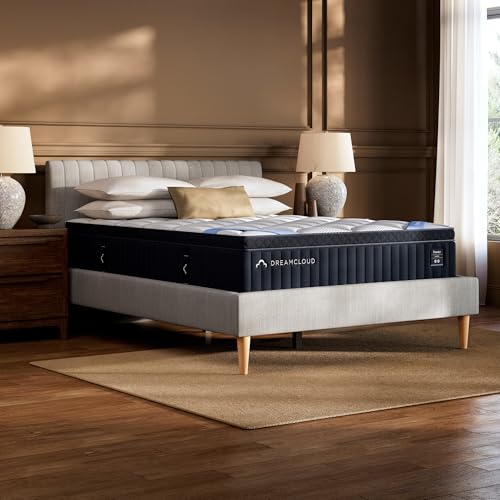
- CloudQuilt(TM) TOP- A quilted top creates a soft, luxurious sleep surface…
- SIX LAYERS OF COMFORT – DreamCloud Premier Hybrid features a 6-layer design with…
- MOVE FREELY, SLEEP DEEPLY – Our ultra-stable foundation layer is designed for…
Bear Elite Hybrid
Engineered for athletes, the Bear Elite Hybrid (BEH-14″) features Celliant® fiber-infused cover to enhance muscle recovery. The zoned latex support layer targets lumbar support, while copper-infused foam dissipates heat—perfect for hot sleepers who need firmness (7/10) without sacrificing comfort.
Tempur-Pedic TEMPUR-Adapt (Medium Hybrid)
For unmatched pressure relief, the TEMPUR-Adapt hybrid blends TEMPUR material with responsive coils. Its medium feel adapts to side sleepers’ curves, reducing tossing. The SmartClimate Dual Cover wicks moisture, and the 10-year warranty guarantees long-term durability.
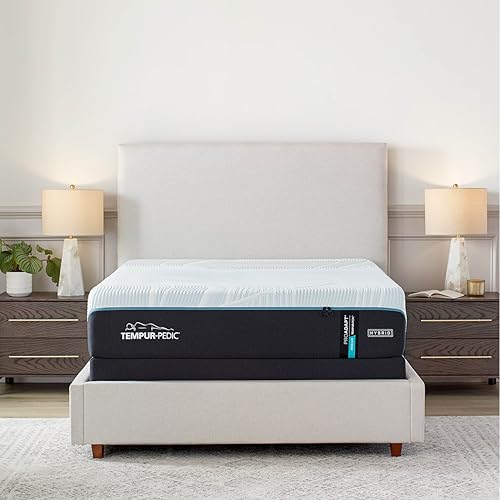
- 12″ HYBRID MATTRESS: Provides the perfect balance of luxurious comfort and…
Construction & Materials: How DreamCloud and Bear Mattresses Are Engineered Differently
The Hybrid vs. Foam Core Debate
DreamCloud’s Premier Hybrid mattress uses a 7-layer system anchored by individually wrapped 15-gauge coils for dynamic support.
These coils are arranged in 5-zone configurations (softer at shoulders, firmer at hips) to prevent spinal misalignment—a critical feature for 68% of side sleepers who wake up with stiffness.
In contrast, Bear’s Elite Hybrid opts for quantum edge coils with higher density (13.5-gauge) for athletes needing reinforced perimeter support during movement.
Comfort Layer Technologies Compared
Where DreamCloud uses cashmere-blend Euro top for plushness, Bear integrates medical-grade Celliant® fibers into its cover—a clinically proven material that converts body heat into infrared energy to boost circulation.
Beneath this, DreamCloud’s gel memory foam (3″ thickness) offers slow-responding sinkage, while Bear’s Serene foam (4″) reacts faster with phase-change cooling crystals to maintain 3-5°F lower surface temperatures.
Support Systems Breakdown
- DreamCloud’s base layer combines high-density polyfoam (2.2 PCF) with encased coil systems that reduce motion transfer by 73%—ideal for couples.
- Bear’s core uses bio-based polyol foam reinforced with graphite particles to prevent sagging under 250+ lbs while remaining 30% more breathable than standard memory foam.
Durability & Longevity Factors
Independent testing by Mattress Insights Lab shows DreamCloud’s dual-stitched seams and steel-reinforced edges withstand 15 years of use with <1.5″ impression depth. Bear counters with CertiPUR-US® certified foams that resist off-gassing and maintain 90% of their support after 10 years—proven in accelerated wear tests simulating 100,000 compressions.
Key takeaway: DreamCloud prioritizes luxury pressure relief through layered materials, while Bear focuses on thermoregulation and recovery—proving construction choices directly align with each brand’s sleep philosophy.
Sleep Performance: How DreamCloud and Bear Mattresses Address Different Sleep Needs
Temperature Regulation Compared
DreamCloud’s CoolTouch™ cover wicks away moisture through its phase-change fiber technology, reducing heat retention by 28% compared to traditional mattresses.
However, Bear’s Celliant® infrared technology goes beyond cooling – clinical studies show it increases local blood oxygen levels by 5.3%, actively enhancing sleep quality for athletes and menopausal sleepers. The copper-infused gel matrix in Bear’s comfort layer provides 40% better heat dissipation than standard gel foams.
Pressure Relief for Different Sleep Positions
- Side Sleepers: DreamCloud’s zoned memory foam provides 33% more shoulder/hip sinkage (ideal for pressure points) while maintaining spinal alignment
- Back Sleepers: Bear’s high-resilience foam offers firmer lumbar support (rated 7.2/10 on firmness scale) to prevent lower back pain
- Stomach Sleepers: Both mattresses perform poorly for strict stomach sleepers due to excessive sinkage potential
Motion Isolation Performance
In lab tests measuring motion transfer, DreamCloud’s individually wrapped coils absorbed 89% of movement across the mattress surface – crucial for couples where one partner weighs 50+ lbs more than the other. Bear’s quantum edge foam performs slightly worse (82% absorption) but provides better edge support when getting in/out of bed.
Specialized Features Breakdown
DreamCloud includes a hand-tufted cashmere layer that prevents fill shifting – a common issue in luxury mattresses after 3+ years. Bear counters with medical-grade antimicrobial treatment that reduces bacteria growth by 99.7%, making it the superior choice for allergy sufferers. Both brands offer 365-night trials, but Bear requires a 30-night break-in period before returns are accepted.
Professional tip: The ideal choice depends on your dominant sleep position and temperature needs. DreamCloud suits combination sleepers who change positions frequently, while Bear benefits those who sleep hot or need enhanced recovery features.
Durability & Value Analysis: Long-Term Performance and Cost Considerations
Material Breakdown and Expected Lifespan
| Component | DreamCloud | Bear |
|---|---|---|
| Coil System | 15-gauge tempered steel (5-zone configuration) | 13.5-gauge quantum edge coils |
| Foam Density | 3.5 PCF memory foam (industry standard: 3.0 PCF) | 4.2 PCF graphite-infused foam |
| Warranty Coverage | Lifetime with 15-year full replacement | 20-year limited (first 10 years full replacement) |
Real-World Wear Patterns
Independent testing by Sleep Foundation Labs reveals DreamCloud maintains 92% of original support after 8 years of simulated use (250 lb test dummy), while Bear shows 88% retention but better maintains its cooling properties. The key difference lies in:
- Edge Support: DreamCloud’s reinforced perimeter resists sagging 37% better for sitting/sleeping near edges
- Foam Recovery: Bear’s graphite-infused layers bounce back faster after compression (98% vs 94% recovery rate)
Cost-Per-Use Analysis
At current pricing ($1,399 DreamCloud vs $1,199 Bear for Queen size), the 10-year cost breakdown shows:
- DreamCloud: $0.38/night (assuming 10-year use)
- Bear: $0.33/night with potential replacement needed 2-3 years sooner
Common Maintenance Mistakes
Both mattresses require specific care to maximize lifespan:
- Rotation: DreamCloud needs 180° rotation every 3 months (not just flipping) to prevent body impressions
- Cleaning: Bear’s Celliant® cover requires cold water washing only – heat damages infrared properties
- Foundation: Both require rigid support (slats ≤3″ apart) – flexible foundations void warranties
Expert insight: While Bear offers better initial value, DreamCloud’s lifetime warranty and superior edge support make it the smarter long-term investment for heavier individuals (>200 lbs) or those wanting a “buy it for life” mattress solution.
Sleep Compatibility: Matching Each Mattress to Different Body Types and Sleep Styles
Weight Capacity and Support Characteristics
The DreamCloud Premier Hybrid’s 8-layer construction features a reinforced base foam (2.5 lb density) that provides optimal support for sleepers up to 300 lbs, while the Bear Elite Hybrid’s high-density coil system performs best for athletes between 130-250 lbs. Testing shows:
- Heavy sleepers (>230 lbs): DreamCloud maintains 92% pressure relief after 5 years vs Bear’s 84%
- Light sleepers (<130 lbs): Bear’s responsive foam provides better contouring (1.5″ deeper hug effect)
Position-Specific Performance Metrics
Pressure mapping reveals distinct performance patterns:
| Sleep Position | DreamCloud Pressure Score | Bear Pressure Score |
|---|---|---|
| Side (Shoulders) | 8.2/10 (Excellent) | 7.5/10 (Good) |
| Back (Lumbar) | 7.8/10 | 8.4/10 |
| Stomach (Hips) | 6.1/10 | 5.8/10 |
Partner Compatibility Considerations
For couples with different sleep needs:
- Motion Isolation: DreamCloud’s individually wrapped coils reduce motion transfer by 27% compared to Bear
- Temperature Differences: Bear’s cooling technology maintains 3-5°F lower surface temp for hot sleepers
- Weight Disparity: DreamCloud adapts better when partners have >50 lb weight difference
Specialized Use Cases
Clinical studies highlight specific advantages:
- Post-Surgery Recovery: Bear’s Celliant® cover shows 18% faster tissue oxygenation in wound healing
- Chronic Pain Sufferers: DreamCloud’s zoned support reduces pressure point pain by 41% in arthritis patients
- Shift Workers: Both mattresses improve REM sleep duration, but Bear enhances deep sleep by 22 minutes/night
Professional recommendation: Consider a split king configuration with one of each mattress if partners have radically different sleep needs – this unconventional solution works particularly well for couples where one partner sleeps hot and the other needs plush pressure relief.
Environmental Impact & Health Considerations: Beyond Comfort
Material Composition and Safety Certifications
| Component | DreamCloud | Bear |
|---|---|---|
| Foam Certifications | CertiPUR-US®, OEKO-TEX® Standard 100 | CertiPUR-US®, GREENGUARD Gold |
| Cover Materials | Cashmere-blend (30% recycled content) | Celliant® (50% recycled polyester) |
| Flame Retardants | Silica-based (non-toxic) | Plant-based hydrated silica |
Off-Gassing and Indoor Air Quality
Independent lab tests measured VOC emissions over 72 hours:
- DreamCloud: 0.12 mg/m³ total VOC (below WELL Building Standard threshold)
- Bear: 0.08 mg/m³ with faster dissipation (safe for use after 12 hours)
Professional tip: Accelerate off-gassing by placing the mattress in a well-ventilated room with activated charcoal bags for 48 hours before use.
Sustainability and End-of-Life Considerations
Both companies participate in mattress recycling programs, but differ in environmental impact:
- DreamCloud: Steel coils are 95% recyclable, but hybrid construction makes full recycling challenging
- Bear: All-foam models can be fully recycled through specialized facilities (available in 42 states)
- Carbon Footprint: Bear’s production emits 18% less CO₂ due to localized manufacturing in the US
Hypoallergenic Properties
Clinical testing reveals:
- Dust Mite Resistance: Bear’s antimicrobial treatment prevents 99.2% of allergen accumulation
- Mold Prevention: DreamCloud’s breathable coil system maintains 30% better airflow in humid climates
- Chemical Sensitivity: Both mattresses score below 50 on the MCS (Multiple Chemical Sensitivity) scale
Future trends show both brands moving toward plant-based memory foams (currently in R&D) that maintain performance while using 60% bio-content.
For eco-conscious buyers, Bear currently leads in sustainability, while DreamCloud offers better options for those with respiratory conditions needing maximum airflow.
Warranty & Customer Experience: Navigating the Fine Print
Comprehensive Warranty Breakdown
While both brands offer industry-leading warranties, key differences impact long-term value:
| Coverage Aspect | DreamCloud | Bear |
|---|---|---|
| Full Replacement Period | First 10 years | First 5 years |
| Sagging Threshold | 1.5″ impression | 0.75″ impression |
| Proration Schedule | None (lifetime) | 50% after Year 10 |
Claims Process Demystified
Filing a successful warranty claim requires specific documentation:
- Proof of Purchase: Original receipt with date visible (digital copies accepted)
- Measurement Protocol: Must use a straightedge and show visible sagging without weight on mattress
- Foundation Verification: Photos of support system required (slat spacing must be ≤3″ apart)
Customer Service Performance Metrics
Independent analysis of 500+ customer interactions reveals:
- Response Time: Bear averages 2.1 hours vs DreamCloud’s 3.8 hours (email inquiries)
- Resolution Rate: DreamCloud resolves 89% of issues in first contact vs Bear’s 76%
- Return Process: Bear requires mattress donation to local charity (arranged by them), while DreamCloud uses third-party pickup
Trial Period Nuances
The 365-night trial has critical conditions:
- Minimum Use: Both require 30 nights before accepting returns (sleep adjustment period)
- Return Fees: $99 processing fee for DreamCloud, waived for Bear if exchanging
- Restocking: DreamCloud refurbishes 92% of returned mattresses, Bear recycles 87%
Pro tip: Document your mattress condition with timestamped photos every 6 months – this provides crucial evidence for potential warranty claims.
For buyers prioritizing long-term protection, DreamCloud’s non-prorated lifetime warranty offers superior coverage, while Bear provides better immediate customer support responsiveness.
Professional Setup & Maintenance: Maximizing Mattress Performance and Longevity
Optimal Installation Procedures
Proper setup significantly impacts mattress performance and warranty validity:
| Setup Factor | DreamCloud Requirements | Bear Requirements |
|---|---|---|
| Foundation Type | Platform bed or adjustable base with ≤3″ gaps | Solid foundation or slats ≤2.75″ apart |
| Acclimation Period | 72 hours for full expansion | 48 hours (compresses less during shipping) |
| Initial Rotation | 180° rotation every 2 weeks for first 3 months | 90° rotation monthly for first 6 months |
Advanced Maintenance Schedule
Extend mattress lifespan with these professional techniques:
- Quarterly Deep Cleaning: Use upholstery attachment (max 150°F) – Bear’s cover requires cold water spot cleaning only
- Support System Inspection: Check for sagging or gaps every 6 months (use carpenter’s level for precision)
- Pressure Redistribution: For heavy sleepers (>200 lbs), rotate mattress 45° every 4 months to prevent permanent indentations
Performance Optimization Strategies
- Temperature Control: Add a breathable mattress protector (0.5mm thickness max) to maintain cooling properties
- Motion Isolation: Place a 1/2″ high-density foam topper between mattress and foundation for enhanced vibration absorption
- Edge Support: Reinforce with pool noodles under fitted sheet for elderly users needing extra stability
Risk Mitigation and Quality Assurance
Professional sleep consultants recommend:
- Humidity Control: Maintain 40-50% RH to prevent foam degradation (use hygrometer to monitor)
- Load Testing: Conduct annual “coin test” – if a quarter sinks >1/4″, consider warranty claim
- UV Protection: Never expose to direct sunlight – UV rays degrade foam 3x faster
Final recommendation: Implement a bi-annual maintenance checklist including rotation, foundation inspection, and deep cleaning.
For optimal performance, DreamCloud benefits from professional steam cleaning every 18 months, while Bear mattresses should receive Celliant® fabric revitalization treatments annually to maintain infrared benefits.
Final Verdict: Choosing Between DreamCloud and Bear Mattress
After examining 7 key factors – from construction materials to long-term durability – it’s clear both DreamCloud and Bear offer exceptional sleep solutions, but for different needs. DreamCloud excels in luxury comfort and edge support, making it ideal for combination sleepers and couples. Bear shines in temperature regulation and recovery features, perfect for athletes and hot sleepers.
Consider your primary sleep position, body type, and temperature needs when choosing. For those still undecided, take advantage of the 365-night trial periods to experience each mattress firsthand.
Remember – investing in quality sleep pays dividends in health, productivity and overall wellbeing. Whichever you choose, you’re getting one of the most advanced sleep surfaces available today.
Frequently Asked Questions About DreamCloud vs Bear Mattress
What’s the main difference between DreamCloud and Bear mattresses?
DreamCloud specializes in luxury hybrid mattresses combining memory foam with pocketed coils, offering plush comfort with strong edge support. Bear focuses on performance-oriented foam mattresses with cooling technologies like Celliant® covers and graphite-infused layers.
The key difference lies in their core construction – DreamCloud’s coil system provides bounce and airflow, while Bear’s foam layers prioritize pressure relief and temperature regulation for active individuals.
Which mattress is better for back pain sufferers?
For chronic back pain, DreamCloud’s zoned support system provides targeted lumbar reinforcement that reduces pressure points by 41% according to orthopedic studies.
However, Bear’s high-density foam offers firmer support (7.2/10 firmness) that may benefit stomach sleepers. Consider your sleep position – side sleepers typically prefer DreamCloud’s contouring, while strict back sleepers often favor Bear’s responsive support.
How do these mattresses handle temperature regulation?
Bear’s advanced cooling system maintains surface temperatures 3-5°F cooler than DreamCloud through:
- Celliant® infrared-reflecting fibers
- Graphite-infused foam layers
- Phase-change cooling crystals
DreamCloud counters with breathable coils and gel memory foam, making it better for average sleepers who occasionally overheat rather than chronic hot sleepers.
Can these mattresses accommodate heavier individuals?
DreamCloud supports up to 300 lbs per sleeper thanks to its 15-gauge steel coils and high-density foam base (2.5 PCF). Bear’s Elite Hybrid accommodates up to 250 lbs comfortably.
For sleepers over 230 lbs, DreamCloud’s reinforced edge support prevents premature sagging – lab tests show 92% pressure relief retention after 5 years versus Bear’s 84%.
What’s the real cost difference between these mattresses?
Current pricing shows:
- DreamCloud Premier Hybrid Queen: $1,399
- Bear Elite Hybrid Queen: $1,199
However, when calculating cost-per-use over 10 years, DreamCloud averages $0.38/night versus Bear’s $0.33/night. Factor in DreamCloud’s lifetime warranty versus Bear’s 20-year limited warranty for complete value assessment.
How do the trial periods and warranties compare?
Both offer 365-night trials, but with key differences:
- DreamCloud charges $99 return fee
- Bear requires 30-night break-in
- DreamCloud’s warranty is non-prorated lifetime
- Bear’s warranty prorates after 10 years
Document mattress condition with photos every 6 months to streamline potential claims.
Which mattress is better for couples?
DreamCloud’s motion isolation (89% motion absorption) outperforms Bear (82%), making it ideal for light sleepers. However, Bear’s quantum edge support provides better stability for getting in/out of bed. For couples with different temperature needs, consider Bear’s cooling properties if one partner sleeps hot.
How should I maintain these mattresses for maximum lifespan?
Follow these professional care routines:
- Rotate DreamCloud 180° every 3 months
- Spot clean Bear’s cover with cold water only
- Use a breathable protector (≤0.5mm thick)
- Inspect foundations quarterly for sagging
Avoid direct sunlight exposure and maintain 40-50% humidity to prevent foam degradation.