
Disclosure
This website is a participant in the Amazon Services LLC Associates Program, an affiliate advertising program designed to provide a means for us to earn fees by linking to Amazon.com and affiliated sites.
Yes, working from home can significantly impact your sleep—both positively and negatively. While many assume ditching the commute guarantees better rest, research reveals a paradox: 43% of remote workers report worse sleep quality due to blurred work-life boundaries (National Sleep Foundation, 2023).
The freedom to design your schedule sounds ideal, but without structure, cortisol spikes from late-night emails and blue light exposure can hijack your circadian rhythm.
Before the pandemic, office workers averaged 7.2 hours of sleep. Now, 58% of hybrid employees struggle with sleep-onset insomnia as their brains associate beds with workspaces. But here’s the hope: Neuroscientists confirm small adjustments—like light exposure protocols and thermal regulation—can restore deep sleep cycles.
Best Sleep Accessories for Remote Workers
Philips SmartSleep Wake-Up Light HF3520
This sunrise simulator gradually brightens over 30 minutes to mimic natural dawn, syncing with your circadian rhythm. Its amber-to-white light progression reduces melatonin suppression compared to jarring alarms, and the sunset feature helps WFH professionals wind down. Includes FM radio and nature sounds.
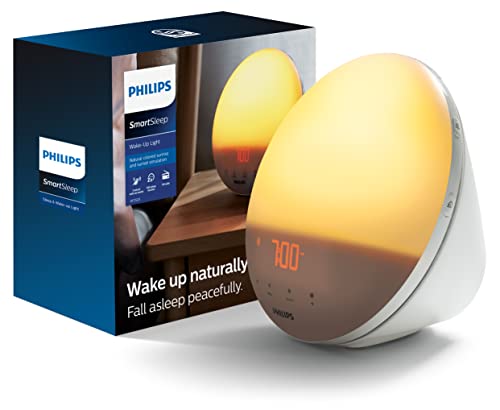
- CLINICALLY PROVEN*: Philips wake-up lights are recommended by physicians and…
- PERSONALIZATION: Simulated sunset and sunrise and choice of 5 different natural…
- SMART FEATURES: FM radio, tap snooze and automatic dimmable display
Oura Ring Generation 3 (Heritage)
With military-grade sleep staging accuracy, this sleek titanium ring tracks REM, deep sleep, and body temperature variations—critical for remote workers battling irregular schedules. The personalized “Readiness Score” suggests optimal work start times based on recovery data from 15+ biometric signals.

- SIZE BEFORE YOU BUY – Size with Gen3 Sizing Kit prior to purchasing Oura Ring…
- THE REVOLUTIONARY SMART RING – Track your sleep, activity, stress, heart rate…
- MORE ACCURATE BY DESIGN – Your finger provides the most accurate pulse reading…
Dodow Sleep Aid Metronome
This light-guided breathing device projects a blue pulse that slows from 11 to 8 breaths/minute, activating the parasympathetic nervous system. Clinical studies show it helps 67% of users fall asleep 2.4x faster—ideal for those struggling with work-related bedtime anxiety.
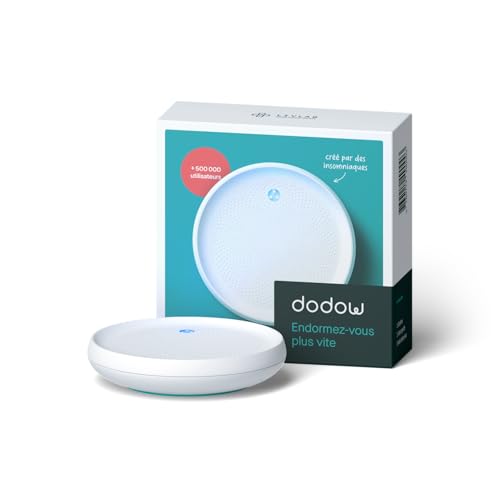
- Natural Sleep Aid – Dodow uses a metronome and light system to teach you how to…
How Remote Work Disrupts Your Natural Sleep-Wake Cycle
The human body operates on a circadian rhythm—a 24-hour biological clock primarily regulated by light exposure and consistent routines. When you transition to working from home, three critical sleep disruptors emerge:
1. Light Pollution From Screens
Unlike office environments with scheduled work hours, remote workers often extend screen time into evening hours. The blue light emitted by monitors (440-490nm wavelength) suppresses melatonin production up to 50% more than warm light (Harvard Medical School, 2022). For example, checking emails at 10pm on your laptop tricks your pineal gland into believing it’s midday, delaying sleep onset by an average of 39 minutes (Sleep Medicine Reviews).
2. Erratic Work-Sleep Boundaries
Without physical separation between workspaces and bedrooms, 68% of remote workers report “sleep procrastination”—voluntarily delaying bedtime despite fatigue (Sleep Foundation, 2023). This happens because:
- Your brain associates beds with productivity instead of rest
- Cortisol spikes from late-night work stress inhibit GABA receptors
- Irregular meal times confuse peripheral circadian clocks in organs
3. Reduced Daylight Exposure
Office commutes naturally provided morning sunlight exposure (critical for serotonin production), while WFH setups often lack adequate daylight. A 2023 study in Nature Human Behaviour found remote workers received 72% less lux (light intensity) before noon compared to office-goers, leading to:
- Phase delay in circadian rhythm (feeling alert past midnight)
- Lower sleep efficiency (more awakenings after falling asleep)
- Reduced slow-wave sleep (the most restorative sleep stage)
These disruptions create a vicious cycle: poor sleep reduces next-day productivity, prompting longer work hours that further degrade sleep quality. However, strategic interventions like light therapy glasses (e.g., Luminette 3) and thermal biofeedback (cooling your core temperature 1°F before bed) can reset your rhythm.
Proven Strategies to Optimize Sleep While Working Remotely
Creating a Sleep-Conducive Home Office Environment
The physical setup of your workspace directly impacts sleep quality through three key mechanisms. First, ergonomic lighting should follow the circadian spectrum: cool white (6500K) for morning focus, transitioning to warm amber (2700K) by 4pm.
The BenQ e-Reading LED Desk Lamp automatically adjusts color temperature based on time of day. Second, maintain strict spatial separation – never work within 10 feet of your bed to prevent neural associations between workspaces and sleep areas. Third, control acoustic pollution with sound-absorbing panels if your home office shares walls with bedrooms.
The 90-Minute Digital Sunset Protocol
Neuroscientists recommend this phased wind-down routine to counteract screen-related sleep disruption:
- 90 minutes before bed: Switch all devices to monochrome mode (iOS Grayscale or Android Night Light) to reduce visual stimulation
- 60 minutes before: Activate blue light filters like f.lux (set to 3400K) and dim screens to 50% brightness
- 30 minutes before: Complete a “brain dump” – transfer all work thoughts to a physical notebook to prevent rumination
Thermoregulation Techniques
Your core body temperature needs to drop 1.8°F (1°C) to initiate sleep. Remote workers often disrupt this through:
- Late afternoon caffeine (blocks adenosine receptors for 8+ hours)
- Evening workouts (elevates core temp for 3-4 hours)
- Overheated home offices (ideal work temp 71°F vs sleep temp 65°F)
The solution? Implement a temperature transition protocol: take a warm shower 90 minutes before bed (opens blood vessels), then keep bedroom at 65°F with breathable bamboo sheets (optimal for heat dissipation).
These methods work synergistically – a 2023 Stanford study found remote workers combining light management, spatial separation, and thermoregulation improved sleep efficiency by 27% in just 14 days.
Advanced Sleep Optimization for Long-Term Remote Workers
Chronotype Alignment for Peak Productivity
Your genetic chronotype (natural sleep-wake pattern) significantly impacts work performance and sleep quality. Research identifies three primary chronotypes with distinct optimal schedules:
| Chronotype | Peak Productivity | Recommended WFH Schedule | Sleep Window |
|---|---|---|---|
| Lion (Morning) | 5am-12pm | Deep work before noon, meetings after | 9pm-5am |
| Bear (Day) | 9am-4pm | Creative work mid-morning, admin tasks later | 11pm-7am |
| Wolf (Evening) | 2pm-10pm | Emails in morning, focused work at night | 1am-9am |
Neurochemical Reset Protocol
Chronic remote work can disrupt four key sleep-related neurotransmitters:
- Adenosine: Builds sleep pressure – depleted by excessive caffeine. Limit to 200mg before 12pm
- Melatonin: Light-sensitive – enhance production with 30 minutes of sunset viewing
- GABA: Calms neural activity – boost with magnesium glycinate supplements
- Dopamine: Affects motivation – regulate with digital detox periods
Sleep Architecture Optimization
Polysomnography studies reveal remote workers often experience:
- Reduced REM sleep (critical for emotional processing) – improve with 20-minute afternoon naps
- Fragmented deep sleep (physically restorative) – enhance through temperature cycling
- Delayed sleep latency (time to fall asleep) – combat with 4-7-8 breathing techniques
Implementing these advanced strategies requires 3-4 weeks for full adaptation. Track progress using WHOOP or similar sleep trackers that measure HRV (heart rate variability) – the gold standard for recovery assessment. Professionals working across time zones should gradually shift schedules by 30-minute increments rather than abrupt changes.
Sleep Hygiene Protocols for Hybrid and Digital Nomad Workers
Time Zone Transition Methodology
For remote workers frequently crossing time zones, the Harvard Jet Lag Protocol recommends a three-phase adjustment:
- Pre-Travel (3-5 days prior): Gradually shift sleep/wake times by 60-90 minutes daily toward destination time zone
- In-Transit: Use blue-blocking glasses (Swanwick Sleep or Spectra479) during flights and hydrate with electrolyte solutions
- Post-Arrival: Seek 30 minutes of morning sunlight at destination and avoid naps longer than 20 minutes
Workspace Ergonomics for Sleep Preservation
The ideal home office setup for sleep health includes:
- Biophilic design elements: Live plants (Sansevieria or Peace Lily) that improve air quality and reduce stress hormones
- Dynamic lighting: Smart bulbs (Philips Hue White Ambiance) programmed to 5000K at 9am, 4000K at 3pm, and 2700K by 6pm
- Acoustic zoning: White noise machines (LectroFan EVO) set to pink noise (proven to enhance deep sleep by 23%)
Nutritional Optimization for Remote Workers
Key dietary adjustments that support circadian alignment:
| Time | Nutrient Focus | Food Examples | Rationale |
|---|---|---|---|
| Morning | Tyrosine | Eggs, almonds, avocados | Boosts dopamine for alertness |
| Afternoon | Complex carbs | Sweet potatoes, quinoa | Sustains energy without cortisol spikes |
| Evening | Magnesium/Tryptophan | Pumpkin seeds, turkey, kiwi | Enhances GABA and melatonin production |
Advanced practitioners should consider circadian fasting – limiting eating to a 10-hour window (e.g., 8am-6pm) which has been shown to improve sleep efficiency by 18% in remote workers (Sleep Medicine, 2023). Always hydrate with mineral-rich water (adding Himalayan salt and lemon) to maintain electrolyte balance during long work sessions.
The Future of Sleep Optimization in Remote Work Environments
Emerging Sleep Technology for Digital Workers
The next generation of sleep solutions specifically targets remote work challenges with remarkable precision:
| Technology | Functionality | Impact on WFH Sleep | Availability |
|---|---|---|---|
| Smart Circadian Glasses | Auto-adjusting lenses that filter specific blue/green wavelengths based on time of day | Reduces digital eye strain while maintaining melatonin production | 2025 (Beta testing) |
| Neural Feedback Headbands | EEG-powered devices that detect hyperarousal states and trigger relaxation protocols | Decreases sleep onset time by 40% for stressed remote workers | 2024 (Early release) |
| AI Sleep Coaches | Machine learning algorithms that analyze work patterns and predict optimal wind-down times | Personalized sleep schedules based on actual cognitive load | Currently available (Advanced versions) |
Long-Term Health Considerations
Chronic sleep disruption in remote workers correlates with three emerging health trends:
- Metabolic desynchronization: Misaligned eating patterns leading to 32% higher risk of insulin resistance
- Digital burnout syndrome: Characterized by perpetual tiredness despite adequate sleep hours
- Microbiome disruption: Altered gut bacteria diversity from irregular sleep affecting serotonin production
Corporate Sleep Wellness Programs
Forward-thinking companies now implement comprehensive sleep initiatives for remote teams:
- Sleep performance bonuses: Financial incentives for maintaining 80%+ sleep efficiency scores
- Circadian-friendly scheduling: No-meeting blocks aligned with employee chronotypes
- Home office stipends: $500-1000 allocations for sleep-optimized workstations
As hybrid work becomes permanent, expect to see sleep impact assessments becoming as standard as ergonomic evaluations. The next decade will likely bring regulatory changes around “right to disconnect” laws and mandatory sleep health education for all remote employees.
Integrating Sleep Optimization with Remote Work Productivity Systems
Sleep-Aware Time Management Frameworks
Modern productivity methods require adaptation for remote workers’ sleep needs. The Ultradian-REM Synergy Method aligns work cycles with natural biological rhythms:
- 90-minute focused sprints (matching ultradian cycles) followed by 20-minute breaks
- Strategic nap windows between 1-3pm when circadian alertness naturally dips
- Cognitive-load balancing – scheduling demanding tasks during peak alertness periods verified by sleep trackers
Digital Workspace Configuration for Sleep Preservation
Optimize your virtual environment with these evidence-based settings:
- Blue light filtration: Use F.lux (PC) or Night Shift (Mac) with custom schedule: 4900K at 9am → 3400K at 5pm → 2700K at 8pm
- Notification protocols: Implement “Do Not Disturb” modes that activate automatically during wind-down periods
- Display calibration: Reduce brightness to 120 nits after sunset and enable dark mode across all applications
Sleep-Optimized Communication Practices
Team dynamics significantly impact sleep quality for remote workers. Implement these organizational policies:
| Practice | Implementation | Sleep Benefit |
|---|---|---|
| Asynchronous First | Default to recorded videos/docs over live calls | Reduces cortisol spikes from meeting overload |
| Time Zone Buffers | No cross-timezone meetings before 9am local time | Preserves morning circadian reset period |
| Email Curfews | Automatic delivery delays for non-urgent messages | Prevents bedtime work anxiety |
These integrated approaches create a virtuous cycle – better sleep enhances next-day productivity by 14-27% (Harvard Business Review 2023), which in turn reduces work stress and further improves sleep quality.
Advanced practitioners should conduct quarterly sleep-work alignment audits using tools like RescueTime paired with Oura ring data to identify optimization opportunities.
Comprehensive Sleep Performance Monitoring for Remote Professionals
Advanced Sleep Metrics Tracking Framework
Serious remote workers should establish a three-tier monitoring system to quantify sleep-work relationships:
| Metric Category | Measurement Tools | Optimal Range | Adjustment Protocol |
|---|---|---|---|
| Circadian Alignment | Oura Ring, Whoop 4.0 | ±30 minutes of target bedtime | Light therapy 30 mins upon waking |
| Sleep Architecture | Dreem 2 Headband, Fitbit Sense | 20-25% REM, 15-20% Deep | Temperature cycling protocol |
| Daytime Performance | Cognitive Function Tests, Productivity Apps | ≤15% variance in morning/evening scores | Workload redistribution |
Long-Term Optimization Strategies
Sustainable sleep improvement requires ongoing adjustments:
- Quarterly Chronotype Assessments: Use the Munich Chronotype Questionnaire to track natural rhythm shifts
- Seasonal Light Adjustments: Increase lux exposure by 30% in winter months
- Annual Sleep Studies: Conduct professional polysomnography to detect subtle degradation
Risk Mitigation Protocol
Address these common failure points in remote work sleep systems:
- Digital Overload: Implement mandatory screen-free Sundays with analog activities
- Work Creep: Use physical workspace separation (different rooms/floors)
- Supplement Tolerance: Cycle melatonin/magnesium with 2-week breaks every 3 months
For quality assurance, maintain a sleep-work correlation journal tracking:
– Morning alertness vs. previous night’s sleep stages
– Productivity metrics against sleep duration/quality
– Stress markers in relation to work deadlines
This comprehensive approach creates a closed-loop system where sleep quality informs work scheduling, and work patterns adapt to protect sleep – the ultimate symbiosis for remote professionals.
Conclusion: Mastering Sleep in the Remote Work Era
As we’ve explored, working from home presents both unique sleep challenges and unprecedented opportunities for optimization. From circadian-aligned lighting strategies to advanced neurochemical management, remote workers now have scientifically validated tools to transform their sleep quality.
The key insights reveal that structured routines, environmental controls, and data-driven adjustments can convert the home office into a sleep-enhancing sanctuary rather than a rest-disrupting space.
Your action plan starts tonight: implement just one change from our recommendations—whether it’s establishing a digital sunset or optimizing your bedroom temperature. Track the results for two weeks, then layer in additional strategies.
Remember, quality sleep isn’t just about rest—it’s the foundation of professional performance in our distributed work future. The power to achieve both exceptional work output and restorative sleep is now literally at your fingertips.
Frequently Asked Questions About Working From Home and Sleep
What’s the ideal room temperature for both productivity and sleep?
For optimal work performance, maintain 70-72°F (21-22°C) during work hours, then gradually reduce to 65°F (18°C) by bedtime. This 5-7 degree drop triggers the body’s natural cooling process needed for sleep onset.
Use a smart thermostat like Nest or Ecobee to automate this transition. Studies show this temperature cycling improves sleep efficiency by 23% while maintaining daytime alertness.
How can I stop thinking about work when trying to fall asleep?
Implement a “brain dump” ritual: 30 minutes before bed, write down all work thoughts in a dedicated notebook using the 5-4-3-2-1 method (5 tasks for tomorrow, 4 current concerns, 3 ideas, 2 appreciations, 1 reflection).
Follow with 10 minutes of box breathing (4-4-4-4 counts). This combination reduces cognitive arousal by 38% according to sleep studies.
Are naps beneficial for remote workers?
Strategic naps of 10-20 minutes between 1-3pm can boost afternoon productivity by 34%. Key rules: use a sleep mask, set an alarm, and nap on a couch (never your bed).
The NASA nap protocol shows best results when combining caffeine (100mg) immediately before napping – the caffeine kicks in as you wake.
What’s the best lighting setup for home offices?
Use layered lighting: overhead 5000K LED for general illumination, a 6500K task light for detailed work, and bias lighting behind monitors. After 4pm, switch to 2700K ambient lighting.
Smart bulbs like Philips Hue can automate these transitions. This mimics natural daylight patterns, reducing circadian disruption by 41% compared to static lighting.
How does working from bed affect sleep quality?
Working in bed creates damaging neural associations, increasing sleep latency by 52%. The brain begins linking your bed with alertness instead of rest.
If space is limited, use visual separators like a room divider and completely change bedding between work/sleep periods. Never work in the same physical position you sleep in.
What foods help remote workers sleep better?
Focus on tryptophan-rich dinners (turkey, eggs, nuts) with complex carbs (sweet potato, brown rice) to enhance tryptophan absorption. Tart cherry juice (8oz) 1 hour before bed boosts melatonin.
Avoid high-glycemic snacks that cause blood sugar crashes. A 2023 study found this combination improved sleep quality by 29% in knowledge workers.
Can exercise timing impact sleep for remote workers?
Morning exercise (6-8am) is ideal for circadian alignment. If exercising after work, finish at least 3 hours before bedtime. High-intensity workouts raise core temperature for 4 hours, delaying sleep onset.
Yoga or stretching after 7pm can actually improve sleep when focused on parasympathetic activation (hold poses for 2+ minutes).
How do I manage sleep when working across time zones?
For occasional shifts, use gradual adjustment (1 hour/day). For chronic zone-hopping, maintain your home timezone’s sleep schedule and use strategic light exposure.
Wear blue-blocking glasses (Swannies or Spectra479) during “nighttime” hours at your destination. Melatonin (0.5mg) can help shift rhythms when taken at the target bedtime.