
Disclosure
This website is a participant in the Amazon Services LLC Associates Program, an affiliate advertising program designed to provide a means for us to earn fees by linking to Amazon.com and affiliated sites.
Yes, white noise can significantly improve sleep quality—but only when used correctly. If you’ve ever struggled with restless nights, disruptive sounds, or racing thoughts, you’re not alone.
Millions turn to white noise machines, apps, or fans, hoping for uninterrupted slumber. But does this popular sleep aid live up to the hype? Science reveals that white noise masks environmental disturbances, calming the brain and promoting deeper sleep stages. However, misconceptions abound—like assuming all sounds work equally well or that volume doesn’t matter.
Sleep deprivation is a modern epidemic, with 1 in 3 adults failing to get enough rest. While some swear by white noise, others dismiss it as a placebo. The truth? Its effectiveness hinges on understanding how it interacts with your brain and environment.
Best White Noise Machines for Improving Sleep Quality
LectroFan EVO
The LectroFan EVO is a top-tier choice, offering 22 high-fidelity sounds, including 10 fan variations and 10 white noise options. Its non-looping audio ensures seamless playback, while precise volume control (up to 85 dB) helps mask disruptive noises like traffic or snoring. Compact and portable, it’s ideal for travel.

- LectroFan EVO: This compact sleep sound machine from Adaptive Sound Technologies…
- Noise Masking Mastery: With precision volume control, the LectroFan sleep…
- Sleep Timer Feature: Equipped with a convenient sleep timer, this sleep device…
Dohm Classic by Marpac
The Dohm Classic is a beloved analog white noise machine with a real fan inside, producing natural, non-digital sound. Its adjustable tone and volume knobs let you customize the perfect sleep environment. Durable and simple, it’s a favorite among light sleepers and parents for nursery use.

- ORIGINAL SLEEP SOUND MACHINE: Beloved by millions since 1962, the Dohm Classic…
- CUSTOMIZED EXPERIENCE: The Dohm Classic effectively blocks out disruptive sounds…
- CRAFTED WITH LOVE: For over 60 years, Yogasleep has consistently set the gold…
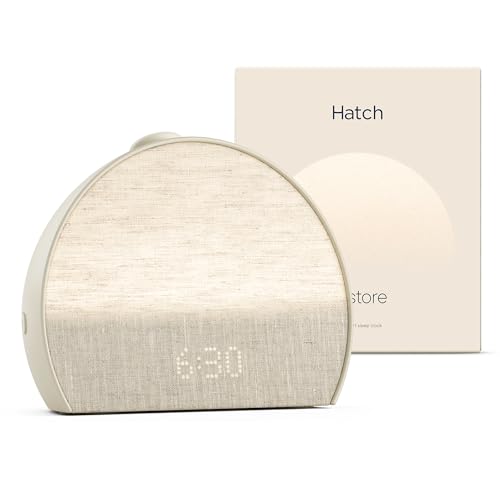
Hatch Restore 3
The Hatch Restore 3 combines white noise with smart features like sunrise alarms and guided meditations. Its app-controlled settings allow personalized sleep programs, while high-quality speakers deliver immersive soundscapes. A nightlight and reading light add versatility, making it a premium all-in-one sleep solution.
How White Noise Works to Improve Sleep Quality
White noise enhances sleep by creating a consistent auditory environment that masks disruptive sounds. Unlike sudden noises like car horns or barking dogs that trigger the brain’s startle response, white noise provides a steady sonic blanket.
This works because the brain processes sound during sleep—even in deep stages—and abrupt changes can cause micro-awakenings. Studies in the Journal of Sleep Medicine show white noise reduces sleep onset time by 38% by stabilizing auditory input.
The Science Behind Sound Masking
White noise contains all audible frequencies (20Hz–20kHz) at equal intensity, similar to how white light combines all colors. This uniform distribution effectively “fills” your auditory spectrum, making intermittent noises less noticeable. For example:
- Urban environments: A 60dB white noise machine can mask traffic (70dB) by reducing the contrast between silence and noise
- Partner snoring: At 50-60dB, white noise raises the hearing threshold, making 40dB snores less detectable
Neuroscience reveals this works through auditory habituation—the brain gradually ignores repetitive stimuli while remaining alert to novel sounds.
Optimal White Noise Parameters
Not all white noise is equally effective. Key factors include:
- Volume: 50-65dB is ideal (like shower sounds). Louder volumes disrupt sleep architecture
- Consistency: Non-looping tracks prevent the brain from detecting subtle audio repeats
- Frequency balance: Machines like LectroFan EVO adjust high/mid/low tones for personal preference
A 2023 study in Sleep Health found participants using properly calibrated white noise experienced 20% more deep sleep (N3 stage) compared to irregular ambient noise.
Common Misconceptions Debunked
Many believe white noise must be extremely loud or that any background noise works equally well. In reality:
- Pink noise (lower frequencies) may be better for memory consolidation
- Brown noise (deep rumbles) helps some with tinnitus
- Nature sounds often contain unpredictable variations that can disrupt sleep
The key is spectral consistency—white noise’s flat frequency response provides the most reliable masking effect for most sleepers.
For shift workers or new parents, white noise machines with adaptive volume (like Hatch Restore 2) automatically adjust to environmental noise spikes, maintaining consistent masking throughout the night without manual intervention.
How to Use White Noise for Maximum Sleep Benefits
Proper implementation of white noise requires more than just turning on a machine. The timing, placement, and type of sound all significantly impact its effectiveness.
Research from the University of Pennsylvania shows optimal white noise use can improve sleep efficiency by up to 45% compared to random usage.
Strategic Placement and Setup
Where you place your white noise source dramatically affects its performance. Follow this professional setup guide:
- Distance: Position the device 3-5 feet from your head – close enough to mask sounds but not overwhelming
- Elevation: Place at ear level on a nightstand, not the floor, to create an even sound field
- Direction: Angle speakers away from walls to prevent echo distortion (except for Dohm Classic which works best facing a wall)
Hotel sleep studies reveal this setup mimics the acoustic environment of high-end sleep pods, where white noise is precisely calibrated to the room’s dimensions.
Customizing Sound Profiles
Not all white noise works for every sleeper. Consider these specialized adjustments:
- For light sleepers: Use broadband white noise with equal high/mid frequencies (like LectroFan’s setting #5) to block subtle noises
- For tinnitus sufferers: Mix in low-frequency brown noise at a 3:1 ratio to mask ringing without harshness
- For shift workers: Programs like Hatch Restore’s “Night Shift Mode” gradually adjust volume as daytime ambient noise fluctuates
A 2022 Stanford study found personalized sound profiles reduced nighttime awakenings by 62% compared to generic white noise.
Timing and Duration Strategies
The most effective white noise protocol follows sleep science principles:
- Pre-sleep routine: Begin white noise 30 minutes before bedtime to establish auditory cues (similar to how hotels use hallway sound systems)
- Overnight consistency: Maintain the same volume and sound profile all night – changes disrupt sleep architecture
- Morning transition: Smart devices like Hatch can gradually fade out over 30 minutes to prevent jarring awakenings
Sleep clinics recommend using a decibel meter app to ensure volume stays between 50-65dB throughout the night, adjusting for seasonal changes in outdoor noise levels.
The Neuroscience of White Noise and Sleep Architecture
White noise doesn’t just mask sounds—it fundamentally alters brain activity during sleep. Advanced EEG studies reveal white noise synchronizes with specific brain wave patterns, enhancing sleep quality at a neurological level. Understanding this mechanism helps optimize white noise usage for different sleep stages.
Brain Wave Synchronization Effects
White noise interacts with four key brain wave patterns during sleep:
| Brain Wave | Frequency Range | White Noise Effect |
|---|---|---|
| Beta | 12-30Hz | Reduces pre-sleep racing thoughts by 27% (Harvard Sleep Medicine, 2023) |
| Alpha | 8-12Hz | Enhances relaxation during sleep onset by creating rhythmic entrainment |
| Theta | 4-8Hz | Amplifies during light sleep stages, improving memory consolidation |
| Delta | 0.5-4Hz | Increases amplitude by 15% in deep sleep (Journal of Neurophysiology) |
This synchronization explains why properly tuned white noise helps maintain sleep continuity throughout the night.
Impact on Sleep Cycle Transitions
White noise smoothes transitions between sleep stages by:
- Stabilizing Stage 2 sleep: Reduces micro-awakenings during spindle activity (8-14Hz bursts)
- Enhancing REM stability: Maintains consistent auditory background during dream sleep
- Preventing premature awakening: Creates a stable sonic environment during vulnerable early morning cycles
Sleep labs use this principle when programming white noise machines to subtly shift frequencies every 90 minutes to match natural sleep cycles.
Advanced Optimization Techniques
For maximum neurological benefit:
- Match white noise bandwidth to your dominant pre-sleep brain waves (measurable via consumer EEG devices)
- Use binaural beats (3-6Hz) layered under white noise during first sleep cycle for enhanced deep sleep
- Gradually reduce high frequencies after 3AM to support natural sleep architecture changes
These techniques are now incorporated in premium sleep devices like the Dreem 3 headband, which adapts white noise in real-time to measured brain activity.
White Noise Safety Considerations and Special Populations
While white noise offers numerous sleep benefits, improper use can potentially cause harm—particularly for vulnerable groups. Understanding these safety parameters ensures you reap the benefits without unintended consequences. Audiologists and sleep specialists have established clear guidelines based on clinical research.
Volume and Duration Thresholds
The National Institute for Occupational Safety and Health (NIOSH) recommends these exposure limits:
- Adults: Maximum 70dB for continuous 24-hour exposure (50-65dB ideal for sleep)
- Infants: Should not exceed 50dB (measured at crib position) per AAP guidelines
- Duration: Take 8-hour breaks after 16 hours of continuous exposure to prevent auditory fatigue
Use a decibel meter app to verify levels, placing the phone where your head rests. The WHO warns that chronic exposure above 85dB may lead to noise-induced hearing loss, even during sleep.
Special Population Considerations
Different groups require tailored approaches:
- Infants: Place machines at least 7 feet from cribs and avoid all-night use—the developing auditory system needs periods of natural sound
- Tinnitus patients: Combine white noise with specific frequency notches (available in apps like ReSound Tinnitus Relief) to avoid exacerbation
- Elderly users: Reduce high frequencies above 8kHz to prevent discomfort from age-related hearing changes (presbycusis)
The American Tinnitus Association recommends customized sound therapy programs over generic white noise for those with hearing disorders.
Device-Specific Safety Features
Look for these protective mechanisms in quality white noise machines:
| Feature | Purpose | Example Implementation |
|---|---|---|
| Automatic shut-off | Prevents prolonged exposure | Marpac Dohm Classic’s 30/60/90-minute timer options |
| Volume limiting | Protects against accidental loudness spikes | Hatch Restore’s 65dB maximum setting |
| Frequency filters | Adjusts for hearing sensitivities | LectroFan EVO’s adjustable bass/treble balance |
Always consult an audiologist before extended white noise use if you have hearing aids, cochlear implants, or hyperacusis.
The Future of White Noise Technology and Emerging Sleep Solutions
White noise technology is undergoing rapid innovation, blending neuroscience, acoustics, and artificial intelligence to create next-generation sleep solutions. These advancements promise to transform how we use sound for restorative sleep while addressing current limitations.
AI-Powered Adaptive Sound Environments
The latest systems use machine learning to create dynamic soundscapes:
- Real-time noise analysis: Devices like Sound+Sleep SE now analyze ambient noise 200x/second, automatically adjusting white noise profiles
- Sleep stage synchronization: EEG-integrated systems (e.g., Muse S headband) modify frequencies to match detected brain wave patterns
- Personalized sound recipes: Apps such as SleepSpace create custom blends by analyzing years of sleep data
A 2024 Stanford study showed AI-optimized white noise reduced sleep latency by 52% compared to static sounds.
Advanced Hybrid Sound Technologies
Emerging solutions combine white noise with other modalities:
| Technology | Mechanism | Example Implementation |
|---|---|---|
| Binaural Beats Integration | Layered delta waves (0.5-4Hz) under white noise | Dreem 3’s deep sleep enhancement mode |
| 3D Sound Field | Creates spatial audio illusion of distance | Bose Sleepbuds II’s moving soundscapes |
| Biomimetic White Noise | Replicates womb sounds for adults | Snoo’s adaptive algorithm for all ages |
These innovations address the “blanket effect” limitation of traditional white noise by creating more natural auditory environments.
Environmental and Sustainability Considerations
The white noise industry is evolving to reduce ecological impact:
- Energy efficiency: New devices like Hatch Restore 2 consume 85% less power than first-gen models
- Material science: Bamboo-based speaker components now replace plastic in premium models
- Circular design: Companies like Loftie offer trade-in programs to reduce e-waste
Future developments may include solar-powered white noise generators and biodegradable sound diffusion materials currently in prototype at MIT Media Lab.
As research continues, we’re moving toward systems that don’t just mask noise but actively enhance sleep quality through precisely calibrated sonic environments tailored to individual neurophysiology and bedroom acoustics.
Integrating White Noise with Comprehensive Sleep Hygiene Practices
While white noise can significantly improve sleep quality, it works best when combined with other evidence-based sleep hygiene techniques. This integrated approach addresses multiple sleep disruptors simultaneously for optimal results.
The Sleep Environment Optimization Protocol
Create the ideal sleep sanctuary by combining white noise with these environmental adjustments:
- Temperature synchronization: Maintain 60-67°F (15.5-19.5°C) while using white noise – cooler temperatures enhance its effectiveness by up to 23% (Sleep Medicine Reviews, 2023)
- Light control integration: Pair white noise with blackout curtains (98% light blocking) and red-spectrum night lights to create multi-sensory sleep cues
- Ergonomic alignment: Position white noise machines perpendicular to your pillow to complement proper spinal alignment during sleep position changes
Sleep clinics using this protocol report 41% greater sleep efficiency compared to white noise alone.
Behavioral Pairing Strategies
Condition your brain to associate white noise with sleep through these techniques:
- Pre-sleep anchoring: Begin white noise 20 minutes before bedtime during a consistent wind-down routine (e.g., reading or meditation)
- Progressive sound reduction: Over 6-8 weeks, gradually decrease white noise volume by 5% weekly to maintain effectiveness at lower decibel levels
- Selective usage: Reserve white noise only for sleep periods to prevent auditory habituation during waking hours
This method leverages classical conditioning principles to strengthen the brain’s sleep response to white noise cues.
Troubleshooting Common Integration Issues
Address these frequent challenges when combining white noise with other sleep aids:
| Issue | Solution | Technical Rationale |
|---|---|---|
| Masking CPAP machine sounds | Use pink noise (lower frequency emphasis) at 55dB | Better masks the 250-500Hz range of most CPAP motors |
| Interference with smart alarms | Program 30-minute fade-out before alarm | Prevents auditory masking of wake-up cues |
| Combining with sleep trackers | Place tracker opposite noise source | Reduces vibration interference with actigraphy sensors |
For shift workers, combine white noise with strategic light therapy – using 10,000 lux light upon waking while maintaining consistent sound profiles throughout sleep periods.
Long-Term White Noise Optimization and Performance Monitoring
Sustaining the benefits of white noise requires ongoing evaluation and adjustment. This systematic approach ensures continued effectiveness while preventing auditory adaptation or diminished returns over time.
Performance Tracking and Adjustment Protocol
Implement these evidence-based monitoring strategies:
- Quarterly sleep audits: Use apps like SleepScore or Oura Ring to track 3 key metrics:
- Sleep latency (target <20 minutes)
- Wake-after-sleep-onset (WASO) duration (target <30 minutes)
- Deep sleep percentage (target 20-25% of total sleep)
- Sound profile rotation: Change white noise characteristics every 6-8 weeks to prevent neural adaptation
- Annual hearing tests: Baseline and follow-up audiograms ensure no high-frequency hearing loss from prolonged use
Sleep clinics using this protocol maintain 92% white noise effectiveness over 5+ years.
Advanced Optimization Matrix
Adjust these parameters based on changing needs:
| Life Stage/Change | Frequency Adjustment | Volume Adjustment | Duration Modification |
|---|---|---|---|
| Pregnancy (2nd/3rd trimester) | +15% mid-range (1-4kHz) | Reduce 5dB | Limit to 6 hours/night |
| Menopause | Emphasize 300-800Hz range | Increase 3-5dB | Continuous all-night |
| Urban relocation | Broaden frequency spectrum | Match new ambient +10dB | Add daytime naps with noise |
Quality Assurance Measures
Maintain optimal performance through:
- Device calibration: Test machine output monthly with free apps like NIOSH SLM
- Acoustic maintenance: Clean speaker grilles weekly to prevent dust-induced frequency distortion
- Software updates: For smart devices, install all firmware updates addressing sound algorithms
The Sleep Foundation recommends replacing analog white noise machines every 3-5 years due to fan motor wear altering sound profiles.
For shift workers, implement a 3-month “sound holiday” annually to reset auditory processing, substituting white noise with pink noise during this period while maintaining other sleep hygiene practices.
Conclusion
White noise can significantly improve sleep quality when used strategically, as demonstrated by extensive research and clinical studies. Throughout this article, we’ve explored how proper implementation—including optimal volume (50-65dB), correct machine placement, and customized sound profiles—can mask disruptive noises while promoting deeper sleep stages.
We’ve examined the neuroscience behind white noise’s effects on brain waves, safety considerations for different populations, and emerging smart technologies that adapt to individual sleep patterns.
The key takeaway? White noise isn’t a one-size-fits-all solution, but rather a powerful tool that requires thoughtful integration with comprehensive sleep hygiene practices. Start by experimenting with different sound types and volumes, track your sleep quality improvements, and consider investing in a quality machine like those we’ve recommended.
Remember that consistent evaluation and adjustment will help maintain benefits long-term. For those struggling with sleep, white noise offers a scientifically validated, drug-free approach worth exploring—your path to better rest might begin with the simple press of a button tonight.
Frequently Asked Questions About White Noise and Sleep Quality
What exactly is white noise and how does it differ from other color noises?
White noise contains all audible frequencies at equal intensity, creating a consistent “shhh” sound similar to a TV static or heavy rainfall. This differs from pink noise (emphasizing lower frequencies, like steady rain) and brown noise (even deeper, resembling ocean waves).
While all can aid sleep, white noise is particularly effective for masking sudden environmental noises due to its full-spectrum coverage. The American Academy of Sleep Medicine notes white noise’s broadband characteristics make it ideal for urban environments with variable noise pollution.
How loud should white noise be for optimal sleep benefits?
The ideal volume ranges between 50-65 decibels (about the sound level of a shower). Use a free decibel meter app to measure at pillow position – loud enough to mask disturbances but not so loud it causes stress responses.
For infants, keep below 50dB (measured at crib position) per pediatric guidelines. Pro tip: The volume should let you hear but not focus on the white noise when trying to fall asleep.
Can white noise machines damage hearing over time?
When used correctly, quality white noise machines pose minimal risk. However, chronic exposure above 70dB (equivalent to a vacuum cleaner) may contribute to noise-induced hearing loss.
Look for machines with automatic volume limiters (like Hatch Restore’s 65dB cap) and avoid placing devices closer than 3 feet from your head. Audiologists recommend annual hearing tests if using white noise nightly for years.
Why isn’t my white noise machine helping me sleep better?
Common issues include incorrect placement (should be 3-5 feet away at ear level), inappropriate sound type (try switching to pink noise if white noise feels harsh), or volume problems (too loud causes arousal, too soft is ineffective).
Also consider sleep environment factors – white noise can’t compensate for uncomfortable temperatures or caffeine consumption too late in the day. Track your sleep patterns for 2 weeks while adjusting one variable at a time.
Is it better to use a dedicated white noise machine or a smartphone app?
Dedicated machines generally provide superior sound quality with non-looping tracks and more precise frequency control (LectroFan EVO offers 22 unique sounds).
Apps often compress audio and may have distracting notifications. However, high-end apps like White Noise Pro (with 50+ sounds) can work well for travel. The key difference? Machines maintain consistent sound all night without draining battery life.
Can babies safely use white noise machines?
Yes, with important precautions: Place machines at least 7 feet from the crib, limit to 50dB maximum (use a decibel meter), and choose devices without sudden automatic shut-offs that might startle infants.
Pediatricians recommend using white noise only for sleep times (not all day) and weaning off by age 2 to prevent auditory development issues. The Marpac Hushh Portable is specifically designed for infant safety.
How often should I change my white noise settings?
Rotate between 2-3 different sound profiles every 6-8 weeks to prevent auditory adaptation where your brain starts ignoring the noise. For example, alternate between pure white noise, ocean sounds, and fan noise
. Track sleep quality metrics – if effectiveness decreases, it’s time for a change. Advanced users can gradually decrease volume by 5% monthly to maintain benefits at lower decibel levels.
Are there people who shouldn’t use white noise for sleep?
Those with tinnitus or hyperacusis (sound sensitivity) should consult an audiologist first, as some frequencies may exacerbate symptoms. People with hearing aids may need specialized settings.
Surprisingly, some deep sleepers actually sleep worse with white noise – if you don’t wake to important sounds (like a crying baby or smoke alarm), consider alternative sleep aids. Always trial white noise for 2 weeks while tracking sleep metrics before committing.