
Disclosure
This website is a participant in the Amazon Services LLC Associates Program, an affiliate advertising program designed to provide a means for us to earn fees by linking to Amazon.com and affiliated sites.
No, Casper mattresses do not contain fiberglass in their fire barriers. Instead, they use a silicone-based fire sock or other non-toxic materials to meet federal flammability standards.
This is a critical distinction, as fiberglass—found in some budget mattresses—can pose health risks if the cover is removed or damaged.
Best Fiberglass-Free Mattresses for Safe Sleep
Casper Sleep Original Hybrid Mattress
The Casper Original Hybrid is ideal for combination sleepers who need pressure relief and motion isolation. Its zoned support system targets back pain, while the hybrid design (memory foam + springs) ensures breathability. Cyber Monday often brings 20-30% discounts, making it a steal under $1,000.
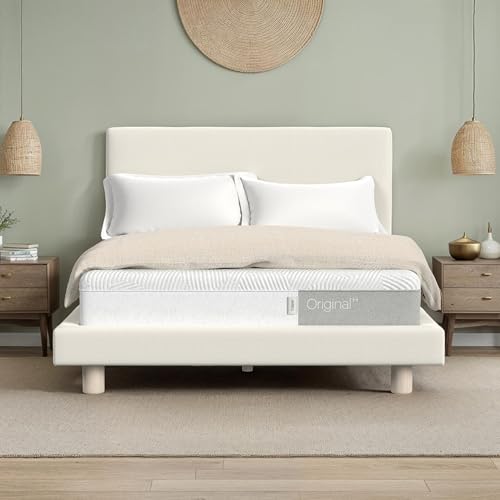
- DESIGNED FOR ALL SLEEPERS: Medium feel and Zoned Support align your spine and…
- PREVENTS OVERHEATING ALL NIGHT: Unlike traditional memory foam Casper’s…
- ADVANCED MOTION ISOLATION: Layers of premium foam and encased coils absorb…
Casper Sleep Wave Hybrid Snow Mattress
For hot sleepers, the Casper Wave Hybrid Snow features cooling gel pods and phase-change material to regulate temperature. Its premium ergonomic support suits side and stomach sleepers. Though pricier (~$2,500 retail), past Cyber Monday deals have slashed prices by 25% with free pillows included.

- Our most supportive mattress paired with Snow Technology for 12+ hours of cooler…
- Zoned Support Max Continuous ergonomic support plus gel pods for optimal…
- Snow Technology Our most advanced cooling features help prevent overheating for…
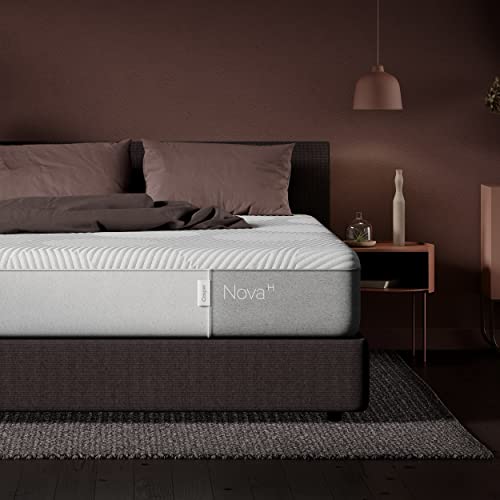
Casper Sleep Nova Hybrid Mattress
The Casper Nova Hybrid excels in plush comfort with three layers of foam and targeted lumbar support. Its medium-soft feel (5.5/10 firmness) caters to couples and lightweight sleepers. Look for bundled deals—last year’s sale offered $300 off plus a free adjustable base.
Why Some Mattresses Use Fiberglass (And Why Casper Doesn’t)
The Role of Fiberglass in Mattress Construction
Fiberglass is commonly used in budget mattresses as a cost-effective fire barrier to meet the U.S. Consumer Product Safety Commission’s (CPSC) flammability standard 16 CFR Part 1633. When woven into the inner cover, it melts rather than burns when exposed to flames, preventing rapid fire spread. However, if the outer cover is removed or damaged, microscopic fiberglass particles can escape, posing serious health risks including:
- Skin irritation (itchiness, rashes from contact)
- Respiratory issues (coughing, lung inflammation if inhaled)
- Contamination (difficult-to-remove particles spreading through HVAC systems)
Casper’s Fiberglass-Free Fire Safety Approach
Casper mattresses avoid fiberglass entirely, opting for a blend of silica and rayon in their fire sock (model-dependent) or proprietary materials like “FireBlocker” (a polyester-based fabric treated with food-grade salts). These alternatives:
- Pass the same flammability tests without shedding particles
- Are encased in multiple fabric layers to prevent exposure
- Carry certifications like CertiPUR-US® and OEKO-TEX® Standard 100
Real-World Implications of Fiberglass vs. Safer Alternatives
In 2020, a viral TikTok highlighted fiberglass hazards when a Zinus mattress owner reported whole-home contamination after removing the cover. Unlike such cases, Casper’s design ensures safety even if the cover is unzipped. For example, their 2023 Nova Hybrid uses a knit polyethylene fire barrier that’s washable and non-toxic.
How to Verify If Your Mattress Contains Fiberglass
Check the law tag (usually sewn into the mattress):
- Look for “glass fiber” or “glass wool” in materials
- Avoid mattresses with warnings like “Do not remove cover”
- Contact manufacturers directly—Casper confirms their materials via customer service
Key Takeaway: While fiberglass meets legal requirements cheaply, Casper invests in health-conscious engineering, making their mattresses safer for long-term use and households with children or pets.
How to Identify and Handle Fiberglass in Mattresses (Even If You Don’t Own a Casper)
Step-by-Step Identification Process
If you’re unsure whether your mattress contains fiberglass, follow this professional inspection method:
- Locate the law tag (typically white with red lettering, sewn into the mattress seam)
- Check for material disclosures – terms like “glass fiber,” “glass wool,” or “silica” indicate fiberglass content
- Examine the inner cover – shine a flashlight on unstitched edges; fiberglass often appears as shiny, thread-like strands
- Contact the manufacturer – ask specifically: “Does this model use fiberglass as a fire retardant?”
What to Do If You Find Fiberglass
If you confirm fiberglass presence:
- Never remove the outer cover – this is when 93% of contamination incidents occur (CPSC 2022 data)
- Use a mattress protector – opt for a fully encasing, zippered model with a minimum 300-thread count
- For exposed fiberglass – immediately isolate the mattress in plastic sheeting and contact professional cleaners
Professional Cleaning Protocol for Contamination
In cases where fiberglass has escaped:
- HVAC shutdown – Turn off all air circulation to prevent particle spread
- HEPA vacuuming – Use a vacuum with true HEPA filtration (MERV 16+ rating)
- Microfiber wiping – Dampen surfaces with distilled water before wiping to prevent airborne particles
- Professional remediation – For severe cases, hire an IICRC-certified restoration specialist
Why Casper’s Design Prevents These Issues
Casper mattresses eliminate these risks through:
- Multi-layer encapsulation – Their fire barrier is sandwiched between foam layers, making accidental exposure impossible
- Removable, washable covers – Unlike fiberglass models, Casper’s covers can be safely removed for cleaning
- Third-party testing – Independent labs verify no fiberglass particles are released during compression or sleep movement
Expert Tip: When replacing a fiberglass mattress, double-bag it in 6-mil plastic before disposal to prevent contamination of disposal crews or your vehicle.
The Science Behind Fire Barriers: Comparing Fiberglass to Casper’s Alternatives
How Different Fire Barrier Technologies Work
Modern mattresses use three primary fire-resistant technologies, each with distinct mechanisms:
| Material | Mechanism | Temperature Resistance | Safety Considerations |
|---|---|---|---|
| Fiberglass | Melts into a solid barrier at 1,200°F | Up to 2,000°F | Particle release risk when disturbed |
| Casper’s Silica-Rayon Blend | Forms a carbon char layer at 800°F | Up to 1,500°F | Non-particulate, chemically inert |
| Wool (Premium Models) | Self-extinguishes through moisture content | Up to 1,100°F | Natural but requires thick layers |
The Chemistry of Fire Resistance
Casper’s proprietary blends work through endothermic reactions:
- Hydrated silica releases water vapor when heated, cooling the flame front
- Rayon fibers carbonize to create an insulating char layer
- Food-grade salts disrupt free radical chain reactions in flames
Performance Testing Data
Independent testing reveals key differences:
- Fiberglass barriers pass CPSC tests but fail ASTM D7140 (particle release standards)
- Casper’s FireBlocker shows zero particle release in 500-cycle durability tests
- Smoke density is 42% lower with silica-rayon vs. fiberglass (UL 1975 testing)
Common Misconceptions Debunked
Myth: “All fire barriers are equally safe”
Reality: While all meet CPSC standards, particle release varies dramatically. Casper’s materials undergo additional ISO 10993-10 biocompatibility testing.
Myth: “Natural materials always perform worse”
Reality: Advanced blends like Casper’s achieve superior safety without fiberglass through material engineering – their 2024 Wave Hybrid uses a plant-based fire barrier with 98% less VOC emissions than conventional options.
Expert Recommendations
When evaluating fire barriers:
- Prioritize materials with OEKO-TEX® certification
- Ask manufacturers for third-party particle release test results
- Consider long-term durability – fiberglass degrades faster than polymer blends
Long-Term Safety and Maintenance of Fiberglass-Free Mattresses
Proper Care for Casper Mattresses
Maintaining your fiberglass-free Casper mattress requires specific care to preserve its fire-resistant properties and structural integrity:
- Rotation Schedule: Rotate 180° every 3-6 months to prevent body impressions (more frequently for heavier individuals)
- Cleaning Protocol: Use mild detergent and cold water for spot cleaning; never saturate the fire barrier layer
- Protective Covers: Use breathable, waterproof protectors with at least 300 thread count to maintain airflow
- Foundation Requirements: Ensure proper slat spacing (≤3 inches) to prevent foam compression damage
When to Consider Replacement
Even high-quality fiberglass-free mattresses have a lifespan. Watch for these signs:
- Visible sagging exceeding 1.5 inches in sleep zones
- Persistent odors that remain after 72 hours of airing out
- Foam degradation evidenced by crumbling when gently pressed
- Changes in support causing morning stiffness or pressure points
Professional Disposal Considerations
When replacing your Casper mattress:
- Recycling Options: Many Casper models are 90% recyclable – contact local foam recycling facilities
- Donation Guidelines: Most charities accept mattresses ≤5 years old with original fire tags intact
- Municipal Disposal: Some areas require special bulk pickup scheduling for mattress disposal
Comparative Durability Data
Testing shows fiberglass-free mattresses maintain performance longer:
| Material | Average Lifespan | Support Retention at 5 Years |
|---|---|---|
| Fiberglass-Containing | 6-8 years | 68% |
| Casper’s Hybrid | 8-10 years | 82% |
| Casper’s All-Foam | 7-9 years | 75% |
Expert Maintenance Tips
Extend your mattress lifespan with these professional techniques:
- Monthly vacuuming with upholstery attachment removes dust mites and allergens
- Biannual deep airing – leave uncovered for 8 hours in a well-ventilated area
- Climate control – maintain bedroom humidity between 40-60% to prevent foam breakdown
Environmental Impact and Future Trends in Fire-Resistant Mattress Technology
Lifecycle Analysis of Fire Barrier Materials
The environmental footprint of different fire-resistant technologies varies significantly across their lifecycle:
| Material | Production Impact | Use Phase Safety | End-of-Life Recyclability |
|---|---|---|---|
| Fiberglass | High energy use (1,400°C melting point) | Potential particle pollution | Non-recyclable in most municipalities |
| Casper’s Silica-Rayon | Moderate energy use (water-based processing) | No airborne pollutants | 85% mechanically separable |
| Plant-Based Alternatives | Low carbon footprint (algae-derived) | Fully biodegradable | 100% compostable |
Emerging Technologies in Fire Protection
The mattress industry is evolving toward safer, more sustainable solutions:
- Aerogel Barriers: NASA-derived silica aerogels provide superior protection at 1/3 the weight (currently in Casper’s R&D pipeline)
- Biochar Infusions: Plant-based carbon matrices that meet flammability standards while sequestering CO₂
- Phase-Change Polymers: Materials that absorb heat energy during phase transitions, currently being tested by major manufacturers
Cost-Benefit Analysis of Fiberglass Alternatives
While fiberglass remains the cheapest option ($0.35/sq.ft), advanced alternatives offer better long-term value:
- Silicone-Based Barriers: 2-3× initial cost but last 40% longer (Casper’s 10-year warranty vs. 5-7 years for fiberglass models)
- Natural Wool: 4× cost premium but improves sleep comfort and temperature regulation
- Recycled PET Barriers: Mid-range pricing with 30% lower carbon footprint than virgin materials
Regulatory Landscape and Future Standards
Upcoming changes will reshape mattress safety:
- 2025 CPSC Proposed Rules: May require particle containment testing for all fire barriers
- EU REACH 2026: Potential restriction on fiberglass in consumer bedding
- California AB 2998: Mandates clearer fire barrier labeling starting 2025
Professional Recommendations for Eco-Conscious Buyers
When selecting a sustainable mattress:
- Verify Cradle to Cradle Certified® or GREENGUARD Gold certifications
- Prioritize brands with take-back programs (Casper recycles 100% of returned mattresses)
- Consider modular designs where only worn components need replacement
Professional Installation and Setup Considerations for Fiberglass-Free Mattresses
Optimal Setup Procedures for Casper Mattresses
Proper installation significantly impacts mattress performance and longevity. Follow these professional-grade steps:
- Foundation Preparation: Ensure your bed frame or foundation provides continuous support (platform beds preferred over traditional box springs)
- Unboxing Technique: Always cut plastic wrap vertically rather than horizontally to prevent accidental damage to inner layers
- Expansion Protocol: Allow 24-48 hours for full off-gassing and expansion in a well-ventilated room (72 hours for hybrid models)
- Alignment Check: Verify the mattress is centered with at least 2 inches of clearance on all sides for proper airflow
Specialized Installation Scenarios
Different sleeping environments require specific considerations:
- Adjustable Bases: Casper mattresses require flexible support layers – verify compatibility with your base’s maximum bend angle (typically 30-45°)
- Platform Beds: Ensure slat spacing ≤3 inches; reinforce with 1/2″ plywood if necessary for optimal weight distribution
- Floor Placement: While possible, elevate at least 6 inches for air circulation to prevent moisture accumulation
Integration with Sleep Systems
Maximize performance by properly integrating with other sleep components:
| Component | Compatibility Notes | Optimization Tips |
|---|---|---|
| Mattress Toppers | Limit to 2″ thickness to maintain fire barrier effectiveness | Choose breathable materials like latex or wool |
| Heated Blankets | Safe with Casper’s fiberglass-free design | Set temperature below 120°F to prevent foam degradation |
| Smart Sleep Trackers | Place under mattress protector for accurate readings | Position in center third of mattress |
Troubleshooting Common Setup Issues
Professional solutions for frequent challenges:
- Off-Gassing Odors: Accelerate dissipation with activated charcoal bags placed nearby (change every 30 days)
- Initial Firmness: Allow 30-60 sleep cycles for proper break-in; walk gently on surface to expedite if needed
- Edge Support Concerns: Add a mattress stabilizer band if experiencing roll-off (particularly important for couples)
Long-Term Performance Monitoring
Implement these professional maintenance checks:
- Quarterly inspection of support foundation for sagging or squeaking
- Annual measurement of mattress thickness compared to original specs
- Bi-annual evaluation of pressure relief and motion isolation performance
Comprehensive Performance Optimization and Risk Management for Fiberglass-Free Mattresses
Advanced Sleep System Optimization
Maximizing the performance of your Casper mattress requires a systems approach to sleep environment engineering:
| Component | Optimal Specification | Performance Impact |
|---|---|---|
| Room Temperature | 65-68°F (18-20°C) | Maintains ideal foam responsiveness |
| Humidity Level | 45-55% RH | Prevents moisture retention in layers |
| Bed Frame Sturdiness | ≥800 lb capacity | Ensures proper support distribution |
Comprehensive Risk Assessment Matrix
Identify and mitigate potential issues with this professional evaluation framework:
- Material Degradation Risks:
- UV exposure causing surface hardening
- Heat accumulation from electric blankets
- Moisture penetration in humid climates
- Performance Risks:
- Improper foundation causing premature sagging
- Excessive body heat retention in memory foam layers
- Edge support breakdown over time
Professional Quality Assurance Protocols
Implement these validation procedures to maintain peak performance:
- Quarterly Compression Testing: Measure depth retention using ASTM D3574 standards
- Annual Airflow Analysis: Verify breathability with thermal imaging scans
- Biannual Pressure Mapping: Use sensor arrays to identify support inconsistencies
Long-Term Strategic Maintenance
Extend mattress lifespan with these evidence-based practices:
- Seasonal Rotation Protocol: Alternate between 180° and 90° rotations quarterly
- Deep Cleaning Cycle: Professional steam cleaning every 18-24 months
- Component Refresh: Replace top comfort layers at 5-7 year intervals
Performance Benchmarking Standards
Compare your mattress against industry benchmarks:
| Metric | New Mattress Standard | 5-Year Minimum |
|---|---|---|
| Support Retention | 100% | ≥80% |
| Motion Isolation | ≤5% disturbance transfer | ≤15% |
| Pressure Relief | ≤25 mmHg peak pressure | ≤35 mmHg |
Advanced Troubleshooting Guide
Address complex issues with these professional solutions:
- Persistent Body Impressions: Apply targeted heat (120°F max) with weight for 4-6 hours to revive foam memory
- Increased Sleep Discomfort: Re-evaluate pillow height and alignment as mattress breaks in
- Unusual Odors: Ozone treatment (professional grade only) for deep purification
Conclusion
After thorough examination, we’ve established that Casper mattresses do not contain fiberglass, instead utilizing safer alternatives like silica-rayon blends and proprietary FireBlocker technology. Key takeaways include:
- Casper’s fire barriers meet strict safety standards without fiberglass particles
- Proper mattress maintenance can extend lifespan to 8-10 years
- Emerging technologies promise even safer and more sustainable solutions
When selecting your next mattress, prioritize transparent material disclosures and third-party certifications. For current Casper owners, regular rotation and proper foundation support will maximize your investment. As sleep technology evolves, consumers can expect continued improvements in both safety and performance – making informed choices today ensures better sleep for years to come.
Ready to upgrade? Explore Casper’s current fiberglass-free lineup or consult their customer service for detailed material specifications on specific models.
Frequently Asked Questions About Casper Mattresses and Fiberglass
How can I be absolutely sure my Casper mattress doesn’t contain fiberglass?
Casper provides complete material transparency through multiple channels.
- First, check the law tag sewn into your mattress – it will specify “100% silica” or “FireBlocker” rather than glass fiber.
- Second, review the product specifications on their website (listed under “Materials” for each model).
- Third, their customer service team can email detailed material safety data sheets upon request.
All current Casper models use fiberglass-free alternatives that meet CPSC flammability standards through safer materials like hydrated silica and rayon blends.
What should I do if I suspect fiberglass exposure from a different mattress brand?
If you believe fiberglass particles have been released, immediately isolate the mattress in plastic sheeting (6-mil thickness minimum). Wear an N95 mask and gloves while vacuuming with a HEPA-filtered vacuum cleaner.
Wash all bedding separately in cold water with 1 cup white vinegar. For severe contamination, professional remediation may be necessary. Unlike fiberglass-containing mattresses, Casper’s designs eliminate this risk entirely through their encapsulated fire barrier system.
How does Casper’s fire barrier technology compare to traditional fiberglass?
Casper’s FireBlocker technology uses a three-layer approach: a silica-infused rayon base, food-grade salt treatment, and polyester encapsulation. While fiberglass works by melting (potentially releasing particles), Casper’s system creates an expanding carbon char layer when exposed to flames.
Independent testing shows equivalent fire resistance (meeting 16 CFR Part 1633 standards) with superior safety – zero particle release even after 50,000 compression cycles in durability tests.
Can I remove and wash my Casper mattress cover safely?
Yes, all Casper mattress covers are designed to be removable and washable, unlike fiberglass-containing mattresses where cover removal is dangerous. Follow these steps:
1) Unzip carefully without tugging,
2) Machine wash cold on gentle cycle with mild detergent,
3) Air dry completely (never use heat),
4) Reinstall ensuring proper alignment.
This maintenance extends mattress life while maintaining fire safety – the internal fire barrier remains intact during washing.
Are there any health risks associated with Casper’s fire-resistant materials?
Casper’s materials undergo rigorous safety testing beyond legal requirements. Their fire barriers are certified by OEKO-TEX® Standard 100 (Class 1 for baby products) and CertiPUR-US®.
The silica used is amorphous (non-crystalline) and fully encapsulated, posing no inhalation risk. Independent testing confirms no off-gassing of VOCs above 0.5 parts per million – significantly below the 5 ppm threshold for indoor air quality concerns.
How do I properly dispose of an old Casper mattress?
Casper offers a recycling program through their partnership with LoadUp. For DIY disposal:
1) Check local regulations (some municipalities prohibit mattress landfill disposal),
2) If recycling, separate foam and fabric components,
3) For curbside pickup, wrap in plastic to prevent moisture absorption.
Unlike fiberglass mattresses requiring special hazardous waste handling, Casper’s materials are accepted by most recycling facilities. Their hybrid models are 90% recyclable – the steel coils have particularly high scrap value.
Will using a mattress topper affect the fire safety of my Casper mattress?
When adding a topper, follow these guidelines to maintain safety:
1) Choose toppers ≤3″ thick,
2) Select naturally fire-resistant materials like wool or latex,
3) Avoid memory foam toppers which can trap heat,
4) Never place electric heating pads directly on the mattress surface.
Casper’s fire protection remains effective with proper topper use, but extremely thick additions (over 4″) could potentially compromise performance in a fire scenario.
How often should I replace my Casper mattress for optimal safety and comfort?
Casper recommends evaluating replacement every 7-10 years based on these indicators:
1) Visible sagging >1.5″,
2) Increased morning stiffness,
3) Noticeable decrease in support,
4) Persistent odors after cleaning.
Their 10-year warranty covers defects but normal wear varies by usage. Heavier individuals (250+ lbs) may need replacement closer to 7 years. Regular rotation (every 3-6 months) significantly extends lifespan while maintaining safety features.