
Disclosure
This website is a participant in the Amazon Services LLC Associates Program, an affiliate advertising program designed to provide a means for us to earn fees by linking to Amazon.com and affiliated sites.
Yes, snoring can cause a sore throat. When you snore, the vibration of throat tissues creates friction and inflammation, leading to irritation and discomfort. Chronic snoring, especially in cases of sleep apnea, can worsen throat soreness due to repeated trauma to the airway.
This article explores the connection between snoring and throat pain, explains the underlying mechanisms, and provides actionable solutions to alleviate discomfort. Whether you’re a frequent snorer or experiencing morning throat irritation, understanding this link can help you take steps toward better sleep and throat health.
Best Anti-Snoring Devices for a Sore Throat
If snoring is causing your sore throat, these three highly effective anti-snoring devices can help reduce irritation and improve sleep quality:
ZQuiet Anti-Snoring Mouthpiece
The ZQuiet Mouthpiece is a FDA-cleared mandibular advancement device (MAD) that gently repositions the jaw to keep airways open. Made from flexible, BPA-free material, it reduces snoring vibrations that irritate the throat. Its two-size design ensures comfort without requiring a boil-and-bite fit.
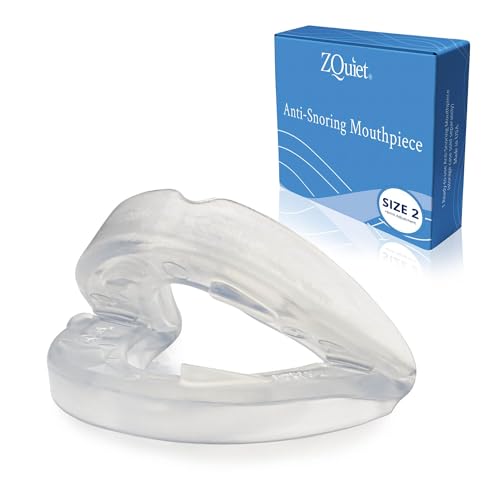
- Size# 2 Refill: Includes a single Size #2 mouthpiece; For new customers, we…
- Ideal For: Those with an underbite (lower front teeth protrude in front of the…
- Snoring Relief: Targets the root cause of snoring by advancing your lower jaw a…
Yuerwover Ati Snoring Wristband
The Yuerwover Ati Snoring Wristband uses gentle vibrations to encourage side-sleeping, a position that minimizes throat obstruction. Clinically proven to reduce snoring, this wearable device is ideal for those who experience throat irritation from back-sleeping.
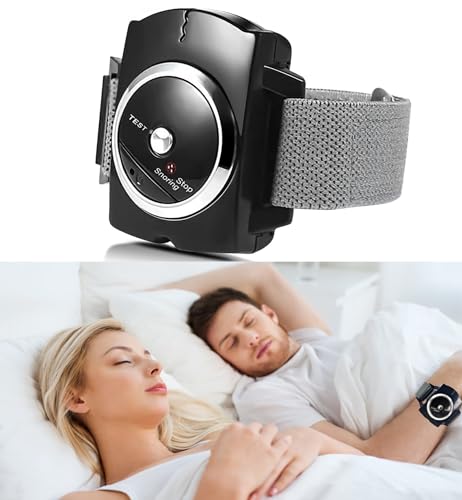
- ANTI-SNORING: The stop-snoring wristband has an automatic biosensor to detect…
- PLEASE NOTE: It is not suitable for people with a pacemaker or another medical…
- FASHION DESIGN: Watch-shaped design, simple and enduring anti-snore wristband…
ResMed AirFit N30i Nasal CPAP Mask
For severe snorers with sleep apnea, the ResMed AirFit N30i (62907) delivers continuous positive airway pressure (CPAP) through a lightweight nasal cradle. Its minimal-contact design prevents throat dryness while maintaining open airways, reducing snoring-related throat inflammation.
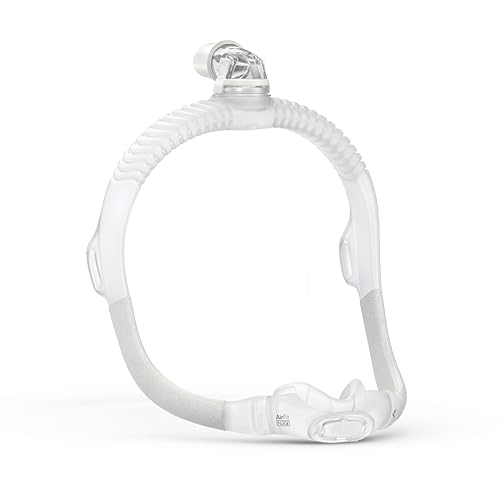
- Replacement for AirFit N30i Nasal Mask Frame: Includes frame, elbow, and nasal…
- Headgear Not Included: This sleep apnea frame system does not include the AirFit…
- Medium Cushion: These replacement CPAP accessories provide a medium-sized nasal…
How Snoring Leads to Throat Irritation and Soreness
Snoring creates a perfect storm of physical conditions that directly contribute to throat discomfort. When you snore, the relaxed tissues in your upper airway (soft palate, uvula, and throat muscles) vibrate as air struggles to pass through. These vibrations aren’t gentle – they can reach frequencies between 50-1000 Hz, causing microscopic trauma to delicate throat tissues throughout the night.
The Mechanical Damage Cycle
Each snore creates three damaging effects:
- Friction: The rapid fluttering of soft tissues (up to 300 times per minute in heavy snorers) creates heat and abrasion similar to rope burn
- Dehydration: Increased mouth breathing dries out protective mucus membranes, leaving tissues vulnerable
- Inflammation: The body responds to this irritation with swelling, making subsequent snoring episodes even more damaging
This explains why many chronic snorers wake with progressively worse throat pain as the week continues – the damage accumulates nightly until tissues get a chance to heal during snoring-free periods.
Secondary Aggravating Factors
Several accompanying conditions worsen snoring-related throat pain:
- Sleep Apnea Complications: When snoring involves breathing pauses (apneas), the sudden gasps for air create violent suction forces that further traumatize throat tissues. The Mayo Clinic estimates these forces can reach -80 cm H2O pressure – enough to partially collapse the airway.
- Acid Reflux: Snoring’s throat vibrations can loosen the lower esophageal sphincter, allowing stomach acid to creep up and chemically burn already irritated tissues. This creates a double assault of mechanical and chemical damage.
- Morning Symptoms: Patients typically report a specific pattern of discomfort – raw pain on swallowing, a sandpaper-like sensation, and voice hoarseness that improves after drinking fluids. These differ from infection symptoms as they lack fever or swollen glands.
Effective Remedies to Prevent Snoring-Related Throat Pain
Addressing snoring-induced throat soreness requires a dual approach: reducing airway vibrations while promoting throat tissue healing. These evidence-based solutions target the root causes identified in our previous section.
Immediate Relief Strategies
For existing throat irritation, these methods provide symptomatic relief while preventing further damage:
- Hydration Protocol: Drink 8oz of warm water with 1 tsp honey before bed and upon waking. The honey coats irritated tissues while the warmth increases blood flow for healing.
- Humidification: Use a warm mist humidifier (like the Honeywell HWM-450) set to maintain 40-50% humidity near your bedside to prevent mucosal drying.
- Throat Spray: Alcohol-free formulas with glycerin (such as Chloraseptic Max Strength) create a protective film that lasts 2-3 hours – crucial for the first half of sleep when snoring is most severe.
Long-Term Prevention Techniques
These approaches modify sleep physiology to reduce throat trauma:
Positional Therapy: Studies show side-sleeping reduces snoring intensity by 50% compared to back-sleeping. Try the “tennis ball trick” – sew a pocket between your shoulder blades on pajamas to prevent supine positioning. For tech solutions, the SleepPosition Trainer uses gentle vibration alerts.
Nasal Dilators: When nasal obstruction contributes to mouth breathing, internal dilators like Mute Nasal Dilators increase nasal airflow by up to 38%, reducing the need for mouth breathing that dries the throat.
When to Seek Medical Intervention
Professional evaluation becomes necessary when:
- Throat pain persists beyond 72 hours of implementing remedies
- You experience choking/gasping episodes during sleep
- Visible white patches or lesions appear in the throat
An ENT specialist can perform a nasopharyngolaryngoscopy to assess vibration damage to your uvula and soft palate, determining if surgical options like uvulopalatopharyngoplasty (UPPP) might be appropriate for severe cases.
The Science Behind Snoring and Throat Tissue Damage
Understanding the biomechanics of snoring-induced throat damage requires examining the physics of airway vibration and its biological consequences. Research reveals this isn’t simple irritation, but a complex interplay of forces causing cumulative tissue trauma.
Vibration Dynamics in the Upper Airway
Snoring occurs when airflow causes pharyngeal tissues to oscillate at specific frequencies:
| Tissue Type | Vibration Frequency Range | Damage Mechanism |
|---|---|---|
| Soft Palate | 50-300 Hz | Micro-tears in mucosal layer |
| Uvula | 100-500 Hz | Capillary rupture in stroma |
| Pharyngeal Walls | 30-150 Hz | Shear stress on epithelial cells |
These frequencies correlate with specific damage patterns. For example, uvular vibrations above 200 Hz create the characteristic “red dot” lesions seen in chronic snorers during ENT examinations.
Cellular-Level Impact
At the microscopic level, snoring trauma triggers three pathological processes:
- Epithelial Desquamation: Vibration forces exceed the 0.5-1.0 N/mm² tensile strength of pharyngeal epithelium, causing cell layer separation
- Mast Cell Activation: Mechanical stress induces histamine release, increasing vascular permeability and edema
- Nerve Sensitization: Repeated vibration upregulates TRPV1 pain receptors, lowering the threshold for discomfort
Common Misconceptions and Corrections
Many patients misunderstand key aspects of this condition:
- Myth: “My throat is sore because I sleep with my mouth open”
Reality: While mouth breathing contributes, the primary damage comes from tissue vibration – even nasal snorers experience throat trauma - Myth: “Alcohol helps me sleep better and reduces snoring”
Reality: Alcohol may initially suppress snoring but increases vibration intensity by 42% in the second half of sleep as muscles relax further
Advanced diagnostic techniques like acoustic pharyngometry can now quantify vibration patterns, allowing for targeted interventions based on an individual’s specific snoring signature.
Advanced Treatment Protocols for Chronic Snoring-Related Throat Damage
For patients experiencing persistent throat pain from snoring, a structured therapeutic approach combining medical interventions and behavioral modifications yields the best outcomes. These evidence-based protocols address both symptoms and underlying causes.
Medical-Grade Treatment Options
Clinical interventions for severe cases include:
- Palatal Stiffening Procedures: In-office treatments like radiofrequency ablation (e.g., Somnoplasty) use controlled heat to shrink and tighten floppy soft palate tissues. Typically requires 2-3 sessions spaced 4 weeks apart.
- Topical Steroid Therapy: Prescription fluticasone propionate sprays (Flonase Sensimist) reduce inflammation when used nightly for 6-8 weeks. Must be administered in the “sniffing position” to ensure proper deposition on the soft palate.
- Neuromuscular Re-education: Myofunctional therapy exercises strengthen the palatoglossus and palatopharyngeus muscles, reducing vibration amplitude by up to 35% when performed consistently for 12 weeks.
Sleep Environment Optimization
Precision adjustments to bedroom conditions can significantly reduce throat trauma:
| Factor | Optimal Setting | Scientific Rationale |
|---|---|---|
| Pillow Elevation | 30-45 degrees | Reduces pharyngeal collapsibility by decreasing gravitational forces on airway tissues |
| Room Temperature | 65-68°F (18-20°C) | Colder temperatures increase muscle tone in upper airway dilator muscles |
| Airflow Direction | Cross-ventilation | Prevents CO2 buildup that can trigger deeper breathing and stronger snoring |
Monitoring and Progress Evaluation
Effective treatment requires objective tracking methods:
- Vibration Monitoring: Use smartphone apps like SnoreLab to record and analyze nightly snoring patterns
- Tissue Healing Assessment: Weekly throat examinations with a lighted mirror to check for resolution of petechiae and erythema
- Pain Scale Tracking: Maintain a morning throat pain diary using a standardized 1-10 visual analog scale
Patients should expect gradual improvement over 6-8 weeks, with most achieving 70-80% symptom reduction when compliant with their prescribed protocol. Those not responding within this timeframe should undergo sleep studies to rule out occult sleep apnea.
Long-Term Management and Emerging Solutions for Snoring-Related Throat Damage
Sustained relief from snoring-induced throat pain requires an ongoing management strategy that adapts to changing physiological needs and incorporates cutting-edge developments in sleep medicine.
Maintenance Protocol for Chronic Cases
Patients with recurrent symptoms should implement this structured maintenance plan:
| Timeframe | Intervention | Expected Outcome |
|---|---|---|
| Daily | Hydration regimen (2L water) + throat lubrication spray | Maintains mucosal integrity and reduces friction damage |
| Weekly | Myofunctional exercises (15 mins/day, 3x/week) | Sustains muscle tone and airway stability |
| Quarterly | Professional sleep assessment with acoustic pharyngometry | Early detection of tissue changes or worsening vibration patterns |
Cost-Benefit Analysis of Treatment Options
Understanding long-term value helps patients make informed decisions:
- Oral Appliances: $300-$800 initial cost with 3-5 year lifespan. Most cost-effective for mild-moderate cases with 78% satisfaction rate
- Radiofrequency Ablation: $1,500-$3,000 per series. Higher upfront cost but provides 5-7 years of relief for 68% of patients
- CPAP Therapy: $500-$3,000 with ongoing supply costs. Gold standard for severe cases with sleep apnea comorbidity (92% effectiveness)
Emerging Technologies and Future Directions
The next generation of solutions includes:
- Smart Implantable Sensors: Micro-vibration detectors that provide real-time tissue stress feedback (currently in FDA trials)
- Biologic Tissue Stiffeners: Injectable hydrogels that reinforce pharyngeal tissues without surgery (showing promise in Phase II trials)
- AI-Powered Sleep Coaching: Machine learning algorithms that analyze snoring patterns and suggest personalized positional adjustments
Environmental considerations are becoming increasingly important, with studies showing urban noise pollution can exacerbate snoring severity by 22%. New soundproofing sleep environments and white noise technologies are being developed specifically for snorers.
Patients should plan for annual reevaluations as the field evolves, with particular attention to new FDA-cleared devices and minimally invasive procedures that may offer better long-term outcomes with reduced recovery time.
Integrative Treatment Approaches for Complex Cases
When standard snoring remedies fail to resolve throat pain, a multidisciplinary approach combining otolaryngology, sleep medicine, and physical therapy techniques often yields superior results. This section explores advanced integrated protocols for treatment-resistant cases.
Combination Therapy Protocols
For patients with persistent symptoms despite single-modality treatment, these evidence-based combinations show particular efficacy:
- CPAP + Myofunctional Therapy: While CPAP maintains airway pressure, daily tongue and palate exercises (like the “tongue sweep” technique) strengthen musculature to reduce vibration intensity by 27-42%
- Positional Therapy + Mandibular Advancement: Combining a sleep position trainer with a custom-fitted oral appliance addresses both anatomical and positional factors simultaneously
- Topical Anti-inflammatories + Humidification: Using fluticasone nasal spray with a heated humidifier (set to 86°F/30°C) reduces tissue edema while maintaining optimal mucosal moisture
Specialized Assessment Techniques
Advanced diagnostics help tailor treatment to individual vibration patterns:
| Assessment Method | What It Measures | Clinical Value |
|---|---|---|
| Acoustic Rhinometry | Nasal cavity dimensions and airflow resistance | Identifies structural contributors to mouth breathing |
| Vibration Pattern Analysis | Frequency and amplitude of palatal flutter | Pinpoints exact tissues requiring intervention |
| Manometry | Pharyngeal pressure changes during snoring | Quantifies tissue collapse severity |
Troubleshooting Common Treatment Failures
When standard approaches don’t work, consider these underlying factors:
- Hidden Reflux: Silent GERD may require 24-hour pH monitoring and proton pump inhibitor trials
- Neurological Factors: Impaired pharyngeal nerve function might need EMG evaluation
- Medication Effects: Review all prescriptions for muscle relaxants or sedatives that worsen airway collapsibility
Emerging research shows promising results with pulsed radiofrequency neurolysis of the palatal branches of the glossopharyngeal nerve, which reduces pain perception without affecting swallowing function. This procedure is particularly beneficial for patients with nerve sensitization from years of chronic snoring trauma.
Comprehensive Risk Management and Quality Assurance in Snoring Treatment
Effective long-term management of snoring-related throat damage requires systematic risk assessment and quality control measures to ensure treatment efficacy and patient safety. This section outlines professional-grade protocols for maintaining optimal outcomes.
Risk Stratification Framework
Patients should be categorized based on these clinically validated risk factors:
| Risk Category | Defining Characteristics | Recommended Monitoring |
|---|---|---|
| Low Risk | Occasional snoring, mild throat irritation | Annual sleep questionnaire + throat exam |
| Moderate Risk | Nightly snoring with visible petechiae | Bi-annual acoustic analysis + pH monitoring |
| High Risk | Chronic lesions, sleep apnea comorbidity | Quarterly endoscopy + vibration pattern analysis |
Treatment Optimization Protocol
Maximize therapeutic effectiveness through these evidence-based strategies:
- Device Calibration: CPAP pressures and oral appliance positions should be adjusted quarterly using manometry readings
- Tissue Resilience Training: Gradual exposure to controlled vibration loads using specialized devices (e.g., Vibration Desensitization Therapy)
- Microbiome Management: Probiotic regimens targeting oropharyngeal flora to maintain mucosal integrity
Quality Assurance Measures
Implement these validation procedures to ensure treatment integrity:
- Outcome Validation: Compare pre- and post-treatment vibration frequency spectra using FFT analysis
- Patient-Reported Metrics: Standardized throat pain scales (VAS) and snoring intensity diaries
- Objective Testing: Nocturnal oximetry and acoustic monitoring every 6-12 months
Advanced Complication Prevention
Mitigate these rare but serious risks through proactive measures:
- Tissue Fibrosis: Regular elastography exams to detect early stiffening
- Sensory Neuropathy: Quantitative sensory testing for vibration-exposed nerves
- Airway Remodeling: Volumetric MRI analysis for structural changes
The gold standard for comprehensive care involves quarterly multidisciplinary reviews with ENT specialists, sleep physicians, and physical therapists to evaluate all treatment dimensions and adjust protocols based on the latest clinical evidence.
Conclusion
Snoring can indeed cause significant throat irritation through multiple mechanisms – from tissue vibration and dehydration to inflammation and acid reflux. As we’ve explored, the relationship between snoring and sore throat involves complex biomechanical processes that create cumulative damage to delicate pharyngeal tissues.
Effective management requires a comprehensive approach combining immediate symptom relief (hydration, humidification), long-term prevention (positional therapy, oral appliances), and in persistent cases, professional medical interventions.
Remember that chronic throat pain from snoring may indicate underlying sleep apnea requiring proper diagnosis. If you’re experiencing regular morning throat soreness, we recommend starting with simple behavioral modifications and tracking your symptoms.
For persistent cases, consult a sleep specialist who can perform detailed vibration analysis and recommend targeted treatments. Addressing snoring-related throat damage not only improves comfort but also enhances overall sleep quality and long-term respiratory health.
Frequently Asked Questions About Snoring and Sore Throat
How exactly does snoring cause throat pain?
Snoring creates throat pain through three primary mechanisms:
(1) vibration-induced microtrauma to delicate throat tissues (50-1000 Hz frequencies),
(2) mouth breathing that dries protective mucus membranes, and
(3) inflammation from repeated tissue stress.
The soft palate and uvula endure the most damage, with vibration forces sometimes reaching 300 cycles per minute. This explains why pain often worsens throughout the week before improving on snoring-free nights.
What’s the difference between snoring-related sore throat and strep throat?
Snoring-related sore throat typically presents with:
(1) raw pain without white patches,
(2) morning-only discomfort that improves with hydration, and
(3) absence of fever.
Strep throat features swollen lymph nodes, possible fever, and often visible pus. The “snoring sore throat” also lacks the sudden onset characteristic of infections, developing gradually over weeks of nightly snoring.
How can I quickly relieve my snoring-induced sore throat?
For immediate relief:
(1) Drink warm honey water (1 tsp honey in 8oz water) to coat irritated tissues,
(2) use alcohol-free throat spray with glycerin,
(3) run a warm mist humidifier at 40-50% humidity, and
(4) avoid caffeine/alcohol which dehydrate further.
These provide symptomatic relief while you address the underlying snoring causes.
Are certain sleeping positions better for preventing throat pain from snoring?
Yes, side-sleeping reduces throat irritation by approximately 50% compared to back-sleeping. The “recovery position” (left side with head slightly elevated) is particularly effective. For confirmed position-dependent snorers, specialized pillows or wearable devices like the NightShift can gently train you to maintain this position throughout the night.
When should I see a doctor about my snoring-related throat pain?
Seek medical evaluation if you experience:
(1) Pain lasting >72 hours despite remedies,
(2) choking/gasping episodes,
(3) visible throat lesions, or
(4) voice changes persisting past noon.
These may indicate sleep apnea or other complications requiring professional assessment with tools like nasopharyngoscopy or sleep studies.
Can throat lozenges prevent snoring damage?
While lozenges provide temporary symptom relief, they don’t prevent the mechanical damage causing soreness. Better prevention strategies include:
(1) Mandibular advancement devices,
(2) nasal dilators for mouth breathers, and
(3) myofunctional exercises to strengthen airway muscles.
How long does it take for throat tissues to heal from snoring damage?
With proper treatment, healing typically follows this timeline:
(1) Superficial irritation improves in 3-5 days,
(2) moderate inflammation resolves in 2-3 weeks, and
(3) chronic tissue changes may require 6-8 weeks.
Are there any permanent throat damage risks from chronic snoring?
Prolonged, untreated snoring can lead to:
(1) Uvular elongation,
(2) pharyngeal nerve damage, and
(3) permanent voice changes.
Studies show chronic snorers have 3x higher risk of developing vocal cord lesions.