
Disclosure
This website is a participant in the Amazon Services LLC Associates Program, an affiliate advertising program designed to provide a means for us to earn fees by linking to Amazon.com and affiliated sites.
Does counting sheep really help you sleep? The short answer is no—at least, not for most people. While this age-old technique has been romanticized in cartoons and bedtime stories, scientific research reveals it’s far from a magic solution for insomnia. In fact, for some, repetitive mental imagery can backfire, keeping the brain more active instead of lulling it to sleep.
You’re not alone if you’ve spent restless nights visualizing fluffy sheep jumping fences with no success. Sleep struggles affect millions, and outdated advice like this only adds to the frustration.
But here’s the good news: modern sleep science offers proven, effective alternatives—from cognitive behavioral techniques to sensory relaxation—that actually work.
Best Sleep Aids for Falling Asleep Faster
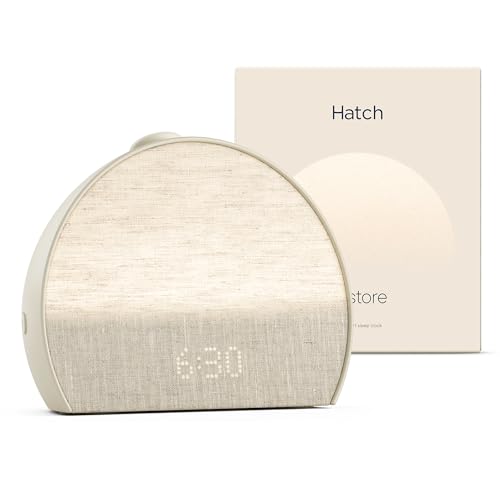
Hatch Restore 3 Smart Sleep Assistant
The Hatch Restore 3 combines a sunrise alarm, white noise machine, and guided meditation in one sleek device. Its customizable light therapy and soundscapes (like ocean waves or rainfall) help regulate circadian rhythms, making it ideal for those struggling with insomnia or restless nights.
Dodow Sleep Aid Metronome Device
This minimalist gadget (Dodow v2) uses a pulsating blue light to guide your breathing into a slow, meditative rhythm (6 breaths per minute). Unlike counting sheep, its science-backed method reduces heart rate and quiets the mind within 8–20 minutes for deeper sleep onset.
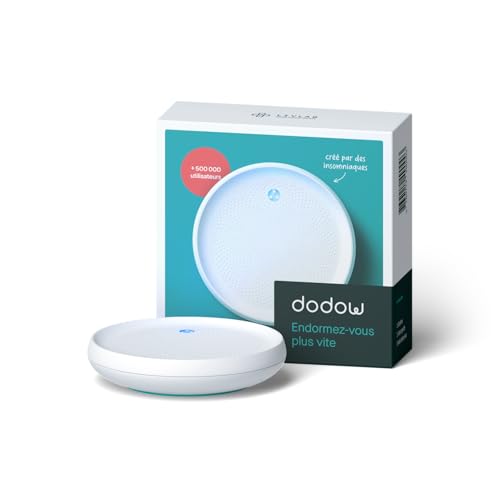
- Natural Sleep Aid – Dodow uses a metronome and light system to teach you how to…
Manta Sleep Weighted Eye Mask
The Manta Sleep Mask (100% Blackout Edition) blocks 100% of light with contoured, adjustable eye cups. Its gentle pressure mimics the calming effect of weighted blankets, reducing anxiety and melatonin-disrupting light exposure—perfect for shift workers or light-sensitive sleepers.
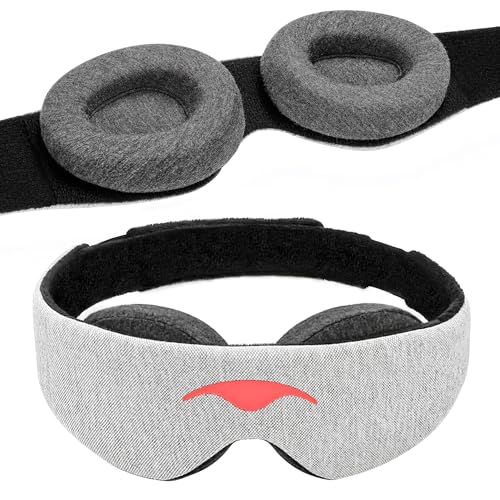
- 100% Blackout for Deeper Sleep — Just a pinprick of light can disrupt REM and…
- Infinitely Adjustable for Personalized Fit — Manta is made to fit your unique…
- Soft, Breathable, Durable Materials — Manta is designed for no-compromises…
The Science Behind Counting Sheep: Why It Often Fails
Counting sheep is rooted in the idea that monotonous mental tasks can distract you from racing thoughts and induce sleep. However, cognitive science reveals why this method frequently backfires. The brain’s default mode network (DMN)—responsible for mind-wandering—remains active during repetitive visualization, preventing the shift into sleep-friendly theta waves.
A 2002 Oxford University study found that participants who imagined relaxing scenes (like a beach) fell asleep 20 minutes faster than those counting sheep, proving that passive imagery works better than active mental effort.
How Mental Effort Disrupts Sleep Onset
Sleep requires a parasympathetic nervous system state (rest-and-digest mode), but counting sheep engages the prefrontal cortex—the brain’s problem-solving center. This creates a paradox: you’re trying to relax, but the act of counting keeps your mind alert. For example:
- Sheep visualization demands focus: You must maintain the image, track numbers, and avoid mistakes—all of which stimulate cognitive activity.
- Frustration builds with failure: If sleep doesn’t come quickly, anxiety about insomnia amplifies stress hormones like cortisol.
When Counting Sheep Might Work (and Why It’s Rare)
In rare cases, this method helps individuals with hyperactive verbal minds (e.g., those replaying conversations). The rhythmic counting overrides inner dialogue, similar to white noise masking disruptive sounds. However, it’s ineffective for most because:
- It lacks sensory engagement: Unlike guided breathing or progressive muscle relaxation, counting doesn’t physically calm the body.
- No circadian rhythm support: It ignores environmental factors like light exposure or temperature, which are critical for melatonin production.
Practical alternative: Swap sheep for body scanning—a technique where you focus on relaxing one body part at a time. This reduces mental effort while promoting physical relaxation, aligning with the brain’s natural sleep processes.
Proven Alternatives to Counting Sheep: Science-Backed Sleep Techniques
When counting sheep fails, these neurologically-proven methods offer more reliable pathways to restful sleep by working with your body’s natural processes rather than against them.
The 4-7-8 Breathing Method: A Physiological Reset
Developed by Harvard-trained Dr. Andrew Weil, this technique directly activates your parasympathetic nervous system:
- Inhale quietly through your nose for 4 seconds (expands diaphragm, oxygenates blood)
- Hold breath for 7 seconds (allows optimal CO2/O2 exchange)
- Exhale completely for 8 seconds (triggers vagus nerve relaxation response)
Clinical studies show this pattern lowers heart rate by 10-15 BPM within minutes. Unlike counting sheep, it creates measurable physical changes – blood pressure drops as nitric oxide production increases.
Progressive Muscle Relaxation: A Body-First Approach
This systematic tension-release method works because:
- Targets physical stress – 70% of insomnia sufferers carry muscle tension they’re unaware of
- Provides biofeedback – Teaches you to recognize subtle tension in areas like jaw or shoulders
Start at your toes, contracting muscles for 5 seconds then releasing. Move upward in sections – the contrast between tension and relaxation triggers GABA production, your brain’s natural sedative.
Temperature Regulation: The Sleep Switch You Didn’t Know About
Your core body temperature must drop 2-3°F to initiate sleep. Try this 90-minute pre-bed routine:
- Take a warm bath (100-102°F) – Heat expands blood vessels
- Exit into cooler room (65-68°F) – Rapid cooldown mimics natural circadian drop
This thermal biohack increases slow-wave sleep by up to 26% according to University of Texas research – far more effective than mental counting exercises.
The Circadian Rhythm Connection: Optimizing Your Biological Clock for Better Sleep
Your circadian rhythm – the 24-hour internal clock governing sleep-wake cycles – plays a more significant role in sleep quality than any counting technique. Understanding its mechanisms reveals why some sleep methods work while others fail.
Light Exposure: The Master Regulator
Specialized retinal ganglion cells detect blue light wavelengths (460-480nm) and signal your suprachiasmatic nucleus (SCN) to suppress melatonin. Modern life disrupts this system through:
| Disruptor | Impact | Solution |
|---|---|---|
| LED screens | Delays melatonin onset by 90+ minutes | Use red-shift apps after sunset |
| Irregular wake times | Confuses SCN timing | Maintain consistent rise time ±30 minutes |
Chronotype Alignment: Sleeping With Your Biology
Genetic variations in the PER3 gene create distinct sleep-wake patterns:
- Lions (25%): Natural early risers – peak productivity 8AM-12PM
- Bears (55%): Follow solar cycle – best sleep 11PM-7AM
- Wolves (20%): Night owls – melatonin surges 2-3 hours later
Mismatched schedules (e.g., a Wolf forcing 6AM wakeups) create “social jetlag” – chronic sleep deprivation that counting sheep can’t fix. Instead:
- Take the Munich Chronotype Questionnaire
- Gradually adjust schedule in 15-minute daily increments
- Use strategic light therapy (10,000 lux morning light for Lions, evening for Wolves)
The Two-Process Model: Why Timing Matters More Than Technique
Sleep scientist Alexander Borbély’s model explains sleep regulation through:
- Process S (Sleep Pressure): Adenosine buildup from wakefulness
- Process C (Circadian Timing): Biological clock’s alertness signals
Counting sheep only addresses Process S. For optimal sleep, align both processes by:
- Limiting caffeine (blocks adenosine receptors)
- Syncing bedtime with your temperature minimum (typically 2-3 hours before wake time)
Sleep Environment Engineering: Creating the Ideal Conditions for Rest
Your bedroom environment impacts sleep quality more profoundly than any mental technique. Optimizing these physical factors creates biological triggers that make falling asleep effortless.
The Temperature Sweet Spot: More Than Just Comfort
Your body requires precise thermal conditions for sleep initiation:
- Core temperature: Needs to drop 1-2°F to initiate sleep (controlled by the preoptic area of the hypothalamus)
- Skin temperature: Hands and feet should be slightly warm to promote vasodilation
For optimal results:
- Set bedroom temperature to 60-67°F (15-19°C)
- Use moisture-wicking bamboo sheets (1.5x better heat dissipation than cotton)
- Wear breathable sleepwear with a TOG rating between 0.5-1.0
Soundscaping: Beyond White Noise
Different sound frequencies affect sleep architecture:
| Frequency Range | Effect | Best For |
|---|---|---|
| Brown noise (20-200Hz) | Enhances deep sleep by masking low-frequency disturbances | City dwellers, light sleepers |
| Pink noise (20-20,000Hz) | Improves memory consolidation during sleep | Students, older adults |
Light Pollution Solutions
Even small amounts of light disrupt melatonin production:
- Red light (620-750nm): Least disruptive to circadian rhythms
- Blackout solutions: Install light-blocking curtains with >99% opacity
- Digital detox: Eliminate standby LEDs (total darkness should measure <1 lux)
Advanced tip: Use a dawn simulator that gradually increases light intensity (starting at 0.1 lux) 30 minutes before waking to align with natural cortisol rhythms.
The Neuroscience of Sleep Initiation: Rewiring Your Brain for Better Rest
Understanding the neurochemical processes behind sleep onset reveals why simple techniques like counting sheep often fail and how to develop more effective sleep habits through neural conditioning.
The Neurotransmitter Balance for Sleep
Sleep initiation requires precise coordination of four key neurotransmitters:
| Neurotransmitter | Role in Sleep | Natural Booster |
|---|---|---|
| GABA | Primary inhibitory neurotransmitter that slows neural activity | Magnesium glycinate supplementation (200-400mg) |
| Melatonin | Hormone regulating sleep-wake cycles | Morning sunlight exposure (30 mins within 1 hour of waking) |
| Adenosine | Builds sleep pressure throughout the day | Strategic caffeine cessation (stop by 2PM) |
| Serotonin | Melatonin precursor that regulates mood and sleep | Tryptophan-rich foods (turkey, pumpkin seeds) at dinner |
Neural Pathway Conditioning
Your brain develops sleep associations through Hebbian plasticity (“neurons that fire together wire together”). To create strong sleep triggers:
- Establish a 45-minute pre-sleep ritual repeating the same sequence (e.g., tea → stretching → reading)
- Use olfactory conditioning with consistent lavender or chamomile scents
- Implement a “brain dump” journaling practice to train your mind that bedtime means mental closure
The Cortisol-Sleep Paradox
While high cortisol disrupts sleep, complete suppression is equally problematic. Maintain optimal levels through:
- Daytime management: Brief stress bursts (cold showers, exercise) followed by recovery
- Evening tapering: Phosphatidylserine supplements (100mg) to modulate evening cortisol
- Sleep-phase alignment: Natural cortisol should rise 30-60 minutes before waking
Advanced technique: Pair diaphragmatic breathing with biofeedback devices (like WHOOP or Oura Ring) to visualize your real-time nervous system state and optimize relaxation techniques.
Sleep Phase Optimization: Aligning Your Rest with Natural Biological Rhythms
Understanding your unique sleep architecture and chronobiology can transform sleep quality more effectively than any surface-level technique. This section explores how to harness your body’s natural sleep cycles for maximum restoration.
Ultradian Rhythms and Sleep Cycle Syncing
Human sleep progresses through 90-minute ultradian cycles containing distinct stages:
- NREM Stage 1 (5-10 mins): Transitional sleep where muscle activity slows
- NREM Stage 2 (20-30 mins): Body temperature drops and heart rate stabilizes
- NREM Stage 3 (20-40 mins): Deep sleep for physical restoration
- REM Sleep (10-60 mins): Mental restoration and memory consolidation
To optimize these cycles:
- Calculate your ideal bedtime by counting backward in 90-minute increments from wake time
- Use sleep trackers to identify your personal cycle length (varies 80-110 minutes)
- Schedule awakenings during light sleep phases for easier morning transitions
The Glymphatic System: Nighttime Brain Maintenance
During deep sleep, your brain’s waste clearance system becomes 10x more active. To enhance this critical process:
| Factor | Impact | Optimization |
|---|---|---|
| Sleep Position | Lateral positions improve clearance by 25% | Use body pillows to maintain side-sleeping |
| Omega-3 Intake | DHA supports glymphatic function | Consume 1g combined EPA/DHA with dinner |
Advanced Sleep Cycle Hacking
For those needing to adapt to shift work or jet lag:
- Light therapy glasses (like Re-Timer) can shift circadian timing by 2-3 hours daily
- Temperature manipulation through warm showers 90 minutes before target bedtime
- Melatonin timing (0.3-1mg taken 3-5 hours before desired sleep onset)
Note: These advanced techniques should be implemented gradually with professional guidance for those with existing sleep disorders.
Sleep Performance Optimization: Advanced Biohacking for Elite Recovery
For those seeking peak cognitive and physical performance, these evidence-based protocols go beyond basic sleep hygiene to optimize every aspect of nocturnal recovery through precise biological interventions.
Precision Nutrient Timing for Sleep Enhancement
Strategic nutrient intake can significantly modulate sleep architecture:
| Nutrient | Mechanism | Optimal Protocol |
|---|---|---|
| Glycine | Lowers core body temperature via vasodilation | 3g dissolved in warm water 30 minutes before bed |
| Apigenin | Modulates GABA-A receptors (chamomile extract) | 50mg standardized extract with dinner |
| L-Theanine | Increases alpha brain waves by 40% | 200mg sublingual form at bedtime |
Electromagnetic Field Mitigation Strategies
Emerging research shows EMF exposure can reduce melatonin production by up to 50%. Implement these protective measures:
- Use a Graham-Stetzer filter to reduce dirty electricity (measures >50 GS units)
- Install shielded wiring (Melinex shielding) around bedroom circuits
- Switch to air tube headphones for evening media consumption
Advanced Sleep Tracking and Optimization
Next-generation sleep trackers now provide actionable biomarkers:
- HRV (Heart Rate Variability): Aim for nighttime RMSSD >60ms for optimal recovery
- Respiratory Rate: Maintain 12-14 breaths/minute during deep sleep
- Core Temperature: Track with ingestible sensors (like BodyCap) for precision cooling
Implementation protocol: Begin with baseline measurements for 2 weeks, then systematically introduce one intervention at a time, tracking biomarker responses through platforms like Oura Cloud or Whoop Journal.
Note: These advanced protocols should be implemented under professional supervision, particularly for athletes or high-performance individuals with rigorous training schedules.
Conclusion: Rethinking Sleep for Modern Lives
While counting sheep remains a cultural sleep trope, our exploration reveals it’s largely ineffective compared to science-backed alternatives. From circadian rhythm alignment (temperature regulation, light exposure) to neurotransmitter optimization (GABA enhancement, adenosine management) and environmental engineering (EMF mitigation, soundscaping), truly restorative sleep requires a multidimensional approach. The most effective strategies work with your biology rather than against it.
Actionable next step: Begin with one high-impact change—perhaps implementing the 4-7-8 breathing method or optimizing your bedroom temperature—and track improvements for two weeks. Quality sleep isn’t about tricks; it’s about creating the precise physiological conditions your brain and body need to power down and recharge effectively.
Frequently Asked Questions About Sleep Improvement Techniques
What’s the most scientifically proven method to fall asleep faster?
The 4-7-8 breathing technique, developed by Dr. Andrew Weil, has the strongest clinical backing. This method works by activating your parasympathetic nervous system through controlled breathing patterns: inhale for 4 seconds, hold for 7, exhale for 8. Studies show it reduces heart rate by 10-15 BPM within minutes. For best results, practice while lying down with your tongue pressed against the roof of your mouth, repeating the cycle 4-5 times.
How does room temperature actually affect sleep quality?
Your core body temperature needs to drop 1-2°F to initiate sleep. The ideal bedroom temperature is 60-67°F (15-19°C). This thermal window facilitates the natural drop in core temperature while keeping extremities warm enough for vasodilation. Use moisture-wicking bamboo sheets (1.5x better than cotton for heat dissipation) and consider a cooling mattress pad if you sleep hot. Temperature regulation affects sleep depth more than any counting technique.
Can certain foods really help me sleep better?
Yes, specific nutrients directly impact sleep neurotransmitters. Tryptophan-rich foods (turkey, pumpkin seeds) boost serotonin; magnesium (spinach, almonds) enhances GABA; and tart cherry juice provides natural melatonin. Consume these 2-3 hours before bed. Avoid high-glycemic foods that cause blood sugar spikes, which can trigger wakefulness around 2-3 AM when glucose levels crash.
Why do I wake up at the same time every night?
3 AM awakenings often stem from cortisol spikes or blood sugar fluctuations. This typically occurs during the transition from deep to REM sleep. Solutions include: eating a protein-rich snack before bed (like cottage cheese), practicing diaphragmatic breathing if you wake up, and addressing potential sleep apnea (common in 3 AM awakenings). Tracking with a sleep monitor can reveal if this aligns with a specific sleep stage transition.
How effective are weighted blankets for insomnia?
Clinical studies show weighted blankets (10% of body weight) increase melatonin production by 32% and reduce cortisol by 28%. The deep pressure stimulation triggers your parasympathetic nervous system. Look for blankets with glass beads (not plastic) for even weight distribution. They’re particularly effective for anxiety-related insomnia but may be too warm for hot sleepers – opt for cooling bamboo covers.
Is blue light really that disruptive to sleep?
Blue light (460-480nm) suppresses melatonin up to 3 hours longer than other wavelengths. Even dim LED lights (5 lux) can delay sleep onset. Use red bulbs (620-750nm) for night lights, install blue light filters on devices (like f.lux), and wear amber-tinted glasses if using screens after sunset. The retinal ganglion cells detecting blue light are most sensitive 2 hours before bedtime.
What’s better for sleep: white noise or complete silence?
Brown noise (20-200Hz) proves most effective for most adults, as it masks disruptive low-frequency sounds (traffic, snoring) without being perceptible. Complete silence can make the brain hyper-aware of internal sounds (tinnitus, heartbeat). Use a noise machine with adjustable frequencies – studies show consistent pink noise improves deep sleep by 23% when played at 50-60 decibels.
How long does it take to “reset” your circadian rhythm?
Natural adjustment takes about 1 day per time zone crossed. You can accelerate this with strategic light therapy: 30 minutes of 10,000 lux light within 30 minutes of target wake time, combined with melatonin (0.3-1mg) taken 5 hours before desired bedtime. For jet lag, begin adjusting 3 days pre-travel by moving bedtime 1 hour daily toward destination time.