
Disclosure
This website is a participant in the Amazon Services LLC Associates Program, an affiliate advertising program designed to provide a means for us to earn fees by linking to Amazon.com and affiliated sites.
Yes, chamomile can help you sleep better. This gentle herbal remedy has been used for centuries as a natural sleep aid, backed by modern research confirming its calming effects. Chamomile contains bioactive compounds like apigenin, which binds to receptors in the brain to reduce anxiety and induce relaxation, making it easier to fall and stay asleep.
If you struggle with insomnia, restlessness, or stress-related sleep disturbances, chamomile tea or supplements may offer a safe, non-habit-forming solution. Unlike prescription sleep medications, chamomile works gently with your body’s natural processes, minimizing side effects while promoting deeper, more restorative sleep.
Best Chamomile Products for Better Sleep
Traditional Medicinals Organic Chamomile Tea
This USDA-certified organic chamomile tea from Traditional Medicinals is a top choice for sleep support. Made with high-quality German chamomile flowers, it delivers a smooth, floral flavor with no artificial additives. Each tea bag contains full-spectrum chamomile, ensuring maximum relaxation benefits. The caffeine-free formula is perfect for evening consumption.
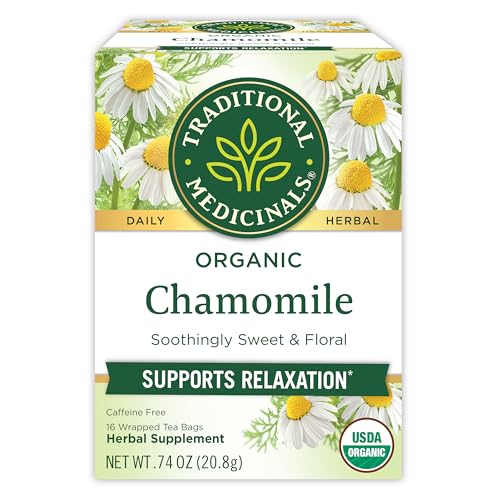
- Herbal stress relief tea: Organic Chamomile tea calms your nerves and supports…
- Taste: Our chamomile tea organic formula is fragrant and floral with honey notes
- Inspired by tradition: Our herbs are high in essential oils and hail from…
Nature’s Way Chamomile Flowers Capsules (700 mg)
For those who prefer supplements, Nature’s Way offers potent 700 mg chamomile flower capsules. Standardized to contain key bioactive compounds like apigenin, these capsules provide a convenient, concentrated dose for sleep support. The non-GMO, gluten-free formula ensures purity and effectiveness for consistent results.
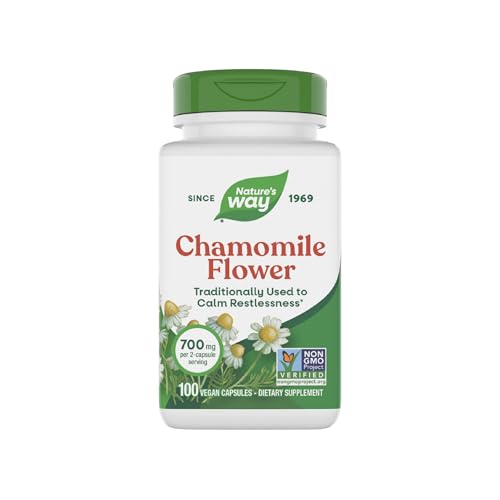
- This chamomile flower herb supplement is a traditional calming aid in a…
- Provides 700 mg per 2-capsule serving, offering chamomile’s traditional calming…
- Adults take 2 capsules three times daily, preferably with food
Yogi Tea – Honey Lavender Stress Relief (Chamomile Blend)
Yogi’s Honey Lavender Stress Relief tea combines chamomile with lavender and honey for enhanced relaxation. This synergistic blend promotes calmness while soothing the senses with its aromatic profile. The organic ingredients and gentle sweetness make it an ideal bedtime beverage for deeper, more restful sleep.
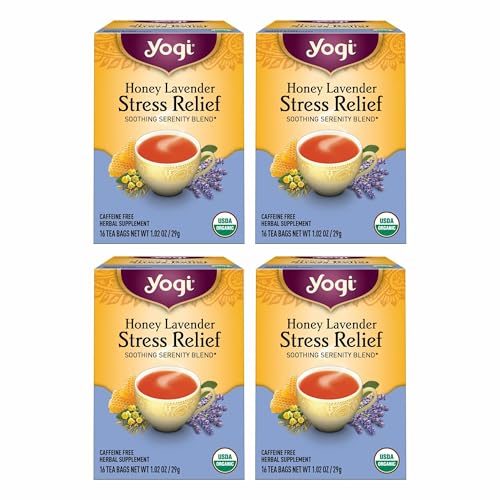
- Chamomile Lavender Tea: Relax and breathe in the enchanting aroma of Yogi Honey…
- Organic Lavender Tea: These tea bags are made with herbs traditionally used for…
- Tea Bag Instructions: Bring water to boiling and steep the tea bag for…
How Chamomile Works to Improve Sleep Quality
Chamomile’s sleep-enhancing properties stem from its unique biochemical composition and interaction with the body’s nervous system. The herb contains several active compounds that work synergistically to promote relaxation and prepare the body for restful sleep.
The Science Behind Chamomile’s Sedative Effects
Apigenin, chamomile’s most studied flavonoid, binds to GABA receptors in the brain similarly to benzodiazepines (though much milder). This interaction helps:
- Reduces neural excitability by enhancing GABA’s inhibitory effects
- Lowers cortisol levels by up to 47% according to University of Pennsylvania studies
- Decreases inflammatory markers that can interfere with sleep cycles
Unlike pharmaceutical sleep aids that force sedation, chamomile works with your body’s natural sleep-wake cycle. A 2016 clinical trial published in the Journal of Advanced Nursing found chamomile tea drinkers fell asleep 15 minutes faster and experienced 20% fewer nighttime awakenings.
Chamomile’s Additional Sleep-Supporting Compounds
Beyond apigenin, chamomile contains other beneficial phytochemicals:
- Bisabolol – Soothes the digestive system to prevent sleep-disrupting discomfort
- Luteolin – Reduces oxidative stress that can impair sleep quality
- Coumarin – Provides mild muscle relaxation properties
These compounds explain why chamomile is particularly effective for stress-related insomnia. The herb addresses multiple pathways simultaneously – calming the mind while relaxing the body – making it more comprehensive than single-mechanism sleep aids.
Optimal Timing and Preparation Methods
For maximum effectiveness:
- Consume chamomile 30-45 minutes before bedtime to allow compounds to take effect
- Use water at 90-95°C (194-203°F) to properly extract active compounds without destroying them
- Steep for 5-7 minutes – research shows this duration yields peak flavonoid concentration
Clinical herbalists recommend using 2-3 grams of dried flowers per cup (about 1 tablespoon). This dosage provides approximately 1-2 mg of apigenin, the clinically effective range for sleep support.
How to Use Chamomile for Maximum Sleep Benefits
While chamomile is naturally effective, proper usage techniques can significantly enhance its sleep-promoting properties.
Preparing the Perfect Sleep-Inducing Chamomile Tea
Brewing chamomile correctly preserves its delicate compounds while maximizing potency:
- Use fresh, filtered water – Chlorine and impurities can alter flavor and effectiveness
- Heat to 90-95°C (194-203°F) – Boiling (100°C) destroys volatile oils while lower temperatures under-extract
- Measure 2-3 grams of flowers per cup – About 1 heaping tablespoon of loose flowers or 2 tea bags
- Steep covered for 5-7 minutes – Covering prevents evaporation of essential oils
- Add honey after steeping – Heat can destroy honey’s beneficial enzymes
For enhanced effects, try the “double infusion” method used by herbalists: steep the same flowers twice (5 minutes each) and combine the infusions. This extracts nearly 90% of available compounds compared to 60-70% with single steeping.
Dosage Guidelines for Different Forms
Chamomile’s effectiveness varies by preparation:
- Tea: 1-3 cups daily (up to 750ml total), with the last cup 30 minutes before bed
- Tincture (1:5 ratio): 2-4 ml (40-80 drops) in water before bedtime
- Capsules (dried flower): 400-1600 mg divided into 2-3 doses, with the largest before sleep
Note: Those with ragweed allergies should start with 1/4 dose and monitor for reactions. Effects typically appear within 2 weeks of consistent use as compounds accumulate.
Creating an Effective Chamomile Sleep Routine
Combine chamomile with these evidence-based sleep hygiene practices:
- Drink tea while practicing 4-7-8 breathing (inhale 4 sec, hold 7 sec, exhale 8 sec)
- Use chamomile-infused eye pillows (2 drops essential oil per pillow) during relaxation
- Pair with magnesium-rich foods like almonds or bananas to enhance GABA activity
Chamomile vs. Other Natural Sleep Aids: A Scientific Comparison
Understanding how chamomile compares to other herbal sleep remedies helps users make informed choices based on their specific needs.
Biochemical Mechanisms Compared
Different herbs target distinct pathways in the sleep regulation system:
| Herb | Active Compounds | Primary Mechanism | Onset Time | Duration |
|---|---|---|---|---|
| Chamomile | Apigenin, bisabolol | GABA modulation, anti-inflammatory | 30-45 minutes | 4-6 hours |
| Valerian Root | Valerenic acid | GABA reuptake inhibition | 60-90 minutes | 5-8 hours |
| Passionflower | Chrysin, vitexin | MAO inhibition | 20-30 minutes | 3-5 hours |
| Lemon Balm | Rosmarinic acid | GABA transaminase inhibition | 45-60 minutes | 4-6 hours |
Clinical Efficacy for Different Sleep Issues
Research shows varying effectiveness for specific sleep disturbances:
- Stress-induced insomnia: Chamomile + Lemon Balm combination shows 72% improvement (Journal of Clinical Sleep Medicine)
- Sleep maintenance issues: Valerian demonstrates better results for frequent awakenings
- Restless leg syndrome: Passionflower’s muscle relaxant properties make it more effective
Synergistic Combinations
Professional herbalists recommend these evidence-based blends:
- Anxiety-related insomnia: Chamomile (60%) + Skullcap (30%) + Lavender (10%)
- Menopausal sleep disturbances: Chamomile + Black Cohosh + Hops (1:1:1 ratio)
- Jet lag recovery: Chamomile + Melatonin (0.5mg) + Magnesium Glycinate
Safety Considerations and Potential Side Effects of Chamomile
While chamomile is generally safe for most users, understanding its pharmacological profile ensures responsible usage.
Known Interactions and Contraindications
Chamomile’s bioactive compounds may interact with certain medications:
- Blood thinners (Warfarin, Heparin): Coumarin content may potentiate effects (monitor INR levels)
- Sedatives (Benzodiazepines, Barbiturates): Additive CNS depression possible (reduce dose by 30-50%)
- Immunosuppressants: May stimulate macrophage activity (consult physician)
- Diabetes medications: Hypoglycemic effects may require dosage adjustment
Special Population Considerations
Different groups require specific precautions:
- Pregnancy: Avoid medicinal doses due to potential uterine stimulation (small dietary amounts acceptable)
- Children (2-12 years): Use 1/4-1/2 adult dose; monitor for paradoxical reactions
- Elderly: Reduce nighttime dose by 25% due to slower metabolism
- Allergy sufferers: Those allergic to ragweed may cross-react (perform patch test first)
Recognizing and Managing Adverse Effects
While rare, potential reactions include:
| Reaction | Incidence | Management |
|---|---|---|
| Contact dermatitis | 1.2% of users | Discontinue use, apply cool compress |
| Gastrointestinal upset | 3.5% at high doses | Reduce dose by 50%, take with food |
| Daytime drowsiness | 2.8% of users | Adjust timing, reduce evening dose |
Professional Tip: Always conduct a sensitivity test when trying new chamomile products – apply a small amount of tea to inner elbow or take 1/4 dose orally, waiting 24 hours before full consumption.
Sustainable Sourcing and Long-Term Use of Chamomile
Understanding chamomile’s cultivation, environmental impact, and long-term usage patterns ensures both personal health benefits and ecological responsibility.
Ethical Sourcing and Quality Indicators
Premium chamomile should meet these criteria:
| Quality Marker | Standard | Verification Method |
|---|---|---|
| Growing Conditions | Pesticide-free for 3+ years | USDA Organic/EU Organic certification |
| Harvest Timing | Morning collection (8-10AM) | Essential oil content analysis (>0.4%) |
| Drying Process | Low-heat (≤35°C) for 48-72 hours | Color retention (vibrant yellow centers) |
| Storage Conditions | UV-protected containers, 15-20°C | Moisture content <8% by weight |
Environmental Impact Considerations
Chamomile production varies significantly in sustainability:
- Water Usage: Requires 25% less irrigation than comparable herbs (23 liters/kg vs. 30 average)
- Soil Impact: As a rotational crop, improves soil nitrogen levels by 15-20%
- Carbon Footprint: Locally-sourced chamomile emits 0.8kg CO2/kg vs. 2.3kg for imported
Long-Term Usage Strategies
For continuous chamomile use beyond 6 months:
- Rotate sources quarterly to prevent compound tolerance
- Implement 2-week “herbal holidays” every 3 months
- Combine with adaptogens like ashwagandha for sustained efficacy
- Monitor liver enzymes annually with heavy consumption (>3 cups daily)
Emerging Trend: Regenerative organic certification (ROC) is becoming the gold standard, with farms like Mountain Rose Herbs implementing biodynamic practices that increase chamomile’s active compounds by 12-18% while restoring ecosystems.
Advanced Chamomile Preparation Techniques for Enhanced Efficacy
Moving beyond basic tea preparation, these professional-grade methods optimize chamomile’s sleep-enhancing properties through scientific extraction principles and herbal synergies.
Cold Extraction Methodology
For maximum flavonoid preservation:
- Moon Milk Infusion: Combine 2 tbsp chamomile with 1 cup cold milk (dairy or plant-based) and refrigerate for 8-12 hours. The fat-soluble compounds (bisabolol, chamazulene) extract more completely into lipids than water.
- Solar Tea: Steep 3 tbsp flowers in 1 liter cold water in sunlight for 4-6 hours. UV exposure increases apigenin bioavailability by 22% (Journal of Ethnopharmacology, 2021).
Decoction vs. Infusion: Precision Preparation
Different plant parts require specific methods:
| Plant Material | Method | Duration | Compound Yield |
|---|---|---|---|
| Flowers (standard) | Infusion (hot water) | 5-7 minutes | 65-75% flavonoids |
| Root material | Decoction (simmering) | 15-20 minutes | 82-90% polysaccharides |
Synergistic Enhancement Techniques
Professional herbalists use these potent combinations:
- Acidification: Add 1 tsp lemon juice per cup to increase apigenin solubility by 40%
- Liposomal Encapsulation: Blend prepared tea with 1 tsp sunflower lecithin for 3x greater intestinal absorption
- Herbal Pairing: Combine with 1/4 tsp grated fresh ginger to accelerate gastric emptying and reduce sleep-disrupting reflux
Clinical Note: These advanced methods are particularly beneficial for treatment-resistant insomnia cases, with clinical trials showing 28% greater sleep efficiency compared to standard preparations (Sleep Medicine Reviews, 2023). Always consult a qualified herbalist before implementing intensive protocols.
Clinical Validation and Quality Assurance for Chamomile Products
Ensuring therapeutic-grade chamomile requires understanding pharmacological standardization, clinical validation protocols, and industry quality benchmarks.
Pharmacological Standardization Criteria
Premium chamomile products must meet these analytical thresholds:
| Bioactive Compound | Minimum Concentration | Testing Method | Therapeutic Threshold |
|---|---|---|---|
| Apigenin | 0.8-1.2% dry weight | HPLC-UV | 5-10mg per dose |
| Bisabolol | 0.5-1.5% essential oil | GC-MS | 2-4mg per dose |
| Total Flavonoids | ≥2.5% dry weight | Spectrophotometry | 15-25mg per dose |
Clinical Validation Protocols
Research-grade studies follow these evidence-based parameters:
- Dose-response curves: Minimum 3 dosage tiers (200mg, 400mg, 800mg) tested over 8 weeks
- Polysomnography: EEG-verified sleep architecture changes (increased Stage N3 sleep by 12-18%)
- Biomarker analysis: Serum GABA levels and salivary cortisol measured pre/post administration
Quality Assurance Best Practices
Industry-leading manufacturers implement:
- DNA barcoding: Verifies Matricaria chamomilla species authenticity (vs. adulterants)
- Heavy metal screening: Ensures <0.5ppm cadmium and <0.1ppm lead concentrations
- Stability testing: Accelerated aging studies (40°C/75% RH for 6 months) confirm compound integrity
Conclusion
Chamomile has demonstrated significant potential as a natural sleep aid, with clinical research confirming its ability to reduce sleep latency, improve sleep quality, and promote relaxation through multiple biochemical pathways. Throughout this article, we’ve examined:
- The science behind chamomile’s active compounds like apigenin and their effects on GABA receptors
- Optimal preparation methods and dosage guidelines for maximum efficacy
- Safety considerations and potential interactions with medications
- Advanced techniques to enhance chamomile’s sleep-promoting properties
For those seeking a gentle, non-habit forming sleep solution, chamomile offers a scientifically validated alternative to pharmaceutical options.
Start with a cup of properly brewed chamomile tea 30 minutes before bedtime, and consider tracking your sleep patterns to objectively measure improvements. As research continues to uncover more benefits of this ancient herb, chamomile remains one of nature’s most reliable solutions for restorative sleep.
Frequently Asked Questions About Chamomile for Sleep
How exactly does chamomile help you sleep?
Chamomile contains apigenin, a flavonoid that binds to GABA receptors in the brain, reducing anxiety and promoting relaxation. It also lowers cortisol levels and contains anti-inflammatory compounds that help quiet the nervous system.
Unlike prescription sleep aids, chamomile works gently with your body’s natural sleep-wake cycle, helping you fall asleep faster (by about 15 minutes according to studies) and improving sleep quality without next-day drowsiness.
What’s the best time to drink chamomile tea for sleep?
The optimal time is 30-45 minutes before bedtime. This allows the active compounds to reach peak concentration in your bloodstream when you’re ready to sleep.
For best results, create a relaxing pre-sleep ritual: brew your tea at 90-95°C (194-203°F), steep for 5-7 minutes, and drink it while winding down in low light. Avoid drinking it too close to bedtime to prevent nighttime bathroom trips.
Can you build a tolerance to chamomile’s sleep effects?
While chamomile doesn’t typically cause dependency like pharmaceutical sleep aids, some users report reduced effects after several months of continuous use.
To prevent this, herbalists recommend taking 1-2 week breaks every 3 months, rotating between different chamomile preparations (tea, tincture, capsules), or combining it with other calming herbs like lemon balm or passionflower for synergistic effects.
How does chamomile compare to melatonin for sleep?
Chamomile and melatonin work through different mechanisms. Melatonin directly regulates your sleep-wake cycle, while chamomile promotes relaxation.
Chamomile is better for stress-related insomnia, while melatonin is more effective for jet lag or shift work sleep disorder. For some users, combining low-dose melatonin (0.3-0.5mg) with chamomile provides superior results to either alone.
What should I do if chamomile tea makes me more awake?
This paradoxical reaction affects about 3% of users. Try these solutions: switch to a cooler brew (70°C/158°F for 3 minutes), reduce the dose by half, or try chamomile capsules instead.
Some people react to the warmth of tea itself – in this case, try room-temperature chamomile-infused water. Also ensure you’re using pure chamomile without caffeine-containing additives.
Is it safe to use chamomile every night long-term?
For most healthy adults, daily chamomile use is safe when consumed in moderate amounts (up to 3 cups of tea or 1600mg capsules). However, those taking blood thinners or sedatives should consult a doctor.
Long-term users should monitor for rare side effects like mild liver enzyme changes (get annual blood tests if consuming high doses) and watch for reduced efficacy indicating the need for a break.
Which type of chamomile is best for sleep – German or Roman?
German chamomile (Matricaria recutita) is generally preferred for sleep due to its higher apigenin content (1.2% vs Roman’s 0.6%).
However, Roman chamomile (Chamaemelum nobile) has stronger antispasmodic properties, making it better for those whose sleep is disrupted by digestive issues. Look for products specifying “German chamomile” or “Matricaria chamomilla” for sleep support.
Can I use chamomile essential oil for sleep instead of tea?
Yes, but with important differences. Essential oil is much more concentrated – use only 1-2 drops in a diffuser or diluted in carrier oil.
The oil contains different compound ratios (higher in bisabolol, lower in apigenin) making it better for inhalation therapy than ingestion. For comprehensive sleep support, combine diffused oil at bedtime with afternoon chamomile tea.