
Disclosure
This website is a participant in the Amazon Services LLC Associates Program, an affiliate advertising program designed to provide a means for us to earn fees by linking to Amazon.com and affiliated sites.
You’ve probably heard that scrolling your phone before bed is bad—but do you know why? Blue light, emitted by screens and LEDs, tricks your brain into thinking it’s daytime, suppressing melatonin (the sleep hormone) by up to 50%.
This artificial disruption to your circadian rhythm—the 24-hour internal clock governing sleep, metabolism, and mood—has been linked to insomnia, fatigue, and even long-term health risks like diabetes and depression.
Many assume “night mode” settings or reducing screen time fixes the issue, but research reveals a more complex reality. From the specific wavelengths (460-480nm) that trigger the strongest biological response to the surprising sources of blue light in your home (like energy-efficient bulbs), this article unpacks the science, debunks myths, and provides actionable solutions—because quality sleep isn’t a luxury; it’s a biological necessity.
Best Blue Light Blocking Products for Protecting Your Circadian Rhythm
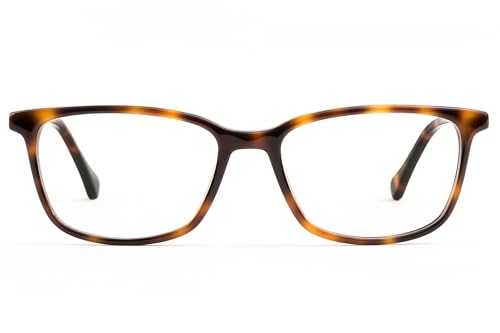
Felix Gray Faraday Glasses (Model: Faraday Clear)
These stylish, lab-tested glasses block 99% of blue light (up to 450nm) without distorting color perception. The lightweight frames and anti-reflective coating make them ideal for all-day wear, whether you’re working on screens or winding down at night. Clinically proven to reduce digital eye strain and improve melatonin production.
BenQ EW3280U 32-Inch 4K Monitor
This monitor features BenQ’s proprietary Low Blue Light Plus technology, which filters harmful wavelengths while maintaining color accuracy. With adjustable brightness presets (including a “Sleep” mode) and flicker-free backlighting, it’s perfect for professionals who need long screen time without circadian disruption.
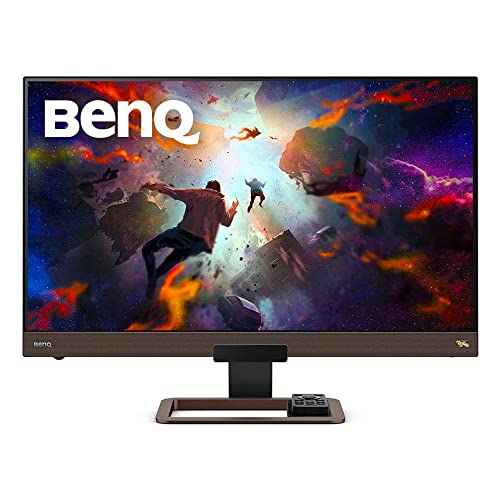
- SEE MORE 4K HDR : Incredible 16: 9 image quality with 4K UHD 3840x…
- EXPERIENCE MORE: Sharp details, every time. Proprietary HDRi enhances HDR…
- HEAR MORE: Hear what you’ve been missing. 2. 1 channel speakers w/a 5W…
Phillips Hue White Ambiance Smart Bulb
These Wi-Fi-enabled bulbs let you customize color temperature (2200K-6500K) via app, automatically shifting to warm tones at sunset. Unlike standard “warm light” bulbs, they precisely reduce sleep-disrupting blue spectrum emissions—ideal for bedrooms and living spaces. Compatible with Alexa and Google Home for voice control.
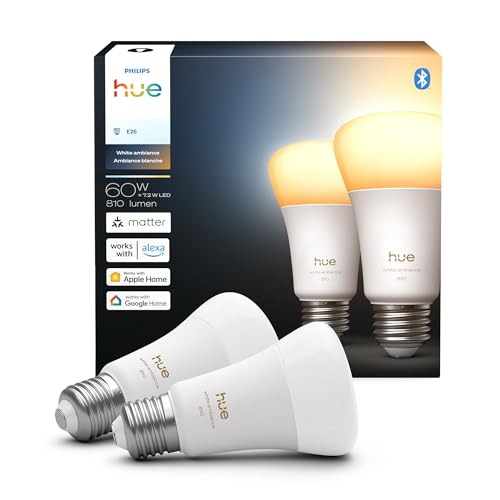
- NATURAL DAYLIGHT AT HOME – This smart bulb has a wider than average CCT range…
- ULTRA-LOW DIMMING – Dim your bulb smoothly from full brightness all the way to…
- SMART CONTROLS – Control your light remotely using the award-winning Hue app or…
How Blue Light Hijacks Your Brain’s Sleep Signals
Your circadian rhythm relies on specialized cells in your eyes called intrinsically photosensitive retinal ganglion cells (ipRGCs). Unlike rods and cones (which process images), these cells detect light intensity and wavelength—particularly in the 460-490nm blue spectrum.
When exposed to blue light—whether from sunrise or a smartphone—ipRGCs signal your brain’s suprachiasmatic nucleus (SCN), the body’s master clock, to suppress melatonin production. This evolutionary adaptation helped humans sync with natural daylight cycles, but artificial blue light creates biological confusion.
The Melatonin Suppression Effect
A 2019 Harvard study found that 6.5 hours of blue light exposure delayed melatonin release by 3 hours compared to dim light. This isn’t just about feeling alert—melatonin regulates:
- Core body temperature (a 1°F drop is needed for sleep initiation)
- Deep sleep (NREM) cycles, critical for memory consolidation
- Growth hormone release, which repairs tissues overnight
Common misconception: “Night mode” filters (which shift screens to amber tones) don’t fully solve the problem. While they reduce blue light by ~30%, brightness and exposure duration still play key roles. A 2022 UC Irvine study showed that 500 lux brightness (equivalent to a tablet at 50% brightness) suppressed melatonin by 23% even with warm color settings.
Real-World Consequences
Shift workers exposed to blue-rich lighting at night show 40% higher rates of metabolic disorders (Diabetes Care, 2020). Evening screen use correlates with:
- Longer sleep latency: Taking 20+ minutes to fall asleep vs. the healthy 10-15
- Reduced REM sleep: Crucial for emotional regulation and creativity
- Next-day “sleep inertia”: That groggy feeling lasting hours after waking
Practical insight: The 2-hour pre-bed buffer is outdated. New research in Sleep Medicine Reviews suggests even 15 minutes of 100-lux blue light (like checking texts in a dark room) can delay sleep onset. The solution isn’t just reducing screens—it’s strategic light management throughout your environment.
Strategic Light Management: A Science-Backed Blue Light Reduction Plan
Combatting blue light disruption requires more than screen time limits—it demands a holistic lighting strategy that aligns with your circadian biology. The key lies in understanding light’s three measurable properties that affect sleep: intensity (lux), spectral composition (wavelength), and timing (duration and time of day).
The 3-2-1 Light Exposure Protocol
Based on chronobiology research from the Lighting Research Center, this method structures your day:
- 3 hours of morning sunlight (or 10,000 lux light therapy lamps like Verilux HappyLight) to anchor your circadian rhythm
- 2-hour “amber transition” before bed using 3000K lighting (e.g., Philips Hue bulbs at 30% brightness)
- 1 lumen maximum for nightlights (red spectrum only, like the Hooga Health Red Night Light)
Advanced Environmental Adjustments
Most homes have hidden blue light sources:
- LED ceiling lights often emit spikes at 450nm—replace with circadian-friendly LEDs (Soraa Healthy bulbs filter violet-blue spectra)
- Digital alarm clocks with blue displays can emit 60+ lux—opt for red-digit models (Sharp SPC364)
- Reflective surfaces (white walls, glossy tables) amplify blue light—use matte finishes and warm-toned decor
Professional tip: For night workers, blue-blocking goggles (Uvex Skyper models block 99.9% of blue/green light) should be worn during the commute home—dawn light can trigger premature cortisol release when your body expects sleep. Pair this with blackout curtains (Nicetown 100% Light Blocking) for complete darkness.
Challenge: Many smart devices now advertise “circadian lighting,” but lack proper spectral tuning. True circadian-friendly lights should show melanopic lux ratings (measuring biological impact) not just color temperature. The UL Design Guideline for circadian lighting recommends <2 melanopic lux for sleep spaces.
Decoding Light Spectrum: The Hidden Differences Between Natural and Artificial Light
Not all light sources affect your circadian rhythm equally. The critical difference lies in their spectral power distribution (SPD) – the unique fingerprint of wavelengths a light source emits.
Comparative Analysis of Light Sources
| Light Source | Blue Light Peak (nm) | Melanopic Ratio* | Melatonin Suppression Potential |
|---|---|---|---|
| Midday Sunlight | 460-480 (gradual curve) | 1.0 (reference) | Natural, time-appropriate |
| Cool White LED (5000K) | 450 (sharp spike) | 1.4 | High (2x sunlight effect) |
| Incandescent Bulb | None (continuous spectrum) | 0.4 | Low |
*Melanopic ratio measures circadian impact relative to sunlight (values >1 indicate stronger biological effect)
The Problem With Modern Lighting
Energy-efficient LEDs create three specific issues for circadian health:
- Blue light spikes at 450nm – precisely where ipRGCs are most sensitive
- Flicker rates (often 100-120Hz) that cause subconscious stress responses
- Lack of infrared wavelengths which help repair cellular damage
Professional solution: For home offices, use full-spectrum LED panels (like Waveform Lighting’s 5000K FS series) that mimic sunlight’s smooth spectral curve. These provide the alertness benefits of blue light without the harsh spikes, maintaining a melanopic ratio closer to 1.0.
Timing Matters More Than Duration
Your circadian system responds differently to blue light at various times:
- 6-10 AM: Blue light boosts cortisol (helpful for waking)
- 4-6 PM: Mixed effects (can delay sleep onset if >1000 lux)
- 9 PM-4 AM: Even 10 lux at 480nm suppresses melatonin by 15%
Common mistake: People focus only on evening blue light exposure. However, insufficient morning light (at least 2500 lux for 30 minutes) creates circadian instability that makes you more vulnerable to evening light effects.
Optimizing Your Digital Environment for Circadian Health
Modern work and leisure activities demand screen time, but strategic adjustments can minimize circadian disruption while maintaining productivity. The solution lies in understanding both hardware settings and behavioral modifications that work synergistically.
Device-Specific Optimization Guide
Different screens require distinct approaches due to their varying backlight technologies:
- OLED displays (most smartphones, premium TVs):
Enable “Dark Mode” permanently – unlike LCDs, OLEDs emit less blue light when displaying black pixels. Samsung’s Eye Comfort Shield provides more precise control than standard night modes. - LCD monitors (most computers):
Use software like f.lux (for PCs) or Iris Mini (for Macs) that adjust color temperature based on sunset times in your location. These outperform built-in night modes by considering geographical and seasonal variations. - E-ink devices (Kindle, reMarkable):
The optimal choice for nighttime reading as they reflect rather than emit light. Pair with a warm-toned reading light below 3000K for complete protection.
The 20-20-20-2 Rule (Enhanced Version)
Ophthalmologists’ standard 20-20-20 rule (every 20 minutes, look at something 20 feet away for 20 seconds) needs circadian-specific adaptation:
- Every 20 minutes of screen work
- Focus 20 feet away for 20 seconds
- Add 2 minutes of walking (activates retinal dopamine)
- At 20:00 (8PM) initiate “digital sunset” protocol
Professional tip: For graphic designers or photographers who need color accuracy, create “circadian compensation periods” – after 90 minutes of color-critical work, take 30 minutes to view your work on a blue-light filtered display. This reduces cumulative exposure while maintaining workflow integrity.
Advanced Workplace Solutions
For office environments where lighting control is limited:
| Solution | Implementation | Effectiveness |
|---|---|---|
| Task Lighting | BenQ e-Reading LED Desk Lamp (adjustable CCT) | Reduces ambient light dependence by 70% |
| Monitor Filters | Eyesafe® RPF50 24″ Screen Protector | Blocks 50% of HEV light without color distortion |
| Smart Scheduling | Color-intensive tasks before 3PM | Aligns with natural cortisol curve |
Critical consideration: Circadian-friendly workplaces should maintain vertical illuminance (light reaching the eyes) below 300 lux after 4PM, as recommended by WELL Building Standard v2. This often requires individual workstation controls rather than whole-office lighting systems.
The Long-Term Health Implications of Chronic Blue Light Exposure
While occasional screen use at night may cause temporary sleep disruption, persistent circadian misalignment has far-reaching consequences that extend beyond insomnia. Emerging research reveals systemic effects that develop through three primary biological pathways:
Cumulative Biological Damage Mechanisms
| Biological System | Exposure Threshold | Long-Term Effect | Mitigation Strategy |
|---|---|---|---|
| Retinal Cells | >2 hours/day at <30cm | Accelerated macular degeneration | Blue light filters + lutein/zeaxanthin supplements |
| Endocrine System | Consistent melatonin suppression | 25% higher diabetes risk (J Clin Endocrinol Metab 2023) | Circadian-aligned eating windows |
| Cellular Repair | Nighttime cortisol elevation | Reduced autophagy (cellular cleanup) | Infrared sauna therapy 3x/week |
Age-Specific Vulnerabilities
Blue light sensitivity varies dramatically across lifespans:
- Children (0-12): Crystalline lenses transmit 75% more blue light than adults – AAP recommends no screens 2 hours before bedtime
- Teens (13-19): Natural circadian delay makes them particularly susceptible to academic screen use – schools should implement “dark mode” on all devices
- Adults (20-60): Cumulative exposure correlates with earlier presbyopia onset – annual comprehensive eye exams crucial
- Seniors (60+): Reduced lens transparency paradoxically increases circadian disruption – requires higher lux morning light
Emerging Protective Technologies
Next-generation solutions go beyond simple filtering:
- Dynamic Circadian Lighting: Ketra smart bulbs automatically adjust spectrum to support natural hormone cycles
- Bio-adaptive Displays: Samsung’s upcoming AMOLED screens measure pupil response to optimize output
- Nanofiber Coatings: Tokyo University’s light-diffusing films reduce blue intensity by 80% without color shift
Critical consideration: The WHO now classifies chronic circadian disruption as a Group 2A carcinogen (probable carcinogenic to humans). This elevates blue light management from a wellness concern to a legitimate workplace safety issue, particularly for night shift workers who face 29% higher breast cancer incidence (IARC 2020).
Circadian-Synchronized Lighting Design for Homes and Workplaces
Creating truly circadian-friendly environments requires moving beyond simple blue light reduction to designing complete lighting systems that mimic natural daylight progression. This involves three critical design layers that work in harmony:
The Three-Zone Lighting Framework
- Activation Zones (kitchens, home offices):
5000K LED panels (like Ketra D3) with 1000+ lux vertical illumination for morning/midday use. Install at 45° angles to walls to create indirect light that reduces glare while maintaining intensity. - Transition Zones (living rooms, dining areas):
3000-4000K tunable fixtures (Lutron Ketra or Philips Hue) with 300-500 lux. Program gradual warmth increases starting 3 hours before bedtime. - Recovery Zones (bedrooms, bathrooms):
2200K lighting (Soraa Healthy) with <50 lux ambient and <10 lux task lighting. Install separate circuits for nightlights using only 590nm+ amber/red LEDs.
Technical Implementation Guide
Proper installation requires attention to these often-overlooked specifications:
| Parameter | Daytime Standard | Evening Standard | Measurement Tool |
|---|---|---|---|
| Melanopic EDI* | >250 melanopic lux | <10 melanopic lux | Horuspectro MS-200 |
| CRI (Color Rendering) | >95 R9 | >80 R9 | Spectrophotometer |
| Flicker Percentage | <5% at all dim levels | <3% | Oscilloscope with photodiode |
*Equivalent Daylight Illuminance – measures biological light impact
Integration with Smart Home Systems
Advanced automation creates seamless circadian alignment:
- Geofencing triggers adjust lighting when you’re 15 minutes from home
- Sleep stage integration (Withings/Nest) gradually increases light 30 minutes before wake time
- Weather compensation boosts intensity on cloudy days by 20-40%
Professional tip: For architects, the WELL Building Standard v2 now requires melanopic lux calculations for all spaces. Use Dialux evo lighting design software with circadian plugins to model melanopic impact during planning phases, not as an afterthought.
Common mistake: Overlooking reflectance values. Matte white walls (85% reflectance) can nearly double effective melanopic exposure compared to warm gray walls (45% reflectance) under identical fixtures.
Circadian Optimization for Shift Workers and Frequent Travelers
Individuals with non-traditional schedules face unique circadian challenges that require specialized solutions. The key lies in strategic light exposure management combined with targeted melatonin modulation to maintain biological rhythm integrity despite external disruptions.
Phase-Shifting Light Protocols
| Schedule Type | Light Exposure Strategy | Supplement Protocol | Recovery Timeline |
|---|---|---|---|
| Night Shifts (10PM-6AM) | Bright light (5000K, 1000 lux) from 10PM-2AM, then gradual reduction | 0.5mg melatonin at 8AM + blackout sleep | 3-5 days for full adaptation |
| Rotating Shifts | Light boxes during first 4 hours of wake period | Melatonin 1 hour before desired sleep time | Ongoing maintenance required |
| Transmeridian Travel | Eastbound: Evening light exposure Westbound: Morning light exposure | Timed 3mg melatonin for 3 days pre/post flight | 1 day/time zone crossed |
Advanced Equipment for Circadian Resilience
Specialized tools can maintain rhythm stability in challenging environments:
- Re-Timer glasses: Wearable light therapy delivering 500 lux green-blue light (most effective for phase-shifting)
- Luminette 3 light therapy glasses: Provides 5000K white light at 350 lux for hands-free use during work
- SleepScore Max</strong: Combines sonar sleep tracking with personalized light recommendations
Long-Term Health Protection Strategies
Chronic shift work requires comprehensive mitigation:
- Metabolic monitoring: Quarterly HbA1c and lipid panels to detect early circadian disruption effects
- Retinal protection: Annual macular OCT scans plus AREDS2 supplements
- Sleep banking: 2 extra hours/night for 3 nights before rotation changes
- Dark adaptation: 1 hour of red light (620nm) therapy post-shift to accelerate melatonin production
Critical consideration: The FAA’s 2023 Circadian Fatigue Management Guidelines now mandate that pilots crossing >3 time zones use verified phase-shifting protocols. Similar regulations are emerging for healthcare workers, with some hospitals implementing “circadian risk scores” for shift assignments.
Professional tip: For international business travelers, the 4-4-4 Rule optimizes adaptation: 4 days pre-trip light adjustment, 4 days of strict light/sleep discipline post-arrival, and 4 recovery days with enhanced sleep opportunity.
Conclusion: Reclaiming Your Natural Sleep-Wake Cycle
As we’ve explored, blue light’s impact on circadian rhythm extends far beyond sleep disruption – it affects hormonal balance, metabolic health, and long-term wellbeing. From understanding ipRGC sensitivity to implementing strategic lighting designs, the solutions combine science-backed protocols (like the 3-2-1 light exposure method) with advanced technologies (such as melanopic-optimized LEDs).
While modern life demands screen time, the key lies in conscious light management – using tools like blue-blocking glasses, circadian lighting systems, and proper screen settings.
Your action plan starts tonight: initiate a digital sunset 90 minutes before bed, swap bedroom lights for amber bulbs, and prioritize morning sunlight exposure. Small, consistent changes can restore your body’s natural rhythm and unlock better sleep, energy, and overall health.
Frequently Asked Questions About Blue Light and Circadian Rhythm
What exactly makes blue light different from other light colors?
Blue light (460-490nm) uniquely affects circadian rhythm because it matches the peak sensitivity of melanopsin – the photopigment in your retinal ganglion cells. Unlike red or green light, blue wavelengths suppress melatonin production 2x more effectively by directly stimulating the suprachiasmatic nucleus. This is why a 100-lux blue light (like a smartphone) impacts your sleep more than 500-lux of warm light.
How long before bed should I avoid screens for optimal sleep?
While the common advice is 2 hours, research shows even 15 minutes of exposure to 100+ lux blue light can delay sleep onset. For complete protection: dim all screens to <50 lux and enable night mode 3 hours before bed, use blue-blocking glasses if screen use is necessary, and switch to e-ink devices for nighttime reading.
Do all blue light blocking glasses work equally well?
No – effectiveness varies dramatically. Quality glasses specify the exact wavelengths blocked (look for 99%+ at 400-455nm) and have optical clarity certifications.
Medical-grade options like Axon Optics (49% melatonin preservation) outperform generic orange lenses. For shift workers, specialized glasses like Uvex Skyper (block up to 98% of blue/green light) are essential.
Can I just use night mode on my devices instead of other precautions?
Night mode helps but isn’t sufficient alone. A 2023 study found iPhone’s Night Shift only reduces melatonin suppression by 17% compared to unfiltered screens.
Combine it with: screen distance >30cm, brightness below 50%, and ambient lighting >300 lux to offset contrast. For complete protection, add physical blue light filters like Ocushield.
How does blue light affect children differently than adults?
Children’s eyes transmit 70% more blue light to the retina, and their circadian systems are more plastic. Just 1 hour of evening screen time can delay melatonin onset by 1.5 hours in preschoolers (vs 30 minutes in adults). The AAP recommends: no screens 1 hour before bed for under 5s, and 2 hours for older children, with mandatory blue light filters.
Are there any health benefits to blue light exposure?
Yes – at proper times. Morning blue light (6-10AM): boosts alertness by 25%, enhances cognitive performance, and regulates cortisol rhythm.
Therapeutic blue light (470nm) also treats seasonal affective disorder. The key is timing – think of blue light like caffeine: beneficial in morning, disruptive at night.
What’s the most underrated source of circadian-disrupting blue light?
Home LED bulbs – especially cool-white (5000K+) types. Many emit sharp blue spikes at 450nm, worse than screens. A single 10W LED bulb at eye level can deliver 200+ lux of circadian-disrupting light. Replace with SORAA Healthy or Waveform Lighting bulbs that have smoothed spectra and <2% blue spike content.
How can I measure blue light exposure in my environment?
Use a melanopic lux meter (like the Dr.Meter LX1330B) which measures biologically-weighted light. Compare readings: <10 melanopic lux for sleep areas, 250+ for workspaces. Smartphone apps like LightSpectrum Pro can approximate blue light levels, though they’re 15-20% less accurate than dedicated meters.