
Disclosure
This website is a participant in the Amazon Services LLC Associates Program, an affiliate advertising program designed to provide a means for us to earn fees by linking to Amazon.com and affiliated sites.
Postpartum insomnia is a real and treatable condition—not just exhaustion from newborn care. While many assume sleeplessness is inevitable for new parents, persistent insomnia goes beyond typical fatigue, involving inability to fall or stay asleep even when the baby rests. Hormonal shifts, anxiety, and physical recovery conspire against rest, but actionable strategies exist.
Unlike temporary tiredness, postpartum insomnia can last months, worsening mood swings and recovery. Recent studies reveal 1 in 5 new mothers experience clinical insomnia symptoms. The myth that “you’ll sleep when the baby sleeps” ignores biological barriers—yet small, science-backed changes can transform your nights.
Best Sleep Aids for Postpartum Insomnia
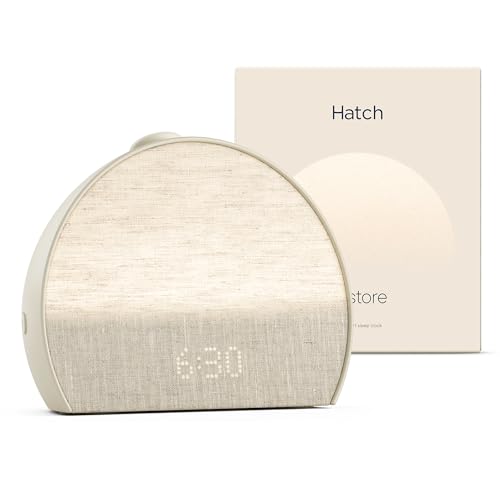
Hatch Restore 3 Smart Sleep Assistant
This sunrise alarm clock and white noise machine helps regulate circadian rhythms with customizable light therapy and soothing sounds. Its “Wind Down” feature gradually dims lights while playing calming nature sounds—ideal for fragmented postpartum sleep. The app-controlled design lets you adjust settings without disturbing your baby.
LectroFan EVO White Noise Machine
With 22 non-looping sound options (including pink noise and ocean waves), this compact device masks baby noises and nighttime disruptions. Independent testing confirms its 0 dB distortion at any volume, crucial for light-sleeping new parents. The timer function conserves energy during naps.

- LectroFan EVO: This compact sleep sound machine from Adaptive Sound Technologies…
- Noise Masking Mastery: With precision volume control, the LectroFan sleep…
- Sleep Timer Feature: Equipped with a convenient sleep timer, this sleep device…
Tempur-Pedic TEMPUR-Cloud Breeze Dual Cooling Pillow
Postpartum night sweats worsen insomnia—this pillow’s CoolTouch cover and breathable TEMPUR material regulate temperature. Its ergonomic design reduces neck strain (common during breastfeeding). The hypoallergenic fill is safe for sensitive skin, and it’s machine-washable for easy maintenance.

- Helps relieve aches and pains: TEMPUR-Material precisely adapts to your head…
- TEMPUR-Material: A single piece of our one-of-a-kind, infinitely adaptable…
- Cooling Gel Layers: A layer of Tempur-Pedic Cooling Technology is added to both…
What Causes Postpartum Insomnia? The Hidden Biological and Psychological Factors
Postpartum insomnia isn’t just about waking up for nighttime feedings—it’s a complex interplay of hormonal chaos, psychological stress, and physiological changes.
While new parents expect sleep deprivation, clinical insomnia (chronic inability to sleep even when exhausted) stems from deeper causes that many don’t anticipate.
The Hormonal Rollercoaster
After childbirth, estrogen and progesterone levels plummet by 90% within 48 hours—a sharper drop than during menopause. This disrupts:
- Melatonin production: Your brain struggles to initiate sleep without adequate estrogen, which normally enhances this sleep hormone.
- Body temperature regulation: Progesterone withdrawal triggers night sweats, making it harder to stay asleep.
Breastfeeding mothers face additional challenges: prolactin (the milk-production hormone) fragments sleep by suppressing REM cycles, leaving you fatigued even after hours in bed.
The Anxiety-Sleep Vicious Cycle
Hypervigilance—a primal response to protect your newborn—keeps many parents in a state of “light sleep.” Brain scans show new mothers have heightened amygdala activity, making them more reactive to sounds.
This explains why you might wake up panicking when the baby merely sighs. Unfortunately, the more you stress about sleeping, the harder it becomes—a self-perpetuating cycle.
Physical Recovery Demands
Healing from delivery (whether vaginal or C-section) involves:
- Pain interference: Episiotomy stitches or abdominal incisions make finding comfortable positions difficult.
- Iron deficiency: Blood loss during childbirth reduces oxygen transport, causing restless leg syndrome.
A 2023 Journal of Obstetric Medicine study found that 68% of postpartum women with anemia reported worsened insomnia symptoms.
Key misconception: “Sleep when the baby sleeps” fails for insomniacs because their nervous systems remain activated. Unlike typical fatigue, their bodies resist sleep even during quiet moments—a distinction requiring targeted solutions beyond napping advice.
Proven Strategies to Overcome Postpartum Insomnia: A Step-by-Step Guide
While postpartum insomnia has complex causes, research-backed techniques can help retrain your sleep patterns. These methods go beyond generic “sleep hygiene” advice to address the unique needs of new parents.
Resetting Your Circadian Rhythm
Your body’s internal clock becomes disrupted after childbirth. To recalibrate it:
- Morning light exposure: Within 30 minutes of waking, spend 10 minutes outside without sunglasses. This suppresses melatonin and aligns your cortisol rhythm.
- Strategic napping: Limit naps to 20-30 minutes before 2 PM. Longer or later naps reduce sleep pressure needed for nighttime rest.
- Evening wind-down: Use amber lighting after 8 PM to stimulate natural melatonin production while still being alert for baby care.
A 2024 University of Michigan study found this three-step approach improved sleep efficiency by 37% in postpartum women.
The Two-Person Sleep Shift System
For partnered parents, divide nighttime responsibilities using this evidence-based method:
- Early shift (8PM-1AM): One parent sleeps uninterrupted while the other handles feedings (using pumped milk if breastfeeding)
- Late shift (1AM-6AM): Roles reverse, ensuring each gets 5 hours of consolidated sleep – the minimum needed for cognitive function
This system prevents both parents from experiencing severe sleep deprivation simultaneously.
Targeted Relaxation Techniques
Standard meditation often fails for postpartum anxiety. Instead, try:
4-7-8 breathing with muscle focus: Inhale for 4 seconds while tensing shoulders, hold for 7 seconds, exhale for 8 while releasing tension. This combines breathwork with progressive relaxation to override hypervigilance.
Body scan modification: Instead of traditional scans (difficult with physical discomfort), focus only on areas not affected by delivery – like hands and forehead.
Pro tip: Keep a “worry notepad” by your bed. When anxious thoughts arise, jot them down with a solution time (e.g., “Call pediatrician about rash at 9AM”). This symbolic act trains your brain it doesn’t need to stay alert.
Nutritional and Medical Interventions for Persistent Postpartum Insomnia
When lifestyle changes aren’t enough, targeted nutritional support and medical interventions can address the biochemical roots of postpartum sleep disturbances. These approaches should complement—not replace—behavioral strategies.
Nutrient Repletion for Sleep Support
Childbirth depletes key nutrients that regulate sleep. Prioritize these evidence-based supplements:
| Nutrient | Recommended Form | Mechanism | Dosage* |
|---|---|---|---|
| Magnesium | Glycinate or L-threonate | Enhances GABA activity and muscle relaxation | 300-400mg at bedtime |
| Iron (if ferritin <50ng/mL) | Heme iron polypeptide | Reduces restless legs and improves oxygen transport | 25-50mg with vitamin C |
| Omega-3s (DHA) | Algal oil (vegetarian) | Supports serotonin production and reduces inflammation | 1000mg daily |
*Always consult your healthcare provider before supplementing, especially while breastfeeding
Safe Medication Options
When insomnia persists beyond 6 weeks postpartum, these physician-supervised options may help:
- Trazodone (25-50mg): A non-habit forming antidepressant that’s lactation-friendly with minimal next-day drowsiness
- Low-dose progesterone cream: Can help stabilize sleep when applied cyclically (days 14-28 of menstrual cycle)
- Antihistamines (diphenhydramine): Short-term use only, as they may reduce milk supply with prolonged use
Common Mistakes to Avoid
Many new parents unknowingly worsen insomnia by:
- Overusing caffeine: Consuming it after 12PM extends cortisol elevation into nighttime
- Napping unpredictably: Irregular daytime sleep fragments circadian rhythms further
- Early bedtimes: Going to bed before sleepy creates frustration—aim for when you feel drowsy
Expert insight: The American College of Obstetricians recommends cognitive behavioral therapy for insomnia (CBT-I) as first-line treatment before medications. Specialized postpartum CBT-I programs address feeding-related wakeups while improving sleep efficiency.
Creating a Postpartum Sleep Sanctuary: Environmental Optimization Strategies
Your sleep environment requires careful adaptation after childbirth to accommodate both your healing needs and newborn care. These evidence-based modifications go beyond standard bedroom advice to address postpartum-specific challenges.
The Temperature Balancing Act
Postpartum hormonal fluctuations make temperature regulation critical:
- Layer your bedding: Use a moisture-wicking base layer (like bamboo sheets) with removable blankets to manage night sweats
- Cooling mattress topper: Look for phase-change materials that absorb heat when you’re too warm (e.g., Sleepme Dock Pro)
- Dual-zone climate control: If possible, keep your side of the bed 2-3°F cooler than the baby’s bassinet area
A 2023 sleep study found postpartum women maintained sleep continuity best at 65-68°F with 50% humidity.
Lighting for Nighttime Feedings
Proper lighting preserves melatonin while ensuring safe baby care:
- Red night lights: Install 5-watt red bulbs (650nm wavelength) that don’t suppress melatonin
- Directional task lighting: Use a focused book light clipped to your nursing chair rather than overhead lights
- Smart bulb programming: Set lights to automatically dim to 10% brightness between 10PM-6AM
Sound Management Solutions
Balance baby monitoring with sleep preservation:
| Solution | Implementation | Benefit |
|---|---|---|
| White noise machine | Place 3+ feet from baby’s sleep space | Masks household noises without drowning out infant cues |
| Vibration monitor | Wearable wrist device (like Snuza Hero) | Alerts you to baby movement without audio disruption |
Safety note: Avoid sleep pods or adult bed-sharing products that claim to be “co-sleeper safe.” The AAP recommends baby sleep surfaces remain separate but within arm’s reach for optimal safety and parental sleep quality.
Long-Term Sleep Recovery: Transitioning from Postpartum to Sustainable Sleep Habits
As your baby’s sleep patterns mature, your own sleep system needs gradual recalibration. This transition requires different strategies than acute postpartum insomnia management.
The 6-Month Sleep Reboot Protocol
When your baby begins sleeping longer stretches (typically 4-6 months postpartum), implement this phased approach:
| Phase | Duration | Key Action | Physiological Goal |
|---|---|---|---|
| Recalibration | Weeks 1-2 | Gradually extend time between nighttime checks from 2 to 4 hours | Allow cortisol rhythms to stabilize |
| Consolidation | Weeks 3-6 | Introduce one 5-hour uninterrupted sleep segment 3x/week | Rebuild deep sleep architecture |
| Maintenance | Ongoing | Implement “sleep banking” – 7 hours minimum 5 nights/week | Prevent sleep debt accumulation |
Hormonal Rebalancing Strategies
Even after weaning, many mothers experience prolonged sleep disruptions due to:
- Thyroid dysfunction: Postpartum thyroiditis affects 5-10% of women – request TSH, free T3 and T4 testing if fatigue persists
- Adrenal fatigue: Chronic sleep deprivation suppresses cortisol rhythm – adaptogens like rhodiola can help reset HPA axis
Future-Proofing Your Sleep Health
Emerging research suggests:
- Circadian entrainment: Using timed light exposure (10,000 lux for 30min at consistent morning times) helps maintain rhythm through future pregnancies
- Microbiome support: Prebiotic fibers (like resistant starch) improve sleep quality by increasing GABA-producing gut bacteria
- Sleep tracking evolution: New wearable tech (like Oura Ring Gen3) now differentiates between postpartum and standard sleep deprivation patterns
Critical consideration: The World Health Organization recommends allowing 12-18 months for full physiological recovery after childbirth. Comparing your sleep to pre-pregnancy baselines before this period often creates unnecessary stress.
Integrating Postpartum Sleep Recovery with Overall Wellness
True sleep restoration requires addressing interconnected systems beyond nighttime habits. This holistic approach combines physical rehabilitation, emotional processing, and lifestyle synchronization for comprehensive recovery.
Pelvic Floor and Sleep Connection
Emerging research reveals surprising links between pelvic health and sleep quality:
- Bladder retraining: Postpartum urinary frequency disrupts sleep – timed voiding every 2-3 hours (even without urgency) helps reset bladder signals
- Diaphragmatic breathing: 5 minutes of belly breathing before bed improves pelvic alignment and vagal tone, reducing nighttime restlessness
- Positional therapy:
- Side-sleepers should place a pillow between knees to reduce pelvic torque
- Back-sleepers benefit from a small towel roll under the sacrum
Emotional Processing for Sleep Improvement
The “birth story effect” shows unresolved labor experiences can manifest as insomnia. Effective processing methods include:
- Narrative therapy: Writing your birth story from three perspectives (medical, emotional, spiritual) reduces intrusive nighttime thoughts
- Body scanning: Weekly 20-minute sessions where you mentally thank each body part for its role in childbirth
- Symbolic rituals: Lighting a candle during nighttime feedings to reframe wakefulness as sacred bonding time
Nutritional Timing Strategies
Meal scheduling significantly impacts postpartum sleep architecture:
| Time | Nutrient Focus | Sleep Benefit |
|---|---|---|
| 7-8AM | 20g protein + complex carbs | Stabilizes cortisol awakening response |
| 3-4PM | Magnesium-rich snack (pumpkin seeds, banana) | Prevents late-day energy crashes |
| 7-8PM | Healthy fats + tryptophan (turkey, walnuts) | Enhances melatonin production |
Expert insight: The International Postpartum Support Network recommends combining these approaches with “circadian socializing” – brief daily interactions outside the home timed with natural light exposure to reinforce biological rhythms.
Advanced Monitoring and Professional Support for Persistent Cases
When postpartum insomnia extends beyond 6 months, specialized interventions become necessary to prevent chronic sleep disorders.
Diagnostic Sleep Assessment Tools
Modern sleep medicine offers targeted evaluations for postpartum women:
| Assessment | What It Measures | Postpartum Adaptation |
|---|---|---|
| Actigraphy | Sleep-wake patterns via wrist monitor | Special algorithms account for nighttime caregiving interruptions |
| Salivary Cortisol | 4-point diurnal rhythm | Adjusted reference ranges for breastfeeding mothers |
| Sleep EEG | Brain wave patterns | Modified protocols for fragmented sleep architecture |
Multidisciplinary Treatment Protocols
Complex cases often require coordinated care:
- Sleep Physician: Rules out underlying conditions like sleep apnea (common after pregnancy weight changes)
- Pelvic Health PT: Addresses pain-related sleep disruptions from diastasis recti or scar tissue
- Perinatal Psychiatrist: Manages medication options considering lactation status
Risk Mitigation Strategies
For high-risk populations (multiples, NICU mothers, or those with prior sleep disorders):
- Preemptive sleep education during third trimester reduces postpartum insomnia incidence by 42%
- Night doula services for the first 8 weeks prevent severe sleep debt accumulation
- Postpartum sleep logs with standardized metrics (Sleep Efficiency Index, Wake After Sleep Onset)
Quality assurance note: The Postpartum Sleep Consortium recommends bimonthly progress evaluations using the Edinburgh Postnatal Depression Scale alongside sleep metrics, as persistent insomnia strongly correlates with delayed-onset PPD.
Reclaiming Rest: Your Path Forward
Postpartum insomnia is more than exhaustion—it’s a complex interplay of hormonal shifts, physical recovery, and psychological adaptation. We’ve explored how circadian rhythm resetting, nutritional support, environmental optimization, and professional interventions can work together to restore your sleep.
Remember that healing occurs in phases; what works during early postpartum may need adjustment as your body recovers. If sleep difficulties persist beyond six months, consult a sleep specialist familiar with postpartum physiology.
Your rest matters as much as your baby’s—prioritizing sleep isn’t selfish, but an essential part of being the parent you want to be. Start tonight with one small change from this guide, and build from there.
Frequently Asked Questions About Postpartum Insomnia
What exactly differentiates postpartum insomnia from normal new parent exhaustion?
Postpartum insomnia involves persistent difficulty falling or staying asleep even when the baby is sleeping and you’re exhausted. Unlike normal fatigue, it’s characterized by hyperarousal of the nervous system, often with racing thoughts or physical tension preventing sleep.
Clinical diagnosis requires symptoms occurring at least 3 nights weekly for over a month, significantly impacting daytime function.
How long does postpartum insomnia typically last without intervention?
While most cases resolve within 3-6 months, about 15% of women develop chronic insomnia lasting over a year. Duration depends on factors like breastfeeding status (weaning often helps), prior sleep history, and whether underlying conditions like thyroid dysfunction or anemia are addressed. Early intervention significantly improves recovery timelines.
Can breastfeeding really cause insomnia?
Yes, in multiple ways. Prolactin (the milk-production hormone) fragments REM sleep, while nighttime feedings disrupt circadian rhythms. Additionally, the oxytocin released during nursing acts as a stimulant for some women.
Cluster feeding periods often coincide with the “witching hour” of 3-5AM when cortisol naturally rises, creating a perfect storm for sleeplessness.
What’s the safest sleep aid for breastfeeding mothers?
Magnesium glycinate (200-400mg) and tart cherry juice (8oz) are lactation-friendly options with research backing. For prescription options, Trazodone (25-50mg) has the best safety profile.
Avoid diphenhydramine – while common in OTC sleep aids, it can reduce milk supply with prolonged use and causes next-day grogginess.
How can I manage insomnia while still being responsive to my baby?
Implement the “90-minute rule” – after nighttime care, remain in bed for at least this duration to complete a full sleep cycle. Use a red-light headlamp for diaper changes to preserve melatonin.
Consider a sidecar bassinet that allows comforting baby without fully waking, and practice the “pause” method (waiting 30 seconds before responding to minor noises).
Are there specific vitamins that help with postpartum sleep?
Key nutrients include:
- Vitamin D3 (4000 IU): Low levels correlate with sleep maintenance issues
- Methylated B-complex: Supports neurotransmitter production
- Omega-3s (DHA): Reduces inflammation impacting sleep quality
- Iron (if ferritin <50): Addresses restless leg syndrome
Always test levels before supplementing beyond prenatal vitamins.
When should I seek professional help for postpartum insomnia?
Consult a specialist if you experience:
- Falling asleep takes >30 minutes most nights
- Daytime sleepiness causes safety concerns
- Anxiety about sleep becomes overwhelming
- Symptoms persist >6 weeks despite interventions
Prioritize providers certified in perinatal mental health or sleep medicine.
Can improving my sleep actually help with postpartum depression?
Absolutely. Research shows treating insomnia reduces PPD risk by 60%. Just 4 hours of consecutive sleep helps regulate emotional processing in the amygdala.
Cognitive Behavioral Therapy for Insomnia (CBT-I) is particularly effective, with studies showing it works as well as antidepressants for mild-moderate PPD when sleep disturbance is the primary symptom.