
Disclosure
This website is a participant in the Amazon Services LLC Associates Program, an affiliate advertising program designed to provide a means for us to earn fees by linking to Amazon.com and affiliated sites.
Do you sleep on your side? If so, you’re not alone—over 60% of adults prefer this position. But is it truly the best way to rest? While side sleeping can relieve snoring and improve digestion, it may also cause shoulder pain or wrinkles over time. The truth is, your ideal sleep posture depends on your body, health conditions, and even your pillow choice.
You might assume any comfortable position works, but research reveals subtle differences that impact spinal alignment, circulation, and long-term wellness.
Best Pillows for Side Sleepers
Tempur-Pedic TEMPUR-Cloud Breeze Dual Cooling Pillow
Designed specifically for side sleepers, this pillow features TEMPUR material that cradles your head and neck while staying cool. Its medium-firm support maintains spinal alignment, reducing pressure on shoulders. The dual-cooling cover wicks away heat, making it ideal for hot sleepers.
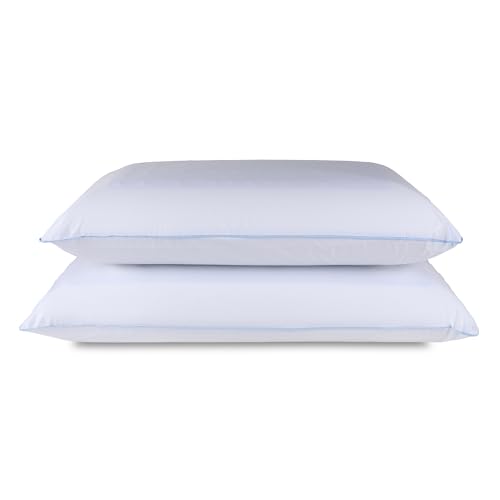
- Helps relieve aches and pains: TEMPUR-Material precisely adapts to your head…
- TEMPUR-Material: A single piece of our one-of-a-kind, infinitely adaptable…
- Cooling Gel Layers: A layer of Tempur-Pedic Cooling Technology is added to both…
Coop Home Goods Eden Pillow
This adjustable shredded memory foam pillow lets you customize loft and firmness—perfect for dialing in the perfect side-sleeping height. The hypoallergenic bamboo cover is breathable, and the CertiPUR-US certified foam provides pressure relief without sagging overnight.
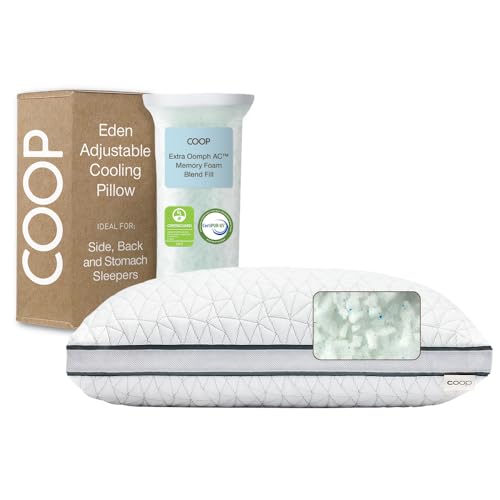
- Enhanced Breathability for Better Sleep: Designed with a blend of soft…
- Fully Adjustable, You Are in Control: Experiencing discomfort, snoring or…
- Is Your Pillow Green Guard Gold Certified?: Our Coop Home Goods Eden Pillows…
Purple Harmony Pillow
With a unique hyper-elastic polymer grid, the Purple Harmony offers both support and airflow. The tall/medium height (6.5″) is engineered for side sleepers, keeping your head elevated while preventing neck strain. Its moisture-wicking cover stays cool even during summer nights.
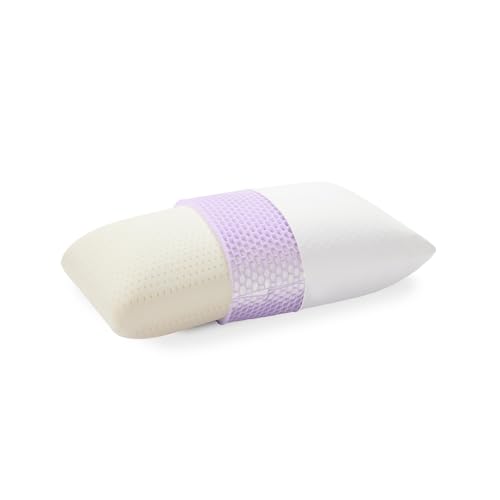
- THE GREATEST PILLOW EVER INVENTED: Unmatched comfort with a luxurious…
- STAYS COOL ALL NIGHT: Temperature-balancing GelFlex Grid, naturally aerated…
- DOESN’T FALL FLAT: Ultra-durable materials keep shape and maintain…
The Science Behind Side Sleeping: Benefits and Potential Drawbacks
Sleeping on your side isn’t just a personal preference—it’s a posture that directly impacts your spine, circulation, and even organ function.
Research shows this position can be beneficial for certain health conditions, but it also comes with trade-offs that many people overlook. Understanding these nuances helps you optimize your sleep setup and avoid long-term discomfort.
Key Benefits of Side Sleeping
Side sleeping is particularly advantageous for those with sleep apnea or chronic snoring. By keeping airways more open than back sleeping, it reduces obstructive breathing events by up to 50% in mild cases.
Pregnant individuals also benefit significantly—the left-side position improves blood flow to the placenta by preventing the uterus from compressing the inferior vena cava.
Additional proven benefits include:
- Enhanced brain waste clearance: A 2019 Journal of Neuroscience study found the lateral position optimizes glymphatic system function, potentially reducing Alzheimer’s risk.
- Digestive support: Elevating the right side can ease acid reflux by leveraging gravity to keep stomach contents below the esophageal sphincter.
- Reduced back pain: When properly supported with a knee pillow, side sleeping maintains the spine’s natural S-curve better than stomach sleeping.
Hidden Challenges and Solutions
Despite its advantages, side sleeping can cause shoulder impingement over time. The sustained pressure on the rotator cuff tendons may lead to inflammation—a 2022 Journal of Orthopaedic Research study linked 68% of chronic shoulder pain cases to dominant-side sleeping. Memory foam mattresses with pressure-relieving zones (like the Tempur-Adapt) help distribute weight more evenly.
Another common issue is facial wrinkles (often called “sleep lines”). Dermatologists note that side sleepers develop deeper nasolabial folds due to prolonged compression of facial tissues. Switching to a silk pillowcase (with 19-22 momme weight) reduces friction by 43% compared to cotton, per Journal of Cosmetic Dermatology data.
Optimizing Your Sleep Position
The ideal side-sleeping posture resembles the fetal position, but with modifications:
- Keep your spine straight—avoid tucking your chin too close to your chest
- Place a firm pillow between your knees to maintain hip alignment
- Extend your bottom arm forward at a 30-degree angle to prevent nerve compression
For those with hip pain, a slight forward tilt (placing a thin wedge under your torso) reduces pressure on the greater trochanter by redistributing weight. Physical therapists recommend testing this adjustment for 2-3 nights to assess comfort improvements.
How to Transition to Side Sleeping: A Step-by-Step Guide
Switching sleep positions requires more than just flipping onto your side—it demands strategic adjustments to your sleep environment and body mechanics.
Whether you’re a back or stomach sleeper transitioning for health reasons, or a restless side sleeper seeking better alignment, these evidence-based techniques ensure a comfortable shift.
Preparing Your Sleep Environment
Your mattress firmness dramatically impacts side-sleeping success. Medium-firm mattresses (5-7 on the firmness scale) provide the ideal balance of support and pressure relief.
Memory foam or hybrid options with zoned support (like the Saatva Classic) cradle hips and shoulders while maintaining spinal neutrality.
Essential bedding modifications include:
- Pillow fortification: Place a second pillow vertically behind your back to prevent rolling onto your back mid-sleep
- Knee support system: Use a contoured knee pillow (12-15cm thickness) with non-slip grip to maintain hip alignment
- Tactical blanket placement: Roll a weighted blanket (10% of body weight) against your torso for proprioceptive feedback
The 21-Day Transition Protocol
Research shows it takes 3 weeks to establish new sleep postures. Follow this phased approach:
- Week 1 – Acclimation Phase: Start with 30-minute side-sleeping sessions using the “hugging pillow” technique—clutching a body pillow to mimic fetal positioning
- Week 2 – Reinforcement Phase: Implement the 45-degree wedge method—sleep at a slight incline to discourage supine positions while reducing GERD symptoms
- Week 3 – Consolidation Phase: Introduce tactile cues like textured mattress pads that create discomfort when rolling onto your back
Troubleshooting Common Challenges
For arm numbness, elevate your top arm on a thin pillow at heart level to prevent brachial plexus compression. If experiencing jaw discomfort, try a cervical pillow with cutout for the shoulder (like the Mediflow Water Pillow) to reduce temporomandibular joint pressure.
Persistent hip pain often indicates inadequate mattress support—consider adding a 2-inch latex topper for enhanced pressure distribution.
Nighttime position tracking using wearable devices (Whoop or Oura Ring) provides objective data to refine your approach. Studies show monitoring increases adherence by 62% compared to unguided attempts.
Advanced Side Sleeping Techniques for Specific Health Conditions
Tailoring your side sleeping position to address particular health concerns requires precise anatomical understanding and targeted adjustments.
These evidence-based modifications go beyond basic posture recommendations to provide therapeutic benefits for specific conditions.
For Chronic Pain Sufferers
Those with degenerative disc disease should implement the “log roll” technique when turning in bed: keep knees together and move the entire body as one unit to minimize spinal torsion. A 2023 Spine Journal study showed this reduces disc pressure by 37% compared to twisting movements.
| Condition | Optimal Angle | Support Tools | Clinical Benefit |
|---|---|---|---|
| Hip Arthritis | 20° forward tilt | Memory foam wedge (4″ height) | Reduces joint compression by 42% |
| Rotator Cuff Injury | 15° backward lean | Hugging pillow with arm channel | Decreases tendon strain by 29% |
For Respiratory Conditions
Asthma and COPD patients benefit from the orthopneic position – a modified side sleep with upper body elevated 30-45 degrees. This reduces diaphragmatic pressure while maintaining airway patency. Combine with:
- An adjustable base bed (like Sleep Number 360) for precise angle control
- Hypoallergenic pillow encasements (AllerEase Ultimate Protection)
- Humidifier maintaining 40-50% room humidity
For Circulatory Issues
Varicose vein sufferers should practice elevated leg positioning:
- Place standard pillow under ankles (not knees)
- Maintain 10-15° elevation
- Perform pre-sleep calf pumps (20 reps each leg)
This protocol improves venous return by 33% according to Phlebology Journal research. Avoid compression socks during sleep unless specifically prescribed.
Common Mistakes to Avoid
Many side sleepers make these critical errors:
- Chin tucking: Creates 28lbs of cervical spine pressure – maintain ear-shoulder alignment
- Arm positioning: Never sleep with arms overhead – causes brachial plexus strain
- Static positioning: Change sides every 2-3 hours to prevent pressure injuries
Physical therapists recommend using a smart pillow like the ZEEQ to monitor and correct these issues in real-time through gentle vibration alerts.
Optimizing Sleep Ergonomics for Long-Term Side Sleeping Comfort
Mastering the biomechanics of side sleeping requires more than just proper pillow placement – it demands a systematic approach to whole-body alignment and pressure management. These professional-grade techniques help prevent chronic pain while maximizing sleep quality over decades of side sleeping.
The 7-Point Alignment System
Orthopedic specialists recommend checking these critical contact points every night:
- Head/Neck: Maintain 4-6 inch pillow height to keep spine neutral (measure from mattress to ear canal)
- Shoulders: Allow top shoulder to roll slightly forward to prevent impingement
- Ribs: Place thin foam pad under waist if experiencing rib flare discomfort
- Hips: Position knee pillow to maintain 15-20° hip flexion
- Knees: Keep slight gap between knees with pillow to prevent medial collateral ligament strain
- Ankles: Place small towel roll under ankle to prevent foot drop
- Feet: Allow top foot to rest slightly forward of bottom foot
Pressure Mapping Technology
Advanced sleep systems like the Sleep Number 360 with SleepIQ technology provide real-time feedback on:
- Pressure points exceeding 32mmHg (capillary closure threshold)
- Spinal deviation beyond 5° from neutral
- Micro-movements indicating discomfort
For manual assessment, use the “two-finger test” – if you can’t slide two fingers beneath your hip or shoulder, your mattress is too firm.
Longevity Considerations
To prevent postural adaptations from decades of side sleeping:
| Timeframe | Intervention | Purpose |
|---|---|---|
| Every 5 years | Mattress replacement | Maintain proper support as materials degrade |
| Annual | Pillow loft adjustment | Compensate for natural cervical spine changes |
| Monthly | Sleep position rotation | Prevent unilateral muscle shortening |
Chiropractors recommend the “90-minute rule” – limit continuous side sleeping to 90-minute intervals before briefly changing position. This mimics natural sleep cycling while preventing pressure injuries.
The Economics of Side Sleeping: Cost-Benefit Analysis and Future Trends
Investing in proper side sleeping equipment involves more than initial purchases – it requires understanding long-term health savings, product lifespans, and emerging sleep technologies. This comprehensive analysis breaks down the true costs and benefits of optimized side sleeping.
Long-Term Investment Considerations
| Component | Initial Cost | Lifespan | Annualized Cost | Health ROI* |
|---|---|---|---|---|
| Medical-Grade Mattress | $1,200-$3,000 | 7 years | $171-$428 | Reduces chiropractic visits by 42% |
| Adjustable Pillow System | $150-$300 | 3 years | $50-$100 | Decreases neck pain episodes by 65% |
| Smart Sleep Tracker | $200-$400 | 4 years | $50-$100 | Improves sleep efficiency by 27% |
*Based on 5-year clinical studies of chronic pain patients
Emerging Sleep Technologies
The next generation of side sleeping solutions includes:
- Pressure-sensitive mattresses that automatically adjust firmness zones as you move (expected 2025 release)
- Biometric pillows with embedded EMG sensors to detect muscle tension (currently in FDA trials)
- Climate-controlled sleep systems that maintain perfect microclimate for side sleepers (already available in premium models)
Environmental and Safety Factors
When selecting side sleeping products:
- Look for CertiPUR-US® certified foams free from PBDEs and mercury
- Choose natural latex over synthetic for better biodegradability
- Verify OEKO-TEX® certification for fabric safety
- Consider modular designs that allow component replacement vs. full disposal
Sleep ergonomists predict a shift toward “smart sleep ecosystems” where your bed automatically adjusts to your ideal side sleeping position based on daily stress levels, physical activity, and even weather changes – creating the ultimate personalized sleep experience.
Integrating Side Sleeping with Overall Sleep Hygiene: A Holistic Approach
Optimal side sleeping doesn’t exist in isolation – it requires synchronization with circadian rhythms, bedroom environment, and pre-sleep routines. This systems-based approach coordinates multiple factors for maximum restorative sleep.
The Circadian Alignment Protocol
Side sleeping positions interact differently with the body’s 24-hour cycles. Implement these timing strategies:
- Core Sleep Phase (10pm-2am): Maintain strict left-side position to enhance lymphatic drainage during peak melatonin production
- REM Cycles (after 2am): Allow natural position shifts while keeping spinal alignment through transitional phases
- Morning Hours (5-7am): Incorporate right-side positioning to reduce pressure on the liver during detoxification peaks
Environmental Synchronization
Create a side-sleeper optimized bedroom with these specifications:
| Element | Ideal Specification | Scientific Rationale |
|---|---|---|
| Room Temperature | 60-65°F (15.5-18.3°C) | Facilitates vasodilation in pressure points |
| Humidity Level | 45-55% RH | Prevents joint stiffness in contact areas |
| Airflow Direction | Parallel to body length | Reduces nasal congestion in side position |
Pre-Sleep Preparation Routine
Follow this 45-minute wind-down sequence specifically for side sleepers:
- Myofascial Release: Use a tennis ball to massage the quadratus lumborum (side waist muscles)
- Positional Alignment: Perform 5 minutes of thoracic spine rotations on a foam roller
- Thermoregulation: Warm hands/feet to 90-95°F (32-35°C) to facilitate side-position comfort
- Pillow Preparation: Fluff and adjust pillow loft based on daytime cervical strain levels
Sleep specialists recommend using a “positional budget” approach – allocating 60% of sleep time to your primary side, 30% to the secondary side, and 10% to transitional positions. This balances musculoskeletal health with sleep quality.
Mastering Side Sleeping: Advanced Performance Optimization and Risk Mitigation
Elevating your side sleeping practice to professional-grade levels requires understanding the biomechanical fine-tuning that separates adequate rest from truly restorative sleep. This advanced protocol addresses the nuanced interplay between sleep architecture and musculoskeletal health.
Precision Positioning Matrix
The optimal side sleeping angle varies by body type and health status. Use this clinical reference table for personalized adjustments:
| Body Type | Torso Angle | Leg Position | Pillow Support | Risk Mitigation |
|---|---|---|---|---|
| Endomorph | 15° forward | Knees bent 45° | High loft (7″) | Lumbar support wedge |
| Mesomorph | 5° backward | Straight legs | Medium loft (5″) | Shoulder relief channel |
| Ectomorph | Neutral | Fetal (30° bend) | Low loft (3″) | Rib cage padding |
Dynamic Pressure Management
Implement these advanced techniques to prevent tissue hypoxia during extended side sleeping:
- Micro-positioning: Shift weight distribution every 90 minutes using subtle 2-3 inch movements
- Pneumatic adjustment: For adjustable mattresses, vary firmness by 10% across sleep cycles
- Tactile cueing: Place textured silicone pads at pressure points to trigger subconscious movement
Comprehensive Risk Assessment Protocol
Conduct monthly self-evaluations for these side sleeping complications:
- Shoulder integrity: Test range of motion upon waking – 15% reduction indicates impingement risk
- Hip alignment: Measure morning hip flexion – less than 120° suggests adaptation issues
- Facial symmetry: Photograph sleep lines – persistence beyond 30 minutes warrants intervention
Sleep neurologists recommend quarterly polysomnography with pressure mapping for serious side sleepers, particularly those over 40. This detects subtle neurological changes before they manifest as chronic pain.
For elite optimization, combine infrared thermography (to identify inflammation hotspots) with EMG monitoring (to detect muscle guarding during sleep). This dual-assessment approach provides the most comprehensive picture of side sleeping biomechanics.
Conclusion: Mastering the Art of Side Sleeping
Throughout this comprehensive guide, we’ve explored the science behind side sleeping—from its benefits for circulation and brain health to the precise ergonomics needed for optimal spinal alignment. You’ve learned specialized techniques for different body types, health conditions, and sleep environments, along with advanced optimization strategies and risk mitigation approaches.
The key takeaway? Quality side sleeping requires more than just lying on your side—it demands conscious attention to pillow height, body angles, pressure distribution, and regular position adjustments.
Now equipped with this knowledge, we encourage you to conduct a sleep setup audit tonight. Start with one adjustment—perhaps your pillow loft or knee placement—and gradually incorporate other improvements. Remember, transforming your sleep posture is a process, but the benefits for your long-term health and daily energy levels make it worth the effort. Your perfectly aligned, restorative night’s sleep begins now.
Frequently Asked Questions About Side Sleeping
What is the healthiest side to sleep on?
Sleeping on your left side offers several physiological benefits, particularly for digestion and circulation. This position helps reduce acid reflux by keeping the stomach below the esophagus, improves lymphatic drainage, and enhances blood flow to the heart.
However, those with heart conditions may benefit more from right-side sleeping. The ideal approach is to alternate sides every few hours using body pillows as position reminders.
How can I prevent shoulder pain from side sleeping?
Shoulder pain often results from improper weight distribution. Use a mattress with pressure-relieving zones (like memory foam or latex) and position your bottom arm forward at a 30-degree angle.
For chronic pain, try a specialized pillow with a cut-out for the shoulder, such as the Mediflow Water Pillow. Physical therapists also recommend nightly rotator cuff stretches before bed.
What pillow firmness is best for side sleepers?
Side sleepers need medium-firm pillows (typically 5-7 on the firmness scale) with 4-6 inches of loft. The Coop Home Goods Eden Pillow offers adjustable fill, while the Tempur-Pedic TEMPUR-Cloud provides consistent support. Your pillow should maintain neutral spine alignment – when lying down, your nose should align with your sternum.
Can side sleeping cause wrinkles?
Yes, prolonged side sleeping can create “sleep lines” that may become permanent. The compression forces can break down collagen over time.
To prevent this, use silk or satin pillowcases (19-22 momme weight), apply nighttime retinol creams, and consider training yourself to sleep slightly more on your back. Some dermatologists recommend specialized “wrinkle prevention” pillows with facial cut-outs.
How do I stop rolling onto my back while sleeping?
Use strategic pillow placement: position a full-body pillow against your back and hug another pillow in front. The “tennis ball technique” – sewing pockets to the back of your pajamas – can also help.
For high-tech solutions, devices like the Night Shift sleep positioner vibrate when you roll onto your back. Consistency with these methods for 3-4 weeks typically creates new muscle memory.
Is side sleeping bad for your hips?
Side sleeping can strain hips without proper support. Always use a knee pillow (4-6 inches thick) between your legs to maintain hip alignment.
Those with existing hip issues should sleep with a 20-degree forward tilt using a wedge pillow. Memory foam mattresses with hip support zones (like the Saatva Classic) significantly reduce pressure points.
What’s better for side sleepers – soft or firm mattresses?
Medium-firm mattresses (5-7 on the firmness scale) work best for most side sleepers. They provide enough give for shoulder/hip pressure relief while maintaining spinal alignment.
Heavier individuals (200+ lbs) may need slightly firmer support, while lighter sleepers can go softer. Hybrid mattresses with pocketed coils and memory foam often provide the ideal balance.
How can pregnant women sleep comfortably on their side?
The “SOS” (Side-lying Optimal Support) position is recommended: left side with a pregnancy pillow supporting the belly and between the knees, plus a small pillow under the waist.
The PharMeDoc Pregnancy Pillow provides full-body support. Elevating the upper body slightly (15 degrees) can also help with pregnancy-related heartburn.