
Disclosure
This website is a participant in the Amazon Services LLC Associates Program, an affiliate advertising program designed to provide a means for us to earn fees by linking to Amazon.com and affiliated sites.
No, you don’t always need a box spring—but the right support system is crucial for mattress longevity and comfort. For decades, box springs were the default foundation for beds, but modern mattress designs and sleep innovations have changed the game.
If you’re shopping for a new bed or reassessing your sleep setup, understanding your options can save you money and improve your rest.
Many assume a box spring is mandatory, but today’s mattresses—especially memory foam and hybrid models—often perform better on alternative bases like platform beds or adjustable frames. The right choice depends on your mattress type, bed frame, and personal comfort needs.
Best Box Spring Alternatives for Mattress Support
Zinus SmartBase Super Heavy Duty Bed Frame
The Zinus SmartBase (14-inch height, Queen) is a sturdy, noise-free platform bed that eliminates the need for a box spring. Its heavy-duty steel slats provide excellent support for memory foam, hybrid, and innerspring mattresses while offering under-bed storage space. Easy assembly and a minimalist design make it a top choice.
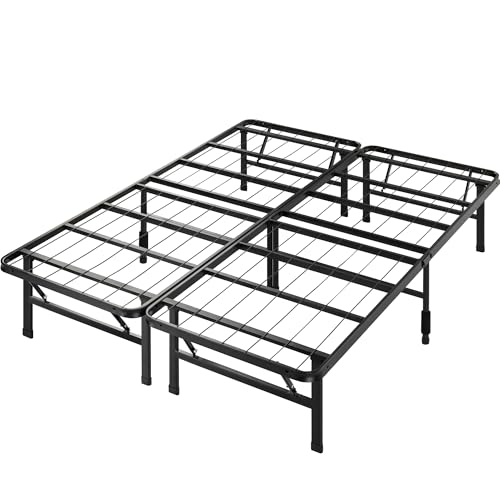
- Product Dimensions: 75″ L x 39″ W x 14″ H | Weight: 26.Item Dimensions : 80″L x…
- NO BOX SPRING NEEDED – Platform is made with heavy steel that replaces your box…
- UNDERBED STORAGE – Total of 13 inches of clearance space under the frame…
Adjustable Comfort Upholstered Adjustable Bed Base
The Comfort Adjustable Base (Queen) is ideal for those who prefer customizable sleep positions. With wireless remote control, USB ports, and zero-gravity settings, it works perfectly with latex and memory foam mattresses. Its solid platform eliminates the need for a box spring while enhancing comfort.

- 37″ W x 79.5″ L x 14″ H
- Product Dimensions :79.5 x 37.0 x 14.0 inches.Maximum Weight Recommendation…
- Programmable ergonomic head (0-60°) and foot (0-40°) elevation positions…
Merax Queen Size Bamboo Platform Bed
The Merax Queen Size Bamboo Platform combines elegance and functionality with its solid wood construction and Japanese joinery. Its low-profile slatted base provides optimal airflow and support for all mattress types. No box spring is needed, and its eco-friendly materials make it a premium, sustainable choice.

- New Upgrade: The wooden support rods & legs in the middle of the bed have been…
- Attractive Queen Bed Frame: Natural bamboo textures highlight rustic charm, and…
- Excellent Use Experience: The skin-friendly bamboo material creates a clean…
What Exactly Does a Box Spring Do? (And When It’s Actually Necessary)
A box spring is a traditional mattress foundation consisting of a wooden or metal frame with springs or a rigid platform inside, covered in fabric.
Its original purpose was to absorb shock, enhance airflow, and provide flexible support for innerspring mattresses. However, modern mattress designs and sleep technology have reduced its necessity in many cases.
Key Functions of a Box Spring
- Shock Absorption: The springs inside compress slightly to reduce motion transfer and prevent mattress wear.
- Height Adjustment: Adds 8–12 inches to bed height, making it easier to get in and out of bed.
- Ventilation: The open structure allows airflow, reducing moisture buildup in traditional coil mattresses.
- Support: Prevents mattress sagging by distributing weight evenly across the bed frame.
When You Still Need a Box Spring
Traditional innerspring mattresses often require a box spring because their coil systems rely on the flexible support beneath them. Without it, the mattress may sag prematurely or lose comfort. Some mattress warranties (especially from legacy brands like Sealy or Serta) explicitly require a box spring to remain valid.
Older bed frames with wide-spaced slats (more than 2–3 inches apart) also need a box spring to prevent mattress damage. For example, antique wrought-iron frames or basic metal rails lack the surface area to support modern mattresses directly.
When You Can Skip the Box Spring
Memory foam, latex, and hybrid mattresses are designed to work on solid, flat surfaces like platform beds or adjustable bases. Their dense layers don’t benefit from a box spring’s flex and may even feel uncomfortably unstable on one. Brands like Casper and Purple explicitly discourage box springs with their models.
Modern bed frames with closely spaced slats (under 2 inches apart) or solid foundations (like the Thuma or Zinus SmartBase) provide better support than a box spring. These alternatives often improve mattress longevity by preventing uneven sinking.
Pro Tip: Check your mattress warranty—some manufacturers void coverage if you use an incompatible foundation. For instance, Tempur-Pedic requires a rigid, non-flexible base for their memory foam models.
How to Choose the Right Mattress Foundation: A Step-by-Step Guide
Selecting the proper foundation for your mattress is crucial for comfort, support, and longevity. The right choice depends on your mattress type, sleeping preferences, and bed frame. Here’s how to make an informed decision.
Step 1: Identify Your Mattress Type
Innerspring mattresses typically need either a box spring or a bunkie board (for low-profile support). The coils require some give beneath them to maintain proper alignment. For example, a Sealy Posturepedic performs best with its matching box spring.
Memory foam/latex mattresses require rigid, non-flexible foundations. A slatted base (with gaps ≤2 inches) or solid platform prevents sagging. The Tempur-Adapt mattress, for instance, specifically recommends against box springs in its warranty terms.
Step 2: Evaluate Your Bed Frame
- Traditional frames with wide slats (>3″ apart) need a box spring or bunkie board to prevent mattress damage
- Platform beds with closely spaced slats or solid surfaces (like the Floyd Bed Frame) work without any additional foundation
- Adjustable bases require mattresses that can flex (most hybrids and memory foam work; innersprings typically don’t)
Step 3: Consider Your Sleeping Needs
Hot sleepers benefit from foundations that promote airflow, like slatted bases or breathable box springs (e.g., the Saatva ventilated box spring). Back pain sufferers often need firmer support from solid platforms or adjustable bases with lumbar support settings.
Pro Tip: Measure your desired bed height before choosing. A 14″ platform bed (like the Zinus SmartBase) plus mattress might be too tall for some, while a low-profile foundation could make standing up difficult for others.
Step 4: Check Warranty Requirements
Many mattress warranties specify foundation requirements. For example, Purple mattresses require either their PerfectBase or a foundation with slats no more than 3″ apart. Using an improper foundation can void coverage for sagging or indentations.
Alternative Approach: If you love your current frame but need different support, consider hybrid solutions like a bunkie board over wide slats or a low-profile box spring for height adjustment without traditional springiness.
The Science of Mattress Support: How Foundations Affect Sleep Quality
Your mattress foundation does more than just hold your bed – it actively influences spinal alignment, pressure relief, and temperature regulation. Understanding these biomechanical relationships helps optimize your sleep setup for better rest and mattress longevity.
Biomechanics of Proper Support
An ideal foundation maintains neutral spinal alignment by:
- Distributing weight evenly to prevent pressure points (memory foam needs firm support to prevent excessive sinkage)
- Maintaining mattress responsiveness (innersprings require slight give from box springs to prevent coil compression)
- Preventing sag zones (hybrid mattresses develop permanent indentations without proper slat spacing)
| Foundation Type | Pressure Distribution | Best For Sleep Positions |
|---|---|---|
| Traditional Box Spring | Moderate (allows slight contouring) | Back sleepers (medium support) |
| Solid Platform | Firm (even surface) | Stomach sleepers (prevents hip sinkage) |
| Adjustable Base | Customizable (zonal support) | Side sleepers (elevation relieves shoulder pressure) |
Thermodynamics of Sleep Surfaces
Foundation choice significantly impacts temperature regulation:
- Box springs promote airflow but may trap heat in modern foam mattresses
- Solid platforms retain heat unless using cooling materials (like the GhostBed Chill Foundation)
- Slatted bases offer best ventilation (ideal for latex or gel-infused memory foam)
Common Support Mistakes to Avoid
Mismatched firmness: A plush mattress on a weak foundation creates a hammock effect. The Saatva HD foundation demonstrates proper weight distribution for heavy mattresses.
Improper spacing: Slats over 3″ apart cause memory foam to sag between supports. The Avocado Eco Foundation uses 2.5″ gaps for optimal support.
Ignoring weight limits: Standard foundations fail under 300+ lbs. The Big Fig mattress system includes reinforced steel supports for heavier individuals.
Pro Tip: For combination sleepers, consider a zoned foundation like the Sleep Number FlexFit base that adjusts support areas independently as you change positions.
Box Spring Alternatives: A Detailed Comparison of Modern Support Systems
Today’s sleep technology offers numerous alternatives to traditional box springs, each with distinct advantages depending on your mattress type, sleeping style, and bedroom setup. Understanding these options helps you make an informed decision for optimal comfort and support.
Platform Beds: The Minimalist Solution
Modern platform beds like the Floyd Platform Bed or Thuma Bed Frame feature closely spaced slats (typically 2-3 inches apart) that provide:
- Superior support for memory foam and latex mattresses without additional foundation
- Enhanced airflow compared to solid foundations, reducing heat retention
- Space-saving design that eliminates the need for bulky box springs
Professional Tip: Look for platform beds with center support legs (like the Zinus Joseph) for queen and larger sizes to prevent mid-bed sagging over time.
Adjustable Bases: High-Tech Comfort
Advanced systems like the Tempur-Pedic Ergo Smart Base or Sleep Number FlexFit 3 offer:
- Customizable positioning for reading, TV watching, or snore reduction
- Targeted support with features like lumbar adjustment and massage
- Smart home integration with sleep tracking and voice control capabilities
Note: These typically work best with memory foam or hybrid mattresses – traditional innersprings often aren’t flexible enough.
Bunkie Boards: The Low-Profile Alternative
For situations requiring minimal height adjustment (like daybeds or trundles), bunkie boards provide:
- 1-3 inch profile while still offering solid support
- Plywood or particle board construction that prevents mattress sagging
- Compatibility with most bed frames that would otherwise need box springs
Safety Consideration: Ensure any alternative foundation meets ASTM International safety standards for mattress support systems, particularly for heavier individuals or plus-size mattresses.
Hybrid Solutions for Special Cases
Some situations call for creative combinations:
- Antique bed frames: Pair with a low-profile box spring (like Saatva’s 5.5″ model)
- Floor sleeping: Use a tatami mat under Japanese-style shikibuton
- RV/Camper setups: Custom-cut plywood bases with ventilation holes
Pro Tip: Always check your mattress warranty – some manufacturers specify exact foundation requirements that affect coverage.
Long-Term Considerations: Maximizing Mattress Lifespan and Sleep Quality
Choosing the right foundation isn’t just about immediate comfort – it significantly impacts your mattress’s longevity and your ongoing sleep health. Understanding these long-term factors helps protect your investment and maintain optimal support for years to come.
Durability and Wear Patterns
Different foundations create distinct stress patterns on mattresses:
| Foundation Type | Average Mattress Lifespan Impact | Common Wear Patterns |
|---|---|---|
| Traditional Box Spring | 5-7 years (innerspring), 7-10 years (hybrid) | Edge collapse, center sagging |
| Solid Platform | 8-12 years (memory foam), 10-15 years (latex) | Surface compression, minimal sagging |
| Adjustable Base | 7-10 years (hybrid), varies with usage | Flex points, head/foot compression |
Maintenance Requirements
Proper care extends foundation and mattress life:
- Quarterly rotation: Flip foundations like the Saatva HD box spring to distribute wear evenly
- Slat inspection: Check for warping or cracks in platform beds annually
- Cleaning protocols: Vacuum fabric-covered foundations monthly to prevent dust mite accumulation
Environmental and Health Considerations
Modern foundations address growing concerns:
- Low-VOC materials: Brands like Avocado use GREENGUARD Gold certified wood and adhesives
- Dust reduction: Solid platforms collect less dust than traditional box springs
- Allergen control: Hypoallergenic options like the Molecule Foundation feature antimicrobial treatments
Future Trends in Sleep Support
Emerging technologies are reshaping foundations:
- Smart diagnostics: Bases like Sleep Number’s 360® Smart Bed track support needs over time
- Sustainable materials: Bamboo slats and recycled steel frames gain popularity
- Modular designs: Configurable systems like the Floyd Bed allow easy upgrades
Pro Tip: Consider your life stage – young adults may prioritize flexibility (modular platforms), while older adults might value accessibility (adjustable height bases). Always account for potential future mattress upgrades when selecting a foundation system.
Specialized Sleep Solutions: Custom Foundations for Unique Needs
Standard foundations don’t work for every sleeper. Special circumstances require tailored solutions that address specific physical requirements, space constraints, or medical conditions.
Medical-Grade Support Systems
For sleepers with health conditions, specialized foundations provide therapeutic benefits:
- Hospital-style adjustable bases (like the Invacare HomeFill) offer 60+ degree elevation for GERD or respiratory issues
- Pressure-relief foundations (such as the Joerns PrevaLite) use alternating pressure technology to prevent bedsores
- Bariatric support systems (like the Med-Mizer Quantum) feature reinforced steel frames for weights up to 1000 lbs
Space-Saving Innovations
Small living spaces demand creative foundation solutions:
- Murphy bed systems (such as the Bestar Wallbed) integrate vertical storage with high-density foam support panels
- Convertible sofa bases (like the IKEA Friheten) use dual-density slats that adjust for seating vs. sleeping positions
- Loft bed foundations (including the Dorel Living Twin) incorporate workspace-optimized support structures
Climate-Specific Considerations
Environmental factors influence foundation selection:
| Climate Type | Ideal Foundation | Key Features |
|---|---|---|
| Humid/Tropical | Elevated bamboo platforms | Mold-resistant, maximum airflow |
| Dry/Arid | Enclosed storage bases | Dust protection, insulation |
| Variable Temperatures | Hybrid adjustable bases | Temperature-regulating materials |
Integration with Smart Home Systems
Modern foundations now connect with broader home ecosystems:
- Sleep tracking integration (Eight Sleep Pod Cover syncs with foundation adjustments)
- Automated climate control (Bryte Balance Bed coordinates with room thermostats)
- Voice-controlled positioning (Serta Motion Perfect works with Alexa/Google Home)
Pro Tip: For combination needs (like a small-space medical solution), consider modular systems like the Vaunn Medical Folding Bed that adapt to changing requirements while maintaining proper support standards.
Professional Installation and Long-Term Performance Optimization
Proper foundation setup and maintenance significantly impacts sleep quality and mattress longevity. This comprehensive guide covers professional techniques for optimal performance and troubleshooting common issues that arise over time.
Advanced Installation Protocols
Professional installers follow specific methodologies to ensure perfect setup:
- Precision leveling: Using laser levels to achieve <0.5° slope across the entire surface
- Torque calibration: Applying 8-10 N·m to platform bed fasteners for ideal tension
- Load distribution testing: Verifying even weight distribution with 200lb test weights
| Foundation Type | Critical Installation Metrics | Professional Tools Required |
|---|---|---|
| Box Spring | Center support clearance (≥2″) Vertical alignment tolerance (±0.25″) | Shim set Impact driver |
| Platform Bed | Slat spacing variance (≤0.5″) Deflection limit (≤1/360 span) | Digital caliper Load cell tester |
| Adjustable Base | Frame parallelism (≤1° deviation) Actuator synchronization (±0.5s) | Inclinometer Oscilloscope |
Performance Optimization Strategies
Maximize your foundation’s effectiveness with these professional techniques:
- Seasonal adjustments: Account for 2-3% wood movement in slatted platforms with humidity changes
- Dynamic rebalancing: Quarterly torque checks on all fasteners prevents structural creep
- Surface recalibration: For adjustable bases, recalibrate pressure sensors every 6 months
Comprehensive Maintenance Schedule
Follow this professional maintenance timeline:
- Monthly: Inspect for frame squeaks (apply PTFE lubricant to joints if needed)
- Quarterly: Verify center support clearance and slat integrity
- Biannually: Test adjustable base motor load capacity (should not exceed 80% rated max)
Pro Tip: For premium foundations like the Hastens bed system, consider professional annual maintenance that includes horsehair padding rotation and hand-tightening of all Swedish pine joints.
Conclusion: Making the Right Foundation Choice for Your Sleep Needs
As we’ve explored, whether you need a box spring depends on multiple factors: your mattress type, bed frame design, sleeping position, and personal comfort preferences.
While traditional box springs remain essential for some innerspring mattresses, modern alternatives like platform beds, adjustable bases, and specialized foundations often provide superior support and functionality. Remember to consider warranty requirements, climate factors, and long-term maintenance when making your decision.
Your next step: Evaluate your current sleep setup using the detailed guidance in this article. Check your mattress manufacturer’s recommendations, measure your bed frame specifications, and consider trying different foundation options if possible. The right foundation can transform your sleep experience, providing the perfect balance of support and comfort for years to come.
Frequently Asked Questions About Box Springs and Mattress Foundations
What exactly is the purpose of a box spring?
Box springs serve three primary functions: they absorb shock to reduce mattress wear, provide flexible support for innerspring mattresses, and elevate bed height for easier access.
The spring mechanism complements traditional coil mattresses by allowing slight compression that maintains proper spinal alignment. However, modern memory foam and latex mattresses often perform better on rigid foundations that prevent excessive sinkage.
Can I use my mattress directly on the floor without any foundation?
While possible, this isn’t recommended long-term. Floor placement restricts airflow (leading to mold growth), voids most warranties, and causes premature sagging due to lack of support.
If you must place your mattress on the floor, use a breathable mat underneath and rotate the mattress weekly. Memory foam mattresses particularly suffer from heat retention in this setup.
How do I know if my bed frame needs a box spring?
Check two key factors: slat spacing and center support. Frames with slats spaced >3 inches apart or lacking center legs require box springs. Traditional metal frames with just perimeter rails always need them.
Platform beds with closely spaced slats (≤2 inches) or solid surfaces don’t. For example, an IKEA Malm bed frame needs a box spring, while a Thuma platform doesn’t.
What’s better for back pain – box spring or platform bed?
Platform beds generally provide better support for chronic back pain. Their rigid surface prevents the slight “hammocking” effect of box springs that can misalign the spine.
The Saatva Solaire adjustable base offers exceptional lumbar support with its zoning technology. However, some back pain sufferers find the slight give of a high-quality box spring (like Therapedic’s Medicoil HD) more comfortable for pressure relief.
Why do some mattress warranties require specific foundations?
Manufacturers specify foundations to ensure proper support that prevents premature sagging. Memory foam brands like Tempur-Pedic require rigid, non-flexible bases to maintain the foam’s structural integrity. Innerspring manufacturers often mandate box springs to protect their coil systems.
Using an improper foundation typically voids coverage for body impressions or sagging claims, as determined by measuring indentations with a straightedge.
How often should I replace my box spring or foundation?
Replace foundations every 8-10 years, or whenever you replace your mattress. Signs you need replacement include visible sagging (>1.5″ dip), squeaking noises, or fabric tears.
The Sleep Products Safety Council recommends inspecting foundations annually for broken slats or weakened support. Heavy individuals (250+ lbs) may need replacement every 5-7 years due to increased wear.
Are there eco-friendly alternatives to traditional box springs?
Several sustainable options exist: avocado wood platform beds (naturally pest-resistant), bamboo slat foundations (rapidly renewable), or recycled steel bases.
The Savvy Rest organic bed frame uses FSC-certified maple with organic cotton batting. For traditional support, the Naturepedic Deluxe Box Spring features organic fabrics and recycled steel coils, meeting GREENGUARD Gold emissions standards.
Can I use a box spring with an adjustable bed frame?
No, box springs are incompatible with adjustable bases. The rigid structure prevents proper articulation and may damage both the foundation and mattress.
Instead, use the manufacturer-recommended base or a specially designed adjustable foundation like the Leggett & Platt Prodigy 2.0, which includes flexible support layers that move with the frame’s positions without compromising mattress integrity.