
Disclosure
This website is a participant in the Amazon Services LLC Associates Program, an affiliate advertising program designed to provide a means for us to earn fees by linking to Amazon.com and affiliated sites.
Yes, a mattress topper can significantly improve your sleep—but only if chosen wisely. If you’re waking up stiff, overheated, or restless, your mattress might be the culprit.
While many assume a new mattress is the only solution, a high-quality topper can revive an aging bed, adjust firmness, and even regulate temperature—all for a fraction of the cost. But not all toppers deliver equal results. The right one depends on your sleep style, body type, and specific pain points.
Modern sleep science reveals that surface comfort is just as critical as mattress support. Memory foam, latex, or cooling gel toppers can correct sagging, pressure points, or heat retention—common issues undermining deep sleep.
Best Mattress Toppers for Better Sleep
Tempur-Pedic TEMPUR-Adapt + Cooling Mattress Topper
Ideal for hot sleepers, this 3-inch memory foam topper features Tempur-Pedic’s proprietary cooling technology to dissipate heat while conforming to your body. Its pressure-relieving support reduces joint pain, and the antimicrobial cover resists allergens. Perfect for side sleepers needing contouring comfort.

- COOLING 3-INCH QUEEN TOPPER: TEMPUR-Adapt + Cooling topper is ideal for getting…
- SOFTEST TEMPUR MATERIAL: 3-inches of exclusive TEMPUR-ES Material precisely…
- WASHABLE COOLING COVER: Premium knit cooling cover provides cool-to-the-touch…
Sleep On Latex Pure Green Natural Latex Topper (2-inch)
Made from 100% natural Dunlop latex, this eco-friendly topper offers responsive bounce and breathability. It’s hypoallergenic, dust-mite resistant, and provides medium-firm support—ideal for back or stomach sleepers who want durability without synthetic materials. The organic cotton cover enhances airflow.
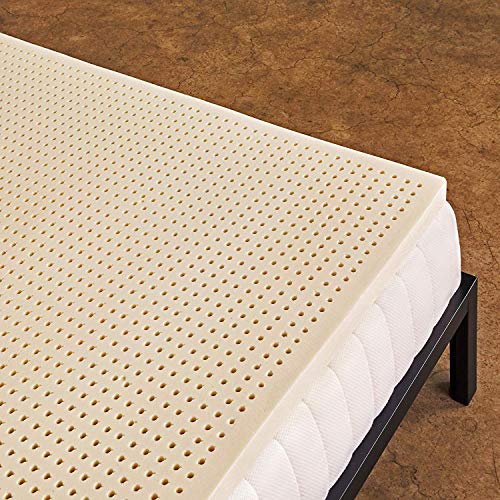
- Medium Firmness – Provides Pinpointed Comfort & Support
- Adjusts to Your Body Instantly – Latex Foam Naturally Stays Cool
- Made of Natural Latex Harvested from Organically Grown Rubber Trees
Lucid 4-inch Bamboo Charcoal Memory Foam Topper
A budget-friendly pick, this topper combines plush memory foam with bamboo charcoal infusion to wick moisture and neutralize odors. The 4-inch thickness excels at masking mattress imperfections, while the ventilated design prevents overheating. Great for combination sleepers seeking deep cushioning.
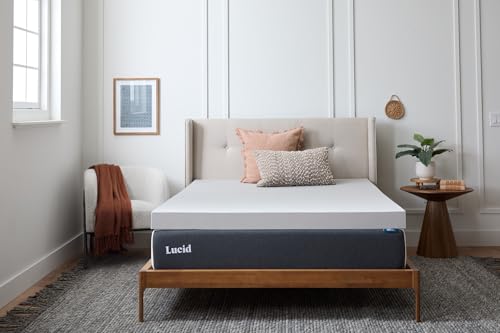
- ULTRA PLUSH FEEL – Lucid memory foam mattress toppers are designed to enhance…
- REFRESHING SLEEP: Bamboo charcoal infusion in the memory foam helps manage…
- CHOOSE YOUR SIZE: 2-inch profile adds a soft layer of support to any mattress…
How Mattress Toppers Improve Sleep Quality: The Science Behind Comfort
Mattress toppers don’t just add cushioning – they fundamentally alter your sleep surface to address specific physiological needs. The right topper works by optimizing three critical sleep factors: pressure relief, temperature regulation, and spinal alignment. Unlike a mattress that provides foundational support, toppers fine-tune the surface where your body makes direct contact.
Pressure Point Relief Explained
Memory foam and latex toppers redistribute body weight through viscoelastic properties. When you lie on a quality topper, it gradually conforms to your unique shape, reducing pressure on:
- Hips and shoulders (critical for side sleepers)
- Lower back (vital for back sleepers)
- Joints (especially beneficial for arthritis sufferers)
A 2021 Sleep Foundation study found participants using 3-inch memory foam toppers experienced 27% less nighttime tossing from pressure discomfort.
Temperature Regulation Mechanisms
Modern toppers use advanced materials to combat sleep-disrupting heat buildup:
- Gel-infused memory foam absorbs and dissipates body heat
- Bamboo charcoal layers improve airflow while wicking moisture
- Phase-change materials actively regulate surface temperature
Unlike traditional mattresses that trap heat, these technologies maintain the ideal sleep surface temperature of 60-67°F (15-19°C) recommended by sleep scientists.
Correcting Spinal Misalignment
A topper can transform an unsuitable mattress by adjusting its firmness profile. For example:
- Too firm – A 2-3 inch plush topper prevents hip sinkage that misaligns the spine
- Too soft – A thin, dense latex topper adds supportive structure
- Sagging middle – Zoned support toppers reinforce the center third
Chiropractors often recommend medium-firm toppers (rated 5-7 on the firmness scale) as they best maintain natural spinal curvature while sleeping.
Contrary to popular belief, toppers aren’t just temporary fixes. High-quality options can extend mattress life by 3-5 years by protecting the core support layers from body impressions and wear. The key is matching the topper’s properties to your specific sleep needs rather than choosing based on price or thickness alone.
Choosing the Perfect Mattress Topper: A Step-by-Step Guide
Selecting the right mattress topper requires more than just picking a material – it’s about solving your specific sleep challenges. This decision-making process involves evaluating four critical factors that determine sleep quality improvement.
Step 1: Identify Your Primary Sleep Issue
Begin by diagnosing what’s disrupting your rest:
- For pressure points: Memory foam (3-4 inch) or latex (2-3 inch) provide optimal contouring
- For overheating: Gel-infused foam or breathable wool toppers with open-cell structures
- For mattress firmness issues: 2-inch latex adds support to soft beds, while 4-inch plush foam softens firm surfaces
Example: A stomach sleeper with lower back pain would benefit from a 2-inch medium-firm latex topper that prevents excessive sinkage while maintaining spinal alignment.
Step 2: Match Material to Sleep Position
Your sleeping position determines the ideal topper characteristics:
| Sleep Position | Recommended Material | Thickness | Why It Works |
|---|---|---|---|
| Side Sleepers | Memory Foam | 3-4 inches | Cushions shoulders/hips while keeping spine aligned |
| Back Sleepers | Latex or Hybrid | 2-3 inches | Provides balanced support without excessive sinkage |
| Stomach Sleepers | Firm Latex | 1-2 inches | Prevents arching of the lower back |
Step 3: Consider Special Needs
Certain conditions require specialized solutions:
- Allergy sufferers: Hypoallergenic latex with organic cotton covers resist dust mites
- Arthritis patients: Viscoelastic memory foam reduces joint pressure by up to 35%
- Hot sleepers: Phase-change material toppers can reduce surface temperature by 5-7°F
Professional tip: Always check the topper’s density rating – 3-5 lb density foam offers the best balance of support and comfort for most sleepers. Higher density (5+ lb) provides more durability but may feel too firm for lightweight individuals.
The Science of Mattress Topper Materials: Performance Breakdown
Understanding material composition is crucial for selecting a topper that delivers long-term comfort and support. Different materials interact with your body in unique ways, affecting sleep quality through distinct physical properties and thermal regulation mechanisms.
Material Composition and Sleep Impact
| Material | Density Range | Pressure Relief | Motion Isolation | Breathability | Lifespan |
|---|---|---|---|---|---|
| Memory Foam | 3-5 lb/ft³ | Excellent (90-95%) | Superior | Low (unless gel-infused) | 3-5 years |
| Natural Latex | 4-6 lb/ft³ | Good (80-85%) | Good | High (open-cell structure) | 7-10 years |
| Gel-Infused Hybrid | 4-5 lb/ft³ | Excellent (85-90%) | Excellent | Moderate-High | 5-7 years |
Advanced Material Technologies
Modern toppers incorporate cutting-edge technologies that go beyond basic materials:
- Phase Change Materials (PCMs): Micro-encapsulated temperature-regulating particles absorb excess body heat during warm periods and release it when cool
- Open-Cell Foam Structures: Increased air circulation channels improve breathability by 40% compared to traditional memory foam
- Zoned Support Systems: Strategically placed firmness areas (softer at shoulders, firmer at hips) maintain spinal alignment throughout the night
Common Selection Mistakes to Avoid
Even experienced buyers often make these errors:
- Overlooking Density Ratings: A 4-inch topper with low density (under 3lb/ft³) will break down within months
- Ignoring Sleep Position Needs: Stomach sleepers using thick memory foam often experience back pain from excessive sinkage
- Neglecting Climate Factors: Latex performs poorly in humid environments without proper ventilation
- Falling for Gimmicks: “5D” or “NASA-grade” foam are marketing terms without standardized definitions
Expert Tip: For optimal performance, look for CertiPUR-US® or OEKO-TEX® certified materials that guarantee safety and durability standards. These certifications ensure the foam is free from harmful chemicals and meets strict emissions requirements for indoor air quality.
Mattress Topper Maintenance and Longevity: Expert Care Guide
Proper maintenance significantly impacts a topper’s performance and lifespan. Unlike mattresses, toppers require specialized care due to their unique material compositions and direct body contact. Follow these professional-grade maintenance protocols to maximize your investment.
Daily and Weekly Maintenance Routines
Implement these essential care practices:
- Rotate monthly: Alternate the topper 180 degrees to prevent uneven wear patterns (especially important for memory foam)
- Spot clean immediately: Use mild detergent (pH 6-8) and cold water for spills – never saturate foam materials
- Air out weekly: Remove bedding for 2-3 hours to allow moisture evaporation (critical in humid climates)
- Use protective covers: Waterproof, breathable encasements prevent deep staining while maintaining airflow
Deep Cleaning Procedures by Material Type
| Material | Cleaning Method | Frequency | Special Considerations |
|---|---|---|---|
| Memory Foam | Baking soda + vacuum | Every 3 months | Never machine wash – destroys cell structure |
| Latex | Damp cloth + mild soap | Every 2 months | Avoid direct sunlight – causes oxidation |
| Down Alternative | Machine wash cold (gentle cycle) | Every 6 weeks | Use tennis balls to maintain loft during drying |
Troubleshooting Common Issues
Address these frequent problems with professional solutions:
- Persistent Odors: Sprinkle activated charcoal powder (food-grade) and let sit for 24 hours before vacuuming
- Lumpy Areas: For memory foam, use a hairdryer on low heat to gently reshape compressed sections
- Reduced Support: Latex toppers can be revived with a 24-hour rest period off the mattress
- Allergy Flare-ups: Steam clean at 130°F+ to kill dust mites (only for materials rated for steam cleaning)
Professional Tip: Maintain a sleep environment at 40-50% humidity to prevent material breakdown. Invest in a hygrometer to monitor conditions – high humidity accelerates foam degradation, while low humidity makes materials brittle.
Replace toppers showing permanent indentations deeper than 1.5 inches or when support noticeably diminishes (typically 3-7 years depending on material quality).
Cost-Benefit Analysis and Environmental Impact of Mattress Toppers
Investing in a quality mattress topper involves more than just upfront costs – it requires evaluating long-term value, sleep quality improvements, and environmental footprint. This comprehensive analysis helps you make an informed, sustainable purchasing decision.
Long-Term Value Comparison
| Topper Type | Average Cost | Lifespan | Cost Per Year | Mattress Protection Value |
|---|---|---|---|---|
| Budget Memory Foam | $80-$150 | 2-3 years | $40-$50 | Minimal (low density) |
| Premium Latex | $300-$600 | 8-10 years | $30-$60 | Excellent (preserves mattress) |
| Hybrid Gel-Foam | $200-$400 | 5-7 years | $35-$65 | Good (moderate protection) |
Key Insight: While premium toppers have higher initial costs, their extended lifespan and mattress protection often make them more economical long-term. A $500 latex topper extending your $1,000 mattress’s life by 5 years effectively saves $500 in replacement costs.
Environmental Considerations
Modern toppers present varying sustainability profiles:
- Natural latex: Biodegradable and sourced from renewable rubber trees (look for FSC-certified options)
- Memory foam: Petroleum-based but some brands now use plant-based oils (30%+ bio-content)
- Recycled materials: Some manufacturers use repurposed fibers or foam scraps in covers
Eco-Tip: Seek GREENGUARD Gold or OEKO-TEX® certified products that meet strict emissions standards. These reduce indoor air pollution and are safer for chemically sensitive individuals.
Future Trends in Topper Technology
The industry is evolving with innovative developments:
- Smart temperature regulation: Phase-change materials that adapt to body heat fluctuations throughout the night
- Biomechanical support: Pressure-mapping technologies creating personalized zone support systems
- Sustainable alternatives: Mushroom-based foams and algae-derived materials entering the market
- Modular designs: Interchangeable layers allowing firmness adjustments as needs change
Safety Note: Avoid toppers containing fiberglass “fire barriers” – these can release harmful micro-particles if the cover is removed. Instead, look for natural fire retardants like wool or silica-based solutions.
Professional Recommendation: Consider your purchase as a 5-10 year investment. Spending 20-30% more on a certified, high-density topper typically yields 50-70% longer usable life and better sleep quality throughout its lifespan.
Optimizing Sleep Performance with Mattress Topper Combinations
Advanced sleepers can achieve customized comfort by strategically layering multiple toppers or combining them with existing mattress systems.
The Science of Layered Topper Systems
Effective layering follows these biomechanical principles:
- Density gradient: Place softer, lower-density materials (2-3lb memory foam) above firmer support layers (4-6lb latex)
- Thickness ratio: Maintain a 2:1 ratio between comfort and support layers (e.g., 2″ plush over 1″ firm)
- Thermal zoning: Position cooling materials (gel grids) closest to the body with breathable bases (open-cell latex) below
Example: A combination sleeper might use 1″ of firm Dunlop latex (34 ILD) topped with 2″ of 4lb gel memory foam, creating pressure relief without excessive sinkage.
Specialized Combination Setups
| Sleep Need | Base Layer | Top Layer | Total Height | Performance Benefit |
|---|---|---|---|---|
| Chronic Pain | 2″ Medium Latex (28-32 ILD) | 1.5″ Viscoelastic Foam | 3.5″ | Balanced support with pressure relief |
| Hot Sleepers | 1″ Graphite-Infused Foam | 2″ Phase Change Material | 3″ | Active cooling at surface with heat dissipation |
| Adjustable Beds | 1.5″ High-Resiliency Foam | 1.5″ Memory Foam | 3″ | Flexibility without bunching |
Integration with Existing Sleep Systems
Properly combine toppers with other components:
- With mattress protectors: Place directly on mattress, under topper for optimal hygiene
- With heated pads: Install between topper layers for even heat distribution
- With adjustable bases: Use thinner (≤3″ total) combinations to prevent slippage
Professional Tip: Test combinations for 3-5 nights before finalizing. The body requires multiple sleep cycles to adapt to new support systems. Keep a sleep journal noting pressure points, temperature, and morning stiffness during the trial period.
Warning: Avoid exceeding 4″ total topper height on most mattresses – this can compromise edge support and create dangerous sleeping surfaces. Always ensure your bed frame can accommodate the additional height safely.
Advanced Performance Validation and Long-Term Optimization Strategies
Maximizing your mattress topper’s performance requires scientific evaluation methods and proactive maintenance planning.
Comprehensive Performance Assessment Protocol
Conduct these evaluations every 6 months using objective metrics:
| Test | Method | Acceptable Range | Corrective Action |
|---|---|---|---|
| Support Integrity | Ruler test for indentations | <1.5″ permanent depression | Rotate or replace if exceeded |
| Material Resilience | 30-second compression test | 90% rebound within 5 seconds | Air out for 24 hours if failing |
| Thermal Performance | Infrared thermometer reading | Surface ≤5°F above room temp | Add cooling cover or replace |
Advanced Maintenance Schedule
Implement this professional maintenance timeline:
- Weekly: Surface vacuuming with upholstery attachment (removes skin cells and allergens)
- Monthly: 180° rotation and deep airing (4+ hours uncovered)
- Quarterly: Baking soda treatment (let sit 8 hours before vacuuming)
- Biannually: Full structural inspection using assessment protocol above
Risk Mitigation Strategies
Prevent these common failure modes with proactive measures:
- Material Breakdown: Use UV-blocking window treatments to prevent foam degradation from sunlight
- Moisture Damage: Maintain bedroom humidity between 40-50% with dehumidifier/humidifier
- Support Failure: Replace immediately if noticing increased morning stiffness or pressure points
- Hygiene Issues: Steam clean annually (only if manufacturer-approved) to sanitize deep layers
Professional Insight: The most accurate performance indicator is your body’s response. Track these metrics:
- Time to fall asleep (ideal: <20 minutes)
- Nighttime awakenings (optimal: 0-1)
- Morning pain levels (rate 1-10)
Deterioration in these areas often signals topper performance issues before physical damage becomes visible.
Quality Assurance Tip: For premium toppers, consider professional deep cleaning every 2-3 years using truck-mounted extraction systems specifically designed for memory foam and latex materials. This can extend lifespan by 30-40% compared to home maintenance alone.
Conclusion: Transform Your Sleep with the Right Mattress Topper
Throughout this comprehensive guide, we’ve explored how mattress toppers can revolutionize your sleep experience by addressing pressure relief, temperature regulation, and spinal alignment. From material science to advanced layering techniques, you now understand how to select, maintain, and optimize a topper for your unique sleep needs.
Whether you’re combating discomfort, extending mattress life, or seeking premium comfort, the right topper can deliver remarkable improvements without the cost of a new mattress.
Take action tonight: Assess your current sleep challenges, measure your mattress, and use our detailed guidelines to choose a topper that will deliver years of restorative sleep. Remember – quality sleep isn’t a luxury, it’s a necessity your body deserves.
Frequently Asked Questions About Mattress Toppers
What exactly does a mattress topper do?
A mattress topper modifies your sleep surface by adding cushioning, support, or temperature regulation. Quality toppers redistribute body weight to relieve pressure points (reducing tossing by up to 30%), improve spinal alignment, and can adjust mattress firmness by 1-2 levels on the firmness scale.
Unlike mattress pads that just protect, toppers actively transform sleep quality through materials like memory foam (for contouring) or latex (for responsive support).
How thick should my mattress topper be?
Thickness depends on your needs: 1-2 inches for slight firmness adjustments, 2-3 inches for significant comfort changes, and 3-4 inches for complete surface transformation.
Side sleepers typically need 3-4 inches for hip/shoulder relief, while back sleepers do best with 2-3 inches. Never exceed 4 inches total as this can compromise mattress support and create safety hazards when getting in/out of bed.
Can a topper fix a sagging mattress?
Toppers can mask minor sagging (dips under 1.5 inches) but won’t correct structural mattress failures. For moderate sagging, use a 3-inch firm latex topper with zoned support.
However, severe sagging indicates mattress core damage – adding a topper may actually worsen alignment issues. Replace mattresses with depressions deeper than 2 inches or that are over 7-8 years old.
Why does my memory foam topper sleep hot?
Traditional memory foam traps body heat due to its dense cell structure. Solutions include:
1) Choosing gel-infused or open-cell foam (look for “cooling” labels),
2) Using breathable bamboo or Tencel covers,
3) Adding a cooling mattress protector, or
4) Keeping bedroom temperature below 68°F. Gel toppers can reduce surface temperature by 5-8°F compared to standard foam.
How often should I replace my mattress topper?
Replacement timelines vary by material: memory foam (3-5 years), latex (7-10 years), down alternative (2-3 years). Watch for these signs:
1) Visible permanent indentations >1 inch,
2) Loss of support causing morning stiffness,
3) Lumps or uneven surfaces,
4) Persistent odors after cleaning, or
5) Allergies worsening despite cleaning. High-density foams last 40% longer than budget options.
Are mattress toppers safe for adjustable beds?
Yes, but with specific requirements:
1) Maximum 3-inch total thickness,
2) Flexible materials like latex or low-profile memory foam (avoid rigid toppers),
3) Non-slip bottoms or straps to prevent shifting, and
4) Even weight distribution.
Some advanced toppers now feature articulated designs specifically for adjustable bases that won’t bunch when elevated.
What’s better for back pain – memory foam or latex?
Latex generally provides better support for chronic back pain (especially medium-firm 28-32 ILD), while memory foam excels at pressure relief.
For herniated discs, try a 2-inch latex base with 1-inch memory foam top. Sciatica sufferers often benefit from zoned latex toppers with reinforced lumbar support. Always consult your physical therapist for pain-specific recommendations.
Can I use multiple toppers together?
Strategic layering can work well:
1) Keep total height ≤4 inches,
2) Place firmer support layers below softer comfort layers,
3) Ensure proper airflow between layers, and
4) Use non-slip surfaces between toppers.
A common effective combo is 1-inch firm latex beneath 2-inch medium memory foam. Test combinations for at least a week as your body adjusts.