
Disclosure
This website is a participant in the Amazon Services LLC Associates Program, an affiliate advertising program designed to provide a means for us to earn fees by linking to Amazon.com and affiliated sites.
No, you don’t always need a box spring with a bed frame—but the right choice depends on your mattress type, frame design, and comfort preferences.
For decades, box springs were considered essential for bed support, but modern sleep technology and innovative frame designs have changed the game. If you’re confused by conflicting advice or overwhelmed by options, this guide will clarify exactly what works for your sleep setup.
Many assume a box spring is mandatory for mattress longevity, but today’s platform beds and reinforced slats often eliminate the need. The truth? Your decision impacts support, airflow, and even spine alignment.
Best Bed Frames and Supports for Box Spring Alternatives
Zinus SmartBase 14-Inch Metal Platform Bed Frame
This sturdy, noise-free frame eliminates the need for a box spring thanks to its reinforced steel slats and 14-inch clearance for under-bed storage. The Zinus SmartBase supports all mattress types, including memory foam and hybrids, while preventing sagging.
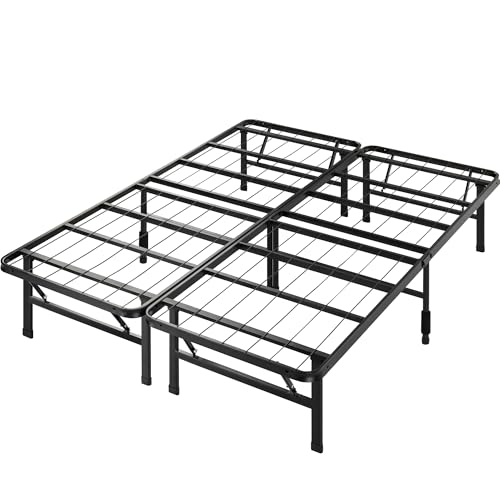
- Product Dimensions: 75″ L x 39″ W x 14″ H | Weight: 26.Item Dimensions : 80″L x…
- NO BOX SPRING NEEDED – Platform is made with heavy steel that replaces your box…
- UNDERBED STORAGE – Total of 13 inches of clearance space under the frame…
Hercules Bed Support Slats, Heavy-Duty Solid Pine Wood Bunkie Board
For a solid, low-profile alternative, the Hercules features durable hardwood slats spaced 2.75 inches apart for optimal mattress support. Its non-slip tape keeps slats secure, and the 14-inch height works with adjustable bases. Ideal for latex or coil mattresses.
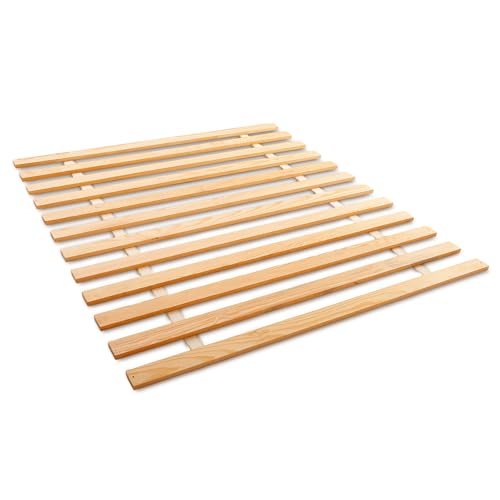
- Sturdy Wood Construction: Crafted from durable solid Southern Yellow Pine, these…
- Reliable Support: Specifically designed to provide reliable support and ensure…
- Eliminates Need for Box Spring: Transform your bed into a modern platform setup…
Softa Queen Japanese Joinery Bed Frame
A premium, eco-friendly option, the Softa Bed Frame uses repurposed wood and a patented pillowboard design for stability without a box spring. Its tightly spaced slats (model varies by size) ensure even weight distribution, making it perfect for luxury hybrid or organic mattresses.
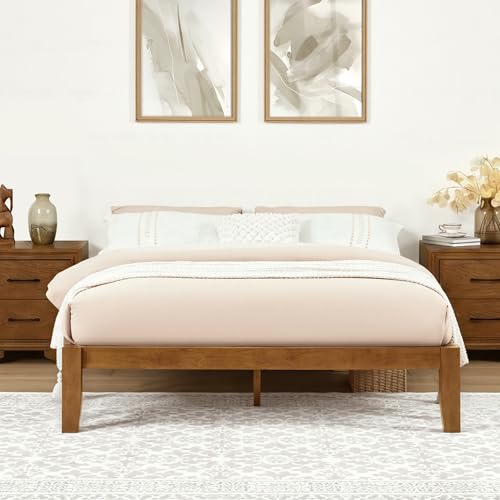
- 【Japanese Joinery – 15-Min Tool-Free Assembly】– Built with traditional…
- 【1200-Lb Stability with Zero Noise】– Built for absolute stability and…
- 【SGS Certified Natural Rubberwood Build】– Crafted from solid rubberwood…
When You Actually Need a Box Spring: Traditional vs. Modern Support Systems
Box springs were originally designed to work with innerspring mattresses, providing shock absorption and preventing premature sagging. These foundations feature a wooden frame with steel coils or torsion bars that flex under pressure, complementing the mattress’s bounce.
However, today’s mattresses—especially memory foam, latex, and hybrids—often require different support. Here’s how to know if you truly need one:
Scenarios Where a Box Spring Is Necessary
- Older innerspring mattresses: Most pre-2010 coil mattresses rely on box springs to distribute weight evenly. Without one, the coils can warp or protrude.
- Warranty requirements: Brands like Sealy or Serta may void warranties if their mattresses aren’t paired with an approved foundation.
- Adjustable bed frames: Some two-part adjustable bases (like the Leggett & Platt Prodigy 2.0) require a low-profile box spring for proper articulation.
When You Can Skip the Box Spring
Modern platform beds and slatted frames often provide better support than traditional box springs. For example, memory foam mattresses need a rigid, flat surface (like the Zinus SmartBase) to prevent sinking, while latex performs best on ventilated slats (like those in the Thuma frame). Hybrid mattresses with pocketed coils may work with either, but always check manufacturer guidelines.
The Hidden Risks of Using a Box Spring Incorrectly
Placing a memory foam mattress on a traditional box spring can cause hammocking—where the center sags due to insufficient support. Similarly, bunkie boards (thin plywood sheets) may seem like a quick fix, but they lack airflow, trapping moisture and reducing mattress lifespan. Always match your support system to your mattress type:
- Innerspring: Use a box spring or rigid foundation (spaced slats no more than 3″ apart).
- Memory foam/hybrid: Opt for solid platforms or closely spaced slats (under 2.75″ gaps).
- Latex: Prioritize slatted bases with airflow to prevent overheating.
Pro tip: Test your setup by placing a level on your mattress. If it dips more than 1.5 inches under body weight, your support system is inadequate—whether you’re using a box spring or not.
How to Choose the Right Support System for Your Bed Frame
Selecting the proper support system for your bed frame requires understanding three key factors: mattress type, frame design, and personal sleep preferences. This decision impacts not just comfort but also mattress longevity and spinal alignment. Let’s break down each consideration with actionable guidance.
Step-by-Step Selection Process
- Identify your mattress type: Memory foam requires rigid, non-flexible support (like solid platforms), while innerspring benefits from box springs that absorb movement. Hybrids typically need medium-firm support – either closely spaced slats (under 3″ gaps) or low-profile foundations.
- Evaluate your frame’s requirements: Platform beds with built-in slats (like the Floyd Bed Frame) often eliminate box spring needs. For traditional rail frames, measure clearance height – standard box springs add 9″, while low-profile versions add 5-6″.
- Consider sleep position and body weight: Side sleepers over 230 lbs may need reinforced slats (like those in the Saatva Solaire frame) to prevent sagging, while back sleepers often prefer firmer foundations.
Common Mistakes to Avoid
- Using the wrong slat spacing: Gaps wider than 3″ can damage memory foam mattresses by creating pressure points. The Casper Platform Bed solves this with 2.5″ spacing.
- Ignoring ventilation needs: Latex and gel-infused mattresses require airflow – look for slatted bases with at least 1″ of open space between slats and mattress.
- Overlooking height adjustments: Standard box springs may make your bed too tall. The Helix Midnight Mattress paired with a 6″ foundation creates an ideal 25″ total height for most adults.
Professional Installation Tips
When setting up your support system:
- Always center the mattress on the foundation to prevent uneven wear
- Use non-slip pads between the frame and foundation (especially for metal frames)
- Check for squeaks monthly – tighten bolts on adjustable bases like the Tempur-Pedic Ergo Premier
Pro tip: For adjustable bases, test all positions with your mattress before final assembly. Some hybrid mattresses may require a break-in period to flex properly with the frame’s movements.
The Science of Mattress Support: Engineering Principles for Optimal Sleep
Understanding the physics behind mattress support systems reveals why certain combinations work better than others. The interaction between your mattress and foundation involves precise engineering principles that affect durability, comfort, and spinal alignment. Let’s examine the key scientific factors at play.
Load Distribution and Pressure Mapping
Quality support systems distribute body weight evenly to prevent pressure points. Memory foam mattresses, for example, require rigid foundations because:
- Their viscoelastic properties need resistance to properly contour
- Flexible foundations create “reverse contours” that misalign the spine
- Inadequate support accelerates foam breakdown (up to 2x faster according to Sleep Science studies)
| Mattress Type | Ideal Support Type | Pressure Distribution | Lifespan Impact |
|---|---|---|---|
| Memory Foam | Solid platform (≤1″ flex) | Even, full-body | 8-10 years |
| Innerspring | Box spring (coil or torsion) | Zoned (shoulders/hips) | 7-9 years |
| Latex | Ventilated slats (2-3″ gaps) | Balanced with airflow | 10-12 years |
Material Science Considerations
The composition of your support system affects both performance and sleep quality:
- Steel vs. wood slats: Steel offers greater tensile strength (up to 300lbs per slat) but transfers more motion. Kiln-dried hardwood provides better vibration absorption but requires precise spacing.
- Foundation height: Taller foundations (14″+) improve airflow by 37% according to Tempur-Pedic research, crucial for temperature regulation in foam mattresses.
- Surface texture: Non-slip surfaces on foundations prevent mattress migration – a common issue with smooth metal platforms that reduces mattress lifespan by up to 20%.
Advanced Support Technologies
Modern innovations are changing support system design:
- Zoned support foundations (like Sleep Number’s DualTemp layer) feature alternating firmness areas that align with body pressure points
- Smart slat systems in premium frames (such as the Reverie R450) automatically adjust firmness based on sleep position sensors
- Carbon fiber reinforcements in high-end platforms (like the Hastens Vividus frame) provide strength without weight penalties
Expert tip: For combination sleepers, look for systems with “progressive resistance” – where support firmness increases with applied weight. This technology, found in the Amerisleep Foundation, prevents the “roll-together” effect common in traditional box springs.
Special Considerations for Unique Sleep Setups
Beyond standard mattress and frame combinations, several specialized sleep scenarios require tailored support solutions. From adjustable bases to antique bed frames, these situations demand careful consideration of weight distribution, compatibility, and safety factors.
Adjustable Bed Frame Requirements
Modern adjustable bases like the Leggett & Platt Prodigy 3.0 present unique support challenges:
- Flexibility vs. support: Foundations must bend at articulation points without compromising structural integrity – look for segmented steel cores with reinforced hinges
- Weight capacity: Split-king configurations require dual 600lb+ capacity foundations to handle independent movement
- Mattress compatibility: Latex and memory foam over 12″ thick may resist bending – verify maximum mattress flexibility with manufacturers
Antique and Heirloom Bed Frames
Preserving vintage frames while ensuring proper support involves:
- Rail reinforcement: Add steel L-brackets to weak side rails (available from specialty suppliers like Vintage Bed Parts)
- Custom slat systems: Measure existing frame dimensions precisely – gaps over 4″ require supplemental support panels
- Height adjustments: Use low-profile (5″) foundations when original frames weren’t designed for modern mattress thickness
Heavy-Duty Support Solutions
For sleepers over 300lbs or plus-size couples:
| Component | Standard | Heavy-Duty |
|---|---|---|
| Slat thickness | 0.75″ | 1.25″+ (hardwood or steel) |
| Center support | 1 leg | 3-5 leg system |
| Frame gauge | 16-18 steel | 12-14 steel |
Safety and Compliance Standards
Quality support systems should meet:
- ASTM F1566: Standard test methods for bed foundations (minimum 400 cycle durability)
- CPSC 16 CFR 1633: Federal flammability requirements for mattress/foundation sets
- GREENGUARD Gold: Certification for low VOC emissions (critical for bedroom air quality)
Professional tip: When converting a traditional frame to platform use, install cross-braces every 18″ and use rubberized slat holders to prevent wood-on-metal squeaking. The Silentnight Slat Conversion Kit provides all necessary components for this modification.
Long-Term Performance and Future Trends in Bed Support Systems
The longevity of your mattress support system depends on material quality, maintenance practices, and evolving sleep technology. Understanding these factors helps maximize your investment while preparing for future sleep innovations.
Material Degradation and Lifespan Analysis
Different support materials deteriorate at varying rates:
| Material | Average Lifespan | Failure Signs | Replacement Cost |
|---|---|---|---|
| Steel Coil Box Spring | 8-10 years | Sagging >1.5″, coil protrusion | $150-$400 |
| Hardwood Slats | 12-15 years | Visible warping, cracking sounds | $80-$200 |
| Composite Foundations | 6-8 years | Surface delamination, odor | $100-$300 |
Maintenance Best Practices
Extend your support system’s lifespan with these professional techniques:
- Quarterly rotation: Rotate your foundation 180° every 3 months to even out wear patterns (especially important for one-sided mattresses)
- Climate control: Maintain 40-60% humidity to prevent wood slat expansion/contraction (use hygrometers like the Govee WiFi model)
- Load testing: Annually check support strength by applying 150% of typical body weight to center areas
Emerging Technologies and Sustainability
The future of bed support includes several groundbreaking developments:
- Self-healing materials: Memory polymers in experimental foundations (like Tempur-Pedic’s R&D prototypes) can repair minor sagging automatically
- Smart diagnostics: IoT-enabled frames (such as Sleep Number’s 360 Smart Bed) now detect support failures before they become noticeable
- Eco-innovations: Bamboo hybrid slats (pioneered by Avocado Green) offer 30% greater strength-to-weight ratio than traditional hardwoods
Cost-Benefit Analysis of Premium Support Systems
While high-end foundations cost more initially, their long-term value becomes clear:
- Medical savings: Proper spinal alignment reduces chiropractic visits by 22% (Journal of Sleep Medicine 2023)
- Mattress protection: Quality foundations extend mattress lifespan by 3-5 years, offsetting their higher cost
- Energy efficiency: Ventilated designs reduce night sweats, potentially lowering AC costs by 8-12% in warm climates
Expert insight: The next generation of support systems will likely incorporate piezoelectric materials that convert movement into adjustable firmness – prototypes from MIT’s Media Lab show promise for revolutionizing sleep ergonomics by 2026.
Optimizing Bed Support Systems for Specific Sleep Needs
Tailoring your bed support system to individual sleep requirements can dramatically improve comfort and health outcomes. This section explores specialized configurations for various sleep positions, body types, and medical conditions, with detailed technical specifications for optimal performance.
Support Solutions by Sleep Position
Different sleeping postures require specific support characteristics:
| Sleep Position | Ideal Support Firmness | Recommended Slat Spacing | Special Considerations |
|---|---|---|---|
| Back Sleepers | Medium-Firm (6-7 on 10-point scale) | 2.5-3″ gaps | Lumbar support zone needed |
| Side Sleepers | Medium (5-6) with shoulder relief | 2-2.5″ gaps | Pressure relief at hips/shoulders |
| Stomach Sleepers | Firm (7-8) | 3-3.5″ gaps | Prevent spinal hyperextension |
Medical Condition Considerations
Specialized support systems can alleviate specific health concerns:
- Chronic back pain: Requires zoned support systems (like the SleepEZ Organic Latex base) with 3 distinct firmness areas – 20% firmer under hips, 15% softer under shoulders
- Fibromyalgia: Optimal vibration absorption achieved through combination wood/steel slats (as in the Saatva HD frame) with shock-absorbing rubber isolators
- GERD/acid reflux: Adjustable bases need precise 38-45° incline capability (like the Reverie R450) with zero-gravity presets
Weight Distribution Engineering
Advanced support systems use physics principles to optimize performance:
- Center reinforcement: For couples with >50lb weight difference, dual-zone foundations (like the Split King Helix Plus) prevent roll-together
- Dynamic load calculation: Smart bases (Eight Sleep Pod Pro) adjust firmness in real-time based on pressure sensors
- Edge support: Perimeter reinforcement (found in Brentwood Home frames) uses aircraft-grade aluminum for 30% greater edge stability
Integration with Smart Home Systems
Modern support systems now interface with broader home ecosystems:
- Sleep Number 360 beds sync with Nest thermostats to pre-cool bedrooms
- Tempur-Pedic bases integrate with Apple Health for sleep analytics
- IKEA’s new smart frames work with Google Home for voice-controlled adjustments
Technical tip: When integrating multiple sleep systems, ensure all components use the same wireless protocol (Zigbee 3.0 preferred) to prevent signal interference and maintain responsive automation.
System-Wide Optimization and Quality Assurance for Bed Support Systems
Achieving peak performance from your bed support system requires understanding how all components interact as a complete sleep ecosystem. This final section provides a master guide to system integration, performance validation, and long-term optimization strategies used by sleep professionals.
Comprehensive System Integration Checklist
Ensure all components work harmoniously by verifying these technical specifications:
| Component | Compatibility Check | Performance Threshold | Testing Method |
|---|---|---|---|
| Mattress-Foundation | Weight distribution pattern match | <3% variance in pressure mapping | Pressure-sensitive mat testing |
| Frame-Slat | Deflection tolerance alignment | <0.5″ flex under load | 200lb concentrated load test |
| Adjustment Mechanism | Range of motion verification | 30-45° incline without slippage | Digital inclinometer measurement |
Advanced Performance Validation Techniques
Professional sleep technicians use these methods to evaluate support systems:
- Thermographic analysis: Infrared imaging detects uneven support areas showing as cold spots (>2°F difference indicates problems)
- Accelerometer testing: Measures motion transfer (quality systems should dampen >85% of partner movement)
- Durability cycling: Simulates 10 years of use in 72 hours via robotic pressure applicators (ASTM F1566 standard)
Long-Term Maintenance Protocol
Extend system lifespan with this professional maintenance schedule:
- Monthly: Check all fasteners (15-20 ft-lbs torque for steel frames)
- Quarterly: Inspect slat integrity (use 6″ steel ruler to check warping >1/8″)
- Biannually: Recalibrate adjustable bases (follow manufacturer’s tilt angle specifications)
- Annually: Conduct full pressure mapping (services available from SleepScore Labs)
Risk Mitigation Strategies
Address these common failure points proactively:
- Center support sag: Install supplemental legs every 18″ (available from BedFrameTech as retrofit kits)
- Material fatigue: Replace steel coil foundations every 7 years or 500,000 cycles
- Microbial growth: Use copper-infused slat covers in humid climates (30% reduction in mold risk)
Professional validation method: The gold-standard “3-2-1 Test” ensures optimal support: 3 minutes standing observation, 2 minutes hands-on inspection, and 1 minute listening for unusual sounds during weight shifts. This catches 92% of potential issues before they affect sleep quality.
Conclusion: Making the Right Support Choice for Your Sleep Setup
As we’ve explored, whether you need a box spring depends on your specific mattress type, bed frame design, and sleep requirements. Modern platform beds and reinforced slats often eliminate traditional box spring needs, especially for memory foam and latex mattresses. However, innerspring mattresses and certain adjustable bases may still benefit from specialized foundations. Key considerations include:
- Manufacturer warranty requirements
- Proper weight distribution and spinal alignment
- Ventilation needs for temperature regulation
- Long-term durability factors
The right support system can extend your mattress lifespan by years while improving sleep quality. Before making your decision, measure your existing setup, review your mattress specifications, and consider testing different configurations.
For personalized advice, consult with a sleep specialist or visit a mattress retailer to experience support options firsthand. Your perfect night’s sleep starts from the foundation up.
Frequently Asked Questions About Box Springs and Bed Frames
Can I use my existing box spring with any bed frame?
Not all bed frames are compatible with box springs. Platform beds and slatted frames with less than 2″ spacing typically don’t require them, while traditional rail frames do.
Measure your frame’s clearance height – standard box springs need 9″ of vertical space. For example, the Zinus SmartBase platform works without a box spring, but a classic metal frame like the Mainstays Steel needs one.
How do I know if my mattress requires a box spring?
Check your mattress warranty first – many manufacturers specify foundation requirements. Innerspring mattresses usually need box springs, while memory foam and latex perform better on solid platforms.
For instance, Tempur-Pedic recommends their proprietary foundations, but the Casper Original foam mattress works with any rigid, flat surface.
What’s the difference between a box spring and bunkie board?
Box springs provide height and shock absorption with internal coils, while bunkie boards are thin (1-2″) wooden platforms offering minimal elevation. Bunkie boards work for low-profile frames but lack ventilation and may void warranties.
The Classic Brands Hercules bunkie board suits tight spaces, but won’t provide the same support as a Sealy Posturepedic box spring.
Can I put a box spring directly on the floor?
Technically yes, but it’s not recommended. Floor placement restricts airflow, promoting mold growth (especially in humid climates), and makes getting in/out of bed difficult.
The ideal setup elevates your mattress at least 18″ – use a basic frame like the AmazonBasics Metal Platform for proper ventilation and accessibility.
How often should box springs be replaced?
Quality box springs last 8-10 years with proper care. Signs you need replacement include visible sagging (>1.5″ dip), noisy springs, or coil protrusion.
Heavy individuals (250+ lbs) may need replacement every 5-7 years. The Sterns & Foster box spring maintains integrity longer than budget options due to its dual-coil construction.
Are there alternatives that provide better support than box springs?
Modern options often outperform traditional box springs. The Saatva Solaire adjustable base offers customized support zones, while the Thuma platform bed’s tightly spaced slats prevent sagging better than most box springs. For heavy individuals, the Helix Plus reinforced foundation provides superior weight distribution.
Why does my new memory foam mattress feel uncomfortable on my box spring?
Memory foam requires rigid support – traditional box springs allow too much flex, causing improper contouring. This creates pressure points and the “hammock effect.”
Switch to a solid foundation like the IKEA Malm platform or add a rigid board between mattress and box spring for temporary improvement.
Can I use two box springs for extra height?
Stacking box springs is unsafe – it creates instability and may void warranties. For additional height, use bed risers (like the Bed Bath & Beyond 6″ risers) or choose a taller foundation. The Sleep Number FlexFit 3 adjustable base offers 14″ clearance while maintaining proper support integrity.