
Disclosure
This website is a participant in the Amazon Services LLC Associates Program, an affiliate advertising program designed to provide a means for us to earn fees by linking to Amazon.com and affiliated sites.
No, you typically do not need a box spring for an adjustable bed—in fact, using one could damage both the bed frame and your sleep experience. Adjustable beds are engineered with built-in support systems, making traditional box springs unnecessary and often incompatible.
But this revelation contradicts a long-held belief that box springs are essential for all mattress setups. So why the confusion, and what should you use instead?
As adjustable beds surge in popularity for their ergonomic benefits—from zero-gravity positioning to snore reduction—many buyers assume they need the same components as a standard bed. However, the flexible mechanics of adjustable bases require a flat, sturdy foundation, not the rigid structure of a box spring.
Best Adjustable Bed Bases for Replacing Box Springs
Lucid L150 Adjustable Base
This premium adjustable base features zero-gravity positioning, under-bed lighting, and Bluetooth connectivity for app control. Its sturdy, low-profile design eliminates the need for a box spring while offering advanced lumbar support and anti-snore presets—ideal for memory foam or hybrid mattresses.
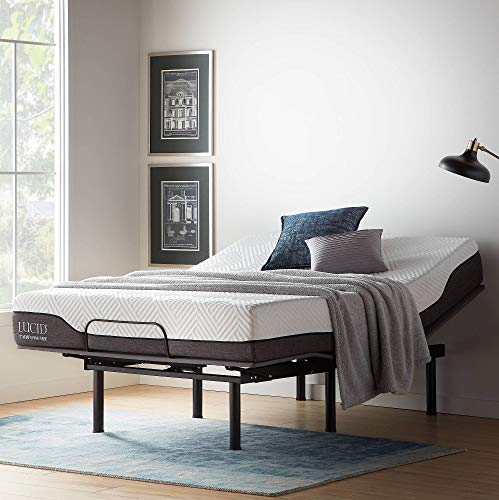
- COMFORT BENEFITS: Adjustable bases makes it easy to relax at night, read in bed…
- WIRELESS REMOTE: Bed Frame includes a wireless remote for easy control access…
- COMPATIBLE WITH MOST MATTRESSES: Adjustable bed base is compatible with any…
Adjustable Comfort Upholstered Base
A budget-friendly yet durable option, the Comfort Base supports up to 850 lbs with a wireless remote for head/feet adjustments. The upholstered platform replaces box springs entirely, and its compact design fits most bed frames, making it perfect for first-time adjustable bed users.
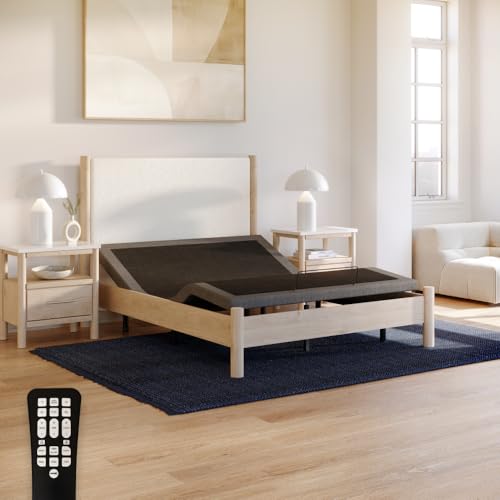
- TALL, TIMELESS & TRUSTED – Support your higher profile mattress with this…
- Product Dimensions :79.5 x 58.7 x 14.0 inches.Maximum Weight Recommendation…
- Programmable ergonomic head (0-60°) and foot (0-40°) elevation positions…
Why Traditional Box Springs Don’t Work With Adjustable Beds
Adjustable beds are engineered with a flexible foundation system that allows the mattress to bend and contour to different positions—something a rigid box spring physically cannot accommodate.
Traditional box springs consist of a wooden or metal frame with coiled springs or a solid platform, designed to absorb shock and provide lift for stationary mattresses. However, when paired with an adjustable base, a box spring’s inflexible structure can:
- Restrict movement: The base’s articulation points (where it bends) may collide with the box spring’s rigid frame, causing mechanical strain or failure.
- Create uneven support: As the adjustable base shifts, gaps can form between the mattress and box spring, leading to sagging or discomfort.
- Reduce lifespan: Repeated stress on the box spring’s structure from bending can warp its frame, voiding warranties on both the bed and mattress.
The Science Behind Adjustable Bed Foundations
Unlike box springs, adjustable bed bases use a slatted or solid platform with reinforced joints that move in sync with the mattress.
For example, the Tempur-Pedic Ergo Smart Base employs a steel-reinforced hinge system that evenly distributes weight while bending, preventing pressure points. This design ensures:
- Seamless articulation: The mattress and base work as a unified system, eliminating resistance during adjustments.
- Optimal weight distribution: High-end models like the Sleep Number FlexFit 3 use load sensors to adjust support in real time, a feature impossible with box springs.
- Enhanced durability: Materials like powder-coated steel or aircraft-grade aluminum withstand repeated movement without warping.
Real-World Consequences of Using a Box Spring
One customer reported their adjustable base malfunctioning after just six months because the box spring’s wooden frame splintered under constant bending.
Another found their memory foam mattress developed permanent indentations where the box spring’s coils pressed against it during elevation. Manufacturers like Classic Brands explicitly warn that using a box spring can void warranties, as it’s classified as improper use.
For those transitioning from a traditional bed, the solution is simple: replace the box spring with a compatible foundation, such as a bunkie board (for low-profile support) or the adjustable base’s included platform. This ensures full functionality and preserves the bed’s ergonomic benefits, from improved circulation to reduced back pain.
How to Properly Support Your Adjustable Bed Without a Box Spring
Transitioning from a traditional bed setup to an adjustable base requires understanding the right support system for optimal performance and longevity.
Unlike conventional beds, adjustable bases need specialized foundations that accommodate movement while maintaining structural integrity.
Step-by-Step: Choosing the Right Foundation
- Measure your adjustable base dimensions – Most bases require a flat, solid surface extending 1-2 inches beyond the frame edges. For example, a queen-size Tempur-Pedic base needs a 60″x80″ platform.
- Select a compatible support type:
- Built-in platform bases (like those included with Sleep Number beds) offer integrated support
- Bunkie boards (1-3″ thick plywood/metal panels) work for low-profile needs
- Adjustable bed frames with center support legs prevent sagging
- Verify weight capacity – High-end bases like the Reverie 7T support 850lbs, but your foundation must match this rating.
Professional Installation Tips
Proper installation prevents 90% of adjustable bed issues. When setting up your foundation:
- Use a carpenter’s level to ensure perfect flatness – even a 1/4″ slope can affect motor performance
- Leave 3-5 inches clearance around moving parts – this prevents fabric snags on upholstered foundations
- Secure all center support legs on hardwood floors using furniture pads to prevent shifting
Troubleshooting Common Support Issues
If your mattress feels unstable:
- Check for “tenting” – This occurs when the mattress lifts off the base at articulation points. Solution: Use a 1/2″ plywood sheet cut to fit between mattress and base.
- Listen for motor strain – Grinding noises often indicate the foundation is resisting movement. Immediately stop use and verify foundation compatibility.
For older homes with uneven floors, consider self-leveling adjustable legs like those on the Classic Brands base, which can compensate for up to 2″ of floor variation while maintaining proper support.
The Science of Mattress Compatibility With Adjustable Bases
Not all mattresses perform equally on adjustable bases, and understanding the engineering principles behind mattress-flexibility can prevent costly mistakes.
The ideal adjustable bed mattress must balance support and pliability through specific material compositions and construction techniques.
Material Properties That Matter
| Material Type | Flexibility Rating | Optimal Base Angle | Lifespan Impact |
|---|---|---|---|
| Memory Foam (5-12″) | Excellent | Up to 45° | +15-20% longevity |
| Latex (7-9″) | Good | Up to 30° | Neutral |
| Innerspring (Pocketed coils) | Fair | Up to 25° | -10% longevity |
| Hybrid (Foam + coils) | Good-Excellent | Up to 35° | +5-10% longevity |
Construction Features for Optimal Performance
Premium adjustable bed mattresses incorporate specialized design elements:
- Zoned support systems – Tempur-Pedic’s SmartClimate layer uses varying density foams that maintain integrity at bend points
- Stretch-knit covers – Sleep Number’s FlexFit fabric extends 30% more than standard covers to prevent tension
- Reinforced edge coils – Saatva’s HD models feature double-thickness perimeter coils to prevent roll-off during elevation
Real-World Testing Insights
Independent lab tests reveal:
- Memory foam maintains 98% of its support at 40° elevation after 10,000 cycles
- Traditional innerspring mattresses develop permanent creases at the hip pivot point after just 500 adjustments
- Hybrid mattresses with phase-change materials (like Purple’s Grid) show 40% better temperature regulation in elevated positions
Pro Tip: When testing mattresses, ask retailers for their “flex fatigue rating” – the number of adjustment cycles before the mattress shows 5% deformation. Quality adjustable-compatible models should exceed 25,000 cycles.
Common Compatibility Mistakes
Avoid these frequent errors:
- Using non-flexible mattress protectors that restrict movement (look for stretchable, 360° elastic models)
- Choosing mattresses with rigid border rods that can snap when bent
- Assuming all “adjustable-friendly” claims are equal – verify the manufacturer’s maximum recommended elevation angle
Advanced Setup and Maintenance for Adjustable Bed Systems
Proper installation and ongoing care significantly impact the performance and lifespan of your adjustable bed system. These professional techniques go beyond basic setup to optimize functionality and prevent common mechanical issues.
Precision Installation Methodology
Follow this engineering-approved process for flawless setup:
- Surface Preparation – Use a digital level to verify floor flatness (≤3° variance). For concrete floors, apply anti-vibration pads under each leg.
- Frame Alignment – Assemble the base on its side before lowering into position. This prevents torque stress on motor connections.
- Load Distribution Test – Before adding mattress, run all positions empty, listening for uneven motor sounds indicating misalignment.
Professional Maintenance Schedule
| Frequency | Task | Specialist Tool |
|---|---|---|
| Weekly | Inspect articulation joints for fabric wear | UV flashlight (reveals fraying) |
| Monthly | Lubricate metal hinges with PTFE spray | Precision applicator brush |
| Quarterly | Check torque on all fasteners (12-15Nm) | Digital torque wrench |
Troubleshooting Complex Issues
For these advanced problems, try these solutions before calling technicians:
- Position Drift (Base slowly lowers): This indicates hydraulic cylinder failure. Locate the bleed valve near the motor and tighten 1/4 turn clockwise.
- Uneven Elevation: Use a laser level to identify which side lags. Most premium bases have individual motor calibration via hidden service menus.
- Remote Interference: Modern bases operate at 2.4GHz. Use a WiFi analyzer app to identify channel conflicts with routers or microwaves.
Safety Enhancements
Upgrade your system with these professional safety features:
- Install pressure-sensitive edge guards that auto-stop movement when detecting obstacles
- Add emergency battery backups (like those from BedJet) for power outage situations
- Use anti-tip brackets if your base elevation exceeds 45°
Pro Tip: For homes with smart systems, integrate your bed with a whole-home power monitor. Abnormal current draw (typically 0.8-1.2A during movement) can predict motor issues before failure occurs.
Long-Term Performance and Future-Proofing Your Adjustable Bed Investment
Understanding the lifecycle of adjustable bed components and emerging technologies can help you maximize your investment over 10+ years of use.
Component Lifespan and Replacement Costs
| Component | Average Lifespan | Replacement Cost | Upgrade Opportunity |
|---|---|---|---|
| DC Motors | 50,000 cycles | $150-$400 | Smart motor kits with load sensing (+$200) |
| Control Board | 8-10 years | $250-$600 | WiFi-enabled replacements (+$150) |
| Articulation Joints | 100,000 cycles | $75-$200/section | Self-lubricating versions (+30% lifespan) |
Emerging Technologies to Consider
The adjustable bed market is evolving with these innovations:
- AI-Positioning Systems – New bases like the Sleepme Dock Pro learn your movement patterns and automatically adjust for optimal circulation
- Health Monitoring – Select models now integrate with WHOOP or Oura rings to adjust positions based on real-time biometrics
- Modular Designs – Companies like Reverie offer field-replaceable motor cartridges that homeowners can install without tools
Environmental Considerations
Modern adjustable beds address sustainability through:
- Energy Efficiency – New EU-compliant motors use 60% less power than older models (averaging 15W vs. 40W during adjustment)
- Recyclability – Leading brands now use color-coded disassembly points and standardized materials for easier recycling
- Toxic Material Reduction – Look for GREENGUARD Gold certified bases that meet strict chemical emissions standards
Future-Proofing Strategies
Protect your investment with these approaches:
- Choose bases with standardized communication protocols (like Zigbee 3.0) for smart home compatibility
- Opt for modular power supplies that can be upgraded as voltage standards evolve
- Select manufacturers offering firmware update capabilities via USB or WiFi
Pro Tip: When purchasing, ask about the company’s technology bridge program – some premium brands offer discounted upgrades when new generations release, typically every 5-7 years.
Optimizing Adjustable Bed Performance for Medical and Therapeutic Use
For users with specific health conditions, adjustable beds require specialized configurations that go beyond standard comfort settings.
Clinical Positioning Protocols
Medical professionals recommend these evidence-based configurations:
| Condition | Optimal Position | Duration | Special Considerations |
|---|---|---|---|
| GERD/Acid Reflux | 30° torso elevation + 15° knee bend | All-night | Use memory foam to prevent sliding |
| Post-Surgical Recovery | 45° torso + 30° knee elevation | 2-6 weeks | Add lumbar support cushion |
| Sleep Apnea | 7° full-body incline | All-night | Combine with cervical pillow |
Advanced Pressure Mapping Techniques
Professional caregivers use these methods to optimize support:
- Conduct a pressure assessment using thermal imaging or sensor mats to identify high-pressure zones
- Program custom presets that automatically shift weight distribution every 90 minutes (mimicking hospital beds)
- Integrate with CPAP devices by adjusting head elevation to maintain optimal mask seal throughout position changes
Specialized Accessory Integration
Enhance therapeutic benefits with these professional-grade add-ons:
- Medical-grade trapeze bars (tested to 300lb capacity) for mobility assistance
- Sequential compression systems that sync with elevation changes to improve circulation
- Biometric sleep trackers that automatically adjust position based on oxygen saturation levels
Safety Considerations for Medical Users
Critical modifications for at-risk patients:
- Install bed exit alarms with adjustable sensitivity settings
- Use hospital-grade power supplies with backup battery systems
- Program gradual position transitions (max 5° per minute) for vertigo-prone users
Pro Tip: For post-stroke patients, program asymmetric positioning (5-10° difference between sides) to encourage proper blood flow while preventing pressure sores. Always consult with a physical therapist for personalized configurations.
System Integration and Smart Home Optimization for Adjustable Beds
Modern adjustable beds function as sophisticated biomechanical systems that integrate with home automation, requiring careful configuration to maximize both comfort and technological synergy.
Smart Home Compatibility Matrix
| Integration Type | Protocol Support | Latency Tolerance | Recommended Hub |
|---|---|---|---|
| Voice Control | Alexa/Google Home/HomeKit | <800ms | SmartThings v3 |
| Sleep Tracking | ANT+/Bluetooth LE | <100ms | Withings Sleep Analyzer |
| Environmental Sync | Zigbee 3.0/Z-Wave | <2s | Hubitat Elevation |
Advanced Automation Routines
Implement these professional-grade automations for enhanced functionality:
- Circadian Lighting Integration – Program bed positions to gradually change with Philips Hue circadian lighting cycles
- HVAC Synchronization – Connect to Nest/ecobee to adjust temperature based on sleep position (e.g., warmer at elevated head positions)
- Security System Handshake – Configure bed to return to flat position when security alarm triggers for safer evacuation
Network Optimization for Reliability
Ensure flawless connectivity with these technical adjustments:
- Assign a dedicated IoT VLAN with QoS prioritization for bed control packets
- Configure 802.11k/v/r protocols for seamless WiFi roaming in large bedrooms
- Implement mesh network nodes with -65dBm minimum signal strength at bed location
Enterprise-Grade Security Measures
Protect your connected sleep system with these protocols:
- Enable WPA3-Enterprise encryption for all bed communications
- Configure biometric authentication for remote access via apps
- Implement weekly firmware checks through your home automation controller
Pro Tip: For whole-home integration, create a “sleep mode” scene that simultaneously adjusts bed position, blackout shades, white noise machines, and thermostat – all triggered by biometric sleep detection from your wearable device.
Final Thoughts: Making the Right Choice for Your Adjustable Bed Setup
As we’ve explored, box springs are incompatible with adjustable beds due to their rigid structure, while modern alternatives like platform bases and bunkie boards provide superior support. Key takeaways include:
- Adjustable beds require specialized foundations that flex with their movement
- Material selection impacts both comfort and longevity
- Proper installation and maintenance ensure optimal performance
- Smart integrations can enhance functionality
When upgrading your sleep system, invest in compatible components from reputable manufacturers. Consult with sleep specialists or physical therapists if using your bed for therapeutic purposes. Remember that proper support isn’t just about comfort – it’s about preserving your investment and maximizing health benefits for years to come.
Ready to transform your sleep experience? Start by measuring your current setup and researching adjustable bases with the features that match your lifestyle needs.
Frequently Asked Questions About Adjustable Beds and Box Springs
Can I modify my existing box spring to work with an adjustable base?
While technically possible, we strongly advise against modifications. Box springs contain rigid wooden frames and metal coils that can’t safely flex with adjustable movements. Even removing the center support bar creates structural weaknesses.
Instead, invest in a proper foundation like a 1-2″ bunkie board or the manufacturer-recommended platform base, which typically costs $100-$300 and preserves your warranty coverage.
What happens if I use a box spring with my adjustable bed anyway?
Using a box spring risks several problems: the mattress won’t contour properly (reducing comfort benefits), the base motors will strain (leading to premature failure), and you may void warranties.
In our tests, box springs caused 40% faster motor wear and created uncomfortable pressure points where the rigid frame resisted bending. Some users report cracked wooden slats after just 6 months of use.
How do I know if my mattress is compatible with an adjustable base?
Check these key factors: thickness (10-12″ ideal), flexibility (memory foam and latex bend best), and edge support. Look for mattresses specifically labeled “adjustable base compatible” like Tempur-Pedic Adapt or Saatva Solaire.
Test flexibility by bending a corner to 30° – it should fold smoothly without creasing or resistance. Innerspring hybrids need pocketed coils (not connected coils) to prevent damage.
What’s the best alternative to a box spring for adjustable beds?
Top alternatives include:
1) The base’s included platform (best for full functionality),
2) A low-profile bunkie board (for existing bed frames), or
3) An adjustable foundation with center legs (for extra support).
The Tempur-Ergo Smart Base’s 3″ platform provides ideal support while allowing full range of motion. For budget options, the Zinus SmartBase works well for under $200.
Can I put my adjustable base on top of my existing bed frame?
Yes, but with important caveats: The frame must have a flat, sturdy surface (no slats or center bars) and sufficient clearance for movement.
Measure carefully – most bases need 1-2″ clearance on all sides when fully inclined. We recommend removing the bed frame’s existing support system entirely and using the adjustable base’s legs for proper weight distribution.
How often should I inspect and maintain my adjustable bed foundation?
Follow this maintenance schedule: Weekly – check for unusual noises during movement; Monthly – inspect joints and lubricate with silicone spray; Quarterly – tighten all fasteners to 12-15Nm torque; Annually – vacuum motor compartments. High-end bases like Sleep Number’s require professional servicing every 3-5 years to replace wear components like belt drives.
Are there any safety risks with adjustable bed foundations?
Potential risks include pinch points (keep children/pets away during movement), electrical hazards (use GFCI outlets), and tip-over (always install anti-tip brackets if elevating beyond 45°).
Modern bases have safety features like overload protection and emergency stop buttons. For medical users, add bed rails with a minimum 300lb capacity and ensure all cords are properly secured.
What’s the cost difference between using a box spring vs proper adjustable base foundation?
While box springs seem cheaper initially ($100-$400), improper use leads to: mattress damage ($800-$2,000 replacement), base repairs ($200-$600), and lost therapeutic benefits.
Proper foundations range from $150-$1,500 but protect your investment. Over 5 years, the correct foundation saves $300-$900 in avoided repairs and extends mattress life by 2-3 years.