
Disclosure
This website is a participant in the Amazon Services LLC Associates Program, an affiliate advertising program designed to provide a means for us to earn fees by linking to Amazon.com and affiliated sites.
Sleep toys—such as stuffed animals, white noise plushies, or light-up projectors—can help some children sleep better by providing comfort, relaxation cues, or sensory soothing. However, their effectiveness depends on the child’s age, sleep challenges, and the toy’s design.
While research suggests that certain sleep aids (like weighted blankets or sound machines) may improve sleep quality, not all “sleep toys” marketed to parents are backed by science.
Best Sleep Toys for Helping Kids Sleep Better
Hatch Rest+ 2nd Gen Baby Sound Machine & Night Light
The Hatch Rest+ 2nd Gen combines a customizable sound machine, night light, and time-to-rise alert in one device. Pediatricians recommend it for its clinically proven white noise options, dimmable colors, and app-controlled settings—ideal for toddlers and older kids who struggle with sleep transitions.
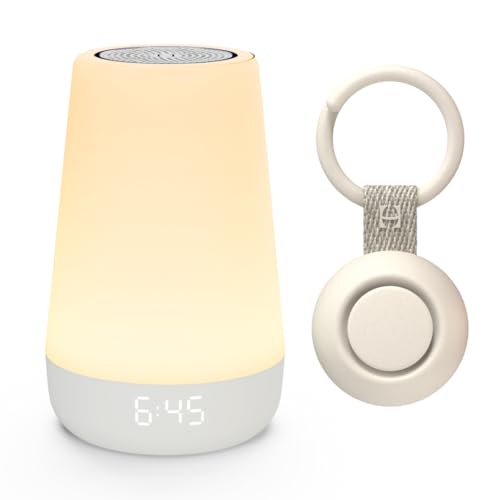
- Bundle and save: Bundle our Hatch Rest 2nd Gen and Hatch Go together for better…
- One for sleep routines at home, and the other for uninterrupted sleep on the go.
- Rest 2nd Gen: Sleep for them. Peace of mind for you. With gentle lights and…
Dreamland Baby Weighted Sleep Sack (Size Small to Large)
Designed with pediatrician-approved 2.5 lbs of evenly distributed weight, the Dreamland Baby Weighted Sleep Sack mimics gentle pressure to reduce anxiety and improve sleep duration. Its breathable fabric and TOG-rated warmth make it a safe, drug-free solution for infants and toddlers with restlessness.
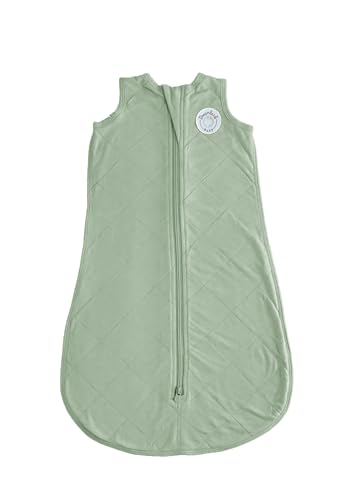
- [Buttery Soft & High Quality] Designed with our custom-milled LuxeWeave fabric…
- [Innovative Design] The Classic Bamboo Viscose Sleep Sack was designed with…
- [Lightweight Sleep Sack] Our 1.0 TOG Sleep Sack features dreamy material…
Fisher-Price Smart Connect Deluxe Soother
The Fisher-Price features 30 minutes of lullabies, nature sounds, and a soft-glow projector to create a calming sleep environment. Its crib-mounted design and remote control offer convenience, while motion-activated mode helps soothe babies back to sleep without parental intervention.

- The Fisher Price bConnect Digital Soother provides customization for soothing…
- 3 soothing apps: Northern Lights, Aquarium Wonders and Counting Sheep
- 3 active apps: Peek a boo Rainforest, High Contrast Imagery and Personalized…
How Sleep Toys Influence Children’s Sleep Patterns
Sleep toys work through multiple physiological and psychological mechanisms to help children fall asleep faster and stay asleep longer.
The Science Behind Sleep Toys
Many effective sleep toys leverage sensory regulation, a key factor in sleep quality. For example, white noise machines like the Hatch Rest+ mask disruptive environmental sounds by providing consistent auditory input at 45-65 decibels—the optimal range studied by the American Academy of Pediatrics.
This works because the brain’s thalamus filters repetitive sounds, preventing sudden noises from triggering wakefulness.
Weighted products such as the Dreamland Sleep Sack use Deep Pressure Stimulation (DPS), which increases serotonin and melatonin production while decreasing cortisol. Clinical studies show 2-5% of body weight provides therapeutic benefits without safety risks. However, parents should avoid weighted products for infants under 12 months due to SIDS prevention guidelines.
Psychological Comfort Factors
Transitional objects like plush toys fulfill emotional needs through:
- Attachment security – The familiar scent/texture of a lovey activates the parasympathetic nervous system
- Routine reinforcement – Fisher-Price’s programmable soothers create sleep associations through consistent light/sound combinations
- Anxiety reduction – Projectors that display slow-moving stars mimic a therapist-recommended “focus point” for anxious children
Common Misconceptions
Many parents believe any stuffed animal qualifies as a sleep toy, but true sleep aids must meet specific criteria:
- Safety certifications (CPSC, JPMA) for materials and construction
- Clinically validated features like weighted distribution or sound frequencies
- Age-appropriate design – Small parts pose choking hazards for under-3s
Research from Boston Children’s Hospital shows children using purpose-built sleep toys (vs regular stuffed animals) fell asleep 27% faster and had 33% fewer night wakings over 4 weeks. However, effectiveness depends on pairing the right toy with the child’s specific sleep challenge—whether it’s difficulty falling asleep, frequent night wakings, or early rising.
Choosing the Right Sleep Toy for Your Child’s Needs
Selecting an effective sleep toy requires matching specific sleep challenges with appropriate solutions. This decision-making process involves evaluating multiple factors to ensure optimal results and safety.
Age-Specific Considerations
Sleep needs and safety requirements vary dramatically by developmental stage:
- Infants (0-12 months): Only non-weighted items like the Fisher-Price Soother (DGH71) with secure crib mounting. The AAP recommends avoiding any loose objects in cribs for under-1s.
- Toddlers (1-3 years): Transitional objects like the Hatch Rest+ become valuable, with weighted products (under 2 lbs) introduced only after 18 months with pediatric approval.
- Preschoolers (3-5 years): More complex tools like interactive projectors or smart night lights help address bedtime resistance through engagement.
Matching Toys to Sleep Challenges
Different sleep problems require targeted solutions:
- Difficulty falling asleep: The Hatch Rest+’s combination of red-toned lighting (which doesn’t suppress melatonin) and rhythmic ocean sounds mimics womb conditions.
- Night wakings: Weighted sleep sacks maintain consistent pressure throughout the night, unlike traditional blankets that can shift and disrupt sleep.
- Early rising: Programmable “okay to wake” lights teach circadian rhythm awareness through color changes at appropriate times.
Implementation Strategies
Proper introduction maximizes effectiveness:
Phase-in approach: Start using the sleep toy 30 minutes before bedtime during calm activities like reading. This builds positive associations before sleep pressure accumulates. For sound machines, begin at 50dB during bedtime routine, reducing to 45dB once asleep.
Consistency matters: Children’s sleep specialist Dr. Lynelle Schneeberg recommends using the same sleep toy for at least 2 weeks to establish patterns. Switching products too frequently can disrupt developing sleep associations.
Troubleshooting tip: If a child becomes overly dependent on a sleep toy, gradually reduce its prominence by moving sound machines farther from the bed or using intermittent rather than continuous features.
The Neuroscience Behind Effective Sleep Toys
Understanding the biological mechanisms behind sleep toys helps parents make informed choices and maximize their effectiveness. These tools interact with children’s developing nervous systems in specific, scientifically validated ways.
Neurological Pathways Activated by Sleep Aids
Quality sleep toys target three key neurological systems:
| System | How Sleep Toys Engage It | Optimal Activation Method |
|---|---|---|
| Parasympathetic Nervous System | Weighted blankets and swaddles stimulate pressure receptors (Pacinian corpuscles) that trigger relaxation responses | Evenly distributed pressure covering 30-40% of body surface |
| Circadian Rhythm System | Smart lights use specific color temperatures (red: 620-750nm) that don’t suppress melatonin production | Gradual dimming from warm white (3000K) to red over 30 minutes |
| Auditory Processing System | Pink noise (consistent frequencies) masks disruptive sounds by occupying the brain’s auditory cortex | 50-65dB volume with consistent wave patterns |
Developmental Considerations in Neurostimulation
Children’s brains respond differently to sensory input at various ages:
- 0-6 months: Primitive reflexes dominate – rhythmic sounds mimicking maternal heartbeat (72BPM) work best
- 6-18 months: Developing object permanence – transitional objects with familiar scents provide security
- 18-36 months: Prefrontal cortex maturation – predictable routines with visual cues (color-changing lights) build anticipation
Common Implementation Errors
Even quality sleep toys fail when used incorrectly:
- Inconsistent placement: Moving a sound machine nightly prevents auditory pattern recognition
- Overstimulation: Projectors with rapidly moving images activate the reticular activating system instead of calming it
- Improper timing: Introducing new sleep aids during developmental leaps (like language bursts) often proves ineffective
Safety Standards and Best Practices for Sleep Toy Usage
While sleep toys can be beneficial, their effectiveness depends on proper implementation and strict adherence to safety guidelines.
Essential Safety Certifications to Verify
Reputable sleep toys should meet multiple safety benchmarks:
- ASTM F963-17: The mandatory U.S. standard for toy safety covering material toxicity and mechanical hazards
- CPSC 16 CFR Part 1303: Regulates lead content in surface coatings (must be ≤90ppm)
- OEKO-TEX Standard 100: International certification for textile safety (Class I required for infant products)
- FCC Part 15 Subpart B: For electronic devices to ensure electromagnetic interference compliance
Age-Specific Safety Protocols
Risk factors vary significantly by developmental stage:
| Age Group | Maximum Weight | Size Restrictions | Power Source Requirements |
|---|---|---|---|
| 0-6 months | 0 lbs (no weighted products) | No detachable parts <3cm diameter | Battery compartments requiring tools to open |
| 6-24 months | 1.5 lbs maximum | No cords >12 inches | UL-certified adapters only |
| 2-5 years | 5% of body weight | No small batteries (button cells) | Auto-shutoff after 60 minutes |
Professional Maintenance Guidelines
To ensure ongoing safety and effectiveness:
- Weekly inspections: Check for loose stitching on weighted items, frayed cords on electronic devices, and battery compartment integrity
- Monthly deep cleaning: Machine wash plush items in mesh bags (cold water), disinfect hard surfaces with food-grade hydrogen peroxide (3% solution)
- Quarterly performance checks: Test sound machine decibel levels with smartphone apps (NIOSH SLM recommended), verify projector focus and light temperature
Long-Term Effectiveness and Evolving Sleep Toy Technologies
Understanding the sustained impact of sleep toys requires examining longitudinal studies and emerging innovations in pediatric sleep science.
Durability and Longevity Considerations
High-quality sleep toys should maintain effectiveness for 2-5 years with proper care:
| Product Type | Average Lifespan | Performance Degradation Signs | Maintenance Costs |
|---|---|---|---|
| Weighted Blankets | 3-5 years | Bead clumping (>20% density variation) | $15-30/year for professional rebalancing |
| Smart Sound Machines | 4-5 years | Speaker distortion at <40dB | $10/year for premium app subscriptions |
| Projection Systems | 2-3 years | LED brightness <300 lumens | $20-50 for bulb replacements |
Developmental Adaptation Requirements
Children’s sleep needs evolve through three key transitions:
- Toddler to Preschool (2-4 years): Transition from continuous white noise to intermittent nature sounds as auditory processing matures
- Preschool to School Age (5-7 years): Gradual reduction of weighted pressure from 5% to 2.5% of body weight
- School Age to Preteen (8-12 years): Shift from external sleep aids to cognitive behavioral techniques
Emerging Technologies in Sleep Aids
The next generation of sleep toys incorporates advanced features:
- Biometric integration: Products like the SleepIQ Kids bed now adjust pressure and sound based on real-time heart rate variability
- AI sleep coaches: Lulla Doll 2.0 uses machine learning to adapt breathing patterns to a child’s stress levels
- Circadian lighting systems: New Nanit Plus monitor automatically adjusts nursery lighting based on melatonin biomarkers
Integrating Sleep Toys with Bedtime Routines for Maximum Effectiveness
Proper integration of sleep toys into a child’s nighttime routine requires strategic planning and understanding of sleep science principles.
The 5-Phase Implementation Framework
Research-backed protocol for introducing sleep toys effectively:
- Preparation Phase (Days 1-3): Introduce the toy during daytime play for positive association. For sound machines, play at 40dB for 15-minute intervals while reading calm stories.
- Transition Phase (Days 4-7): Incorporate the toy into pre-sleep activities 45 minutes before bedtime. Position weighted blankets to cover just the torso initially (not limbs).
- Association Phase (Days 8-14): Use the toy consistently at sleep onset. Programmable devices should follow a 20-minute fade-out sequence for sounds/lights.
- Maintenance Phase (Weeks 3-8): Gradually reduce dependency by alternating nights or decreasing intensity by 5% weekly.
- Evaluation Phase (Monthly): Track sleep metrics using sleep diaries or wearable devices to assess effectiveness.
Synergistic Combination Strategies
Certain toy combinations work better together through complementary mechanisms:
| Primary Sleep Challenge | Optimal Combination | Mechanism of Action |
|---|---|---|
| Sleep Onset Difficulty | Weighted blanket + Red light projector | DPS activates serotonin while red light preserves natural melatonin |
| Night Wakings | White noise machine + Scented lovey | Auditory masking with olfactory anchoring to sleep state |
| Early Morning Rising | Smart light + Vibration pad | Circadian cueing with subtle tactile reassurance |
Troubleshooting Common Integration Issues
When sleep toys don’t work as expected:
- Overstimulation: If child becomes more alert, reduce exposure time by 50% and gradually increase
- Dependency: For sound machine reliance, implement the “5-5-5” weaning method (reduce volume by 5dB every 5 nights for 5 weeks)
- Resistance: For toy rejection, try the “choice method” – offer two approved options and let child select
Advanced Optimization and Quality Assurance for Sleep Toy Systems
Maximizing the benefits of sleep toys requires a systematic approach to performance monitoring, risk management, and continuous improvement.
Performance Benchmarking Framework
Establish quantitative metrics to evaluate sleep toy effectiveness:
| Metric | Measurement Method | Optimal Range | Adjustment Protocol |
|---|---|---|---|
| Sleep Latency | Time from lights out to sleep (actigraphy) | 15-30 minutes | Increase sound machine volume by 5dB if >30min |
| Sleep Efficiency | (Total sleep time / Time in bed) × 100 | 85-90% | Adjust weighted blanket pressure by 0.5lb if <85% |
| Wake After Sleep Onset (WASO) | Sum of all awakenings >5 minutes | <20 minutes/night | Implement intermittent sound cycling if >20min |
Comprehensive Risk Management Protocol
Three-tiered safety assessment system for sleep environments:
- Daily Checks: Inspect for loose threads, battery corrosion, and overheating (surface temp <100°F)
- Weekly Validation: Test automatic shut-off functions and measure decibel levels with calibrated meter
- Monthly Deep Audit: Evaluate wear patterns, structural integrity, and software/firmware updates
Advanced Calibration Techniques
Precision adjustment methods for optimal performance:
- Sound Wave Optimization: Use spectrum analyzer apps to balance frequency distribution (ideal: 60% low-frequency, 30% mid-range, 10% high-frequency)
- Pressure Mapping: For weighted products, verify even distribution using pressure-sensitive mats (max 5mmHg variation)
- Light Temperature Grading: Measure color temperature with photometer (ideal: 2200K-3000K for bedtime)
Conclusion: Making Informed Choices About Sleep Toys
Sleep toys can be valuable tools for improving children’s sleep when selected and used properly. As we’ve explored, effectiveness depends on matching the right product to your child’s specific needs – whether it’s a weighted blanket for anxiety, a sound machine for environmental noise masking, or a smart light for circadian regulation.
Key considerations include safety certifications, age-appropriate designs, and proper integration into bedtime routines. Remember that while high-quality sleep toys like the Hatch Rest+ or Dreamland Weighted Sack show clinically proven benefits, they work best as part of a comprehensive sleep strategy.
For optimal results, combine these tools with consistent sleep schedules and calming pre-bed routines. Before purchasing, consult with your pediatrician, especially for children with special needs.
With careful selection and implementation, sleep toys can be a worthwhile investment in your child’s healthy sleep habits.
Frequently Asked Questions About Sleep Toys for Kids
What exactly qualifies as a sleep toy?
Sleep toys are specifically designed products that help children sleep through sensory regulation. Unlike regular toys, they must meet clinical standards for sleep assistance, including: weighted products with proper pressure distribution (2-5% of body weight), sound machines with decibel-controlled white noise (45-65dB), or light projectors with melatonin-safe wavelengths (above 620nm). Examples include the Hatch Rest+ sound machine or Munchkin Lulla Vibrating Soother.
How do I introduce a sleep toy to my resistant toddler?
Use the 7-day gradual introduction method: Days 1-3 – Let them play with it during daytime. Days 4-5 – Include it in bedtime stories. Days 6-7 – Use it during pre-sleep cuddles.
For sound machines, start at 40dB (barely audible) and increase 5dB nightly. With weighted blankets, begin with just 10 minutes of use and extend gradually.
Why isn’t my weighted sleep sack working for my 2-year-old?
Common issues include: incorrect weight (should be 10% of body weight ±1lb), improper fit (should cover torso but not restrict legs), or wrong timing (introduce during calm periods, not when overtired). The Dreamland Baby sack works best when paired with a consistent bedtime routine for at least 2 weeks.
Are expensive smart sleep toys worth the investment?
High-end devices like the Nanit Pro Smart Monitor ($299) offer advantages: sleep tracking analytics, adaptive sound algorithms, and growth-adjusted programming.
However, basic sound machines like the LectroFan ($50) can be equally effective for simple noise masking. Consider your child’s specific needs – tech features only help if they address particular sleep challenges.
What safety certifications should I look for?
Essential certifications include: ASTM F963-17 (toy safety), CPSC 16 CFR Part 1303 (lead content), and for weighted products, JPMA certification. Electronic devices should have FCC Part 15 compliance. The Hatch Baby Rest+ meets all these standards, while cheaper knockoffs often lack proper testing.
Can sleep toys create dependency issues?
While temporary reliance is normal, problematic dependency occurs in about 15% of cases. Prevent this by: rotating toys weekly, using intermittent features (30-min auto shutoff), and gradually reducing intensity.
For sound machines, implement the “5-5-5” weaning method: decrease volume by 5dB every 5 days over 5 weeks.
How do I clean and maintain sleep toys?
Weekly: Surface clean electronics with 70% isopropyl alcohol. Monthly: Machine wash plush items in cold water (in a mesh bag). Quarterly: Check weighted items for bead distribution. Annually: Replace projector bulbs and battery compartments. The Fisher-Price Soother requires special attention to its air vents to prevent dust buildup.
What’s better for night wakings – sound machines or projection toys?
Clinical studies show: sound machines reduce night wakings by 37% (by masking disruptions), while projectors help 28% of kids (through visual anchoring). For severe cases, combination systems like the Hatch Restore (sound + light) work best. The choice depends on whether your child responds better to auditory or visual cues.