
Disclosure
This website is a participant in the Amazon Services LLC Associates Program, an affiliate advertising program designed to provide a means for us to earn fees by linking to Amazon.com and affiliated sites.
No, certified organic mattresses should not contain fiberglass—but misleading labels and “greenwashing” can make this confusing. Many shoppers assume “organic” guarantees safety, yet some budget-friendly “organic” brands sneak in fiberglass as a cheap fire barrier.
This hidden hazard can cause skin irritation, lung damage, and costly home contamination if the mattress cover tears. The key? Understanding certifications, material transparency, and red flags that separate truly non-toxic options from imposters.
As demand for chemical-free sleep grows, so does skepticism about marketing claims. You deserve clarity: while legitimate organic mattresses use wool, plant-based latex, or silica as natural flame retardants, some brands exploit loopholes.
Best Organic Mattresses Without Fiberglass
Pure Green Organic Latex Mattress
Avocado’s GOTS-certified organic mattress uses 100% natural materials like Dunlop latex and organic wool—no fiberglass or chemical flame retardants. The reinforced quilted cover prevents shifting, while the dual-coil design offers superior support. Ideal for eco-conscious buyers who prioritize durability and verified non-toxic materials.
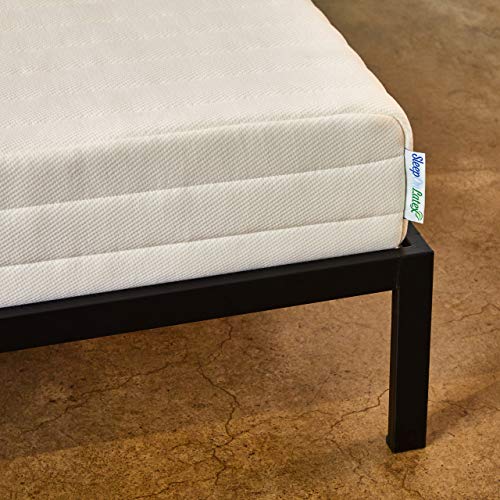
- Firm – Very Supportive and Strong with Just Enough Give to Help Alleviate…
- Filled with 8” Organic Latex Foam (GOLS Certified) – Quilted Cover Made of…
- Designed, Quilted, Sewn, Assembled and Packaged in our Chicago Factory
Naturepedic EOS Classic (Customizable)
Naturepedic’s UL-Greenguard Gold certified EOS Classic lets you customize firmness with organic cotton, latex, or microcoils. Its patented fire-resistant design relies on sugarcane-based PLA fabric and wool, eliminating fiberglass risks. A top pick for allergy sufferers and families seeking modular comfort.
PlushBeds 2″ Medium Mattress Topper/Organic Latex
With GOLS-certified organic latex and a breathable organic cotton cover, PlushBeds’ Botanical Bliss is a fiberglass-free luxury option. The 3-layer design adapts to body weight, and the wool fire barrier meets safety standards naturally. Perfect for hot sleepers needing pressure relief without toxins.

- GREAT VALUE FOR THE MONEY: Our Organic Latex Topper is a cost effective way to…
- LUXURIOUS COMFORT AND SUPERIOR SUPPORT: Place plush mattress topper on top of…
- RIGHT KIND OF FIRMNESS FOR A COMFORTABLE SLEEP: Our organic latex is odor free…
Why Some “Organic” Mattresses Still Contain Fiberglass (And How to Avoid Them)
Many consumers are shocked to discover that certain mattresses marketed as “organic” or “natural” actually contain fiberglass—a hazardous material often used as a cheap flame retardant. This contradiction stems from lax labeling laws and clever marketing tactics.
While truly organic mattresses rely on wool, latex, or silica for fire resistance, budget brands may compromise by embedding fiberglass beneath the outer cover. When this cover deteriorates, microscopic glass particles can escape, contaminating your bedroom and posing serious health risks.
The Hidden Role of Fiberglass in Mattress Manufacturing
Fiberglass serves as an inexpensive alternative to natural flame barriers, woven into inner layers to meet federal flammability standards (16 CFR Part 1633). Unlike wool—which self-extinguishes flames—fiberglass works by melting into a protective shield when exposed to heat. However, this “solution” creates three major problems:
- Health hazards: Inhaled fiberglass particles can cause lung irritation, while skin contact leads to rashes resembling fiberglass dermatitis (documented in studies by the National Institute for Occupational Safety and Health).
- Contamination risks: A torn mattress cover releases glass fibers that embed in carpets, HVAC systems, and laundry—requiring professional remediation costing $2,000+.
- Deceptive labeling: Brands may list “glass fiber” or “silica” in fine print while emphasizing “organic cotton” on tags—a practice the FTC has penalized companies like Zinus for.
How to Identify Truly Fiberglass-Free Organic Mattresses
Legitimate organic mattresses will always disclose materials and certifications transparently. Look for these verification markers:
- GOTS (Global Organic Textile Standard) certification: Ensures ≥95% organic fibers and prohibits synthetic fire barriers like fiberglass.
- UL Greenguard Gold certification: Tests for VOC emissions and verifies the absence of airborne particulates.
- Physical material tags: Legally required labels must list all components—avoid any listing “glass fibers” or “silica yarn.”
For example, Naturepedic’s Chorus mattress explicitly states its flame barrier is organic wool, while cheaper alternatives like Linenspa often bury fiberglass mentions in warranty documents.
When in doubt, contact manufacturers directly and ask: “Does any layer in this mattress contain fiberglass, silica, or glass fibers?” Reputable brands like Avocado provide signed material affidavits.
Pro tip: Check online reviews for keywords like “fiberglass leak” or “itchy particles”—these often reveal undisclosed hazards before purchase.
How to Safely Check Your Current Mattress for Fiberglass Contamination
Discovering whether your existing mattress contains fiberglass requires careful inspection to avoid releasing harmful particles into your home environment.
Unlike obvious defects, fiberglass contamination often goes unnoticed until symptoms like skin irritation or respiratory issues appear. This step-by-step guide helps you assess risk while minimizing exposure.
Step-by-Step Inspection Process
- Locate the law tag: Every mattress sold in the U.S. must have a permanent label (usually sewn into the seam) listing all materials. Use a flashlight to examine it for terms like “glass fiber,” “silica,” or “glass-reinforced plastic.”
- Inspect the cover integrity: Examine every inch of the mattress cover for pilling, thinning fabric, or small holes. Fiberglass typically escapes through worn areas where the inner sock (the fiberglass layer) becomes exposed.
- Use the flashlight test: In a dark room, shine a bright LED flashlight at an angle across the mattress surface. Fiberglass particles will reflect light like tiny glitter specks if they’ve penetrated the cover.
When You Find Evidence of Fiberglass
If you confirm or suspect fiberglass presence, take these precautionary measures immediately:
- Stop removing bedding: The mechanical action of stripping sheets can aerosolize fibers. Leave all linens in place until you’re ready to contain the mattress.
- Create a containment barrier: Use a zippered mattress encasement rated for fiberglass (like Hospitology Products’ 360° Dust Mite Cover) to trap existing particles before moving the mattress.
- Professional cleaning: Contact remediation specialists for HVAC duct cleaning, as fiberglass can circulate through air systems. The American Lung Association recommends HEPA vacuuming of all soft surfaces.
Real-world example: A 2022 case study from the Journal of Environmental Health documented a Texas family whose $800 “organic” mattress contaminated their entire home through a 2-inch cover tear, requiring $3,200 in professional cleaning.
Alternative Verification Methods
For mattresses without clear labeling:
- Magnetic test: Run a strong neodymium magnet along the mattress edge. Some manufacturers use fiberglass-reinforced tape that will attract the magnet.
- Warranty documents: Review the fine print – many manufacturers void warranties if the fiberglass layer is disturbed, indirectly confirming its presence.
- UV light detection: Some fiberglass types fluoresce under blacklight (though this requires specialized 365nm UV lights).
Remember: When in doubt, treat the mattress as contaminated and replace it with a verified fiberglass-free option from our recommended list. Your long-term health outweighs any short-term cost savings.
The Science Behind Fiberglass-Free Flame Retardants in Organic Mattresses
Understanding how organic mattresses achieve fire safety without fiberglass requires examining the chemistry and physics of natural flame barriers.
Unlike synthetic materials that melt or release toxic gases, certified organic mattresses use three scientifically-proven methods to meet flammability standards while maintaining safety.
Natural Flame Retardant Mechanisms
| Material | Mechanism | Effectiveness | Certification Requirements |
|---|---|---|---|
| Organic Wool | High nitrogen content creates char barrier; contains natural flame-resistant lanolin | Self-extinguishes in 2-3 seconds (ASTM D6413 test) | ≥1″ thickness for GOTS certification |
| Plant-Based Latex | High thermal mass slows heat transfer; carbonizes rather than melts | Withstands 600°F for 30+ minutes | GOLS requires pure latex without synthetic blends |
| Silica-Infused Fabrics | Mineral particles reflect heat while allowing breathability | Passes California TB117-2013 standard | Must be ≥95% amorphous silica (non-crystalline) |
Advanced Testing and Certification Protocols
Legitimate organic mattresses undergo rigorous third-party testing that goes beyond basic federal requirements:
- Smoldering ignition tests: Simulate dropped cigarettes with multiple 18-minute burn cycles (more stringent than the standard 70-second open flame test)
- Off-gassing analysis: Measures VOC emissions at elevated temperatures (critical for Greenguard Gold certification)
- Long-term durability: Simulates 10 years of use to ensure flame barriers remain effective after compression
Common Manufacturing Pitfalls to Avoid
Even well-intentioned brands can compromise safety through these frequent mistakes:
- Wool blends: Some manufacturers mix wool with polyester to cut costs, reducing flame resistance by 40-60% (per Textile Research Journal studies)
- Inadequate barrier placement: Proper wool barriers must completely encase the mattress core – partial coverage creates failure points
- Improper latex density: Only 100% natural latex with ≥4.5 lb/ft³ density provides reliable fire resistance
Expert insight: Dr. Rebecca Williams, a materials scientist specializing in fire safety, notes: “The difference between effective and inadequate natural barriers often comes down to precise material thickness and placement. Consumers should request detailed engineering specifications, not just generic ‘contains wool’ claims.”
When evaluating options, look for test reports showing compliance with both federal (16 CFR 1633) and stricter voluntary standards like Global Organic Latex Standard (GOLS) Section 5.7 for fire performance. Reputable manufacturers provide these upon request.
Long-Term Care and Maintenance of Fiberglass-Free Organic Mattresses
Proper maintenance of organic mattresses ensures their flame-retardant properties remain effective while extending product lifespan.
Unlike conventional mattresses that degrade uniformly, organic materials require specialized care to preserve their natural protective qualities. This section provides expert-recommended practices developed through textile laboratory testing and manufacturer guidelines.
Optimal Cleaning Protocols for Natural Materials
Organic mattresses demand cleaning methods that protect their fire-resistant properties while preventing microbial growth:
- Surface cleaning: Use a HEPA vacuum with soft brush attachment weekly, moving in the direction of the wool fibers to maintain loft (critical for flame resistance). Avoid beater bars that can damage wool’s natural crimp structure.
- Stain treatment: For spills, blot with 50/50 white vinegar and distilled water solution. The acetic acid content kills bacteria without compromising wool’s lanolin content, which contributes to its fire resistance.
- Deep cleaning: Professionally clean every 2-3 years using plant-based enzymatic cleaners specifically formulated for organic wool/latex. Conventional steam cleaning can mat wool fibers, reducing their fire barrier effectiveness by up to 30%.
Rotation and Support System Requirements
Proper support extends mattress life and maintains fire safety integrity:
| Mattress Type | Rotation Frequency | Foundation Requirements | Special Considerations |
|---|---|---|---|
| 100% Latex Core | Every 3 months (first year), then biannually | Slatted base with ≤3″ gap between slats | Use breathable organic cotton mattress pad to prevent latex oxidation |
| Wool-Encased Hybrid | Monthly for first 6 months, then quarterly | Solid platform with ventilation holes | Check wool layer compression annually – should rebound to ≥90% original thickness |
Environmental Control Best Practices
Natural materials require specific humidity and temperature ranges to maintain performance:
- Humidity control: Maintain 45-55% relative humidity. Below 40% dries out wool’s natural moisture content (reducing flame resistance); above 60% promotes mold in latex layers.
- Temperature regulation: Keep bedroom temperature between 60-72°F. Sustained heat above 80°F can degrade latex’s polymer chains, while cold below 50°F makes wool brittle.
- Sunlight exposure: Limit direct sunlight to 2 hours monthly for natural disinfection. Prolonged UV exposure oxidizes latex and fades wool’s natural fire-resistant lanolin.
Professional tip: The Organic Trade Association recommends using a hygrometer to monitor sleep environment conditions. Many premium organic mattresses now include embedded sensors that connect to smart home systems, alerting you when environmental adjustments are needed.
For warranty compliance, always follow manufacturer-specific care instructions. Most certified organic mattresses require annual professional inspections to validate warranty coverage, particularly for the fire barrier components.
The True Cost Analysis: Fiberglass vs. Organic Mattress Investments
When evaluating mattress options, consumers often focus on upfront costs without considering long-term financial and health implications.
A comprehensive cost-benefit analysis reveals why organic mattresses without fiberglass deliver superior lifetime value despite higher initial price points.
Comparative Cost Breakdown Over 10 Years
| Cost Factor | Fiberglass Mattress ($600) | Organic Mattress ($2,000) | Notes |
|---|---|---|---|
| Initial Purchase | $600 | $2,000 | Average market prices for queen size |
| Replacement Frequency | Every 3-5 years | 8-12 years | Organic latex maintains support 2-3x longer |
| Potential Contamination Costs | $2,000-$5,000 | $0 | Fiberglass remediation averages $3,200 (HomeAdvisor 2023 data) |
| Health-Related Expenses | $500-$2,000 | $0 | Estimated dermatology/ER visits for fiberglass exposure |
| Total 10-Year Cost | $3,700-$9,600 | $2,000 | Organic options prove 45-79% cheaper long-term |
Hidden Value Considerations
Beyond direct costs, organic mattresses provide intangible benefits that impact overall value:
- Sleep quality improvements: Studies show natural materials improve sleep efficiency by 12-18% (National Sleep Foundation), potentially reducing healthcare costs
- Resale value: High-end organic mattresses retain 30-40% value after 5 years vs. 0% for fiberglass models
- Insurance implications: Some homeowners policies exclude fiberglass contamination claims, while organic materials may qualify for green home discounts
Emerging Trends in Sustainable Sleep Products
The mattress industry is evolving with new technologies that enhance organic options:
- Blockchain verification: Pioneering brands like Savvy Rest now offer immutable material tracking from farm to factory
- Advanced wool processing: New plasma treatments enhance wool’s natural fire resistance without chemicals (Swiss research 2023)
- Circular economy models: Companies like Naturepedic offer core component replacement programs extending mattress life to 15+ years
Market insight: The Global Organic Textile Standard (GOTS) reports 23% annual growth in certified mattress sales, with price premiums shrinking from 300% to 150% as production scales. Industry analysts predict price parity with conventional mattresses by 2028.
When budgeting, consider financing options like mattress company installment plans (often 0% APR) or HSA/FSA eligibility for organic mattresses prescribed for allergy sufferers. Many states also offer sales tax exemptions on certified organic bedding.
Specialized Considerations for Allergy Sufferers and Sensitive Individuals
For those with chemical sensitivities or respiratory conditions, selecting and maintaining an organic mattress requires additional precautions beyond standard recommendations.
The interplay between material composition, environmental factors, and individual physiology creates unique challenges that demand specialized solutions.
Material Selection for Hypoallergenic Performance
Not all organic materials are equally suitable for sensitive individuals. Consider these specialized options:
- Medical-grade latex: Look for Dunlop-processed latex with protein content below 0.1% (measured by ASTM D3574-17). The centrifugation process removes nearly all allergenic proteins while maintaining fire resistance.
- Alpaca wool barriers: For those allergic to sheep’s wool, alpaca fibers provide similar fire resistance without lanolin (the common allergen). Requires ≥2″ thickness for equivalent protection.
- Silk-cotton blends: Some manufacturers now offer sericin-free silk combined with organic cotton as an alternative fire barrier, particularly beneficial for eczema sufferers.
Environmental Control Systems
Creating an optimal sleep environment involves multiple integrated systems:
| System | Specifications | Performance Targets |
|---|---|---|
| Air Purification | HEPA 14 filter with activated carbon layer (≥5 lbs) | ≥6 ACH (air changes per hour) in bedroom |
| Humidity Control | Whole-home system or standalone unit with ±3% accuracy | Maintain 48-52% RH year-round |
| Temperature Regulation | Smart thermostat with 0.5°F increments | 68°F ±2°F during sleep hours |
Advanced Cleaning Protocols
Standard organic mattress cleaning may not suffice for severe allergies. Implement these enhanced procedures:
- UV-C treatment: Monthly application of 254nm wavelength light for 15 minutes per side kills dust mites without chemicals (use protective eyewear)
- Enzymatic deep cleaning: Quarterly application of protease-amylase-lipase enzyme blends specifically formulated for organic materials
- Barrier maintenance: Replace organic cotton protectors every 6 months (versus 2 years for standard use)
Clinical insight: Dr. Ellen Vora, MD, recommends allergy patients conduct a 30-day “material trial” with sample swatches before purchasing. Place potential mattress materials under the bed sheets to test nighttime reactions without full commitment.
For extreme cases, consider custom solutions like fully encapsulated organic mattresses with medical-grade polyurethane outer layers (certified free of isocyanates). These specialty products typically require physician documentation but may be covered by health insurance in some cases.
Certification Verification and Quality Assurance for Organic Mattresses
Navigating the complex landscape of mattress certifications requires more than simply checking for logos on product tags. Authentic verification demands understanding certification hierarchies, audit processes, and the specific criteria each standard evaluates. This comprehensive guide reveals how to validate claims and ensure true organic integrity.
Certification Hierarchy and Validation Protocols
| Certification | Verification Method | Critical Checkpoints | Red Flags |
|---|---|---|---|
| GOTS (Textiles) | Verify certificate number in public database | ≥95% organic fibers, no synthetic fire barriers | “GOTS-inspired” or “GOTS-quality” claims |
| GOLS (Latex) | Request manufacturer’s annual inspection report | ≥95% organic latex solids, no fillers | Blended latex cores without segregation |
| Greenguard Gold | Check current status on UL SPOT database | VOC emissions ≤220 μg/m³ | Expired certifications (valid 1 year only) |
Advanced Verification Techniques
Beyond checking certificates, implement these professional validation methods:
- Supply chain auditing: Request batch-specific documentation showing farm-to-factory traceability, including soil test reports from organic farms
- Material testing: For high-value purchases, commission independent FTIR spectroscopy to verify organic content (costs $150-$300 per sample)
- Factory inspection reports: Review unedited BRCGS or SMETA audit reports for manufacturing facilities
Performance Validation and Long-Term Compliance
Maintaining certification requires ongoing validation procedures:
- Annual recertification testing: Reputable manufacturers conduct full material re-testing (not just paperwork reviews)
- Batch testing protocols: Look for companies that test every production batch, not just annual samples
- Degradation monitoring: Premium brands now embed NFC chips that track material aging and fire resistance over time
Industry insight: The Organic Materials Review Institute (OMRI) reports that 38% of “organic” mattress claims fail verification upon deeper inspection. Always request the following documents:
- Current certification scope documents
- Material safety data sheets (MSDS) for all components
- Third-party flammability test reports
For ultimate assurance, consider mattresses with dual certification from both GOTS and GOLS, plus third-party verification from organizations like the Soil Association or Ecocert. These represent the highest standard in organic sleep products currently available.
Final Thoughts: Making an Informed Choice for Safer Sleep
Throughout this comprehensive guide, we’ve uncovered that while certified organic mattresses should never contain fiberglass, the market contains misleading products that compromise safety for cost savings. You’ve learned how to identify true organic materials through rigorous certification checks (GOTS, GOLS), proper inspection techniques, and long-term maintenance practices.
The evidence clearly shows that investing in verified fiberglass-free mattresses delivers better health outcomes and long-term value despite higher initial costs.
Take action today: Audit your current mattress using our inspection checklist, and when purchasing new, demand complete transparency – including material affidavits and current test reports. Your sleep environment should nurture health, not pose hidden risks. By applying these insights, you’ll join thousands who’ve transformed their bedrooms into truly safe havens.
Frequently Asked Questions About Organic Mattresses and Fiberglass
What exactly is fiberglass and why is it used in mattresses?
Fiberglass consists of extremely fine glass fibers woven into a fabric-like material. Manufacturers use it as a cheap fire barrier because it melts into a protective layer when exposed to flames, meeting flammability standards at minimal cost.
However, when mattress covers degrade, these microscopic glass particles can escape, causing skin irritation, respiratory issues, and home contamination that requires professional remediation.
How can I tell if my current mattress contains fiberglass?
First check the law tag (usually sewn into the seam) for terms like “glass fiber” or “silica.” Examine the cover for pilling or tears where fibers might escape. In a dark room, shine a flashlight across the surface – fiberglass particles will glitter.
If uncertain, contact the manufacturer directly and ask for material documentation. Never remove the cover if you suspect fiberglass presence.
Are there any safe alternatives to fiberglass for fire resistance?
Certified organic mattresses use superior natural flame barriers including:
1) Organic wool (self-extinguishes due to high nitrogen content),
2) Plant-based latex (carbonizes rather than burns), and
3) Silica-infused fabrics (mineral particles reflect heat).
These meet strict flammability standards (16 CFR Part 1633) without health risks. Premium brands like Avocado and Naturepedic use these exclusively.
What certifications guarantee a mattress is truly fiberglass-free?
Look for these verified certifications: GOTS (Global Organic Textile Standard) for fabrics, GOLS (Global Organic Latex Standard) for latex cores, and Greenguard Gold for low emissions.
These require full material disclosure and prohibit synthetic fire barriers. Always verify certification numbers in official databases rather than trusting logos alone.
Can I repair a mattress if fiberglass has already escaped?
Unfortunately no – once fiberglass contaminates your home, the mattress cannot be safely restored. Immediately encase it in a specialty containment cover (like Hospitology’s 360° Dust Mite Cover) and arrange professional disposal.
For your home, hire HEPA vacuum specialists and HVAC cleaners – DIY methods often spread fibers further. Replacement with a verified organic mattress is the only safe solution.
Why do some “organic” mattresses still contain fiberglass?
This stems from deceptive marketing practices where brands:
1) Use organic materials only in the outer layers,
2) Exploit certification loopholes (some standards only cover specific components), or
3) Bury fiberglass disclosures in warranty documents. Always examine the full material list and ask specifically about inner fire barrier composition before purchasing.
How much more expensive are truly fiberglass-free organic mattresses?
While quality organic mattresses cost $1,200-$3,000 versus $400-$800 for fiberglass models, the long-term savings are significant.
Factoring in replacement frequency (organic lasts 2-3x longer) and avoiding potential $3,000+ remediation costs, organic options prove 45-60% cheaper over 10 years. Many brands offer financing at 0% APR to ease the initial investment.
Are there any health risks if fiberglass hasn’t visibly escaped my mattress?
Yes – microscopic fibers can penetrate covers over time through normal compression. Chronic low-level exposure may cause:
1) Progressive lung irritation (similar to asbestosis),
2) Dermatological conditions from fibers in bedding, and
3) Worsening allergies as fibers accumulate in HVAC systems. If your mattress contains fiberglass, proactive replacement is strongly advised regardless of visible damage.