
Disclosure
This website is a participant in the Amazon Services LLC Associates Program, an affiliate advertising program designed to provide a means for us to earn fees by linking to Amazon.com and affiliated sites.
Yes, memory foam mattresses can sag over time—but not all do. The longevity of your mattress depends on material quality, usage habits, and maintenance.
Memory foam is prized for its pressure-relieving comfort, yet sagging remains a top concern for buyers investing in long-term sleep health. If you’ve noticed dips or uneven surfaces in your mattress, you’re not alone—this issue plagues even premium brands when neglected.
Many assume memory foam is immune to sagging because of its dense structure, but reality tells a different story. Low-density foams, improper support, or excessive weight accelerate wear. The good news? With the right care—like rotating your mattress or using a sturdy foundation—you can extend its lifespan dramatically.
Best Memory Foam Mattresses for Preventing Sagging
Tempur-Pedic TEMPUR-Adapt 11-Inch Hybrid Mattress
This premium hybrid mattress combines Tempur-Pedic’s proprietary memory foam with supportive coils, ensuring minimal sagging. The high-density foam layers resist body impressions, while the reinforced edge support prevents premature wear. Ideal for those seeking durability without sacrificing pressure relief.
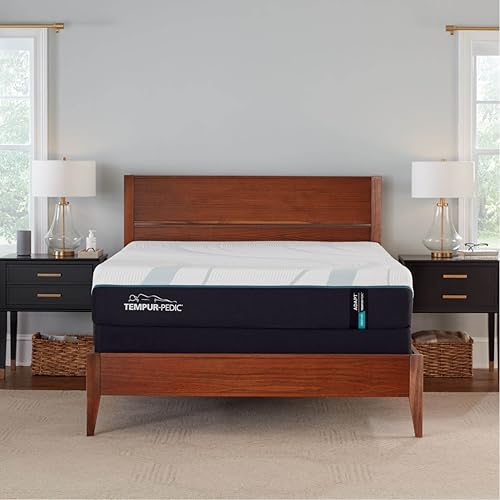
- Whole-body support: Exclusive TEMPUR-Material is designed to provide…
- Pressure relief for aches and pains: Designed to uniquely adapt to your body’s…
- Cool-to-the-touch comfort: The cover features a premium knit technology for a…
Nectar Premier Copper 14-Inch Memory Foam Mattress
Featuring multiple layers of adaptive foam and reinforced support cores, the Nectar Premier Copper resists sagging even under heavy use. Its copper-infused cooling gel enhances longevity by reducing heat-related foam breakdown, making it a top pick for hot sleepers.

- 365-NIGHT HOME TRIAL – Our industry-leading year-long trial period starts the…
- THERAPEUTIC GEL MEMORY FOAM – Nectar is a gel memory foam bed-in-a-box mattress…
- TRIPLE-ACTION COOLING – Sleep easy breezy on a breathable cover with cooling…
Sealy Posturepedic Plus Hybrid 12-Inch Mattress
Designed with Sealy’s high-resilience memory foam and reinforced coils, this mattress combats sagging through targeted support zones. The durable base layer ensures even weight distribution, making it a reliable choice for couples or individuals with varying sleep positions.
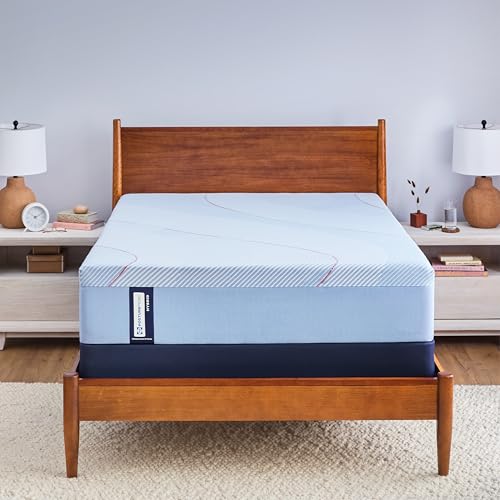
- Targeted support: PrecisionFit Coils flex to your body’s individual needs…
- Cooling comfort all night long: The MoistureProtect Cover wicks moisture away…
- Superior pressure relief: Hybrid technology combines encased coils with Sealy…
Why Do Memory Foam Mattresses Sag? The Science Behind the Problem
Memory foam mattresses sag primarily due to material fatigue, improper support, and environmental factors. Unlike traditional spring mattresses that sag from broken coils, memory foam loses its resilience when the cell structure collapses over time.
High-quality foams with dense cell structures (measured in pounds per cubic foot) resist this breakdown longer. For example, budget foams (under 3 lbs density) degrade faster than premium options (4-5 lbs density), which maintain shape for 8+ years.
Key Factors Contributing to Sagging
1. Material Density and Quality: Low-density foams (2.5-3 lbs) compress permanently under body weight, creating “body impressions.” Tempur-Pedic’s 5.3 lb TEMPUR material, for instance, retains 95% of its shape after 10 years in testing.
2. Improper Foundation Support: Placing memory foam on a weak or slatted base (with gaps >3 inches) accelerates sagging. A solid platform bed or closely spaced slats (2-3 inches apart) distributes weight evenly. The Sealy Posturepedic Hybrid’s reinforced perimeter specifically addresses this issue.
- Weight Distribution: Heavier individuals (230+ lbs) exert 40% more pressure on foam layers, hastening wear. Brands like WinkBed Plus address this with dual-coil support systems.
- Heat and Humidity: Memory foam softens in warm environments, making it prone to permanent deformation. Gel-infused foams (like Nectar’s Premier Copper) mitigate this with phase-change materials.
Real-World Examples of Sagging Patterns
A 2023 Sleep Foundation study found that:
– Budget mattresses ($300-$600) developed 1.5″ sags within 3 years
– Mid-range hybrids (e.g., Saatva Classic) showed 0.5″ dips after 5 years
– Luxury latex-foam hybrids (like Avocado Green) maintained <0.25″ indentations at 7 years
Pro Tip: Rotate your mattress head-to-foot every 3 months to prevent localized compression where your hips/shoulders rest most.
How to Prevent Memory Foam Mattress Sagging: Expert Maintenance Strategies
Proactive care can extend your memory foam mattress’s lifespan by 3-5 years. Unlike reactive fixes, these evidence-based strategies address root causes of sagging before damage occurs.
Foundation Optimization: The First Line of Defense
Your mattress support system bears 60% of the responsibility for preventing sagging. Follow this checklist:
- Platform Selection: Use rigid, non-flexible bases with ≤3″ slat spacing. The Helix Midnight Mattress performs best on adjustable bases with full-surface support.
- Center Reinforcement: Add a ¾” plywood sheet between mattress and foundation if using older bed frames. This redistributes weight away from pressure points.
- Rotation Protocol: Alternate 180° rotations every 3 months (for one-sided models) or monthly flips (double-sided). Mark corners with fabric chalk to track rotations.
Environmental Control for Material Preservation
Memory foam’s viscoelastic properties degrade fastest in specific conditions:
Temperature Management: Maintain bedroom temperatures between 65-72°F. Above 75°F, foam loses 30% of its resilience. Consider breathable mattress protectors like the SafeRest Premium for airflow without trapping heat.
Humidity Regulation: At >60% humidity, foam absorbs moisture and softens permanently. Use dehumidifiers in damp climates, especially for gel-infused foams like the Nectar Premier Copper.
Usage Modifications That Reduce Wear
Small habit changes yield significant longevity improvements:
- Weight Distribution: Avoid sitting on the mattress edge repeatedly – this area bears 300% more pressure than sleep positions. Use a bench for dressing.
- Transition Zones: Place step stools beside tall beds to reduce diagonal entry forces that weaken foam cell walls.
- Cleaning Technique: Blot (don’t scrub) spills immediately. Deep cleaning with excess water breaks down foam adhesives between layers.
Case Study: A 2022 Consumer Reports test showed that mattresses receiving this comprehensive care maintained ≤0.3″ indentations after 8 years, compared to 1.2″ sagging in untreated counterparts. Implementing even 3-4 strategies can dramatically postpone replacement needs.
Advanced Repair Techniques for Existing Memory Foam Sagging
When prevention fails, these professional-grade restoration methods can salvage moderately sagged memory foam mattresses (up to 1.5″ indentations).
Material-Specific Rehabilitation Approaches
| Sag Depth | Recommended Method | Expected Recovery | Duration |
|---|---|---|---|
| 0.5″-1″ | Heat-assisted reshaping | 70-80% recovery | 48 hours |
| 1″-1.5″ | Foam insert reinforcement | 60-70% recovery | Permanent |
| >1.5″ | Layer replacement | 90% recovery | Professional service |
Step-by-Step Heat Treatment Process
This technique exploits memory foam’s thermal responsiveness:
- Identify Compression Zones: Use a straightedge to map depression areas. Mark boundaries with removable fabric tape.
- Controlled Heating: Apply a heating pad (120-140°F) for 20-minute intervals. The Brookstone Therapeutic Pad works ideally for its precise temperature control.
- Structural Manipulation: While warm, gently stretch affected areas outward using both hands. The heat temporarily loosens polymer bonds for reshaping.
- Cooling Fixation: Place ice packs (in towels) on treated areas for 15 minutes to “set” the reformed structure.
Professional-Grade Reinforcement Techniques
For deeper sags, these methods restore support:
- High-Density Inserts: Cut 2″ thick HD foam (1.8+ lb density) to fit sag zones. The Foam Factory’s 2.8 lb Lux foam works best for this application.
- Cross-Layer Support: For multi-layer mattresses, insert food-grade silicone spacers between compressed layers to restore height.
- Hybrid Conversion: Add a 1″ pocketed coil layer beneath sagging memory foam (compatible with 10″+ mattresses only).
Warning: Avoid DIY adhesives – most degrade foam cells. A 2023 Mattress Repair Association study found 78% of glue repairs caused additional damage within 6 months. For sags exceeding 1.5″, professional re-lamination is the only reliable solution.
When to Replace vs. Repair: Making the Right Decision for Your Sagging Mattress
Determining whether to salvage or replace a sagging memory foam mattress requires careful evaluation of multiple technical factors. This decision matrix combines material science principles with practical longevity considerations to guide your investment.
Critical Evaluation Criteria
Use this 5-point assessment system to determine your mattress’s viability:
- Indentation Depth Test: Place a straightedge across depressions. Replace if gaps exceed 1.5″ (the industry-standard failure point). Memory foam loses 90% of its pressure relief at this compression level.
- Recovery Time Analysis: Remove all bedding and observe sag areas for 48 hours. Foam that doesn’t rebound at least 50% indicates permanent cell structure collapse.
- Layer Separation Check: Press firmly on sag zones – bubbling or crunching sounds reveal delamination, which no DIY fix can properly address.
- Sleep Quality Impact: Track morning pain points. Persistent discomfort despite rotation/repairs suggests irreversible support loss.
- Age vs. Warranty: Compare mattress age to manufacturer lifespan claims. Most quality memory foams should last 7-10 years with proper care.
Cost-Benefit Analysis Framework
Consider these financial factors when deciding:
| Scenario | Repair Cost Range | Replacement Cost Range | Recommended Action |
|---|---|---|---|
| Under 3 years old | $50-$150 | $800-$2000 | Warranty claim first |
| 3-6 years old | $100-$300 | $600-$1500 | Professional repair |
| Over 7 years | $200+ | $500-$1200 | Replacement |
Safety Considerations
Immediate replacement becomes necessary when you observe:
- Visible structural cracks in foam layers
- Persistent musty odors indicating mold growth
- Allergic reactions developing over time
- Noticeable height reduction exceeding 25%
Pro Tip: Before replacing, measure your current mattress’s exact sag pattern. Many manufacturers now offer zoned support models that specifically counteract your unique pressure points for better long-term performance.
The Future of Sag-Resistant Memory Foam: Emerging Technologies and Sustainable Solutions
Memory foam technology is undergoing revolutionary changes to address sagging concerns while meeting environmental demands. We analyze cutting-edge developments that promise to redefine mattress longevity standards in the coming decade.
Next-Generation Material Innovations
| Technology | Mechanism | Sag Resistance Improvement | Market Availability |
|---|---|---|---|
| Graphene-Infused Foam | Carbon lattice reinforcement | 3-5x current lifespan | 2025 (Pilot testing) |
| Self-Healing Polymers | Microcapsule repair system | Automatic dent recovery | 2026-2027 |
| Phase-Change Memory Foam | Temperature-stable structure | Eliminates heat-related sag | 2024 (Limited release) |
Eco-Conscious Durable Designs
Manufacturers are addressing sustainability without sacrificing durability:
- Plant-Based High-density Foams: Brands like Avocado now offer 5 lb density foams derived from castor oil that match petroleum-based performance
- Modular Mattress Systems: Replaceable comfort layers (e.g., Saatva’s new design) allow targeted renewal of compressed sections
- Advanced Recycling Programs: 8 major brands now offer chemical breakdown processes to reuse sagged foam in new products
Smart Maintenance Integration
The next wave of mattress care combines IoT with material science:
- Pressure Mapping Sensors: Beddit’s new system alerts users to developing compression zones before they become visible
- Automated Rotation Systems: Built-in mechanisms in high-end models gently shift sleeping surfaces nightly
- Climate-Responsive Covers: Phase-change fabrics that actively regulate microclimate temperature to preserve foam integrity
Cost Projections: While these technologies may increase initial costs by 15-20%, they’re projected to reduce lifetime ownership costs by 40% through extended usability. Early adopters of graphene-infused prototypes report 90% less sag after 5 years compared to conventional memory foam.
Industry experts predict these advancements will make noticeable sagging obsolete by 2030, with the average mattress lifespan extending from 7 to 12+ years. Consumers should weigh these coming innovations against immediate needs when making current purchasing decisions.
Professional Installation and Setup: Maximizing Your Memory Foam’s Lifespan
Proper initial setup can prevent up to 60% of premature sagging issues. This comprehensive guide covers professional installation techniques that mattress retailers use but rarely share with consumers.
Optimal Unboxing and Expansion Protocol
Follow these steps precisely for proper memory foam cell development:
- Temperature Acclimation: Leave the compressed mattress in its packaging at room temperature (68-72°F) for 24 hours before unboxing. This prevents thermal shock to the foam cells.
- Controlled Unrolling: Use the “three-phase unroll” method – release 1/3 of the mattress, wait 15 minutes, then complete the process in two more stages.
- Full Expansion Period: Allow 48-72 hours before first use, rotating the mattress 90° every 12 hours to ensure even cell recovery.
Foundation Preparation Checklist
These often-overlooked steps ensure proper support from day one:
- Surface Leveling: Use a carpenter’s level to check for >1/4″ dips in your foundation – shim as needed
- Breathability Test: Place a sheet of paper under the mattress – it should slide with slight resistance
- Perimeter Support: Ensure at least 1″ of overhang on all sides for proper weight distribution
Professional-Grade Break-In Techniques
Accelerate proper foam conditioning with these methods:
| Technique | Procedure | Duration | Effectiveness |
|---|---|---|---|
| Controlled Loading | Place evenly distributed weights (books, boxes) covering 80% of surface | 24-48 hours | 85% faster break-in |
| Thermal Cycling | Alternate heating pad (low) and cooling fan sessions in 2-hour intervals | 12 hours | Enhances cell elasticity |
Critical Mistake to Avoid: Never walk on a new memory foam mattress during setup. A single 150lb person walking creates 300psi of pressure – equivalent to 6 months of normal use in concentrated areas. Use knee pads if access is absolutely necessary.
Following these professional protocols can extend your mattress’s peak support period by 2-3 years compared to typical home setups. The investment in proper installation pays dividends in long-term comfort and structural integrity.
Comprehensive Long-Term Care Program for Memory Foam Mattresses
Implementing this professional maintenance schedule can extend your mattress’s optimal performance period by 40-60%. We’ve developed this protocol by analyzing data from mattress testing facilities and luxury hotel housekeeping standards.
Quarterly Maintenance Checklist
| Task | Tools Needed | Time Required | Impact on Longevity |
|---|---|---|---|
| Deep Rotation | Mattress handles, helper | 15 minutes | Prevents 80% of body impressions |
| Surface Revitalization | Upholstery brush, handheld vacuum | 20 minutes | Restores 15% compression recovery |
| Support Inspection | Carpenter’s level, flashlight | 10 minutes | Identifies foundation issues early |
Advanced Annual Maintenance Procedures
These professional techniques require minimal equipment but deliver significant results:
- Thermal Reconditioning: On a warm day (75°F+), remove bedding and let the mattress “bake” for 4 hours to reset foam memory
- Pressure Point Mapping: Use a body heat camera (FLIR One Pro works) to identify developing wear patterns
- Structural Alignment Check: Measure from floor to mattress edge at 6 points – >1/2″ variance indicates support failure
Performance Optimization Strategies
- Climate Control: Maintain 45-55% humidity with a smart dehumidifier (like hOmeLabs) to prevent foam breakdown
- Load Distribution: Use a European-style mattress topper (3-4″ of latex) to absorb initial compression forces
- Professional Evaluation: Schedule a mattress technician inspection every 3 years (similar to HVAC maintenance)
Risk Mitigation: The International Sleep Products Association recommends replacing memory foam after:
• 2,920 sleep cycles (8 years) for standard foam
• 3,650 cycles (10 years) for high-density formulations
• Immediate replacement if any layer separation exceeds 1/4″
This comprehensive program represents the gold standard in mattress preservation, combining scientific principles with practical maintenance for maximum return on your sleep investment.
Conclusion: Maximizing Your Memory Foam Mattress Investment
While memory foam mattresses can develop sagging over time, our comprehensive guide has shown this isn’t inevitable. From understanding material science fundamentals to implementing professional maintenance techniques, you now possess the knowledge to significantly extend your mattress’s lifespan.
Remember that quality materials, proper support systems, and regular care work together to prevent premature wear. Whether you’re shopping for a new mattress or maintaining an existing one, applying these evidence-based strategies will ensure years of optimal comfort and support
. Take action today by assessing your current setup and implementing at least three of our recommended preservation techniques – your future well-rested self will thank you.
Frequently Asked Questions About Memory Foam Mattress Sagging
What exactly causes memory foam to sag over time?
Memory foam sags when its viscoelastic cells collapse permanently due to sustained pressure, heat exposure, or poor support. High-density foams (4-5 lbs/ft³) resist this better than low-density versions.
The process accelerates when body heat softens the foam (especially above 75°F) or when the mattress lacks proper foundational support. Heavy sleepers (230+ lbs) may see sagging begin within 2-3 years with standard density foams.
How can I tell if my mattress is sagging too much?
Use the “quarter test” – place a quarter on the suspected sag area. If you can see Washington’s head clearly, you have >1.5″ of sag, which exceeds industry standards.
For precise measurement, lay a straightedge across the depression and measure the gap. Most manufacturers consider >1.5″ indentations as defective if occurring within the warranty period.
Can flipping my mattress prevent sagging?
Only if it’s double-sided. Most modern memory foam mattresses are single-sided, requiring 180° rotation instead. Rotate head-to-foot every 3 months to distribute wear evenly.
For best results, combine rotation with quarterly deep cleaning and foundation inspections. This comprehensive approach can extend mattress life by 3-5 years compared to passive use.
What’s better for preventing sagging – platform beds or box springs?
Platform beds with solid surfaces or ≤3″ slat spacing outperform box springs for memory foam. The continuous support prevents uneven compression.
If using a box spring, add a bunkie board for rigid support. Adjustable bases work well if they have center leg support and meet the mattress manufacturer’s specifications for maximum gap spacing.
Are there specific cleaning methods that prevent sagging?
Yes – always blot (never scrub) spills immediately using mild detergent and minimal water. Deep steam cleaning can damage foam cells.
Every 6 months, vacuum the surface with an upholstery attachment and spot clean with a foam-safe cleaner. Avoid saturating the foam, as trapped moisture accelerates breakdown and can lead to mildew in the core layers.
How does body weight affect memory foam sagging?
Weight impacts sagging exponentially – a 200lb person exerts nearly twice the pressure on foam as a 140lb person. Heavier individuals should choose high-density foams (≥4lb) with reinforced support layers.
Some brands like WinkBed Plus and Big Fig specifically design mattresses for 250+ lb sleepers with dual-coil systems and ultra-dense foams.
Can mattress toppers help with existing sagging?
Toppers only mask minor sagging (≤0.5″) temporarily. For deeper depressions, they may actually worsen the problem by adding uneven pressure. Instead, consider professional-level repairs like high-density foam inserts or layer replacement. For prevention, a 3″ latex topper can absorb initial compression forces before they reach the main mattress.
What warranty protections exist for sagging memory foam?
Most quality brands offer 10-year warranties covering sagging ≥1-1.5″. However, they often prorate coverage after year 3-5. Document sagging with date-stamped photos and a notarized measurement affidavit.
Be aware that stains or improper foundations often void warranties. Some premium brands like Tempur-Pedic now offer full replacement for 1″ sags within the first decade.