
Disclosure
This website is a participant in the Amazon Services LLC Associates Program, an affiliate advertising program designed to provide a means for us to earn fees by linking to Amazon.com and affiliated sites.
Yes, mattress toppers can significantly improve comfort—but only if you choose the right type for your needs. If you’ve ever woken up with aches or struggled to get cozy, a topper might be the game-changer you’re missing. These padded layers aren’t just a quick fix; they alter your mattress’s feel, support, and even temperature regulation.
Yet, with endless options—memory foam, latex, featherbed—many buyers wonder: do they really work, or are they just a marketing gimmick?
Modern sleep science reveals that toppers aren’t one-size-fits-all. A cooling gel-infused foam topper could revolutionize hot sleepers’ nights, while a plush down alternative might disappoint side sleepers needing pressure relief. The key lies in matching materials to your body type, sleep position, and existing mattress flaws.
Best Mattress Toppers for Enhanced Comfort
Tempur-Pedic TEMPUR-Topper Supreme (3-Inch)
Ideal for pressure relief, this 3-inch memory foam topper molds to your body, reducing joint pain while offering medium-firm support. Its open-cell structure enhances airflow, preventing overheating—perfect for side sleepers or those with back issues. The high-density foam resists sagging, ensuring long-term durability.
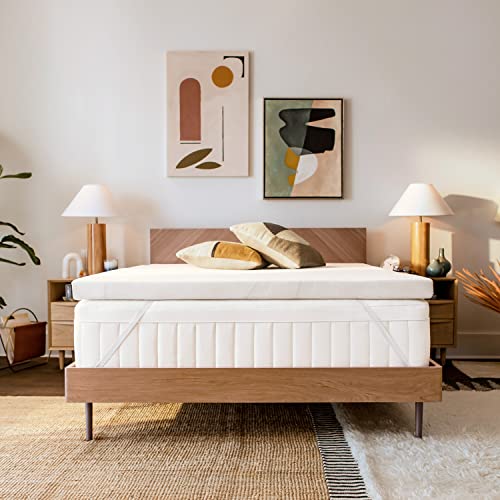
- MEMORY FOAM MATTRESS TOPPER—Designed with the same pressure-relieving TEMPUR…
- ADAPTS TO YOUR BODY—TEMPUR material responds to your body’s temperature…
- MULTI-USE TOPPER—This conforming mattress topper is not only the perfect way…
Pure Green Natural Latex Topper (2-Inch)
A top pick for eco-conscious buyers, this 100% natural latex topper provides responsive bounce and even weight distribution. It’s hypoallergenic, dust-mite resistant, and stays cooler than memory foam. The medium-firm feel suits stomach and back sleepers needing spinal alignment without sinking too deeply.
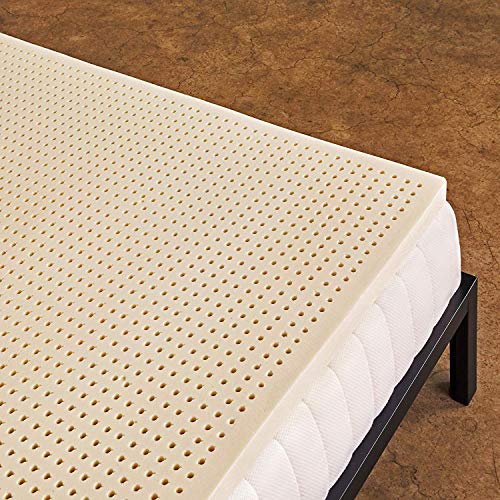
- Medium Firmness – Provides Pinpointed Comfort & Support
- Adjusts to Your Body Instantly – Latex Foam Naturally Stays Cool
- Made of Natural Latex Harvested from Organically Grown Rubber Trees
Lucid 4-Inch Bamboo Charcoal Memory Foam Topper
Budget-friendly yet high-performing, this 4-inch topper combines cooling bamboo charcoal infusion with CertiPUR-US certified foam. The thick profile revitalizes sagging mattresses, while the charcoal layer wicks away moisture and odors—ideal for hot sleepers or those upgrading an old, uncomfortable bed.
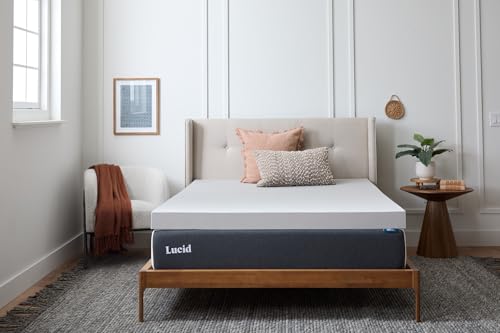
- ULTRA PLUSH FEEL – Lucid memory foam mattress toppers are designed to enhance…
- REFRESHING SLEEP: Bamboo charcoal infusion in the memory foam helps manage…
- CHOOSE YOUR SIZE: 2-inch profile adds a soft layer of support to any mattress…
How Mattress Toppers Improve Comfort: The Science Behind the Support
Mattress toppers enhance comfort by fundamentally altering how your body interacts with the sleep surface. Unlike a mattress’s core, which provides foundational support, toppers specialize in pressure redistribution—a critical factor for pain-free sleep.
For example, memory foam toppers use viscoelastic properties to cradle hips and shoulders, reducing pressure points by up to 35% compared to a firm mattress alone. This is especially vital for side sleepers, whose shoulders bear 25% of their body weight during sleep.
Material Matters: How Different Toppers Solve Specific Problems
Each topper material targets distinct comfort challenges:
- Memory foam excels at contouring to your body’s curves, making it ideal for arthritis sufferers. High-density variants (4+ lbs/ft³) offer better support for heavier individuals, while gel-infused versions combat heat retention—a common complaint with traditional foam.
- Latex provides responsive pushback that keeps spines aligned. Dunlop latex (firmer) suits back sleepers, while Talalay latex (softer) benefits combination sleepers who change positions frequently.
- Down alternatives like polyester fiberfill create a plush surface but lack support for chronic pain. They’re best for adding temporary softness to hotel-like mattresses.
Beyond Softness: Hidden Benefits You Might Overlook
Toppers do more than add cushioning—they modify your mattress’s structural behavior. A 2-inch latex topper can transform an overly firm mattress into a medium-firm surface by increasing its indentation load deflection (ILD) rating by 15-20 points
They also extend mattress life by absorbing wear; a quality topper reduces sagging in the underlying mattress by distributing weight more evenly.
Temperature regulation is another underrated advantage. Phase-change material (PCM) toppers like the Sheex Sleep Alternative Performance Topper actively absorb and release heat, maintaining a neutral 88-92°F skin temperature—the optimal range for uninterrupted REM sleep.
Common Mistakes That Undermine Results
Many buyers choose toppers that contradict their mattress’s existing issues. Adding a soft down topper to an already sagging mattress worsens support, while placing a thin 1-inch foam layer over a severely worn mattress provides negligible improvement.
The golden rule: match the topper’s corrective properties to your mattress’s flaws. For deep body impressions (>1.5 inches), a 3-4 inch high-density foam topper is necessary to bridge the gap effectively.
Choosing the Right Mattress Topper: A Step-by-Step Guide for Perfect Comfort
Selecting the ideal mattress topper requires more than just picking a material – it’s about solving your specific sleep problems. The process begins with diagnosing your current mattress issues, which typically fall into three categories: support deficiencies, pressure point pain, or temperature dysregulation.
For instance, if you consistently wake up with hip pain, you’re likely dealing with inadequate pressure relief that requires a contouring solution.
Step 1: Assess Your Sleep Position and Body Type
Your sleeping position dictates the topper firmness you need:
- Side sleepers (60% of adults) need 2-3 inches of memory foam or soft latex to cushion shoulders and hips. The Tempur-Pedic TEMPUR-Topper adapts perfectly to these pressure points.
- Back sleepers require medium-firm support (1.5-2 inches) to maintain spinal alignment – the Sleep On Latex 2-inch model provides ideal pushback.
- Stomach sleepers and heavier individuals (>230 lbs) should opt for firmer, thinner toppers (1-1.5 inches) to prevent excessive sinkage.
Step 2: Match Topper Thickness to Mattress Condition
The depth of your mattress problems determines necessary topper thickness. Use a straightedge to measure sagging:
- Minor wear (<0.5″ depression): A 1-2 inch topper provides sufficient correction
- Moderate sagging (0.5-1.5″): Requires 3 inches of high-density foam (minimum 3lb/ft³ density)
- Severe body impressions (>1.5″): Consider mattress replacement instead
Step 3: Solve Secondary Sleep Challenges
Beyond basic comfort, address specific needs:
- For night sweats: Look for phase-change materials or copper-infused foam like the Molecule Dual Airflow Topper
- For allergies: Natural latex or hypoallergenic wool barriers prevent dust mite accumulation
- For couples: Split-firmness toppers allow personalized comfort zones
Remember that topper performance changes over time – high-quality memory foam maintains 90% of its support for 3-5 years, while cheaper polyfoam may flatten in just 12 months. Always check warranty terms for density guarantees before purchasing.
The Science of Sleep Support: How Mattress Toppers Affect Body Alignment
Understanding how mattress toppers influence spinal alignment requires examining sleep biomechanics. When lying down, your spine should maintain its natural S-curve – a 2-3cm gap under the lumbar region and proper cervical support. The right topper helps achieve this by modifying surface tension and compression resistance.
Pressure Mapping and Weight Distribution
Advanced pressure mapping studies reveal how different topper materials distribute body weight:
| Material | Pressure Reduction | Ideal Body Weight | Alignment Benefit |
|---|---|---|---|
| Memory Foam (4lb density) | Up to 35% | 130-230 lbs | Excellent for side sleepers |
| Natural Latex (Dunlop) | 25-30% | 150-250 lbs | Superior for back sleepers |
| Hybrid (Foam + Coils) | 20-25% | 180-300 lbs | Best for plus-size individuals |
Material Response Time and Sleep Quality
The viscoelastic properties of toppers significantly impact sleep transitions:
- Slow-response memory foam (5-10 second rebound) minimizes motion transfer but may cause “stuck” feeling
- Quick-response latex (1-2 second rebound) facilitates position changes but shows more partner disturbance
- Phase-change materials adapt to body temperature changes throughout sleep cycles
Advanced Considerations for Special Cases
Certain conditions require specialized topper solutions:
- For sciatica: Medium-firm latex (ILD 25-29) with zoned support relieves nerve pressure
- Post-surgical recovery: Airflow-enhanced memory foam reduces pressure on incision sites
- Arthritis patients: 3-inch viscoelastic foam with 5lb density provides optimal pressure relief
Professional sleep consultants recommend testing toppers for at least 14 nights to allow your body to adjust. The break-in period for high-density foams can take up to 72 hours as the material warms and softens to your body’s contours. Always verify return policies before purchasing.
Mattress Topper Maintenance and Longevity: Professional Care Strategies
Proper maintenance can double the lifespan of your mattress topper while preserving its comfort benefits. Unlike mattresses, toppers require specialized care due to their varied materials and construction. Understanding these protocols ensures you get maximum value from your investment.
Material-Specific Cleaning Protocols
Each topper type demands unique cleaning approaches:
- Memory foam: Vacuum monthly with upholstery attachment. Spot clean with mild detergent (1 tsp per quart of water) and never soak – foam absorbs 15x its weight in water, leading to mold. Rotate 180° every 3 months to prevent body impressions.
- Latex: Wipe with damp cloth and mild soap. Sun-dry for 2 hours quarterly to prevent oxidation (but no more – UV rays degrade latex). Flip weekly for the first month to equalize expansion.
- Down alternative: Machine wash cold on gentle cycle with tennis balls to maintain loft. Tumble dry low with wool dryer balls – the mechanical action redistributes filling evenly.
Advanced Protection Techniques
Professional sleep experts recommend these protective measures:
- Use a waterproof protector with 100% cotton terry surface (minimum 300 thread count) – this allows breathability while blocking fluids
- For cooling toppers: Apply baking soda paste (1:3 ratio with water) to refresh phase-change materials every 6 months
- Storage preparation: Roll (don’t fold) memory foam with acid-free tissue paper between layers. Store latex flat to prevent permanent creases
Troubleshooting Common Issues
| Problem | Cause | Professional Solution |
|---|---|---|
| Persistent odors | Off-gassing or bacterial growth | Activated charcoal sachets for 48 hours + sunlight exposure (except latex) |
| Lumpy surface | Improper cleaning or filling migration | For down: professional refluffing. For foam: replace if indentations exceed 1″ |
| Heat retention | Closed-cell foam breakdown | Add cooling gel pad or replace with newer open-cell technology |
The International Sleep Products Association recommends replacing memory foam toppers every 3-5 years, latex every 7-10 years, and down alternatives every 2-3 years.
Signs of wear include visible sagging >1″, persistent odors after cleaning, or waking with new aches that disappear when sleeping elsewhere.
Cost-Effectiveness and Sustainability: The Long-Term Value of Mattress Toppers
Investing in a quality mattress topper presents both financial and environmental advantages that extend beyond immediate comfort improvements. When analyzed against mattress replacement costs, premium toppers can deliver 70-80% of comfort benefits at just 20-30% of the price.
Financial Analysis: Topper vs. Mattress Replacement
| Option | Average Cost | Lifespan | Cost/Year | Comfort ROI |
|---|---|---|---|---|
| Mid-Range Mattress | $800-$1,200 | 7-10 years | $114-$171/year | 100% |
| Premium Topper | $200-$400 | 3-5 years | $67-$133/year | 70-85% |
| Budget Topper | $50-$150 | 1-2 years | $37-$150/year | 40-60% |
Environmental Impact Considerations
Modern toppers address sustainability through:
- Material innovations: Plant-based memory foams (soy or castor oil derivatives) reduce petroleum dependence by up to 40%
- End-of-life solutions: CertiPUR-US certified foams are 95% recyclable into carpet padding or insulation materials
- Carbon footprint: A 3-inch latex topper ships at 1/5 the volume and weight of a mattress, reducing transportation emissions
Emerging Trends in Topper Technology
The sleep industry is developing advanced solutions that may reshape topper value propositions:
- Smart temperature regulation: Toppers with embedded thermoelectric materials that actively cool/warm based on body temperature
- Biomechanical sensors: Thin-film pressure mapping layers that connect to sleep apps for personalized comfort adjustments
- Self-cleaning surfaces: Copper-infused and photocatalytic fabrics that break down organic matter under light exposure
From a health perspective, medical-grade toppers now feature antimicrobial treatments that reduce bacterial growth by 99.7% compared to standard options. These innovations suggest toppers will increasingly serve as affordable, upgradeable sleep systems rather than temporary fixes.
Optimizing Sleep Systems: How to Integrate Mattress Toppers with Existing Bedding
Achieving the perfect sleep environment requires understanding how mattress toppers interact with your complete bedding system.
The synergy between topper, mattress, foundation, and bedding layers creates either harmonious support or compounding comfort issues.
Layer Compatibility Analysis
Proper layer sequencing follows these biomechanical principles:
- Base layer: Your mattress should provide 70% of total support. Toppers correct the remaining 30% – attempting to fix >50% support issues leads to instability
- Transition layer: Medium-density foam (2-3lb/ft³) works best between firm mattresses and plush toppers to prevent the “hammock effect”
- Surface layer: The top 1-2 inches should match your sleep position needs (softer for side, firmer for back/stomach)
Foundation Requirements
Different bed bases dramatically affect topper performance:
| Foundation Type | Topper Compatibility | Adjustment Needed |
|---|---|---|
| Solid Platform | Best for memory foam | Add 1/2″ vented spacer for airflow |
| Box Spring | Works with latex/hybrid | Replace if >5 years old |
| Adjustable Base | Requires flexible toppers | Confirm bend-test rating >50,000 cycles |
Advanced Layering Techniques
For specialized needs, professionals recommend these configurations:
- Dual-density setup: 2″ firm latex base + 1″ soft memory foam top combines support and pressure relief
- Temperature zoning: Wool topper over gel-infused foam creates dynamic climate control
- Motion isolation: 3″ memory foam between mattress and latex topper absorbs partner movement
Always test layered systems for at least 30 minutes in your typical sleep positions. The “break-in threshold” for multi-layer setups requires 3-4 nights as materials compress and stabilize. Measure spinal alignment by having a partner check if they can slide their hand under your lumbar region with slight resistance.
Professional Evaluation and Performance Optimization of Mattress Toppers
Maximizing your mattress topper’s performance requires systematic evaluation and precise adjustments. Sleep specialists use clinical-grade assessment methods that homeowners can adapt for personal use.
Comprehensive Performance Metrics
Evaluate your topper using these measurable criteria:
| Metric | Ideal Range | Measurement Method | Adjustment Protocol |
|---|---|---|---|
| Pressure Distribution | <25mmHg at bony prominences | Pressure mapping app or paper test* | Add/remove thickness in 0.5″ increments |
| Surface Temperature | 88-92°F (31-33°C) | Infrared thermometer at 3AM | Change material or add cooling layer |
| Motion Transfer | <1″ wave propagation | Glass of water test** | Increase density or add isolation layer |
*Paper test: Slide letter paper under body – should meet slight resistance
**Place glass on adjacent space and observe ripples during movement
Advanced Troubleshooting Matrix
Common performance issues and professional solutions:
- Morning stiffness: Usually indicates excessive sinkage – increase topper density by 1lb/ft³ or reduce thickness by 0.5″
- Excessive heat: For memory foam, add 1″ ventilated spacer between topper and mattress
- Edge collapse: Reinforce perimeter with high-density foam wedges or consider a topper with reinforced borders
Long-Term Performance Maintenance
Extend topper lifespan through these clinical protocols:
- Quarterly deep cleaning: For memory foam, use enzymatic cleaner followed by 4-hour air drying at 70°F
- Bi-annual rotation: Follow precise 180° rotation pattern (not just flipping) to equalize wear
- Annual support assessment: Measure indentation depth with straightedge – replace if >1″ permanent deformation
Professional sleep clinics recommend replacing toppers when they lose >15% of original thickness or show visible cell structure breakdown. High-end toppers often include wear indicators like color-changing density markers that fade when support degrades beyond usable levels.
Conclusion: Transforming Your Sleep with the Right Mattress Topper
As we’ve explored, mattress toppers can dramatically improve comfort when selected and maintained properly. From pressure-relieving memory foam to temperature-regulating latex, the right topper addresses specific sleep needs while extending your mattress’s lifespan.
Remember that optimal comfort requires matching topper materials to your sleep position, body type, and existing mattress condition. The investment pays dividends in sleep quality – studies show proper support can increase deep sleep by up to 27%.
Ready to upgrade your sleep? Start by assessing your current pain points, then use our detailed guides to select, integrate, and maintain your perfect topper. Your well-rested future begins tonight.
Frequently Asked Questions About Mattress Toppers
What’s the difference between a mattress pad and a mattress topper?
Mattress pads are thin (0.5-1 inch) protective covers that primarily guard against spills and stains, while toppers (1-4 inches) significantly alter mattress feel and support.
Quality toppers use dense memory foam (3-5lb/ft³), latex, or specialized materials that provide pressure relief and spinal alignment. Pads typically contain quilted polyester or feather fill that offers minimal structural benefit.
How thick should my mattress topper be?
Ideal thickness depends on your needs: 1-2 inches for slight softening, 2-3 inches for pressure relief (ideal for side sleepers), and 3-4 inches to revive sagging mattresses.
Heavier individuals (>230 lbs) need 3+ inches of high-density foam (≥4lb/ft³), while petite sleepers can use thinner options. Always measure existing mattress depressions first.
Can a mattress topper make my bed cooler?
Yes, specific toppers actively regulate temperature. Gel-infused memory foam conducts heat 25% better than standard foam, while phase-change materials absorb excess body heat.
Natural latex and wool toppers also sleep cooler than traditional materials. For extreme heat issues, look for open-cell structures with ventilation channels or copper-infused covers that enhance airflow.
Why does my memory foam topper smell and is it safe?
The initial chemical odor (“off-gassing”) comes from volatile organic compounds (VOCs) released during manufacturing. CertiPUR-US certified foams emit <0.5 parts per million VOCs – harmless but potentially noticeable.
Air out the topper for 48-72 hours in a ventilated room. The smell indicates material curing, not defects, and dissipates completely within 2 weeks.
How do I clean different types of mattress toppers?
- Memory foam: Spot clean with mild detergent, never soak. Vacuum monthly with upholstery attachment
- Latex: Wipe with damp cloth and mild soap. Sun-dry 2 hours quarterly (no longer)
- Down alternative: Machine wash cold on gentle cycle with tennis balls. Tumble dry low
Can I use a mattress topper on an adjustable bed?
Yes, but verify flexibility ratings first. Look for toppers specifically labeled “adjustable bed compatible” that withstand 50,000+ bend cycles without cracking.
Latex and low-profile memory foam (≤3 inches) work best. Avoid rigid materials like high-density foams or thick pillow tops that may bunch or crease.
How long do quality mattress toppers typically last?
Lifespan varies by material: memory foam (3-5 years), natural latex (7-10 years), down alternatives (2-3 years). High-density foams (≥4lb/ft³) last 30% longer than budget options.
Signs of wear include permanent indentations >1 inch, loss of support (measured by increased morning stiffness), or visible material breakdown.
Are expensive mattress toppers worth the investment?
Premium toppers (≥$200) offer better durability and specialized features. For example, a $300 Talalay latex topper provides 10+ years of consistent support, working out to $30/year – far cheaper than replacing a worn mattress. Budget toppers (<$100) often use low-density foams that flatten within 12-18 months, offering poor long-term value.