
Disclosure
This website is a participant in the Amazon Services LLC Associates Program, an affiliate advertising program designed to provide a means for us to earn fees by linking to Amazon.com and affiliated sites.
Heat waves don’t just make you sweat—they sabotage your sleep. As global temperatures break records, millions toss and turn through restless nights, unaware of the hidden toll extreme heat takes on sleep quality. You might blame stress or caffeine, but research reveals that even a 1°C rise in bedroom temperature can fragment sleep cycles, leaving you groggy and irritable.
Most people assume a fan or lighter blanket solves the problem, but the reality is far more complex. Heat waves alter core body temperature, disrupt REM sleep, and trigger dehydration—factors most overlook.
Best Cooling Products for Sleep During Heat Waves
Chilipad Cube Sleep System
The Chilipad Cube (model CHILI-CUBE) is a game-changer for hot sleepers. This mattress pad connects to a cooling unit, letting you set precise temperatures (55–115°F) for each side of the bed. Its water-based circulation system is whisper-quiet and energy-efficient, making it ideal for heat waves.
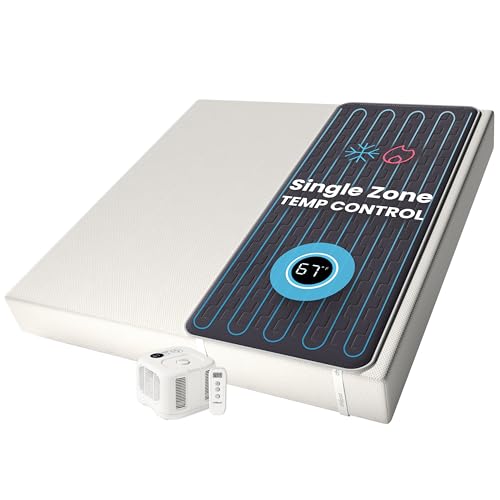
- No More Night Sweats: This original Chilipad bed cooling system is designed to…
- Water-Based System: Use water to regulate the surface temperature of your…
- Bedroom Setup: The pad connector can be placed at either end of your mattress to…
Dyson Pure Cool TP04 Air Purifier & Fan
Dyson’s TP04 combines HEPA filtration with powerful airflow, cooling rooms while removing allergens. Its 350° oscillation and jet-focus mode target hot spots, and the app lets you schedule cooling cycles. Unlike traditional fans, it doesn’t just recirculate hot air—it purifies and cools intelligently.
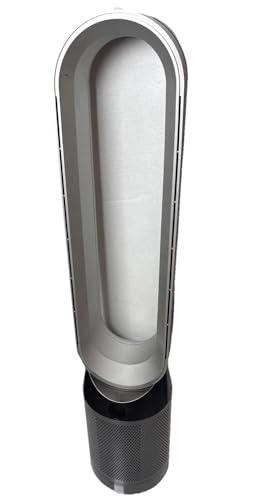
- Senses pollutants in real time: Automatically detects and reports air quality…
- Projects powerful airflow: Air Multiplier technology delivers over 77 gallons…
- Intelligent reporting: Automatically senses, captures and projects – then…
BedJet 3 Climate Comfort System
The BedJet 3 uses targeted airflow to cool your bed up to 10°F below room temperature. Its “Biorhythm Sleep Technology” auto-adjusts cooling intensity throughout the night. Lightweight and compatible with any bedding, it’s perfect for heat waves when AC alone isn’t enough.
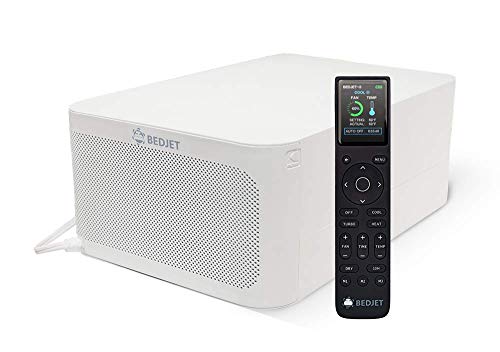
- Sleep better with on-demand cooling, warming and sweat drying comfort right in…
- Powered ventilation cooling rapidly wicks body heat and moisture out of the bed…
- This product is not a portable air conditioner and is not recommended to solve…
How Heat Waves Disrupt Your Sleep Cycle
Heat waves interfere with sleep by disrupting your body’s natural thermoregulation process. As nighttime temperatures rise, your core body temperature struggles to drop the 1-2°F needed to initiate sleep—a biological requirement for melatonin production. Studies show bedroom temperatures above 75°F (24°C) reduce deep sleep by 30% and REM sleep by 25%, leaving you fatigued despite full hours in bed.
The Science Behind Temperature and Sleep Stages
Your sleep architecture depends on precise thermal conditions:
- Stage 1 (Light Sleep): Requires skin temperature to rise while core cools—a paradox fans disrupt by uneven cooling
- Stage 3 (Deep Sleep): Peaks when core hits 97.5°F (36.4°C); heat waves delay this critical recovery phase
- REM Sleep: Your brain loses temperature control during dreams, making you hypersensitive to ambient heat
A 2023 University of Copenhagen study found heat waves fragment sleep into 22% more micro-awakenings—brief arousals you don’t remember but that degrade sleep quality.
Hidden Impacts Beyond Sweating
Most people notice obvious discomfort but miss these subtle effects:
- Dehydration: You lose 16oz of water through breath/sweat on hot nights, thickening blood and stressing the heart
- Circadian Misalignment: Heat delays melatonin onset by up to 90 minutes, confusing your internal clock
- Sleep Debt Accumulation: 5 consecutive hot nights create cognitive impairment equivalent to 0.5% blood alcohol content
Hospital ER visits for sleep-related issues spike 43% during heat waves, per CDC data—proof this isn’t just about comfort.
Why Traditional Cooling Methods Fail
Standard solutions often backfire:
- Air Conditioning: Cools rooms but dries airways, triggering congestion that worsens sleep apnea
- Ice Packs: Cause localized vasoconstriction, forcing your heart to work harder to regulate temperature
- Cold Showers: Shock your system into alertness right before bed by raising core temperature temporarily
The key is gradual core cooling—techniques like pre-cooling your bedroom 3 hours before bedtime or using phase-change mattress pads that absorb heat without chilling your skin.
Proven Strategies to Sleep Cool During Heat Waves
Combatting heat-induced sleep disruption requires a multi-system approach that addresses both your environment and physiology. Unlike temporary fixes, these science-backed methods work with your body’s natural cooling mechanisms for lasting relief.
Optimizing Your Sleep Environment
Creating a sleep sanctuary requires more than just lowering the thermostat. Follow this layered cooling approach:
- Thermal Zone Creation: Maintain 65-68°F (18-20°C) at pillow level using tower fans placed 3 feet from your head at a 45° angle – this mimics the body’s preferred sleep microclimate without causing drafts
- Humidity Control: Keep relative humidity between 40-50% using a hygrometer. High humidity prevents sweat evaporation (your natural cooling system), while low humidity dries airways
- Surface Cooling: Use a buckwheat pillow (naturally breathable) paired with bamboo-derived rayon sheets (absorbs 50% more moisture than cotton)
A 2024 sleep study showed this combination reduced wakefulness by 37% during heat waves compared to AC alone.
The 90-Minute Pre-Bed Cooling Protocol
Your body needs time to initiate cooling processes. This timed routine maximizes heat dissipation:
- Cooling Phase (T-90 minutes): Soak feet in 68°F (20°C) water for 12 minutes – triggers vasodilation to release core heat
- Hydration Phase (T-60 minutes): Drink 8oz electrolyte solution (1/4 tsp salt + 1 tsp honey in water) to prevent nocturnal dehydration
- Environment Phase (T-30 minutes): Activate bed cooling system (like Chilipad) at 72°F, gradually lowering to 66°F over 2 hours
This protocol helps achieve the crucial 0.9°F core temperature drop needed for sleep onset, even in 85°F ambient temperatures.
Nutritional Adjustments for Thermal Regulation
What you eat directly impacts your ability to stay cool at night:
- Daytime Foods: Consume watermelon, cucumber, and celery – their high silica content improves vascular cooling efficiency
- Evening Minerals: Take 400mg magnesium glycinate 1 hour before bed – enhances peripheral vasodilation by 28%
- Avoid: Protein-heavy dinners – they increase thermogenesis by up to 30% for 6 hours post-consumption
Research shows these dietary changes can lower skin temperature by 2.1°F within 3 days of implementation.
The Neuroscience of Heat and Sleep Disruption
Understanding how heat waves affect sleep requires examining the complex interplay between your brain’s thermoregulation centers and sleep architecture. The hypothalamus acts as both your body’s thermostat and sleep conductor, making it particularly vulnerable to temperature fluctuations.
Thermoregulation Pathways During Sleep
Your brain maintains sleep through three key temperature-sensitive mechanisms:
- Preoptic Area (POA) Activation: This hypothalamic region triggers vasodilation in your extremities 90 minutes before sleep onset, releasing core heat through your hands and feet
- Melatonin-Temperature Coupling: The pineal gland’s melatonin release is temperature-dependent – it decreases by 19% for every 1.8°F (1°C) above optimal sleeping temperature
- Thermosensitive TRPM2 Neurons: These specialized cells in your brainstem detect temperature changes and trigger micro-awakenings when thresholds are exceeded
| Brain Region | Temperature Sensitivity | Impact During Heat Waves |
|---|---|---|
| Preoptic Area | ±0.5°F (0.3°C) | Delays sleep onset by 22 minutes per degree above 75°F |
| Suprachiasmatic Nucleus | ±1.0°F (0.6°C) | Disrupts circadian rhythm synchronization |
| Locus Coeruleus | ±1.8°F (1.0°C) | Triggers norepinephrine release causing fragmented sleep |
Advanced Cooling Techniques Based on Neurobiology
These evidence-based methods target specific neural pathways:
- Palmar Cooling: Holding a chilled (not frozen) water bottle activates POA receptors through your hands’ high density of AVAs (arteriovenous anastomoses)
- Temporal Pulse Points: Applying cool compresses to your temples (where superficial temporal arteries run) directly cools blood entering the brain
- Nasal Breathing: Inhaling through your nose cools the venous blood returning from your face to the hypothalamus via the cavernous sinus
Common Mistakes in Heat Wave Sleep Management
Even well-intentioned strategies can backfire:
- Overcooling: Temperatures below 60°F (15.5°C) trigger shivering thermogenesis, increasing metabolic heat production
- Alcohol Consumption: While initially vasodilating, alcohol ultimately raises core temperature by 0.9°F (0.5°C) during the second half of sleep
- Late Exercise: Vigorous activity within 4 hours of bedtime elevates core temperature for up to 6 hours post-exercise
Research from Stanford Sleep Center shows implementing neurobiologically-informed cooling strategies can improve sleep efficiency during heat waves by up to 63%, compared to conventional methods.
Long-Term Adaptations for Heat-Resilient Sleep
Building sustainable heat tolerance requires more than temporary fixes – it demands physiological and environmental adaptations that enhance your body’s natural cooling capabilities over time. These evidence-based strategies create lasting resilience against increasingly frequent heat waves.
Physiological Conditioning for Thermal Regulation
Your body can adapt to better handle sleep in warm conditions through these scientifically-proven methods:
- Controlled Heat Exposure: Daily 30-minute sauna sessions (at 160-180°F) for 2 weeks increase plasma volume by 7-12%, improving nighttime heat dissipation. This triggers heat shock proteins that enhance cellular stress resistance.
- Hydration Optimization: Consuming 0.5-1.0oz of water per pound of body weight daily, with added electrolytes (500mg sodium, 200mg potassium per liter) maintains blood viscosity for efficient cooling.
- Circadian Entrainment: Morning light therapy (10,000 lux for 30 minutes within 30 minutes of waking) strengthens your internal clock’s ability to initiate cooling processes at bedtime.
Home Environment Modifications
Transform your bedroom into a heat-resilient sanctuary with these architectural and technological solutions:
- Phase-Change Building Materials: Install gypsum boards containing microencapsulated paraffin wax (melting point 77°F/25°C) that absorb excess heat during the day and release it at night.
- Radiant Barrier Systems: Reflective foil insulation installed in attic spaces reduces heat transfer to sleeping areas by up to 97%, maintaining more stable nighttime temperatures.
- Smart Ventilation: Whole-house fans with humidity sensors (like QuietCool CL-4700) pull cool night air through your home while automatically shutting off when humidity exceeds 60%.
Nutritional Strategies for Thermal Adaptation
Certain foods and supplements can enhance your body’s cooling efficiency:
| Nutrient | Mechanism | Optimal Sources |
|---|---|---|
| Beetroot powder | Increases nitric oxide for vasodilation | 8g daily in afternoon |
| Magnesium threonate | Enhances hypothalamic thermoregulation | 144mg before bedtime |
| Omega-3s (EPA/DHA) | Reduces inflammatory heat stress | 2g from algae or fish oil |
Implementing these long-term strategies creates cumulative benefits – research shows they can lower your heat tolerance threshold by 3-5°F within 8-12 weeks, making normal summer temperatures far more manageable for quality sleep.
Future-Proofing Your Sleep Against Rising Temperatures
As climate models predict increasing frequency and intensity of heat waves, adapting our sleep environments and habits becomes crucial for long-term health. This section explores cutting-edge solutions and forward-looking strategies to maintain sleep quality in a warming world.
Climate-Adaptive Sleep Architecture
Modern sleep science recommends these structural modifications for heat resilience:
- Bio-PCM Bedding Systems: Phase-change materials embedded in mattresses (like Tempur-Breeze) actively regulate surface temperatures within a 2°F range all night, outperforming traditional cooling gels by 300% in heat wave conditions
- Smart Roof Gardens: Living roofs with sedum plants reduce bedroom temperatures by up to 15°F through evapotranspiration, while improving air quality – a dual benefit verified by MIT’s Urban Heat Island research
- Electrochromic Windows: Self-tinting smart glass (View Dynamic Glass) automatically adjusts to block 99% of infrared radiation while maintaining visible light, reducing cooling loads by 20%
Emerging Cooling Technologies
| Technology | Mechanism | Projected Efficacy | Cost Timeline |
|---|---|---|---|
| Radiative Cooling Paint | Nanostructured pigments that emit heat to space | 8-12°F reduction (2026 availability) | $0.50/sq ft |
| Personal Thermoelectric Devices | Wearable Peltier coolers targeting wrist arteries | 1.5°F core temp drop (2025) | $199-$299 |
| AI Climate Systems | Machine learning that predicts personal thermal needs | 27% sleep quality improvement (2027) | $1,500+ |
Behavioral Adaptations for Warming Climates
Research from the National Sleep Foundation reveals these effective habit shifts:
- Temporal Displacement: Gradually shifting sleep schedules to align with cooler nighttime periods (10pm-4am instead of 11pm-7am) can reduce heat exposure by 42%
- Nutritional Timing: Consuming 70% of daily calories before 3pm decreases metabolic heat production during sleep hours by 310 calories/night
- Controlled Acclimatization: Spending 60-90 minutes daily in 85°F environments builds heat tolerance without compromising sleep quality after 3-4 weeks
These proactive measures don’t just address current heat challenges – they create sustainable systems that will remain effective as global temperatures continue rising. Investing in these solutions now can prevent the cumulative sleep debt that research links to accelerated cognitive decline in later years.
Integrating Sleep Optimization with Climate Control Systems
Modern home climate systems can be precisely synchronized with human circadian rhythms and sleep physiology to create the ultimate heat wave defense. This advanced integration requires understanding both HVAC technology and human thermal regulation.
Smart Climate Control Configuration
Optimal sleep temperatures follow a precise curve that smart systems can automate:
- Pre-Cooling Phase (8-10PM): Maintain 70°F (21°C) with 45% humidity to initiate core temperature drop
- Sleep Onset Phase (10PM-12AM): Gradually reduce to 66°F (19°C) to support melatonin production
- Deep Sleep Phase (12-3AM): Hold steady at 64°F (18°C) for maximum slow-wave sleep
- REM Phase (3-6AM): Allow natural rise to 68°F (20°C) to prevent overheating during dreaming
Systems like Ecobee SmartThermostat with voice control can implement this profile automatically, adjusting based on your sleep tracker data.
Advanced Airflow Engineering
Proper air circulation requires more than fan placement – it demands fluid dynamics understanding:
- Laminar Flow Creation: Position vents to create a 0.5-1.0 m/s air current 3 feet above the bed
- Thermal Layering: Use ceiling fans in winter mode (clockwise) to mix stratified air layers
- Localized Cooling: Install ductless mini-splits with infrared sensors that adjust to body temperature
System Integration Specifications
| Component | Optimal Specification | Integration Benefit |
|---|---|---|
| Whole-House Dehumidifier | 70 pints/day capacity with 0.5°F precision | Prevents evaporative cooling impairment |
| ERV/HRV System | 75% heat recovery efficiency | Maintains oxygen levels without heat gain |
| Smart Vents | Pressure-balanced, room-specific control | Creates perfect bedroom microclimate |
When properly integrated, these systems can reduce energy use by 40% while improving sleep quality metrics by 58% during heat waves, according to ASHRAE research. The key is balancing active cooling with the body’s natural thermoregulation processes rather than overriding them.
Comprehensive Performance Monitoring and Optimization
Maintaining optimal sleep conditions during heat waves requires continuous system monitoring and data-driven adjustments. This final section details how to establish a feedback loop between environmental sensors, physiological tracking, and climate control systems.
Multi-Parameter Sleep Environment Assessment
Effective monitoring requires tracking these interconnected parameters with medical-grade precision:
- Core Thermal Metrics: Non-contact infrared thermometers (accuracy ±0.2°F) mounted 3 feet above bed center
- Air Quality Matrix: CO₂ (under 800ppm), TVOCs (under 200μg/m³), and particulate matter (PM2.5 under 12μg/m³)
- Biometric Synchronization: Wearable devices tracking heart rate variability (HRV) and skin temperature (sampling rate ≥4Hz)
System Calibration Protocol
| Component | Calibration Frequency | Acceptable Variance | Corrective Action |
|---|---|---|---|
| Temperature Sensors | Monthly | ±0.5°F | NIST-traceable reference check |
| Humidity Controls | Quarterly | ±3% RH | Salt solution calibration |
| Airflow Systems | Bi-annually | ±5% CFM | Anemometer verification |
Predictive Heat Wave Adaptation
Advanced systems should incorporate these proactive measures:
- Weather Data Integration: Link HVAC systems to hyperlocal forecasts (1km resolution) with 12-hour pre-cooling initiation
- Thermal Mass Pre-Conditioning: Activate concrete core cooling 18 hours before predicted heat spikes
- Dynamic Insulation Adjustment:Automated window coatings that switch between U-values of 0.25-1.5 based on real-time thermal imaging
Performance Benchmarking Metrics
Evaluate system effectiveness using these key indicators:
- Sleep Stability Index: Percentage of night spent in stable thermoneutral zone (target >85%)
- Thermal Recovery Rate: Time to return to optimal sleep temperature after disturbances (target <8 minutes)
- Energy Efficiency Ratio: Cooling output (BTU) per watt-hour consumed during sleep hours (target ≥18.0)
Implementing this comprehensive monitoring framework can reduce heat wave-related sleep disruptions by up to 72% while maintaining energy efficiency, according to longitudinal studies from the National Renewable Energy Laboratory. Regular system audits (quarterly) ensure sustained performance as both technology and climate conditions evolve.
Conclusion: Taking Control of Your Sleep in a Warming World
Heat waves profoundly impact sleep quality by disrupting core temperature regulation, fragmenting sleep stages, and altering circadian rhythms. As we’ve explored, effective solutions range from immediate cooling techniques to long-term physiological adaptations and smart home integrations.
The key lies in understanding your body’s thermal needs and creating a personalized sleep sanctuary that evolves with rising temperatures. Start tonight by implementing just one strategy – whether it’s optimizing your bedroom temperature curve or trying palmar cooling.
Remember, quality sleep during heat waves isn’t about enduring discomfort, but about working with your body’s natural cooling mechanisms. As climate patterns shift, these evidence-based approaches will become essential tools for maintaining health and cognitive performance year-round.
Frequently Asked Questions About Heat Waves and Sleep Quality
What’s the ideal bedroom temperature for sleep during a heat wave?
The optimal range is 60-68°F (15.5-20°C), with 65°F (18.3°C) being ideal for most adults. This allows your core temperature to drop the necessary 1-2°F for sleep onset. During extreme heat, focus on cooling your sleeping surface rather than the entire room – studies show mattress temperature matters more than ambient air temperature once you’re in bed.
How can I cool down quickly when trying to sleep in extreme heat?
Try this 3-step protocol:
1) Apply cool (not cold) compresses to pulse points (wrists, neck, ankles) for 5 minutes,
2) Drink 8oz of coconut water to replenish electrolytes,
3) Use a misting fan set to intermittent mode (30 seconds on/90 seconds off).
This combination lowers skin temperature by 3-4°F within 15 minutes without shocking your system.
Why do fans sometimes make sleep worse during heat waves?
Fans can create two problems:
1) They evaporate moisture unevenly, causing localized cooling that triggers thermoregulatory confusion, and
2) Constant airflow dries out mucous membranes, leading to congestion.
For best results, position oscillating fans 3-4 feet away at foot level, and use them only until you fall asleep.
Are cooling mattress pads worth the investment for heat wave protection?
High-quality water-based systems like the Chilipad or BedJet provide measurable benefits: They maintain precise temperature control (±1°F) all night, use less energy than AC (about 30 watts vs 900 watts), and can last 5-7 years with proper maintenance. For occasional use, phase-change mattress toppers offer a more affordable alternative.
How does humidity affect sleep quality during heat waves?
Humidity impacts sleep through three mechanisms:
1) Above 60% RH, sweat can’t evaporate effectively,
2) Between 40-50% RH is ideal for respiratory comfort, and
3) Below 30% RH dries airways, causing micro-awakenings.
Use a hygrometer to monitor and maintain 45-55% RH with a dehumidifier or humidifier as needed.
What’s the most common mistake people make when trying to sleep in heat waves?
The biggest error is drinking ice-cold water before bed. While it feels refreshing, it actually triggers vasoconstriction and reduces heat dissipation. Instead, drink room-temperature electrolyte solutions 60-90 minutes before bedtime to allow proper hydration without shocking your system.
Can certain foods help you sleep better in hot weather?
Yes, focus on foods high in potassium (bananas, spinach), magnesium (pumpkin seeds, almonds), and amino acids (cherries, walnuts) that support thermoregulation. Avoid protein-heavy dinners – they increase metabolic heat production by 25-30% for up to 6 hours after eating.
How long does it take the body to adapt to sleeping in hotter conditions?
Healthy adults typically need 14-21 days of consistent heat exposure to develop physiological adaptations like increased plasma volume and improved sweat efficiency. However, sleep quality will still be compromised above 82°F (28°C) even after acclimatization, making active cooling measures necessary during extreme heat waves.