
Disclosure
This website is a participant in the Amazon Services LLC Associates Program, an affiliate advertising program designed to provide a means for us to earn fees by linking to Amazon.com and affiliated sites.
There is no conclusive evidence that using night lights causes myopia (nearsightedness) in children, though some studies suggest a possible correlation under specific conditions. The theory gained attention after a 1999 study linked nighttime light exposure to higher myopia rates, but subsequent research has produced mixed results.
This article thoroughly examines the scientific debate, analyzing key studies, biological mechanisms, and expert opinions to help parents make informed decisions. We’ll explore how eye development works, what factors do definitively contribute to myopia, and whether night light usage should be a concern.
Best Night Lights for Children’s Rooms
Choosing the right night light can help create a comforting sleep environment while minimizing potential risks to eye health. Here are three top-rated options that balance safety, functionality, and eye-friendly design:
Hatch Baby Rest Sound Machine & Night Light (2nd Gen)
This pediatrician-recommended device offers adjustable color temperature (including warm amber tones that are gentler on developing eyes) and precise brightness control from 0-100%. Its red light mode (630-700nm wavelength) may be less disruptive to circadian rhythms than blue light. Model: HB-REST-US.
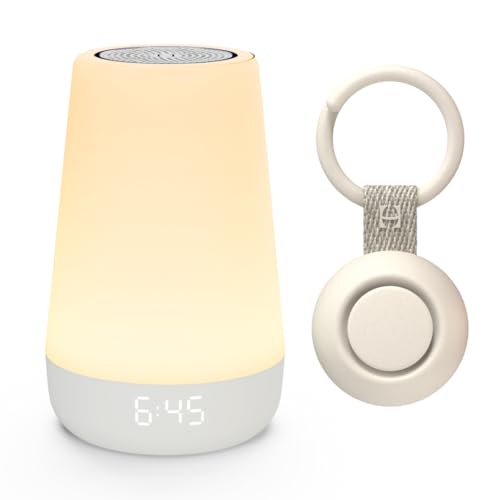
- Bundle and save: Bundle our Hatch Rest 2nd Gen and Hatch Go together for better…
- One for sleep routines at home, and the other for uninterrupted sleep on the go.
- Rest 2nd Gen: Sleep for them. Peace of mind for you. With gentle lights and…
EASZZZ Baby Night Light for Kids
Featuring 360° dimmable illumination with no harsh glare, this touch-controlled LED light provides even, shadow-free lighting ideal for nurseries. Its auto-dimming sensor gradually reduces brightness when room light increases, helping maintain consistent light levels. Certified flicker-free for eye comfort.
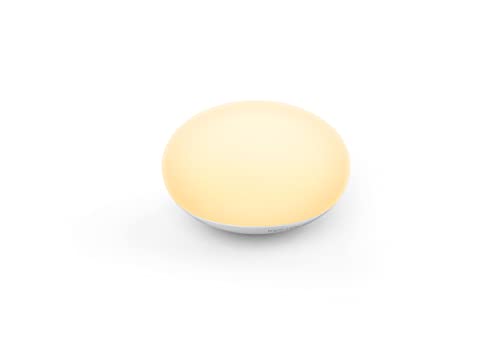
- 【World’s Easiest Flip Design】No button-press, no timer needed, just a single…
- 【Seamless Light Control】Long press the button to slightly adjust the…
- 【Perfect Skin-Like Touch】Tested hundred times for a perfect shape; adopts…
Philips Hue White and Color Ambiance Smart Light
While technically a smart bulb (model LCA003), when used in lamps it allows parents to program custom lighting schedules with specific color temperatures. The warm white preset (2200K) creates a myopia-friendly environment while smart controls prevent excessive overnight exposure.

- WHAT’S IN THE BOX – Includes one White and Color Ambiance smart 60W-equivalent…
- UNLOCK THE FULL POWER OF HUE – Add a Hue Bridge to enjoy automations, control…
- MILLIONS OF COLORS – The White and Color Ambiance range offers both warm-to-cool…
The Science Behind Night Lights and Myopia Development
Understanding the potential connection between night lights and childhood myopia requires examining how light exposure affects eye development.
The human eye undergoes significant changes during early childhood, with the eyeball typically growing to match its optical power—a process called emmetropization. Disruptions to this delicate balance can contribute to refractive errors like myopia.
How Light Exposure Influences Eye Growth
Research suggests that light intensity and spectral composition may impact eye development through several mechanisms:
- Dopamine regulation: Bright light stimulates dopamine release in the retina, which helps control eyeball elongation. Insufficient daylight exposure may reduce dopamine levels, potentially leading to excessive eye growth.
- Circadian rhythm disruption: Artificial light at night may interfere with melatonin production, indirectly affecting eye development cycles. Studies show children’s eyes continue developing during sleep.
- Focusing mechanisms: Constant low-light conditions may alter how the eye focuses, potentially triggering compensatory growth changes.
Key Studies and Their Findings
The 1999 Nature study that initially raised concerns found children who slept with room lights on before age 2 had five times higher myopia prevalence. However, subsequent research presents conflicting evidence:
- A 2003 University of Pennsylvania study found no significant association between night light use and myopia in 1,200 children
- Singapore’s STARS study (2019) reported a modest correlation only for children using bright night lights (above 500 lux)
- Recent meta-analyses suggest the original findings may have overstated risks, with most effect sizes falling within statistical margin of error
Practical Implications for Parents
While the scientific community continues debating this issue, several practical recommendations emerge:
- Intensity matters more than presence: Very dim night lights (under 5 lux) show minimal risk, while bright room lighting may warrant caution
- Color temperature considerations: Warm-toned lights (below 3000K) appear less disruptive than cool blue-white lights
- Positioning: Place lights to illuminate floors/walls rather than shining directly toward the child’s face
Ophthalmologists emphasize that other factors—like outdoor time (at least 2 hours daily) and near-work habits—have far greater documented impact on myopia development than night light usage alone. The American Academy of Ophthalmology notes that genetic predisposition accounts for 60-90% of myopia risk.
Practical Guidelines for Safe Night Light Usage
While the research on night lights and myopia remains inconclusive, parents can implement evidence-based practices to create an eye-friendly sleep environment. These recommendations combine ophthalmological insights with practical parenting considerations.
Optimal Night Light Specifications
When selecting and using night lights, these technical specifications help minimize potential risks:
- Luminance levels: Choose lights emitting less than 5 lux at the child’s eye level (equivalent to moonlight). Most smartphone light meter apps can measure this.
- Color spectrum: Prioritize lights with dominant wavelengths above 550nm (amber/red). These wavelengths are less likely to suppress melatonin or stimulate excessive eye growth.
- Flicker rate: Ensure the light has no detectable flicker (test by recording it with a smartphone camera – no visible strobe effect should appear).
Placement Strategies for Eye Safety
Proper positioning significantly reduces light exposure to developing eyes:
- Indirect illumination: Place lights behind furniture or facing walls to create diffuse, shadow-free lighting
- Floor-level positioning: Mount lights near baseboards rather than at eye level to prevent direct exposure
- Distance considerations: Maintain at least 3 feet between the light source and the child’s sleeping position
Alternative Solutions for Different Age Groups
Consider these developmentally-appropriate alternatives:
- Infants (0-12 months): Use motion-activated lights that only turn on during diaper changes or feedings (like the Munchkin Light My Way night light)
- Toddlers (1-3 years): Implement a “light ladder” system – brightest light in hallway, medium in doorway, and dimmest or no light near the bed
- School-age children: Transition to plug-in timer lights that automatically turn off after falling asleep (such as the Philips SmartPlug)
Light Spectrum and Its Impact on Developing Eyes
The spectral composition of night lights plays a critical role in eye health, with different wavelengths affecting ocular development in distinct ways.
The Photobiology of Eye Development
Retinal cells contain specialized photoreceptors that respond differently across the light spectrum:
| Wavelength Range | Photoreceptor Response | Potential Impact |
|---|---|---|
| 400-490nm (Blue) | Stimulates melanopsin in ipRGCs | May disrupt circadian rhythms and dopamine regulation |
| 490-550nm (Green) | Activates M-cones strongly | Could influence emmetropization signals |
| 550-700nm (Yellow-Red) | Primarily stimulates L-cones | Minimal circadian disruption, preferred for night use |
Advanced Selection Criteria for Night Lights
When evaluating night lights, consider these technical specifications:
- Color Rendering Index (CRI): Choose lights with CRI >80 to maintain natural color perception if needed for safety
- Correlated Color Temperature (CCT): Opt for warm white (<3000K) or amber lights to minimize blue light exposure
- Spectral Power Distribution: Review manufacturer SPD charts to verify minimal emission in the 400-490nm range
Common Mistakes and Professional Solutions
Ophthalmologists frequently encounter these problematic scenarios:
- Overlighting: Using multiple bright lights creates cumulative exposure. Solution: Implement single-point indirect lighting with dimmer controls.
- Blue-rich “cool white” lights: These are often mistakenly believed to be calming. Solution: Replace with 2200K amber LEDs.
- All-night operation: Continuous exposure may be unnecessary. Solution: Use motion-activated lights or smart plugs with schedules.
Integrating Night Light Safety with Overall Myopia Prevention Strategies
While night light usage warrants consideration, it’s crucial to understand its role within the broader context of myopia prevention.
Evidence-Based Myopia Prevention Protocol
The most effective strategies combine environmental modifications with behavioral interventions:
- Outdoor light exposure: At least 2 hours daily of outdoor activity provides 10,000+ lux of beneficial natural light, which stimulates dopamine production and helps regulate eye growth
- Near-work management: Implement the 20-20-20 rule (every 20 minutes, look at something 20 feet away for 20 seconds) to reduce accommodative stress
- Ergonomic adjustments: Maintain proper reading distance (harmon distance: elbow to first knuckle) and ensure adequate ambient lighting (300-500 lux) for close work
Professional Monitoring and Intervention
Regular eye examinations should track these key metrics:
- Axial length measurements: The most accurate predictor of myopia progression, ideally measured biannually with optical biometry
- Cycloplegic refraction: Gold standard for detecting true refractive error in children
- Corneal topography: Helps identify early signs of excessive eye strain
Advanced Protective Measures
For children showing early signs of myopia progression, consider these clinical interventions:
| Intervention | Mechanism | Effectiveness |
|---|---|---|
| Low-dose atropine (0.01%) | Slows axial elongation | 50-60% reduction in progression |
| Multifocal contact lenses | Reduces peripheral defocus | 30-50% slowing of progression |
| Orthokeratology | Overnight corneal reshaping | 45-55% reduction in progression |
Long-Term Considerations and Emerging Research in Pediatric Light Exposure
Understanding the evolving science of light exposure and eye development requires examining longitudinal studies, technological advancements, and future-focused prevention strategies.
Cumulative Light Exposure Analysis
Recent studies quantify light exposure impacts through sophisticated metrics:
| Exposure Period | Recommended Light Levels | Biological Impact | Measurement Method |
|---|---|---|---|
| Daytime (7am-7pm) | >10,000 lux for ≥2 hours | Stimulates dopamine production | Wearable dosimeters |
| Evening (7pm-10pm) | 100-300 lux | Supports circadian rhythm | Smartphone lux meters |
| Nighttime (10pm-7am) | <5 lux at eye level | Minimizes melatonin disruption | Infrared light sensors |
Emerging Technologies in Light Management
Innovative solutions are transforming how we approach pediatric light exposure:
- Smart lighting systems: Products like the Nanoleaf Essentials Smart Bulb automatically adjust color temperature and intensity based on time of day
- Biometric wearables: Devices such as the Fitbit Ace 4 now include ambient light tracking with pediatric-specific analytics
- AI-powered monitoring: Systems like LuminDx use machine learning to analyze room lighting patterns and suggest optimizations
Future Directions in Myopia Prevention
The next decade will likely bring significant advancements:
- Personalized light prescriptions: Genetic testing may determine individual light sensitivity profiles
- Dynamic light environments: Classrooms and homes may automatically adjust lighting based on real-time pupil response measurements
- Advanced materials: Photoreactive lenses and windows that filter specific wavelengths without reducing visible light transmission
Implementing a Comprehensive Light Management Strategy for Eye Health
Developing an effective light management plan requires understanding how different lighting conditions interact throughout a child’s daily routine.
Daily Light Cycle Optimization
A scientifically-grounded approach to light exposure involves these key phases:
- Morning activation (6-8am): Exposure to 500+ lux of cool white light (4000-6500K) helps regulate circadian rhythms and prepares the visual system for daytime activities
- Daytime learning (8am-3pm): Maintain 300-500 lux of neutral white light (3500-4500K) for reading and close work, supplemented by natural light whenever possible
- Evening transition (6-8pm): Gradually shift to warm white light (2700-3000K) at 100-200 lux to support melatonin production
Advanced Lighting Control Systems
Sophisticated lighting solutions can automate optimal conditions:
- Circadian lighting controllers: Systems like the Philips Hue Smart Hub or Lutron Caséta allow precise scheduling of color temperature and intensity changes
- Biometric integration: Some smart lighting systems can sync with wearables like the Garmin Vivofit Jr. to adjust lighting based on sleep/wake patterns
- Environmental sensors: Devices such as the Awair Element monitor real-time lux levels and provide adjustment recommendations
Troubleshooting Common Lighting Problems
Address these frequent challenges with evidence-based solutions:
| Problem | Root Cause | Solution |
|---|---|---|
| Excessive glare | Direct light source in field of view | Install indirect lighting with baffles or diffusers |
| Inconsistent light levels | Uneven fixture placement | Implement layered lighting with multiple low-intensity sources |
| Blue light overexposure | High CCT LEDs in evening | Install smart bulbs with automated color shifting |
Comprehensive Risk Assessment and Quality Assurance in Light Management
Implementing an effective light management strategy requires systematic evaluation of potential risks and ongoing quality control measures.
Risk Assessment Matrix for Light Exposure
The following table outlines key risk factors and their mitigation strategies:
| Risk Factor | Potential Impact | Severity (1-5) | Mitigation Strategy | Monitoring Frequency |
|---|---|---|---|---|
| Blue light overexposure (400-490nm) | Circadian disruption, potential retinal stress | 4 | Use filters or amber LEDs after 6pm | Monthly spectral analysis |
| Insufficient daylight exposure | Reduced dopamine production | 5 | Ensure 2+ hours outdoor time daily | Daily tracking via wearable |
| Flicker (100-500Hz) | Eye strain, headaches | 3 | Select flicker-free certified lights | Quarterly testing |
Quality Assurance Protocol
Implement these comprehensive validation procedures:
- Baseline assessment: Conduct full-spectrum light analysis using tools like the UPRtek MK350S Premium Spectrometer
- Ongoing monitoring: Use IoT-enabled sensors (e.g., Shelly Plus H&T) to track lux levels, CCT, and usage patterns
- Quarterly validation: Verify lighting parameters against ANSI/IES RP-28-16 standards for educational environments
Performance Optimization Strategies
Advanced techniques for maximizing benefits:
- Dynamic adaptation: Implement systems that automatically adjust lighting based on real-time pupilometry measurements
- Personalized profiles: Create individual light prescriptions based on genetic testing for light sensitivity markers
- Integrated therapy: Combine light management with other interventions like orthokeratology for synergistic effects
Conclusion
While the connection between children’s night lights and myopia remains complex, current evidence suggests that thoughtful light management can contribute to healthy eye development.
Key takeaways include: the importance of using warm-toned, dim night lights (under 5 lux); prioritizing daytime outdoor light exposure; and understanding that night lighting is just one factor among many influencing myopia risk.
The most effective approach combines proper lighting strategies with regular eye exams and balanced visual habits.
Rather than eliminating night lights entirely, parents should focus on optimizing the entire light environment – from morning sunlight exposure to evening wind-down routines.
As research continues to evolve, maintaining open communication with pediatric ophthalmologists will ensure your child benefits from the latest evidence-based recommendations for vision health.
Frequently Asked Questions About Children’s Night Lights and Myopia
What exactly is the connection between night lights and myopia development?
The potential connection stems from how light exposure affects eye growth regulation. Some studies suggest that prolonged exposure to artificial light at night may disrupt dopamine levels in the retina, which helps control eyeball elongation.
However, current research shows this is likely only significant with bright night lights (above 500 lux) used continuously throughout childhood, not with typical dim night lights.
How can I measure if my child’s night light is too bright?
Use a light meter app (like Lux Light Meter Pro) to measure at your child’s eye level while they’re in bed. Safe levels are below 5 lux – equivalent to moonlight.
For reference: a 1-watt LED night light typically emits 2-3 lux at 3 feet distance. Position lights to illuminate floors/walls rather than shining directly toward the face, and use warm-colored bulbs (under 3000K).
Are some types of night lights safer for eyes than others?
Yes, prioritize these features:
- Color: Amber/red lights (above 550nm wavelength)
- Brightness: Adjustable dimmers with ≤5 lux output
- Design: Indirect lighting with diffusers
- Certification: Flicker-free and blue-light reduced
The Hatch Baby Rest (2nd Gen) and VAVA VA-CL006 are excellent examples meeting these criteria.
My child is afraid of the dark – how can I balance safety and eye health?
Implement a gradual transition plan:
- Start with an amber light at 5 lux
- Every 2 weeks, reduce brightness by 0.5 lux
- Move the light further from the bed
- Switch to motion-activated lighting
Complement this with behavioral strategies like “bravery charts” and positive reinforcement.
How does night light use compare to screen time in myopia risk?
Screen time presents significantly greater risk due to:
- Higher blue light content (400-490nm)
- Close viewing distances causing eye strain
- Extended near-work focus
While a dim night light might contribute 1-2% to myopia risk factors, excessive screen time can account for 15-20% of modifiable risk.
Are there specific times when night lights are most/least risky?
Risk appears highest during critical developmental windows:
- 0-2 years: Eyes are most sensitive to light exposure patterns
- 6-12 years: During rapid eye growth phases
After puberty, when eye growth stabilizes, night lights pose minimal risk. However, circadian rhythm disruption remains a consideration at any age.
What other factors should I consider beyond night lights?
Focus on these more impactful factors first:
- 2+ hours daily outdoor time
- Proper reading distance (Harmon distance)
- Frequent visual breaks (20-20-20 rule)
- Regular comprehensive eye exams
These measures have 5-10 times greater impact on myopia prevention than night light adjustments alone.
How often should I have my child’s eyes checked if we use night lights?
Follow this evidence-based schedule:
- 0-2 years: Initial screening at 6-12 months
- 3-5 years: Annual checkups
- 6+ years: Biannual exams if myopia develops
Request axial length measurements (not just vision charts) to track eye growth patterns accurately.