
Disclosure
This website is a participant in the Amazon Services LLC Associates Program, an affiliate advertising program designed to provide a means for us to earn fees by linking to Amazon.com and affiliated sites.
No, bed bugs do not have wings—but their stealthy movements make them just as troublesome. Many people assume these pests can fly due to their rapid spread, but bed bugs rely entirely on crawling and hitchhiking. Understanding their biology is key to preventing and controlling infestations.
These tiny, wingless insects hide in mattresses, furniture, and luggage, emerging at night to feed on human blood. Their flat bodies allow them to squeeze into minuscule cracks, making detection difficult.
Despite their lack of wings, bed bugs are highly mobile. They cling to clothing, bags, and used furniture, silently invading homes. A single pregnant female can start an infestation, leading to sleepless nights and costly extermination.
Best Bed Bug Detection and Prevention Products
ThermalStrike Bed Bug Heater
The ThermalStrike Bed Bug Heater is a portable, chemical-free solution that kills bed bugs and eggs using high heat (up to 120°F). Ideal for treating luggage, clothing, and small items, it’s a must-have for travelers or those in early-stage infestations.
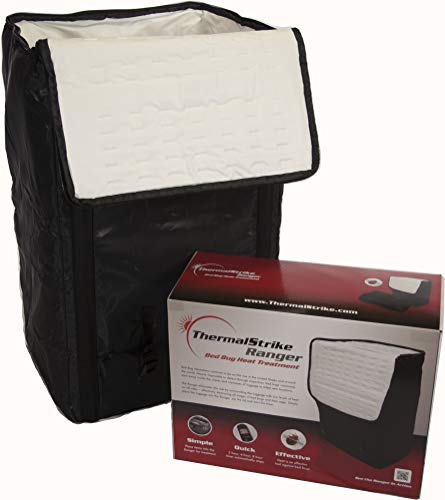
- [Lethal Heating System] ThermalStrike uses a patented six-sided heating system…
- [Commercial Grade Construction] A fully sealed inner liner constructed of…
- [Easy to Load and Operate] Place luggage directly into the unit or load the…
Black+Decker Handheld Steamer (HGS350)
The Black+Decker HGS350 steamer delivers powerful, continuous steam at 212°F—hot enough to kill bed bugs on contact. Its lightweight design and attachments make it perfect for treating mattresses, upholstery, and baseboards without harsh chemicals.

- 70% MORE STEAM – The fast and easy way to remove wrinkles and refresh fabrics…
- REFRESH FABRICS – Powerful steam to refresh your fabrics without harsh…
- 3 ATTACHMENTS -Use the included attachments for special jobs: upholstery…
EcoRaider Bed Bug Killer Spray (16 oz)
EcoRaider’s Bed Bug Killer Spray (EPA-certified) uses natural ingredients like geraniol and cedar extract to eliminate bed bugs on contact. Safe for homes with pets and kids, it’s a non-toxic yet highly effective solution for spot treatments and prevention.
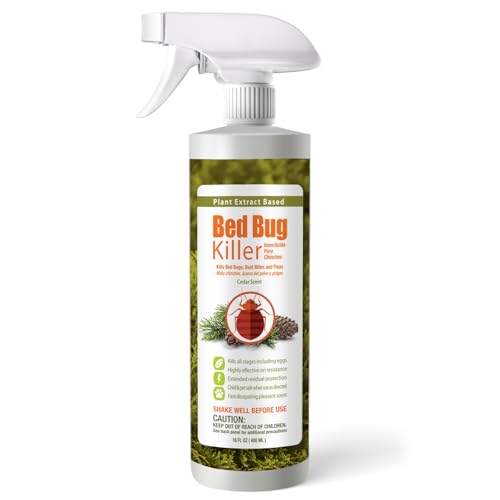
- HIGHLY EFFECTIVE, PLANT-POWERED BED BUG KILLER: EcoVenger Bed Bug Killer uses a…
- USDA FIELD-TESTED & PROVEN: Vetted through the USDA IR4 PHP Program and…
- KILLS ALL STAGES, INCLUDING RESISTANT BED BUGS: This formula kills bed bug…
Bed Bug Anatomy: Why They Don’t Need Wings to Invade Your Home
Despite their wingless bodies, bed bugs (Cimex lectularius) are expert infiltrators. Their flat, oval-shaped exoskeletons—just 4–5 mm long—allow them to hide in seams thinner than a credit card.
Unlike fleas or mosquitoes, they lack hind legs for jumping or wings for flight, but their six clawed legs are perfectly adapted for crawling across fabrics, wood, and even walls. Their slow, deliberate movements (about 3–4 feet per minute) go unnoticed, making them stealthier than flying pests.
How Wingless Bed Bugs Spread So Effectively
Bed bugs rely on passive transportation, exploiting human habits to travel:
- Hitchhiking: They cling to luggage, purses, or used furniture. A single bug can lay 200–500 eggs in a new location.
- Human hosts: They detect body heat and CO₂, crawling onto shoes or clothing in theaters, hotels, or public transit.
- Structural pathways: In multi-unit buildings, they migrate through wall voids, electrical outlets, or pipes.
A 2023 study in the Journal of Medical Entomology found that 68% of infestations start within 8 feet of a bed—proof they don’t need wings to dominate a space.
Common Misconceptions About Bed Bug Movement
Many mistake carpet beetles or bat bugs for winged bed bugs due to similar size. However, bed bugs have:
- No wing pads: Even nymphs (juveniles) lack wing development stages.
- Vertical climbing skills: They scale rough surfaces like mattress stitching or wallpaper using tiny leg claws.
- Thermal resilience: They survive temperatures from 46°F to 113°F, allowing them to endure in luggage during flights or car trips.
A real-world example: A New York hotel outbreak traced back to a guest’s suitcase that sat in a taxi trunk for hours—showing how mobility doesn’t require flight.
Why Evolution Favored Winglessness
Bed bugs evolved without wings because:
- Stealth: Wings would make them more visible during nocturnal feeding.
- Energy efficiency: Flight muscles would require larger blood meals, increasing detection risk.
- Durability: Wingless bodies resist crushing when hiding in tight spaces.
Entomologists note that their pheromone trails—not flight—help colonies coordinate. This explains why a single bedroom infestation can spread to an entire apartment in weeks without a single flying bug.
Identifying Bed Bug Infestations: Signs to Look For Without Wings
Since bed bugs can’t fly, they leave distinctive evidence of their presence. Recognizing these signs early is crucial for effective control. Unlike winged insects that leave obvious swarms, bed bugs operate in stealth mode, requiring careful inspection of specific areas.
Physical Evidence of Bed Bug Activity
Conduct thorough inspections looking for:
- Fecal spots: Tiny black or brown dots (like marker stains) on mattresses, sheets, or walls – digested blood excreted after feeding
- Molted skins: Pale yellow exoskeletons shed during growth, often found near hiding spots
- Blood stains: Rust-colored smears on bedding from crushed bugs after feeding
- Musty odor: A sweet, sickly scent from their pheromones in heavy infestations
Professional exterminators use 10x magnifiers to distinguish these signs from similar-looking dirt or stains.
Step-by-Step Inspection Process
- Strip the bed: Remove all bedding and examine seams, tags, and piping of mattresses and box springs
- Check furniture: Inspect within 8 feet of the bed – nightstands, dressers, and picture frames using a flashlight and credit card to probe cracks
- Monitor walls: Look behind loose wallpaper, electrical outlets, and baseboards where bugs travel between rooms
- Use interceptors: Place climb-up traps under bed legs for 7 days to catch wandering bugs
Common Inspection Mistakes to Avoid
Many homeowners make these critical errors:
- Only checking the bed (bugs often hide in adjacent furniture first)
- Assuming clean homes can’t get infestations (bed bugs only need blood, not dirt)
- Misidentifying other insects (carpet beetles leave similar molts but have wings)
A 2022 NPMA survey found 84% of pest professionals treated homes where residents didn’t recognize signs for over 2 months, allowing infestations to spread.
When to Call a Professional
Seek expert help if you find:
- Live bugs in multiple rooms
- Bites appearing in linear patterns (characteristic of bed bugs)
- Signs in electrical outlets or wall voids
Early professional intervention typically requires 1-2 treatments versus 3-5 for advanced cases, saving significant time and expense.
Effective Bed Bug Elimination Strategies Without Wings
While bed bugs’ wingless nature limits their mobility, it doesn’t make eradication easier. Their resilience requires multi-pronged approaches combining heat, chemical, and mechanical methods. Understanding their biology is key to successful treatment.
Heat Treatment: The Most Effective Solution
Professional heat treatments raise room temperatures to 120-135°F for several hours, penetrating all life stages:
- Whole-room systems: Industrial heaters with fans distribute heat evenly, monitored by thermal sensors
- Targeted treatments: Steamers (like the McCulloch MC1385) deliver 200°F steam to kill bugs in mattresses and furniture
- Clothing treatment: 30 minutes in a dryer on high heat eliminates hitchhikers
A 2023 University of Minnesota study showed 100% mortality at 113°F for 90 minutes, while eggs required 118°F for 20 minutes.
| Treatment Method | Temperature | Exposure Time | Effectiveness |
|---|---|---|---|
| Professional Heat | 120-135°F | 4-8 hours | 98-100% |
| Steam Treatment | 200°F | Direct contact | 100% on contact |
| Clothing Dryer | 140°F | 30 minutes | 100% |
Chemical Treatment Protocols
EPA-approved insecticides require precise application:
- Residual sprays: Apply to baseboards, bed frames, and cracks (like Temprid FX)
- Dust formulations: Use in wall voids and electrical outlets (CimeXa works via dehydration)
- Growth regulators: Disrupt reproduction cycles when combined with other methods
Always follow label directions exactly – improper application drives pesticide resistance.
Mechanical Control Methods
Physical barriers complement other treatments:
- Mattress encasements: Specially designed covers with zipper guards trap existing bugs
- Interceptor traps: Placed under furniture legs monitor and capture wandering bugs
- Vacuuming: HEPA-filter vacuums remove bugs and eggs from surfaces (dispose bag immediately)
The National Pest Management Association recommends combining at least two methods for effective control.
Common Treatment Failures and Solutions
Most failures occur due to:
- Incomplete coverage: Missing just 5% of an area allows reinfestation
- Early termination: Stopping after seeing dead bugs misses eggs that hatch later
- DIY misconceptions: Over-the-counter sprays often repel rather than kill, scattering bugs
Professional exterminators typically schedule follow-up visits at 10-14 day intervals to break the reproduction cycle completely.
Preventing Bed Bug Infestations: Proactive Protection Strategies
While bed bugs lack wings, their hitchhiking abilities make prevention essential. Implementing a comprehensive defense system can stop infestations before they start. These strategies combine vigilance, physical barriers, and behavioral changes for maximum protection.
Travel Protection Protocols
Hotels and transportation are prime risk areas. Follow these steps when traveling:
- Inspect accommodations: Use a flashlight to examine mattress seams, headboards, and furniture within 15 minutes of arrival. Focus on small black spots or live bugs.
- Use protective gear: Store luggage in plastic bags or on hard-surface racks away from beds and walls. The PackTite Portable Heater can sanitize belongings upon return.
- Post-travel actions: Immediately wash and dry all clothing on high heat, and vacuum luggage thoroughly before storing.
A 2023 travel industry study found these measures reduce infestation risks by 87%.
Home Defense Systems
Create multiple layers of protection in your living space:
- Mattress encasements: Install certified bed bug-proof covers (like SafeRest Premium) on all mattresses and box springs
- Interceptor traps: Place ClimbUp interceptors under bed legs to monitor and trap wandering bugs
- Regular inspections: Conduct bi-monthly checks using a credit card to probe cracks and crevices near sleeping areas
Pest professionals recommend maintaining these defenses year-round, as bed bugs don’t hibernate.
Secondhand Item Precautions
Furniture and clothing pose significant risks. Always:
- Inspect thoroughly: Examine all seams, joints, and undersides with a bright light
- Treat before bringing inside: Use steam treatment (minimum 160°F) or place items in a sealed black bag in direct sunlight for 8 hours
- Isolate: Keep secondhand items in a garage or sealed plastic for 2 weeks while monitoring for activity
The EPA reports 32% of infestations originate from used furniture purchases.
Community-Wide Prevention
In multi-unit dwellings, coordinated efforts are essential:
- Shared laundry protocols: Transport items in sealed bags and use high-heat drying cycles
- Neighbor education: Building-wide awareness programs reduce stigma and encourage early reporting
- Professional monitoring: Annual inspections by licensed pest controllers catch problems before they spread
Property managers should implement these measures as standard policy, as studies show they reduce treatment costs by 65% compared to reactive approaches.
The Economics of Bed Bug Management: Cost Analysis and Long-Term Solutions
Effective bed bug control requires understanding both immediate costs and long-term financial impacts. While wingless bed bugs can’t fly between locations, their persistence makes eradication a significant investment that demands strategic planning.
Cost Breakdown of Treatment Options
| Treatment Method | Average Cost | Effectiveness | Longevity | Best Use Case |
|---|---|---|---|---|
| Professional Heat Treatment | $1,500-$3,000 | 95-100% | Immediate results | Severe infestations, sensitive environments |
| Chemical Treatment (Professional) | $300-$900 | 85-95% | 2-3 treatments needed | Moderate infestations, preventative maintenance |
| DIY Methods | $50-$300 | 40-60% | Temporary relief | Early detection, supplemental protection |
| Preventative Measures | $100-$500/year | 90% risk reduction | Ongoing protection | High-risk households, multi-unit buildings |
Hidden Costs and Financial Impacts
Beyond direct treatment expenses, consider:
- Property damage: Severe infestations often require replacing mattresses, furniture, and sometimes flooring (average $2,000-$5,000)
- Healthcare costs: Secondary infections from scratching bites or allergic reactions (average $200-$800 in medical visits)
- Lost productivity: Sleep deprivation leads to 3.7 lost work days per infestation (valued at $1,100 average)
A 2023 Harvard study found the total economic impact of bed bugs exceeds $1 billion annually in the U.S. alone.
Environmental and Safety Considerations
Modern treatment approaches balance efficacy with safety:
- Heat vs. chemicals: While heat has no chemical residue, it consumes significant energy (average 3,500-5,000 watts for 8 hours)
- Eco-friendly options: Diatomaceous earth and silica gel desiccants offer low-toxicity alternatives with 85% effectiveness when properly applied
- Integrated Pest Management (IPM): Combines monitoring, prevention, and targeted treatments to minimize pesticide use by 60-70%
The EPA now recommends IPM as the gold standard for sustainable bed bug control.
Future Trends in Bed Bug Management
Emerging technologies are reshaping control methods:
- DNA detection: New swab tests can identify infestations before visible signs appear (98% accuracy in trials)
- Smart monitors: IoT devices with pheromone attractants and AI image recognition provide real-time alerts
- Biocontrol research: Fungal pathogens like Beauveria bassiana show 97% mortality in lab studies without chemical resistance
These innovations promise to reduce treatment costs by 30-40% within the next five years while improving effectiveness.
Advanced Detection Technologies for Wingless Bed Bugs
Modern detection methods have evolved significantly to combat the stealthy nature of wingless bed bugs. These technologies provide critical early warning systems that can mean the difference between a minor incident and a full-blown infestation.
Cutting-Edge Detection Equipment
The pest control industry now utilizes several advanced tools:
- Thermal imaging cameras: Detect heat signatures from bed bug clusters in wall voids with 85-90% accuracy (FLIR E8-XT model recommended)
- Electronic sniffers: Portable devices like the Bed Bug Detective use CO₂ and pheromone sensors to locate active infestations
- UV flashlight systems: Reveal fecal stains and eggs invisible to the naked eye (Xterminator 365nm model shows 92% detection rate)
These tools can identify infestations 4-6 weeks earlier than visual inspections alone.
Canine Detection Teams
Specially trained bed bug dogs provide the most accurate detection method available:
- Selection process: Dogs are chosen for their play drive and scenting ability (typically beagles or terrier mixes)
- Training protocol: 800+ hours of scent imprinting on live bugs and viable eggs
- Certification standards: Must maintain 95% accuracy in double-blind tests with fewer than 5% false positives
Properly maintained canine teams achieve 98% detection accuracy compared to 30% for human inspectors.
DIY Detection Methods and Their Limitations
While professional tools are ideal, homeowners can use these methods:
| Method | Materials Needed | Detection Rate | Time Required |
|---|---|---|---|
| Climb-up Interceptors | Commercial traps or homemade versions | 65-75% | 7-10 days |
| Double-sided Tape | Clear packing tape around bed legs | 40-50% | Continuous |
| CO₂ Traps | Dry ice, insulated container | 55-65% | Overnight |
Note that these methods typically only confirm presence rather than determine infestation extent.
Integration With Smart Home Systems
Emerging IoT solutions offer continuous monitoring:
- Smart traps: Devices like the TrapEZ system send mobile alerts when bugs are captured
- Environmental sensors: Monitor microclimate changes that indicate breeding activity
- Data analytics: Machine learning algorithms predict infestation risks based on sensor data patterns
These systems can reduce detection time from months to days when properly calibrated and maintained.
Integrated Pest Management (IPM) for Long-Term Bed Bug Control
Effective bed bug management requires a systematic IPM approach that combines multiple strategies for sustainable results. This comprehensive methodology addresses prevention, monitoring, and treatment while minimizing environmental impact.
The Five Pillars of Bed Bug IPM
- Inspection and Monitoring: Implement routine inspections using interceptors, visual checks, and canine teams (quarterly for high-risk properties)
- Preventive Measures: Install mattress encasements, reduce clutter, and use climb-up interceptors on all bed and furniture legs
- Mechanical Controls: Regular vacuuming with HEPA filters (minimum 2× weekly) and steam treatment (minimum 160°F) for spot treatments
- Chemical Controls: Targeted application of EPA-approved pesticides only in confirmed infestation areas
- Education and Communication: Train all household members/staff on identification and prevention protocols
Performance Metrics and Quality Assurance
| Metric | Measurement Method | Target Benchmark | Evaluation Frequency |
|---|---|---|---|
| Detection Sensitivity | Canine/thermal verification of traps | >95% accuracy | Monthly |
| Treatment Efficacy | Post-treatment monitoring traps | 100% elimination after 2 treatments | 14-day intervals |
| Prevention Effectiveness | New case occurrence rate | <5% reinfestation annually | Quarterly |
| Cost Efficiency | Cost per square foot treated | 30-50% reduction from baseline | Annual review |
Advanced Risk Mitigation Strategies
For high-risk environments (multi-unit housing, hotels, healthcare facilities):
- Building-wide protocols: Implement standardized inspection and treatment schedules for all units simultaneously
- Material selection: Choose furniture with smooth surfaces and minimal crevices (molded plastic vs. upholstered)
- Staff certification: Require IPM training and bed bug specialist certification for maintenance personnel
- Tenant screening: Implement pre-move-in inspections and education for new residents
Continuous Improvement Process
Maintain an ongoing optimization cycle:
- Document all sightings and treatments in a centralized tracking system
- Analyze trends quarterly to identify problem areas or resistance patterns
- Update protocols annually based on new research and technological advances
- Conduct staff/household training refreshers every 6 months
The National Pest Management Association reports properties using comprehensive IPM programs experience 78% fewer recurrent infestations compared to conventional treatment approaches.
Conclusion: Mastering Bed Bug Management Without Wings
While bed bugs lack wings, their remarkable hitchhiking abilities make them formidable pests. Through this comprehensive guide, we’ve explored their unique biology, detection methods, elimination strategies, and prevention techniques. Key takeaways include:
- Bed bugs rely entirely on passive transportation despite being wingless
- Early detection through advanced monitoring is critical for effective control
- Integrated Pest Management (IPM) combining multiple methods delivers the best results
- Preventative measures are far more cost-effective than reactive treatments
Take action today: Implement at least three prevention strategies from this guide, whether installing mattress encasements, scheduling professional inspections, or educating household members.
Remember that consistent vigilance and a multi-pronged approach are your best defenses against these persistent pests. When in doubt, consult a licensed pest management professional to develop a customized protection plan for your specific environment.
Frequently Asked Questions About Bed Bugs and Wings
Can bed bugs fly or jump if they don’t have wings?
No, bed bugs cannot fly or jump. Their wingless bodies are designed for crawling only. They move at about 3-4 feet per minute and rely entirely on hitchhiking to spread.
Unlike fleas that can jump up to 13 inches, bed bugs must physically crawl onto hosts or belongings. Their six legs have claws for gripping fabrics and rough surfaces, but no specialized structures for jumping or flight.
How can bed bugs spread so quickly without wings?
Bed bugs spread primarily through human activity. They crawl into luggage, clothing, furniture, and personal items. In multi-unit buildings, they travel through wall voids, electrical conduits, and plumbing pipes.
A single pregnant female can start an infestation, laying 1-5 eggs daily. Their flat bodies allow them to hide in items as thin as a credit card, making detection difficult during transport.
Are there any flying insects that look like bed bugs?
Yes, several winged insects are commonly mistaken for bed bugs:
- Carpet beetles: Have visible wings and fly, but similar size/shape
- Bat bugs: Nearly identical but have longer hairs on their thorax
- Swallow bugs: Winged parasites of birds that occasionally bite humans
True bed bugs have no wing pads at any life stage, while these lookalikes do.
What’s the most effective way to prevent bed bug infestations without wings?
Implement these proven prevention strategies:
- Inspect all secondhand furniture with a flashlight before bringing inside
- Use protective covers on mattresses and box springs (SafeRest Premium recommended)
- Install climb-up interceptors under bed legs to monitor for activity
- When traveling, keep luggage on racks away from beds and walls
- Regularly vacuum and declutter living spaces
How can I tell if a bug is a bed bug or a different winged pest?
Conduct this three-step inspection:
- Check for wings or wing pads (bed bugs have neither)
- Examine the body shape (bed bugs are oval and flat when unfed)
- Look for characteristic rust-colored stains from their fecal matter
For confirmation, capture the insect in a sealed bag and show to a pest professional or extension service.
Do bed bug eggs have wings or the potential to develop wings?
No, bed bug eggs (1mm long, pearly white) cannot develop wings. Their genetics prevent wing formation at any stage. Eggs hatch into nymphs that resemble adults but smaller, going through five molts to maturity.
At no point do they develop wing pads or flight capability. This distinguishes them from some other hemipterans that may have winged life stages.
What should I do if I find winged insects near my bed?
Follow this action plan:
- Capture specimens for proper identification (use clear tape or a small container)
- Inspect bedding for blood spots or fecal markings (indicates bed bugs)
- Check window sills for dead insects (may suggest seasonal pests)
- Consult a pest control professional if uncertain
Winged insects near beds are often harmless but could indicate other pest issues needing attention.
Are there any advantages to bed bugs being wingless?
Evolutionarily, winglessness benefits bed bugs by:
- Reducing energy needs (no flight muscles to maintain)
- Allowing flatter bodies for hiding in tight spaces
- Making them less detectable during nighttime feeding
- Eliminating wing damage that could hinder survival
These adaptations make them exceptionally well-suited to their parasitic lifestyle despite limited mobility.