
Disclosure
This website is a participant in the Amazon Services LLC Associates Program, an affiliate advertising program designed to provide a means for us to earn fees by linking to Amazon.com and affiliated sites.
Choosing between a comforter and a blanket depends on your sleep preferences, climate, and desired level of warmth. A comforter is a thick, insulated bedding layer filled with down, synthetic fibers, or alternative materials, designed to provide substantial warmth.
In contrast, a blanket is a thinner, more versatile layer made from materials like cotton, wool, or fleece, offering adjustable coverage for various temperatures. While comforters are ideal for cold climates and those who prefer a plush, all-in-one bedding solution, blankets are better suited for layering, warmer environments, or those who want customizable warmth.
Best Comforters and Blankets for Cozy Sleep
Buffy Cloud Comforter
The Buffy Cloud Comforter is an eco-friendly, lightweight yet ultra-warm option filled with 100% eucalyptus fiber. Its breathable design regulates temperature, making it ideal for year-round use. The hypoallergenic materials and machine-washable construction ensure comfort and convenience for allergy sufferers.
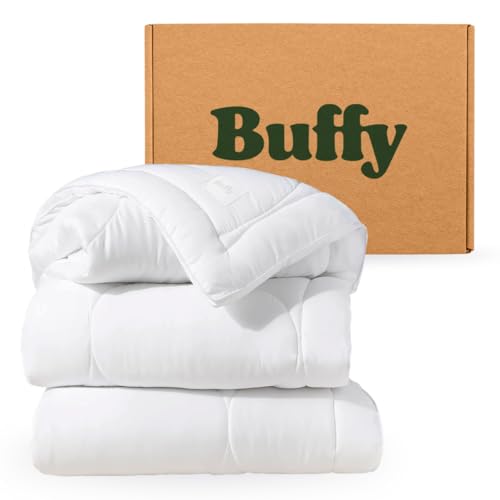
- Award-Winning SilkShape Technology: Buffy Cloud Cooling Comforter won CNET & NBC…
- Superior Q-Max 0.21 Cooling Power: Lab-tested Q-Max 0.21 rating outperforms…
- Ultra-Breathable 300-Thread Count: Ultra-breathable 300-thread count sateen…
Brooklinen Down Comforter (All-Season)
For premium warmth, the Brooklinen Down Comforter (All-Season) features responsibly sourced white down with a 300-thread-count shell. Its baffle-box stitching prevents fill shifting, ensuring even heat distribution. Perfect for those who want a luxurious, hotel-quality sleep experience.
No products found.
Pendleton Eco-Wise Wool Blanket (National Parks Collection)
The Pendleton Eco-Wise Wool Blanket (Model: NP-701) is a durable, heavyweight wool blanket with natural temperature-regulating properties. Its timeless design and moisture-wicking fibers make it perfect for layering in winter or using alone in cooler months.
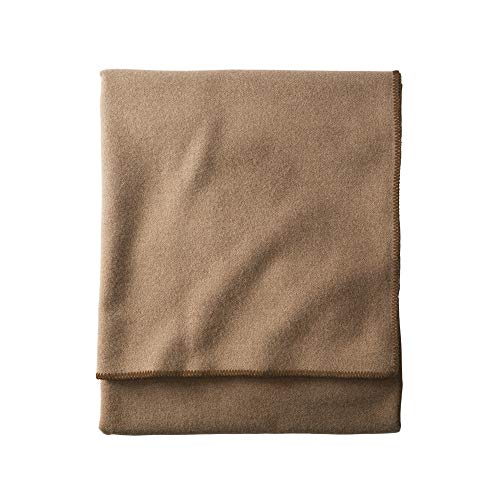
- Keep it cozy with the Pendleton Washable Pendleton Eco-Wise Wool Blanket King…
- Whipstitched edges.
- Solid color design.
Key Differences Between Comforters and Blankets
Understanding the fundamental differences between comforters and blankets will help you make the best choice for your sleep needs. While both provide warmth, their construction, materials, and ideal uses vary significantly.
Construction and Fill Materials
Comforters are quilted, insulated bedding pieces with substantial fill between two fabric layers. The most common fill types include:
- Down: Natural clusters from ducks/geese (lightweight yet warm; measured in fill power – higher numbers indicate better insulation)
- Synthetic fibers: Polyester alternatives like PrimaLoft (hypoallergenic and easier to clean)
- Alternative fills: Bamboo, eucalyptus, or wool (temperature-regulating and eco-friendly)
Blankets, by contrast, are single-layer textiles without internal filling. Popular materials include:
- Cotton: Breathable but less insulating (ideal for warm climates)
- Wool: Naturally moisture-wicking (excellent for temperature regulation)
- Fleece: Synthetic polyester (soft and lightweight but can trap heat)
Warmth and Seasonal Use
Comforters provide consistent, substantial warmth due to their insulated design. A high-quality down comforter with 600+ fill power can maintain warmth in sub-zero temperatures while remaining breathable. This makes them ideal as primary bedding in cold climates.
Blankets offer adjustable warmth through layering. A wool blanket might provide moderate warmth alone, but paired with a cotton sheet, it creates a versatile system for changing seasons. This modular approach works well in:
- Transitional spring/fall weather
- Homes with fluctuating temperatures
- Sleepers who experience night sweats
Maintenance and Care
Comforter care depends largely on fill type. Down requires specialized cleaning to prevent clumping, while synthetic fills often tolerate machine washing. Most comforters need occasional professional cleaning due to their size and fill sensitivity.
Blankets generally offer easier maintenance:
- Cotton and synthetic blankets are typically machine-washable
- Wool may require hand-washing or dry cleaning
- Most dry quickly and don’t require bulky storage
Common misconception: Many assume comforters are always hotter than blankets. In reality, high-quality comforters with breathable shells and proper fill can regulate temperature as effectively as layered blankets.
Choosing Between a Comforter and Blanket: Key Decision Factors
Selecting the right bedding requires careful consideration of multiple personal and environmental factors. This section breaks down the critical elements to evaluate when deciding between a comforter and blanket.
Climate and Seasonal Considerations
Your local climate should heavily influence your bedding choice. In cold northern climates, a down or down-alternative comforter with at least 600 fill power provides essential insulation. For example, residents in Minnesota often prefer heavyweight comforters from October through April.
In temperate or variable climates, consider these layered approaches:
- Winter: Medium-weight blanket + lightweight comforter
- Summer: Breathable cotton blanket alone
- Shoulder seasons: Wool blanket with optional sheet layer
Sleep Style and Personal Preferences
Your sleeping position and temperature sensitivity dramatically affect bedding needs. Side sleepers who move frequently often prefer blankets that are easier to adjust throughout the night. Hot sleepers should look for:
- Comforters with moisture-wicking bamboo covers
- Blankets made from breathable linen or Tencel
- Temperature-regulating wool layers
Cold sleepers will benefit from:
- Down comforters with baffle-box construction to prevent cold spots
- Heated blankets with adjustable temperature zones
- Layered wool blankets for customizable warmth
Bedding Maintenance and Longevity
Consider your willingness to maintain bedding properly. High-quality down comforters require:
- Monthly airing to maintain loft
- Professional cleaning every 1-2 years
- Proper storage in breathable bags during off-seasons
Blankets typically offer simpler care:
- Most machine-washable (check weight limits)
- No special storage requirements
- Generally more durable for frequent washing
Pro tip: For households with pets or children, stain-resistant blanket materials like microfiber or tightly-woven cotton often withstand frequent washing better than delicate comforter fabrics.
Alternative approach: Many sleepers successfully combine both – using a lightweight comforter as the base layer and adding/removing blankets as needed for temperature control.
Material Science: How Bedding Fabrics Affect Sleep Quality
The materials used in comforters and blankets significantly impact thermal regulation, moisture management, and overall sleep comfort. Understanding these properties at a scientific level helps make informed purchasing decisions.
Thermal Properties of Common Materials
Different fabrics interact uniquely with body heat and environmental temperatures:
| Material | Heat Retention | Breathability | Moisture Wicking | Best For |
|---|---|---|---|---|
| Down | Excellent (traps warm air) | Moderate (depends on shell fabric) | Poor | Cold, dry climates |
| Wool | High (natural insulator) | Excellent | Excellent (absorbs 30% weight in moisture) | Variable climates, night sweats |
| Bamboo | Moderate | Exceptional | Excellent (natural thermoregulation) | Hot sleepers, humid environments |
| Cotton | Low | High | Good (but retains moisture) | Warm climates, summer use |
Advanced Fabric Technologies
Modern bedding incorporates innovative treatments that enhance performance:
- Phase-change materials (PCMs): Microcapsules in fabrics that absorb/release heat at specific temperatures (ideal for temperature-sensitive sleepers)
- Moisture-wicking finishes: Chemical treatments that move sweat away from skin (common in performance blankets)
- Antimicrobial treatments: Silver-ion or copper-infused fibers that inhibit bacterial growth (beneficial for allergy sufferers)
Common Material Selection Mistakes
Many consumers choose bedding based solely on aesthetics or price, leading to poor sleep outcomes. Avoid these errors:
- Ignoring fill power in down: A 550 fill power comforter provides significantly less warmth than an 800 fill power version of the same size
- Overlooking thread count: High thread count (300+) comforter shells prevent fill leakage but may reduce breathability
- Misjudging synthetic fills: Not all polyester fills are equal – premium alternatives like PrimaLoft Gold mimic down’s loft without clumping
Expert insight: The ideal bedding creates a microclimate around your body maintaining 32-34°C at the skin surface with 40-60% humidity. Test different materials by sleeping with them for at least a week to assess true performance.
Bedding Layering Strategies for Optimal Comfort
Mastering the art of bedding layers can transform your sleep experience, allowing precise temperature control throughout the night and across seasons. This section explores professional layering techniques used by interior designers and sleep specialists.
The Science of Effective Layering
Proper bedding layers work together to create a thermal gradient that regulates body temperature. The ideal system consists of:
- Base layer: Fitted sheet (preferably moisture-wicking bamboo or percale cotton)
- Insulation layer: Light blanket or flat sheet (creates air pockets for warmth)
- Thermal layer: Comforter or heavy blanket (primary heat retention)
- Adjustable layer: Throw blanket (for quick temperature modifications)
This system allows heat to circulate properly while preventing the “overheating then chilling” cycle many sleepers experience.
Season-Specific Layering Guides
Winter Layering (Temperatures below 60°F/15°C)
- Start with a flannel or brushed cotton fitted sheet
- Add a wool or fleece blanket as middle insulation
- Top with a down comforter (minimum 600 fill power)
- Optional: Electric blanket at foot of bed set to low
Summer Layering (Temperatures above 75°F/24°C)
- Use a cooling bamboo or linen fitted sheet
- Single lightweight cotton or linen blanket
- Keep a folded cotton throw at bedside for early morning chills
- Consider moisture-wicking mattress protector
Troubleshooting Common Layering Issues
Problem: Waking up sweaty despite proper layers
Solution: Replace middle synthetic layers with breathable wool or bamboo
Problem: Cold feet disrupting sleep
Solution: Add a down-filled duvet folded at foot of bed
Problem: Layers shifting during night
Solution: Use blanket clips or choose a duvet cover with corner ties
Professional Tips for Perfect Layering
- The “hand test”: You should be able to slide your hand comfortably between layers – if not, they’re too tight
- Follow the 30/50 rule: 30% of warmth comes from bottom layers, 50% from middle, 20% from top
- Rotate bedding seasonally to prevent compression of fills
- For couples with different temperature needs: Use separate twin-sized comforters inside a king duvet cover
Safety note: When using electric blankets, never place them under other heavy layers as this can cause overheating. Always follow manufacturer’s instructions for safe operation.
Long-Term Investment and Sustainability Considerations
Choosing between comforters and blankets involves important long-term factors including durability, environmental impact, and total cost of ownership. This section provides a detailed analysis of these critical considerations.
Durability and Lifespan Comparison
Quality bedding represents a significant investment, with lifespan varying dramatically by material and construction:
| Bedding Type | Average Lifespan | Key Factors Affecting Longevity | Maintenance Requirements |
|---|---|---|---|
| High-End Down Comforter | 10-15 years | Fill power, baffle box construction, shell fabric quality | Professional cleaning every 2 years, proper storage |
| Synthetic Comforter | 5-8 years | Fill clustering resistance, stitch density | Machine washable, more frequent replacement |
| Wool Blanket | 20+ years | Fiber density, edge binding quality | Occasional airing, spot cleaning |
| Cotton Blanket | 7-10 years | Thread count, weave tightness | Regular washing, may shrink over time |
Environmental Impact Analysis
The ecological footprint of bedding varies significantly by material source and production methods:
- Down: High animal welfare concerns but biodegradable (look for Responsible Down Standard certification)
- Wool: Renewable resource but methane emissions from sheep (prefer Climate Beneficial wool)
- Bamboo: Fast-growing but often uses chemical-intensive processing (seek Oeko-Tex certified options)
- Recycled Polyester: Reduces waste but sheds microplastics (use with washing bag filters)
Total Cost of Ownership Breakdown
While initial costs vary, consider these long-term financial factors:
- Replacement frequency: A $300 wool blanket lasting 20 years costs $15/year vs. $100 synthetic comforter replaced every 5 years at $20/year
- Cleaning costs: Professional down cleaning ($50-75 per service) vs. machine-washable alternatives
- Energy savings: Quality insulation may reduce heating costs in winter months
Emerging Sustainable Trends
The bedding industry is evolving with several innovative approaches:
- Plant-based fills: Kapok and milkweed as down alternatives
- Closed-loop recycling: Programs that refurbish and re-stuff old comforters
- Modular designs: Interchangeable warmth layers to extend product life
Professional recommendation: For environmentally-conscious consumers, invest in a high-quality wool blanket (like Pendleton’s Eco-Wise line) paired with a responsibly-sourced down comforter. This combination provides versatility across seasons while minimizing ecological impact over decades of use.
Safety note: Older down comforters may develop dust mite issues – consider professional sanitization every 3-5 years if keeping long-term. Modern hypoallergenic fills eliminate this concern.
Specialized Sleep Solutions: Customizing Bedding for Unique Needs
Beyond standard comfort preferences, various sleep scenarios require tailored bedding approaches. This section provides detailed guidance for optimizing comforters and blankets to address specific sleep challenges and environmental conditions.
Medical and Health Considerations
Certain health conditions demand specialized bedding solutions:
- Arthritis sufferers: Lightweight down alternative comforters (under 10 lbs) reduce joint stress while maintaining warmth. Look for models with evenly distributed fill to prevent pressure points.
- Allergy patients: Barrier-weave comforters with <1 micron pore size prevent allergen penetration. Washable wool blankets (like those from Woolroom) naturally resist dust mites.
- Menopause/night sweats: Phase-change material blankets (such as the Perfect Sleep Pad) absorb excess heat during hot flashes while maintaining consistent temperature.
Climate-Specific Optimization
Extreme environments require careful bedding selection:
| Environment | Comforter Solution | Blanket Solution | Additional Tips |
|---|---|---|---|
| Humid tropical | Silk-filled with moisture-wicking shell | Lightweight linen or bamboo | Use moisture-absorbing underpad |
| Dry desert | Light down with cotton shell | Layered cotton muslin | Add humidifier to bedroom |
| Extreme cold (-20°F/-29°C) | 800+ fill power down with baffle box | Wool overlay blanket | Use bed skirt to prevent drafts |
Advanced Temperature Regulation Techniques
For precise climate control, implement these professional strategies:
- Zone-based layering: Place heavier blankets only where needed (typically torso and feet)
- Pre-warming protocol: Use a heated blanket to warm bed 30 minutes before sleep, then remove
- Ventilation system: Create air channels by loosely tucking blankets at foot of bed
- Moisture management: Layer absorbent cotton between skin and wool for sweat control
Troubleshooting Specialized Setups
Problem: Electric blanket causing overheating
Solution: Use timer function (30-60 mins) rather than all-night use, place under fitted sheet rather than over body
Problem: Heavy comforters causing restricted movement
Solution: Switch to segmented designs (like Bearaby’s weighted blanket) or use lighter layers with proper tucking
Problem: Multiple sleepers with conflicting needs
Solution: Implement dual-zone bedding with separate twin XL comforters/blankets on king bed
Professional insight: The military’s extreme environment sleep systems use a combination of vapor barrier liners, insulating layers, and breathable shells – principles adaptable to civilian bedding for optimal performance in challenging conditions.
Professional Care and Maintenance Protocols
Proper maintenance significantly extends bedding lifespan while preserving performance characteristics. This section provides exhaustive care instructions developed from textile science and professional housekeeping standards.
Comprehensive Cleaning Methodologies
Different bedding materials require specialized cleaning approaches:
| Material Type | Cleaning Frequency | Recommended Method | Special Considerations |
|---|---|---|---|
| Down Comforters | Every 2-3 years | Professional wet cleaning | Requires tennis balls in dryer to maintain loft |
| Wool Blankets | Annually | Hand wash in cold water with wool detergent | Lay flat to dry to prevent stretching |
| Silk Comforters | Spot clean only | Dry cleaning recommended | Avoid direct sunlight to prevent yellowing |
| Synthetic Blends | Quarterly | Machine wash cold, gentle cycle | Use front-loading washer to prevent tearing |
Advanced Storage Techniques
Proper off-season storage prevents material degradation:
- Climate control: Maintain 50-60% humidity and 60-70°F (15-21°C)
- Breathable containers: Use cotton storage bags instead of plastic
- Folding methodology: Alternate fold lines to prevent permanent creases
- Pest prevention: Include cedar blocks or lavender sachets
Performance Validation and Quality Assurance
Regularly assess bedding condition using these professional criteria:
- Fill distribution: Hold up to light – look for even dispersion without clumps
- Thread integrity: Check for broken stitches or seam separation
- Odor evaluation: Detect musty smells indicating microbial growth
- Loft measurement: Down comforters should regain full loft after shaking
Risk Mitigation Strategies
Address these common bedding hazards proactively:
- Allergen accumulation: Use allergen-proof covers between washes
- Fire safety: Verify all electric blankets meet UL 964 standards
- Material fatigue: Rotate bedding sets seasonally to equalize wear
- Color fading: Wash with color-protecting detergents and line dry in shade
Professional restoration techniques: For down comforters losing loft, professional services can recondition fill power by 10-15% through specialized steaming and drying processes. This extends usable life by 3-5 years.
Quality assurance tip: Conduct annual “sleep tests” where you intentionally use backup bedding for a week, then compare performance metrics (warmth retention, breathability, comfort) with your primary set to detect gradual degradation.
Conclusion: Finding Your Perfect Bedding Solution
Choosing between a comforter and blanket ultimately depends on your sleep preferences, climate, and lifestyle needs. As we’ve explored, comforters provide superior insulation with their quilted construction and fill materials, making them ideal for cold sleepers and winter months.
Blankets offer versatile layering options and easier maintenance, perfect for those who value adaptability across seasons. Key factors like material properties, maintenance requirements, and specialized sleep needs should guide your decision.
Remember that many sleepers benefit from combining both – using a lightweight comforter as a base with blankets for adjustable warmth. Your perfect sleep environment is unique to you – we recommend testing different combinations to discover what delivers your best night’s rest. Invest in quality materials that suit your specific requirements, and don’t hesitate to layer strategically for optimal comfort year-round.
Frequently Asked Questions About Comforters vs Blankets
What’s the fundamental difference between a comforter and blanket?
A comforter is a thick, quilted bedding piece filled with insulating materials (down, synthetic fibers, or alternatives) designed as a complete top layer. Blankets are single-layer textiles (wool, cotton, fleece) primarily used for additional warmth or layering. The key distinction lies in construction – comforters have stitched chambers holding fill material, while blankets are uniform throughout their surface.
How do I choose between a comforter and blanket for hot sleepers?
Hot sleepers should opt for breathable materials: choose a lightweight down-alternative comforter with moisture-wicking bamboo cover (300-400gsm fill) or layered cotton/linen blankets. The Cool-jacquard technology in some comforters enhances airflow. For extreme cases, consider a temperature-regulating wool blanket that wicks moisture while preventing overheating.
Can I use both a comforter and blanket together effectively?
Absolutely. The 3-layer system works best: start with a fitted sheet, add a lightweight blanket (cotton or wool), then top with a comforter. This creates adjustable warmth – remove layers as needed. In winter, place a wool blanket between sheet and comforter for extra insulation without weight.
How often should I replace my comforter or blanket?
Quality down comforters last 10-15 years with proper care (professional cleaning every 2-3 years). Synthetic comforters typically need replacement every 5-8 years. Wool blankets can last decades, while cotton blankets last 7-10 years. Signs for replacement include: clumped filling, persistent odors, or reduced warmth despite proper cleaning.
What’s better for allergies – comforters or blankets?
Hypoallergenic options exist for both: look for down-alternative comforters with Oeko-Tex certification or tightly-woven wool blankets (natural dust mite resistance). Avoid feather down unless it’s thoroughly cleaned and certified allergen-free. Washable options (like microfiber blankets) allow frequent cleaning to reduce allergen buildup.
How do I properly clean and maintain different types of bedding?
For down comforters: Professional cleaning recommended every 2-3 years with monthly airing. Wool blankets: Hand wash annually with wool-specific detergent. Synthetic comforters: Machine wash cold on gentle cycle every 3-6 months. Always check manufacturer tags – some materials (like silk) require dry cleaning only.
Are weighted blankets better than traditional comforters for anxiety?
Weighted blankets (typically 7-12% of body weight) provide deep pressure stimulation that comforts many with anxiety. However, they’re not temperature-regulating like quality comforters. For best results, use a weighted blanket as a top layer over a temperature-appropriate comforter or sheet, depending on climate.
What’s the cost difference between quality comforters and blankets?
Premium down comforters range $200-$800 (depending on fill power and size), while good wool blankets cost $150-$400. Mid-range synthetic comforters ($80-$200) often provide better value than cheap natural-fill options. Consider cost-per-use – a $300 wool blanket lasting 20 years costs just $15 annually, often outperforming cheaper alternatives.