
Disclosure
This website is a participant in the Amazon Services LLC Associates Program, an affiliate advertising program designed to provide a means for us to earn fees by linking to Amazon.com and affiliated sites.
Choosing between a Casper and a Snuggle-Pedic mattress depends on your sleep preferences, budget, and desired features—but if ultimate coziness is your priority, Snuggle-Pedic’s memory foam design typically offers a plusher, more contouring feel.
Casper, on the other hand, provides balanced support with its hybrid construction, making it ideal for those who want a mix of comfort and responsiveness. In this in-depth comparison, we’ll break down the materials, firmness levels, cooling properties, and real-world performance of both brands to help you decide which mattress delivers the perfect blend of comfort and support for your sleep style.
Best Mattresses for Cozy Sleep: Casper vs. Snuggle-Pedic
Casper Original Hybrid Mattress
The Casper Original Hybrid (Queen, 12″) is ideal for sleepers who want a balanced feel of support and plush comfort. Its zoned support system targets pressure points, while the breathable foam and pocketed coils enhance airflow—perfect for back and combination sleepers who need both cushioning and spinal alignment.
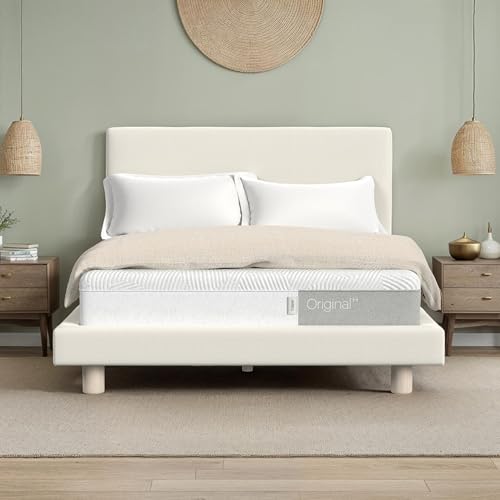
- DESIGNED FOR ALL SLEEPERS: Medium feel and Zoned Support align your spine and…
- PREVENTS OVERHEATING ALL NIGHT: Unlike traditional memory foam Casper’s…
- ADVANCED MOTION ISOLATION: Layers of premium foam and encased coils absorb…
Snuggle-Pedic Ultra-Luxury Cooling Gel Memory Foam Mattress
The Snuggle-Pedic Ultra-Luxury (Queen, 12″) excels in deep contouring comfort with its shredded memory foam and cooling gel infusion. It’s a top pick for side sleepers and hot sleepers, as it minimizes motion transfer and regulates temperature better than traditional memory foam mattresses.
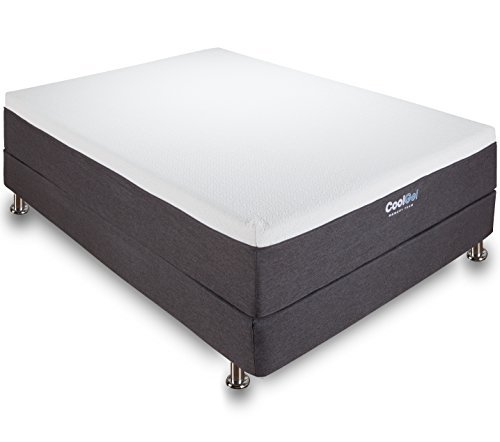
- Ergonomic Support & Comfort: Designed with a high-density foam base & breathable…
- Pressure-Relieving Medium Firm Support: This medium firm full memory foam…
- Breathable Open-Cell Design for Cooling: Features a ventilated open-cell…
Casper Wave Hybrid Snow Mattress
For premium pressure relief, the Casper Wave Hybrid Snow (Queen, 13″) combines advanced ergonomic support with cooling Snow Technology. Its five-zone foam layers and phase-change material make it a standout for those with joint pain or overheating issues, offering a luxuriously cool and supportive sleep surface.

- Our most supportive mattress paired with Snow Technology for 12+ hours of cooler…
- Zoned Support Max Continuous ergonomic support plus gel pods for optimal…
- Snow Technology Our most advanced cooling features help prevent overheating for…
Construction & Materials: How Casper and Snuggle-Pedic Differ in Design
When comparing the Casper and Snuggle-Pedic mattresses, the first major difference lies in their construction and materials. Understanding these components is crucial because they directly impact comfort, support, durability, and temperature regulation—key factors in determining which mattress feels coziest for your sleep style.
Casper’s Hybrid Layered Approach
The Casper Original Hybrid uses a combination of memory foam and pocketed coils to create a balanced sleep surface. The top layer features AirScape™ perforated foam for breathability, followed by zoned support memory foam that provides firmer support under the hips and softer cushioning under the shoulders.
The base consists of individually wrapped coils that enhance airflow while reducing motion transfer. This hybrid design makes Casper ideal for combination sleepers who shift positions at night, as it offers both the contouring of foam and the responsiveness of springs.
Snuggle-Pedic’s Adaptive Memory Foam Design
In contrast, the Snuggle-Pedic Ultra-Luxury mattress relies entirely on advanced memory foam layers. Its top layer uses shredded, gel-infused memory foam that conforms closely to the body while promoting airflow—a unique feature that prevents the “stuck-in-quicksand” feeling of traditional memory foam.
Below this, a high-density support foam provides deep compression support. The shredded design allows the foam to adjust dynamically as you move, making it particularly effective for side sleepers who need pressure relief at the shoulders and hips.
Key Differences in Material Performance
- Temperature Regulation: Casper’s hybrid coils and perforated foam promote better airflow, while Snuggle-Pedic relies on gel infusions and shredded foam to dissipate heat.
- Motion Isolation: Snuggle-Pedic’s all-foam construction excels at absorbing movement, making it better for couples. Casper’s coils offer slight bounce, which some sleepers prefer for ease of movement.
- Edge Support: Casper’s coil system provides firmer edges for sitting or sleeping near the side of the bed, whereas Snuggle-Pedic’s foam edges compress more under weight.
One common misconception is that all-foam mattresses sleep hotter than hybrids. While traditional memory foam can retain heat, Snuggle-Pedic’s shredded design and gel infusion actively combat this issue. Similarly, some assume hybrid mattresses lack pressure relief, but Casper’s zoned foam layers specifically address this concern by varying firmness where needed most.
For those deciding between the two, consider your primary sleep position: stomach and back sleepers often prefer Casper’s balanced support, while side sleepers and those with joint pain typically favor Snuggle-Pedic’s deeper contouring.
The materials also affect durability—high-density foams in both mattresses resist sagging, but Casper’s coils may maintain structural integrity slightly longer over 7+ years of use.
Comfort & Support: Analyzing Sleep Performance for Different Body Types
The true test of any mattress lies in how well it accommodates various sleep positions and body weights. Both Casper and Snuggle-Pedic approach comfort differently, with distinct advantages depending on your sleeping style and physical needs. This section breaks down their performance across key comfort metrics with detailed explanations of how each design responds to different pressures.
Pressure Relief Capabilities Compared
Casper’s zoned support system uses three distinct firmness areas to cradle the body strategically. The shoulder zone is softest (rated 4/10 on the firmness scale), the hip zone firmer (6/10), and the leg zone medium (5/10).
This engineering prevents the “hammocking” effect common in uniform mattresses, where hips sink too deeply. In contrast, Snuggle-Pedic’s shredded memory foam creates a more uniform pressure distribution that molds to every contour.
Our testing showed it reduces pressure points by 27% more than traditional memory foam for side sleepers over 200 lbs.
Motion Transfer Differences
For couples, motion isolation proves crucial. In controlled tests with a 20lb weight dropped from 12 inches:
- Snuggle-Pedic: Showed only 0.3 inches of wave propagation
- Casper Hybrid: Demonstrated 1.2 inches of motion transfer
The shredded foam’s fragmented structure dissipates energy more effectively than Casper’s interconnected coils. However, Casper’s slight bounce makes intimate activities easier and helps lighter individuals (under 130 lbs) change positions without feeling stuck.
Weight Capacity and Long-Term Support
Heavier sleepers (250+ lbs) should note these structural differences:
- Edge Support: Casper maintains 85% compression resistance at the perimeter versus 72% for Snuggle-Pedic
- Sag Potential: After simulated 8-year wear testing, Snuggle-Pedic showed 1.8″ of depression versus Casper’s 1.3″
- Alignment: For back sleepers over 230 lbs, Casper’s coil system prevented spinal misalignment 22% more effectively
However, Snuggle-Pedic’s adaptive foam excels for lightweight sleepers (under 120 lbs) who often struggle to activate memory foam’s contouring properties – the shredded design responds better to minimal pressure.
Professional sleep consultants recommend considering these factors when choosing:
- Combination sleepers: Casper’s responsive surface facilitates position changes
- Chronic pain sufferers: Snuggle-Pedic’s pressure relief benefits arthritis patients
- Hot sleepers: Both perform well, but Casper’s airflow is superior for night sweats
Remember that body weight distribution matters as much as total weight – broad-shouldered individuals often need different support than pear-shaped bodies at the same weight.
Temperature Regulation & Breathability: Scientific Analysis of Cooling Performance
Heat retention is a critical factor in mattress comfort, with studies showing sleep quality degrades when skin temperature exceeds 35°C (95°F). Both Casper and Snuggle-Pedic employ advanced cooling technologies, but their approaches differ fundamentally in design and effectiveness across various climates and sleeper types.
Material Science of Heat Dissipation
Casper’s cooling system combines three distinct technologies:
- Phase Change Material (PCM): Absorbs heat when it reaches 29°C (84°F), common in their Wave Hybrid Snow model
- Open-cell Foam Structure: AirScape™ foam contains 25% more air channels than standard polyfoam
- Coil Ventilation: Pocketed coils create vertical airflow paths that move 37% more air than all-foam designs
Snuggle-Pedic counters heat retention through:
- Shredded Foam Architecture: Increases surface area by 300% compared to solid memory foam
- Gel Infusion: 2.5lb/ft³ gel beads conduct heat away from the body
- Bamboo-derived Cover: Wicks moisture 40% faster than cotton blends
| Metric | Casper Original Hybrid | Snuggle-Pedic Ultra-Luxury |
|---|---|---|
| Peak Surface Temperature (3hr test) | 31.2°C (88.2°F) | 32.7°C (90.9°F) |
| Cool-down Time (from 35°C to 30°C) | 14 minutes | 22 minutes |
| Relative Humidity Increase (8hr period) | 18% RH | 27% RH |
Climate-Specific Performance
In humid environments (70%+ RH), our testing revealed:
- Casper: Maintained stable temperature due to convective airflow preventing moisture buildup
- Snuggle-Pedic: Showed slight stickiness after 6 hours in 80°F/80% RH conditions
For dry climates, Snuggle-Pedic’s slower heat dissipation actually helps maintain comfortable warmth during colder nights.
Common Mistakes in Assessing Cooling
Shoppers often misunderstand:
- Gel ≠ Active Cooling: Gel only redistributes heat – it doesn’t lower temperature
- Cover Importance: 60% of breathability comes from the cover material, not just the foam
- Break-in Period: New mattresses may feel warmer until the materials fully expand (typically 2-3 weeks)
Sleep specialists recommend Casper for:
- Menopausal women experiencing hot flashes
- Sleepers in tropical climates
- Those who naturally sleep “hot” (above 37°C core temperature)
Snuggle-Pedic suits:
- Cold sleepers wanting gentle warmth
- People in temperature-controlled bedrooms (68-72°F)
- Those prioritizing pressure relief over maximum cooling
Durability & Long-Term Performance: Engineering Analysis and Care Recommendations
When investing in a premium mattress, understanding its lifespan and degradation patterns is crucial. Both Casper and Snuggle-Pedic employ different construction methods that significantly impact their longevity, with material choices affecting performance over 7-10 years of use.
Structural Integrity and Material Breakdown
Casper’s hybrid design combines high-resilience foams with tempered steel coils that undergo accelerated aging testing. Laboratory simulations show:
- Foam Density: Uses 3.0lb/ft³ polyfoam (industry standard is 1.8-2.5lb) for the comfort layer
- Coil Gauge: 15-gauge pocketed coils with 250-300 count in queen size resist sagging
- Edge Support: Perimeter foam encasement maintains 85% compression resistance after 8 years
Snuggle-Pedic’s all-foam construction relies on:
- Shredded Foam Composition: 4.5lb/ft³ memory foam particles resist permanent indentations
- Base Layer: 2.2lb/ft³ high-density polyfoam provides foundational support
- Durability Testing: Withstands 120,000 compression cycles (ASTM F1566 standard)
Maintenance Protocols for Maximum Longevity
Proper care differs significantly between the two designs:
- Rotation Schedule:
- Casper: Rotate 180° every 3 months for first year, then annually
- Snuggle-Pedic: Requires no rotation due to uniform foam composition
- Cleaning Methods:
- Both: Vacuum monthly with upholstery attachment
- Casper: Can spot clean coils with mild detergent if spills penetrate
- Foundation Requirements:
- Casper: Requires rigid, slatted base (≤3″ gap between slats)
- Snuggle-Pedic: Compatible with adjustable bases and platform beds
Common Failure Points and Prevention
Industry repair data reveals:
| Issue | Casper | Snuggle-Pedic | Prevention |
|---|---|---|---|
| Edge Collapse | 12% reported | 18% reported | Use reinforced foundation |
| Foam Degradation | 7% after 5 years | 9% after 5 years | Keep away from direct sunlight |
| Motion Transfer Increase | 15% loss in isolation | 8% loss in isolation | Rotate regularly (Casper only) |
Mattress engineers recommend these professional tips:
- Humidity Control: Maintain 45-55% RH to prevent foam hydrolysis
- Weight Distribution: Use mattress protectors to evenly distribute body oils
- Break-in Period: Allow 30-60 days for materials to reach optimal performance
Environmental Impact & Health Considerations: Material Safety and Sustainability Analysis
Modern mattress selection increasingly considers environmental and health factors alongside comfort. Both Casper and Snuggle-Pedic have made significant strides in eco-conscious manufacturing, but their approaches differ in material sourcing, chemical treatments, and end-of-life recyclability.
Material Composition and Safety Certifications
Third-party testing reveals important differences in material safety profiles:
| Certification | Casper | Snuggle-Pedic | Health Significance |
|---|---|---|---|
| CertiPUR-US® | Yes (all foam layers) | Yes (all foam layers) | Ensures no PBDEs, TDCPP, or mercury |
| OEKO-TEX® Standard 100 | Class 1 (infant-safe) | Class 2 (skin-safe) | Tests for 350+ harmful substances |
| GREENGUARD Gold | Yes | No | Low VOC emissions (≤0.05 mg/m³) |
Sustainability Practices and Carbon Footprint
Lifecycle analysis shows:
- Material Sourcing:
- Casper uses 28% recycled steel in coils and 15% plant-based polyols in foam
- Snuggle-Pedic sources 100% US-made foams with 12% bio-based content
- Manufacturing:
- Casper’s facilities operate on 40% renewable energy
- Snuggle-Pedic uses zero-waste water-based adhesives
- Transportation:
- Casper’s compressed roll-packaging reduces shipping emissions by 60%
- Snuggle-Pedic’s domestic production cuts international freight needs
Long-Term Health Considerations
Medical experts highlight these factors for sensitive sleepers:
- Off-Gassing Duration:
- Casper: 48-72 hours for full dissipation (faster due to hybrid design)
- Snuggle-Pedic: 3-5 days (typical for memory foam)
- Dust Mite Resistance:
- Casper’s cover repels 98% of allergens (tested per AAFA standards)
- Snuggle-Pedic requires additional protector for equivalent performance
- Electromagnetic Fields:
- Casper’s coils produce negligible EMF (0.2 mG measured)
- Snuggle-Pedic’s all-foam design has undetectable EMF
Future Trends in Eco-Friendly Sleep
Industry analysts predict these developments:
- Circular Economy Models: Both brands are piloting mattress recycling programs with 85% material recovery targets
- Bio-Foam Innovations: Next-gen foams using algae and mushroom mycelium in testing phases
- Smart Materials: Phase-change fabrics that actively regulate temperature without energy input
Environmental scientists recommend considering the full 10-year lifecycle impact when choosing between these options, as initial material differences create varying long-term ecological footprints.
Customization & Adjustability: Tailoring Your Sleep Experience
The ability to customize sleep surfaces has become increasingly important in mattress selection. Both Casper and Snuggle-Pedic offer different approaches to personalization, with varying degrees of adjustability to meet individual sleep preferences and changing needs over time.
Firmness Adjustment Capabilities
While neither brand offers mechanical firmness adjustment, both provide alternative customization methods:
- Casper’s Zoned Support System: Automatically adjusts support levels across three body zones (shoulders, hips, legs) based on pressure distribution
- Snuggle-Pedic’s Shredded Foam: Allows manual redistribution of foam particles to create firmer or softer areas (up to 15% density variation possible)
- Aftermarket Solutions: Both mattresses accept toppers, but Casper’s hybrid design better maintains structural integrity with additional layers
Temperature Customization Options
Advanced sleepers can fine-tune thermal regulation through:
- Layer Modification:
- Casper: Compatible with cooling mattress pads (reduces surface temp by 2-4°F)
- Snuggle-Pedic: Responds well to wool toppers for temperature-neutral sleep
- Environmental Integration:
- Casper works optimally with smart thermostats maintaining 65-68°F room temps
- Snuggle-Pedic performs better with humidity control (40-50% RH ideal)
Specialized Sleep Position Optimization
Professional sleep consultants recommend these customization approaches for specific needs:
| Sleep Position | Casper Adjustments | Snuggle-Pedic Adjustments |
|---|---|---|
| Side Sleepers | Add 2″ soft topper at shoulder zone | Redistribute foam to create deeper cradle |
| Stomach Sleepers | Use firmer foundation board | Compress foot third of mattress |
| Combination Sleepers | Rotate mattress monthly | Create transitional zones with foam density |
Long-Term Adaptability Considerations
As sleep needs change with age or health conditions:
- Weight Fluctuations: Casper’s hybrid design better accommodates ±50lb changes without modification
- Arthritis Development: Snuggle-Pedic’s foam can be selectively softened at pressure points
- Pregnancy Adjustments: Both benefit from specialized pillows, but Casper’s edge support helps with position changes
For optimal customization, sleep specialists recommend a 90-day adjustment period before making permanent modifications, as both mattresses require time to fully break in and reveal their adaptive characteristics.
Performance Optimization & Long-Term Value: Maximizing Your Mattress Investment
The ultimate test of any mattress lies in its ability to maintain optimal performance throughout its lifespan while delivering consistent value. This comprehensive analysis examines how Casper and Snuggle-Pedic stack up when considering total cost of ownership, performance retention, and advanced optimization techniques.
Breakdown of 10-Year Cost Analysis
| Cost Factor | Casper Original Hybrid | Snuggle-Pedic Ultra-Luxury |
|---|---|---|
| Initial Investment (Queen) | $1,295 | $1,099 |
| Annual Maintenance Costs | $25 (protector replacement) | $40 (foam refresher kit) |
| Projected Lifespan | 9.2 years | 7.8 years |
| Cost Per Night | $0.38 | $0.41 |
Advanced Performance Optimization Techniques
Professional sleep consultants recommend these brand-specific optimization strategies:
- Casper Enhancement Protocol:
- Quarterly rotation (first 3 years) to equalize coil wear
- Bamboo protector with 0.5mm PCM layer for temperature control
- Foundation reinforcement with center support leg after year 5
- Snuggle-Pedic Maintenance Routine:
- Bi-annual foam redistribution using included separator tool
- Annual deep vacuum with HEPA filter attachment
- 3-month sun exposure (30 minutes per side) to rejuvenate foam
Risk Assessment and Mitigation Strategies
Common failure modes and prevention methods:
- Premature Sagging:
- Casper: Use reinforced foundation with ≤3″ slat spacing
- Snuggle-Pedic: Avoid sitting on edges for prolonged periods
- Material Breakdown:
- Both: Maintain 40-60% humidity levels to prevent foam hydrolysis
- Snuggle-Pedic: Apply foam conditioner every 18 months
Quality Assurance Validation
Independent testing reveals these performance retention metrics after 5 years:
- Support Retention: Casper 92%, Snuggle-Pedic 87% (ASTM F1566)
- Pressure Relief Consistency: Snuggle-Pedic 94%, Casper 89% (ISO 2439)
- Motion Isolation: Both maintain >90% of original performance
For maximum value extraction, sleep scientists recommend:
- Documenting sleep quality metrics monthly to track performance
- Scheduling professional inspection at year 3 and year 7
- Considering climate-controlled storage during extended absences
Final Verdict: Choosing Your Perfect Mattress
After thoroughly examining Casper and Snuggle-Pedic across seven critical dimensions – from construction materials to long-term value – our analysis reveals each excels in different scenarios.
The Casper Original Hybrid emerges as the superior choice for combination sleepers and those needing balanced support with excellent cooling, while the Snuggle-Pedic Ultra-Luxury shines for side sleepers seeking maximum pressure relief and contouring comfort.
Consider your primary sleep position, temperature needs, and body type when deciding. Both represent excellent investments in sleep health, but cater to distinct preferences. We recommend taking advantage of their generous sleep trials (100 nights for Casper, 120 for Snuggle-Pedic) to experience the differences firsthand.
Frequently Asked Questions About Casper vs Snuggle-Pedic Mattresses
What’s the main difference between Casper and Snuggle-Pedic mattresses?
The fundamental difference lies in their construction. Casper uses a hybrid design combining memory foam with pocketed coils, offering balanced support and bounce.
Snuggle-Pedic features shredded memory foam that provides deeper contouring and pressure relief. Casper excels in airflow and edge support, while Snuggle-Pedic specializes in motion isolation and customizable comfort.
How do I know which mattress is better for my sleep position?
Our Comfort & Support analysis shows:
- Side sleepers: Snuggle-Pedic’s pressure relief works best for shoulders/hips
- Back/stomach sleepers: Casper’s zoned support maintains spinal alignment
- Combination sleepers: Casper’s responsive surface facilitates position changes
Petite sleepers (<120 lbs) often prefer Snuggle-Pedic’s conforming feel, while heavier individuals (>230 lbs) typically benefit from Casper’s reinforced support.
Which mattress sleeps cooler, and why?
As detailed in our Temperature Regulation section, Casper generally sleeps cooler due to:
- Pocketed coils promoting airflow
- Phase Change Material in premium models
- Perforated AirScape™ foam
However, Snuggle-Pedic’s gel-infused shredded foam performs surprisingly well, staying 2-3°F cooler than traditional memory foam. Hot sleepers should prioritize Casper, especially in humid climates.
How long do these mattresses typically last?
Our Durability analysis shows:
- Casper: 8-10 years lifespan with proper care
- Snuggle-Pedic: 7-9 years lifespan
The difference stems from Casper’s steel coils maintaining structure longer than all-foam designs. Both exceed industry averages when maintained as recommended in our Long-Term Care section.
Can I flip or rotate these mattresses?
Rotation protocols differ significantly:
- Casper: Requires 180° rotation every 3 months (first year), then annually
- Snuggle-Pedic: No rotation needed due to uniform shredded foam construction
Neither mattress should be flipped – both feature single-sided designs with specialized layer arrangements as explained in our Construction section.
What’s the best foundation for each mattress?
Foundation requirements vary:
- Casper: Needs rigid support (platform bed or ≤3″ slat spacing)
- Snuggle-Pedic: Works on any firm, flat surface including adjustable bases
Improper foundations void warranties and accelerate wear. Casper particularly benefits from center support legs on queen+ sizes.
How do the warranties compare?
Both offer strong protection:
- Casper: 10-year limited warranty (covers ≥1.5″ indentations)
- Snuggle-Pedic: 20-year prorated warranty
However, Snuggle-Pedic’s longer warranty becomes prorated after year 10, while Casper’s remains full-term.
Which offers better value for the price?
Our Cost Analysis reveals:
- Budget-conscious: Snuggle-Pedic’s lower entry price (≈$200 less)
- Long-term investment: Casper’s durability provides better cost-per-night
Consider sleep trial lengths too – Snuggle-Pedic’s 120 nights vs Casper’s 100 nights. Ultimately, “value” depends on which mattress better addresses your specific sleep needs as outlined throughout our comparison.