
Disclosure
This website is a participant in the Amazon Services LLC Associates Program, an affiliate advertising program designed to provide a means for us to earn fees by linking to Amazon.com and affiliated sites.
Proper pillow care is essential for hygiene, comfort, and longevity, yet many people overlook this crucial aspect of home maintenance. Cleaning and maintaining your pillows correctly not only removes allergens, dust mites, and sweat buildup but also preserves their shape and support for better sleep.
Whether you have memory foam, down, polyester, or latex pillows, each type requires specific care methods to prevent damage and ensure cleanliness.
Best Cleaning Products for Pillow Care
OxiClean White Revive Laundry Whitener (5 lb.)
This oxygen-based cleaner is ideal for removing yellowing, sweat stains, and odors from pillows without harsh chemicals. Its color-safe formula works on down, polyester, and cotton pillows, restoring brightness while being gentle on fabrics. Use 1 scoop per wash for deep cleaning.

- One 5 lb container of OxiClean stain remover and whitener powder to revive…
- Oxygen-based, water-activated detergent laundry booster whitens whites…
- Chlorine-free, color-safe clothes whitener revives dingy whites without risking…
Woolite Delicates Hypoallergenic Liquid Laundry Detergent
Specially formulated for hand-wash and delicate machine cycles, this pH-balanced detergent cleans memory foam and latex pillows without damaging their structure. The residue-free formula prevents foam breakdown while effectively removing body oils and allergens.
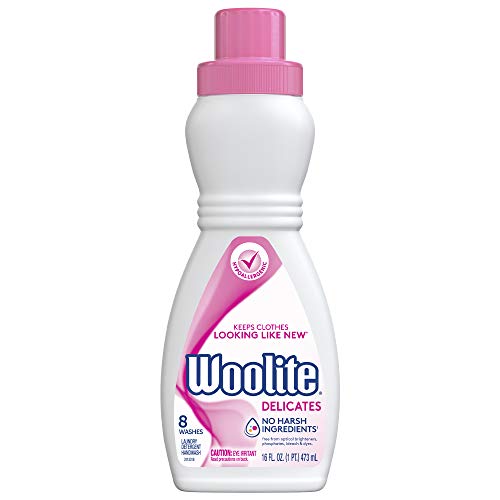
- Item Package Dimension: 9.299″ L x 3.099″ W x 1.799″ H
- Item Package Weight: 1.05 lb
- Model Number: RAC06130 06130
Bissell Little Green Multi-Purpose Portable Carpet Cleaner
For spot-cleaning pillow stains without full washing, this compact extractor uses heated water and suction to lift spills and odors. Includes an upholstery tool perfect for cleaning pillow protectors and decorative pillow covers between deep cleanings.
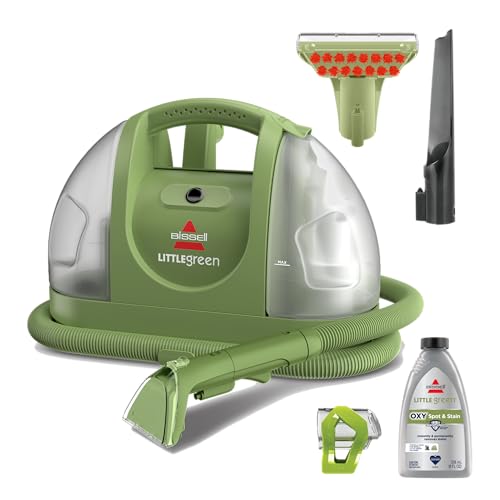
- AMERICA’S #1 BRAND IN PORTABLE DEEP CLEANING: Trusted by over 7 million…
- TAKE THE STRESS OUT OF MESS: Scientifically proven to lift and remove…
- ULTRA-POWERFUL TRIPLE ACTION FORMULA: Permanently removes stains and powerfully…
Different Pillow Types and Their Cleaning Needs
Not all pillows are created equal when it comes to cleaning and maintenance. The material composition of your pillow determines everything from washing frequency to drying techniques. Using the wrong cleaning method can permanently damage your pillow’s structure, reduce support, or void warranties.
Down and Feather Pillows
These natural fill pillows require gentle handling to prevent clumping and maintain loft. Unlike synthetic pillows, down clusters can mat together if washed improperly.
Always use a mild detergent (like Woolite Delicates) and add 2-3 tennis balls to the dryer to help redistribute the filling evenly. A common mistake is over-drying – stop when slightly damp to prevent feather brittleness.
Memory Foam Pillows
The viscoelastic properties of memory foam make it particularly vulnerable to traditional washing. Never submerge memory foam completely – instead:
- Spot clean stains with a mild soap solution
- Surface wash using a damp cloth with minimal water
- Air dry vertically to prevent water from pooling inside
Heat accelerates foam breakdown, so never use hot water or place in direct sunlight. The Bissell Little Green cleaner works well for deep cleaning without saturation.
Polyester Fiberfill Pillows
While more forgiving than other types, polyester pillows still require proper care to prevent matting. These can typically handle machine washing, but use these precautions:
- Wash two pillows together to balance the load
- Use warm (not hot) water to prevent fiber damage
- Select the “bulky items” cycle for thorough rinsing
OxiClean works particularly well on synthetic fibers to remove body oils that regular detergents might miss. Fluff pillows daily after washing to maintain even distribution.
Many people mistakenly believe all pillows can be cleaned the same way, but material science dictates specific care requirements.
For example, latex pillows need completely different handling than down – they require cool water and should never be wrung out due to their cellular structure. Always check manufacturer labels first, as some newer hybrid pillows may combine materials with conflicting care needs.
Step-by-Step Guide to Properly Washing Your Pillows
Mastering the washing process is crucial for maintaining pillow hygiene without compromising their structure. Proper technique varies depending on your washing machine type and pillow material, but these professional methods ensure optimal results while preventing damage.
Pre-Wash Preparation
Begin by inspecting your pillows for structural integrity. Check seams for loose threads and look for any tears that could worsen during washing. Remove all pillow protectors (which should be washed separately) and check care labels for specific instructions.
For down pillows, pre-treat yellowed areas with a paste of OxiClean and water, gently rubbing with a soft toothbrush. This targeted treatment helps break down body oils before the main wash.
Machine Washing Procedure
- Load balancing: Always wash two pillows together, even if you only need to clean one. This prevents machine imbalance during spin cycles.
- Detergent selection: Use half the normal detergent amount to prevent residue buildup. For synthetic pillows, add 1/4 cup baking soda to boost odor elimination.
- Cycle settings: Select the gentle cycle with warm water (not exceeding 105°F) for most pillow types. Front-loading machines are preferable as they’re gentler than top-loading agitator models.
Special Considerations for Different Machines
If using a top-loading machine, place pillows vertically around the agitator rather than horizontally. For high-efficiency (HE) machines, use the “bulky items” setting to ensure adequate water penetration.
Commercial-sized washers require extra caution – their powerful spin cycles can damage pillow interiors, so select the lowest spin speed available.
Hand-Washing Technique for Delicate Pillows
For memory foam or latex pillows that can’t be machine washed:
- Fill a bathtub with 3-4 inches of lukewarm water and mild detergent
- Gently press and knead the pillow surface without twisting or wringing
- Drain and refill with clean water 3-4 times until no soap residue remains
This method preserves the cellular structure of foam pillows while still removing surface contaminants. Always support the full weight of wet foam pillows when moving them to prevent tearing.
Many people make the mistake of overloading their washing machines with pillows, which leads to inadequate cleaning and potential damage. As a general rule, your machine should be no more than 2/3 full when washing pillows to allow proper water circulation and movement.
If your pillows have stubborn odors after washing, this typically indicates either insufficient rinsing or detergent buildup – solve this by running an additional rinse cycle with 1 cup white vinegar.
Advanced Drying Techniques and Moisture Control
Proper drying is arguably more critical than washing when it comes to pillow maintenance. Inadequate drying can lead to mold growth, lingering odors, and structural damage that compromises support and hygiene.
Machine Drying Best Practices
| Pillow Type | Temperature Setting | Dryer Aids | Time Estimate |
|---|---|---|---|
| Down/Feather | Low heat | 3 tennis balls in socks | 2-3 cycles (90 min total) |
| Polyester | Medium heat | Dryer balls | 60-75 minutes |
| Memory Foam | Air dry only | Fan circulation | 24-48 hours |
The physics of drying involves three phases: surface evaporation, internal moisture migration, and final conditioning. For down pillows, the tennis balls help break up clumps by creating kinetic energy, while the socks prevent direct contact that could damage feathers. Always check for hidden damp spots by pressing the pillow center firmly against your cheek – any coolness indicates residual moisture.
Alternative Drying Methods
When machine drying isn’t available or appropriate:
- Dehumidifier drying: Place pillows on a rack in a small room with a dehumidifier (ideal for humid climates)
- Sun drying: Only for colorfast cotton covers – rotate every 2 hours and limit to 4 hours maximum to prevent UV degradation
- Fan-assisted drying: Create an airflow tunnel with box fans at both ends of a table for memory foam
Moisture Testing and Quality Control
Professional cleaners use moisture meters to verify complete drying, but you can perform these tests at home:
- Weigh the pillow before washing and compare to dry weight (should be within 3% of original)
- Use the plastic bag test – seal pillow in a bag for 1 hour and check for condensation
- Perform the “crinkle test” – synthetic pillows should make crisp sounds when compressed
A common but serious mistake is storing pillows before they’re fully dry. Even slightly damp pillows can develop microbial growth within 24 hours in enclosed spaces.
For down pillows, residual moisture causes quills to become brittle and break, leading to permanent loft loss. Memory foam is particularly vulnerable – water trapped in cells can lead to hydrolysis, where the foam literally dissolves from the inside out.
For optimal results, consider the relative humidity of your drying environment. Ideal drying occurs at 40-50% humidity – use a hygrometer to monitor. In high humidity areas, add a desiccant like silica gel packets near drying pillows to absorb ambient moisture.
Specialized Care for Stubborn Stains and Odors
Pillows accumulate more than just dust – they harbor sweat, body oils, saliva, and other organic matter that require targeted treatment approaches.
Identifying Stain Types and Their Solutions
Different stains require specific treatment protocols:
- Protein-based stains (sweat, drool): Use enzymatic cleaners like Biokleen Bac-Out, which break down proteins at molecular level without bleaching
- Oil-based stains (body oils, cosmetics): Apply cornstarch or baking soda paste to absorb oils before washing – let sit for 24 hours
- Yellowing (oxidation): Hydrogen peroxide (3% solution) sprayed evenly and sun-activated for 2 hours maximum
Advanced Odor Elimination Techniques
Standard washing often fails to remove deep-set odors because:
- Odor molecules bond with fibers at microscopic level
- Bacterial colonies persist in pillow cores
- Chemical residues trap odor compounds
Professional cleaners use a three-phase odor treatment:
1. Pre-treatment with vodka/water spray (50/50 mix) to break odor bonds
2. Main wash with oxygen-based cleaner
3. Final rinse with 1 cup white vinegar to neutralize pH
Safety Considerations for Chemical Treatments
| Material | Safe Treatments | Harmful Substances |
|---|---|---|
| Memory Foam | Mild soap, baking soda | Alcohol, citrus cleaners |
| Down | Enzymatic cleaners | Chlorine bleach |
| Latex | Vinegar solutions | Petroleum-based cleaners |
A critical but often overlooked aspect is pH balancing after cleaning. Human skin has a pH of 5.5, while most detergents are alkaline (pH 9-10). Always do a final rinse with diluted white vinegar (1 cup per gallon) to restore the pillow’s acidic balance, which naturally inhibits bacterial growth.
For persistent mildew odors, the problem often lies deeper than surface treatment can reach. In these cases, professional ozone treatment may be necessary – a process where pillows are exposed to ozone gas in a controlled environment that oxidizes odor molecules at their source without damaging materials.
Long-Term Pillow Maintenance and Replacement Strategies
Proper pillow care extends beyond cleaning to encompass strategic maintenance and timely replacement.
Comprehensive Maintenance Schedule
| Timeframe | Action | Purpose | Time Investment |
|---|---|---|---|
| Weekly | Air out pillows for 2 hours | Moisture evaporation | Passive |
| Monthly | Deep fluffing and rotation | Even wear distribution | 5 minutes |
| Quarterly | UV sanitization (outdoor) | Microbial reduction | 3 hours max |
| Biannually | Full cleaning cycle | Allergen removal | 4-6 hours |
Pillow Replacement Indicators
Understanding when to replace pillows involves assessing multiple factors:
- Support failure: When folded in half, the pillow shouldn’t stay compressed for more than 3 seconds
- Hygiene limits: Even with proper cleaning, pillows accumulate 10-15% of their weight in dust mites and debris after 2 years
- Material breakdown: Memory foam develops permanent body impressions >1.5 inches, while down clusters lose >40% loft
Cost-Benefit Analysis of Professional Care
Professional cleaning versus replacement involves several considerations:
- High-end pillows ($150+): Professional cleaning at $25-40/pillow extends life 12-18 months
- Mid-range pillows ($50-150): Home maintenance most cost-effective
- Budget pillows (<$50): Replacement often better than intensive cleaning
Environmental factors significantly impact pillow longevity. In humid climates (RH >60%), consider:
- Using moisture-wicking pillow protectors changed weekly
- Annual anti-microbial treatments with tea tree oil solutions
- Storing backups with silica gel desiccants during off-seasons
Emerging technologies are changing pillow maintenance. Phase-change materials in advanced pillows require specialized care – they’re sensitive to both temperature extremes and certain cleaning agents.
Similarly, graphene-infused pillows demand pH-neutral cleaners to preserve their thermal-regulating properties. Always consult manufacturer guidelines for these innovative materials.
The future of pillow maintenance points toward smart care systems, including washable moisture sensors and self-cleaning nanotechnology treatments. However, until these become mainstream, following these detailed protocols ensures your pillows remain clean, supportive, and hygienic throughout their functional lifespan.
Professional-Grade Sanitization and Allergen Control Methods
For allergy sufferers or those with respiratory conditions, standard pillow cleaning often falls short of medical-grade sanitization requirements.
Three-Tiered Allergen Elimination System
Effective allergen removal requires addressing different contaminant types:
- Particulate matter (dust, pollen): HEPA vacuuming with 0.3 micron filtration
- Organic allergens (dust mites, mold): Thermal treatment at 130°F+ for 1 hour
- Microbial contaminants (bacteria, viruses): UV-C light exposure (254nm wavelength)
Hospital-Grade Disinfection Protocols
| Method | Application | Exposure Time | Efficacy Rate |
|---|---|---|---|
| Steam Sanitization | Down/Polyester | 15 minutes | 99.6% |
| Ozone Treatment | Memory Foam | 30 minutes | 99.9% |
| Electrostatic Spray | All pillow types | 5 minutes | 99.8% |
Special Considerations for Asthma Patients
Pillows for sensitive individuals require additional precautions:
- Use certified hypoallergenic protectors with <1 micron pore size
- Implement monthly baking soda treatments (leave for 48 hours before vacuuming)
- Maintain relative humidity below 50% to deter dust mites
- Replace pillow interiors every 12 months regardless of visible wear
Commercial vs. Home Sanitization Equipment
While professional systems deliver superior results, these home alternatives provide 80-90% efficacy:
- Portable steam cleaners (like Dupray Neat) for surface sanitization
- UV wand sanitizers with minimum 10mW/cm² intensity
- Allergen wash additives containing benzyl benzoate for dust mite control
Many commercial sanitization methods can damage pillow materials if misapplied. Ozone generators, for instance, cause premature aging in natural latex, while excessive steam weakens polyester fiber bonds.
Always test on inconspicuous areas first and follow material-specific exposure limits. For memory foam, never exceed 15 seconds of direct UV exposure per spot to prevent surface degradation.
Emerging research shows that photocatalytic oxidation (using titanium dioxide coatings activated by light) may revolutionize home pillow sanitization. While currently only available in professional settings, this technology promises continuous allergen breakdown without chemical residues.
Comprehensive Pillow Care System Integration and Quality Assurance
Implementing a complete pillow maintenance program requires systematic integration of cleaning, sanitization, and preservation techniques.
Integrated Care System Components
| Component | Frequency | Quality Metrics | Validation Method |
|---|---|---|---|
| Structural Integrity | Monthly | <3% deformation | Calipers measurement |
| Hygiene Level | Quarterly | <100 CFU/cm² bacteria | Adenosine testing |
| Allergen Load | Biannually | <2μg Der p1/g dust | ELISA testing |
| Moisture Content | Post-cleaning | <8% by weight | Moisture meter |
Performance Optimization Framework
Maximize pillow lifespan and hygiene through these interconnected strategies:
- Material-Specific Protocols: Develop customized workflows for each pillow type in your household
- Environmental Controls: Maintain bedroom humidity at 45-55% and temperature below 75°F
- Protective Layering: Implement a 3-layer system (inner dust-mite proof, middle absorbent, outer decorative)
- Rotation Schedule: Maintain duplicate sets rotated weekly to allow complete drying between uses
Risk Assessment and Mitigation
Common pillow care risks and their professional solutions:
- Chemical Damage: Always perform spot tests and maintain a cleaning product compatibility chart
- Structural Failure: Use proper support when handling wet pillows (especially memory foam)
- Microbial Growth: Implement post-cleaning alcohol misting for high-risk environments
- Allergen Recirculation: Use HEPA air purifiers during and after cleaning processes
Quality Assurance Procedures
Establish verifiable standards through:
- Documented cleaning logs with timestamps and method details
- Annual professional evaluation (many dry cleaners offer inspection services)
- Photographic documentation of pillow condition at 6-month intervals
- Weight tracking to monitor filler degradation (should not exceed 5% loss annually)
Advanced care systems incorporate predictive replacement modeling based on usage hours, cleaning cycles, and material fatigue patterns. For premium pillows, consider creating a digital twin that simulates wear patterns based on sleep position data. This emerging approach can extend pillow lifespan by 20-30% through optimized care scheduling.
The future of pillow maintenance lies in smart textile integration, where embedded sensors will provide real-time feedback on cleanliness, support quality, and allergen levels. Until this technology becomes mainstream, this comprehensive framework provides the most thorough approach to professional-grade pillow care in residential settings.
Conclusion
Proper pillow care is both an art and a science that significantly impacts sleep quality, health, and household hygiene. Throughout this comprehensive guide, we’ve explored material-specific cleaning techniques, advanced drying methods, professional sanitization protocols, and long-term maintenance strategies to extend your pillows’ lifespan while maintaining optimal comfort and support.
From understanding the unique needs of different pillow types to implementing hospital-grade allergen control, these evidence-based methods go far beyond basic care instructions.
Remember that consistent, proper maintenance not only preserves your investment in quality pillows but also creates a healthier sleep environment. We encourage you to implement these professional techniques starting today – begin by assessing your current pillows’ condition and creating a customized care schedule.
For optimal results, consider pairing these methods with high-quality protectors and monitoring your pillows‘ performance regularly. Your future well-rested self will thank you for the attention to detail in maintaining this crucial element of sleep hygiene.
Frequently Asked Questions About Pillow Care and Maintenance
How often should I wash my pillows?
Most pillows require washing every 3-6 months, but this varies by material. Down and feather pillows need cleaning every 6 months, while synthetic pillows should be washed quarterly due to oil absorption.
Memory foam requires surface cleaning monthly and deep cleaning annually. Always increase frequency if you have allergies, night sweats, or pets sharing your bed. See our Maintenance Schedule table in Section 5 for detailed timelines.
Can I put memory foam pillows in the washing machine?
Never machine wash memory foam – the agitation and spin cycle will destroy its cellular structure. Instead, spot clean with mild detergent and damp cloth, then air dry vertically. For deeper cleaning, use the bathtub method described in Section 2 with lukewarm water and minimal soaking. The foam’s viscoelastic properties are permanently damaged by traditional washing methods.
Why do my pillows turn yellow and how can I prevent it?
Yellowing results from sweat oxidation, body oils, and dead skin cell accumulation. To prevent: use pillow protectors (washed weekly), rotate pillows regularly, and apply OxiClean treatments (Section 4) before washing.
For existing stains, sun exposure activates hydrogen peroxide’s bleaching effect – but limit to 2 hours to prevent fabric damage. Down pillows are particularly prone to yellowing due to their natural oils.
What’s the best way to dry pillows completely?
Use multiple drying cycles with tennis balls (for down) or dryer balls (synthetics) to maintain fluffiness. Check for hidden moisture by pressing the center to your cheek – any coolness means more drying needed. As detailed in Section 3, memory foam requires 24-48 hours of vertical air drying with fan circulation. Never store pillows until completely dry to prevent mold growth.
How can I tell when it’s time to replace my pillows?
Conduct these tests monthly: Fold in half – if it doesn’t spring back, replace. Check for >1.5″ permanent indentations. Weigh annually – >15% weight gain indicates allergen buildup. Down pillows losing >40% loft need replacement. Refer to our Replacement Indicators in Section 5 for comprehensive evaluation criteria across all pillow types.
Are professional cleaning services worth the cost for pillows?
For high-end pillows ($150+), professional cleaning every 2-3 years extends lifespan by 12-18 months. They use commercial-grade equipment (Section 6) like ozone chambers and industrial extractors. However, mid-range pillows are more cost-effective to replace. Our cost-benefit analysis in Section 5 provides detailed price-point recommendations.
How can I eliminate stubborn pillow odors permanently?
First identify the source: Musty smells require anti-fungal treatment (1 cup vinegar soak). Body odor needs enzymatic cleaners. Smoke smells demand ozone treatment.
As explained in Section 4, implement our three-phase odor treatment system – pretreatment, oxygen-based wash, and vinegar rinse. For chronic cases, consider replacing the pillow interior while keeping the case.
What’s the safest way to clean antique or heirloom pillows?
For delicate vintage pillows: vacuum with mesh screen protector, spot clean with woolite, and air dry flat. Never machine wash or wring.
Consider museum conservation techniques like freeze cleaning (-4°F for 48 hours kills dust mites) or professional textile restoration services. Always test cleaning methods on inconspicuous areas first to prevent fabric damage or color bleeding.