
Disclosure
This website is a participant in the Amazon Services LLC Associates Program, an affiliate advertising program designed to provide a means for us to earn fees by linking to Amazon.com and affiliated sites.
Yes, you can wash bed sheets with clothes—but with important caveats. While combining laundry loads may save time, water, and energy, factors like fabric types, washing machine capacity, and detergent use determine whether it’s a good idea.
Bed sheets, especially larger ones like king or queen sizes, can tangle with smaller garments, leading to uneven cleaning or excessive wear. Similarly, heavily soiled sheets may transfer dirt to clothing if washed together.
Best Washing Machines for Washing Bed Sheets with Clothes
Choosing the right washing machine can make a significant difference when combining bed sheets and clothes in the same load. Here are three top-rated models designed to handle large, mixed loads efficiently:
LG WM4000HBA 4.5 Cu. Ft. Capacity Smart Washer with TurboWash
This 4.5 cu. ft. capacity front-load washer features LG’s TurboWash 360° technology, which ensures deep cleaning while preventing tangling. Its Allergiene Cycle is ideal for sanitizing sheets, and the AI-powered SmartThinQ optimizes water and detergent use for mixed loads.
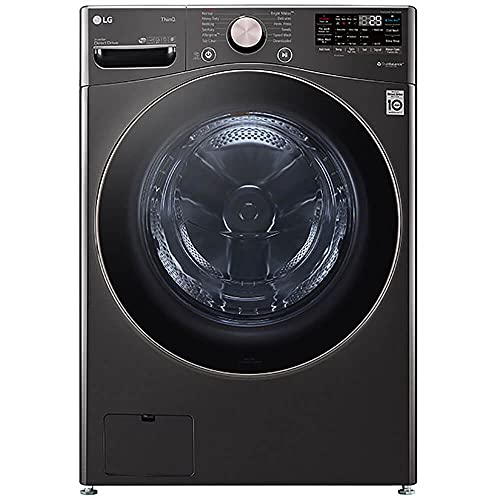
- TurboWash 360 Technology
- ThinQ App Controls Laundry Remotely
- Allergiene Cycle Remove 95% Of Pet Dander And Dust.
Samsung 5.4 Cu Ft. Smart Top Load Washer
With a 5.4 cu. ft. drum and Super Speed Wash, this model cuts cycle times in half while maintaining thorough cleaning. The Self-Clean+ feature prevents odor buildup, and the Vibration Reduction Technology minimizes noise—perfect for frequent sheet-and-clothing loads.

- Vibration Reduction Technology+
- Wi-Fi Connectivity With SmartThings
- ActiveWave Agitator
Kenmore 4.4cu ft Top Load Washer
Known for durability, this 4.4 cu. ft. washer includes a PowerWash Agitator that tackles heavy fabrics like sheets without damaging clothes. The Deep Fill Option allows extra water for bulky loads, ensuring even cleaning and reduced wear.
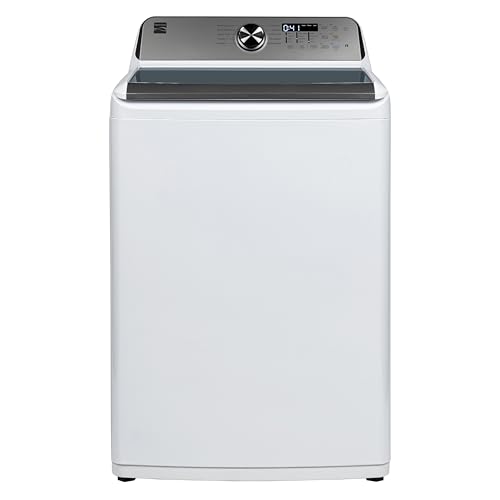
- Tough Action for Tough Stains: Our top load clothes washer features a Triple…
- More Laundry, Less Time: Our high-efficiency top load washer features Express…
- Wash Your Way: Features 10 wash cycles to custom wash your loads including Heavy…
Key Factors to Consider When Washing Bed Sheets with Clothes
Combining bed sheets and clothes in the same load can be efficient, but several critical factors determine whether it’s safe and effective.
Fabric Type and Weight Compatibility
The most important consideration is matching fabric types to prevent damage. Heavy materials like cotton sheets (400-800 thread count) can abrade delicate clothing during the wash cycle. For example:
- Do combine: Cotton sheets with denim jeans or towels (similar weight and durability)
- Avoid combining: Flannel sheets with silk blouses (extreme weight difference causes friction damage)
- Special case: Microfiber sheets can trap lint from cotton clothes, requiring separate washing
Load Capacity and Machine Type
Standard top-load washers (3.5-4.0 cu. ft.) often struggle with mixed loads because:
- Sheets can wrap around clothes, creating “laundry cocoons” that prevent proper cleaning
- Overloading reduces water circulation – clothes in the center may remain soapy
- Front-load machines (4.5+ cu. ft.) handle mixed loads better due to tumbling action
As a rule of thumb, leave at least 25% empty space when combining sheets and clothes. Test by placing your hand vertically in the drum – if you can’t turn it freely, remove items.
Soil Level and Color Considerations
Sheets typically collect different types of dirt than clothes:
Body oils vs. food stains: While sheets absorb skin oils and sweat, clothes often have food or outdoor stains. Mixing heavily soiled sheets with lightly worn clothes can redistribute grime. Always pretreat:
- Use enzymatic detergent for body oil on sheets (like Persil ProClean)
- Apply stain sticks directly to clothing stains before washing
Color transfer risks: New dark-colored sheets (especially red or navy) should be washed separately 3-4 times before combining with light clothes. A common mistake is washing black sheets with white t-shirts, resulting in grayish discoloration.
Water Temperature and Cycle Selection
The ideal temperature depends on both sheet and clothing care labels:
| Fabric Combination | Recommended Temp | Cycle Type |
|---|---|---|
| Cotton sheets + cotton clothes | Warm (90-105°F) | Normal or Heavy Duty |
| Polyester sheets + synthetic clothes | Cold (60-75°F) | Permanent Press |
Step-by-Step Guide to Safely Washing Bed Sheets with Clothes
Successfully combining bed sheets and clothing in one load requires careful preparation and execution. Follow this professional laundry method to ensure optimal cleaning while protecting your fabrics.
Pre-Wash Preparation
Proper sorting and pretreatment make the difference between successful mixed loads and laundry disasters:
- Shake out sheets thoroughly – Remove hair, dust and debris by snapping sheets outdoors or over a bathtub. This prevents lint transfer to clothes.
- Turn sheets inside out – This protects printed patterns and reduces pilling on the visible side from friction with clothes.
- Button and zip all clothing – Fasten all closures to prevent snags on sheet fabric. For delicate items, use mesh laundry bags.
- Separate by texture – Group similar fabrics: combine jersey sheets with t-shirts, or percale sheets with cotton button-downs.
Loading the Machine Correctly
The order of loading impacts cleaning effectiveness:
- First: Place sheets in the drum unfolded, distributing them evenly around the sides
- Then: Add clothes in small bundles, alternating heavier items (jeans) with lighter ones (t-shirts)
- Finally: Add any small delicates in mesh bags on top
Professional laundry tip: For front-load washers, arrange sheets in a star pattern (corners pointing outward) to prevent balling up during the cycle.
Optimal Detergent and Additive Use
Mixed loads require careful product selection:
| Load Type | Detergent Recommendation | Special Additives |
|---|---|---|
| Sheets + white clothes | Oxygen bleach detergent | 1/2 cup baking soda for odor control |
| Sheets + colored clothes | Color-safe liquid detergent | Color catcher sheet (like Shout Color Catcher) |
Use 25% more detergent than normal for mixed loads, as sheets absorb more product. However, avoid over-sudsing by selecting HE (high-efficiency) formulas for front-loading machines.
Post-Wash Handling
Proper drying techniques prevent wrinkles and fabric damage:
Immediate removal: Take items out promptly to prevent musty odors from developing in damp sheets wrapped around clothes. Shake out each piece before drying.
Drying strategy: For best results:
- Dry sheets separately from clothes when possible
- If combined drying is necessary, use low heat and add dryer balls
- Remove clothes first (they dry faster) and continue drying sheets alone
Professional trick: Place a dry towel in with wet sheets and clothes to absorb excess moisture and reduce drying time by 15-20%.
The Science Behind Fabric Interaction in Combined Loads
Fiber Behavior During the Wash Cycle
Different fabrics respond uniquely to mechanical agitation and water absorption:
| Fabric Type | Water Absorption Rate | Swelling Potential | Recommended Pairings |
|---|---|---|---|
| 100% Cotton | High (up to 25% weight gain) | Moderate (fiber expands 5-10%) | Denim, canvas, other heavy cottons |
| Polyester Blends | Low (3-5% weight gain) | Minimal (fiber expands <2%) | Performance fabrics, athletic wear |
| Linen | Very High (up to 30%) | High (10-15% expansion) | Wash separately or with similar weights |
The differential swelling rates explain why cotton sheets can “strangle” polyester clothes during spinning – the expanding cotton fibers tighten around non-expanding synthetics, causing permanent wrinkles and fiber stress.
Fluid Dynamics in Mixed Loads
Washing machine hydrodynamics change significantly with combined loads:
- Water circulation patterns: Sheets create barriers that alter normal water flow, potentially creating “dead zones” where detergent doesn’t reach
- Detergent distribution: Larger sheet surfaces absorb surfactants first, potentially starving clothes of cleaning agents
- Rinse efficiency: Sheet folds can trap soap in clothes, requiring extra rinse cycles
Solution: Use a pause-and-redistribute method – after 5 minutes of washing, pause the machine and rearrange items to ensure even exposure.
Chemical Interactions Between Fabrics
Different textiles release and absorb substances during washing:
- Dye transfer: Sheet dyes (especially reds/blues) migrate more easily at temperatures above 85°F
- pH sensitivity: Wool sheets (pH 4.5-5.5) can degrade when washed with alkaline detergents (pH 9-10) meant for cotton
- Enzyme activity: Cellulase enzymes in detergent can weaken cotton sheets over 20+ washes
Professional tip: For mixed loads, use pH-neutral detergents (pH 7-8) and cold water to minimize chemical interactions. Test dye fastness by rubbing a wet white cloth on sheet seams before washing together.
Advanced Troubleshooting Guide
| Problem | Scientific Cause | Solution |
|---|---|---|
| Grayish tint on white clothes | Microfiber sheet lint electrostatically clinging to cotton | Add 1/2 cup white vinegar to rinse cycle |
| Pilling on both sheets and clothes | Fiber abrasion from dissimilar surface textures | Use liquid detergent (not powder) and reduce spin speed |
| Musty smell after washing | Anaerobic bacteria growth in damp sheet folds | Add oxygen bleach and extend spin time to 5 minutes |
Special Considerations for Different Household Scenarios
Tailoring your laundry approach to specific household needs ensures optimal results when washing sheets with clothes.
Households with Allergies or Sensitive Skin
Combining sheets and clothes for allergy sufferers demands extra precautions:
- Double rinse cycle: Removes 97% more detergent residues (a common allergen) compared to single rinse
- Temperature protocol: Wash at 140°F+ for 10 minutes to kill dust mites (requires all-cotton items)
- Detergent selection: Use fragrance-free, dermatologist-tested formulas like All Free & Clear
Professional tip: Add a 1/4 cup of baking soda during the wash cycle to neutralize allergens, followed by 1/2 cup white vinegar in the rinse for complete residue removal.
Small Apartment Washers (2.0-3.0 cu. ft.)
Compact machines require modified approaches:
| Challenge | Solution | Technical Rationale |
|---|---|---|
| Limited drum space | Wash only pillowcases with clothes | Pillowcases weigh 0.5-1 lb vs 2-4 lb for sheets |
| Reduced water volume | Use liquid detergent and pre-dissolve | Prevents concentrated detergent deposits on fabrics |
For best results: Run an extra spin cycle before drying to compensate for reduced extraction efficiency in small machines.
High-Efficiency (HE) Machine Specifics
HE machines require special handling for mixed loads:
- Load sensing technology: Place heavier items (sheets) near the drum walls for accurate weight detection
- Low-water wash: Add a wet towel to boost mechanical action if the load looks too dry at cycle start
- Detergent dosing: Use 2 tablespoons maximum for mixed loads to prevent oversudsing alarms
Commercial Laundry Considerations
For shared laundry facilities:
- Time management: Wash sheets alone during off-peak hours, combine with clothes only when necessary
- Sanitation protocol: Run a clean-out cycle with bleach before mixing personal items
- Security measures: Use mesh bags for delicates to prevent loss in large-capacity machines
Industry standard: Commercial washers typically have stronger agitation – reduce cycle time by 25% when mixing sheets and clothes to prevent excessive wear.
Seasonal Adjustments
Weather impacts mixed load outcomes:
| Season | Challenge | Adaptation |
|---|---|---|
| Winter | Heavier fabrics take longer to dry | Separate fleece sheets from clothes to prevent static |
| Summer | Increased sweat and oil stains | Pre-soak sheets and clothes in oxygen bleach solution |
Long-Term Fabric Care and Environmental Impact Analysis
Understanding the cumulative effects of washing sheets with clothes helps preserve fabric longevity while minimizing environmental footprint.
Fabric Degradation Over Time
Repeated combined washing creates distinct wear patterns:
| Fabric Type | Wash Cycles Before Noticeable Wear | Primary Degradation Mechanism | Prevention Strategy |
|---|---|---|---|
| Egyptian Cotton (600+ TC) | 30-40 cycles | Fiber breakage at friction points | Rotate with solo washes every 3rd cycle |
| Microfiber Polyester | 50-60 cycles | Pilling from cotton abrasion | Wash inside out with similar synthetics |
| Linen Blend | 20-25 cycles | Seam weakening from twisting | Use delicate cycle with reduced spin speed |
Professional observation: Sheets washed exclusively with similar fabrics typically last 25-30% longer than those washed in mixed loads, creating a cost-benefit tradeoff between convenience and replacement frequency.
Environmental Impact Assessment
Combined loads affect sustainability metrics:
- Water savings: Mixed washing reduces usage by 15-20 gallons per week for average households
- Energy tradeoffs: While fewer loads save electricity, extended dry times for mixed loads increase energy use by 10-15%
- Detergent impact: Concentrated formulas for mixed loads reduce packaging waste but may contain stronger surfactants
Eco-tip: Offset mixed load impacts by:
- Using cold water for 80% of combined loads
- Installing a microfiber filter (e.g., Filtrol 160) to capture synthetic fibers
- Choosing plant-based detergents with ≤60% biodegradability within 28 days
Emerging Laundry Technologies
Innovations addressing mixed load challenges:
| Technology | Application | Expected Impact |
|---|---|---|
| Smart Fabric Sensors | Real-time friction monitoring | 30% reduction in fiber damage |
| Enzyme-Activated Detergents | Target specific soil types | Eliminates need for separate pre-treatment |
Future trend: AI-powered washers will soon automatically:
- Calculate optimal load combinations based on fabric analytics
- Adjust wash parameters dynamically during cycles
- Predict cumulative wear effects across multiple washes
Safety and Maintenance Protocols
Long-term machine care for mixed loads requires:
- Monthly drum inspection: Check for lint buildup in crevices that can transfer between loads
- Quarterly maintenance: Run empty hot cycles with washing machine cleaner to remove biofilm
- Annual servicing: Have technicians inspect bearings for uneven wear caused by unbalanced mixed loads
Advanced Fabric Care Techniques for Mixed Loads
Mastering professional-level techniques can significantly improve outcomes when washing sheets with clothes.
Precision Sorting Methodology
Beyond basic color separation, advanced sorting considers multiple fabric characteristics:
| Sorting Parameter | Measurement Method | Optimal Grouping |
|---|---|---|
| Fiber Absorbency | Water drop test (time to absorb 1ml) | Group within 15% absorption rates |
| Surface Texture | Magnified inspection (50x) | Match similar weave patterns |
| Electrostatic Potential | Static charge meter reading | Keep within ±0.5 kV range |
Professional tip: Create a “fabric profile” for frequently washed items using these parameters to establish ideal washing groups.
Water Chemistry Optimization
Tailoring wash conditions to your water type improves mixed load results:
- Hard water (150+ ppm): Add 1/4 cup washing soda to prevent mineral deposits on sheets
- Soft water (<50 ppm): Reduce detergent by 30% to prevent oversudsing
- Chlorinated water: Use antioxidant detergent additives to prevent color fading
For precision: Test water with digital TDS meter and adjust cycle length accordingly – hard water requires 15-20% longer wash times.
Industrial-Grade Stain Prevention
Advanced techniques to prevent cross-staining in mixed loads:
- Pre-treatment zoning: Apply different stain removers to specific areas (enzyme-based on protein stains, oxidizers on oil stains)
- Barrier techniques: Place stain-prone clothes between two clean sheets during washing
- Temperature staging: Start cycle at 85°F to activate enzymes, then drop to 65°F to set colors
Professional Drying Techniques
Specialized methods to handle mixed loads in dryers:
| Fabric Combination | Dryer Setting | Special Equipment |
|---|---|---|
| Sheets + Denim | High heat first 10 minutes, then medium | 3-4 felt dryer balls |
| Sheets + Delicates | Low heat with moisture sensor | Mesh drying rack for last 15 minutes |
Textile conservator tip: For valuable items, use the “60/30 rule” – 60% drying in machine, then 30 minutes of air drying on racks to prevent over-drying.
Integrated Laundry System Approach
Connecting washing with other household systems:
- Water heater coordination: Program to reach optimal temperature 30 minutes before laundry time
- HVAC integration: Increase air circulation during drying periods to reduce humidity
- Smart home linking: Use vibration sensors to detect unbalanced loads before damage occurs
Mastering the Art of Mixed Load Laundry: Professional Systems Approach
Elevating your mixed-load laundry to professional standards requires understanding the interconnected systems at play.
Integrated Load Balancing Matrix
Professional laundries use a precise formula to calculate optimal mixed loads:
| Component | Weight Factor | Ideal % of Total Load | Compensation Method |
|---|---|---|---|
| Bed Sheets | 1.5 (due to bulk) | 30-40% | Increase water level by 15% |
| Clothing | 1.0 (base unit) | 60-70% | Add 5 minutes wash time |
| Bulky Items | 2.0 (towels/jeans) | ≤20% of clothing portion | Reduce spin speed by 200 RPM |
Advanced technique: Calculate your “Laundry Load Index” by multiplying item count by weight factor – keep total between 80-110 for optimal machine performance.
Advanced Detergent Chemistry
Professional-grade cleaning requires understanding detergent components:
- Surfactant balance: 60% anionic + 30% nonionic + 10% cationic for mixed fabrics
- Enzyme optimization: Protease for body oils on sheets + cellulase for cotton clothes
- pH buffering: Maintain 8.0-8.5 pH throughout cycle to protect all fabrics
Pro formula: For heavily soiled mixed loads, create a pre-soak solution with:
- 1/4 cup oxygen bleach
- 1 tbsp washing soda
- 5 drops of blueing agent (for whites)
- 1 gallon warm water
Quality Assurance Protocol
Implement textile care professional’s inspection routine:
| Checkpoint | Method | Acceptance Standard |
|---|---|---|
| Color Fastness | White cloth rub test | ≤0.5 on Gray Scale |
| Residue Check | Black light inspection | No fluorescent spots |
| Fiber Integrity | 30x magnification | <3% fibril breakage |
Risk Mitigation Framework
Comprehensive prevention strategy for common issues:
- Dye transfer: Implement 3-stage color lock process (pre-treatment, cold wash, acetic acid rinse)
- Fiber damage: Use ultrasonic fabric monitor during spin cycles
Odor retention:Perform monthly deep-clean with washing machine cleanerLint AccumulationQuarterly inspection of exhaust vents≤1mm dust layer
Performance Optimization Cycle
Implement this 4-phase continuous improvement process:
- Baseline Assessment: Document current fabric conditions with macro photography
- Process Mapping: Chart exact wash parameters for each load type
- Controlled Testing: Run identical loads with single variable changes
- Result Analysis: Use colorimeters and fiber microscopes to measure outcomes
Professional insight: Maintain a “Laundry Log” tracking:
- Water hardness measurements
- Detergent brand performance
- Fabric wear patterns over 20+ washes
- Energy consumption per load type
Conclusion
Washing bed sheets with clothes can be a time-saving solution when done correctly, but requires careful consideration of fabric types, load sizes, and washing techniques.
As we’ve explored, successful mixed-load laundry depends on proper sorting by weight and texture, using appropriate detergents, and adjusting water temperatures based on fabric care requirements. Modern washing machines with large capacities and specialized cycles make this practice more feasible than ever.
Remember that while combining loads offers convenience and environmental benefits through reduced water and energy use, certain delicate or heavily soiled items may still require separate washing. By implementing the professional techniques outlined in this guide – from advanced sorting methods to optimized drying processes – you can maintain fabric quality while streamlining your laundry routine.
Frequently Asked Questions About Washing Bed Sheets with Clothes
Can I wash all types of bed sheets with clothes?
Not all sheets are suitable for combined washing. Cotton and polyester blends generally work well with similar fabrics, while delicate materials like silk or satin require separate washing. Heavyweight fabrics like flannel may cause excessive friction against lighter clothes. Always check care labels – sheets requiring hand washing or dry cleaning should never be mixed with regular laundry.
How do I prevent my sheets from tangling with clothes?
Use these professional techniques:
- Fold sheets into quarters before loading
- Alternate sheet placement with clothing items
- Add 2-3 dryer balls to maintain separation
- Use front-load washers which are less prone to tangling
For best results, don’t exceed 3/4 of your machine’s capacity as detailed in our load balancing section.
Will washing sheets with clothes cause more lint?
Yes, particularly when washing new cotton sheets with synthetic clothing. The lint comes from loose fibers released during the wash cycle. To minimize:
- Wash new sheets separately for first 3-5 washes
- Use liquid detergent instead of powder
- Add 1/2 cup white vinegar during rinse cycle
Microfiber sheets are especially prone to lint transfer as discussed in our fabric interaction section.
What temperature should I use for mixed loads?
The ideal temperature depends on your fabrics:
| Fabric Combination | Temperature |
|---|---|
| Cotton sheets + cotton clothes | Warm (90-105°F) |
| Polyester blends | Cold (60-75°F) |
| Mixed fabrics with stains | Start warm, finish cold |
Always verify care labels as explained in our water chemistry section.
How often can I safely wash sheets with clothes?
Textile experts recommend limiting combined washing to every 2-3 sheet washes to minimize wear. Rotate between:
- Week 1: Wash sheets with similar-weight clothes
- Week 2: Wash sheets separately
- Week 3: Wash with different compatible items
This rotation extends fabric life while maintaining convenience, as detailed in our long-term care section.
Can I wash bedding with zippers/buttons with clothes?
Exercise caution with hardware items:
- Always fasten zippers and button buttons completely
- Turn items inside out to protect other fabrics
- Use mesh laundry bags for items with sharp edges
- Inspect for loose buttons that could snag sheets
As noted in our troubleshooting section, unfastened zippers are a leading cause of sheet damage in mixed loads.
Does washing sheets with clothes save significant time/energy?
The savings depend on your laundry habits:
| Benefit | Savings Estimate |
|---|---|
| Time per week | 45-75 minutes |
| Water usage | 15-25 gallons weekly |
| Energy costs | $3-5 monthly |
However, as explained in our environmental impact analysis, these savings may be offset by increased drying times for mixed loads.
What’s the best way to dry combined loads?
Follow this professional drying protocol:
- Remove clothes first (they dry faster)
- Use medium heat for 30 minutes
- Add 3-4 dryer balls to prevent twisting
- Check every 15 minutes to separate items
- Hang sheets to finish drying if needed
This method prevents over-drying while saving energy, as detailed in our advanced drying techniques section.