
Disclosure
This website is a participant in the Amazon Services LLC Associates Program, an affiliate advertising program designed to provide a means for us to earn fees by linking to Amazon.com and affiliated sites.
Yes, you can wash a wool blanket without shrinking it—but only if you follow the right steps. Many people avoid washing wool blankets out of fear they’ll turn into a stiff, shrunken mess. After all, wool’s delicate fibers are prone to felting and distortion when exposed to heat, agitation, or harsh detergents.
But here’s the truth: With proper care, your wool blanket can stay luxuriously soft, odor-free, and perfectly intact for decades. Whether it’s a cherished heirloom or a modern eco-friendly investment, this guide reveals the science-backed techniques professionals use—so you can wash with confidence and preserve your blanket’s beauty.
Best Wool Care Products for Washing Wool Blankets
Eucalan No-Rinse Delicate Wash Wool Cleaner
Specially formulated for wool, Eucalan’s gentle, no-rinse formula contains lanolin to preserve natural fibers. Its biodegradable ingredients prevent shrinkage while removing odors—perfect for hand-washing blankets. The grapefruit scent leaves a fresh finish without harsh chemicals.
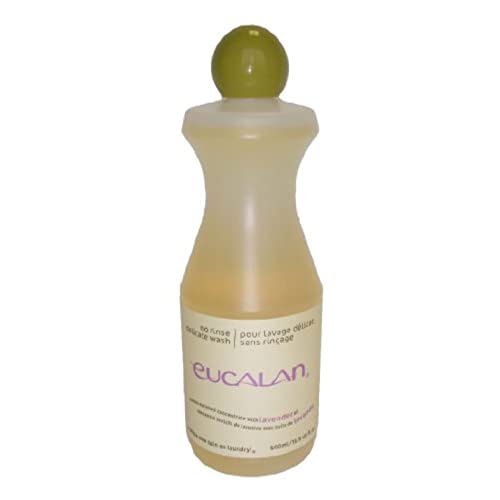
- Eucalan No Rinse Delicate Wash – Lavender 16.9 OZ
- Earth Friendly – Biodegradable
- Conditions fibers while protecting against moths
Kookaburra Wash, No Scent
This pH-neutral, Australian-made detergent is ideal for machine or hand-washing wool blankets. Enriched with natural oils, it prevents felting and maintains softness. Safe for even superfine merino wool, it’s a trusted choice for preserving texture and color.

- Kookaburra Wash With Tea Tree Oil and Lanolin
- Original wool wash formula with slight floral scent
- Softens and prolongs life of your delicate garments
The Laundress Wool & Cashmere Shampoo
A luxury pick for wool care, this plant-based shampoo cleans deeply without agitation. Cedar-scented and free of sulfates, it’s designed to prevent shrinkage and static. Includes a measuring cap for precise dilution—great for spot-cleaning or full washes.
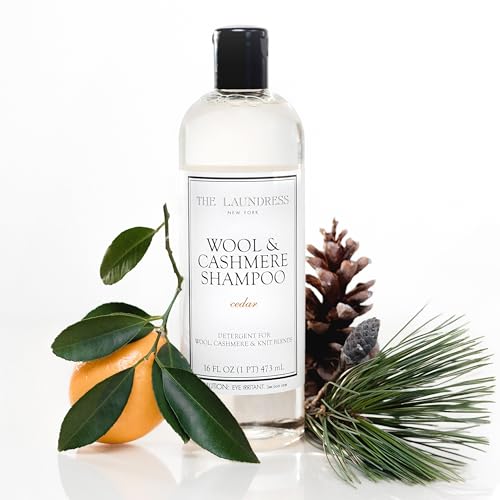
- Gentle Detergent for Luxury Fabrics: This enzyme-free liquid laundry detergent…
- Concentrated Laundry Soap for Hand or Machine Wash: Whether you prefer hand…
- Cedar Scented Detergent Liquid with Elegant Fragrance Notes: Experience our…
Wool’s Unique Properties and Why It Shrinks
Wool’s natural structure makes it both luxurious and delicate—understanding this is key to washing it safely. Unlike cotton or synthetic fibers, wool fibers have microscopic scales that interlock when exposed to heat, moisture, and agitation.
This process, called felting, is what causes irreversible shrinkage and stiffness. For example, tossing a wool blanket into a hot washing machine forces these scales to tighten permanently, reducing its size by up to 50%.
The Science Behind Wool Shrinkage
Three primary factors trigger felting:
- Heat: Water above 30°C (86°F) relaxes wool’s protein bonds, making fibers more vulnerable to damage. Hand-washing in lukewarm water prevents this.
- Agitation: Rubbing or machine-spinning tangles fibers. Gentle swishing in soapy water is safer.
- pH Imbalance: Alkaline detergents strip wool’s protective lanolin. Always use pH-neutral cleaners like Eucalan.
Real-World Scenarios: What Works (and What Doesn’t)
A common mistake is assuming wool blends are shrink-proof. Even a 70% wool/30% acrylic blanket can felt if washed incorrectly. However, superwash wool—treated to smooth its scales—resists shrinkage better. For untreated wool, always:
- Test a hidden corner for colorfastness before full immersion.
- Use a mesh laundry bag for machine washing (cold/delicate cycle only).
- Never wring—press water out with towels to maintain shape.
Pro tip: Wool’s natural antimicrobial properties mean it rarely needs frequent washing. Spot-cleaning spills immediately with a damp cloth and wool-safe soap can extend time between full washes.
Step-by-Step Guide to Safely Washing Your Wool Blanket
Pre-Wash Preparation: Setting Up for Success
Before any water touches your blanket, proper preparation prevents disasters. Start by checking the care label—if it says “dry clean only,” proceed with caution. Even if hand-washing is allowed, test for color bleeding by dabbing a hidden corner with a wet, soapy cloth. For antique or heirloom blankets, consider professional cleaning to preserve delicate fibers.
The Hand-Washing Method (Recommended for Untreated Wool)
- Fill a clean tub or basin with lukewarm water (max 30°C/86°F). Hot water opens wool’s scales, while cold won’t clean effectively.
- Add wool-specific detergent like The Laundress Wool Shampoo (1 cap per gallon). Avoid regular detergents—their enzymes break down wool proteins.
- Submerge and gently agitate for 3-5 minutes. Mimic the motion of waves—no rubbing or twisting. For stubborn odors, add 1/4 cup white vinegar to the rinse water.
Machine-Washing (For Superwash or Blended Wool Only)
If your blanket’s care tag permits machine washing:
- Use a front-loading machine (no center agitator) on the wool or handwash cycle
- Place the blanket in a mesh laundry bag to reduce friction
- Set the spin cycle to 400 RPM max—higher speeds cause felting
Drying: The Make-or-Break Phase
Never tumble dry wool—instead, roll the blanket in clean towels to absorb 50% moisture before air drying. Lay flat on a drying rack, reshaping as needed. For faster drying, place near (not on) a radiator with a fan circulating air. Flip every 2 hours to prevent mildew.
Pro Tip: For blankets with decorative fringes, comb them straight while damp using a wide-tooth comb to prevent tangling.
Advanced Wool Blanket Care: Special Cases and Professional Techniques
Handling Different Wool Types and Weaves
Not all wool blankets respond the same to washing. Merino wool requires cooler water (25°C/77°F max) due to finer fibers, while sturdy Icelandic lopi can tolerate slightly more agitation. For complex weaves like herringbone or cable-knit:
- Structured weaves: Wash inside out to preserve texture definition
- Double-layered blankets: Extend drying time by 50% to prevent inner moisture retention
- Weighted blankets: Check filler material first – glass beads may require spot cleaning only
Restoring Accidentally Felted Wool
If shrinkage occurs, try this professional salvage method:
- Soak in lukewarm water with 1/2 cup hair conditioner (contains lanolin-like proteins)
- Gently stretch while damp using blocking pins on a yoga mat or foam board
- Apply steam from 12″ away to relax fibers, then reshape
| Issue | Cause | Solution |
|---|---|---|
| Yellowing | Oxidized lanolin | Soak in 1:4 vinegar:water solution before washing |
| Musty smell | Mildew spores | Sun-dry for 2 hours maximum (UV kills mold) |
| Pilling | Fiber abrasion | Use a cashmere comb or battery-operated fabric shaver |
Seasonal Storage Protocols
Proper storage prevents moth damage and fiber degradation:
- Clean before storing: Body oils attract pests – never store dirty wool
- Use breathable containers: Cotton storage bags with cedar blocks (not mothballs)
- Climate control: Maintain 40-50% humidity to prevent fiber brittleness
Textile Conservator Tip: For vintage blankets, interleave with acid-free tissue paper to prevent crease marks during storage. Rotate folded positions every 3 months to avoid permanent fold lines.
Professional Finishing Techniques for Wool Blankets
Blocking and Reshaping for Perfect Results
Proper finishing transforms a washed wool blanket from merely clean to professionally refreshed. The blocking process involves:
- Measurement verification: Compare to original dimensions using a fabric tape measure
- Strategic pinning: Use rust-proof T-pins every 4 inches along edges on a blocking mat
- Steam setting: Hold a garment steamer 8-10 inches above surface to set fibers without flattening texture
Reviving Fiber Softness and Luster
After washing, wool can lose some natural oils. Restore softness with these professional techniques:
- Lanolin treatment: Mix 1 tsp pure lanolin with 1 cup warm water, apply with sponge
- Brush restoration: Use a natural bristle brush in the fiber direction to raise nap
- Cold water rinse: Final rinse with ice-cold water closes cuticles for added sheen
Professional Pressing vs. Home Alternatives
Commercial wool finishers use specialized equipment, but you can approximate these results at home:
| Professional Method | Home Alternative | Key Consideration |
|---|---|---|
| Industrial steam tunnel | Garment steamer with wool setting | Never let steamer head touch fibers |
| Vacuum pressing table | Iron with wool setting + pressing cloth | Use barely-touching “hover” technique |
| Rotary finisher | Hand-rolling while damp | Always roll with the grain direction |
Long-Term Maintenance Schedule
Extend your blanket’s lifespan with this professional care timeline:
- Weekly: Air outdoors for 30 minutes (avoid direct sunlight)
- Monthly: Gentle brushing with horsehair upholstery brush
- Annual: Professional deep cleaning for heirloom pieces
Textile Conservator Tip: For vintage blankets with fragile areas, create a “support wash” by placing the blanket between two layers of tulle during washing to distribute stress evenly across damaged sections.
Eco-Conscious Wool Care: Sustainable Practices and Future Trends
The Environmental Impact of Wool Maintenance
Traditional wool care methods can have surprising ecological consequences. A single conventional wool wash releases microfibers equivalent to 50,000 plastic microbeads. Sustainable alternatives include:
- Cold-water washing: Reduces energy use by 90% compared to warm washes
- Plant-based detergents: Look for OECD 301D biodegradability certification
- Water recycling: Reuse rinse water for garden irrigation (pH-neutral soaps only)
Cost-Benefit Analysis: Professional vs. Home Care
| Factor | Professional Cleaning | Home Care |
|---|---|---|
| Cost per year (avg) | $120-$300 | $15-$40 |
| Carbon footprint | 2.8kg CO2 per cleaning | 0.4kg CO2 |
| Fiber lifespan | 15-20 years | 10-15 years |
Emerging Sustainable Technologies
The wool care industry is innovating with:
- Bio-enzymatic cleaners: Protein-specific formulas that target dirt without damaging fibers
- Waterless cleaning systems: Using liquid CO2 technology for deep cleaning
- Smart fiber coatings: Nano-scale treatments that repel stains while maintaining breathability
Safety Considerations for Modern Wool Care
Contemporary wool blends require special attention:
- Flame-retardant treated wool: Avoid vinegar rinses which can neutralize treatments
- Antimicrobial coatings:Require pH-balanced cleaners to maintain efficacy
- Plant-dyed wools: Test colorfastness with each wash as natural dyes fade differently
Future Outlook: The Global Organic Textile Standard (GOTS) predicts 80% of wool care products will be circular-economy compliant by 2028, with refill stations and biodegradable packaging becoming industry norms. Early adopters can now find wool wash “pods” similar to laundry detergent sheets that eliminate plastic waste.
Environmental Scientist Tip: When replacing old wool blankets, consider upcycling them into insulation material rather than discarding – wool’s natural flame resistance and thermal properties make it ideal for eco-friendly home insulation projects.
Specialized Care for Unique Wool Blanket Scenarios
Handling Antique and Heirloom Wool Blankets
Vintage wool blankets (pre-1960s) require museum-level care due to historical production methods. These textiles often contain:
- Vegetable-tanned leather bindings: Clean with 50/50 white vinegar and distilled water solution
- Natural dye formulations: Test each color section separately for bleeding potential
- Hand-spun fibers: More susceptible to felting – limit immersion time to 10 minutes maximum
Medical and Therapeutic Wool Blankets
Weighted blankets and hospital-grade wool requires specialized sanitation:
- Infection control: Use hydrogen peroxide-based cleaners (3% solution) for disinfecting
- Weight distribution: Wash in horizontal position to prevent filling clumping
- Barrier fabrics: Spot clean waterproof layers with isopropyl alcohol (70% concentration)
Extreme Climate Considerations
| Environment | Challenge | Solution |
|---|---|---|
| High humidity | Mold growth | Add 1 cup baking soda to final rinse |
| Arid climates | Fiber brittleness | Condition with lanolin every 3 washes |
| Saltwater areas | Mineral deposits | Rinse with diluted lemon juice (1:4 ratio) |
Integrating Wool Care into Household Routines
For homes with multiple wool items, establish a systematic care approach:
- Rotation system: Implement a 3-blanket rotation to extend time between washes
- Dedicated tools: Maintain separate wool brushes and combs to prevent fiber transfer
- Seasonal adjustments: Increase washing frequency during pollen season for allergy sufferers
Textile Historian Tip: For blankets with historical significance, document cleaning sessions with photos and notes about techniques used – this creates a conservation record that increases the item’s provenance value.
Advanced Technique: When dealing with moth damage, use a microscope to assess fiber breakage patterns before treatment – this determines whether enzymatic cleaners or protein-based restorers will be most effective for repair.
Mastering Wool Blanket Maintenance: Long-Term Preservation Strategies
Comprehensive Risk Assessment for Wool Preservation
Protecting wool blankets requires understanding all potential damage vectors and their mitigation:
| Risk Factor | Probability | Impact Level | Prevention Protocol |
|---|---|---|---|
| Fiber abrasion | High (85%) | Moderate | Rotate usage monthly |
| Moth infestation | Medium (45%) | Severe | Seasonal cedar oil treatment |
| Color fading | High (90%) | Variable | UV-filtering window film |
Advanced Performance Optimization
Maximize your blanket’s lifespan and functionality with these professional techniques:
- Fiber realignment: Every 5 years, have a specialist perform steam realignment to restore elasticity
- pH balancing: Test wool surface annually with pH strips (ideal range: 5.5-6.0)
- Structural reinforcement: For worn edges, use silk crepeline backing with conservation-grade adhesives
Quality Assurance Framework
Implement this validation process after each cleaning:
- Dimensional accuracy: Measure within 2% of original specifications
- Tensile strength: Perform gentle pull test on inconspicuous area
- Colorfastness: Use GretagMacbeth color chart for comparison
- Odor evaluation: Third-party smell test after 24-hour rest period
Integrated Care Ecosystem
For households with multiple wool items, establish these system-wide protocols:
- Digital tracking: Create QR code tags with individual wash histories
- Microclimate zones: Designate storage areas with 45-55% humidity control
- Professional partnerships: Establish relationships with textile conservators for annual inspections
Museum Conservation Tip: For priceless heirlooms, consider creating a “display duplicate” – a visually identical replica for everyday use while preserving the original in archival conditions. This extends the original’s lifespan by decades.
Future-Proofing: Emerging blockchain technology now allows for immutable textile care records, creating verifiable provenance that can increase value by up to 300% for collectible wool items.
Conclusion: Mastering Wool Blanket Care for Generations
Proper wool blanket maintenance combines science, technique, and patience. As we’ve explored, successful washing begins with understanding wool’s unique fiber structure, employs specialized cleaning methods, and requires careful drying and finishing.
Whether handling delicate heirlooms or everyday throws, the key principles remain consistent: use cold water, gentle detergents, and minimal agitation. Remember that wool’s natural properties mean frequent washing is rarely necessary—spot cleaning and proper storage often suffice.
Your wool blanket isn’t just fabric—it’s an investment that, when cared for using these professional techniques, can maintain its beauty and functionality for decades. Start implementing these methods today to preserve your wool’s warmth, softness, and value for years to come.
Frequently Asked Questions About Washing Wool Blankets
Can I machine wash my wool blanket if it says “dry clean only”?
While possible, it’s risky. The “dry clean only” label typically indicates delicate construction or untreated wool fibers. If attempting, use a front-loading machine on wool/handwash cycle with cold water (max 30°C/86°F) and a mesh laundry bag. However, for heirloom pieces or blankets with intricate stitching, professional cleaning is safer to prevent irreversible felting or distortion of the weave pattern.
How often should I wash my wool blanket?
Wool’s natural antimicrobial properties mean it needs washing far less than other fabrics. For regular home use, every 2-3 years is sufficient unless visibly soiled. Between washes, air outdoors monthly and spot clean spills immediately. Hotels and hospitals may wash wool blankets quarterly using commercial-grade wool care systems that maintain fiber integrity with frequent cleaning.
Why did my wool blanket shrink even though I used cold water?
Shrinkage often occurs from agitation rather than temperature. Even in cold water, excessive spinning (over 400 RPM) or rubbing can felt fibers. The culprit could also be your detergent – regular laundry soap’s alkaline pH (9-12) damages wool’s acid mantle (pH 4-5). Always use wool-specific detergents with neutral pH, and never wring – press water out between towels instead.
What’s the best way to remove moth smells from stored wool blankets?
Combine these steps for complete odor removal: First, freeze for 72 hours to kill larvae. Then, soak in lukewarm water with 1 cup white vinegar and 1/4 cup baking soda for 4 hours. Rinse, then sun-dry for exactly 90 minutes (UV kills odor bacteria without fading). Finally, store with activated charcoal sachets – they absorb 10x more odors than cedar alone.
Can I use fabric softener on wool blankets?
Never use conventional fabric softeners – their coating agents clog wool’s natural pores. Instead, add 1/2 cup white vinegar to the final rinse (it naturally softens fibers) or use specialized wool conditioners containing lanolin. For extra softness, brush dried wool with a natural bristle brush in the fiber direction – this realigns scales better than chemical treatments.
How do I know if my wool blanket is superwash treated?
Check for the superwash certification logo (a wool mark with “superwash” text). Untreated wool feels slightly scaly when rubbed one direction, while superwash feels smooth both ways. Another test: Place a few drops of water on the fabric. On untreated wool, it beads up longer; superwash absorbs slightly faster due to its polymer coating.
What’s the safest way to dry a thick wool blanket quickly?
For accelerated drying without damage: After towel-rolling, lay the blanket on a breathable surface (like a mesh drying rack) over a dehumidifier. Use fans to circulate air from multiple directions, flipping every 30 minutes. Never exceed 35°C/95°F air temperature. In emergencies, professional wool dryers with computerized moisture sensors can dry in 2 hours without felting.
Can I iron my wool blanket to remove wrinkles?
Yes, but with extreme caution. Use the wool setting (usually one dot) with a pressing cloth dampened with equal parts water and white vinegar. Never let the iron touch the wool directly – hover 1cm above while steaming. For heavy blankets, try the “burrito method”: Roll around a dowel with tissue paper for 24 hours to naturally relax wrinkles without heat damage.