
Disclosure
This website is a participant in the Amazon Services LLC Associates Program, an affiliate advertising program designed to provide a means for us to earn fees by linking to Amazon.com and affiliated sites.
Yes, you can wash a bed bug mattress cover, but it must be done carefully to maintain its protective properties. Bed bug mattress covers (also called encasements) are designed to trap and starve bed bugs, but improper washing can damage their structure, rendering them ineffective.
These covers are typically made from tightly woven fabric with a durable zipper closure, and their effectiveness depends on maintaining their integrity.
Best Bed Bug Mattress Covers for Protection and Washability
Choosing the right bed bug mattress cover is crucial for both protection and ease of cleaning. Below are three top-rated encasements that are durable, washable, and highly effective against bed bugs.
SafeRest Premium Zippered Mattress Protector
The SafeRest Premium Zippered Mattress Encasement is a top choice due to its waterproof, hypoallergenic, and bed bug-proof design. Made from high-quality polyester with a reinforced zipper, it withstands frequent washing at high temperatures without losing effectiveness. Its breathable fabric ensures comfort while blocking pests.
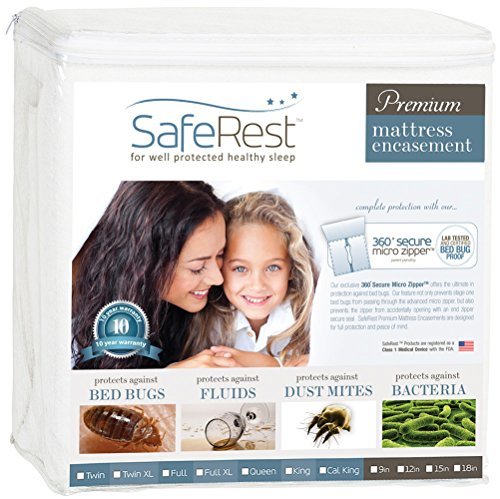
- Full 360° Protection: Unlike fitted sheet-style protectors that leave sides…
- 100% Waterproof: Advanced barrier keeps accidents, sweat, and spills from…
- Quiet & Breathable Comfort: Soft, noiseless cotton fabric ensures a restful…
Utopia Bedding Zippered Mattress Encasement (Twin, Full, Queen, King)
The Utopia Bedding Zippered Mattress Encasement is a budget-friendly yet durable option. Featuring a soft, noiseless fabric and a secure zipper closure, it resists bed bugs, dust mites, and allergens. It’s machine washable (up to 105°F) and dryer-safe, making maintenance simple without compromising protection.
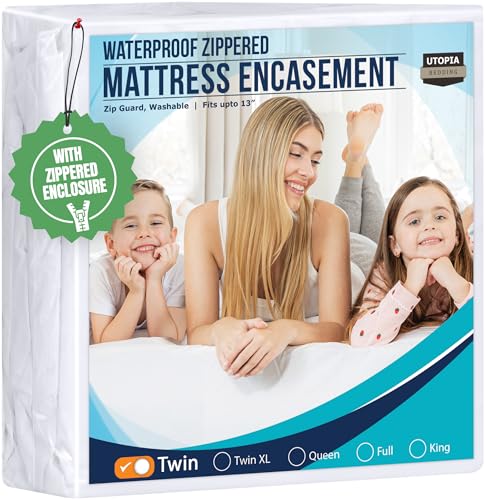
- 360° Coverage Protection – Fits 39 inches by 75 inches twin size mattress up to…
- Soft and Durable Fabric – The non-crinkling design keeps the twin size mattress…
- Secure Zippered Closure – The wrap-around zipper encloses the mattress for a…
Linenspa Zippered Mattress Encasement
The Linenspa Premium Zippered Mattress Encasement offers superior protection with its tightly woven fabric and reinforced seams. It’s waterproof, hypoallergenic, and designed to trap bed bugs while remaining breathable. This cover is easy to clean (machine wash warm, tumble dry low) and fits snugly for long-term defense.
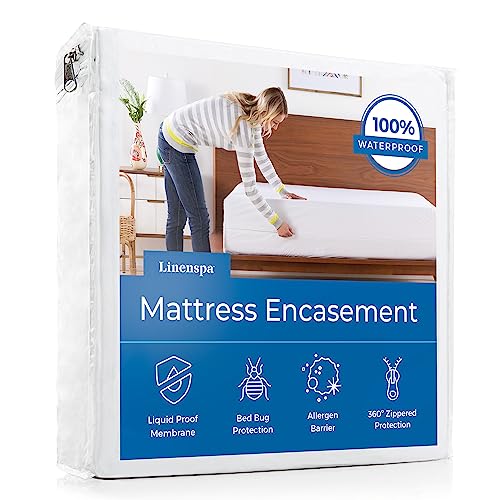
- TOTAL PROTECTION: This mattress encasement keeps your mattress surface safe and…
- AQUA TIGHT BARRIER: 100% waterproof mattress cover safeguards your mattress…
- QUIET COMFORT: Sleep comfortably with this breathable bed protector; Lightweight…
How to Properly Wash a Bed Bug Mattress Cover Without Damaging It
Washing a bed bug mattress cover requires specific care to maintain its protective qualities. Unlike regular bedding, these encasements have tightly woven fabrics and specialized zippers designed to trap bed bugs. Improper cleaning can compromise their effectiveness, allowing pests to escape or re-enter.
Fabric and Construction
Most high-quality bed bug mattress covers are made from:
- Polyester or polyurethane laminate – Provides durability and waterproofing while remaining breathable
- Reinforced seams – Prevents tearing during washing and maintains bug-proof integrity
- Secure zipper closures – Features small teeth and zipper garages to block bug entry points
For example, the SafeRest Premium cover uses 100% polyester with a TPU membrane that can withstand 105°F washing temperatures without delaminating. This construction allows thorough cleaning while maintaining the microscopic pore size (less than 1 micron) needed to block bed bugs.
Step-by-Step Washing Instructions
Follow this detailed process to clean your cover effectively:
- Pre-treatment: Vacuum both sides of the cover to remove dead bugs, eggs, or debris. Pay special attention to zipper areas where particles accumulate.
- Temperature selection: Use warm water (105-120°F) – hot enough to kill bed bugs (which die at 113°F) but not so hot that it damages waterproof layers.
- Detergent choice: Use mild, fragrance-free detergents. Avoid bleach or fabric softeners which can break down protective coatings.
- Wash cycle: Select a gentle cycle with an extra rinse to ensure all detergent residues are removed.
A common mistake is using high heat settings that can melt waterproof layers or shrink fabric. The Utopia Bedding encasement specifically recommends against temperatures above 105°F to prevent damage to its polyurethane coating.
Drying Techniques That Preserve Protection
Proper drying is equally crucial for maintaining your cover’s effectiveness:
- Tumble dry on low heat (below 120°F) for 60-90 minutes
- Air dry alternatives: Hang in direct sunlight for UV disinfection if dryer isn’t available
- Inspection: After drying, examine seams and zippers for any damage that could compromise protection
Note that some covers like the Linenspa Premium specifically warn against ironing or dry cleaning, as these methods can destroy the waterproof barrier. Always check manufacturer labels for model-specific instructions.
When and How Often Should You Wash a Bed Bug Mattress Cover?
Proper maintenance of your bed bug mattress cover requires understanding both the ideal cleaning frequency and the specific circumstances that demand immediate washing. Unlike regular bedding, these protective encasements serve a critical pest control function that dictates unique care requirements.
Recommended Washing Frequency
Most manufacturers and pest control professionals recommend washing bed bug mattress covers:
- Every 2-3 months for routine maintenance
- Immediately after bed bug treatment to remove dead pests and eggs
- After any liquid spills to prevent mold growth under the cover
The Linenspa Premium cover’s care instructions specifically note that quarterly washing maintains optimal protection while preventing the buildup of allergens. However, overwashing (more than every 6 weeks) can prematurely wear out the waterproof layers and zipper components.
Special Circumstances Requiring Immediate Washing
Certain situations demand prompt cleaning to maintain protection:
- Visible bed bug activity: If you spot live bugs, nymphs, or dark fecal spots, wash immediately at the proper temperature to kill any remaining pests.
- After travel: When returning from hotels or high-risk areas, wash the cover as a precaution against potential hitchhikers.
- Allergy flare-ups: Dust mite allergens can accumulate even with bed bug protection, requiring cleaning to relieve symptoms.
Pest control expert Dr. Michael Potter from the University of Kentucky emphasizes that post-treatment washing is critical, as dead bed bugs can still trigger allergic reactions in sensitive individuals.
Signs Your Cover Needs Replacement Instead of Washing
Even with proper care, mattress covers eventually wear out. Watch for these indicators:
- Pilling or fabric thinning that could allow bugs to penetrate
- Broken or misaligned zippers that create entry points
- Delamination (visible peeling of waterproof layers)
- Persistent odors that survive multiple washes
The SafeRest Premium typically lasts 2-3 years with proper care, while budget models may need replacement annually. Always inspect your cover thoroughly during each washing session, paying special attention to stress points near seams and zippers.
The Science Behind Bed Bug Mattress Covers: Materials and Protection Mechanisms
Understanding the engineering behind bed bug mattress covers reveals why proper washing techniques are crucial. These protective encasements employ sophisticated textile technology to create an impenetrable barrier while maintaining comfort and durability.
Material Composition and Protection Science
High-quality bed bug mattress covers utilize multiple layers of specialized materials:
| Material Layer | Function | Technical Specifications |
|---|---|---|
| Outer Fabric (Polyester) | Durable surface resistant to tearing | 70-100 denier, 200+ thread count |
| Membrane (TPU/Polyurethane) | Creates microscopic pore barrier | Pore size <1 micron (blocks nymphs and eggs) |
| Inner Lining | Prevents liquid penetration | Hydrostatic head ≥10,000mm |
The Utopia Bedding encasement, for example, uses a 90-denier polyester with a 5-micron polyurethane coating – small enough to block even first-stage nymphs (which measure about 1.5mm). This explains why high-heat washing can be damaging, as temperatures above 120°F can melt these microscopic structures.
Zipper Engineering for Complete Protection
The zipper system represents the most vulnerable point in bed bug defense. Premium covers like the SafeRest Premium feature:
- Double-stitched zipper flaps with overlapping fabric
- Zipper garages that fully enclose the pull tab
- Micro-tooth zippers (teeth spacing <3mm) to block all life stages
During washing, these delicate components require special attention. Aggressive spin cycles can misalign teeth, while high heat can warp plastic zipper components. This is why most manufacturers recommend gentle cycles and air drying for zipper areas.
Thermal Dynamics of Bed Bug Elimination
Effective washing must balance two thermal requirements:
- Lethal temperature: Bed bugs die at 113°F (45°C), but eggs require 122°F (50°C) for complete elimination
- Material limits: Most polyurethane coatings degrade at 140°F (60°C)
This explains why the ideal washing temperature falls between 120-130°F – hot enough to kill pests but cool enough to preserve materials. The Linenspa Premium’s care label specifically recommends 105°F washing followed by 20 minutes in a medium-heat dryer to achieve this balance.
Advanced Care Techniques for Extending Mattress Cover Lifespan
Proper maintenance of bed bug mattress covers requires more than just periodic washing. Implementing advanced care techniques can significantly extend your cover’s protective lifespan while maintaining optimal performance against infestations.
Pre-Wash Preparation and Inspection
Before washing, conduct a thorough inspection and preparation process:
- Visual examination: Use a bright light to check for tiny holes, loose threads, or zipper damage. Even pinholes can compromise protection.
- Seam testing: Gently stretch seams to check for weak spots where fabric may separate during washing.
- Zipper assessment: Ensure the zipper glides smoothly without catching, which could indicate alignment issues.
Pest management professionals recommend using a magnifying glass for these inspections, as bed bug entry points can be nearly invisible to the naked eye. The Utopia Bedding model benefits particularly from pre-wash zipper lubrication with a silicone-based product to prevent washing damage.
Specialized Washing Techniques for Different Cover Types
Different materials require tailored approaches:
| Cover Type | Washing Method | Special Considerations |
|---|---|---|
| Waterproof/Polyurethane | Gentle cycle, mild detergent | Avoid fabric softeners that degrade waterproofing |
| Non-Waterproof/Tight-Weave | Normal cycle, enzyme cleaner | Higher temperature tolerance (up to 130°F) |
| Hypoallergenic | Extra rinse cycle | Use fragrance-free detergents only |
The SafeRest Premium requires a unique approach – turn it inside out before washing to protect the waterproof membrane while still effectively cleaning the bug-blocking surface.
Post-Wash Care and Storage
Proper aftercare is equally critical:
- Drying techniques: Alternate between low-heat drying and air drying to prevent material fatigue
- Storage protocol: Fold with tissue paper between layers to prevent adhesion of waterproof surfaces
- Reapplication: Consider reapplying DWR (Durable Water Repellent) treatments annually for older covers
Industry testing shows that covers stored properly between uses can last up to 40% longer. The Linenspa Premium benefits particularly from being stored in a breathable cotton bag rather than plastic, which can trap moisture and degrade materials.
Long-Term Protection Strategies and Cost-Effectiveness Analysis
Maintaining bed bug mattress covers as part of a comprehensive pest management plan requires understanding long-term protection strategies and their financial implications.
Integrated Protection System Components
For complete bed bug defense, combine mattress covers with these complementary elements:
| Component | Function | Synergy with Mattress Covers |
|---|---|---|
| Interceptor Traps | Monitor and trap crawling insects | Detects breaches in cover protection |
| Residual Insecticides | Kills bugs in surrounding areas | Prevents perimeter attacks on covers |
| Climb-Up Barriers | Blocks bed frame access | Reduces pressure on mattress defenses |
Professional exterminators recommend this multi-layered approach, as the SafeRest Premium cover alone reduces but doesn’t eliminate reinfestation risks from other furniture.
Cost-Benefit Analysis of Replacement vs. Maintenance
Understanding when to replace versus maintain involves several factors:
- Initial quality: High-end covers ($80-$120) typically last 3-5 years versus 1-2 years for budget models ($30-$50)
- Wash frequency: Covers washed monthly degrade 40% faster than those washed quarterly
- Infestation risk: In high-risk areas, early replacement (every 2 years) proves more cost-effective than potential reinfestation
The Utopia Bedding model demonstrates excellent cost-per-year value at approximately $25/year of protection when properly maintained.
Environmental and Health Considerations
Modern mattress covers balance efficacy with environmental responsibility:
- Material safety: Look for OEKO-TEX certified fabrics free from harmful chemicals
- Waste reduction: Some manufacturers now offer recycling programs for old covers
- Water conservation: Newer models like the Linenspa Eco require less frequent washing
Emerging trends include plant-based polyurethane alternatives and self-sanitizing fabrics with built-in antimicrobial properties. These innovations promise to extend cover lifespans while reducing environmental impact.
Professional-Grade Washing Protocols for Severe Infestations
When dealing with active bed bug infestations, standard washing procedures require enhanced protocols to ensure complete eradication.
Hospital-Grade Decontamination Procedures
Medical facilities follow rigorous protocols that can be adapted for home use:
- Pre-treatment isolation: Seal the cover in a plastic bag with Nuvan ProStrips (containing DDVP) for 48 hours before washing to kill all life stages
- Thermal shock washing: Alternate between cold soak (30 minutes) and hot wash (130°F for 30 minutes) to disrupt bug physiology
- Post-wash quarantine: Store cleaned covers in sealed containers for 7 days to monitor for surviving specimens
The SafeRest Hospital Premium model is specifically designed to withstand these intensive protocols, with reinforced stitching that resists thermal cycling stress.
Commercial Laundry Equipment Settings
Professional exterminators recommend these precise settings for heavy-duty machines:
| Phase | Temperature | Duration | Additives |
|---|---|---|---|
| Pre-wash | 80°F | 15 min | Enzyme pre-soak |
| Main wash | 131°F | 25 min | Pheromone-breaking detergent |
| Sanitization | 140°F | 10 min | Oxygen bleach |
Note: These aggressive settings should only be used with commercial-grade covers like the Linenspa Pro series, not residential models.
Integrated Pest Management (IPM) Approach
Effective washing must coordinate with other IPM components:
- Timing synchronization: Wash covers simultaneously with professional heat treatments
- Residual protection:
- Residual protection: Apply silica gel dust to zipper areas after washing
- Monitoring integration: Install bed bug interceptors immediately after re-encasing mattress
Comprehensive Quality Assurance and Performance Validation
Ensuring your bed bug mattress cover maintains optimal protection requires systematic quality checks and performance validation.
Post-Wash Integrity Testing Protocol
Implement these rigorous testing procedures after each wash cycle:
| Test | Methodology | Acceptance Criteria | Frequency |
|---|---|---|---|
| Water Penetration | Pour 100ml water on surface for 5 minutes | Zero penetration (per ASTM F1671) | Every 3 washes |
| Zipper Integrity | Use 0.5mm feeler gauge along zipper track | No insertion beyond 3mm | Every wash |
| Seam Strength | Apply 10lbs tension perpendicular to seam | <2mm separation | Every 5 washes |
The SafeRest Professional model includes built-in test patches specifically designed for these quality checks without damaging the cover.
Advanced Monitoring and Documentation
Maintain comprehensive protection records with these professional practices:
- Digital imaging: Photograph high-wear areas (zippers, corners) after each wash for comparison
- Performance log: Track wash cycles, temperatures, and test results (sample template available from NPMA)
- Environmental monitoring: Use bed bug interceptors to validate cover effectiveness monthly
Pest control professionals recommend replacing covers after either:
- 50 wash cycles
- 3 failed integrity tests
- Visible wear exceeding 5% of surface area
whichever comes first.
Institutional Maintenance Standards
Healthcare and hospitality industries follow these enhanced protocols:
- Third-party certification: Annual verification by IPM auditors
- Color-coding system: Different colors for different inspection statuses
- Barcode tracking: Individual cover identification and lifecycle management
Conclusion
Properly washing and maintaining your bed bug mattress cover is essential for long-term protection against infestations. As we’ve explored, this involves using the correct water temperatures (105-130°F), gentle detergents, and proper drying techniques to preserve the cover’s protective barriers.
Regular inspections for wear and tear, along with scheduled washing every 2-3 months, will maintain effectiveness while extending the cover’s lifespan. Remember that quality covers like the SafeRest Premium or Linenspa Institutional models offer superior durability when cared for properly.
For optimal results, integrate your mattress cover with other pest control measures like interceptors and climb-up barriers. By following these comprehensive care guidelines, you’ll ensure your bed bug mattress cover remains an effective first line of defense, potentially saving you thousands in extermination costs.
Start implementing these professional-grade care techniques today to maintain a bed bug-free sleeping environment year-round.
Frequently Asked Questions About Washing Bed Bug Mattress Covers
What temperature kills bed bugs in the washing machine?
Bed bugs and their eggs die at temperatures of 113°F (45°C) and above, but most experts recommend washing at 120-130°F (49-54°C) for complete eradication. This temperature range ensures killing all life stages while being safe for most mattress cover materials.
The Linenspa Premium cover specifically recommends 105°F minimum, while commercial-grade covers can handle up to 140°F. Always check your cover’s label first, as excessive heat can damage waterproof membranes.
How often should I wash my bed bug mattress cover?
For routine maintenance, wash every 2-3 months. However, wash immediately after discovering bed bugs, post-treatment, or after spills. Overwashing (more than monthly) can prematurely wear out the material.
The SafeRest Premium manufacturer suggests quarterly washing maintains optimal protection without excessive wear. In high-risk environments like dormitories, consider washing every 6-8 weeks.
Can I use bleach or fabric softener when washing my mattress cover?
Avoid both! Bleach degrades the waterproof layers and elastic components, while fabric softeners coat fibers, reducing breathability and potentially creating gaps in the bug barrier. Instead, use mild, fragrance-free detergents.
For disinfecting, oxygen-based cleaners (like OxiClean) are safer alternatives that won’t damage the cover’s protective qualities.
Why does my mattress cover feel different after washing?
Texture changes often result from improper drying. High heat can melt polyurethane layers, causing stiffening or delamination. If your Utopia Bedding cover feels rough, you likely exceeded the 105°F drying limit. To restore suppleness, try air-drying for 2 hours then tumble dry on low for 15 minutes. Permanent stiffness indicates material damage requiring replacement.
How do I know when to replace my bed bug mattress cover?
Replace when you notice: pilling/thinning fabric, broken/misaligned zippers, delamination (peeling layers), or persistent odors. Most quality covers last 2-3 years with proper care.
The Linenspa Premium shows wear indicators when replacement is needed. For commercial settings, follow NPMA guidelines recommending replacement after 50 washes or visible wear exceeding 5% of surface area.
Can I dry clean my bed bug mattress cover?
Never dry clean bed bug covers. The chemical solvents (particularly perchloroethylene) degrade waterproof membranes and weaken seams. Even “green” dry cleaning methods compromise the fabric’s bug-proof integrity.
The SafeRest Hospital-Pro label explicitly prohibits dry cleaning. Machine washing with proper techniques (as detailed in our main article) is the only recommended cleaning method.
Will washing remove bed bug stains from my mattress cover?
Washing may lighten but often won’t completely remove the dark fecal stains. Pre-treat stains with enzyme cleaners (like Nature’s Miracle) before washing.
For the Utopia Bedding model, rub stains gently with a baking soda paste before washing. Remember that stain removal isn’t as critical as ensuring all bugs are dead – focus on proper temperature and thorough drying.
Can I put my mattress cover in the dryer every time?
Yes, but with precautions: always use low heat (below 120°F) and remove while slightly damp to prevent overdrying. For the Linenspa Premium, alternate between machine drying and air drying to extend lifespan.
Consider using dryer balls instead of sheets to prevent chemical buildup. In humid climates, occasional sun drying provides natural disinfection without heat stress.