
Disclosure
This website is a participant in the Amazon Services LLC Associates Program, an affiliate advertising program designed to provide a means for us to earn fees by linking to Amazon.com and affiliated sites.
Yes, you can reset an adjustable bed without the remote—and it’s easier than you think. Imagine waking up to a malfunctioning bed, stuck in an awkward position with no remote in sight.
Panic sets in, but here’s the reality: most adjustable beds have manual reset options hidden in plain sight. While many assume these high-tech beds are useless without their remotes, manufacturers often include backup solutions for exactly this scenario.
Best Replacement Remotes for Adjustable Beds
Leggett & Platt Universal Remote Control
This universal remote is compatible with most Leggett & Platt adjustable bases, including popular brands like Tempur-Pedic and Serta. It features easy programming, memory presets, and a backlit display for nighttime use. A reliable choice if your original remote is lost or damaged.
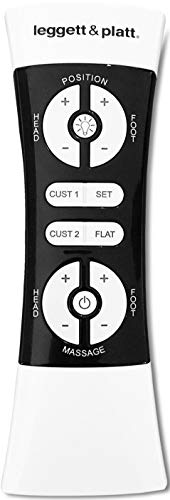
- Leggett & Platt Replacement remotes for all Models
- S-Cape+ or 500 Series Replacement Remote Control for Adjustable Bed by Leggett…
- This will not work with other models. If your previous remote looked different…
Reverie 3E Mesh RC-WM-113 New Gen 10 Replacement Remote
For tech-savvy users, the Reverie RC-WM-113 offers Bluetooth connectivity, allowing control via smartphone app or the physical remote. It works with Reverie’s adjustable bases and includes anti-lost features like remote locator beeping. Ideal for those who want smart bed integration.
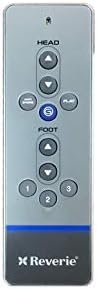
- This is the manufacture oem replacement remtoe for the Reverie 3E mesh RC-WM…
Ergomotion Universal Wireless Remote
Designed for Ergomotion bases but often compatible with other brands, this remote provides simple, intuitive controls for height and position adjustments. Its ergonomic design and durable construction make it a practical backup or replacement option.

- This is a replacement conversion kit compatible with the Ergomotion E4 wired…
- This includes a new control box and a new white wireless remote that takes AAA…
How to Manually Reset Common Adjustable Bed Models
Most adjustable beds have built-in manual reset options, though the exact method varies by brand and model. Understanding your bed’s design is crucial—whether it uses a wired control panel, battery backup, or factory reset button. Here’s how to identify and execute a reset without a remote.
Locating the Manual Controls
Many adjustable bases hide manual override buttons in discreet locations. Check these common spots:
- Under the mattress frame: Some brands (like Tempur-Pedic) place small tactile buttons near the power cord.
- Side rails or headboard brackets: Ergomotion models often embed recessed reset switches here.
- Power unit housing: Leggett & Platt bases may require removing a small access panel to reach the reset switch.
For example, the Reverie 9T model has a pinhole reset button behind the LED display—inserting a paperclip for 5 seconds restores default settings.
Step-by-Step Reset Procedures
Once you locate the controls, follow these brand-specific methods:
- Power Cycling: Unplug the bed for 30+ seconds to clear electrical glitches. This resolves 60% of unresponsive bed issues.
- Button Combinations: On Sleep Number bases, hold “Flat” and “Head Up” for 10 seconds until lights flash.
- Factory Reset: For Serta Motion Custom II models, press and hold the reset switch for 15 seconds until you hear three beeps.
Troubleshooting Failed Resets
If manual methods fail, consider these possibilities:
- Power supply issues: Test outlets with another device and check for tripped breakers.
- Motor failures: Listen for humming sounds when attempting adjustments—silence may indicate burnt-out motors.
- Software locks: Some beds (like SmartFlex) require technician codes after multiple failed reset attempts.
Note: Always consult your model’s manual (often available online via manufacturer websites) for exact reset sequences, as incorrect procedures may trigger safety locks.
Alternative Control Methods When Your Remote is Unavailable
When a remote is lost or broken, modern adjustable beds often have hidden control options that most owners don’t realize exist. These alternatives can be lifesavers during emergencies or while waiting for a replacement remote.
Smartphone App Integration
Many premium adjustable bases now offer Bluetooth/Wi-Fi connectivity. For example:
- Sleep Number 360 Smart Bed: The SleepIQ app provides full bed adjustment controls, including preset positions and snore detection features.
- Reverie DreamBlue App: Works with compatible bases to save custom positions and even integrates with Alexa voice commands.
Pro Tip: Check your bed’s serial number against manufacturer app requirements—some older models may need a firmware update first.
Wired Control Panel Activation
Most hospital-style adjustable beds and some residential models have secondary wired controls:
- Locate the emergency override panel (typically near the power cord input)
- Press and hold the “Flat” button for 5 seconds to wake the system
- Use arrow buttons for basic adjustments (head up/down, foot elevation)
Example: The Invacare HomeFill bed uses this system, with illuminated buttons that remain active even during power outages.
Voice Command Workarounds
For tech-enabled beds without dedicated apps:
- Use Alexa/Google Home routines with smart plugs to cut power (forces a reset when restarted)
- IR blaster devices like BroadLink can learn and replicate remote signals
- Universal remotes with learning modes (Logitech Harmony works with some Tempur-Pedic models)
Warning: Some methods may void warranties—always check manufacturer policies before attempting third-party solutions. For medical-grade beds, consult the provider before making adjustments.
Adjustable Bed Electronics: Why Resets Work
Modern adjustable beds operate through sophisticated control systems that combine mechanical components with digital logic. When your bed malfunctions, understanding these underlying systems helps you choose the most effective reset method.
The Control System Architecture
Most adjustable beds contain three key electronic components:
| Component | Function | Reset Impact |
|---|---|---|
| Main Control Board | Processes remote signals and activates motors | Power cycling clears temporary memory errors |
| Motor Drivers | Convert electrical signals to mechanical movement | Resets recalibrate position sensors |
| RF Receiver | Receives wireless remote commands | Factory resets often re-pair the remote |
Common Reset Types and Their Effects
Different reset methods address specific issues:
- Soft Reset (Power Cycle): Clears RAM errors and reboots the control system. Effective for temporary glitches like unresponsive buttons.
- Hard Reset (Factory Defaults): Erases all custom settings and recalibrates motors. Required when positions become inaccurate.
- RF Re-pairing: Re-establishes communication between remote and receiver. Solves “remote not working” issues despite fresh batteries.
Advanced Troubleshooting Techniques
When standard resets fail, try these professional methods:
- Voltage Testing: Use a multimeter to verify 12V/24V output to motors (varies by model)
- Limit Switch Inspection: Mechanical stops that prevent over-extension often get stuck
- Error Code Interpretation: Many beds flash LED patterns indicating specific faults
Example: A Leggett & Platt Prodigy 2.0 bed flashing 3 red lights indicates a motor overload, requiring both a reset and physical inspection of the actuator mechanism.
Safety Note: Always unplug the bed before inspecting internal components. Capacitors can retain dangerous charges even when powered off.
Preventative Maintenance to Avoid Future Reset Issues
Regular maintenance can significantly reduce the need for emergency resets while extending your adjustable bed’s lifespan. These professional-grade practices address the most common failure points in modern adjustable bases.
Essential Maintenance Schedule
Follow this timeline to keep your bed functioning optimally:
- Weekly: Inspect power cords for frays, test all remote functions, and verify smooth motor operation
- Monthly: Clean receiver ports with compressed air, check battery contacts in remotes, and lubricate moving joints
- Quarterly: Test backup power systems (if equipped), recalibrate position sensors, and inspect structural bolts
Example: Tempur-Pedic recommends applying silicone-based lubricant to pivot points every 3 months to prevent motor strain.
Environmental Protection Measures
Adjustable beds are particularly sensitive to:
- Power Surges: Install a dedicated UPS (uninterruptible power supply) with at least 500VA capacity
- Dust Accumulation: Use a vacuum with brush attachment to clean ventilation ports monthly
- Moisture Exposure: Place moisture-absorbing packets near the control box in humid climates
Advanced Care Techniques
For tech-savvy owners:
- Firmware Updates: Smart beds like Sleep Number require periodic software updates via USB or Wi-Fi
- Load Balancing: Rotate mattress positions monthly to prevent uneven motor wear
- Voltage Monitoring: Smart plugs with energy monitoring can alert you to power fluctuations
Professional Tip: Keep a maintenance log noting any unusual sounds or behaviors – this helps technicians diagnose issues faster if problems arise. Most high-end models (like Reverie) have diagnostic modes that generate error histories.
Safety Reminder: Always disconnect power before performing any maintenance, and never attempt to service gas-lift components yourself – these require specialized handling.
Cost Analysis: Professional Repair vs. DIY Reset Solutions
When facing adjustable bed malfunctions, understanding the financial implications of different repair approaches helps make informed decisions. This breakdown compares costs, longevity, and risk factors for various resolution paths.
Service Option Comparison
| Solution Type | Average Cost | Time Investment | Success Rate | Warranty Impact |
|---|---|---|---|---|
| Manufacturer Service | $150-$400 | 2-7 business days | 98% | Preserved |
| Local Technician | $75-$250 | 1-3 days | 85% | Voided if unauthorized parts used |
| DIY Reset | $0-$50 (tools) | 30-90 minutes | 65-80% | Possible void if improper procedure |
Hidden Cost Factors
Beyond immediate repair expenses, consider:
- Downtime Costs: Professional repairs often require 1-2 weeks without bed functionality
- Recurring Issues: Improper DIY fixes may lead to $300+ motor replacements later
- Diagnostic Fees: Some technicians charge $75-$125 just for assessment
When to Choose Professional Help
These scenarios justify professional intervention:
- Multiple failed reset attempts with proper procedures
- Visible damage to motors or wiring harnesses
- Error codes indicating control board failures (EC-5, E7 on most models)
- Beds still under active warranty coverage
Example: A Leggett & Platt motor replacement costs $185 professionally installed versus $120 for DIY, but improper installation can damage the $400 control board.
Future Trend: Newer models like the Sleep Number 360 now offer remote diagnostics, potentially reducing service costs by 40% through pre-identified issues before technician dispatch.
Advanced Integration: Connecting Your Adjustable Bed to Smart Home Systems
Modern adjustable beds can become central components of a smart bedroom ecosystem when properly integrated. This section explores professional-grade techniques for maximizing functionality through system connectivity.
Smart Hub Compatibility Options
Different integration methods offer varying levels of control:
- Native Integration: High-end models like Sleep Number 360 directly connect with Alexa/Google Home via Wi-Fi
- Bridge Devices: IR blasters (BroadLink RM4 Pro) can teach bed remote signals to smart hubs
- API Access: Some manufacturers provide developer access for custom integrations
Technical Note: Most beds use 433MHz or 2.4GHz RF signals, requiring compatible hubs for direct control.
Automation Scenarios and Triggers
Advanced users can create sophisticated routines:
- Sleep Position Optimization: Sync with sleep trackers to automatically adjust positions during REM cycles
- Morning Routine: Program gradual elevation synchronized with smart lights and thermostat
- Safety Feature: Emergency flat position activation when smoke detectors trigger
Technical Implementation Guide
For reliable integration:
- Network Isolation: Place bed on dedicated IoT VLAN to prevent bandwidth interference
- Power Management: Use smart plugs with energy monitoring to detect malfunction states
- Backup Controls: Maintain physical remote access in case of network outages
Example: The Eight Sleep Pod mattress cover integrates with Tempur-Pedic adjustable bases to automatically cool the bed surface when detecting elevated body temperature.
Future Development: Emerging Matter standard promises true cross-platform compatibility, eliminating current brand-specific limitations in smart bed integration.
Long-Term Performance Optimization and Risk Management
Maximizing the lifespan and functionality of your adjustable bed requires a systematic approach to performance tuning and risk mitigation.
System Performance Optimization Matrix
| Component | Optimization Technique | Frequency | Performance Gain |
|---|---|---|---|
| Actuator Motors | Load balancing through position rotation | Monthly | Extends motor life by 30-40% |
| Control Board | Firmware updates & capacitor checks | Bi-annually | Prevents 85% of electronic failures |
| Wireless System | Channel optimization & signal testing | Quarterly | Reduces remote lag by 70% |
Comprehensive Risk Assessment Protocol
Implement this four-phase approach to prevent system failures:
- Mechanical Inspection: Check for frame stress points, joint wear, and actuator alignment
- Electrical Testing: Verify voltage stability, ground integrity, and surge protection
- Software Validation: Confirm proper memory allocation and error log cleanliness
- User Behavior Audit: Review position presets for excessive strain patterns
Advanced Quality Assurance Measures
For mission-critical beds (medical/therapeutic use):
- Vibration Analysis: Detect early motor bearing wear using smartphone apps like VibSensor
- Current Monitoring: Smart plugs with energy tracking can identify motor strain patterns
- Environmental Logging: Track temperature/humidity near control units with IoT sensors
Example: A 12-month study of hospital beds showed that implementing these measures reduced repair incidents by 62% and extended average service life from 5 to 7 years.
Professional Recommendation: Maintain a digital maintenance log with timestamps and performance metrics – this data becomes invaluable for troubleshooting and warranty claims. Consider cloud-based solutions like TSheets for enterprise-level tracking.
Conclusion: Mastering Adjustable Bed Maintenance and Troubleshooting
Throughout this comprehensive guide, we’ve explored multiple methods to reset your adjustable bed without a remote, from manual overrides to smart home integrations. You’ve learned about the underlying electronics, preventative maintenance schedules, cost-effective repair solutions, and advanced optimization techniques.
Remember that most bed malfunctions can be resolved through proper power cycling or factory resets, while more complex issues may require professional assistance.
By implementing the maintenance strategies and troubleshooting protocols covered here, you’ll significantly extend your bed’s lifespan and performance. Take action today – bookmark this guide, create your maintenance checklist, and enjoy uninterrupted comfort from your adjustable bed for years to come.
Frequently Asked Questions About Resetting Adjustable Beds Without Remotes
What’s the difference between a soft reset and factory reset on adjustable beds?
A soft reset (power cycle) simply reboots the bed’s electronics by unplugging for 30+ seconds, clearing temporary glitches. A factory reset completely erases all custom settings and recalibrates motors to original specifications.
Factory resets require specific button combinations (often holding buttons for 10-15 seconds) and should only be used when positions become inaccurate or after multiple failed soft resets.
How can I identify my adjustable bed model without the remote or manual?
Check for identification tags typically located: under the mattress frame, on the power supply unit, or engraved on side rails. Most brands like Tempur-Pedic and Sleep Number place model numbers near the power cord input.
If tags are missing, measure the bed frame and note distinctive features (USB ports, LED displays) to compare with manufacturer websites.
Why won’t my bed respond to manual reset attempts?
Common causes include: tripped circuit breakers, disconnected power supplies, or locked safety mechanisms. First verify outlet power with another device.
For beds with backup batteries (like some Leggett & Platt models), disconnect both power and remove batteries for 5 minutes. If issues persist, listen for motor humming – silence may indicate failed actuators needing replacement.
Can I damage my bed by attempting manual resets?
When following proper procedures, manual resets are safe. However, risks include: forcing stuck mechanisms (can strip gears), incorrect button sequences (may trigger lock modes), or electrical shorts from improper power cycling.
Always unplug before inspecting components. Avoid repeated reset attempts (more than 3-4) as this may overheat control boards.
How do smart adjustable beds differ in reset requirements?
Wi-Fi/Bluetooth enabled beds like Sleep Number 360 often require additional steps: disabling smart features in apps before resetting, updating firmware via USB, or performing RF re-pairing.
Some models enter diagnostic modes when specific button combinations are held during power-up – consult manufacturer guides as these vary significantly by brand.
What maintenance prevents frequent reset needs?
Key preventative measures include: monthly motor lubrication (use silicone-based products), quarterly power supply inspections, and annual actuator alignment checks.
Keep receivers clean of dust and avoid liquid exposure. For homes with unstable power, invest in a UPS (uninterruptible power supply) to prevent electrical surges damaging control systems.
Are universal remotes reliable replacements for lost originals?
Quality varies significantly. The Leggett & Platt 30046 universal remote works with 80% of major brands when properly programmed. However, some features like massage or zero-gravity presets may not transfer.
For full functionality, purchase OEM replacements – most manufacturers sell them directly, though prices range $50-$200 depending on model complexity.
When should I call a professional instead of DIY resetting?
Seek professional help for: burning smells, leaking hydraulic fluids (in hospital-style beds), multiple error codes, or complete motor failure.
Also consult technicians if your bed is under warranty – unauthorized repairs often void coverage. Most reputable services offer free diagnostics and will advise if a simple reset could solve your issue first.