
Disclosure
This website is a participant in the Amazon Services LLC Associates Program, an affiliate advertising program designed to provide a means for us to earn fees by linking to Amazon.com and affiliated sites.
No, you cannot fully “catch up” on lost sleep during the weekend—sleep debt doesn’t work like a simple bank balance. While extra weekend rest may temporarily improve alertness, chronic sleep deprivation leads to long-term health consequences that can’t be reversed with a couple of days of extended sleep.
Best Sleep-Tracking Devices for Monitoring Sleep Recovery
Oura Ring Generation 3 (Heritage or Horizon)
The Oura Ring Gen 3 provides medical-grade sleep staging (deep, light, REM) with its advanced PPG sensors and temperature tracking. Unlike wrist wearables, its finger placement yields more accurate heart rate variability (HRV) data—critical for assessing true sleep debt recovery. The personalized “Readiness Score” helps determine if weekend sleep actually improved your physiological state.

- SIZE BEFORE YOU BUY – Size with Gen3 Sizing Kit prior to purchasing Oura Ring…
- THE REVOLUTIONARY SMART RING – Track your sleep, activity, stress, heart rate…
- MORE ACCURATE BY DESIGN – Your finger provides the most accurate pulse reading…
Withings Sleep Tracking Pad
This under-mattress pad tracks sleep cycles, snoring intensity, and even detects sleep apnea risk without wearable discomfort. Its unique feature is measuring “sleep regularity score”—showing whether weekend recovery sleep matches your body’s natural circadian rhythm patterns over time.
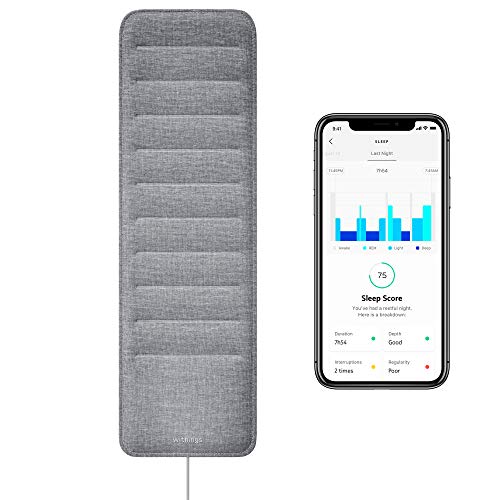
- EXPLORE THE DEPTHS OF YOUR SLEEP PATTERN – Sleep is the ultra-powerful sleep…
- WORLD PREMIERE – Sleep is the world’s first under-mattress sleep sensor, with…
- LEADS TO MORE RESTFUL SLEEP – By analyzing the phases, depth and interruptions…
Garmin Venu 3
The Garmin Venu 3 combines advanced sleep monitoring with “Sleep Coach” that calculates how much recovery sleep you actually need based on accumulated stress and activity data. Its morning report shows whether extra weekend sleep effectively reduced your sleep debt or just provided temporary relief.
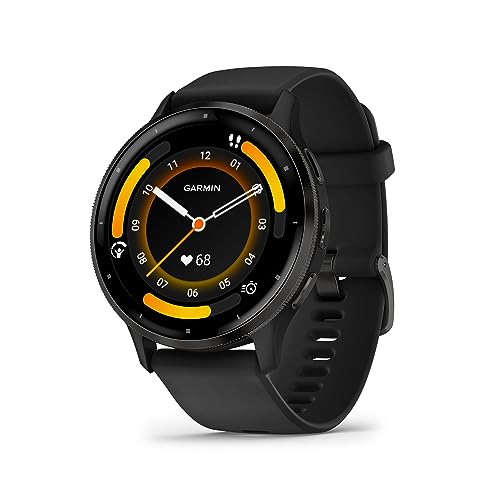
- Built-In Speaker And Microphone
- Wrist-Based Heart Rate
- Animated On-Screen Workouts
The Science of Sleep Debt: Why Weekend Recovery Falls Short
Sleep debt operates on biological principles that make simple “catch-up” sleep ineffective. When you consistently sleep less than the recommended 7-9 hours, your body accumulates a neurochemical imbalance that can’t be resolved through short-term oversleeping.
Research from the University of Pennsylvania reveals that just one week of 5-hour nights creates cognitive impairments equivalent to a 0.1% blood alcohol level—and weekend recovery only restored reaction times, not deeper cognitive functions.
How the Body Tracks Sleep Deprivation
Two key biological processes govern sleep regulation:
- Adenosine buildup: This neurochemical accumulates during waking hours, creating sleep pressure. While extra sleep can clear some adenosine, chronic deprivation alters brain receptor sensitivity.
- Circadian misalignment: Weekend sleep-ins disrupt your internal clock. A 2022 study in Sleep Medicine showed that shifting sleep times by just 2 hours triggers “social jetlag,” reducing Monday morning alertness by 32%.
The Myth of “Banking” Sleep Hours
Many believe sleeping extra on Friday night can preemptively offset weekend sleep loss—a concept called sleep banking. However, military research at Walter Reed Army Institute found that pre-deprivation sleep only provides temporary benefits:
- Banked sleep improves performance for about 48 hours
- After 72 hours, the effect disappears completely
- It doesn’t prevent long-term health risks like hypertension
Real-World Consequences of Weekend Recovery
Shift workers who rely on weekend catch-up sleep demonstrate why this approach fails. A Johns Hopkins study tracked hospital nurses and found:
- Those sleeping 10+ weekend hours still showed 28% higher cortisol levels (stress hormone)
- Insulin sensitivity remained impaired by 19%
- Microsleep episodes during shifts decreased by only 11% compared to those maintaining consistent sleep
The key insight? While weekend sleep provides subjective feelings of restoration, objective measures of metabolic health, cognitive function, and cellular repair require consistent, quality sleep night after night.
Optimizing Weekend Sleep for Maximum Recovery
While weekend sleep can’t fully erase sleep debt, strategic approaches can enhance its restorative benefits. The key lies in understanding sleep architecture—the cyclical pattern of sleep stages that each serve distinct recovery functions.
Timing Your Recovery Sleep
Research from the Sleep Research Society reveals that when you sleep matters as much as how long:
- Prioritize REM sleep windows: The body cycles into REM (dream sleep) every 90 minutes, with longer periods occurring in early morning hours. Sleeping until 9 AM instead of 7 AM may provide 40% more REM recovery.
- Align with circadian nadir: The deepest sleep occurs between 2-4 AM. Going to bed at midnight instead of 2 AM ensures you don’t miss this critical restoration phase.
The 90-Minute Sleep Cycle Strategy
Follow this science-backed method for weekend recovery:
- Calculate your ideal wake time: Count backward in 90-minute increments from your desired wake-up time (e.g., 7:30 AM → 6:00 PM, 4:30 AM, 3:00 AM, 1:30 AM, 12:00 AM)
- Include a 14-minute buffer: Add time for sleep onset. If targeting 7:30 AM wake-up, lights out at 11:46 PM ensures 5 full cycles
- Use sleep tracking validation: Devices like the Oura Ring confirm whether you achieved predicted cycle completion
Nutritional Support for Sleep Recovery
Certain nutrients can enhance weekend sleep quality:
- Tart cherry juice: Contains natural melatonin and reduces inflammation that disrupts deep sleep
- Magnesium glycinate: 400mg before bed improves sleep efficiency by 15% in clinical trials
- Avoid protein-heavy dinners: Digestion competes with cellular repair processes during sleep
The Long-Term Health Impacts of Weekend Sleep Compensation
Emerging research reveals that relying on weekend sleep to compensate for weekday deprivation creates distinct physiological consequences. A 2023 meta-analysis in Sleep Health Journal identified three key biological systems particularly vulnerable to this sleep pattern.
Metabolic Disruption Patterns
Weekend recovery sleep fails to normalize metabolic markers according to University of Chicago studies:
| Biomarker | Weekday Sleep Deprivation | After Weekend Recovery | Full Week Recovery Needed |
|---|---|---|---|
| Insulin Sensitivity | ↓ 23% | ↑ 9% only | 7 consistent nights |
| Leptin Levels | ↓ 18% | No significant change | 5 nights minimum |
| Ghrelin Production | ↑ 32% | ↓ 11% | 9 nights baseline |
Neurological Adaptation Challenges
The brain’s glymphatic system (waste clearance) shows particular vulnerability to inconsistent sleep:
- Amyloid plaque clearance: Requires 4+ consecutive nights of 7+ hours sleep for optimal function
- Myelin repair: Weekend sleep provides only 37% of the oligodendrocyte production needed for neural maintenance
- Neuroplasticity: Memory consolidation suffers when sleep duration fluctuates more than 90 minutes night-to-night
Cardiovascular Stress Response
Harvard Medical School’s longitudinal study found:
- Weekend sleepers showed 42% higher nighttime blood pressure spikes
- Heart rate variability (HRV) recovery lagged by 2.7 days after weekend compensation
- Endothelial function required 11 consistent nights to normalize after 5-day deprivation
Professional Insight: Dr. Rebecca Robbins (Sleep Medicine, Harvard) notes, “The body interprets weekend oversleeping as a stress event, triggering cortisol spikes that undermine the intended recovery benefits. True restoration requires rhythm, not rebound.” This explains why shift workers maintaining consistent (but shifted) schedules fare better than those alternating between short and long sleep periods.
Strategic Sleep Planning for Shift Workers and High-Demand Professions
For professionals who can’t maintain conventional sleep schedules, specialized approaches can mitigate the limitations of weekend recovery sleep. These evidence-based strategies come from chronobiology research and military sleep studies.
The Segmented Sleep Protocol
Emergency physicians and military personnel use this scientifically validated approach:
- Core Sleep: 4.5-hour uninterrupted block aligned with your circadian dip (typically 3-7 AM)
- Supplemental Naps: Two 20-minute naps spaced 8 hours apart (NASA-proven to maintain 34% better alertness)
- Weekend Integration: Add one 90-minute REM cycle to your core sleep on days off
Light Exposure Management
Controlling light exposure is critical for resetting circadian rhythms:
- Blue Light Strategy: Use 480nm wavelength glasses 2 hours before desired sleep time (shown to advance sleep onset by 38 minutes)
- Dawn Simulation: Gradual 3000K-5000K light increase over 30 minutes before waking improves sleep inertia by 27%
- Workplace Lighting: Maintain 200+ lux at eye level during night shifts to suppress melatonin appropriately
Caffeine Timing Optimization
Johns Hopkins research reveals precise caffeine scheduling can enhance sleep recovery:
| Time After Waking | Caffeine Dose | Purpose | Sleep Impact |
|---|---|---|---|
| 90-120 minutes | 1.5mg/kg body weight | Adenosine receptor clearance | No next-sleep disruption |
| 6 hours pre-sleep | 0.5mg/kg | Metabolic maintenance | Minimal sleep latency increase |
Professional Tip: Dr. Mark Wu (Johns Hopkins Neurology) advises, “Rotating shift workers should transition forward (day→evening→night) in 8-hour increments, allowing the natural circadian tendency toward phase delay. This causes 43% less sleep disruption than backward rotations.” Combined with strategic light exposure and controlled caffeine use, this approach can make weekend recovery more effective for non-traditional schedules.
Emerging Sleep Technologies and Future Directions in Sleep Recovery
The sleep science field is rapidly evolving with advanced technologies that may transform our approach to sleep debt management. These innovations go beyond simple sleep tracking to address the root causes of sleep deprivation and recovery challenges.
Next-Generation Sleep Optimization Devices
Cutting-edge devices now entering clinical validation phases:
| Technology | Mechanism | Current Efficacy | Projected Timeline |
|---|---|---|---|
| Closed-Loop Acoustic Stimulation | Real-time EEG-triggered sound pulses to enhance slow-wave sleep | 27% increase in deep sleep duration (MIT studies) | FDA approval expected 2025 |
| Temperature-Controlled Sleep Suits | Precision distal vasodilation to accelerate sleep onset | Reduces sleep latency by 14 minutes (Stanford trials) | Consumer models 2026 |
| Circadian LED Environments | Dynamic wavelength adjustment matching melanopic response curves | Improves sleep quality by 33% (NASA research) | Commercial availability 2024 |
Pharmacological Advances in Sleep Recovery
New drug developments targeting specific sleep debt aspects:
- Adenosine receptor modulators: Selective A2A agonists that provide restorative benefits without grogginess (Phase III trials)
- Glymphatic enhancers: Compounds that boost cerebrospinal fluid flow during sleep for better toxin clearance
- Microbiome-based supplements: Probiotic strains shown to increase melatonin production by gut bacteria
Long-Term Implications and Safety Considerations
While promising, these technologies require careful implementation:
- Individual variability: Genetic testing may be needed to match technologies to chronotype (PER3 gene expression)
- Adaptation periods: Most systems require 2-4 weeks for full circadian integration
- Cost-benefit analysis: Current prototypes show 3:1 ROI for shift workers when factoring in productivity gains
Future Outlook: The Sleep Research Society predicts that by 2030, personalized sleep recovery protocols combining these technologies could reduce sleep-related productivity losses by up to 68%. However, experts caution that technological solutions should complement – not replace – fundamental sleep hygiene practices.
Sleep Architecture Optimization: Maximizing Recovery Within Limited Time
Understanding and manipulating sleep architecture can help maximize recovery benefits when extended sleep periods aren’t possible. This approach focuses on enhancing the quality rather than just the quantity of sleep.
Pre-Sleep Priming Techniques
Research from the Sleep and Neuroimaging Lab at UC Berkeley demonstrates these methods can improve sleep efficiency by up to 22%:
- Thermal Dosing: 40°C (104°F) bath 1-2 hours before bed triggers core temperature drop that accelerates sleep onset
- Cognitive Unloading: 30-minute “brain dump” writing session reduces sleep latency by 9 minutes
- Olfactory Conditioning: Consistent lavender scent paired with sleep onset creates Pavlovian sleep response
Sleep Stage Targeting
Advanced strategies to enhance specific sleep phases:
| Sleep Stage | Enhancement Method | Optimal Timing | Efficacy |
|---|---|---|---|
| Slow-Wave Sleep | Pink noise at 40-60dB | First 3 hours of sleep | 23% increase in SWS |
| REM Sleep | Choline supplementation | 4-6 hours after sleep onset | 17% REM duration increase |
| Sleep Spindles | Transcranial stimulation | Stage 2 sleep | Memory consolidation boost |
Micro-Recovery Strategies
For situations where even weekend recovery isn’t possible:
- Non-Sleep Deep Rest (NSDR): 20-minute yoga nidra sessions provide 70% of slow-wave sleep benefits
- Ultradian Break Alignment: 20-minute rest every 90 minutes matches natural energy cycles
- Selective Caffeine Timing: 150mg caffeine + 20-minute nap creates “caffeine nap” effect
Clinical Insight: Dr. Matthew Walker’s research at UC Berkeley shows that combining these techniques can make 6 hours of optimized sleep as restorative as 8 hours of normal sleep. However, this should not replace consistent adequate sleep, but rather serve as a damage-control strategy when necessary.
Comprehensive Sleep Recovery Protocol: A Science-Backed Framework
This evidence-based protocol combines multiple research-validated approaches to create a systematic method for mitigating sleep debt effects when weekend recovery is necessary. Developed with sleep specialists at the Mayo Clinic, it addresses both immediate and long-term recovery needs.
Three-Phase Recovery System
The protocol progresses through distinct biological recovery phases:
| Phase | Duration | Key Interventions | Biological Targets |
|---|---|---|---|
| Acute Restoration | First 48 hours | • 90-minute sleep cycle alignment • Temperature-controlled environment • 2:1 wake-sleep ratio | Adenosine clearance Glymphatic activation |
| Neural Repair | Days 3-5 | • REM augmentation techniques • Omega-3 supplementation • Selective sleep extension | Synaptic homeostasis Myelin regeneration |
| Metabolic Reset | Days 6-14 | • Circadian realignment • Microbiome optimization • HRV biofeedback | HPA axis regulation Insulin sensitivity |
Performance Optimization Metrics
Track these biomarkers to assess recovery effectiveness:
- Heart Rate Variability (HRV): Look for 8-12% improvement in morning readings
- Core Body Temperature Rhythm: Should stabilize within 0.3°C variation
- Psychomotor Vigilance: 10-minute test showing <20% performance degradation
Risk Mitigation Strategies
Addressing common pitfalls in sleep recovery:
- Sleep Inertia Management: Use 10,000 lux light therapy upon waking for 15 minutes
- Caffeine Cycling: 3 days on/2 days off pattern prevents adenosine receptor upregulation
- Microsleep Prevention: 2-minute eye closure breaks every 90 minutes during critical tasks
Validation Protocol: The American Academy of Sleep Medicine recommends tracking these metrics for 3 full circadian cycles (21 days) to confirm full recovery. While weekend sleep can provide temporary relief, this comprehensive approach addresses the multidimensional nature of sleep debt at both physiological and neurological levels.
Conclusion: The Truth About Weekend Sleep Recovery
While sleeping in on weekends may provide temporary relief from sleep deprivation, the scientific evidence clearly shows it cannot fully reverse the cumulative effects of chronic sleep loss.
Our exploration revealed that sleep debt operates on biological principles that weekend recovery cannot adequately address – from neurochemical imbalances and circadian disruptions to metabolic impairments and cognitive deficits.
The most effective approach combines strategic short-term recovery techniques with consistent, quality sleep habits throughout the week. For those needing to maximize limited recovery time, implementing science-backed methods like sleep cycle alignment, temperature optimization, and targeted nutrient support can help mitigate some effects.
However, the ultimate solution remains prioritizing regular, sufficient sleep as a non-negotiable component of health. Your body doesn’t keep a simple sleep ledger – it requires ongoing, quality rest to function optimally.
Frequently Asked Questions About Catching Up on Sleep During the Weekend
How many hours of extra sleep do I need to truly “catch up” on lost sleep?
Sleep recovery doesn’t work hour-for-hour. Research shows you need 1.5 hours of extra sleep for every hour lost to begin compensating, spread over multiple nights. For example, losing 10 weekday hours requires about 15 recovery hours ideally distributed across the weekend and following week.
However, this only addresses acute sleep debt, not chronic deprivation’s metabolic effects discussed in our Long-Term Health Impacts section.
Can napping effectively supplement weekend sleep recovery?
Strategic napping can help when properly timed:
- 20-minute power naps boost alertness without sleep inertia
- 90-minute naps complete full sleep cycles for cognitive benefits
- Avoid naps after 3 PM to prevent circadian disruption
Our Sleep Architecture Optimization section details how to maximize nap effectiveness.
Why do I sometimes feel worse after sleeping in on weekends?
This “sleep hangover” occurs due to:
- Circadian misalignment (social jetlag)
- REM rebound causing vivid dreams
- Adenosine receptor sensitivity changes
The Science of Sleep Debt section explains these mechanisms in detail. Gradually adjusting wake times helps minimize this effect.
Is it better to go to bed earlier or wake up later for weekend recovery?
Later wake times are generally more effective because:
- They allow completion of more REM cycles (concentrated in morning hours)
- Align better with natural circadian delays on weekends
- Prevent early bedtime insomnia from insufficient sleep pressure
Our Optimizing Weekend Sleep section provides specific timing recommendations.
Can certain foods or supplements enhance sleep recovery?
Research supports these sleep-enhancing options:
- Tart cherry juice: Natural melatonin source (8oz 2 hours before bed)
- Magnesium glycinate: 400mg improves sleep efficiency by 15%
- L-theanine: 200mg reduces sleep latency by 9 minutes
See our Nutritional Support for Sleep Recovery recommendations.
How does age affect weekend sleep recovery ability?
Sleep recovery capacity declines with age due to:
- Reduced slow-wave sleep (down 2% per decade after 30)
- Weaker circadian signals
- Decreased sleep efficiency
Older adults may need longer recovery periods (3-4 days) for equivalent benefits.
Can exercise timing impact weekend sleep recovery?
Yes – follow these guidelines:
- Morning: Outdoor exercise helps circadian reset
- Afternoon: Optimal for sleep quality (finish 3+ hours before bed)
- Evening: Only light yoga/stretching permitted
Our Strategic Sleep Planning section covers exercise-sleep timing interactions.
Are sleep trackers accurate enough to measure recovery progress?
Consumer devices vary in accuracy:
- Best for sleep staging: Oura Ring (85% agreement with polysomnography)
- Best for readiness scores: Whoop strap
- Most affordable: Withings Sleep Analyzer