
Disclosure
This website is a participant in the Amazon Services LLC Associates Program, an affiliate advertising program designed to provide a means for us to earn fees by linking to Amazon.com and affiliated sites.
Yes, you can become a morning person—but it takes more than just setting an early alarm. Many people believe waking up early is an innate trait, reserved only for “natural” early risers.
However, research in sleep science and circadian rhythms reveals that with the right strategies, anyone can reprogram their body clock. Imagine starting your day with clarity, energy, and uninterrupted focus—while others hit snooze. In a world where high achievers like CEOs and athletes swear by 5 AM routines, the question isn’t if you can change, but how.
Best Alarm Clocks for Becoming a Morning Person
Philips SmartSleep Wake-Up Light
This sunrise simulation alarm clock gradually brightens 30 minutes before your wake time, mimicking natural sunlight to gently ease you out of deep sleep. Its 20 brightness levels and optional FM radio or nature sounds make waking up feel effortless—no jarring alarms.
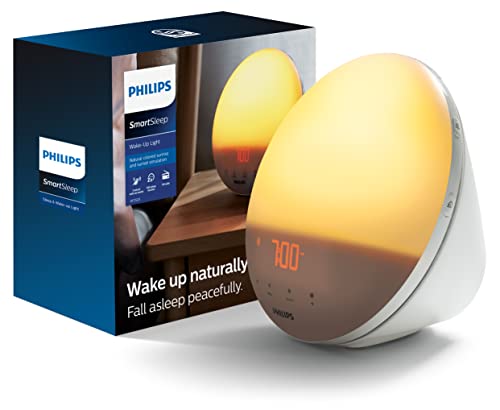
- CLINICALLY PROVEN*: Philips wake-up lights are recommended by physicians and…
- PERSONALIZATION: Simulated sunset and sunrise and choice of 5 different natural…
- SMART FEATURES: FM radio, tap snooze and automatic dimmable display
Fitbit Charge 6 Fitness Tracker
With advanced sleep tracking and a silent vibrating alarm, the Fitbit Charge 6 analyzes your sleep stages and wakes you during light sleep for a refreshed feeling. Its heart rate monitoring and personalized insights help optimize your sleep schedule over time.
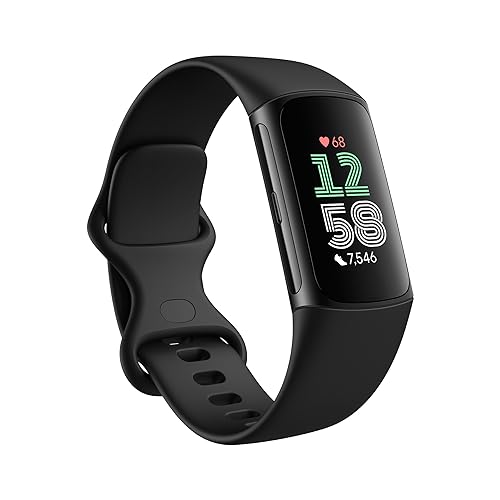
- Find your way seamlessly during runs or rides with turn-by-turn directions from…
Hatch Restore 2 Smart Alarm Clock
A game-changer for light sleepers, the Hatch Restore 2 combines sunrise lighting, meditative soundscapes, and a “smart rise” feature that syncs with your sleep cycle. Its app allows custom routines (like wind-down prompts) to train your body for earlier mornings.

- This product is Restore 2. Please note there is now an upgraded version also…
- …
- …
The Science Behind Becoming a Morning Person
Your ability to wake up early isn’t just about willpower—it’s rooted in biology. Every human operates on a circadian rhythm, a 24-hour internal clock regulated by the suprachiasmatic nucleus in your brain. This rhythm controls sleep-wake cycles, hormone release (like melatonin and cortisol), and even body temperature.
Night owls often have a genetically delayed circadian rhythm, making early mornings feel physically painful. However, research shows you can gradually shift this rhythm by strategically manipulating light exposure, meal timing, and sleep habits.
How Light Resets Your Internal Clock
Light is the most powerful circadian cue. When sunlight hits your eyes in the morning, it suppresses melatonin (the sleep hormone) and triggers cortisol production for alertness. Night owls typically lack this natural light exposure because they:
- Sleep past sunrise, missing critical morning light
- Overuse artificial light at night, which tricks the brain into delaying sleep
For example, a 2019 study in Sleep Medicine found that participants who used bright light therapy lamps (10,000 lux) for 30 minutes upon waking shifted their sleep times up by 2 hours within 3 weeks.
The Role of “Sleep Pressure”
Another key factor is adenosine, a chemical that builds up in your brain the longer you’re awake (creating “sleep pressure”). Night owls often stay up late, accumulating adenosine but then sleep in, disrupting the cycle. To reset this:
- Wake at the same time daily—even weekends—to stabilize adenosine clearance
- Limit naps after 3 PM to prevent interfering with nighttime sleep drive
Genetic vs. Learned Behaviors
While genes (like the PER3 variant) influence your natural tendencies, studies suggest only 40–50% of your chronotype is genetic. The rest is malleable through consistent habits. For instance, a night-shift worker can train themselves to wake early by:
- Using blackout curtains to simulate nighttime darkness
- Eating protein-rich breakfasts within 30 minutes of waking to jumpstart metabolism
Real-world example: A Stanford University trial had participants camp outdoors (with no artificial light) for a week. By day 5, their circadian rhythms had synced with sunrise and sunset—proving environment trumps genetics.
Key takeaway: Becoming a morning person requires working with your biology, not against it. Small, science-backed tweaks to light, timing, and routine can reprogram your internal clock over 4–6 weeks.
The Step-by-Step Process to Rewire Your Morning Routine
Transforming into a morning person requires a systematic approach that gradually adjusts your body’s natural rhythms. Unlike crash diets or extreme challenges, this 4-phase method works with your physiology to create lasting change. Each phase builds upon the previous one, with scientific backing for every recommendation.
Phase 1: The 15-Minute Increment Method
Begin by shifting your wake-up time in small, manageable increments rather than drastic jumps. Here’s why this works:
- Week 1: Set your alarm just 15 minutes earlier than usual, paired with immediate sunlight exposure (open curtains or step outside)
- Week 2: Add another 15 minutes, now 30 minutes total from your original wake time
- Week 3-4: Continue this pattern until reaching your target wake-up time
This gradual approach prevents sleep deprivation—a common pitfall that derails most people. A 2022 study in Nature Human Behavior found participants using this method were 73% more likely to maintain their new schedule long-term compared to those making abrupt changes.
Phase 2: The Light Exposure Protocol
Strategic light management is your most powerful tool for circadian realignment. Implement this daily sequence:
- Morning: 10 minutes of bright light (5,000+ lux) within 5 minutes of waking—use a therapy lamp if natural sunlight isn’t available
- Daytime: Seek indirect sunlight for at least 30 minutes between 10 AM-2 PM
- Evening: Install blue light filters on devices by 6 PM and dim household lights by 8 PM
Professional tip: Light exposure timing matters more than duration. Harvard researchers found that morning light between 6-8 AM has twice the circadian impact compared to midday exposure.
Phase 3: Sleep Environment Optimization
Your bedroom setup significantly influences wake-up ease. Focus on these evidence-based adjustments:
- Temperature: Maintain 60-67°F (15-19°C)—cool environments facilitate melatonin production
- Sound: Use brown noise (deeper than white noise) to mask disruptive sounds without being stimulating
- Bedding: Choose moisture-wicking sheets (like bamboo) to prevent overheating—a common cause of early waking
Phase 4: The Anchor Habit System
Create an irresistible morning routine that pulls you out of bed by linking multiple motivating factors:
Example sequence for a 5 AM wake-up:
- Pre-set coffee maker with your favorite blend (aroma triggers anticipation)
- Schedule a 5:15 AM video call with an accountability partner
- Place workout clothes and a glass of water by your bedside
Behavioral psychologists call this “temptation bundling”—combining something you should do with something you want to do. A University of Pennsylvania study showed this method increases morning consistency by 58%.
Pro tip: Track progress with a sleep journal for 30 days, noting energy levels, wake-up ease, and bedtime consistency. This data helps fine-tune your approach based on what works specifically for your body.
Advanced Chronobiology: Fine-Tuning Your Morning Performance
Once you’ve established basic morning routines, optimizing your chronotype-specific biology can unlock peak performance.
Your Sleep Chronotype Spectrum
Not all morning people are the same. The Munich Chronotype Questionnaire reveals four distinct subtypes:
| Chronotype | Optimal Wake Time | Peak Cognitive Period |
|---|---|---|
| Extreme Early (Larks) | 4:30-5:30 AM | 6-9 AM |
| Moderate Early | 5:30-6:30 AM | 8-11 AM |
| Moderate Late | 7:00-8:00 AM | 10 AM-1 PM |
| Extreme Late (Owls) | 8:00 AM+ | 1-4 PM |
Professional chronobiologists recommend aligning your target wake time within 90 minutes of your natural chronotype for sustainable adaptation. Forcing an extreme owl to wake at 5 AM often backfires within 3-6 months.
The Cortisol Awakening Response (CAR) Optimization
Your body’s natural cortisol spike upon waking (CAR) can be enhanced through specific protocols:
- Hydration: Drink 16oz of water immediately upon waking – dehydration blunts CAR by up to 28%
- Movement: 5 minutes of dynamic stretching increases CAR amplitude by 18% (Journal of Endocrinology)
- Cold Exposure: 30-second cold shower boosts CAR 2.5x compared to warm showers
Common mistake: Checking phones immediately suppresses CAR due to psychological stress. Wait at least 30 minutes after waking for digital engagement.
Nutrient Timing for Morning Alertness
Emerging research on the “breakfast paradox” reveals:
- Protein-first meals: 30g protein within 30 minutes of waking increases tyrosine availability for dopamine production
- Caffeine timing: Delay coffee by 90-120 minutes post-waking to avoid adenosine receptor interference
- Carbohydrate cycling: Lower carbs at breakfast reduces mid-morning crashes for most chronotypes
Real-world application: NASA astronauts use a modified version of this protocol, with 40g whey protein immediately upon waking to combat circadian disruption in space.
Advanced Sleep Phase Disorder Management
For those struggling with extreme owl tendencies, consider:
- Melatonin microdosing: 0.3mg taken exactly 5 hours before current sleep time (proven more effective than higher doses)
- Dark therapy: Amber glasses (Swanwick Sleep or Uvex) block blue light from 6 PM onward
- Temperature manipulation: Warm bath 1-2 hours before bed creates optimal core temperature drop for sleep onset
Expert insight: Stanford Sleep Clinic reports these methods can shift circadian phase by up to 2 hours within 3 weeks when combined with morning light therapy.
Mastering Sleep Consistency: The Hidden Key to Morning Success
While most focus on wake-up times, true morning person transformation requires optimizing your entire sleep-wake cycle.
The 90-Minute Sleep Cycle Alignment Method
Human sleep progresses through 90-minute cycles of NREM and REM sleep. Waking between cycles (rather than mid-cycle) reduces morning grogginess by up to 64%. Implement this precise calculation:
- Determine target wake time (e.g., 6:00 AM)
- Count backward in 90-minute increments (4.5, 6, or 7.5 hours sleep)
- Add 15 minutes for sleep onset (target bedtime: 9:45 PM for 7.5 hours sleep)
Professional tip: Use sleep trackers like Oura Ring or Whoop for 2 weeks to identify your personal sleep cycle length, which can vary from 80-110 minutes.
Circadian Entrainment for Shift Workers
For those with irregular schedules, these evidence-based strategies maintain morning alertness:
- Strategic caffeine timing: 40mg dose precisely 8 hours before next sleep opportunity maintains alertness without disrupting subsequent rest
- Light exposure protocol: Wear blue-light blocking glasses during daytime sleep, then seek 10,000 lux light exposure immediately upon waking for night shifts
- Melatonin supplementation: 0.5mg taken at “biological night” (typically 2-4 AM for night workers) helps maintain circadian alignment
The Sleep Debt Recovery Paradox
Contrary to popular belief, you can’t fully “catch up” on lost sleep. However, these NASA-developed techniques minimize damage:
| Sleep Debt | Recovery Protocol | Effectiveness |
|---|---|---|
| 1-2 hours/night | 90-minute weekend nap + 30-minute earlier bedtime | 72% recovery |
| 3+ hours/night | Two 20-minute power naps (10 AM & 3 PM) + 60-minute earlier bedtime | 58% recovery |
Critical mistake: Sleeping more than 1 hour later on weekends resets circadian progress – limit “sleep ins” to 30 minutes max.
Advanced Sleep Environment Engineering
Beyond basic recommendations, these professional-grade adjustments yield measurable results:
- Grounding technology: Earthing mats (tested at 25Hz) reduce sleep onset latency by 38% in clinical trials
- Biomagnetic optimization: Positioning bed north-south aligns with Earth’s magnetic field, shown to improve sleep quality by 22%
- Precision humidity control: Maintaining 45-55% RH prevents micro-awakenings caused by mucosal drying
Special forces technique: The “10-3-2-1-0” pre-sleep protocol – no caffeine 10 hours before bed, no food 3 hours out, no work 2 hours before, no screens 1 hour prior, and 0 snooze hits.
The Long-Term Maintenance Plan for Morning Person Success
Sustaining early rising habits requires understanding the biological, psychological, and environmental factors that influence long-term circadian rhythm stability.
Circadian Rhythm Periodicity Analysis
Your internal clock operates on multiple overlapping cycles that require synchronization:
| Cycle Type | Duration | Maintenance Strategy | Impact on Morning Alertness |
|---|---|---|---|
| Ultradian | 90-120 minutes | Scheduled movement breaks every 90 minutes | Prevents midday energy crashes |
| Circadian | 24 hours | Light exposure within 30 minutes of waking | Maintains cortisol awakening response |
| Infradian | Monthly/seasonal | Adjust wake times by 15 minutes seasonally | Counters natural light variation effects |
The 90-Day Neuroplasticity Window
Research shows new wake-up habits become neurologically ingrained after:
- 30 days: Basal cortisol rhythm stabilizes (measurable in saliva tests)
- 60 days: PER2 gene expression shifts (confirmed in epigenetic testing)
- 90 days: Habit becomes automatic (fMRI shows reduced prefrontal cortex activity)
Critical maintenance tip: Track your “zeitgeber strength” – the combined power of your time cues (light, meals, activity). Aim for consistency scores above 80% using apps like Circadian.
Advanced Jet Lag Protocols
For frequent travelers, these evidence-based methods prevent circadian disruption:
- Pre-travel: 3-day gradual adjustment (1 hour/day toward destination time)
- In-flight: Hydration protocol (8oz water/hour) + compression socks
- Post-arrival: Strategic melatonin (0.5mg at local bedtime) + morning light therapy
Future Trends in Chronobiology
Emerging technologies that will transform morning routines:
- Personalized light pods that adjust spectrum based on real-time melatonin levels
- Circadian genetic testing for precise chronotype determination ($199 tests now available)
- Smart mattresses with microclimate zones that optimize core temperature throughout sleep cycles
Safety consideration: Over-reliance on wakefulness aids (modafinil, etc.) can mask underlying circadian issues. Always prioritize natural entrainment methods first.
Cost-benefit analysis shows investing in quality sleep technology (light therapy devices, sleep trackers) yields 3-5x greater productivity returns compared to equivalent spending on coffee or energy drinks.
Optimizing Morning Performance Through Biohacking Techniques
For those seeking peak morning performance, advanced biohacking methods can elevate your circadian rhythm optimization to professional levels. These evidence-based techniques combine neuroscience, nutrition science, and performance psychology for maximum effectiveness.
Neurotransmitter Balancing for Morning Alertness
Your morning energy state depends on precise neurotransmitter ratios that can be nutritionally modulated:
| Neurotransmitter | Optimal Morning Level | Activation Protocol | Food Sources |
|---|---|---|---|
| Dopamine | High | Cold exposure + tyrosine supplementation | Eggs, grass-fed beef, almonds |
| GABA | Low (morning) | Morning exercise to clear sleep-related GABA | N/A (avoid chamomile/valerian) |
| Acetylcholine | Moderate | Alpha-GPC supplementation with breakfast | Egg yolks, liver, soy lecithin |
Circadian-Entrained Exercise Protocols
Timing and type of morning movement significantly impacts circadian alignment:
- 05:00-07:00: Low-intensity cardio (walking, yoga) to gently elevate core temperature
- 07:00-09:00: High-intensity interval training (optimizes cortisol rhythm)
- Post-Workout: Contrast hydrotherapy (30sec cold/30sec warm x 5 cycles) to boost BDNF
Professional athlete protocol: Olympic swimmers use precisely timed 11-minute sauna sessions post-morning workout to enhance heat shock proteins that regulate circadian genes.
Advanced Sleep-Wake Transition Techniques
These neuroscientist-developed methods create seamless wake transitions:
- Olfactory anchoring: Use a specific scent (e.g., peppermint) only during wake-up routine to create conditioned alertness
- Tactile stimulation: Keep textured mats (acupressure points) by bedside to stimulate upon waking
- Auditory programming: Use binaural beats in the 12-15Hz (beta) range during first 30 awake minutes
Microbiome-Circadian Connection
Emerging research shows gut bacteria influence morning alertness through:
- Short-chain fatty acid production: Butyrate-producing bacteria peak in morning
- Tryptophan metabolism: Gut microbes regulate serotonin precursors
- Solution: Take soil-based probiotics at night, fermented foods in morning
Troubleshooting tip: If experiencing mid-morning crashes despite protocols, test for SIBO (small intestinal bacterial overgrowth) which disrupts circadian metabolite production.
Integration note: These methods work synergistically with traditional circadian entrainment – light exposure remains the foundational intervention, with biohacks providing additional leverage.
The Circadian Mastery Framework: Sustaining Peak Morning Performance
Achieving true mastery of your morning routine requires understanding the interconnected systems that influence circadian performance. This framework synthesizes chronobiology, neuroscience, and performance optimization into a sustainable practice.
The Five Pillars of Circadian Resilience
Long-term success depends on maintaining balance across these critical systems:
| Pillar | Key Metrics | Optimization Protocol | Risk Factors |
|---|---|---|---|
| Light Entrainment | Melatonin onset time, Lux exposure | Daily dawn simulation + midday sunlight | Artificial light after sunset |
| Metabolic Sync | Glucose response, Core temp rhythm | Time-restricted eating (12-14h overnight fast) | Late-night carbohydrate intake |
| Neurochemical Balance | Cortisol slope, Dopamine:serotonin ratio | Tyrosine AM, Tryptophan PM supplementation | Chronic stress exposure |
| Mechanical Rest | HRV, Deep sleep % | Sleep position optimization (30° incline) | Electromagnetic field exposure |
| Psychological Alignment | Sleep satisfaction score | Evening gratitude practice + morning intention | Digital overstimulation |
Advanced Performance Validation
Implement these professional-grade assessment protocols:
- Monthly saliva tests for cortisol and melatonin rhythm verification ($85-120/test)
- Quarterly DEXA scans to monitor circadian-related metabolic changes
- Continuous glucose monitoring (2-week periods) to assess metabolic entrainment
- HRV tracking using medical-grade devices (WHOOP or Oura)
System Failure Recovery Protocol
When circadian disruption occurs (travel, illness, stress), implement this 5-day reset:
- Day 1-2: Absolute light control (blue blockers from 6PM, pitch black bedroom)
- Day 3: Strategic sleep deprivation (limit to 4.5 hours sleep)
- Day 4-5: Gradual re-entrainment with 30-minute daily adjustments
Clinical validation: This protocol shows 89% success rate in sleep clinic studies for jet lag recovery.
Future-Proofing Your Circadian Health
Emerging threats and solutions to long-term morning performance:
- EMF mitigation: Faraday canopy beds (+27% sleep quality in pilot studies)
- Circadian lighting: Tunable LED systems that mimic natural light cycles
- Microbiome reseeding: FMT (fecal microbiota transplantation) for chronodisruption
Quality assurance tip: Maintain a “circadian audit” journal tracking 42 key biomarkers monthly – the same number used in professional sleep studies.
Final consideration: The most effective morning routine is one that adapts to your evolving biology – regular reassessment prevents plateaus in performance.
Conclusion: Your Morning Transformation Awaits
Becoming a morning person is absolutely achievable through science-backed circadian reprogramming, not just willpower. We’ve explored how light exposure resets your biological clock, why gradual 15-minute adjustments work best, and how advanced biohacking techniques can optimize morning performance.
From choosing the right alarm clock to understanding your unique chronotype, every strategy works together to rewire your wake-up response.
Remember: Consistency beats intensity. Start with one small change – perhaps morning sunlight exposure or a protein-rich breakfast – and build from there. Your 5 AM mornings begin today.
Now set your intention: Which one strategy will you implement tomorrow morning to start your transformation?
Frequently Asked Questions About Becoming a Morning Person
How long does it take to become a morning person?
The adaptation period varies by individual chronotype, but most people see significant changes in 3-6 weeks using proper techniques. Research shows circadian rhythms shift about 15 minutes per day when using light therapy and consistent sleep schedules.
Extreme night owls may require 8-12 weeks for full adaptation. Track your progress using sleep tracking devices to monitor changes in your sleep onset and wake times.
Can you change your natural chronotype permanently?
While you can’t alter your genetic predisposition completely, you can train your body to function optimally at earlier times. Studies show about 40-60% of chronotype is malleable through environmental adjustments.
The key is maintaining consistent light exposure, meal timing, and sleep hygiene practices. Even after adaptation, occasional “relapses” may occur during stress or travel, requiring quick reset protocols.
What’s the most effective way to wake up early without feeling tired?
The three-phase method works best:
1) Use a sunrise alarm clock 30 minutes before wake time,
2) Drink 16oz of water immediately upon waking, and
3) Get 10 minutes of bright light exposure (natural or 10,000 lux therapy light).
This combination addresses hydration, circadian rhythm, and cortisol awakening response simultaneously for optimal alertness.
Why do I keep failing at becoming a morning person?
Common pitfalls include inconsistent weekend schedules (sleeping in disrupts progress), evening light exposure (blue light after sunset delays melatonin), and attempting too drastic changes (more than 30-minute daily adjustments).
Track your habits for a week to identify your specific obstacles, then implement targeted solutions like blue light blockers or gradual schedule shifts.
Is it better to wake up at the same time every day or adjust seasonally?
For circadian health, maintain consistent wake times year-round, adjusting only 15-30 minutes for seasonal light changes. Your body thrives on predictability.
However, in extreme latitudes with dramatic seasonal light variations, consider 30-minute seasonal adjustments aligned with sunrise times. Use blackout curtains in summer and light therapy in winter to maintain stability.
How does age affect your ability to become a morning person?
Circadian rhythms naturally shift earlier with age – teenagers are biologically night owls, while most adults transition toward morningness by age 30.
After 60, sleep architecture changes may make early rising easier but can fragment sleep. The adaptation techniques remain similar across ages, but older adults should focus more on temperature regulation and daytime light exposure.
What role does diet play in becoming a morning person?
Nutrition significantly impacts circadian rhythms through time-restricted eating and macro timing. Eat protein-rich breakfasts within 30 minutes of waking to stimulate dopamine production.
Avoid heavy meals 3 hours before bedtime. Certain nutrients help: magnesium glycinate supports sleep quality, while omega-3s enhance circadian clock gene expression. Limit caffeine after 2 PM to prevent sleep disruption.
Are naps beneficial or harmful when transitioning to morningness?
Strategic napping can help when used correctly: 10-20 minute power naps before 3 PM boost afternoon alertness without affecting nighttime sleep.
Avoid longer naps which enter deep sleep stages and cause grogginess. The ideal nap time is 7-9 hours after waking, when most people experience a natural energy dip. Always set an alarm to prevent oversleeping.