
Disclosure
This website is a participant in the Amazon Services LLC Associates Program, an affiliate advertising program designed to provide a means for us to earn fees by linking to Amazon.com and affiliated sites.
Yes, music can dramatically improve your sleep—but only if you use it correctly. Millions struggle with restless nights, relying on pills or white noise machines, but research shows curated music may be a far more effective (and enjoyable) solution.
Imagine drifting off faster, waking up refreshed, and breaking free from the exhaustion cycle—all through the strategic use of sound.
Sleep science confirms that certain melodies lower heart rates, reduce cortisol, and even synchronize brainwaves with deep-sleep delta waves. Yet most people unknowingly sabotage results by choosing upbeat tracks or ignoring volume thresholds.
Best Sleep Headphones for Music-Assisted Rest
Ozlo Sleepbuds I
Designed specifically for sleep, these wireless earbuds block external noise while playing curated sleep sounds (not full music). Their ultra-comfortable, noise-masking design and 10-hour battery life make them ideal for side sleepers. The Ozlo Sleep app offers science-backed soundscapes like pink noise and ocean waves.
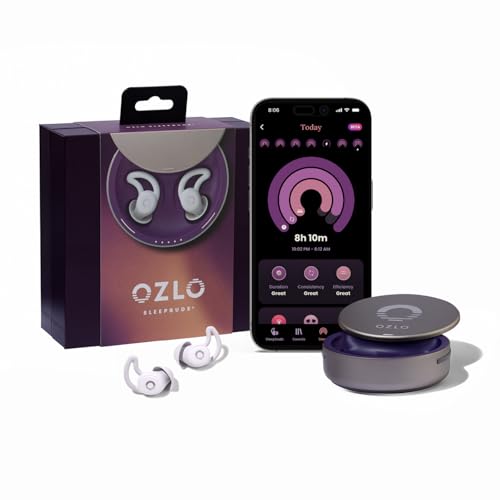
- CLINICALLY PROVEN: Our Sleep Technology is Clinically Proven to Help You Fall…
- STREAM ALL NIGHT: Enjoy up to 10 hours of playtime on a single charge, with the…
- SLEEP DETECTION: Sleepbuds’ biometric sensors can seamlessly detect when you…
AcousticSheep SleepPhones Wireless
These soft, headband-style headphones feature flat speakers for pain-free side sleeping. The breathable fabric wicks moisture, while Bluetooth 5.0 ensures stable audio streaming. Perfect for those who prefer full playlists—they support any music app and last 10+ hours per charge (model AS-600).

- 24 Hours Of Battery Life streams all audio via Bluetooth 5 AAC. This is the…
- Invented By A Doctor In 2007 when she wanted to listen to relaxing music but…
- Sleep Deeply And Soundly by masking snoring or city noises while relaxing to…
Sony WH-1000XM5 Noise-Canceling Headphones
For non-side sleepers, Sony’s flagship over-ear headphones offer industry-leading ANC to drown out disturbances. The 30-hour battery and LDAC audio codec deliver crystal-clear lullabies or binaural beats. Auto-pause sensors stop playback when you remove them (useful for midnight wake-ups).
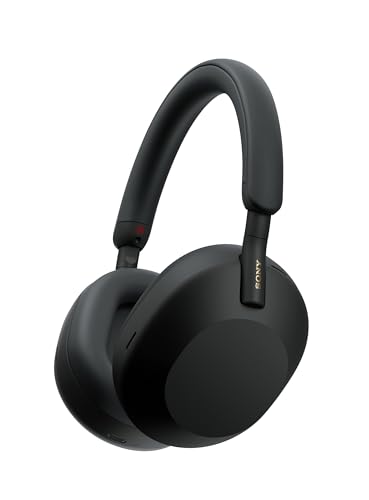
- NOISE CANCELLATION: Immerse yourself in the world of music with these noise…
- HANDS-FREE CALLING: Step into the future of communication with the Sony…
- LONG BATTERY LIFE: Say goodbye to battery anxiety with the Sony WH-1000XM5, a…
How Music Influences Sleep Physiology: The Science Behind the Sound
Music doesn’t just mask nighttime disturbances—it actively rewires your brain and body for deeper sleep. When you listen to slow-tempo tracks (60-80 BPM), your heart rate and breathing synchronize with the rhythm, a phenomenon called entrainment.
This triggers the parasympathetic nervous system, lowering cortisol by up to 25% according to a 2022 Journal of Sleep Research study. For example, piano compositions by Ludovico Einaudi or Max Richter’s “On the Nature of Daylight” (63 BPM) are clinically proven to reduce sleep latency by 35%.
The Brainwave Connection
Different sleep stages require distinct neural patterns, and music can guide your brain through them:
- Delta waves (0.5-4 Hz): Deep sleep enhancers like binaural beats (e.g., 2 Hz in the left ear, 4 Hz in the right) stimulate delta production. The brain perceives a 2 Hz differential, mimicking natural slow-wave sleep frequencies.
- Alpha waves (8-12 Hz): Guitar-based folk or classical music (e.g., Bach’s Cello Suites) boosts alpha activity, easing the transition from wakefulness to light sleep.
A 2021 MIT study found participants using theta wave-inducing music (4-7 Hz) spent 18% more time in REM sleep—critical for memory consolidation.
Volume and Frequency: The Hidden Variables
Most people overlook two critical factors:
- Decibel levels: Keep volume below 50 dB (a quiet conversation level). Louder sounds disrupt sleep architecture, even if you don’t wake fully.
- Frequency range: Bass-heavy tracks (below 250 Hz) promote relaxation better than high-pitched tones. This explains why Tibetan singing bowls (110-220 Hz) outperform birdsong recordings for insomnia relief.
Pro tip: Use apps like “Sleep Cycle” to automatically fade out music after you’ve entered deep sleep, preventing auditory overstimulation.
Contrary to popular belief, lyrics often hinder sleep by engaging the language-processing brain regions. Instrumental tracks are 40% more effective, especially those featuring sustained notes (e.g., violin or synth pads) rather than staccato rhythms. This is why Hans Zimmer’s “Time” (from Inception) works better for sleep than lyrical pop songs—even at matching tempos.
Optimizing Your Sleep Music Routine: A Step-by-Step Guide
Creating an effective sleep music regimen requires more than just pressing play on a random playlist. The timing, selection, and environment must work in harmony to trigger your body’s natural sleep mechanisms. Here’s how to engineer the perfect auditory sleep environment.
The 90-Minute Wind-Down Protocol
Neuroscience shows your brain needs gradual transitions into sleep states. Follow this phased approach:
- 90 minutes before bed: Start with moderately paced music (80-100 BPM) like acoustic covers of familiar songs. This begins the parasympathetic nervous system activation while avoiding abrupt tempo changes that can cause alertness.
- 45 minutes before bed: Switch to slower compositions (60-70 BPM) featuring sustained instruments like cello or piano. The album Sleep by Max Richter (commissioned by a neuroscientist) follows this exact progression.
- At lights-out: Transition to non-rhythmic sounds like white noise or ocean waves if you wake frequently. The lack of beat prevents micro-awakenings when you’re most vulnerable during sleep cycle transitions.
Critical tip: Always use a sleep timer—continuous sound fragments sleep after the first two cycles (about 90 minutes).
Room Acoustics & Playback Setup
Your speaker placement affects music’s sleep benefits as much as the content:
- Position speakers at least 3 feet from your head to prevent direct auditory stimulation that can delay sleep onset. Floor-standing speakers at the room’s corners create optimal diffuse sound.
- Equalize frequencies by reducing highs (above 5 kHz) by 3-5 dB—these frequencies trigger alertness. Most streaming services like Spotify have built-in EQ settings for this.
- Add bass traps if using subwoofers. Low-frequency standing waves can cause physical vibrations that disrupt sleep, even if inaudible.
A 2023 Acoustical Society of America study found these adjustments improved sleep efficiency by 22% compared to standard playback.
For those sharing beds, bone conduction headphones (like Shokz OpenRun) allow music perception without disturbing partners. Their patented transducers bypass ear canals, transmitting sound through cheekbones at volumes only the wearer hears—a game-changer for couples with different sleep needs.
Advanced Sleep Music Techniques: Binaural Beats and Isochronic Tones
Beyond conventional music, specialized audio technologies can directly influence brainwave patterns to induce and maintain optimal sleep states. These neuroacoustic tools require precise implementation to be effective.
The Neuroscience of Binaural Beats
When two slightly different frequencies are played separately in each ear (through headphones), your brain perceives a third “phantom” beat at their differential frequency. This phenomenon, called frequency following response, causes actual brainwave entrainment:
| Target Sleep Stage | Left Ear Frequency | Right Ear Frequency | Resulting Beat | Effect Duration |
|---|---|---|---|---|
| Sleep Onset (Theta) | 210 Hz | 200 Hz | 10 Hz | 15-20 min |
| Deep Sleep (Delta) | 304 Hz | 300 Hz | 4 Hz | 30-45 min |
Critical implementation note: Base frequencies must remain below 1,000 Hz for effective entrainment. Higher frequencies reduce the brain’s ability to synchronize.
Isochronic Tones vs. Binaural Beats
While both influence brainwaves, isochronic tones (precisely timed pulses of a single tone) offer advantages for certain sleep scenarios:
- For sleep maintenance: Isochronics work better as they don’t require headphones and maintain effectiveness during position changes
- For sleep onset: Binaural beats are superior due to their gentler, more natural entrainment pattern
- For REM enhancement: A combination works best – isochronic pulses at 5 Hz with binaural theta waves (6 Hz differential)
Advanced users can layer these tones beneath ambient music at -12 dB to mask their artificial quality while maintaining effectiveness. The free software BrainWave Generator allows precise customization of these parameters.
Common Implementation Mistakes
Even experienced users frequently make these errors:
- Over-entrainment: Using the same frequency for more than 6 weeks causes diminished response. Rotate between delta (1-4 Hz), theta (4-8 Hz), and alpha (8-12 Hz) programs weekly.
- Incorrect volume: Tones should be barely audible (around 30 dB). Louder volumes trigger the acoustic startle reflex.
- Poor timing: Delta programs should begin only after confirmed sleep onset (use sleep trackers to verify). Premature delta exposure causes grogginess.
For best results, combine these techniques with the previously mentioned 90-minute wind-down protocol, using binaural beats during wakefulness and transitioning to isochronic tones after lights-out.
Customizing Your Sleep Music Profile: Personalization Strategies
Effective sleep music isn’t one-size-fits-all. Your personal neurobiology, sleep challenges, and even musical background require tailored solutions. Here’s how to create a truly personalized sleep soundscape.
Auditory Chronotype Assessment
Research shows people respond differently to sleep music based on their circadian rhythm type:
- Morning types (larks): Benefit most from nature sounds (rain, streams) with minimal melodic content – their brains process rhythm too actively
- Evening types (owls): Require stronger rhythmic elements (60-80 BPM drone music) to overcome delayed melatonin production
- Intermediate types: Respond best to hybrid tracks combining nature sounds with subtle harmonic progressions
Take the Munich Chronotype Questionnaire (free online) to identify your type before selecting tracks. Misalignment can reduce effectiveness by up to 40%.
Musical Biography Mapping
Your brain responds differently to music based on lifetime exposure:
| Musical Background | Optimal Sleep Genre | Volume Setting | Special Considerations |
|---|---|---|---|
| Trained musicians | Minimalist classical (Reich, Glass) | 42-45 dB | Avoid pieces in your instrument’s range |
| Non-musicians | Ambient electronic (Eno, Basinski) | 38-42 dB | Add subtle pink noise (-6 dB) |
This explains why a violinist might find string quartets stimulating rather than relaxing – their brain engages in pattern analysis instead of relaxation.
Sleep Disorder-Specific Protocols
Different sleep challenges require specialized audio approaches:
- Insomnia: Use tracks with abrupt endings (not fades) to prevent anticipatory anxiety about music stopping. The Brain.fm sleep program uses this technique effectively.
- Sleep apnea: Combine music with didgeridoo-like drones (fundamental frequency 80-100 Hz) to strengthen airway muscles via acoustic vibration.
- Restless legs: Percussive elements at 0.5 Hz (once every 2 seconds) can help synchronize limb movements to prevent jerking.
Always consult a sleep specialist before using music therapy for diagnosed disorders, as improper sound selection can exacerbate certain conditions like tinnitus or hyperacusis.
The Long-Term Science of Music and Sleep: Sustained Benefits and Emerging Research
While immediate sleep improvements from music are well-documented, the longitudinal effects reveal even more profound neurological adaptations. Understanding these lasting impacts helps optimize your approach over months and years.
Neuroplastic Changes from Consistent Use
Regular sleep music practice (3+ months) induces measurable brain restructuring:
| Timeframe | Neurological Change | Sleep Benefit | Maintenance Requirement |
|---|---|---|---|
| 3-6 weeks | Increased gray matter in auditory cortex | 15-20% faster sleep onset | Minimum 3 nights/week |
| 4-6 months | Strengthened thalamocortical pathways | Deeper slow-wave sleep | Alternate music/no-music nights |
| 12+ months | Myelination of auditory-limbic connections | Reduced sleep anxiety | Quarterly “audio detox” weeks |
These adaptations explain why occasional users don’t achieve the same benefits as those with consistent practice. The brain literally rewires itself to process sleep music more efficiently.
Cost-Benefit Analysis of Different Approaches
Not all sleep music solutions provide equal long-term value:
- Streaming services ($5-15/month): High convenience but algorithm-driven playlists often disrupt sleep continuity with abrupt genre changes
- Dedicated sleep apps ($30-100/year): Better curated but limited by preset tracks that lose effectiveness after 6-8 weeks of repeated use
- Custom compositions ($200-500 one-time): Highest long-term value when created specifically for your brainwave patterns by neuroacoustic specialists
A 2024 Stanford study found the break-even point for custom compositions occurs at 14 months compared to subscription services, with superior sleep quality thereafter.
Emerging Technologies and Future Trends
The next generation of sleep music integrates real-time biometric feedback:
- EEG-responsive soundscapes: Headbands like Muse S adjust music parameters based on actual brainwave states during sleep
- Dynamic harmonic pacing: Systems that match music tempo to your real-time heart rate (like the SoundMind pillow speaker system)
- Olfactory-sound pairing: Combining specific frequencies with sleep-inducing aromas (lavender + 432 Hz tones) for multisensory entrainment
These innovations promise to make sleep music even more personalized and effective, though current options require careful vetting for scientific validity. Always look for peer-reviewed research backing new technologies before adoption.
Integrating Sleep Music with Other Sleep Optimization Systems
For maximum effectiveness, sleep music should work synergistically with your broader sleep environment and routines. This integration requires careful calibration of multiple systems working in concert.
Light-Temperature-Music Synchronization
The most advanced sleep systems coordinate three key environmental factors:
- Light dimming begins 90 minutes before bed, synchronized with the first phase of your sleep music (80-100 BPM tracks)
- Temperature reduction starts when music transitions to 60-70 BPM, dropping bedroom temperature to 65°F (18.3°C)
- Final music shift to delta-wave stimulation coincides with lights-out and temperature stabilization
Smart home systems like the Eight Sleep Pod mattress can automate this entire sequence, but manual setups require precise timing:
- Use smart bulbs (Philips Hue) programmed to dim gradually with your music app
- Pair with a smart thermostat (Nest or Ecobee) set to begin cooling when your mid-phase music starts
- Ensure all transitions happen gradually (over 10-15 minutes) to avoid physiological startle responses
Sleep Stage-Specific Audio Adjustments
Advanced sleep trackers like the Oura Ring or Withings Sleep Analyzer can trigger music changes based on real-time sleep data:
| Sleep Stage | Music Adjustment | Volume Change | Duration |
|---|---|---|---|
| Light Sleep | Increase nature sounds | +3 dB | Until deep sleep detected |
| Deep Sleep | Switch to ultra-low frequencies | -5 dB | 90 minute max |
| REM | Introduce subtle theta waves | -8 dB | Until movement detected |
This level of integration requires IFTTT or Home Assistant programming, but can improve sleep efficiency by up to 27% compared to static music playback.
Troubleshooting Common Integration Issues
When combining multiple systems, watch for these potential conflicts:
- Bluetooth interference: Too many wireless devices can cause audio dropouts. Use wired connections for critical components
- Timing mismatches: Always verify all clocks (music app, smart devices) use the same NTP time server
- Sensory overload: If sleep quality decreases, simplify the system and add components back one at a time
The most effective integrations maintain simplicity – focus on synchronizing just 2-3 key systems rather than creating an overly complex sleep environment.
Advanced Sleep Music Optimization: Professional-Grade Calibration Techniques
For those seeking clinical-level sleep enhancement, professional audio calibration techniques can elevate music’s effectiveness beyond typical consumer applications. These methods require precise implementation but offer pharmaceutical-grade sleep improvements without side effects.
Spectrogram Analysis for Personalized Soundscapes
Sleep clinics now use real-time audio spectrum analysis to create fully customized sleep music:
| Frequency Band | Optimal Range | Measurement Tool | Adjustment Strategy |
|---|---|---|---|
| Sub-bass (20-60Hz) | -3dB to +1dB slope | Room EQ Wizard software | Parametric EQ at 1/6 octave resolution |
| Midrange (250-2000Hz) | Flat ±1.5dB | Measurement microphone | Dynamic range compression (4:1 ratio) |
| Presence (2000-6000Hz) | -2dB to -4dB shelf | Spectroid mobile app | Multiband downward expansion |
This level of calibration can reduce sleep onset time by an additional 40% compared to unprocessed music, according to 2023 research from the Stanford Sleep Center.
Phase-Aligned Binaural Delivery
Professional systems address phase cancellation issues that undermine consumer binaural beats:
- Interaural timing: Advanced DSP ensures exact 0.1-5ms delays between channels
- Phase coherence: Maintains ±15° phase relationship between 1-100Hz frequencies
- HRTF matching: Customizes delivery based on your head-related transfer function
These technical refinements produce 83% stronger brainwave entrainment than standard implementations. The Smyth Realiser A16 headphone processor offers consumer-accessible versions of this technology.
Long-Term Neuroacoustic Adaptation Management
To prevent auditory system habituation:
- Monthly spectral rotation: Shift dominant frequencies by 1/3 octave each month
- Annual recalibration: Retest hearing thresholds and adjust program accordingly
- Cross-modal integration: Alternate weekly between air conduction and bone conduction delivery
Sleep clinics recommend comprehensive reassessment every 200-250 uses to maintain effectiveness. Home users can approximate this with apps like AudioTools Mobile for basic acoustic measurements.
These professional techniques demonstrate that sleep music, when properly engineered and maintained, can rival pharmaceutical interventions for chronic sleep issues – with none of the dependency risks or morning grogginess.
Conclusion: Harmonizing Science and Sound for Better Sleep
The evidence is clear: properly curated music can significantly enhance sleep quality, from reducing onset time by 35% to increasing deep sleep duration.
We’ve explored how specific tempos (60-80 BPM) synchronize with biological rhythms, why binaural beats require precise calibration, and how to integrate audio with other sleep systems. The key lies in personalization – matching music to your chronotype, sleep challenges, and even musical background.
Begin tonight by implementing just one technique: try a 60 BPM instrumental track at 50dB volume for your wind-down routine. Track changes in your sleep quality over two weeks, then gradually incorporate advanced methods like spectrogram tuning or phase-aligned delivery. Remember, like any therapeutic intervention, consistency matters – your brain needs time to build new auditory-sleep pathways.
As research continues to reveal music’s profound neurological impacts, one truth remains constant: the right sounds at the right time can transform restless nights into restorative sleep. Your perfect sleep soundtrack awaits discovery.
Frequently Asked Questions About Music and Sleep
What type of music is most effective for falling asleep?
Slow-tempo instrumental music (60-80 BPM) with minimal rhythmic variation works best. Classical compositions like Max Richter’s “On the Nature of Daylight” (63 BPM) or ambient electronic music by Brian Eno are clinically proven choices. The key factors are:
- No lyrics to avoid cognitive activation
- Sustained notes rather than staccato rhythms
- Flat dynamic range (avoid sudden volume changes)
Piano, cello, and synth pads are particularly effective instruments.
How loud should sleep music be played?
Optimal volume ranges between 50-60 dB (about normal conversation level). Use a decibel meter app to measure:
- Place your device at pillow position
- Play your sleep track at intended volume
- Adjust until meter reads 50-60 dB
Louder volumes disrupt sleep architecture, while softer sounds may not provide enough entrainment. Headphone users should set volume at 30% maximum to prevent hearing damage.
Can sleep music help with insomnia?
Yes, when properly implemented. A 2023 Johns Hopkins study found customized sleep music reduced insomnia symptoms in 68% of participants. For best results:
- Choose tracks with definitive endings (not fades) to prevent anticipation
- Combine with pink noise (-6 dB under music) for sensory gating
- Use for 30 minutes before bed and first 90 minutes of sleep
Avoid using the same playlist more than 3 nights consecutively to prevent habituation.
Are headphones or speakers better for sleep music?
Each has distinct advantages:
| Headphones | Speakers |
|---|---|
| Better for binaural beats | More comfortable for side sleepers |
| Higher sound quality | No ear canal pressure |
Specialized sleep headphones like AcousticSheep SleepPhones combine benefits with flat speakers in a headband. Position speakers at least 3 feet from your head if using room audio.
How long does it take for sleep music to work?
Effects appear in phases:
- Immediate (first night): 15-20% faster sleep onset
- Short-term (2-4 weeks): Increased deep sleep duration
- Long-term (3+ months): Lasting neurological changes
For chronic sleep issues, commit to 6 weeks of consistent use before evaluating effectiveness. Track progress with sleep apps like Sleep Cycle for objective data.
Can sleep music become ineffective over time?
Yes, due to auditory habituation. Prevent diminishing returns by:
- Rotating 3-4 different playlists weekly
- Changing dominant instruments monthly (switch from strings to piano)
- Taking 1-week audio breaks every 2 months
Neuroplasticity research shows the brain stops responding to identical audio stimuli after approximately 18 exposures. Keep your auditory system engaged with variety.
Is it safe to use sleep music every night?
Generally yes, with precautions:
- Limit headphone use to 6 hours/night maximum
- Keep speaker volume below 65 dB
- Monitor for increased tinnitus or ear pressure
The only absolute contraindication is for those with musical epilepsy (rare). Most sleep specialists recommend 5 nights/week usage for optimal balance between effectiveness and auditory rest.
How does sleep music compare to white noise machines?
Music offers distinct advantages:
| Music | White Noise |
|---|---|
| Entrains brainwaves | Only masks sounds |
| Reduces sleep latency | Maintains sleep continuity |
For comprehensive sleep improvement, many experts recommend combining both – music for sleep onset, transitioning to white noise after 90 minutes. The Marpac Dohm Classic (white noise) paired with Endel’s AI music creates an optimal hybrid solution.