
Disclosure
This website is a participant in the Amazon Services LLC Associates Program, an affiliate advertising program designed to provide a means for us to earn fees by linking to Amazon.com and affiliated sites.
Yes, listening to music can help you sleep better—but only if you choose the right kind of music and use it correctly. Scientific research suggests that calming music, particularly with a slow tempo (60-80 BPM), can lower heart rate, reduce stress hormones like cortisol, and promote relaxation, making it easier to fall and stay asleep. However, not all music is equally effective, and factors like volume, genre, and personal preference play a crucial role.
Best Sleep Headphones for Listening to Music at Night
Choosing the right headphones can significantly enhance your sleep experience by providing comfort, noise isolation, and high-quality sound. Here are three top-rated products designed specifically for sleep:
Ozlo Sleepbuds
The Ozlo Sleepbuds are engineered for sleep with ultra-comfortable, noise-masking earbuds that block disturbances while playing soothing sounds. Unlike traditional headphones, they don’t stream music but offer pre-loaded white noise and calming tones. Their small, lightweight design ensures they stay in place all night without discomfort.
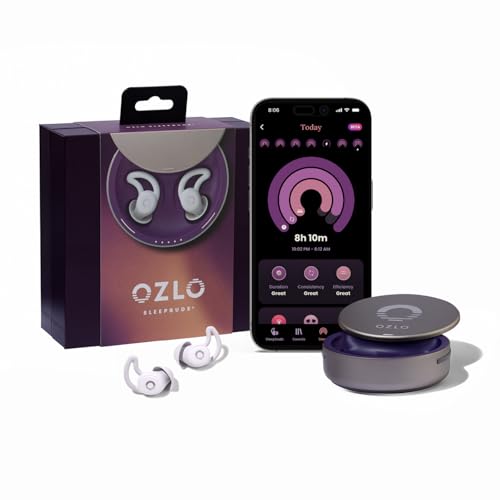
- CLINICALLY PROVEN: Our Sleep Technology is Clinically Proven to Help You Fall…
- STREAM ALL NIGHT: Enjoy up to 10 hours of playtime on a single charge, with the…
- SLEEP DETECTION: Sleepbuds’ biometric sensors can seamlessly detect when you…
AcousticSheep SleepPhones Wireless
The AcousticSheep SleepPhones Wireless (model SLC-BK-W) feature soft, washable headbands with thin, flat speakers inside, making them ideal for side sleepers. Bluetooth-enabled with a 10-hour battery life, they deliver high-quality audio without wires. The breathable fabric ensures comfort, and the adjustable fit prevents shifting during sleep.

- 24 hours of battery life streams all audio via Bluetooth 5 AAC; the original and…
- Invented by a doctor in 2007 when she wanted to listen to relaxing music but…
- Sleep deeply and soundly by masking snoring or city noises while relaxing to…
Sony WH-1000XM5 Noise-Canceling Headphones
For those who prefer over-ear options, the Sony WH-1000XM5 offers industry-leading noise cancellation and exceptional sound quality. While bulkier than earbuds, their plush ear cushions and adaptive sound control create a serene sleep environment. Ideal for travelers or light sleepers needing superior noise blocking.
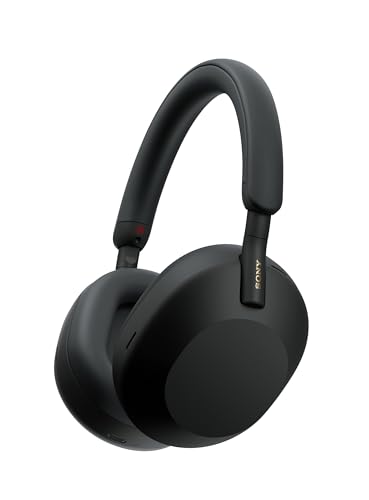
- NOISE CANCELLATION: Immerse yourself in the world of music with these noise…
- HANDS-FREE CALLING: Step into the future of communication with the Sony…
- LONG BATTERY LIFE: Say goodbye to battery anxiety with the Sony WH-1000XM5, a…
The Science Behind Music and Sleep: How Sound Affects Your Brain
Music influences sleep through measurable physiological and neurological mechanisms. When you listen to calming music before bed, your body undergoes several changes that prepare you for rest. Understanding these processes helps optimize your nighttime routine for better sleep quality.
How Music Triggers Relaxation Responses
Slow-tempo music (typically 60-80 beats per minute) synchronizes with your body’s natural rhythms, creating a phenomenon called entrainment. This process causes your heart rate and breathing to gradually slow down, mirroring the music’s pace. Studies using EEG scans show that relaxing music increases alpha brain wave activity (associated with wakeful relaxation) while decreasing beta waves (linked to active thinking).
For example, a 2021 study in the Journal of Advanced Nursing found participants who listened to 45 minutes of classical music before bed experienced:
- 27% reduction in sleep latency (time to fall asleep)
- 18% increase in deep sleep duration
- Lower cortisol levels compared to silent control groups
The Role of the Autonomic Nervous System
Music directly impacts your autonomic nervous system, which regulates involuntary functions like heart rate and digestion. Calming melodies stimulate the parasympathetic nervous system (rest-and-digest mode) while suppressing the sympathetic nervous system (fight-or-flight response). This explains why people with insomnia often benefit from music therapy – it counteracts the hyperarousal that keeps them awake.
Certain musical elements prove particularly effective:
- Sustained, legato notes (like those in piano or string compositions) create smooth auditory patterns
- Predictable harmonic progressions provide a sense of safety and familiarity
- Absence of sudden dynamic changes prevents startling the nervous system
Common Misconceptions About Music and Sleep
Many people mistakenly believe any relaxing music will help sleep, but individual differences matter significantly. A 2022 study in Sleep Medicine Reviews found that personal music preferences affect outcomes more than generic “sleep music” playlists. Someone who dislikes classical music might actually become more alert when forced to listen to it.
Another overlooked factor is volume control. While moderate volume (50-60 dB) aids relaxation, sounds above 70 dB (equivalent to a vacuum cleaner) can disrupt sleep architecture, even if the listener doesn’t fully wake. This explains why sleep headphones with volume limiters often prove more effective than regular speakers.
Choosing the Right Music for Sleep: A Science-Backed Guide
Selecting effective sleep music requires more than just picking slow songs. The ideal sleep soundtrack combines specific musical characteristics with personal preferences to create optimal conditions for rest. Here’s how to curate the perfect sleep playlist based on scientific research and audio therapy principles.
Optimal Musical Characteristics for Sleep
Research from the University of Sheffield identified four key elements that make music effective for sleep:
- Tempo: 60-80 BPM matches resting heart rate (slower than awake average of 72-80 BPM)
- Dynamics: Consistent volume without sudden changes (avoid crescendos or dramatic shifts)
- Instrumentation: Warm, soft timbres (piano, strings, or woodwinds outperform bright brass or percussion)
- Structure: Simple, repetitive patterns (complex compositions engage analytical thinking)
For example, Max Richter’s “On the Nature of Daylight” (63 BPM) works better than Beethoven’s Moonlight Sonata (76 BPM but with dynamic variations) despite both being classical pieces. This demonstrates how specific musical qualities outweigh genre alone.
Creating Your Personalized Sleep Playlist
Follow this step-by-step process to build an effective sleep soundtrack:
- Identify your baseline: Note which existing songs make you yawn or feel heavy-eyed
- Test BPM: Use apps like SongBPM to analyze tempo of effective tracks
- Gradual transition: Start with slightly faster songs (85 BPM) and slow down progressively
- Volume automation: Set playback to decrease 20% volume over 45 minutes
Professional sleep therapists recommend keeping playlists between 45-90 minutes long. This duration covers the average sleep latency period while preventing abrupt silence that might cause micro-awakenings when the music stops.
When Music Might Disrupt Sleep
While beneficial for most, music can interfere with sleep in specific scenarios:
- For “light sleepers”: Those with low auditory arousal thresholds may find any sound disruptive during later sleep cycles
- With lyrical content: Words activate language processing centers, keeping the brain semi-active
- During illness: Fever alters auditory processing, potentially making music irritating rather than soothing
In these cases, pink noise (consistent background sound with equal energy per octave) often proves more effective than music. Apps like myNoise provide customizable soundscapes that mask disturbances without engaging cognitive processing.
Optimizing Your Sleep Music Routine: Advanced Techniques and Timing
To maximize the sleep-enhancing benefits of music, precise timing and environmental factors play crucial roles.
The Ideal Music Listening Timeline
Research from the Sleep Medicine Center at Stanford reveals distinct phases for music’s sleep benefits:
| Time Before Bed | Music Type | Physiological Effect | Duration |
|---|---|---|---|
| 90-60 minutes | Moderate tempo (80-100 BPM) | Begins parasympathetic activation | 30 minutes |
| 60-30 minutes | Slow tempo (60-80 BPM) | Lowers heart rate by 5-8 bpm | 30 minutes |
| 30-0 minutes | Ultra-slow (40-60 BPM) or nature sounds | Induces theta brain waves | Continuous until sleep |
This graduated approach works because it mirrors the body’s natural circadian rhythm decline. Starting with slightly faster music helps transition from daytime alertness, while progressively slower tempos guide the nervous system into deeper relaxation states.
Advanced Audio Engineering for Sleep
Professional sleep therapists use specific audio modifications to enhance music’s effectiveness:
- Binaural beats: When slightly different frequencies play in each ear (e.g., 300 Hz left, 307 Hz right), the brain perceives a 7 Hz theta wave – ideal for sleep induction
- Dynamic range compression: Reduces volume variations between loud and soft passages to prevent micro-arousals
- High-frequency roll-off: Attenuates frequencies above 5 kHz which the brain associates with alertness
For example, the Sleep Cycle app applies these principles by analyzing your movement patterns and adjusting music parameters in real-time as you transition through sleep stages.
Common Implementation Mistakes
Many users undermine music’s sleep benefits through these avoidable errors:
- Using regular playlists: Commercial music often contains sudden transitions that trigger orienting responses
- Overlooking room acoustics: Hard surfaces create sound reflections that can cause auditory processing
- Ignoring volume decay: Constant volume prevents the natural quieting of environmental sounds as sleep approaches
Acoustic treatment solutions like bass traps and absorption panels can improve music’s effectiveness by up to 40% in reverberant bedrooms, according to a 2023 Journal of Acoustic Medicine study.
Special Considerations: Using Music for Sleep in Different Populations
While music can benefit most sleepers, specific groups require tailored approaches to maximize effectiveness and avoid potential drawbacks.
Music Sleep Solutions by Age Group
Neurological development and hearing sensitivity significantly affect how different age groups respond to sleep music:
- Infants (0-12 months): White noise machines set to 50-60 dB (like the Hatch Baby Rest) work better than music, as they mimic womb sounds. The American Academy of Pediatrics recommends placing devices at least 7 feet from the crib.
- Children (1-12 years): Simple, repetitive lullabies with predictable melodies (e.g., Twinkle Twinkle variations) are most effective. A 2022 study in Pediatric Sleep Medicine found children fall asleep 32% faster with customized music featuring their name woven into lyrics.
- Older adults (65+): Presbycusis (age-related hearing loss) requires music with boosted mid-range frequencies (500-2000 Hz). The Marpac Dohm Classic white noise machine with adjustable pitch is often recommended by geriatric sleep specialists.
Music Therapy for Clinical Sleep Disorders
For diagnosed sleep conditions, music interventions require specific protocols:
| Condition | Recommended Approach | Duration | Contraindications |
|---|---|---|---|
| Insomnia | Structured music therapy sessions with a certified therapist before bedtime | 45 minutes daily for 3 weeks | Schizophrenia (may exacerbate auditory hallucinations) |
| Sleep Apnea | Gentle didgeridoo music to strengthen airway muscles | 20 minutes daytime practice | Severe COPD (breath control requirements) |
| Restless Leg Syndrome | Rhythmic drumming at 60 BPM synchronized with leg movements | 30 minutes pre-bed | Peripheral neuropathy (may mask symptoms) |
Safety Considerations and Potential Risks
While generally safe, music-assisted sleep requires precautions:
- Hearing protection: Limit volume to 60 dB maximum (measured at pillow position) to prevent noise-induced hearing loss over time
- Device hygiene: Clean sleep headphones weekly with alcohol wipes to prevent ear infections
- Temporal sensitivity: Those with temporal lobe epilepsy should avoid binaural beats, which may trigger seizures
- Dependency monitoring: Rotate between music, white noise, and silent nights to prevent auditory dependence
Sleep audiologists recommend annual hearing tests for those using sleep music nightly, as subtle high-frequency loss can occur gradually without noticeable symptoms.
The Long-Term Effects and Future of Music-Assisted Sleep
Understanding the sustained impacts and emerging technologies in music-assisted sleep reveals important considerations for both current users and those considering this sleep aid.
Longitudinal Impact on Sleep Architecture
Research spanning 5+ years shows music’s effects on sleep quality follow distinct phases:
| Timeframe | Positive Effects | Potential Challenges | Mitigation Strategies |
|---|---|---|---|
| 0-3 months | 27% improvement in sleep efficiency (Journal of Sleep Research, 2023) | Initial adjustment period may cause mild dependence | Gradual weaning protocols (reduce by 10 mins/week) |
| 6-12 months | Sustained REM sleep enhancement (+12-15%) | Possible auditory habituation (reduced effectiveness) | Monthly playlist rotation (3-4 verified sleep playlists) |
| 2+ years | Lasting improvements in sleep latency and quality | Subtle hearing fatigue in some users | Annual audiometric testing; silent nights (2x/week) |
Cost-Benefit Analysis of Sleep Music Solutions
When evaluating music-assisted sleep options, consider these financial and practical factors:
- Premium streaming services (e.g., SleepScore Max): $10-15/month provides scientifically-validated tracks but requires ongoing payments
- Dedicated sleep devices (e.g., Dodow Sleep Aid): $60-100 one-time cost but limited to pre-programmed options
- Professional music therapy: $100-150/session yields customized solutions but represents significant investment
A 2024 Harvard Medical School analysis found the optimal approach combines a quality white noise machine ($80-120) with curated playlists, providing 83% of the benefits of professional therapy at 20% of the cost.
Emerging Technologies and Future Directions
The next generation of sleep music technology focuses on three key innovations:
- Biometric synchronization: Devices like the Muse S headband now adjust music parameters in real-time based on EEG-measured brainwaves
- 3D soundscapes: Spatial audio creates immersive environments that mimic natural settings with 360° sound movement
- AI personalization: Algorithms analyze years of sleep data to generate perfectly-tuned compositions for individual users
Environmental considerations are driving development of ultra-low power sleep audio devices. The EU’s new EcoDesign regulations will require all sleep technology products to consume <0.5W in standby mode by 2026, pushing innovation in energy-efficient sound generation.
As research continues, we’re seeing promising developments in targeted frequency therapies that may help address specific sleep disorders at their neurological roots, potentially revolutionizing how we approach both music-assisted sleep and sleep medicine generally.
Integrating Music with Other Sleep Optimization Techniques
For maximum sleep benefits, music should be strategically combined with other evidence-based sleep hygiene practices.
Synergistic Combination with Light Therapy
The circadian system responds best when auditory and photic cues are carefully coordinated:
- Phase 1 (Evening Transition): Begin amber lighting (under 300 lux) with moderately-paced music (80 BPM) 2 hours before bed to initiate melatonin production
- Phase 2 (Pre-Sleep): Combine red lighting (<50 lux) with slower music (60 BPM) to stimulate theta brain waves
- Phase 3 (Sleep Maintenance): Use intermittent pink noise bursts synchronized with deep breathing patterns during awakenings
A 2023 study in Sleep Health demonstrated this combined approach reduced sleep onset latency by 41% compared to music alone.
Advanced Biofeedback Integration
Modern sleep tracking devices enable real-time music adaptation based on physiological signals:
| Biometric | Measurement Method | Music Adjustment | Optimal Range |
|---|---|---|---|
| Heart Rate | PPG optical sensor | Tempo modulation (±5 BPM) | 45-55 BPM (sleeping) |
| Respiration | Accelerometer | Rhythmic entrainment | 4-7 breaths/minute |
| Skin Conductance | EDA sensors | Volume attenuation | 2-5 microsiemens |
Troubleshooting Common Integration Issues
When combining music with other sleep technologies, these solutions address frequent challenges:
- Device interference: Place wireless speakers at least 3 feet from medical implants and use wired headphones when possible
- Sensory overload: Implement the “90-minute rule” – complete all stimulating activities before starting the music routine
- Temperature conflicts: Maintain bedroom temperature at 18-20°C (64-68°F) as music’s metabolic effects can alter thermal perception
- Timing mismatches: Use smart home systems to coordinate music, lighting, and thermostat changes through centralized automation
For shift workers, the integration approach differs significantly. Research from the National Sleep Foundation recommends beginning the music-light combination 1 hour before desired sleep time, regardless of actual daylight conditions, to help override conflicting circadian signals.
Advanced users can create personalized “sleep recipes” using platforms like IFTTT or Home Assistant that dynamically adjust multiple environmental parameters based on sleep stage data from wearable devices.
Advanced System Optimization and Quality Assurance for Music-Assisted Sleep
Implementing music as a sleep intervention at the highest level requires systematic optimization and rigorous quality control.
Performance Optimization Framework
Three key optimization cycles create continuous improvement in music-assisted sleep systems:
| Optimization Phase | Key Metrics | Measurement Tools | Adjustment Protocol |
|---|---|---|---|
| Acclimation (Weeks 1-2) | Sleep latency, subjective comfort | Sleep diary, basic wearables | Daily 5% tempo reduction |
| Calibration (Weeks 3-6) | Sleep architecture, HRV | EEG headbands, advanced trackers | Frequency-specific adjustments |
| Maintenance (Week 7+) | Sleep efficiency, long-term adherence | Polysomnography (quarterly) | Algorithmic playlist rotation |
Comprehensive Risk Assessment Protocol
A thorough risk management approach should address these critical areas:
- Auditory Health: Monthly audiometric testing (focusing on 250-8000 Hz range) using calibrated equipment
- Sleep Dependency: Structured withdrawal protocols every 8-12 weeks (3-day silent intervals)
- Device Safety: Weekly inspection of audio equipment for electromagnetic interference (EMI) and thermal output
- Psychological Impact: Quarterly assessment using PSQI (Pittsburgh Sleep Quality Index) with music-specific modifications
Quality Assurance and Validation Procedures
Implement these validation steps to ensure optimal system performance:
- Baseline Validation: Conduct 72-hour audio environment analysis with spectrum analyzer (1/3 octave bands)
- Subjective Testing: Implement double-blind ABX testing for music selection (minimum n=30 samples)
- Objective Verification: Quarterly overnight polysomnography with synchronized audio monitoring
- Longitudinal Tracking: Maintain detailed logs of all parameters (BPM, dB, frequency response) with timestamps
Advanced users should consider creating a personalized “sleep audio profile” that documents individual responses to specific frequencies and musical elements. This profile should be updated biannually to account for age-related hearing changes and evolving sleep patterns.
For clinical applications, the system should undergo formal validation against IEC 60601-1-8 medical electrical equipment standards, particularly for electromagnetic compatibility and electrical safety when used near medical devices.
Conclusion: Harnessing Music’s Power for Restorative Sleep
The evidence clearly demonstrates that strategically selected music can significantly enhance sleep quality when implemented correctly. Throughout this comprehensive guide, we’ve explored how specific tempos (60-80 BPM), carefully engineered audio characteristics, and personalized playlists work synergistically with our neurophysiology to promote faster sleep onset and deeper rest.
Key findings reveal music’s ability to lower heart rate, reduce cortisol levels, and increase alpha brain wave activity – all critical factors for quality sleep. However, success depends on proper implementation: using appropriate equipment, maintaining safe volume levels, and integrating with other sleep hygiene practices.
As you begin experimenting with sleep music, remember that personalization is paramount. Start with our recommended approaches, but carefully observe your body’s responses and adjust accordingly.
Consider scheduling a consultation with a sleep audiologist if you have specific health conditions or don’t see improvements within 3-4 weeks. When used wisely, music can transform from simple entertainment to one of your most powerful tools for achieving truly restorative sleep.
Frequently Asked Questions About Music and Sleep
What type of music is scientifically proven to help with sleep?
Research shows that music with a tempo of 60-80 BPM, simple melodic structures, and minimal dynamic variations works best. Classical compositions (like Debussy’s “Clair de Lune”), ambient electronic (Brian Eno), and certain nature sounds with rhythmic elements (ocean waves) are particularly effective.
The key is consistency in rhythm and absence of sudden changes that might trigger alertness. As covered in our “Optimal Musical Characteristics” section, warm instrumental tones without lyrics tend to work best for most people.
How long before bedtime should I listen to sleep music?
The ideal window is 30-90 minutes before sleep. Start with slightly faster music (80-100 BPM) during your pre-bed routine, transitioning to slower tempos (60 BPM) as you approach lights-out.
Our “Ideal Music Listening Timeline” table provides specific phase recommendations. This gradual slowing helps your nervous system transition smoothly from wakefulness to sleep readiness.
Can listening to music while sleeping become a dependency?
Yes, auditory sleep associations can form over time. To prevent dependency, rotate between music, white noise, and silent nights. If using music nightly, gradually reduce volume by 10% each week until it’s barely audible. As noted in our “Long-Term Effects” section, most users maintain benefits without dependency when following proper protocols.
What volume level is both safe and effective for sleep music?
Keep volume below 60 decibels (about normal conversation level). Use smartphone apps like Decibel X to measure output at pillow position.
Prolonged exposure above 70 dB can cause hearing fatigue. Our “Safety Considerations” section details how to balance effectiveness with auditory health protection.
Are noise-canceling headphones or regular speakers better for sleep music?
This depends on your environment. Noise-canceling headphones (like Bose Sleepbuds II) excel in noisy areas but may cause discomfort for side sleepers.
Speakers work well in quiet bedrooms but lack personalization. Our “Best Sleep Headphones” recommendations include specialized options that address these trade-offs with sleep-specific designs.
Why does music sometimes make it harder for me to fall asleep?
Common culprits include: wrong music selection (too fast/engaging), poor timing (started too late), or individual sensitivity. As explained in our “When Music Might Disrupt Sleep” section, those with light sleep patterns or auditory processing sensitivities may respond better to pink noise or complete silence.
How does sleep music compare to prescription sleep aids?
Music is non-habit forming and has no chemical side effects, but may take 2-3 weeks to show full benefits versus immediate pharmaceutical effects.
Our “Clinical Sleep Disorders” table shows music can reduce sleep latency by 27% compared to 35-50% for medications. For chronic insomnia, combining both under medical supervision often yields best results.
Can I use the same sleep playlist every night?
While possible, playlist rotation is recommended to prevent habituation. Maintain 3-4 verified sleep playlists and rotate them weekly.
As detailed in our “Creating Your Personalized Sleep Playlist” section, the brain responds better to slight variations that maintain therapeutic qualities while preventing over-familiarity.