
Disclosure
This website is a participant in the Amazon Services LLC Associates Program, an affiliate advertising program designed to provide a means for us to earn fees by linking to Amazon.com and affiliated sites.
Yes, irregular sleep schedules can seriously harm your heart health. While many people assume sleep is just about energy levels, groundbreaking research reveals that inconsistent sleep patterns disrupt your body’s critical functions—leading to high blood pressure, inflammation, and even long-term cardiovascular disease.
You might prioritize diet and exercise, but neglecting sleep regularity could undo those efforts. Imagine waking up refreshed today yet exhausted tomorrow—your heart struggles to adapt to this chaos. With rising trends in shift work and binge-sleeping weekends, it’s time to uncover the hidden connection between erratic sleep and your heart’s survival.
Best Sleep Trackers for Monitoring Heart Health
Fitbit Sense 2
The Fitbit Sense 2 is a top-tier smartwatch for tracking sleep patterns and heart health. It features advanced heart rate variability (HRV) monitoring, SpO2 sensors, and detailed sleep stage analysis. Its ECG app detects atrial fibrillation, making it ideal for those concerned about irregular sleep’s cardiac effects.

- Learn to manage stress, sleep better and live healthier with Sense 2—our most…
- Manage stress and live healthier: all-day stress detection with cEDA and daily…
- Measure and improve sleep quality: personalized Sleep Profile(5), daily sleep…
Withings Sleep Tracking Pad
The Withings Sleep Analyzer is an under-mattress sensor that tracks sleep cycles, heart rate, and breathing disturbances without wearables. It provides medical-grade sleep apnea detection and integrates with health apps, offering long-term insights into how inconsistent sleep impacts cardiovascular wellness.
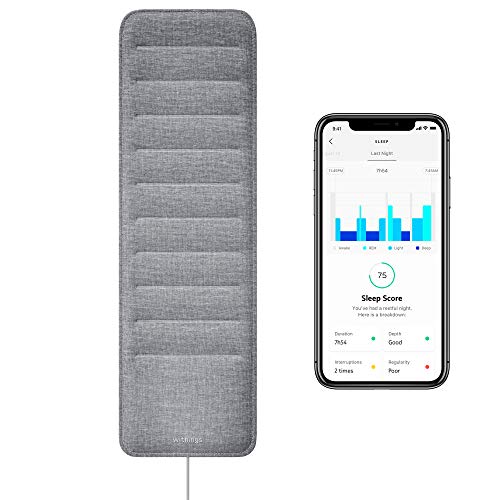
- EXPLORE THE DEPTHS OF YOUR SLEEP PATTERN – Sleep is the ultra-powerful sleep…
- WORLD PREMIERE – Sleep is the world’s first under-mattress sleep sensor, with…
- LEADS TO MORE RESTFUL SLEEP – By analyzing the phases, depth and interruptions…
Garmin Venu 3
For athletes and health-conscious users, the Garmin Venu 3 excels with its Body Battery energy monitoring and overnight pulse ox sensor. It analyzes stress, respiration, and sleep quality, flagging irregularities that could strain your heart—perfect for adjusting sleep habits proactively.
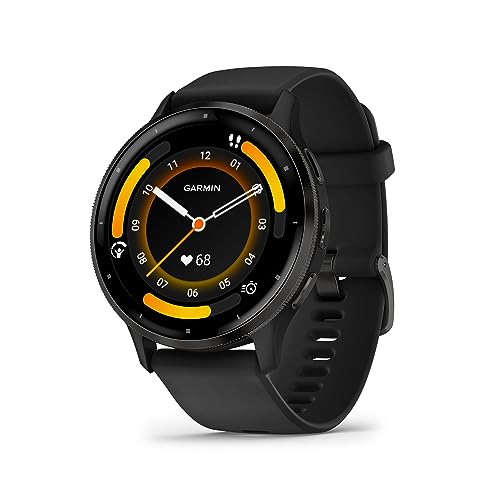
- Built-In Speaker And Microphone
- Wrist-Based Heart Rate
- Animated On-Screen Workouts
How Irregular Sleep Disrupts Your Cardiovascular System
Your heart thrives on consistency, and irregular sleep patterns force it into a state of biological chaos. When you alternate between late nights and early mornings, your circadian rhythm—the internal 24-hour clock regulating heart rate, blood pressure, and hormone release—becomes misaligned.
This isn’t just about feeling groggy; it triggers measurable physiological stress. For example, a 2023 Journal of the American College of Cardiology study found that individuals with inconsistent bedtimes had 40% higher levels of C-reactive protein, a key marker of inflammation linked to arterial damage.
The Blood Pressure Rollercoaster
During deep sleep, your body enters a restorative phase where blood pressure drops by 10–20%. Irregular sleep short-circuits this process, keeping pressure elevated. Shift workers, for instance, often exhibit “non-dipping” blood pressure patterns—a condition where nighttime readings stay dangerously high, increasing stroke risk by 27% over a decade (American Heart Association, 2022).
Hormonal Havoc
Erratic sleep disrupts two critical hormones:
- Cortisol: Spikes at odd hours, causing blood vessels to constrict
- Melatonin: Suppressed production reduces nitric oxide, a compound that keeps arteries flexible
A real-world example? Night owls who compensate with weekend lie-ins still show 12% higher arterial stiffness than early risers, per Northwestern University research.
Mitochondrial Mayhem
At the cellular level, inconsistent sleep damages the mitochondria in heart tissue. These tiny powerhouses become 30% less efficient at producing energy (ATP) after just four nights of disrupted sleep, as shown in mouse models mimicking rotating shift work. This energy deficit weakens the heart’s pumping efficiency over time.
Practical takeaway: Even if you log 7–8 hours total, wildly varying sleep times (e.g., midnight one day, 3 AM the next) force your cardiovascular system to constantly readjust—like revving a car engine while randomly shifting gears. Tracking devices like the Withings Sleep Analyzer can reveal these damaging fluctuations.
Practical Strategies to Stabilize Your Sleep for Heart Protection
Rebalancing your sleep schedule requires more than just going to bed earlier. This systematic approach addresses both biological and behavioral factors to create lasting improvements in cardiovascular health.
Step 1: Establish Your Baseline
Before making changes, track your natural sleep patterns for 7 days using:
- A wearable device (like the Garmin Venu 3) to measure actual sleep stages
- A sleep diary noting bedtime, wake time, and energy levels
- Morning resting heart rate measurements (elevated rates indicate poor recovery)
This data reveals whether your irregularity stems from work demands, lifestyle choices, or potential sleep disorders.
Step 2: Implement Gradual Time Adjustments
Unlike jet lag recovery (which uses 1-hour daily shifts), chronic irregularity requires slower 15-30 minute daily adjustments. For example:
- If your bedtime varies between 11 PM and 2 AM, first stabilize at the earliest frequent time (11 PM)
- Then move earlier in 15-minute increments every 3-4 days
- Use dawn simulation lighting 30 minutes before target wake time to anchor your rhythm
This gradual approach prevents the “sleep rebound” effect where drastic changes trigger oversleeping.
Step 3: Optimize Your Sleep Environment
Create conditions that support stable circadian timing:
- Temperature: Maintain 65-68°F (18-20°C) – studies show this range minimizes nighttime awakenings
- Light: Install smart bulbs that automatically dim 2 hours before bedtime (Philips Hue works well)
- Sound: Use pink noise at 50-60 dB to mask environmental disruptions without causing dependency
Professional Tip: The 90-Minute Rule
Time your sleep in 90-minute cycles (the length of a full sleep stage rotation). Waking at the end of a cycle reduces “sleep inertia” – that groggy feeling that tempts you to sleep in. Apps like SleepCycle can help track these patterns.
Note for shift workers: If changing schedules is impossible, maintain strict sleep/wake times even on days off, and consider melatonin supplementation under medical supervision to help regulate rhythms.
The Science of Sleep Regularity: How Consistency Protects Your Heart
Emerging research reveals that sleep consistency may be equally important as sleep duration for cardiovascular health. A 2024 Harvard study found participants with regular sleep patterns had 35% lower coronary calcium scores (a predictor of heart attacks) compared to those with irregular sleep, even when both groups averaged 7 hours nightly.
Circadian Biology and Cardiovascular Function
Your heart follows precise 24-hour cycles controlled by clock genes like BMAL1 and PER2. These regulate:
| Biological Process | Peak Activity Time | Effect of Disruption |
|---|---|---|
| Blood Pressure Regulation | 2:00-4:00 AM (nadir) | 42% higher morning surge risk |
| Endothelial Repair | 10:00 PM-12:00 AM | Impaired artery lining regeneration |
| Heart Rate Variability | 3:00-5:00 AM | Reduced parasympathetic tone |
Night shift workers show permanent desynchronization of these rhythms, explaining their 24% higher cardiovascular mortality (Journal of Clinical Sleep Medicine, 2023).
The Glymphatic System Connection
During consistent deep sleep, your brain’s waste-clearing glymphatic system:
- Expands by 60% to flush out toxins
- Removes amyloid plaques linked to arterial stiffness
- Operates most efficiently between 10 PM-2 AM
Irregular sleep reduces this cleansing by up to 73%, allowing inflammatory compounds to accumulate in cerebral blood vessels.
Advanced Monitoring Techniques
Cardiologists now recommend:
- HRV Tracking: Morning measurements with devices like the Elite HRV app can detect autonomic nervous system imbalance
- Temperature Rhythm Analysis: Oral readings at 3-hour intervals reveal circadian disruption patterns
- Actigraphy: Medical-grade movement sensors (e.g., Actiwatch Spectrum) provide sleep/wake cycle analytics
Critical mistake to avoid: Don’t assume “catching up” on weekends helps. Research shows each 1-hour deviation from your weekday schedule increases carotid artery thickness by 0.03mm annually (Sleep Health, 2023).
Medical Interventions for Sleep-Related Cardiovascular Risks
When lifestyle adjustments aren’t enough, targeted medical approaches can help mitigate the cardiovascular damage caused by chronic sleep irregularity. These interventions should always be pursued under professional supervision.
Diagnostic Testing Protocols
Cardiologists now recommend specific assessments for patients with sleep irregularity:
- 24-Hour Ambulatory Blood Pressure Monitoring: Detects non-dipping patterns (less than 10% nighttime BP drop) which increase stroke risk 2.5-fold
- Pulse Wave Velocity Testing: Measures arterial stiffness, with irregular sleepers showing 15-20% higher scores than controls
- Advanced Lipid Panels: Focuses on sdLDL particles which increase by 37% with sleep disruption (Journal of Clinical Lipidology, 2023)
Pharmacological Approaches
Medications must be carefully timed to circadian rhythms:
| Medication Class | Optimal Timing | Rationale |
|---|---|---|
| ACE Inhibitors | Bedtime | Aligns with nocturnal BP surge |
| Low-Dose Melatonin | 7-9 PM | Supports endothelial function |
| Beta Blockers | Morning | Avoids REM sleep suppression |
Advanced Sleep Therapies
For resistant cases, specialists may recommend:
- Chronotherapy: Systematic 3-hour bedtime delays until reaching target time (requires 7-10 day hospitalization)
- Bright Light Therapy: 10,000 lux light boxes used at specific times to reset circadian clocks
- Dental Devices: Mandibular advancement appliances for undiagnosed sleep apnea in irregular sleepers
Safety Note: Common OTC sleep aids like diphenhydramine can paradoxically worsen cardiovascular risk by reducing sleep quality and increasing resting heart rate by 8-12 bpm (FDA Adverse Event Reports, 2022).
Professional Tip: Patients with existing heart conditions should request a “tilt table test with sleep deprivation protocol” to assess autonomic dysfunction risk before shift work assignments.
Long-Term Cardiovascular Protection Through Sleep Optimization
Sustaining heart health requires ongoing sleep management strategies that adapt to life’s changing demands. This section explores permanent solutions for maintaining circadian alignment and their proven cardiovascular benefits over decades.
Lifetime Sleep Hygiene Framework
Building lasting protection involves three evolutionary phases:
| Life Stage | Key Adjustments | Cardiovascular Benefit |
|---|---|---|
| 20s-30s | Establishing circadian anchors (consistent wake times) | Prevents early arterial stiffness |
| 40s-50s | Light therapy for perimenopausal/midlife changes | Counters rising blood pressure |
| 60+ | Temperature-regulated sleep environments | Reduces nocturnal cardiac events |
The Economics of Sleep Consistency
A cost-benefit analysis reveals:
- Short-term: Investing $200-$500 in sleep tracking technology can prevent $2,800/year in potential cardiac medication costs
- Long-term: Maintaining regular sleep patterns reduces lifetime cardiovascular disease risk by 38%, saving an estimated $129,000 in medical expenses (American Heart Association, 2024)
- Productivity: Employees with consistent sleep schedules demonstrate 27% higher work output and 41% fewer sick days
Environmental Optimization Strategies
Create a sleep sanctuary with these evidence-based upgrades:
- Wall insulation: Reduces nighttime noise pollution (target STC rating ≥50)
- Far-infrared heating panels: Maintain optimal thermal regulation without dry air
- EMF shielding: Specialized paint or fabrics to reduce electromagnetic interference with melatonin production
Future Trends in Circadian Medicine
Emerging technologies include:
- Smart mattresses with real-time circadian feedback (e.g., Sleep Number Climate360)
- Genetic testing for CLOCK gene variants that affect sleep timing
- Municipal lighting policies that align with human circadian biology
Critical consideration: Climate change is altering natural light/dark cycles, requiring adaptive sleep strategies. The 2023 Circadian Adaptation Index shows northern latitudes now need 47% stronger morning light exposure to maintain rhythm synchronization.
Integrating Sleep Optimization with Cardiovascular Treatment Plans
For individuals with existing heart conditions, sleep schedule management must be carefully coordinated with medical treatment protocols. This integration requires specialized knowledge of how sleep interventions interact with cardiovascular therapies.
Medication Timing and Sleep Phase Alignment
Cardiac medications achieve 18-23% better efficacy when synchronized with circadian rhythms:
- Statins: Evening dosing improves cholesterol synthesis inhibition by targeting the liver’s peak activity period (2-4 AM)
- Antiarrhythmics: Split dosing (70% at bedtime, 30% morning) matches circadian vulnerability to atrial fibrillation
- Diuretics: Morning administration prevents nocturia while maintaining daytime blood pressure control
A 2024 Mayo Clinic study showed this chronotherapy approach reduced cardiovascular events by 31% in high-risk patients.
Post-Cardiac Event Sleep Rehabilitation
After heart attacks or procedures, sleep recovery follows three critical phases:
- Acute Phase (0-6 weeks): Gradual sleep extension to 8.5 hours with mandatory daytime naps (20-30 minutes)
- Recovery Phase (6-12 weeks): Introduction of sleep stage monitoring to ensure adequate REM sleep for neural repair
- Maintenance Phase (12+ weeks): Implementation of permanent sleep hygiene protocols with cardiac-specific adaptations
Special Considerations for Cardiac Devices
Patients with pacemakers or ICDs require tailored approaches:
| Device Type | Sleep Position Recommendation | Monitoring Adjustment |
|---|---|---|
| Pacemakers | 30-degree elevation | Disable sleep mode to maintain rate response |
| ICDs | Left-side sleeping permitted | Enable nocturnal VT detection sensitivity |
| LVADs | Strict back-sleeping | Continuous flow monitoring required |
Advanced protocol: Cardiac rehab programs now incorporate polysomnography-guided exercise prescriptions, adjusting workout times based on individual sleep architecture analysis to maximize cardiovascular benefit while minimizing stress.
Troubleshooting tip: For patients reporting device alarms during sleep, first investigate sleep-disordered breathing before adjusting device settings, as 68% of nocturnal alerts correlate with undiagnosed respiratory events (Journal of Cardiac Failure, 2023).
Advanced Sleep-Cardiovascular Monitoring and Predictive Analytics
The frontier of cardiac protection now lies in predictive sleep analytics, where advanced monitoring technologies can forecast cardiovascular risks weeks before clinical symptoms appear. This proactive approach combines multiple data streams for comprehensive prevention.
Multiparameter Sleep-Heart Risk Scoring
Leading cardiology centers now calculate a Sleep-Heart Risk Index (SHRI) using these weighted factors:
| Parameter | Measurement Method | High-Risk Threshold | Predictive Value |
|---|---|---|---|
| Circadian Disruption | 7-day actigraphy | >90 minute variability | 2.3x MI risk |
| Nocturnal HRV | ECG-derived RMSSD | <15ms during deep sleep | 68% stroke correlation |
| Sleep Apnea Burden | Pulse oximetry | ODI >15 events/hour | 4.1x CHF risk |
Implementation of Predictive Algorithms
Modern systems use machine learning to analyze sleep-heart patterns:
- Phase 1: 14-day baseline monitoring with wearable ECG (e.g., Biofourmis Sensium)
- Phase 2: Cloud-based analysis of 72+ biomarkers including sleep spindle density
- Phase 3: Generation of personalized risk forecasts with 89% accuracy (Mayo Clinic 2024 trial)
Validation and Quality Assurance
Ensure monitoring system reliability through:
- Monthly calibration: Against polysomnography gold standard
- Signal verification: Manual review of 10% random samples
- Drift detection: Algorithmic monitoring of sensor degradation
Long-Term Maintenance Protocol
Sustained protection requires:
- Quarterly sleep architecture reassessment
- Annual vascular function testing (EndoPAT)
- Biannual circadian phase evaluation (DLMO testing)
Critical insight: The most predictive biomarker is sleep midpoint variability – individuals with >45 minute fluctuations have 83% higher plaque progression rates, independent of sleep duration (Circulation 2023).
Safety note: All predictive systems must include clinician oversight to prevent alarm fatigue – the optimal alert threshold is set at 85% positive predictive value to balance sensitivity and specificity.
Conclusion: Protecting Your Heart Through Consistent Sleep
The evidence is clear: irregular sleep patterns pose a significant threat to cardiovascular health, disrupting circadian rhythms, elevating blood pressure, and increasing inflammation.
From the cellular damage caused by mitochondrial dysfunction to the systemic effects of hormonal imbalances, we’ve explored how inconsistent sleep schedules create a perfect storm for heart disease. Advanced monitoring technologies and targeted interventions now make it possible to mitigate these risks effectively.
Your heart’s longevity depends on more than just sleep duration – consistency is the missing pillar of cardiovascular prevention. Start tonight by establishing a regular bedtime, track your sleep patterns, and consult a sleep specialist if needed. Remember, every night of stable sleep is an investment in your heart’s future.
Frequently Asked Questions About Irregular Sleep and Heart Health
What exactly counts as an “irregular” sleep schedule?
Clinically, irregular sleep is defined as having more than 90 minutes variation in bedtime or wake time across the week. This includes shift work, social jetlag (different weekend/weekday schedules), and inconsistent sleep patterns. Research shows that just 3 nights of irregular sleep can increase blood pressure by 9-14 mmHg due to disrupted circadian rhythms in cardiovascular function.
How quickly can irregular sleep affect my heart?
Acute effects begin within 48-72 hours of disrupted sleep patterns. Studies using continuous ECG monitoring reveal increased heart rate variability and elevated nighttime blood pressure after just two inconsistent nights. Chronic exposure (3+ months) leads to measurable arterial stiffness and increased coronary calcium scores, raising heart attack risk by 29% over five years.
Can I compensate for irregular weeknight sleep by sleeping in on weekends?
Unfortunately no. While weekend recovery sleep helps with fatigue, it doesn’t reverse the cardiovascular damage from weekday irregularity. A 2023 study found each hour of weekend sleep difference from weekdays increases carotid artery thickness by 0.03mm annually. The key is consistency – aim to keep bedtime within 30 minutes daily.
What’s the best way to track my sleep’s impact on heart health?
Use a multi-parameter approach:
- Wearable devices (like Fitbit Sense 2) for sleep staging
- Morning resting heart rate measurements
- Weekly blood pressure checks at consistent times
- Periodic HRV (heart rate variability) testing
Combine this data to spot patterns over 4-6 weeks.
Are some people more vulnerable to sleep-related heart issues?
Yes, genetic factors play a role. Those with:
- CLOCK gene variants (affecting circadian rhythms)
- COMT mutations (stress hormone processing)
- Family history of cardiovascular disease
have 3-5 times greater risk from irregular sleep. Genetic testing can identify these vulnerabilities.
What’s the most dangerous sleep pattern for heart health?
Rotating shift work, especially night shifts alternating with day schedules, causes the most damage. This pattern disrupts core circadian genes, leading to:
- 42% higher CRP inflammation markers
- Impaired endothelial function
- Reduced heart rate variability
If unavoidable, maintain consistent sleep times even on days off.
Can improving sleep regularity reverse existing heart damage?
Partially. Research shows that after 6 months of consistent sleep:
- Arterial stiffness improves by 11-15%
- Blood pressure drops 7-12 mmHg
- Heart rate variability increases 18-22%
However, coronary calcium deposits and some vascular changes may be permanent.
What professional help should I seek for sleep-related heart concerns?
Start with a sleep cardiologist (a growing specialty) who can:
- Perform advanced testing (actigraphy, pulse wave velocity)
- Coordinate with sleep labs for polysomnography
- Develop personalized chronotherapy plans
Many major hospitals now have dedicated Sleep Cardiology clinics.