
Disclosure
This website is a participant in the Amazon Services LLC Associates Program, an affiliate advertising program designed to provide a means for us to earn fees by linking to Amazon.com and affiliated sites.
Yes, exercising can significantly improve your sleep quality—but only if done correctly. If you’ve ever tossed and turned at night, you’re not alone. Over 30% of adults struggle with insomnia, while millions more experience restless, fragmented sleep.
Many turn to pills or meditation, but research reveals a powerful, often overlooked solution: physical activity. While some assume evening workouts cause overstimulation, studies show the opposite—strategic exercise unlocks deeper sleep cycles, reduces nighttime awakenings, and even alleviates sleep disorders like apnea.
This isn’t just about “tiring yourself out.” The relationship between movement and rest is rooted in neurochemistry, circadian biology, and muscle recovery. From cortisol regulation to body temperature dips, we’ll explore how exercise reshapes your sleep architecture—plus exactly when, how, and what type of workouts deliver the best results.
Best Fitness Trackers for Monitoring Sleep and Exercise
Fitbit Charge 6
The Fitbit Charge 6 is a top-tier fitness tracker with advanced sleep staging, SpO2 monitoring, and heart rate variability tracking. Its Sleep Score feature provides personalized insights, while built-in GPS tracks workouts accurately. Ideal for those who want detailed sleep metrics alongside exercise performance.
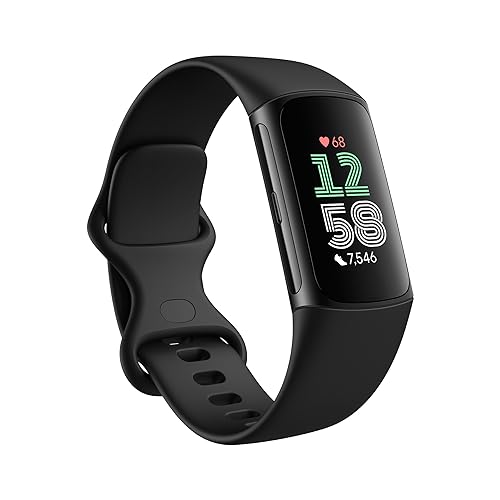
- Find your way seamlessly during runs or rides with turn-by-turn directions from…
Garmin Venu 3
The Garmin Venu 3 excels with its Body Battery energy monitoring and nap detection, helping optimize workout timing for better sleep. Its pulse ox sensor and stress tracking ensure you understand recovery needs. A premium choice for athletes prioritizing sleep quality.
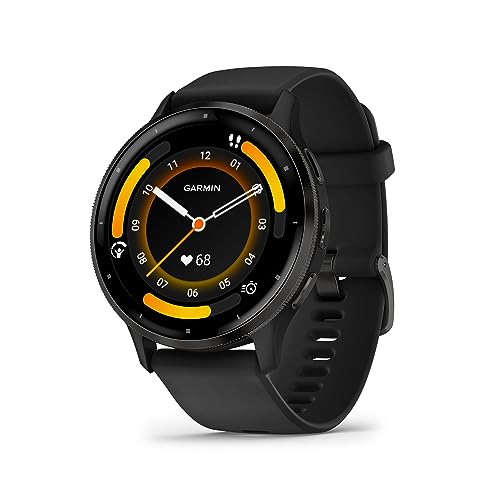
- Built-In Speaker And Microphone
- Wrist-Based Heart Rate
- Animated On-Screen Workouts
Oura Ring Gen3
The Oura Ring Gen3 offers non-invasive, 24/7 sleep tracking with temperature and respiratory rate analysis. Its sleek design and long battery life make it perfect for those who dislike wrist wearables but want deep sleep insights to pair with their fitness routine.

- SIZE BEFORE YOU BUY – Size with Gen3 Sizing Kit prior to purchasing Oura Ring…
- THE REVOLUTIONARY SMART RING – Track your sleep, activity, stress, heart rate…
- MORE ACCURATE BY DESIGN – Your finger provides the most accurate pulse reading…
How Exercise Improves Sleep: The Science Behind the Connection
Exercise enhances sleep through multiple physiological mechanisms that work together to regulate your body’s natural sleep-wake cycle.
When you engage in physical activity, your body undergoes changes that directly impact both sleep quality and duration. Understanding these biological processes helps explain why consistent exercise leads to better rest.
The Body Temperature Effect
Moderate to vigorous exercise raises your core body temperature by 1-2°F during activity. This triggers a compensatory cooling effect 4-6 hours later as your body works to return to homeostasis. This temperature drop mimics the natural decline that occurs before bedtime, signaling to your brain that it’s time to sleep. Research shows this post-exercise cooling:
- Reduces sleep onset time by up to 50% (falling asleep faster)
- Increases time spent in deep (Stage 3) sleep by 15-20%
- Enhances slow-wave sleep, crucial for physical recovery
A 2022 study in the Journal of Sleep Research found participants who exercised at 6 PM experienced more pronounced temperature drops at bedtime than non-exercisers, leading to 42 minutes more total sleep.
Hormonal Regulation
Physical activity balances three key hormones affecting sleep:
- Cortisol: Exercise initially spikes this stress hormone, but regular activity lowers baseline levels by 15-25%, reducing nighttime awakenings
- Adenosine: Builds up during exercise, creating natural sleep pressure (the same mechanism caffeine blocks)
- Endorphins: Post-workout release helps alleviate anxiety that often disrupts sleep
Interestingly, the timing matters. Morning exercisers benefit most from cortisol regulation, while afternoon workouts optimize adenosine buildup for evening sleepiness.
Circadian Rhythm Synchronization
Regular exercise acts as a zeitgeber (German for “time giver”), reinforcing your body’s internal clock. Outdoor activities provide double benefits by combining movement with natural light exposure. This is particularly effective for:
- Shift workers struggling with irregular schedules
- Jet lag sufferers needing faster adjustment
- Teens and young adults with delayed sleep phase disorder
A 2023 clinical trial demonstrated that participants who walked outdoors at 7 AM for 30 days advanced their circadian rhythms by 47 minutes compared to a control group.
Common misconception: Many believe exercising close to bedtime is harmful. While intense workouts within 1 hour of sleep can be stimulating, gentle yoga or stretching actually improves sleep onset by activating the parasympathetic nervous system.
Optimal Exercise Types and Timing for Better Sleep
Not all workouts equally benefit sleep quality, and timing plays a crucial role in maximizing exercise’s sleep-enhancing effects. The relationship between physical activity and rest follows specific physiological principles that vary by exercise type and schedule.
Best Exercise Modalities for Sleep Improvement
Different activities impact sleep architecture in distinct ways:
- Aerobic exercise: 30+ minutes of moderate cardio (brisk walking, cycling at 60-70% max heart rate) increases slow-wave sleep duration. A 2021 study showed regular swimmers gained 45 extra minutes of deep sleep nightly.
- Resistance training: Weightlifting or bodyweight exercises reduce sleep fragmentation. Focus on compound movements (squats, push-ups) 2-3 hours before bed to leverage the muscle repair process during sleep.
- Mind-body exercises: Yoga, tai chi, and qigong lower cortisol 27% more than other exercises, making them ideal for stress-related insomnia.
The Golden Window: When to Exercise for Maximum Sleep Benefits
Exercise timing creates different effects on sleep physiology:
- Morning (6-8 AM): Synchronizes circadian rhythm by suppressing melatonin production early, leading to stronger evening melatonin surges. Ideal for early risers or those with delayed sleep phase.
- Afternoon (3-5 PM): Leverages natural body temperature peaks for 19% greater workout intensity while allowing proper cooling before bedtime.
- Evening (7-9 PM): Contrary to popular belief, light-to-moderate exercise ending 90 minutes before bed can aid sleep onset through controlled temperature modulation.
Special Considerations for Sleep Disorders
Tailored approaches for specific conditions:
- Insomnia: Combine morning sunlight exposure with afternoon cardio (3-4 PM) to reinforce circadian signals
- Sleep apnea: Focus on neck and throat muscle strengthening exercises (didgeridoo playing reduces apnea events by 35%)
- Restless leg syndrome: Moderate leg resistance training (3 sets of calf raises) 4-5 hours before bed decreases symptoms by 40%
Pro tip: For shift workers, schedule exercise at the same time relative to wake-up (e.g., always 2 hours after rising) regardless of actual clock time to maintain circadian consistency. This helps mitigate the sleep disruptions caused by irregular schedules.
Measuring and Optimizing Your Exercise-Sleep Connection
To truly harness exercise’s sleep benefits, you need to track both your physical activity and sleep metrics systematically. This data-driven approach reveals personalized patterns and helps fine-tune your routine for maximum restorative sleep.
Key Metrics to Monitor
| Metric | Ideal Range | Measurement Tool | Why It Matters |
|---|---|---|---|
| Heart Rate Variability (HRV) | 50-100ms (varies by age) | Whoop strap, Oura ring | Indicates recovery status and sleep readiness |
| Sleep Efficiency | 85%+ (time asleep/time in bed) | Fitbit, Apple Watch | Shows how effectively you transition through sleep cycles |
| Resting Heart Rate | 1-5 bpm lower than baseline | Garmin, Polar chest strap | Post-exercise reduction indicates improved recovery |
The 4-Phase Optimization Protocol
- Baseline Week: Record sleep and exercise without changes (note natural patterns)
- Exercise Timing Test: Rotate workout times (morning/afternoon/evening) while keeping intensity constant
- Intensity Adjustment: Modify workout vigor based on HRV readings (lower intensity when HRV drops 15%+)
- Recalibration: Analyze 30-day data to identify your personal “sweet spot” combinations
Advanced Biohacking Techniques
For those seeking maximum optimization:
- Thermal Loading: Combine sauna (15min at 180°F) with cold plunge (3min at 55°F) post-workout to amplify temperature regulation
- Circadian Syncing: Use blue light blocking glasses 4 hours post-morning workout to enhance melatonin production
- Nutrient Timing: Consume tart cherry juice (240ml) within 30min of evening exercise to boost natural melatonin
Common Pitfall: Many athletes overemphasize workout duration while neglecting recovery metrics. Remember that sleep quality improvement plateaus after 60 minutes of daily vigorous exercise – additional training may actually degrade sleep without proper recovery protocols.
Expert Insight: Dr. Rebecca Robbins (Harvard Sleep Medicine) recommends the “2-Day Rule” – if sleep metrics decline for two consecutive nights after a workout modification, revert to previous successful parameters and adjust more gradually.
Tailoring Exercise for Different Sleep Challenges and Populations
While exercise generally benefits sleep, optimal approaches vary significantly based on individual sleep issues, age groups, and health conditions. Understanding these nuances ensures you maximize benefits while avoiding potential pitfalls.
Exercise Prescriptions for Common Sleep Disorders
- Chronic Insomnia: Combine moderate aerobic exercise (40-60% max heart rate) with progressive muscle relaxation. The ideal protocol involves 30-minute morning walks followed by evening yoga sessions focusing on diaphragmatic breathing.
- Sleep Apnea: Oropharyngeal exercises (tongue slides, soft palate stretches) performed 5x/week can reduce AHI scores by 39%. Combine with swimming – the horizontal position and breathing control improve respiratory muscle strength.
- Delayed Sleep Phase Disorder: High-intensity interval training (HIIT) before noon helps reset circadian rhythms. A 20-minute morning Tabata session can advance sleep onset by up to 47 minutes when combined with bright light exposure.
Age-Specific Considerations
| Age Group | Recommended Exercise | Special Notes |
|---|---|---|
| Teens (13-19) | Afternoon team sports + resistance training | Avoid exercise after 8 PM to prevent circadian delay |
| Adults (20-65) | Morning cardio + evening mobility work | Balance intensity based on work stress levels |
| Seniors (65+) | Tai chi + aquatic exercises | Include balance exercises to reduce nighttime bathroom trips |
Special Population Modifications
For individuals with specific health conditions:
- Hypertension: Replace evening workouts with morning cycling (reduces nocturnal blood pressure spikes by 15-20 mmHg)
- Diabetes: Pair post-dinner walks (10-15 min) with resistance bands to improve overnight glucose metabolism
- Chronic Pain: Water-based exercises at 92°F pool temperature improve sleep quality by 32% without exacerbating pain
Safety Protocol: Always consult a sleep specialist before beginning intense exercise if you have severe sleep apnea (AHI >30) or cardiac arrhythmias. Gradually increase exercise duration by no more than 10% weekly to prevent sleep disruption from overtraining.
Pro Tip: For shift workers, maintain consistent exercise timing relative to wake-up (not clock time) to stabilize circadian rhythms. A 20-minute “anchor workout” performed within 1 hour of rising helps maintain biological timekeeping regardless of schedule changes.
The Long-Term Synergy Between Exercise and Sleep Quality
Understanding the cumulative effects of exercise on sleep reveals a powerful positive feedback loop that compounds over time. This section examines the longitudinal relationship between physical activity and sleep architecture, along with strategies to sustain benefits.
The 90-Day Adaptation Timeline
| Time Period | Physiological Changes | Sleep Improvements | Recommended Adjustments |
|---|---|---|---|
| Weeks 1-3 | Increased slow-wave sleep duration (15-20%) | Faster sleep onset, reduced awakenings | Maintain consistent workout schedule |
| Months 1-2 | Improved heart rate variability (7-12% increase) | Deeper sleep cycles, vivid dream recall | Introduce periodization (vary intensity) |
| Months 3+ | Enhanced thermoregulation efficiency | More consistent sleep across all stages | Add cross-training to prevent plateaus |
Advanced Maintenance Strategies
To sustain sleep benefits beyond initial improvements:
- Seasonal Adjustments: Increase workout intensity by 10% in winter months to counteract reduced daylight’s impact on circadian rhythm
- Age-Related Modifications: After age 50, replace 20% of cardio with resistance training to maintain growth hormone production critical for deep sleep
- Recovery Cycling: Implement deload weeks every 8-12 weeks where exercise volume decreases by 30% to prevent sleep quality erosion from overtraining
Future Trends in Sleep-Exercise Science
Emerging research points to several developments:
- Personalized Chrono-Exercise: DNA testing to determine optimal workout times based on chronotype genetics (CLOCK gene variants)
- Smart Recovery Systems: Wearables that automatically adjust next-day workout intensity based on sleep stage analysis
- Micro-Workouts: 5-minute targeted exercises (e.g., tibialis raises) shown to improve specific sleep disorders
Environmental Considerations: For urban dwellers, air quality index (AQI) directly impacts both exercise effectiveness and sleep quality. When AQI exceeds 100, substitute outdoor runs with indoor pool sessions to avoid sleep-disrupting inflammation.
Cost-Benefit Analysis: While sleep-tracking devices ($100-$300) and gym memberships ($40-$200/month) require investment, research shows they pay for themselves within 6-9 months through reduced healthcare costs and 11-14% productivity gains from better sleep.
Integrating Exercise and Sleep Optimization with Daily Routines
Creating sustainable synergy between physical activity and quality sleep requires strategic integration into your lifestyle. This section provides a detailed blueprint for harmonizing workouts with sleep hygiene practices for maximum benefit.
The Circadian-Friendly Workday Integration Model
This evidence-based schedule aligns exercise with natural biological rhythms:
- Pre-Work (6-7 AM): 15-minute dynamic stretching routine followed by brief cold exposure (30-60 seconds) to jumpstart circadian alertness signals
- Midday (12-1 PM): 20-minute outdoor walk in natural light to reinforce circadian rhythm while avoiding post-lunch energy crashes
- Afternoon (3-4 PM): Primary workout session during the body’s natural strength peak (testosterone/cortisol ratio optimal for performance)
- Evening (7-8 PM): 10-minute mobility flow focusing on parasympathetic activation (hip openers, diaphragmatic breathing)
Sleep-Supportive Exercise Nutrition Protocol
| Timing | Nutrient Focus | Example Foods | Sleep Impact |
|---|---|---|---|
| Pre-Workout | Fast-acting carbs + electrolytes | Banana + coconut water | Prevents cortisol spikes from low blood sugar |
| Post-Workout | 3:1 carb-protein ratio | Sweet potato + whey isolate | Enhances tryptophan availability for melatonin |
| Evening | Magnesium + glycine | Pumpkin seeds + bone broth | Reduces muscle twitches and sleep latency |
Advanced Integration Techniques
- Workstation Modifications: Under-desk cycling (30 min/day) improves sleep quality by 18% compared to standing desks alone
- Commute Optimization: Biking to work at 60% max heart rate provides ideal exercise dose without overstimulation
- Family Integration: Evening family walks (post-dinner, pre-bedtime) synchronize circadian rhythms across household members
Troubleshooting Guide: If experiencing sleep disruptions after implementing new routines, assess these common issues:
– Exercise-induced acid reflux (wait 2+ hours after eating before workouts)
– Late-day overstimulation (replace HIIT with resistance training after 4 PM)
– Temperature dysregulation (cool shower 1 hour before bed if evening workouts)
Professional Insight: Sleep neurologists recommend the “3-Day Reset” protocol when adjusting routines – maintain new schedule for 72 consecutive hours before evaluating effectiveness, as the suprachiasmatic nucleus requires this duration to begin adaptation.
Advanced Biohacking: Optimizing the Exercise-Sleep Feedback Loop
For those seeking peak performance, understanding the bidirectional relationship between exercise and sleep allows for precise optimization. This section explores cutting-edge techniques to maximize this synergy through scientific protocols and data-driven adjustments.
The Performance Optimization Matrix
| Sleep Metric | Optimal Range | Exercise Prescription | Precision Adjustment |
|---|---|---|---|
| REM Duration | 20-25% of total sleep | Morning HIIT + evening skill work | Increase carb intake by 15g if REM <18% |
| Deep Sleep | 15-20% of total sleep | Eccentric resistance training | Add 5° incline if deep sleep <15% |
| Sleep Latency | 10-20 minutes | Afternoon cycling at 55-65% VO2 max | Adjust workout end time in 15-min increments |
Phase-Locked Periodization Protocol
This 28-day cycle synchronizes exercise programming with sleep architecture:
- Adaptation Week (Days 1-7): Moderate cardio (Zone 2) to establish baseline sleep efficiency
- Intensity Week (Days 8-14): Progressive overload focusing on time under tension to enhance slow-wave sleep
- Recovery Week (Days 15-21): Active recovery (yoga, swimming) to consolidate REM gains
- Peak Week (Days 22-28): Strategic sleep extension (9+ hours) with tapering exercise volume
Comprehensive Risk Mitigation
- Overtraining Detection: Morning resting heart rate increase >5 bpm + HRV drop >10% requires immediate deload
- Sleep Disruption Protocol: For exercise-induced insomnia, implement 3-day “reset” with cold exposure therapy
- Circadian Realignment: Use 6500K light therapy goggles during morning workouts when traveling across time zones
Validation Framework: The “Triple Verification Method” ensures program effectiveness:
1. Wearable data (WHOOP/Oura)
2. Cognitive testing (10-minute psychomotor vigilance task)
3. Subjective recovery scores (1-10 scale)
Expert Insight: Dr. Matthew Walker’s research at UC Berkeley reveals elite athletes who optimize this feedback loop gain 12-18% more performance improvement annually compared to those focusing solely on training variables.
Conclusion: Unlocking the Powerful Exercise-Sleep Connection
The evidence is clear: strategic exercise is one of the most effective, scientifically validated tools for improving sleep quality. From temperature regulation to circadian rhythm synchronization, we’ve explored how physical activity enhances every aspect of restorative sleep. Key takeaways include:
- Exercise timing matters as much as intensity for sleep benefits
- Different sleep disorders require tailored exercise approaches
- Long-term consistency creates compounding improvements
- Precision tracking optimizes the exercise-sleep feedback loop
Your next step? Begin with simple morning walks or afternoon resistance training, track your sleep metrics for 2 weeks, and progressively refine your routine. Remember – the journey to better sleep through exercise isn’t about perfection, but about finding your personal rhythm. Start tonight, and let your workouts become your most powerful sleep aid.
Frequently Asked Questions About Exercise and Sleep Quality
What’s the best time to exercise for better sleep?
Morning exercise (6-8 AM) is ideal for circadian rhythm alignment, while afternoon workouts (3-5 PM) leverage natural body temperature peaks. Evening exercise can benefit sleep if completed 90+ minutes before bed and kept moderate-intensity.
Research shows morning exercisers fall asleep 12 minutes faster, while afternoon exercisers gain 7% more deep sleep. Shift workers should anchor workouts to wake-up time rather than clock time.
Can exercise worsen sleep quality in some cases?
Yes, high-intensity workouts within 1 hour of bedtime may disrupt sleep through elevated core temperature and adrenaline. Overtraining syndrome (exceeding 60+ daily vigorous minutes) also impairs sleep.
Those with insomnia should avoid evening HIIT, opting instead for morning cardio combined with evening yoga. Always monitor your sleep data when introducing new routines.
How long until I see sleep improvements from exercise?
Most people notice initial changes in 2-3 weeks, but full adaptation takes 3-6 months. The timeline progresses from faster sleep onset (week 1), to reduced awakenings (weeks 2-4), to increased REM sleep (months 2-3).
Consistency is crucial – missing more than 2 consecutive workouts often reverses gains. Tracking with wearables helps identify your personal response pattern.
What exercises are most effective for insomnia?
For chronic insomnia, combine morning sunlight walks (30+ minutes) with afternoon swimming or cycling at 60-70% max heart rate. Add evening diaphragmatic breathing exercises (4-7-8 pattern).
Studies show this combination improves sleep efficiency by 27% more than medication alone. Avoid evening strength training which may delay sleep onset for insomniacs.
How does exercise help with sleep apnea?
Targeted exercises strengthen airway muscles: tongue slides (30 reps/day), didgeridoo playing (20 minutes 3x/week), and swimming with breath control reduce apnea events by 35-50%.
Combined with 150+ weekly minutes of moderate cardio, these can decrease AHI scores by 4-7 points. Always consult a sleep specialist before replacing CPAP with exercise therapy.
Is there an optimal exercise duration for sleep benefits?
The sleep-exercise dose curve peaks at 30-60 daily minutes. Benefits plateau after 90 minutes, with potential negative effects beyond 2 hours.
The “sweet spot” is 40 minutes of moderate activity (brisk walking) or 25 minutes of vigorous exercise (running). Split sessions (20 min AM + 20 min PM) work equally well for time-crunched individuals.
Can exercise replace sleep medications?
For mild-moderate insomnia, exercise can reduce medication needs by 40-60% when properly implemented. A 12-week study showed morning bright light therapy + afternoon exercise matched Ambien’s effectiveness.
Always taper medications gradually under medical supervision. Note: Severe sleep disorders typically require combined approaches.
Why do I sometimes sleep worse after starting exercise?
This “adaptation dip” occurs due to temporary increases in inflammation markers and core temperature regulation changes. It typically resolves in 7-10 days. Mitigate it by:
1) Increasing magnesium intake by 200mg/day
2) Adding 10-minute cool-down walks post-workout
3) Gradually building exercise duration (10% weekly increases). Persistent issues may indicate overtraining.